The modern workplace often equates frantic activity with high performance, but the most effective individuals in 2026 operate under a different philosophy entirely. These people prioritize results over optics, often appearing relaxed and unhurried while their peers are perpetually overwhelmed. By mastering the art of essentialism, they eliminate the fluff that fills a typical workday, allowing them to achieve more in four hours than most do in forty. This shift from “busy-work” to “impact-work” is the hallmark of a truly efficient mind. It requires a fundamental rejection of the performative hustle culture that has dominated the corporate world for decades, replacing it with a laser-like focus on high-value output.
1. Practice Aggressive Calendar Protection

Highly productive individuals view their time as a finite currency and guard it with extreme discipline. They are the first to decline meetings that lack a clear agenda or could have been easily summarized in a brief written message. By saying “no” to low-value requests, they create large blocks of uninterrupted time for deep work, which is where the most significant progress is actually made. This behavior ensures that their schedule is dictated by their own strategic goals rather than the whims and distractions of others. When you protect your calendar, you are essentially protecting your ability to think clearly, as a fragmented day is the enemy of high-level problem solving. They understand that every “yes” to a trivial task is a “no” to their most important work, so they treat their time with the same reverence a CFO treats a company’s capital.
2. Master the “One-Touch” Rule for Information

One of the biggest productivity killers in the digital age is handling the same piece of information multiple times throughout the day. Whether it is an email, a project task, or a shared document, truly productive people try to deal with it immediately upon opening it. They follow a strict protocol: they either delete it, delegate it to a more appropriate person, or complete the task right then and there if it takes less than five minutes. This prevents a mental “backlog” from forming, keeping their cognitive load light and their focus sharp for complex challenges. By closing these loops immediately, they avoid the “mental friction” of having to re-read and re-process the same data later in the week. This habit alone can save hours of cumulative time that is usually wasted on indecision and repetitive administrative overhead, ensuring their inbox never becomes a source of anxiety.
3. Prioritize Leverage Over Simple Labor

The smartest workers look for tasks that have a high return on investment for their time, focusing on leverage rather than just effort. They prioritize activities that scale, such as building a system that automates a recurring task or training a team member to handle a specific responsibility independently. They understand that spending five hours today to save one hour every week for the next year is the ultimate shortcut to appearing “not busy” while remaining highly effective. This long-term thinking separates the masters of productivity from those who are merely reactive. Instead of just doing the work, they spend a significant portion of their time refining the process of how the work gets done. This focus on systems over individual tasks creates a compounding effect, where their efficiency grows over time, eventually allowing them to produce massive results with a fraction of the manual labor required by their colleagues.
4. They Utilize “Time-Boxing” to Limit Perfectionism

Instead of working on a project indefinitely until it is “perfect,” productive people assign a specific window of time to a task and stop when the clock runs out. This utilizes Parkinson’s Law, which states that work expands to fill the time available for its completion. By setting strict boundaries, they force themselves to focus on the most important elements of the job rather than getting bogged down in minor, unnecessary details that do not add significant value. This “good enough” approach on non-critical tasks allows them to move through their to-do list with incredible speed. It also prevents the burnout that often accompanies open-ended projects that seem to have no finish line. By boxing their time, they maintain a sense of urgency and momentum, ensuring that they are constantly shipping results rather than perpetually polishing ideas that may never see the light of day.
5. Professional Procrastinator on Low-Value Tasks
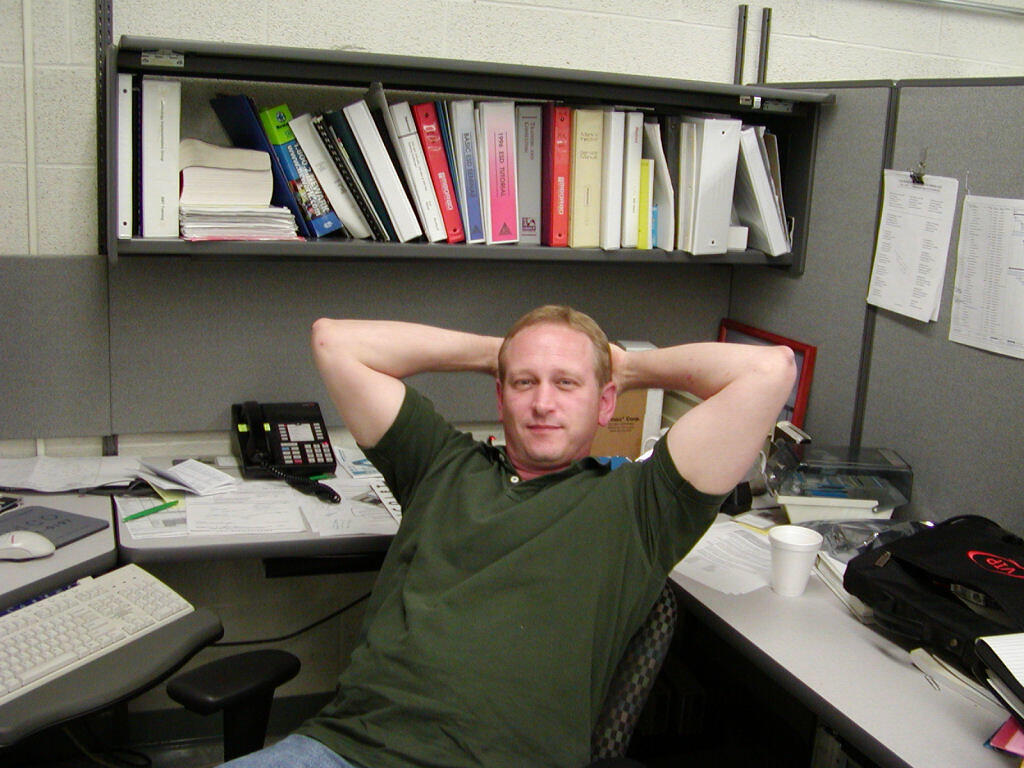
While it sounds counter-intuitive, the best performers intentionally delay tasks that aren’t urgent or important. They allow minor issues to resolve themselves or wait until several similar tasks can be batched together for more efficient processing. This prevents their day from being fragmented by small, distracting errands that break their focus on the “big picture” objectives that actually drive their career forward. They are comfortable with the “uncomfortable” feeling of an unreturned minor email if it means they finished their primary project. This strategic delay is a form of filtering; if a task isn’t important enough to survive a few days of delay, it probably wasn’t worth doing in the first place. By ignoring the “urgent but unimportant,” they stay focused on the “important but not urgent” work that leads to long-term success and professional growth.
6. Invest Heavily in “Pre-Work” Strategic Planning

The secret to a smooth and seemingly effortless workday is often found in the night before. Highly productive people spend fifteen to twenty minutes at the end of each day identifying their “Big Three” tasks for the next morning. By starting the day with a pre-set plan, they avoid the decision fatigue that comes from wondering what to work on first when they sit down at their desk. This allows them to hit the ground running with total clarity while others are still sifting through their inboxes or attending stand-up meetings. This “pre-work” acts as a mental warm-up, allowing their subconscious to chew on problems while they sleep. When they wake up, they don’t have to waste their peak mental energy on administrative planning; they can dive straight into their most demanding work, ensuring that the most difficult part of their day is finished before lunch.
7. Optimize for Their Biological Peak Energy

Everyone has a specific time of day when their focus, creativity, and mental clarity are at their highest levels. Productive people identify this window—whether it is 5:00 AM or 10:00 PM—and schedule their most difficult, creative, or analytical work during it. They don’t waste their “golden hours” on administrative tasks like answering emails, filing reports, or attending status updates. They save those low-energy, rote tasks for when their brain is naturally starting to wind down later in the day. By matching the difficulty of the task to their current energy level, they work with their biology rather than against it. This alignment makes work feel significantly easier and prevents the mental “grind” that happens when you try to do deep thinking while your brain is in a slump. This mastery of personal energy management is what allows them to produce high-quality work without ever appearing to break a sweat.
8. Embrace a “Digital Minimalist” Philosophy

In 2026, the greatest threat to productivity is the constant ping of notifications from various apps, devices, and platforms. Truly productive people often keep their phones in another room or utilize strict “Work Mode” settings that block everything except essential communications from key stakeholders. By reducing the frequency of context-switching, they maintain a “flow state” for much longer periods. They understand that it takes an average of 23 minutes to regain full focus after a single distraction, so they view interruptions as a direct theft of their time. They check their messages in batches rather than in real-time, which allows them to produce higher-quality work in a much shorter timeframe. This intentional disconnect from the digital noise gives them a massive competitive advantage, as their ability to focus deeply is a becoming a rare and highly valuable skill in a distracted world.
9. Value Rest as a Critical Performance Tool

Highly effective people do not view sleep, exercise, or leisure as lost time or “lazy” activities. They understand that a rested brain is a faster, more accurate brain that makes fewer costly mistakes. They are often the first to leave the office or sign off for the evening because they know that pushing through physical and mental exhaustion leads to diminishing returns. They treat their recovery with the same seriousness that a professional athlete treats their off-season. By prioritizing high-quality sleep and regular breaks, they maintain a high level of cognitive function throughout the entire week, rather than burning out by Wednesday. This commitment to wellness allows them to sustain their performance for years, whereas the “hustlers” who brag about all-nighters often find themselves sidelined by health issues or mental fatigue. To the truly productive, rest isn’t a reward for good work; it is a prerequisite for it.
10. Focus Ruthlessly on “The Vital Few”

Based on the Pareto Principle, 80% of meaningful results come from 20% of your efforts. Smart workers are obsessed with identifying that crucial 20% and ignoring everything else. They ruthlessly cut out the “useful many” tasks that provide little value, even if those tasks feel productive in the moment or look good on a status report. This allows them to stay calm and unhurried, as they are only ever working on the small handful of things that actually move the needle for the company or their career. They are willing to look “unproductive” on paper by having a shorter to-do list, provided that every item on that list is a high-impact objective. This quality-over-quantity mindset ensures they are never busy for the sake of being busy. By mastering the art of the “Essential,” they reclaim their time and their sanity, proving that the secret to being more productive is often doing less.