

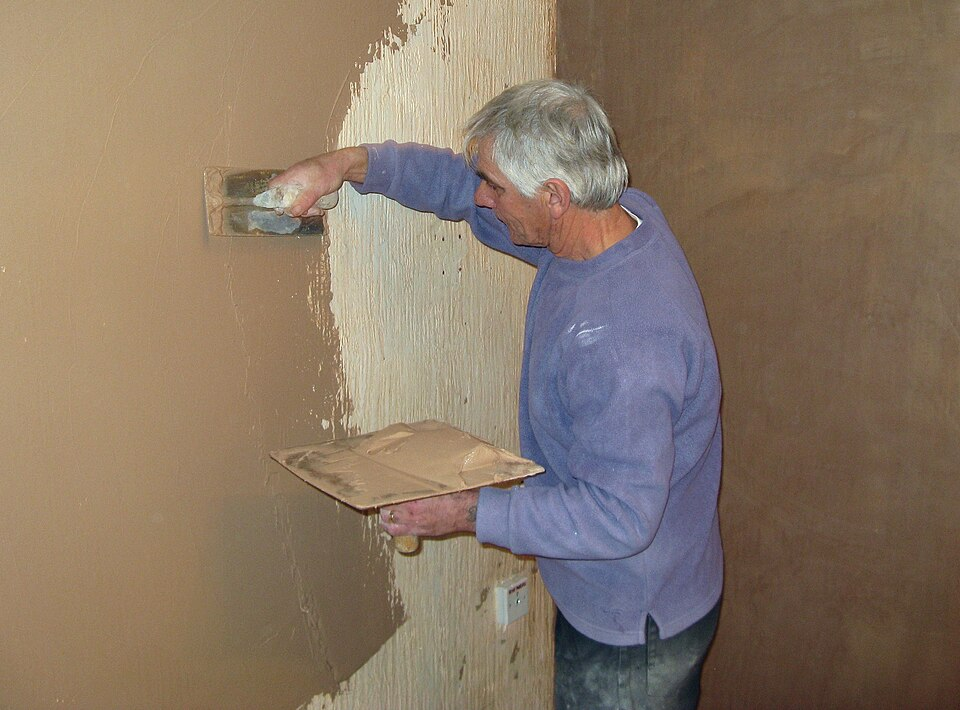
There is a particular smell that people who grew up in houses built before about 1950 remember without being able to name, and it is wet lime plaster drying. It takes weeks to go, it is faintly sweet, and it belongs to a trade that in 1960 still mixed its material on the floor with a shovel and applied it in three separate coats over strips of wood.
Plastering is one of the few building trades where the modern version of the job is genuinely faster, cleaner and safer, and where the thing it replaced was also, in measurable ways, better. A lime plaster wall on timber lath moves with a building, lets moisture pass through it and lasts a century. A sheet of plasterboard on a metal frame goes up in an afternoon. Both of those statements are true, which is why the trade still argues about it.
What the job actually was
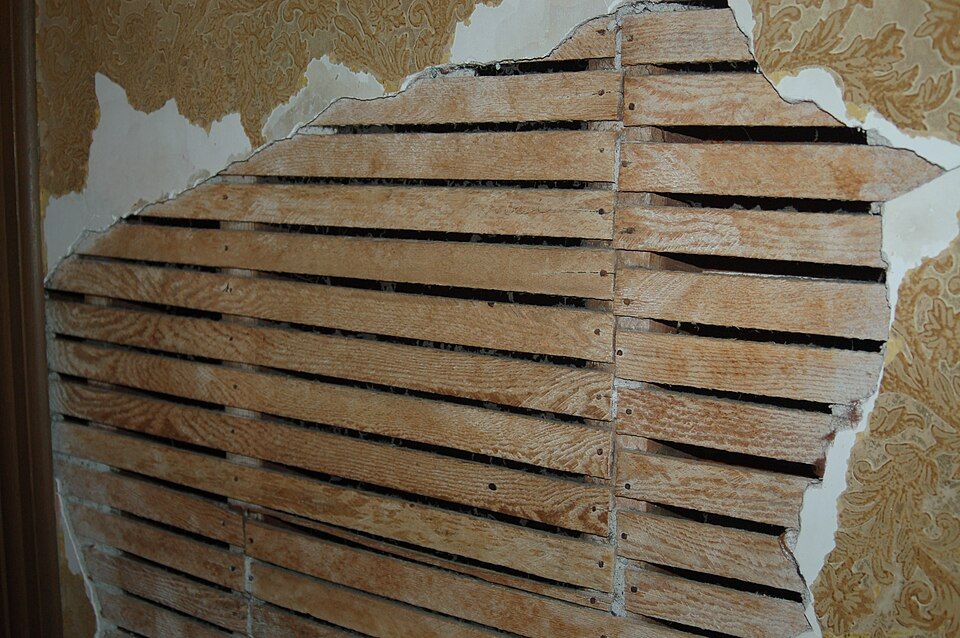
A plasterer in 1960 working on an older building was applying a three-coat system over laths — thin strips of timber nailed across the studs with a gap between them. The first coat was pushed through the gaps so that it squeezed out behind and formed a key that gripped the wall from the far side. The second levelled it. The third was a thin finishing coat, trowelled until it was flat enough to paint.
Each coat had to set before the next went on, which is why plastering a house was measured in weeks rather than days. A plasterer worked several rooms at once and moved between them in a rotation set by the drying.
The material was mixed on site, on a board or on the floor of the room being worked, with a shovel: lime, sand, water and a binder, turned over until it was the right consistency and left to stand. The judgement of when it was right was entirely by eye and by the feel of it off the trowel, and it is the part of the trade that nobody has successfully written down.
The tools were four: a hawk to carry the material, a trowel to apply it, a float to flatten it and a straightedge to check it. That has not changed. A plasterer from 1960 would recognise every tool in a modern plasterer’s bag.
Like our content? Follow us for more.
The lime was the dangerous part and nobody treated it as such
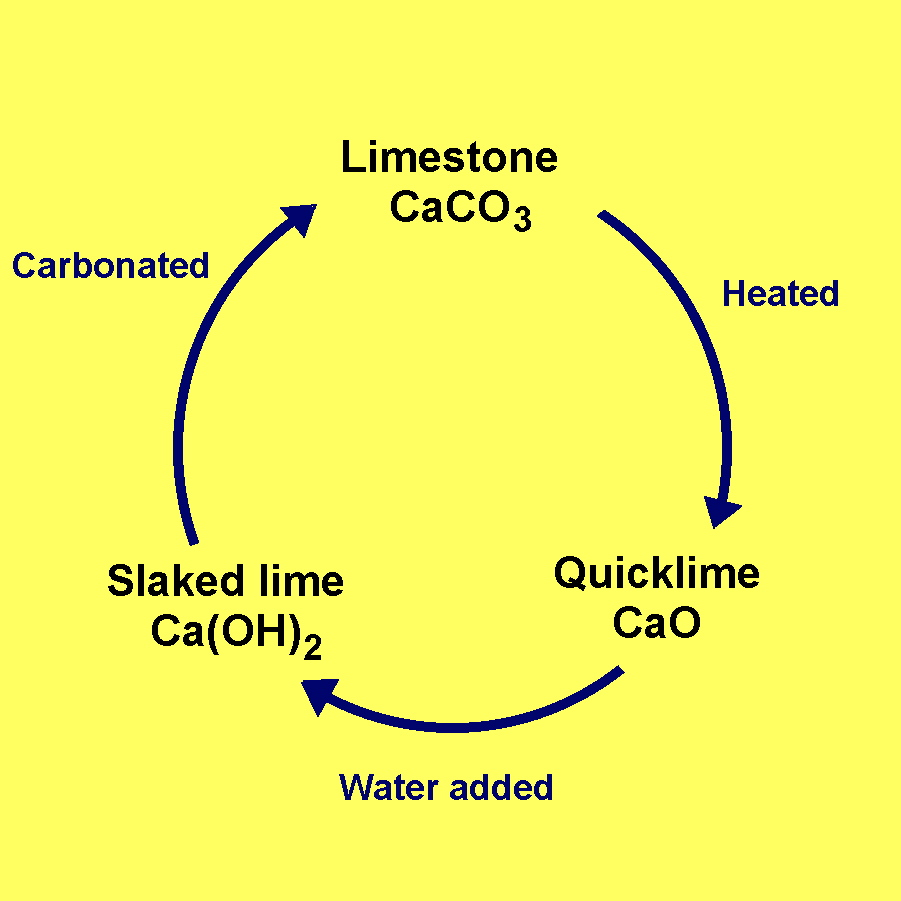
Lime plaster starts as quicklime, which is produced by burning limestone and which reacts with water violently, generating a great deal of heat. Turning it into something usable means slaking it — adding water under control — and in 1960 a good deal of that still happened on site, in a pit or a tub, by a man with a shovel.
Quicklime and fresh lime putty are strongly alkaline and they attack skin. The effect is slow enough that a plasterer working all day would not notice much until the evening, which is precisely what makes it dangerous, and the trade’s characteristic injury was cracked, split, burned hands and forearms that never entirely healed during a working life.
The modern position is unambiguous and it is about the eyes as much as the skin. Alkaline material in an eye is a medical emergency, the standard response is prolonged irrigation and immediate medical attention, and goggles are now required rather than suggested wherever lime or cement is mixed or applied overhead. Gloves appropriate to alkali, long sleeves and washing facilities on site are the rest of it.
None of that existed. Men mixed lime bare-handed, worked overhead with it dropping, and wore nothing over their eyes. It is the single clearest case in this file of a hazard that was completely understood chemically and completely ignored in practice.
Horsehair, and what else went into the mix
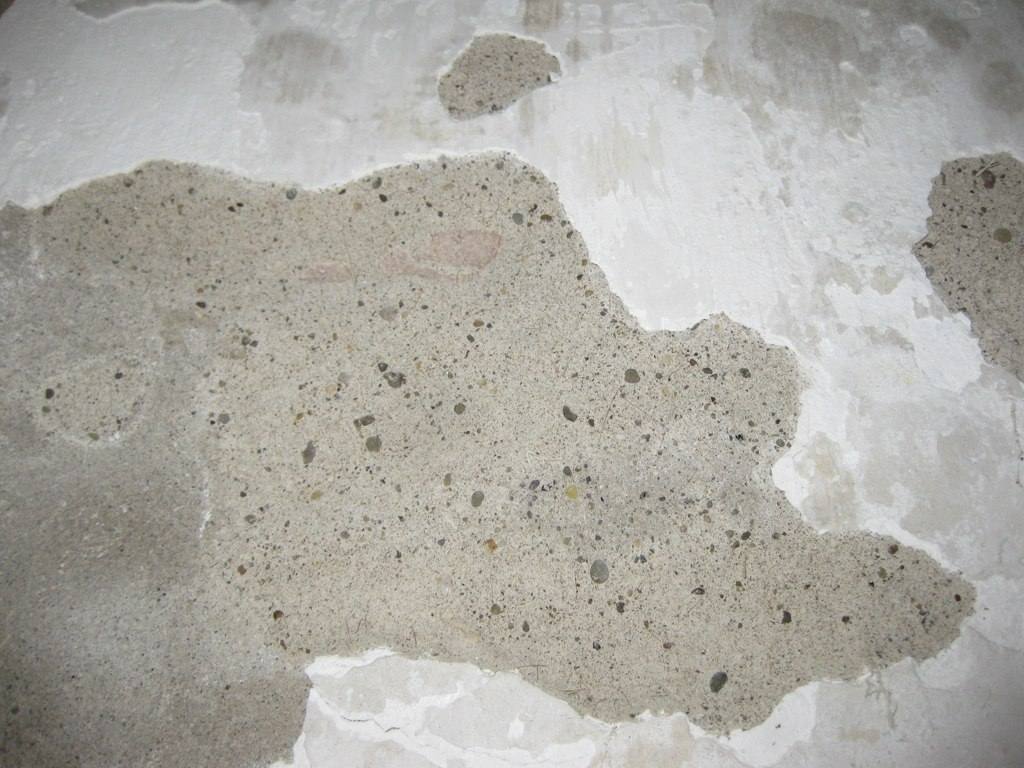
The first coat of a traditional three-coat plaster contained hair, which held the material together across the gaps between the laths and stopped it cracking as it dried. Horsehair was the standard, bought by the sack from the tannery trade, and goat and cattle hair were used as well.
It worked extremely well and it is the detail that most surprises people renovating an old house, because the hair is still visible in the back of the plaster sixty or a hundred years later. Modern reinforcement is glass or polypropylene fibre, which does the same job without the supply chain.
The other additions varied by region and by what was available: sand of a particular sharpness, sometimes a proportion of gypsum to speed the set, sometimes blood, sometimes clay. A plasterer in one county mixed differently from one in the next, and the recipes were trade knowledge rather than specification.
The relevant modern point is a conservation one. Anybody repairing lime plaster on an old building should be matching the original material rather than patching it with gypsum or cement, because a hard impermeable patch in a soft permeable wall concentrates moisture at its edges and takes the surrounding plaster off. This is the most common mistake made in the renovation of period houses, and it is made with the best intentions every day.
Then plasterboard arrived and changed the trade in a decade
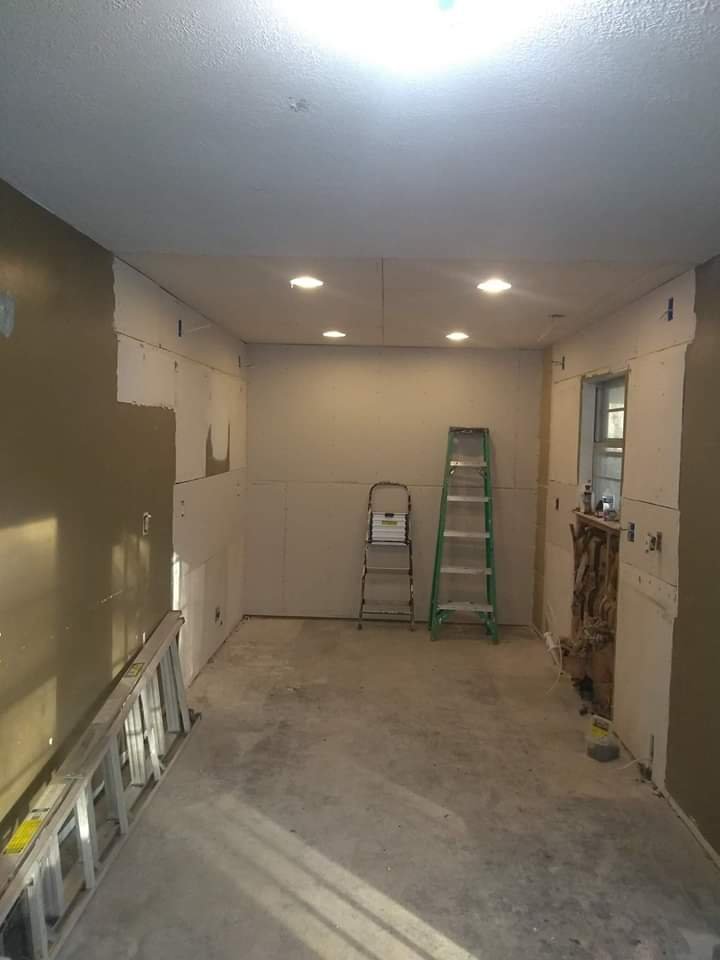
Gypsum plaster on a backing board was available well before 1960 and became dominant through the following twenty years. It goes up dry, needs no laths, sets in hours rather than weeks, requires far less skill to install acceptably, and can be fixed to a metal frame by somebody who is not a plasterer at all.
The economics were decisive. A house that took weeks to plaster could be boarded and skimmed in days, and the labour required was cheaper because the hardest part of the old job — the judgement about material and drying — had been designed out.
What the trade lost was most of its craft content and much of its repair work. What building owners gained was speed, consistency and a predictable price, and what the trade kept was the skimming: the final thin coat over the board, which is still a genuine skill and still cannot be done well by somebody who has not done it for years.
The argument that remains is about performance rather than nostalgia. Lime plaster is permeable and flexible, which suits a solid-walled building that needs to breathe and that moves. Gypsum is neither, which is why it fails on old walls and performs well on new ones. The trade’s complaint is not that plasterboard exists but that it gets used on buildings it is wrong for.
The dust was the hazard nobody named
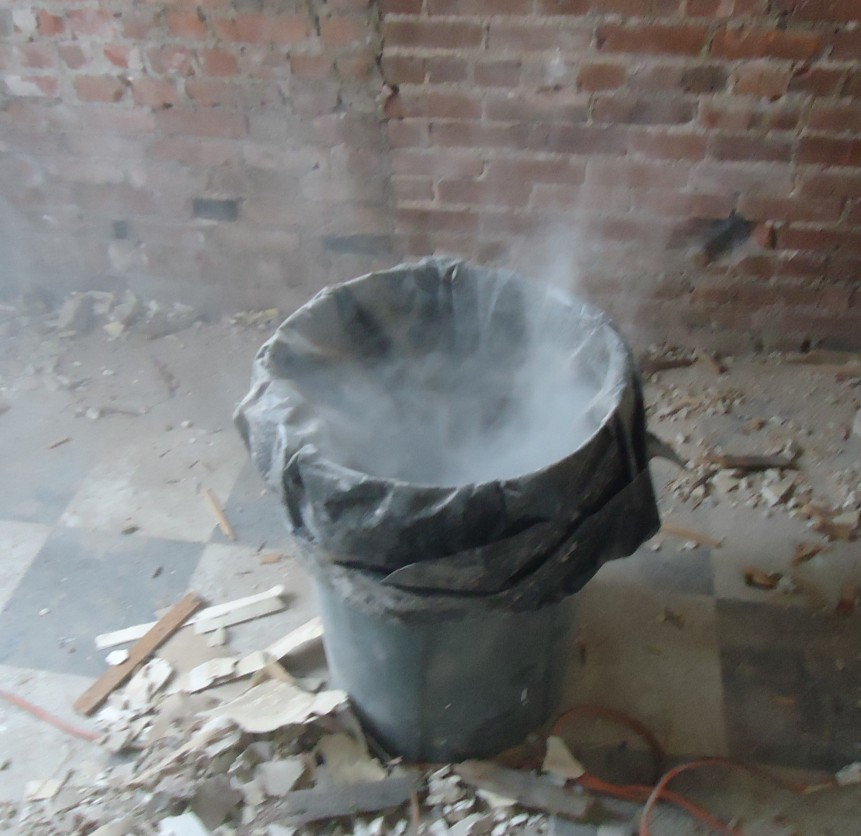
Mixing dry material by hand, cutting and sanding set plaster, and working in a room full of it put the plasterer in a cloud for much of the day. Sand, and the plaster containing it, carries respirable crystalline silica, and the understanding of what that does to lungs was established in the mining and quarrying industries long before anybody applied it to a man skimming a ceiling.
The modern regime is specific: the hazard is named, there are exposure limits, dust suppression is required, water suppression or on-tool extraction is used for cutting, respiratory protective equipment is provided and face-fit tested, and in several jurisdictions health surveillance applies to workers with significant exposure.
Silica is the reason that regime exists and it is not a historical curiosity. Construction remains one of the main sources of occupational lung disease in every developed country, and dry-cutting and dry-sweeping are the two practices that modern enforcement concentrates on.
No figures appear here on purpose. The point for a reader is the practical one: if you are cutting, sanding or sweeping up plaster, cement or masonry in your own house, wet it, extract it, or wear proper respiratory protection, and do not dry-sweep it afterwards. A dust mask from a hardware shop is not the same thing as fitted respiratory protection.
Working overhead, off trestles, with no edge protection
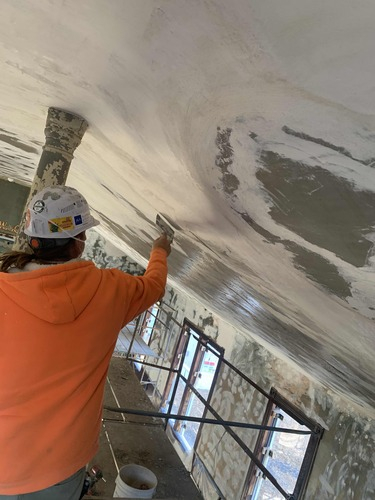
Ceilings are the hardest part of plastering and in 1960 they were done from scaffold boards laid across trestles, with the plasterer reaching above his head for hours at a time and the material dropping back onto him. Stairwells and landings were done from boards bridged between a landing and a window sill.
The physical cost of overhead work is now understood as a musculoskeletal matter with its own controls — adjustable platforms, stilts in some markets, task rotation, and limits on continuous overhead working — and the fall risk is handled by work at height regulation requiring a proper platform with edge protection rather than two trestles and a board.
Falls from height remain the largest single cause of death in construction in most countries, and the small domestic job is where the worst improvisation still happens.
The trade’s own view of this is worth recording. Plasterers of that generation were proud of what they could do off a board and a trestle, and most of them also have a shoulder, a neck or a back that explains why the controls exist.
What the trade is now, and what was genuinely better
Plastering did not disappear and has not been automated. Skimming a wall flat is still done by hand, by somebody who learned by doing it badly for a long time, and a good plasterer is as hard to book now as a good bricklayer.
What went was the three-coat lime system as ordinary work, the on-site mixing, the hair, and the weeks of drying. Those survive in conservation work, where they are a specialist skill at a specialist price, and the people who do them are generally the only people who can repair a pre-war wall properly.
The honest summary is that the modern material is better for modern buildings and worse for old ones, that the health controls — lime on skin and in eyes, silica dust, work at height, overhead working — address hazards that were real and were being ignored rather than invented ones, and that the single most useful thing in this file for anybody who owns a period house is to repair lime plaster with lime plaster.
The smell, incidentally, is the carbonation: lime plaster sets by absorbing carbon dioxide out of the air, slowly, for years. The wall is still finishing long after the plasterer has gone.
Like our content? Follow us for more.
