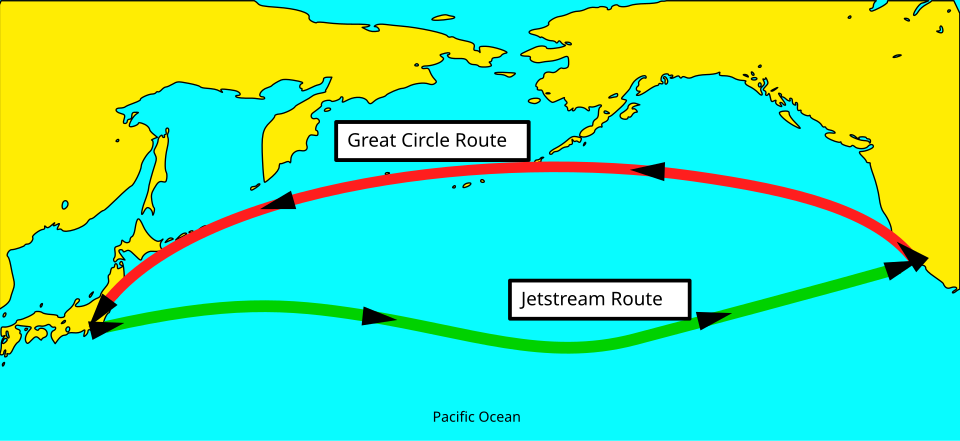
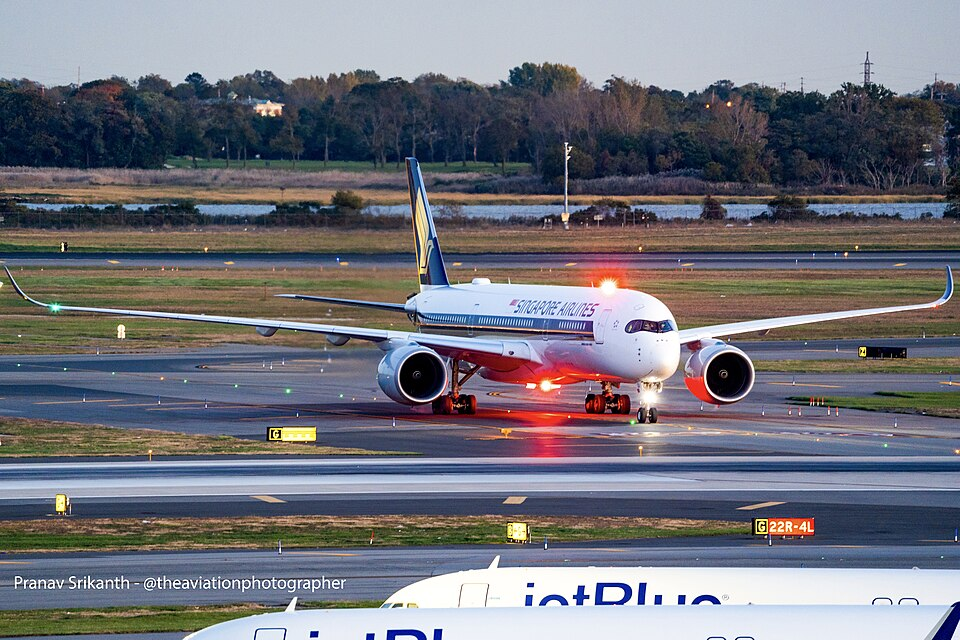
The longest scheduled commercial flight in the world runs from Singapore to New York: about 15,341 kilometres, roughly 9,533 miles, and a scheduled block time of around eighteen hours and twenty minutes. Its sister service to Newark is within a few kilometres of the same distance and the same duration.
That record has a defined end date. A nonstop Sydney to London service is planned for late 2027, expected to run up to about twenty-two hours, which would be the longest scheduled passenger flight ever operated. The interesting part of this subject is not the current number but the physics and economics that decide what number is possible at all.
Why the distance is the hard part and not the time
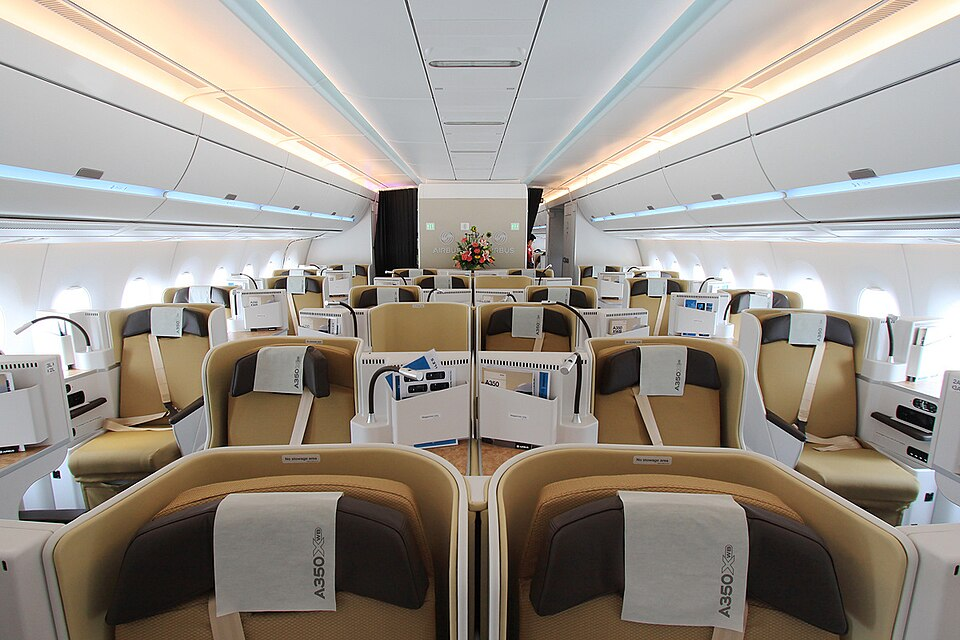
An airliner is a compromise between fuel and payload. Fuel is heavy, every kilogram of it has to be lifted and carried, and carrying fuel costs fuel. Push the range far enough and the aircraft reaches a point where additional range can only be bought by removing payload — seats, passengers and cargo.
That is why ultra-long-haul routes are flown by specific aircraft in specific configurations. The aeroplanes used on the longest services typically carry far fewer seats than the same type does on a shorter route, with no economy-density cabin at the back, because the weight the route demands is taken out of the seat count.
It is also why the business case is narrow. A flight that cannot carry a full load of passengers and has no meaningful cargo capacity has to earn its revenue from a small number of people paying a great deal, which restricts these routes to city pairs with a particular kind of premium demand.
Time matters mostly as an operational constraint rather than an engineering one: crews have duty limits, so an eighteen-hour flight requires multiple flight crews aboard with rest facilities, which costs weight and space as well.
Like our content? Follow us for more.
The winds, which is why distance and duration disagree
The scheduled flight times and the great-circle distances do not rank in the same order, and the reason is the jet stream. A route flown with a strong tailwind is quicker than a longer route flown against it, which is why a shorter pairing can hold the duration record while a longer one holds the distance record.
It also means the same flight has two different durations depending on direction, often by well over an hour on an ultra-long route, and airlines schedule each direction separately to reflect it.
For the operator this is a planning problem rather than a curiosity. Fuel is loaded for the forecast winds, and a forecast that turns out to be wrong in the unhelpful direction on a route already at the edge of its range produces a diversion for fuel, which on these routes is expensive and occasionally newsworthy.
Seasonal variation matters for the same reason. Several ultra-long routes operate on different schedules, different payload limits or different frequencies in different seasons, because the winds and the temperatures change what the aircraft can do. A route that runs daily in one season and five times a week in another is usually telling you something about the weather rather than about demand.
Which records actually exist
Four separate things get called the longest flight and they have different answers. Longest scheduled distance is the great-circle figure between the two airports. Longest scheduled duration is the block time, which the winds decide. Longest ever flown is a different category again and includes delivery flights and test flights with no passengers. And longest by any aircraft includes record-setting attempts that are not commercial operations.
An aircraft manufacturer’s test flight has covered a considerably greater distance than any scheduled service, which belongs in the last category and is regularly confused with the first.
The historical record is also worth keeping separate. Routes considerably longer than today’s have been flown as scheduled services in the past using different aircraft and different operating assumptions, and services have been withdrawn and reinstated for commercial rather than technical reasons more than once.
Which means a reader meeting one of these superlatives should check which of the four is being claimed, and on what date, because at least two of them change every few years.
What eighteen hours in a seat is actually like
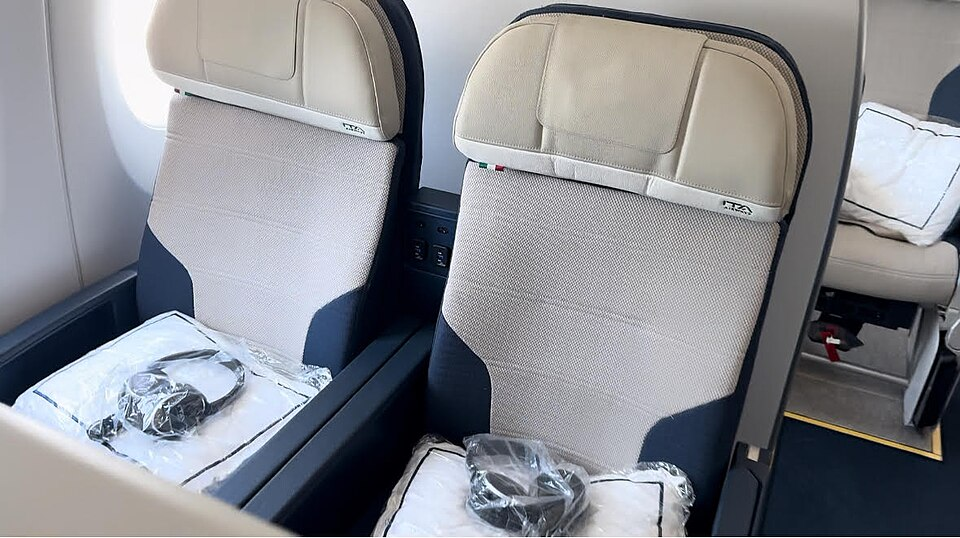
The operators of these routes have had to design for a problem nobody had before: a cabin environment that has to be habitable for the better part of a day. The adaptations are specific and mostly invisible.
Cabin altitude is lower on the aircraft used for these routes, which means higher air pressure and less dehydration. Humidity is higher than on older types. Lighting is programmed through the flight to manage the transition between time zones rather than simply following the service schedule. Meal service is structured around sleep rather than around meal times, and several operators serve a lighter menu than they do on shorter flights for exactly that reason.
The cabin layouts omit the densest seating on these services, so the average passenger has more space than they would on the same aircraft elsewhere, which is a consequence of the weight arithmetic rather than generosity.
What the operators cannot solve is the sitting. Every piece of published guidance on long flights comes down to the same things — move about the cabin when it is safe to, drink water, avoid excess alcohol, and talk to a doctor beforehand if you have a reason to be concerned about a long period of immobility.
Why the record keeps moving
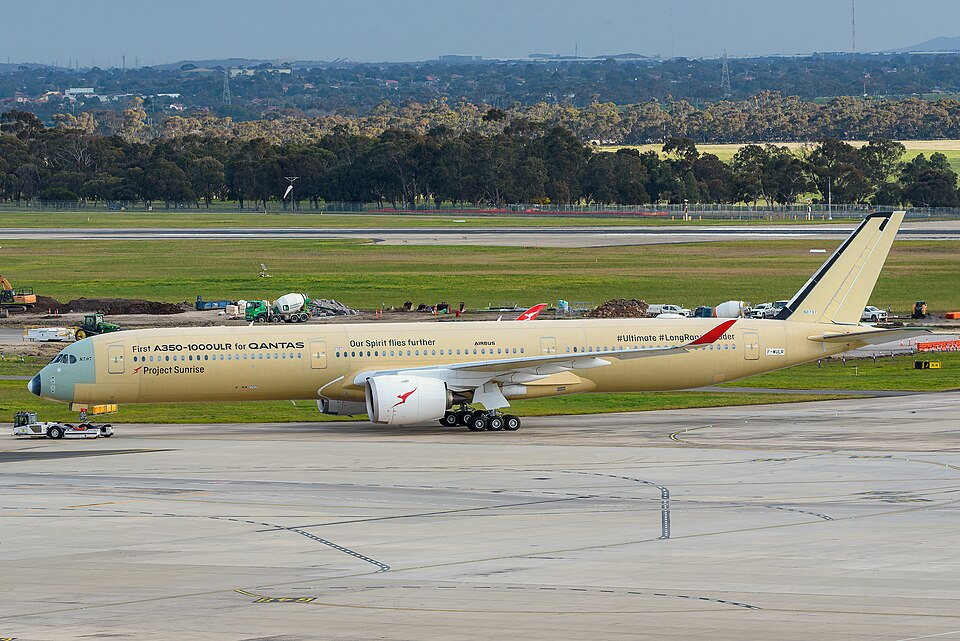
Two forces push it. Aircraft capability has improved steadily: current twin-engined types can fly distances that used to require four engines, with lower fuel burn per seat, which has made routes viable that were previously impossible or uneconomic.
And airlines have a strategic reason to fly them. A nonstop between two distant cities takes traffic away from the hub airports in between, which is a competitive argument as much as a commercial one. The hub carriers’ response has been to fly their own ultra-long services, which is why the record list is dominated by a small number of operators pursuing the same strategy.
The constraint that has not gone away is the payload trade. A twenty-two-hour service will carry fewer passengers for its size than anything else in the fleet, and whether it works will be decided by how many of them are paying premium fares rather than by whether the aeroplane can do it.
There is also a question about whether demand for these flights is as deep as the operators hope, and the honest answer is that it varies by route and that several ultra-long services have been suspended and revived more than once.
The things that go wrong on routes at the edge
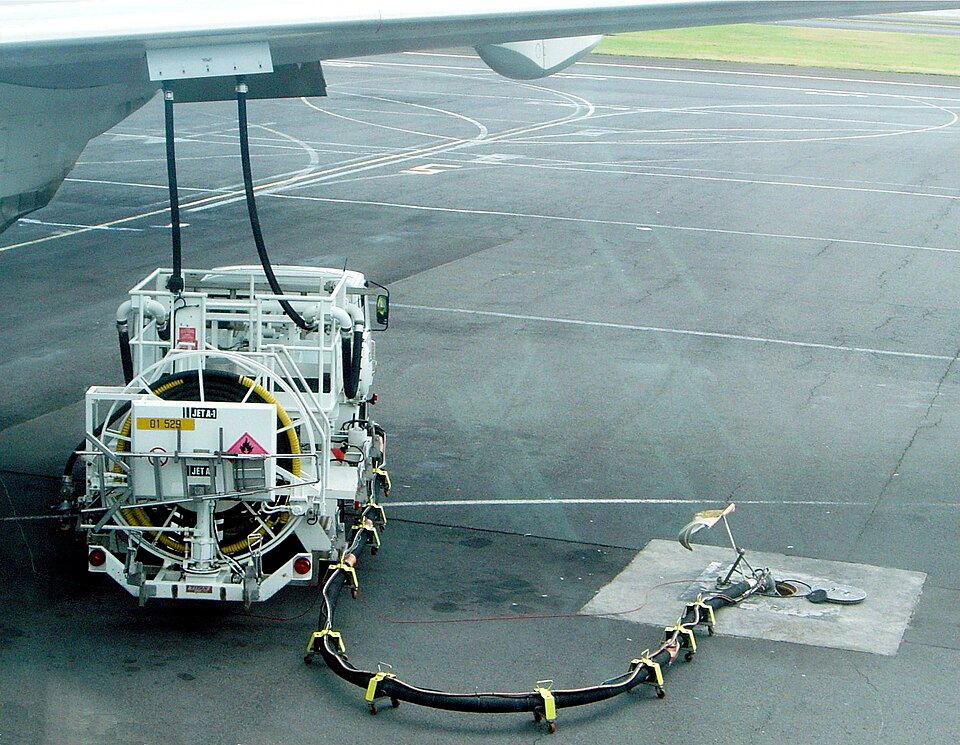
Three failure modes recur. Payload restriction: on a hot day, with unfavourable winds, an aircraft at maximum range may not be able to carry everybody and everything booked, and passengers or cargo are offloaded. It is rare, it is a published operational reality, and it happens at the margins.
Fuel diversion: a flight that departs on a forecast and meets different conditions may need to land short to refuel, which on an ultra-long route means a stop in a place nobody planned for and a long delay.
And crew duty: a delay before departure can push the flight beyond the duty limits of the crew aboard, and with no spare crew available at the departure airport the flight does not operate at all. On a route served once a day, that is a twenty-four hour delay.
None of those is a safety matter; they are the operational consequences of flying at the limit of what the aircraft can do, and they are the reason these routes are scheduled more conservatively than ordinary long-haul.
What the record measures
The point at which carrying more fuel stops being worth the payload it displaces, moved outward by better engines and wings, and pulled forward by airlines wanting to bypass each other’s hubs.
The honest summary: about 15,341 kilometres and roughly eighteen hours and twenty minutes on the current record holder; a planned service of up to about twenty-two hours expected in late 2027 which would exceed it; distance and duration are different records because the winds decide the second; test and delivery flights have gone much further and are a separate category; the cabins on these routes are deliberately less dense because the weight comes out of the seat count; and the practical advice for a passenger is the same as for any long flight and comes down to moving about, water, and asking a doctor if you have a reason to.
And if a superlative like this appears without a date attached, it is worth finding out when it was written. At least two of the four versions of this record have changed in the last five years.
Like our content? Follow us for more.