

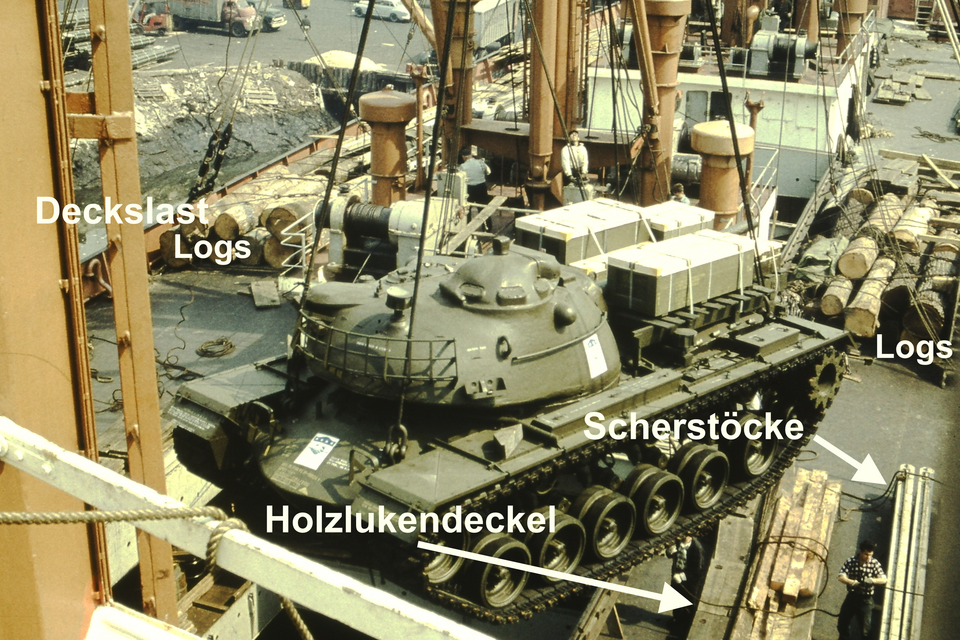
Before the shipping container, a ship’s hold was filled with bags, bales, barrels, crates, drums, machinery and timber, every item handled individually by men hired that morning and not guaranteed work the next.
The casual hiring is the key to the whole file, because it determined what could be objected to and what could not. Here are sixteen things about that work.
1. Men were hired by the day, standing in a pen
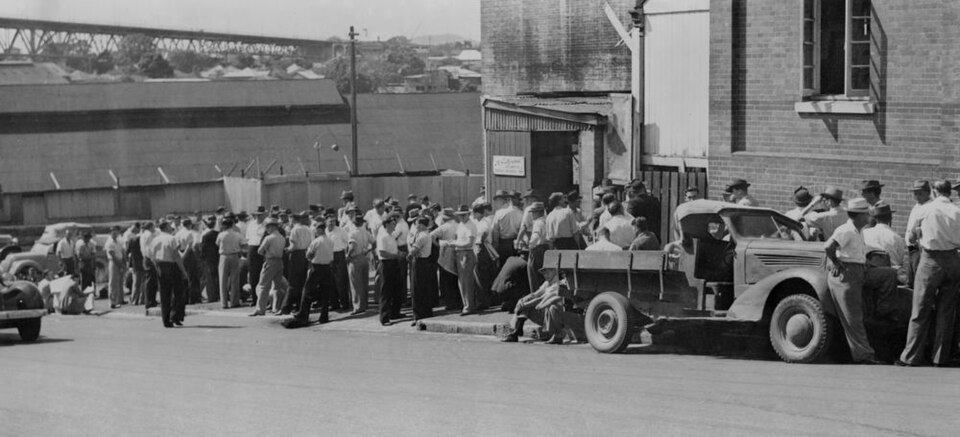
Dock labour was casual. Men assembled at a call stand at a fixed hour, a foreman walked along and picked the ones he wanted, and the rest went home unpaid and came back the next morning.
Dock work is now permanent employment with contracts, rosters, notice and the ordinary protections of any job, and the casual call has disappeared entirely from modern terminals, which run on scheduled shifts because the equipment requires trained operators rather than bodies.
The selection was the whole of the system’s power. A man who complained, who was slow, or who was known for raising safety matters was simply not picked the following morning, and no reason was required.
Like our content? Follow us for more.
2. Cargo was general cargo, and every item was different
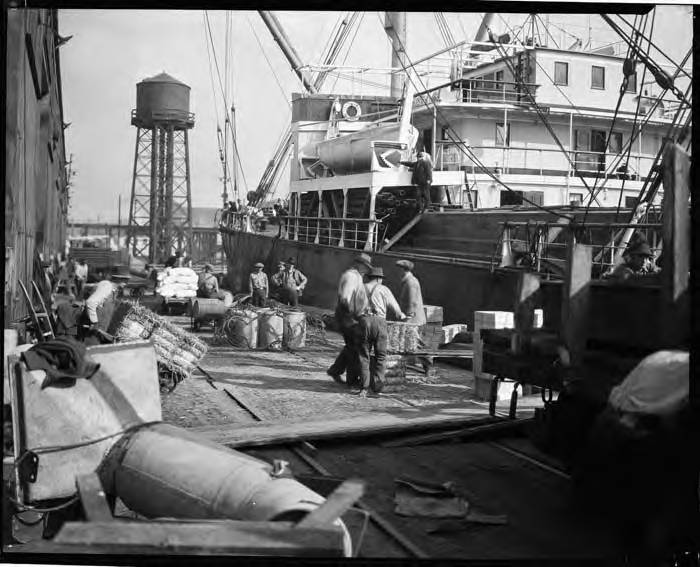
Before containers, a ship’s hold was filled with whatever was going: bags, bales, barrels, crates, drums, sacks of loose material, sheet metal, machinery and timber, each handled individually and stowed by hand.
That is what containerisation removed. A modern terminal handles one standard unit, the contents are the shipper’s problem, and nobody on the quay touches the goods at all.
The skill in stowing general cargo was genuine and considerable — weight distribution, preventing movement at sea, keeping incompatible goods apart — and it was held by men with no qualification and no written record of what they knew.
3. The sling was the tool and it broke
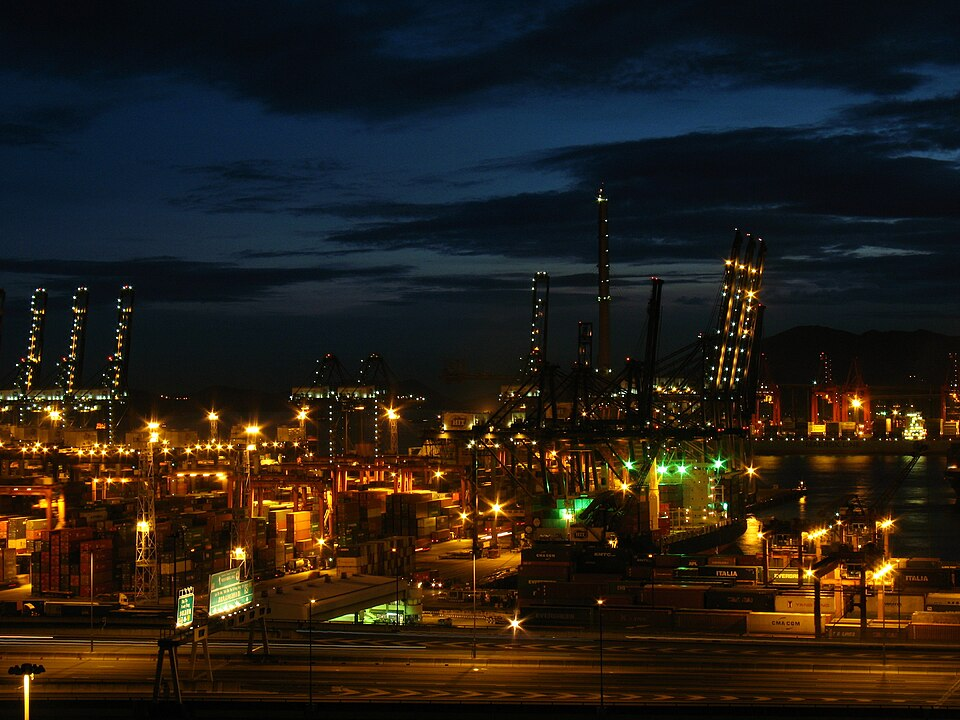
Goods went in and out of the hold in rope or wire slings, on a hook, lifted by the ship’s own derricks. Slings were made up by hand, used until they failed and inspected by looking at them.
Lifting equipment is now subject to statutory examination at defined intervals by a competent person, with certificates, marked safe working loads, discard criteria and records. Slings are purchased to standard, tagged and withdrawn on a schedule rather than when they part.
The characteristic dock accident was a load coming out of a sling, which is why modern terminals prohibit anybody from standing under a suspended load and enforce it with exclusion zones rather than with instructions.
4. Men worked in the hold underneath the load
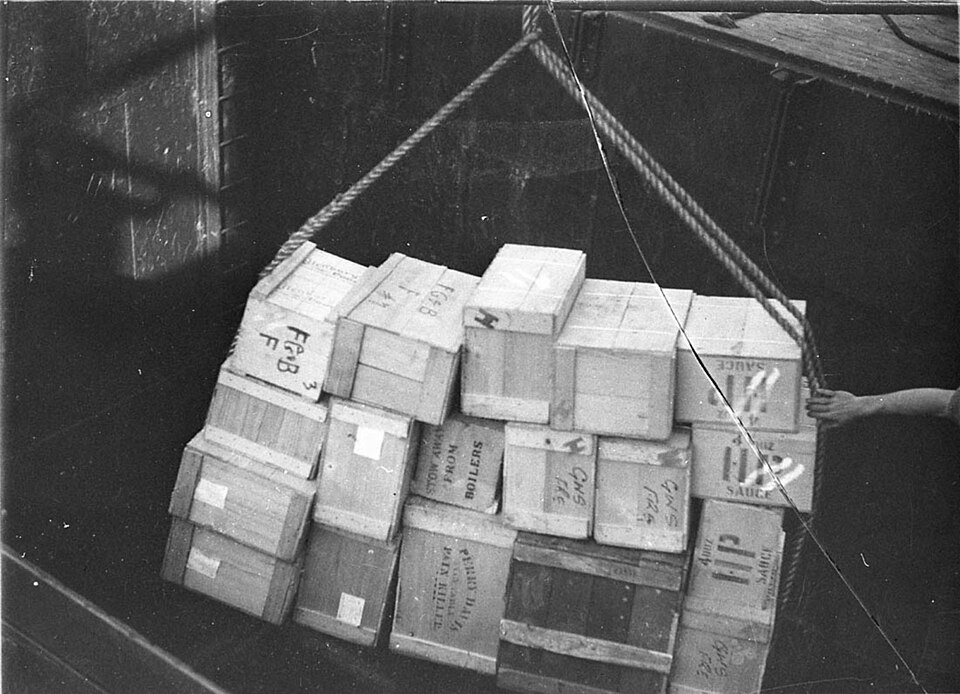
The hatch gang worked in the bottom of the hold while loads came down through the open hatch above them, relying on the winchman’s skill and on shouted communication to know where the next one was.
Nobody works beneath a suspended load now, anywhere. Where people must be in a hold the lifting stops, and modern cargo handling is designed so that the two activities never coincide. Radio communication replaced shouting decades ago.
The hold was also unlit beyond what came through the hatch, unventilated, and in a loaded ship a space with limited headroom full of goods that could shift.
5. Nobody knew what was in the cargo
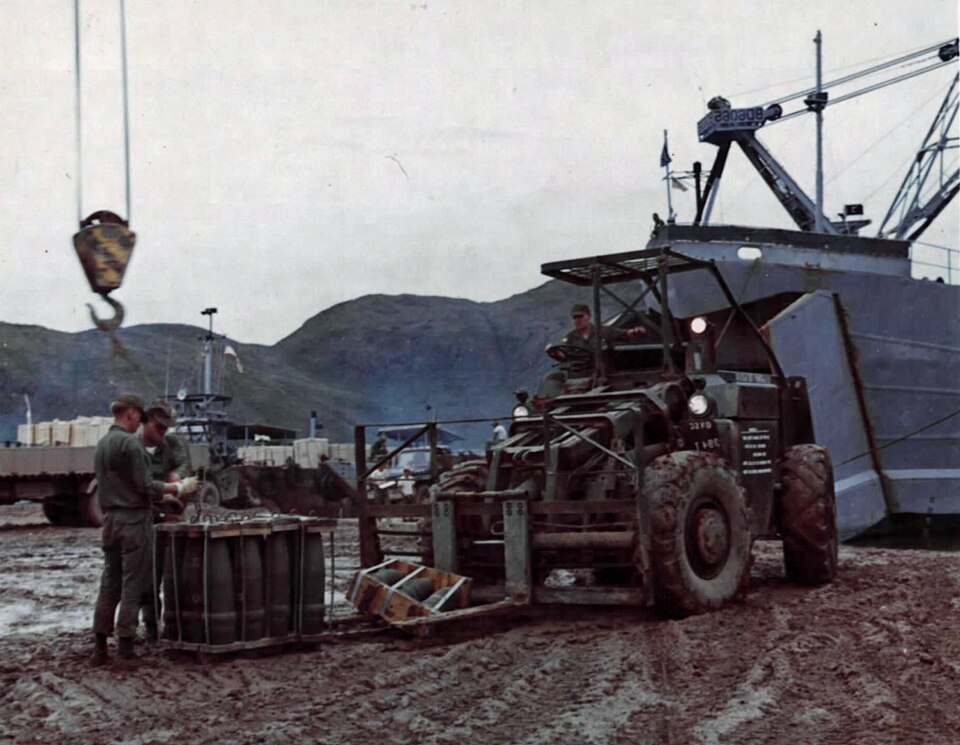
A hold contained whatever the manifest said and frequently more. Chemicals, asbestos, pesticides, fertiliser, raw cotton, hides and solvents were handled as general cargo by men in ordinary clothes who had no means of knowing what they were lifting.
Dangerous goods are now declared, classified, documented, segregated by class, labelled, packed to standard and stowed according to a code, with the information available to everybody who handles them. Mis-declaration is a serious offence and remains a real problem in container shipping.
The historical consequence is an occupational health legacy that is impossible to reconstruct, because the exposures were undocumented, the workforce was casual and nobody recorded who worked which ship.
6. Bags were carried on backs
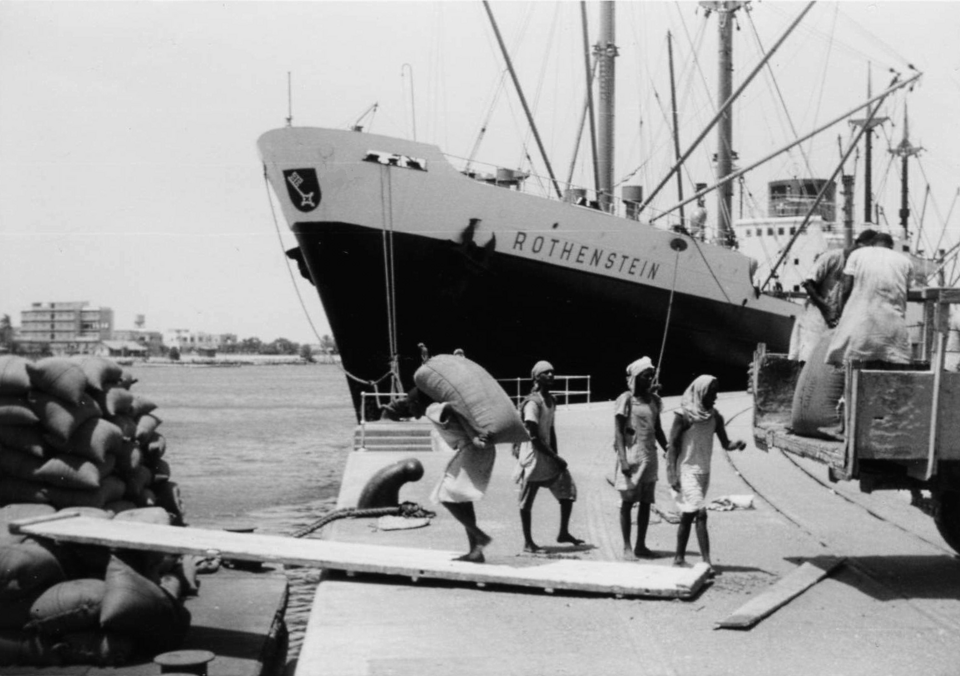
Loose commodities came in sacks and were moved by men carrying them on shoulders and backs, up planks and across decks, all day, with the weight set by what the sack held rather than by what a person should lift.
Manual handling is now assessed, mechanised where possible and reduced where not, and bulk commodities that used to come in sacks are handled by pneumatic and conveyor systems in dedicated bulk terminals, which removed the task entirely rather than making it safer.
The injuries were backs, shoulders, hernias and knees, accumulated rather than sustained, and they were the ordinary end of a docker’s working life.
7. The quay had no edge protection
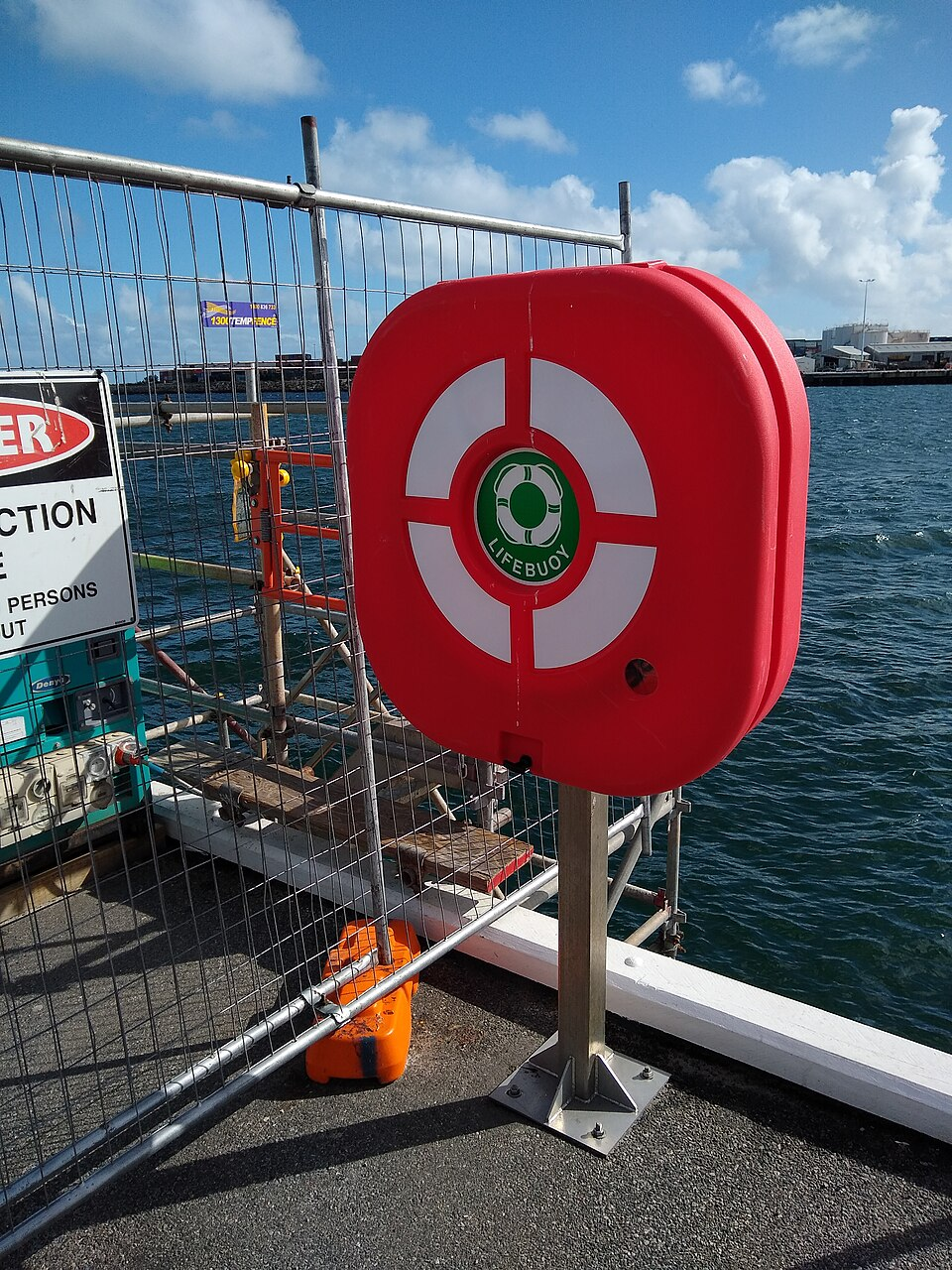
A working quay is a drop into water with ships alongside, and in 1960 there was nothing at the edge: no barrier, no handrail, no life ring at intervals, no rescue arrangement and frequently no lighting.
Modern quays have fall prevention where practicable, rescue equipment at defined spacing, lighting designed for night working, and a documented man-overboard procedure. Life jackets are worn for defined tasks near the edge.
Falling between a ship and a quay is the specific hazard, because the gap closes as the vessel moves, and it is the reason modern terminals keep people away from that line rather than relying on care.
8. Winches and derricks were operated by whoever could
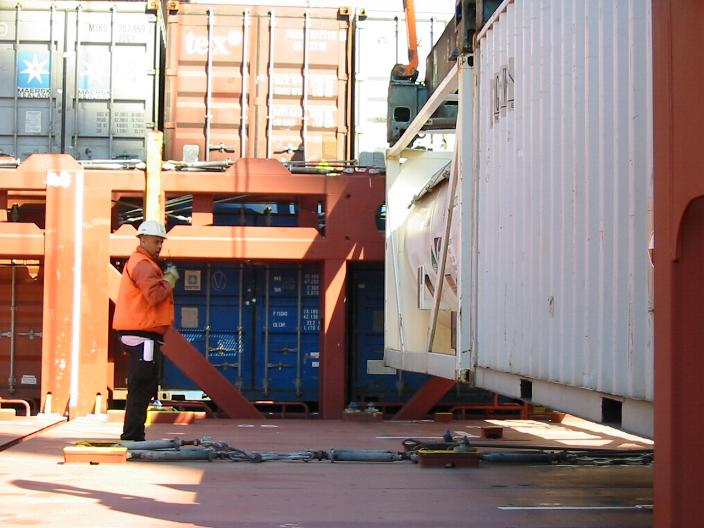
The ship’s own lifting gear was driven by a winchman who had learned by watching, often with no view of the load and taking signals from a man at the hatch.
Crane and lifting appliance operators now require formal training and certification, the equipment has load indicators and limit switches, and the signaller role is a trained position with standard signals. On container terminals the operation is largely automated.
The blind lift, where the operator cannot see the load and depends entirely on a signaller, is still a recognised category of lifting operation with its own requirements, and it is where most of the residual risk in lifting sits.
9. Everything happened in all weather
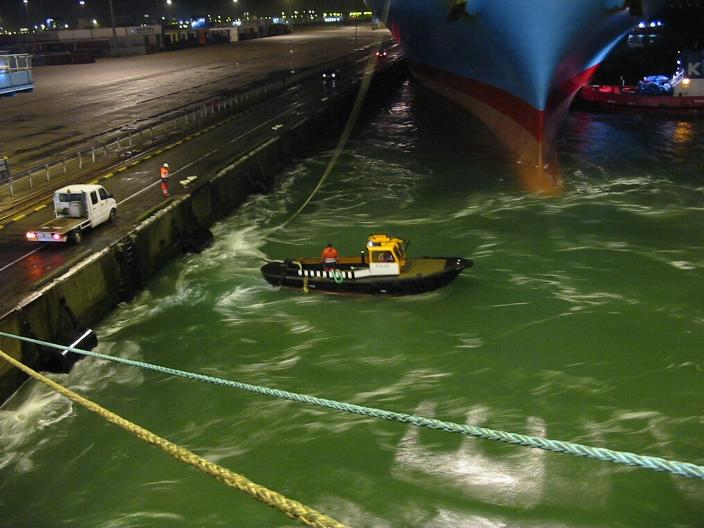
Hatches were opened and cargo worked in rain, snow and wind, because a ship in port was costing money and the weather was not a reason to stop.
Operations are now suspended at defined wind speeds for lifting, in poor visibility, and in electrical storms, with the limits published and the decision taken by the terminal rather than negotiated with the ship. Wet decks and icing are specific assessed hazards.
The economic pressure has not changed and that is precisely why the limits are written down and taken out of the hands of the people under pressure.
10. Dockers took goods, and everybody knew
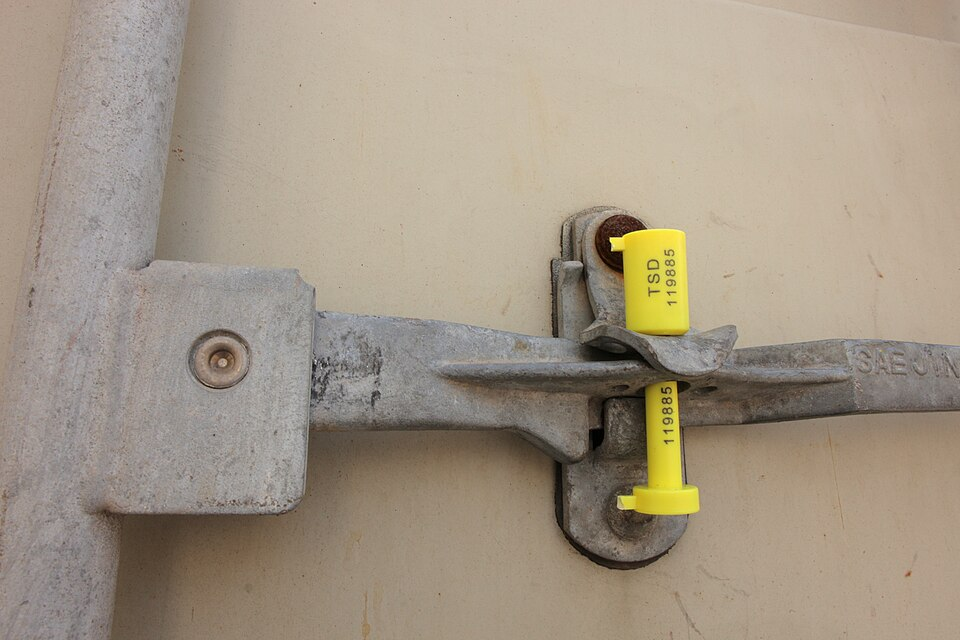
Pilferage was endemic, understood by the industry as a cost of doing business, and partly tolerated as a supplement to a casual wage. Broken packages were a recognised mechanism.
Containerisation ended it almost completely, which was one of its selling points. A sealed container with a documented seal number handled only by machines removes the opportunity, and the modern problem is cargo crime at a different scale and in different places.
This is stated as economic history rather than as an accusation. It was a systemic feature of a casual, poorly paid trade handling open packages, and it disappeared when the packages closed.
11. The hours were whatever the ship needed
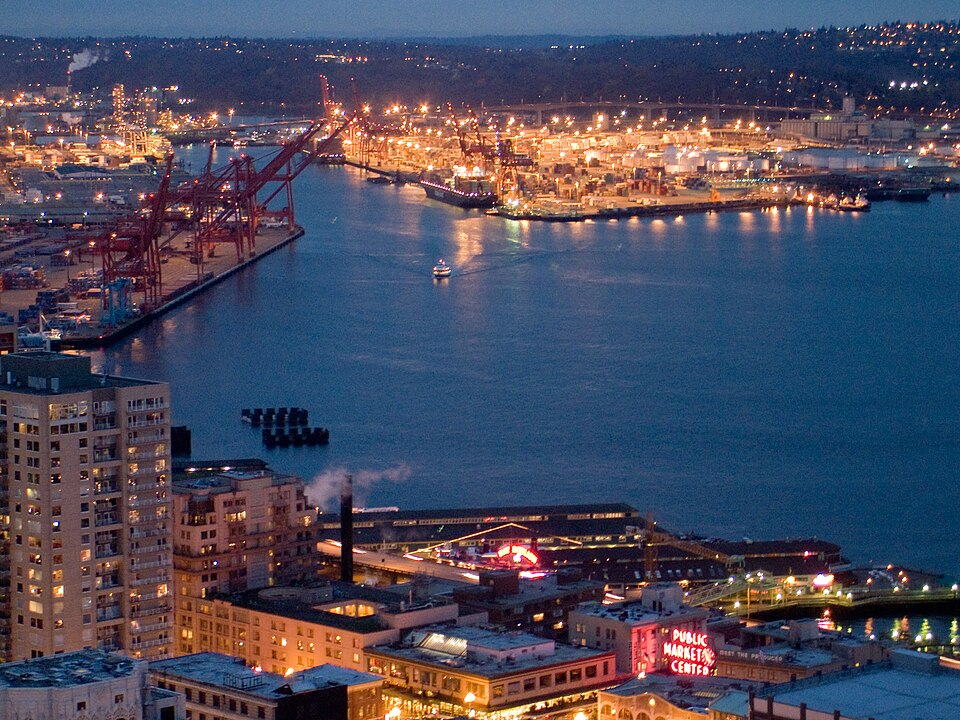
Gangs worked until the ship was finished, which could mean a double shift, a night, or a day with no work at all. Overtime was the only route to a living wage and refusing it affected tomorrow’s hiring.
Working time limits, rest periods and fatigue management apply to port work as to other industries, and modern terminal operations run on planned shift patterns because the equipment and the vessel schedule are both planned.
The combination of casual hiring and pay that depended on overtime is the structural reason the hours were what they were, and it is the thing the permanent employment of dockers was introduced to fix.
12. There was no training, only watching
A new man was put in a gang and learned by doing it next to somebody. There was no induction, no instruction on the hazards, no certificate and no record that anybody had been told anything.
Induction and task-specific training are now mandatory and documented, competence is assessed, and access to a terminal is controlled by whether a person has the training for the area they are entering.
The documentation is the substantive part. In 1960 nobody could show what a worker had been told, which meant nothing could be checked and no failure could be traced to a cause.
13. Ships were coal-fired, oil-fired and filthy
Working a ship meant working around funnels, bunkering operations, engine room ventilators and the general grime of a vessel that had crossed an ocean. Coal dust, oil, rust and paint were constant.
Bunkering is now a controlled operation with spill containment and exclusion of unnecessary persons, emissions are regulated in port areas, and shore power is increasingly available so that a berthed ship can shut down its engines.
The air quality in a 1960 dock area affected the surrounding neighbourhood as much as the workforce, which is why port emissions are now a planning and public health matter rather than an industrial one.
14. The hatch covers were wooden boards and tarpaulins
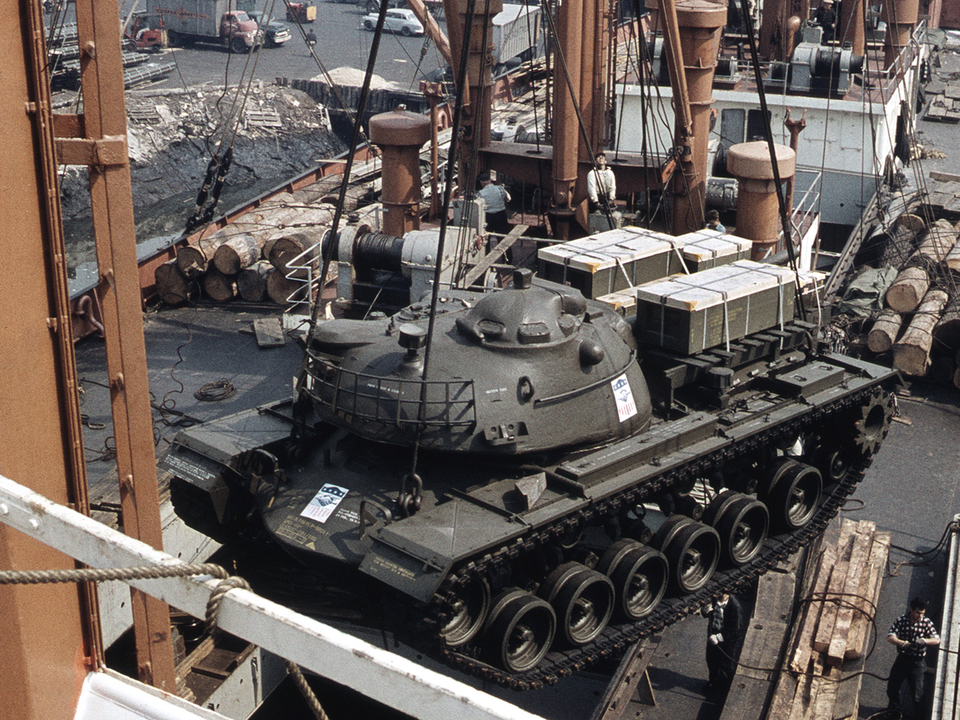
Holds were closed with timber hatch boards laid on steel beams and covered with tarpaulins wedged down, all of it handled by hand, and an open or partly covered hatch was an unguarded hole in a deck.
Mechanical steel hatch covers operated hydraulically replaced the system entirely, which removed both the manual handling and the hole. Where openings exist they are guarded or the area is excluded.
Falls through partly covered hatches were a recognised category of accident and the wooden board system is the reason, because a board that looks seated and is not is indistinguishable from one that is.
15. Then the container arrived and the trade ended in a decade
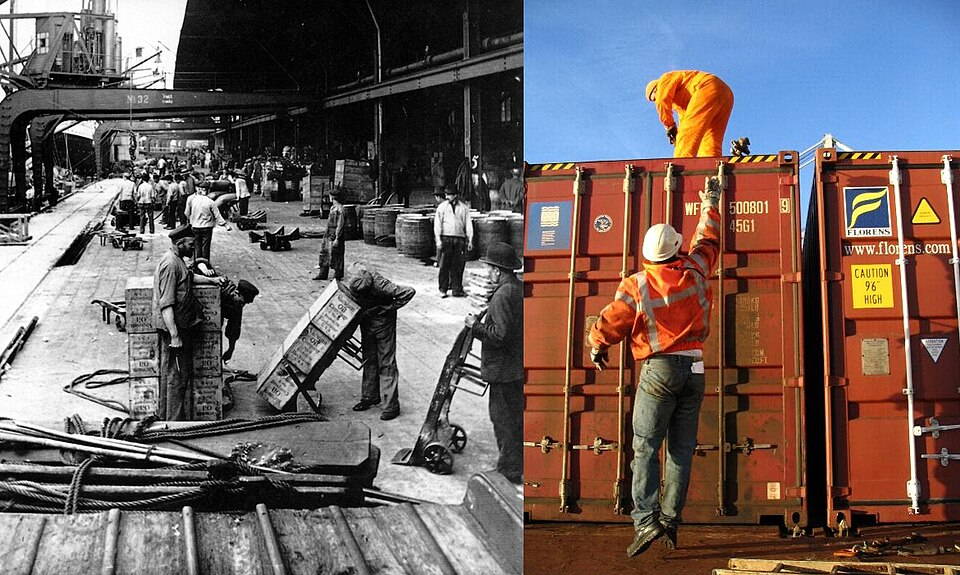
Containerisation moved the work from the quay to a terminal, from hundreds of men to a handful of machine operators, and from the old dock areas to new deep-water sites with land for stacking. The ports that could not take the new ships and the new acreage closed.
What replaced the labour was capital: cranes, straddle carriers, yard systems and software. A modern terminal moves a volume of cargo that would have required a workforce of thousands with a staff that would have manned one 1960 shed.
The social consequence was concentrated and severe. Whole districts built around dock employment lost their economic basis within a generation, and that history is a separate subject from the safety one and should not be conflated with it.
16. And what the old docks had
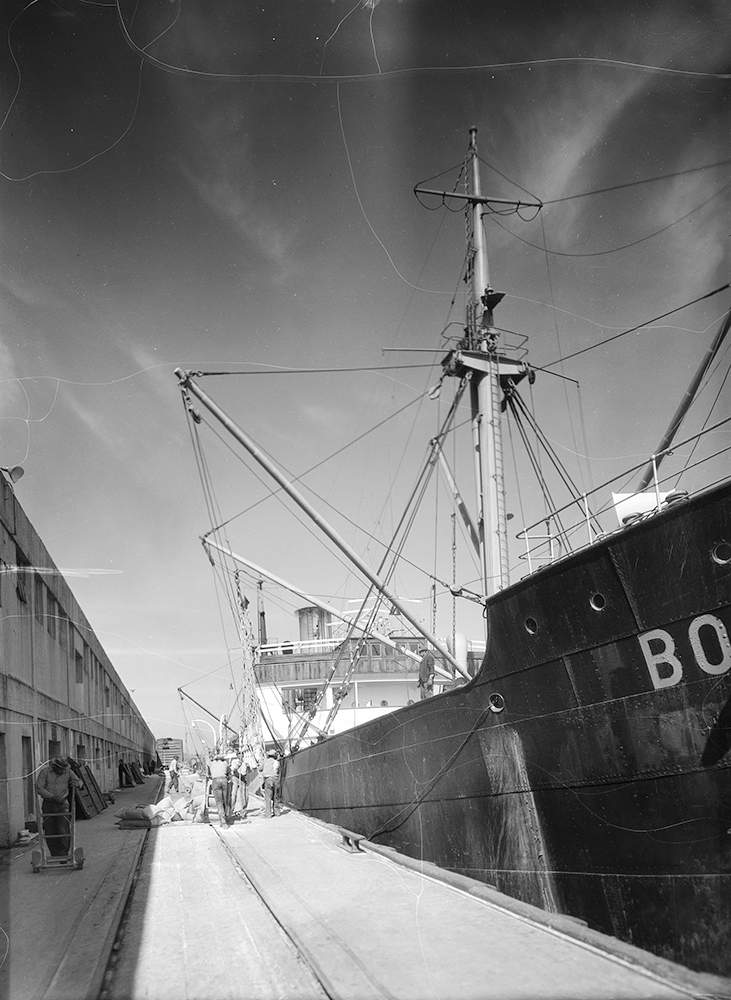
A trade with its own knowledge, its own language, its own hierarchy and an extremely strong collective identity, in which a man’s skill at stowing a hold was recognised by everybody who mattered to him. The casual system was indefensible and the solidarity it produced was real.
The modern terminal is safer by an enormous margin, better paid, permanent, and almost empty. Nobody who worked the old system wants the call stand back, and a great many of them say the thing they miss is the other men.
The honest summary: casual hiring was the mechanism that made everything else possible, including the silence about safety; the load out of the sling and the fall between ship and quay were the characteristic ways men were killed; nobody knew what was in the cargo and that occupational health legacy cannot now be reconstructed; and the container removed the work rather than making it safe.
What the casual system produced
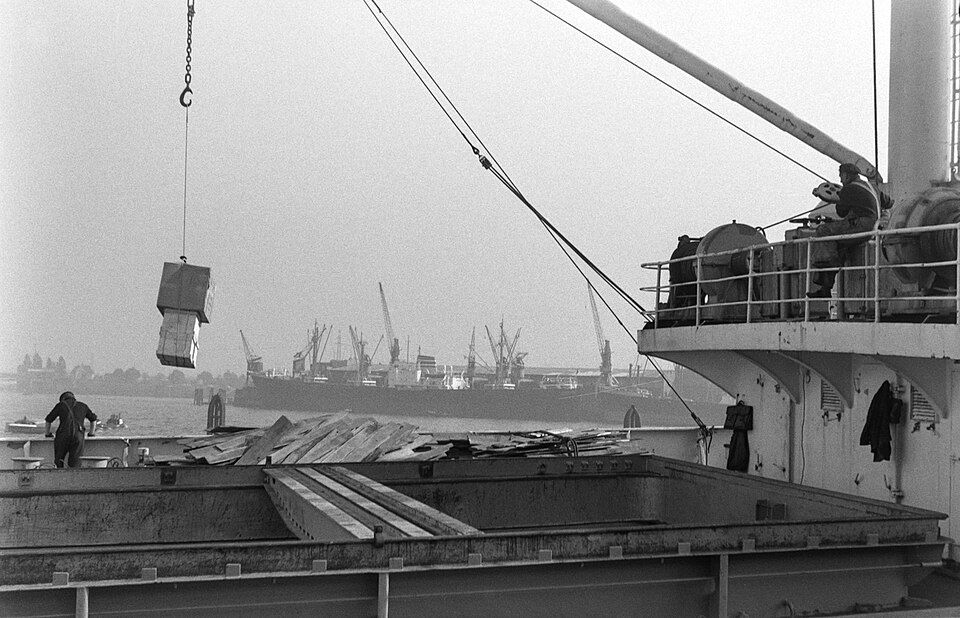
Nearly every item here traces back to the call stand. A workforce selected each morning by a foreman, with no contract, no notice and no reason required for not being picked, cannot raise safety matters, cannot refuse an unsafe lift and cannot decline overtime, because tomorrow’s hiring depends on today’s compliance. Permanent employment for dockers was introduced precisely to break that mechanism, and it did more for dock safety than any single piece of equipment.
The characteristic fatal accidents were two: a load coming out of a sling onto men working beneath it in the hold, and a fall between a ship and the quay, where the gap closes as the vessel moves. Modern terminals do not address either by telling people to be careful. They prohibit anybody from being under a suspended load, enforce it with exclusion zones, stop lifting when people must be in a hold, and keep people away from the quay edge entirely.
The third legacy is invisible and cannot be fixed. Nobody knew what was in the cargo. Chemicals, asbestos, pesticides, fertiliser, hides and solvents were handled as general cargo by men in ordinary clothes, the workforce was casual, and no record exists of who worked which ship — so the occupational health history of the trade is irrecoverable. Dangerous goods are now declared, classified, segregated, labelled and stowed to a code, and mis-declaration is a serious offence that remains a genuine problem in container shipping.
The container is the reason none of this survives, and it is worth being precise about what it did. It did not make dock work safe. It removed it: from hundreds of men to a handful of machine operators, from the old quays to deep-water terminals with land for stacking, and from handling goods to handling one standard steel box whose contents are somebody else’s problem.
The safety gain is enormous and real. The social cost was concentrated in the districts built around dock employment, which lost their economic basis inside a generation, and that is a separate subject that gets conflated with the safety one far too easily.
What the men themselves say is consistent: nobody wants the call stand back, and what they miss is each other.
Like our content? Follow us for more.
