

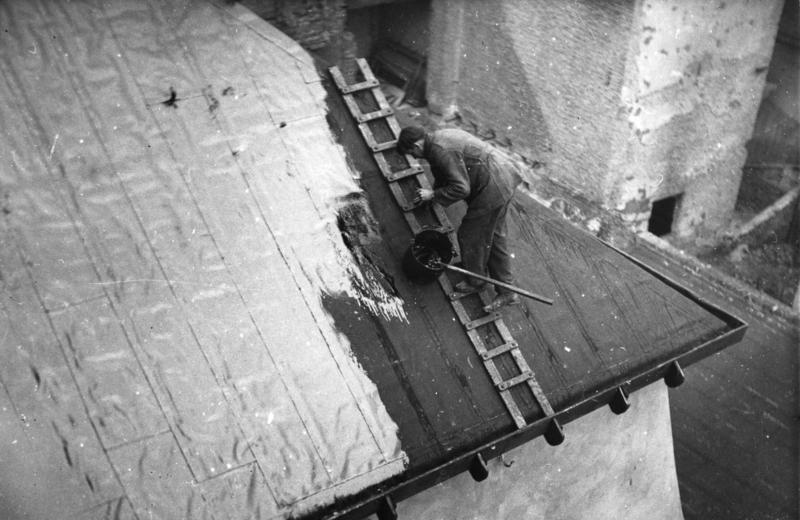
A slater in 1960 got onto a roof with an extension ladder, hooked a roof ladder over the ridge, and worked from its rungs with nothing attached to him. Materials came up on his shoulder and debris went over the side into the garden.
The craft itself — setting out the laps so water cannot find a way in, forming a lead valley, cutting round a hip — is largely unchanged and is still done by hand. Everything about getting to it has been rebuilt. Here are sixteen things about that job.
1. Access was a ladder and a roof ladder, and that was the system
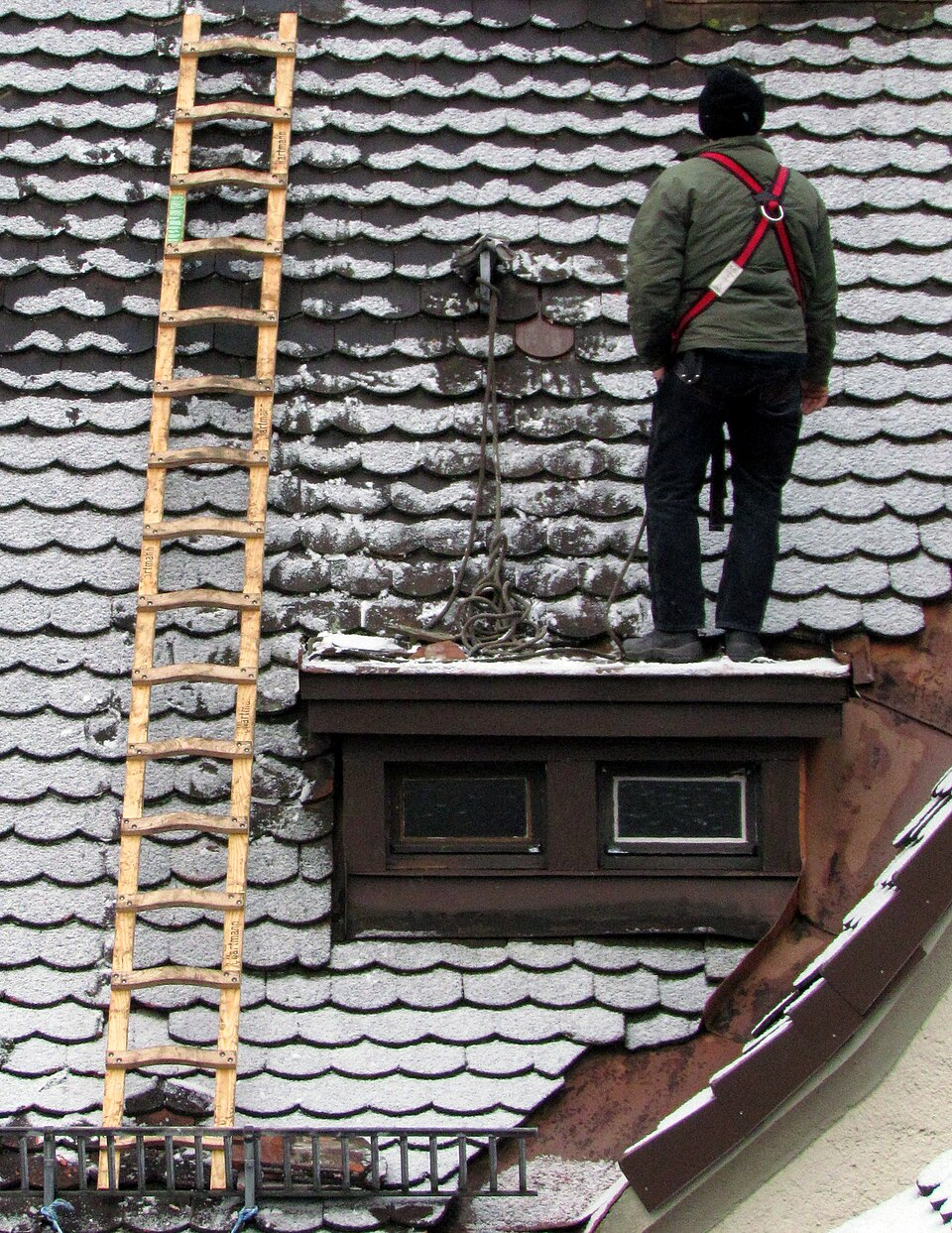
A slater reached the roof on an extension ladder, then hooked a roof ladder over the ridge and worked from its rungs, moving it along by hand as the work progressed. On a terrace he walked the ridge between houses.
Work at height is now governed by a hierarchy: avoid working at height, then prevent a fall with a platform and edge protection, then mitigate one with a net or a harness. Scaffolding with a working platform and guard rails is the default for a roof, and ladders are for access rather than as a place to work from.
The hierarchy is the point rather than any single piece of equipment. A roof ladder prevents nothing; it is a way of standing on a slope, and everything about modern practice is designed to remove the need to do that.
Like our content? Follow us for more.
2. Nobody was tied on
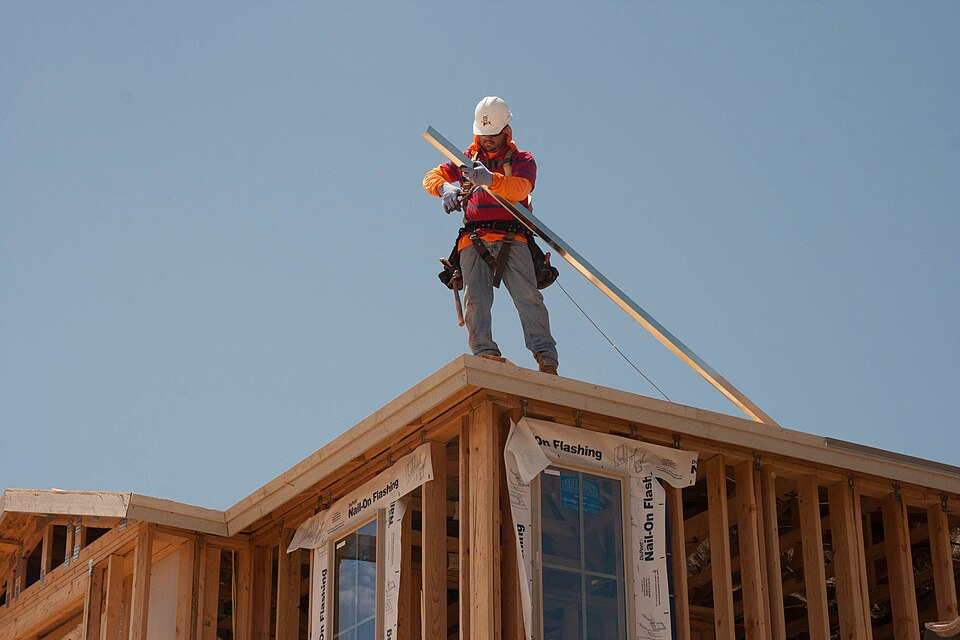
Harnesses existed in industry and were not used in domestic roofing. A slater’s protection against falling was his own balance, the condition of his boots and the quality of his judgement about the slates under him.
Fall arrest is now equipment with a specification: a full body harness, a lanyard with an energy absorber, an anchor point rated for the purpose, a plan for rescuing somebody who has fallen and is suspended, and training in all of it. It is also the last resort rather than the first.
The suspension rescue plan is the part people miss. A person hanging in a harness needs recovering quickly, and a system with no rescue arrangement has solved only half the problem.
3. Slates were thrown
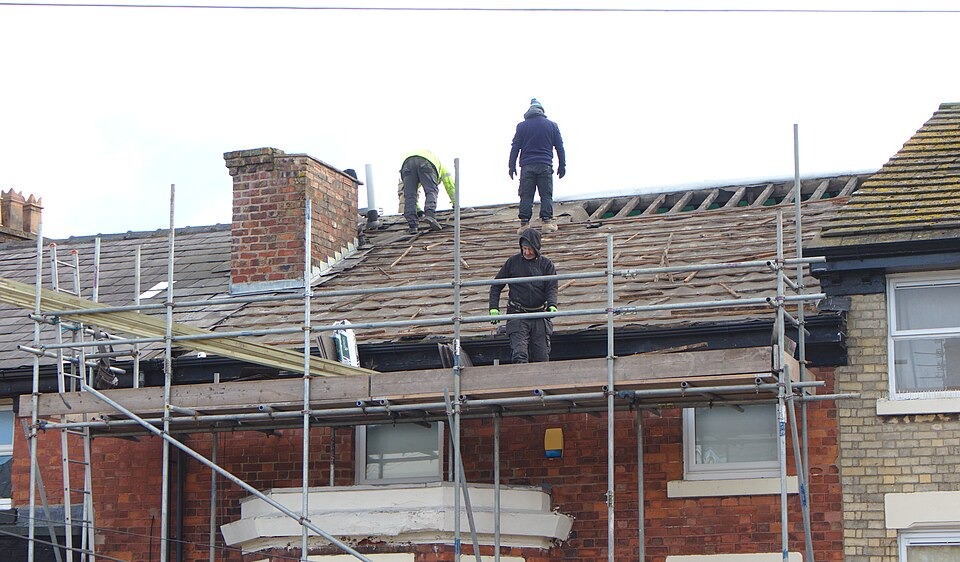
Slates were passed up and down by hand and, on a working roof, thrown — caught by a man on the ladder in a practised arc. Offcuts and broken slates went over the side into the garden or the street.
Materials are now hoisted or craned, debris goes into a chute to a covered skip, and the area below is barriered off with somebody responsible for keeping it clear. Throwing anything from a roof is prohibited absolutely.
A slate dropped from a roof is a blade with a point, which is why the exclusion zone below a roofing job is now larger than people expect and is the thing neighbours most often complain about.
4. Slates were dressed by hand with a zax
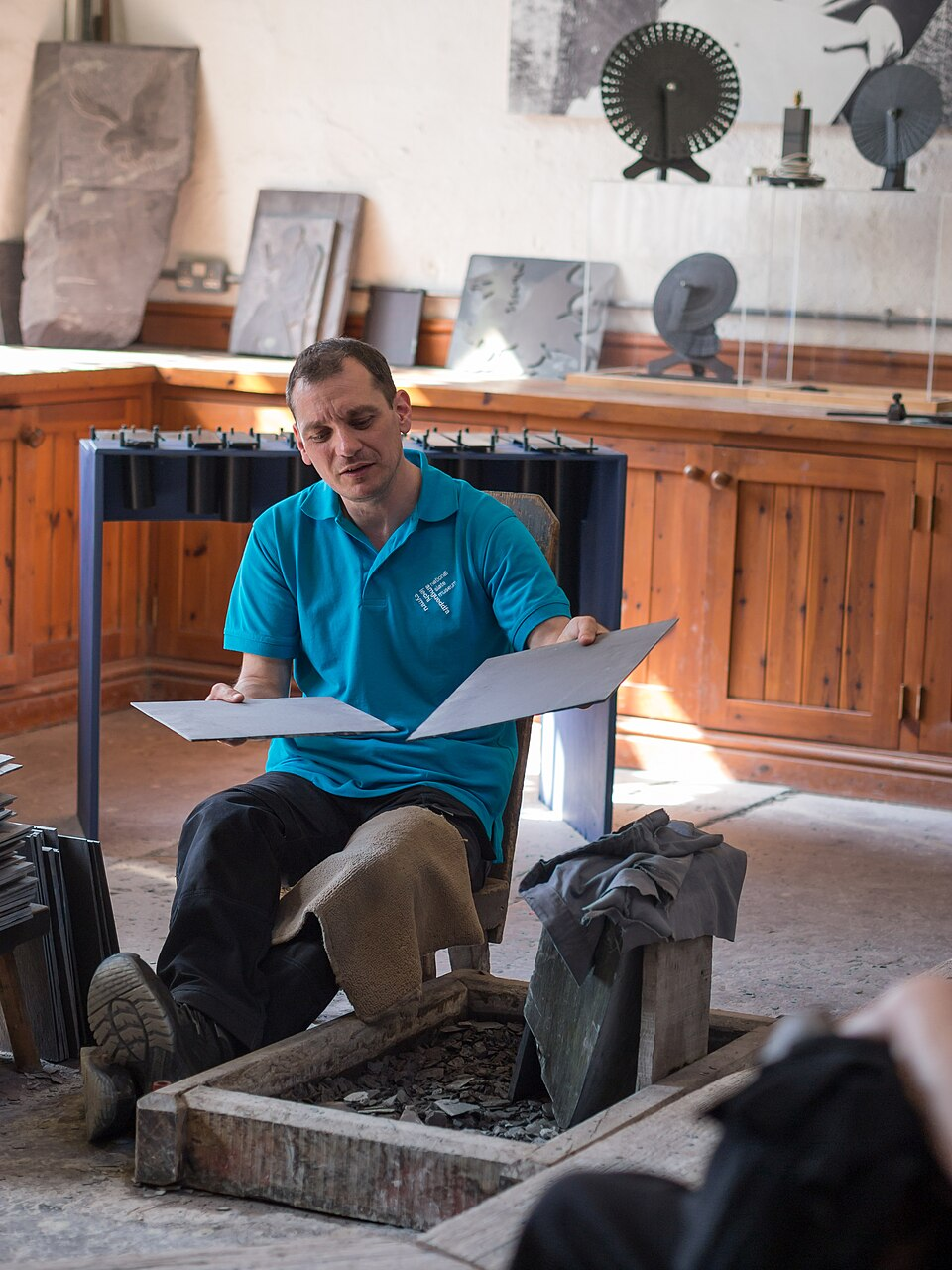
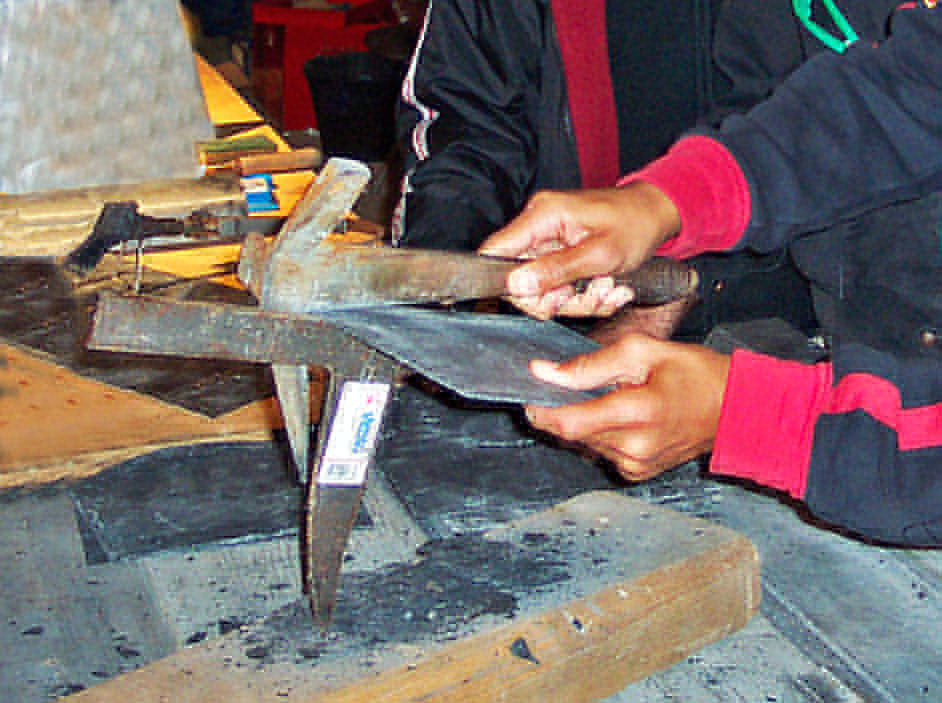
Slates were holed and trimmed on site with a slater’s hammer and a zax — a long knife with a spike — struck against a stake, which generated a continuous spray of slate fragments and dust at the worker’s eye level.
Eye protection is now mandatory for the task, and cutting is increasingly done with a guillotine or a wet-cut saw rather than by striking. Where dry cutting happens it is under dust control, because slate dust carries respirable crystalline silica.
The silica point applies to every stone and masonry material on a building site, and the two practices modern enforcement concentrates on are dry cutting and dry sweeping.
5. The old slates came off and the nails came with them
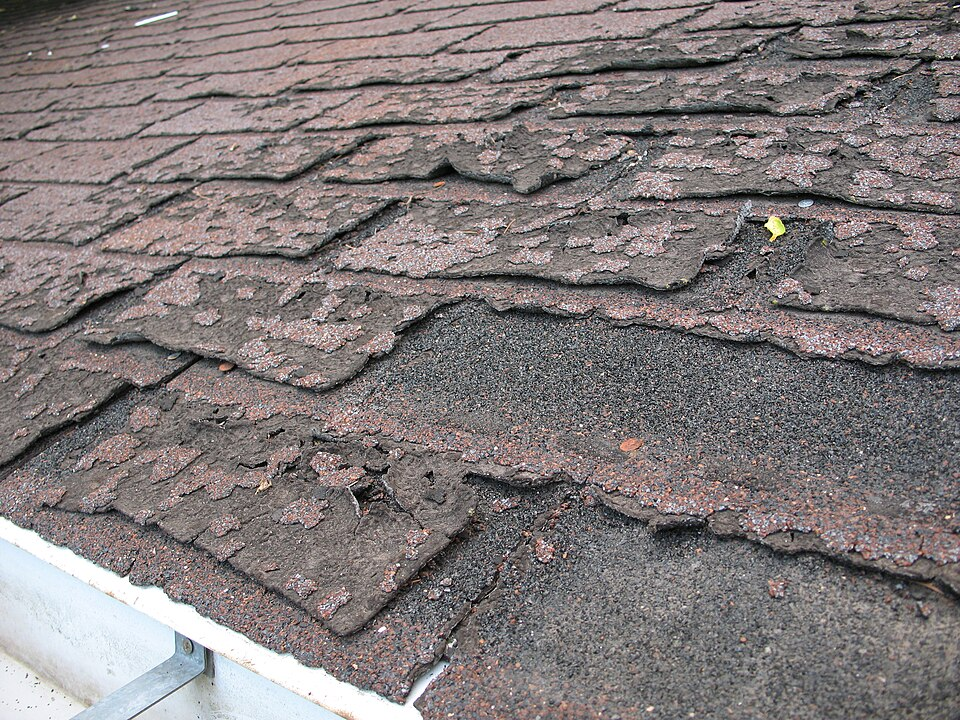
Stripping a roof meant ripping slates off with a ripper, dropping them, and leaving a batten field full of protruding rusted nails, walked over by men in ordinary boots.
Stripping is now a planned sequence with the debris controlled, nails removed or flattened as the work proceeds, and footwear with penetration-resistant soles as standard personal protective equipment on any site.
This is the most common minor injury on a roofing job and it has an entirely boring solution that works.
6. Nobody looked at what the old roof was made of
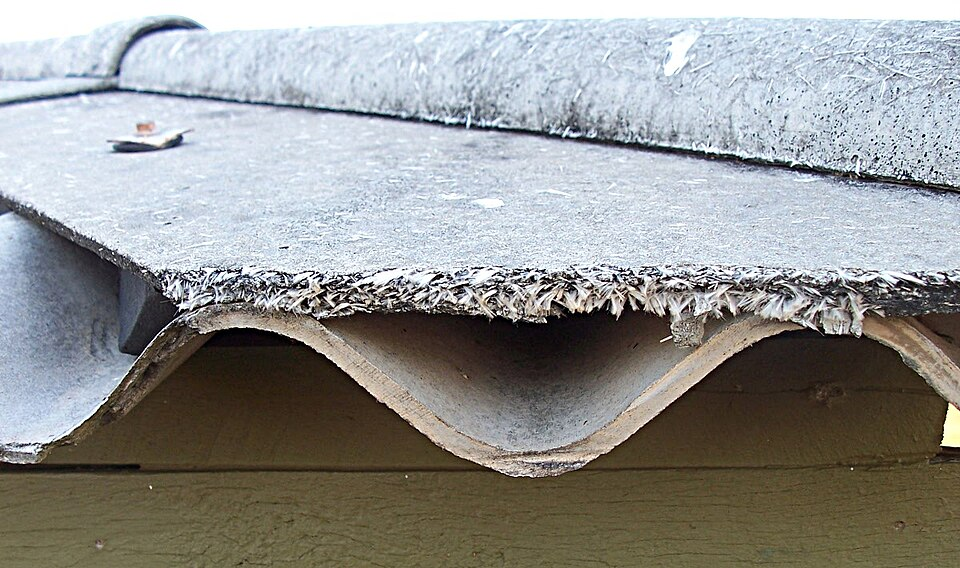
A roof stripped in 1960 might have bitumen felt, lead flashings, cement sheeting on an outbuilding, or textured coatings, all removed by hand with no thought about any of them.
The asbestos position now governs any building of that age: presumed present unless proved otherwise, surveyed before work starts, recorded, managed in place where in good condition, and disturbed only by licensed contractors where the material requires it. Cement sheeting on sheds, garages and outbuildings is the most common domestic encounter.
No removal method is described here and nobody should attempt work on suspected asbestos. The practical instruction for a householder is to get a survey before any work that will break into an old roof or outbuilding.
7. Lead was worked with a flame on the roof
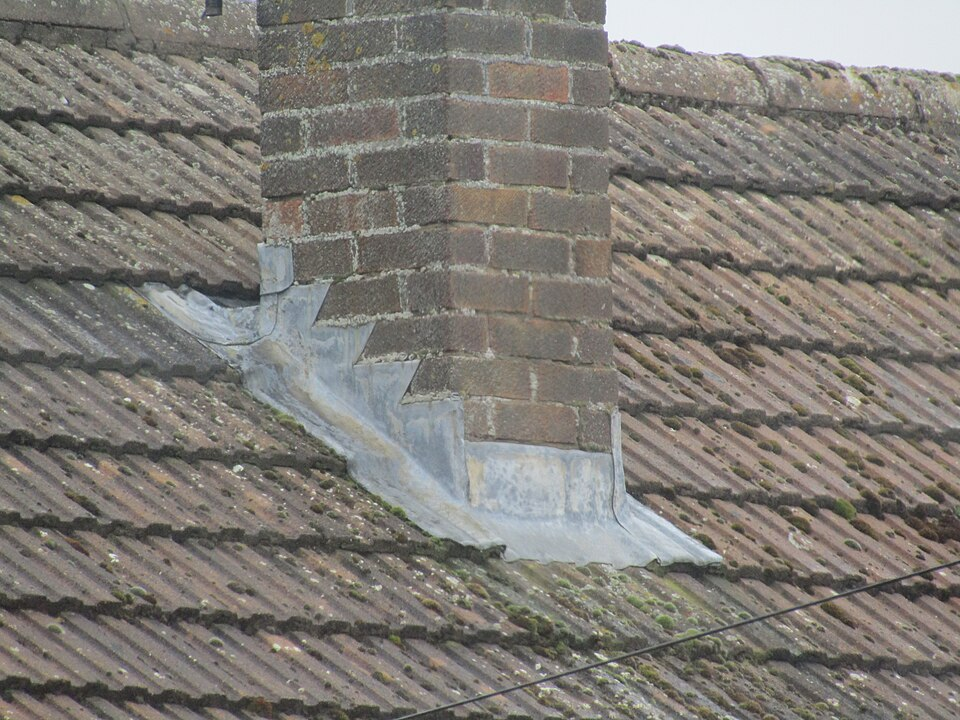
Flashings, valleys and gutters were formed in lead on site, with the lead welded or soldered using a torch, on a timber roof structure, with no permit, no fire watch and no extinguisher within reach.
Hot work on a roof now requires a permit on any managed site, removal of combustible material, a fire watch during the work and a documented inspection of the area afterwards, because a fire that starts in a roof void from hot work typically becomes apparent some hours after the trade has left.
Lead burning also produces fume, and the fume control is now part of the method rather than an afterthought, which is the same point the batch’s plumbing file makes about the same technique.
8. The roof structure was assessed by standing on it
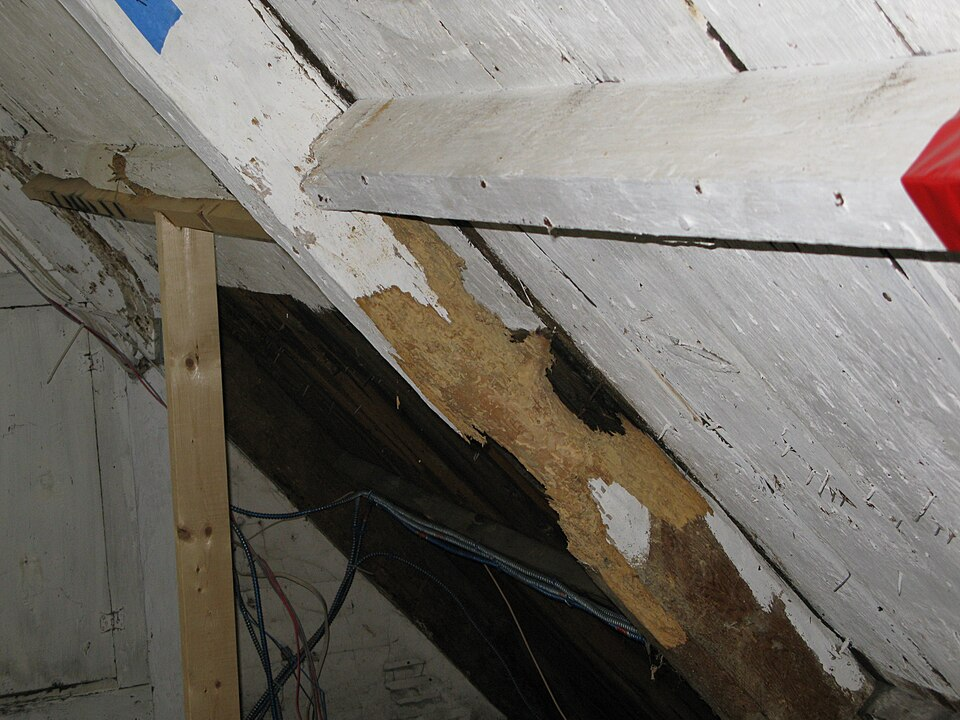
Whether a roof would bear a man and a stack of slates was decided by looking at it and then walking on it. Rotten battens, failed rafter ends and worm-damaged timber were found by going through them.
A modern job starts with an assessment of the structure, from below where possible, with a decision about loading, access and whether the roof can be worked at all before anybody goes up. Fragile surfaces — old sheeting, rooflights, degraded slates — are specifically identified and either covered or avoided.
Falls through a surface rather than from an edge are a large proportion of serious roofing accidents, and they happen on roofs that look solid.
9. The weather decided and the slater overruled it
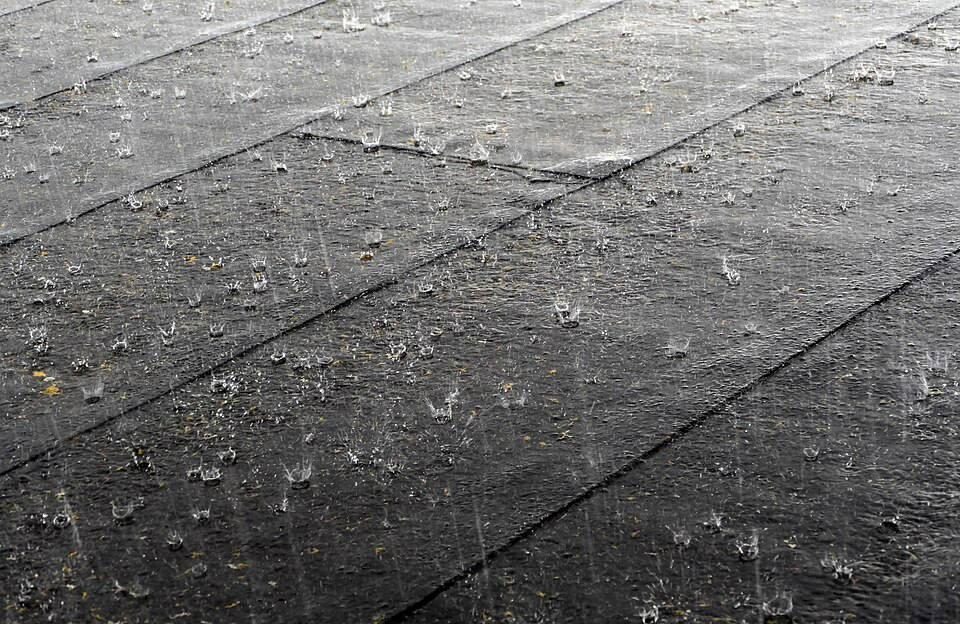
Work went on in wind and in light rain because the job was priced and the day was lost otherwise. A wet slate roof is one of the most slippery working surfaces there is.
Operations now stop at defined wind speeds and in rain, ice or poor visibility for roof work, with the limits published on managed sites, and a wet or frosted roof is treated as a fragile and slippery surface requiring a different system of work or none at all.
The economic pressure is identical now and that is why the limits are written down rather than judged by the person standing on the roof.
10. Scaffolding was an occasional luxury
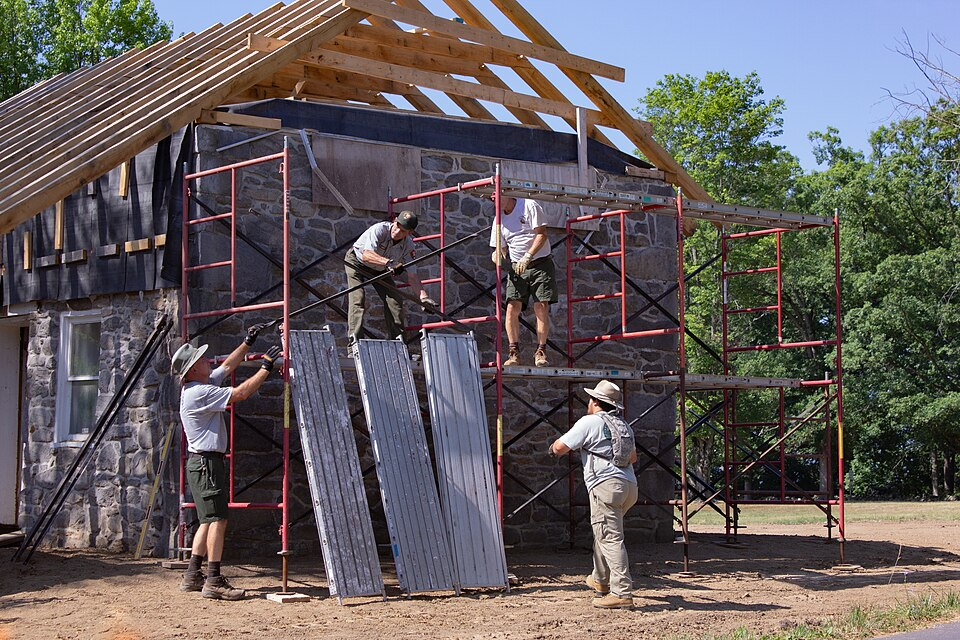
On a domestic job a scaffold was erected for a large re-roof and not for a repair, so the majority of work — a few slipped slates, a chimney flashing, a gutter — was done off ladders.
The repair job is where modern practice has changed most. Short-duration work at height still requires the hierarchy to be applied, and the answers are tower scaffolds, mobile platforms and in some cases removing the need to go up at all, rather than a ladder because the job is small.
Short jobs are over-represented in fall statistics for exactly this reason: the risk is the same and the protection is omitted because the task is brief.
11. Chimneys were repointed from the ridge
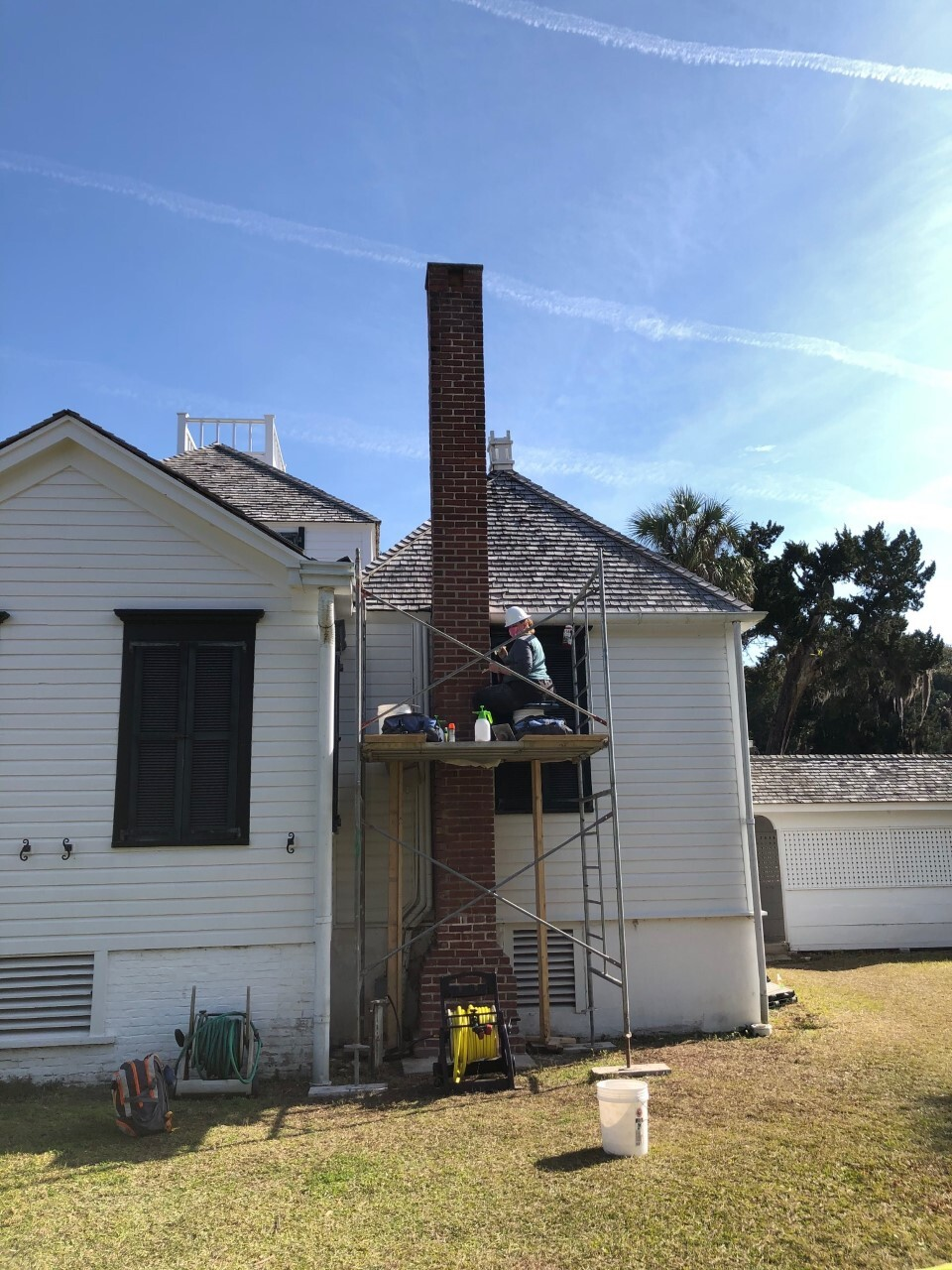
A slater working on a chimney stood on the ridge or on a roof ladder, reaching up with mortar and tools, on a structure that was itself frequently in poor condition and sometimes loose at the top.
Chimney work now requires a platform at the right height, usually a scaffold around the stack, and an assessment of the stack’s own stability before anybody leans on it. Loose masonry at height is treated as a hazard to the street as well as to the worker.
Chimney stacks are the part of an old roof most likely to be structurally unsound, because they are exposed on all sides, were built with lime mortar and carry the weather for the whole building.
12. Debris went into the garden
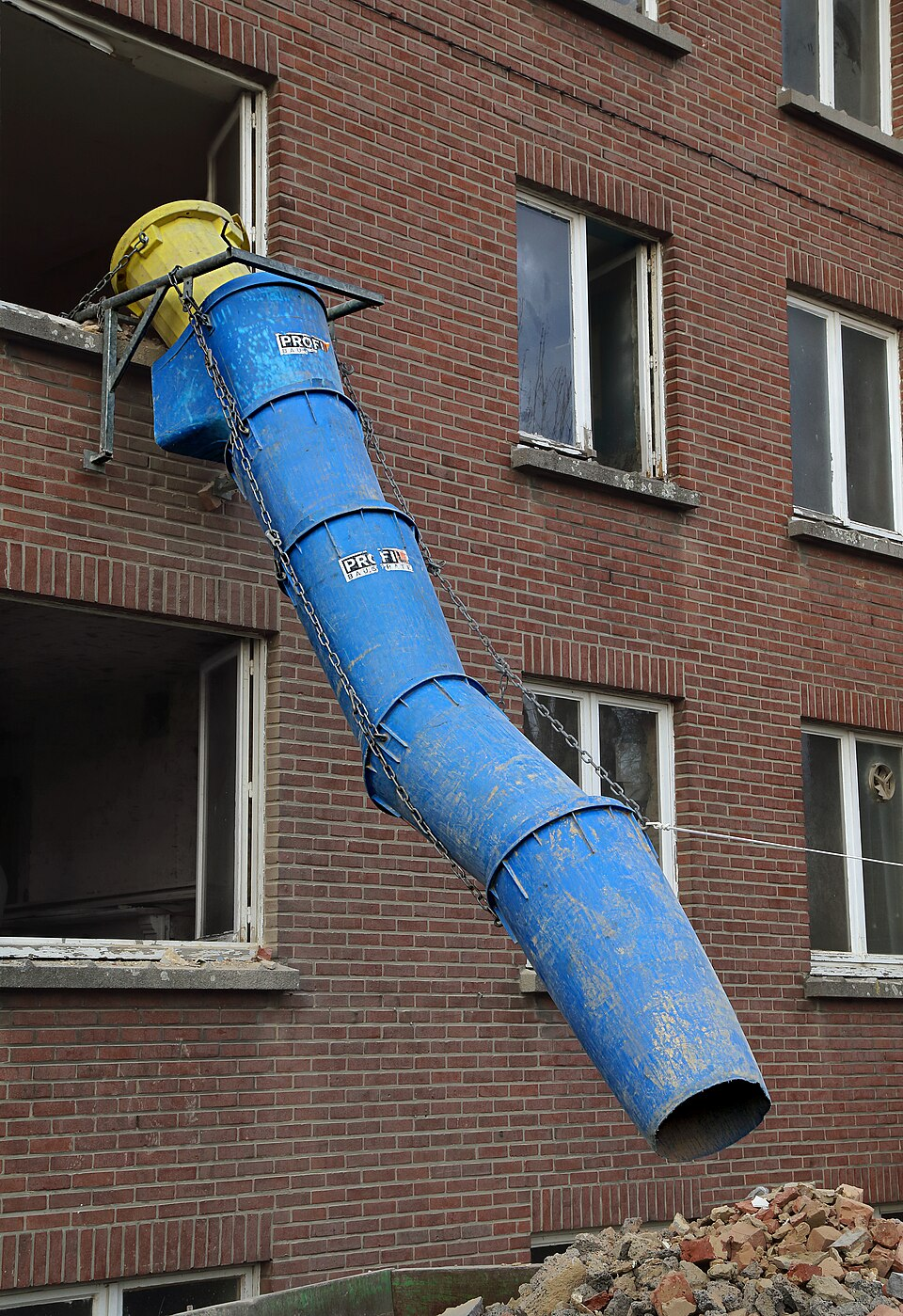
Stripped slates, battens, nails, old felt, mortar and whatever else came off the roof went down into a heap, to be cleared at the end or sometimes left. The householder’s garden was the skip.
Construction waste is now a controlled stream with duty of care documentation, segregation, licensed carriers and a transfer note, and anything that might contain asbestos has its own route entirely. A covered skip and a chute are standard.
The duty of care is the structural change, because it makes somebody documentably responsible for where the material went, which was previously nobody.
13. The slater carried everything on his shoulder
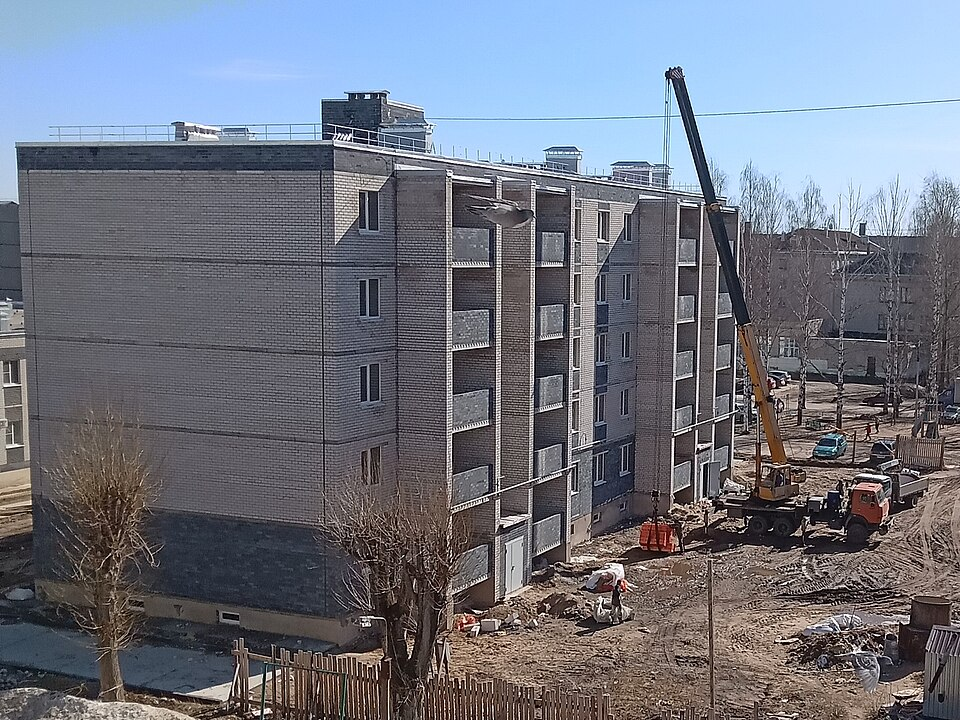
Slates in bundles, sand and cement, lead rolls and tools went up the ladder on a man’s shoulder, one trip at a time, which on a large job meant hundreds of ascents carrying awkward loads.
Mechanical hoists, inclined conveyors and crane lifts are now standard for materials, and manual handling up a ladder is both assessed and generally prohibited on managed sites, because carrying a load on a ladder removes the three points of contact that make a ladder safe at all.
The hands point is the simple one: a person on a ladder needs a hand for the ladder, and anything that occupies both hands has already created the problem.
14. Apprenticeship was watching somebody for years
A boy went up with a slater and learned the trade by doing it — the setting out, the laps, the holing, the flashings and the reading of a roof — with no formal instruction and no qualification at the end beyond the recognition of other slaters.
The craft training still exists and is now formalised with recognised qualifications and assessment, alongside mandatory training in working at height, asbestos awareness and manual handling that nobody in 1960 received.
Asbestos awareness training in particular is now a legal requirement for anybody whose work could disturb it, which includes essentially every trade working on old buildings.
15. Nobody was insured and nobody checked
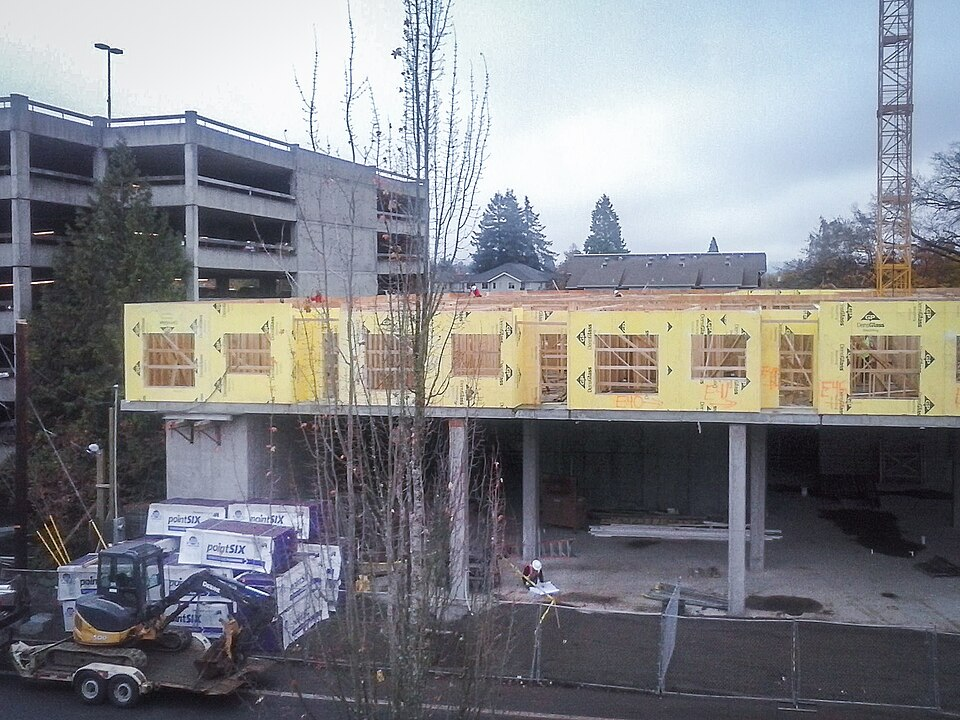
A domestic slater worked on his own account with no public liability cover, no employer’s liability, no written quotation and no record of what he had done. A householder had no recourse if the roof leaked or if somebody was hurt.
A householder now expects public liability insurance, a written quotation, a competent person scheme membership or trade accreditation where applicable, and some form of guarantee. On a managed site, employer’s liability cover is compulsory.
The practical advice for anybody having roofing work done is unchanged from the whole of this file: ask about access arrangements and insurance before the work starts, because both are decided by then.
16. And what the trade still does by hand
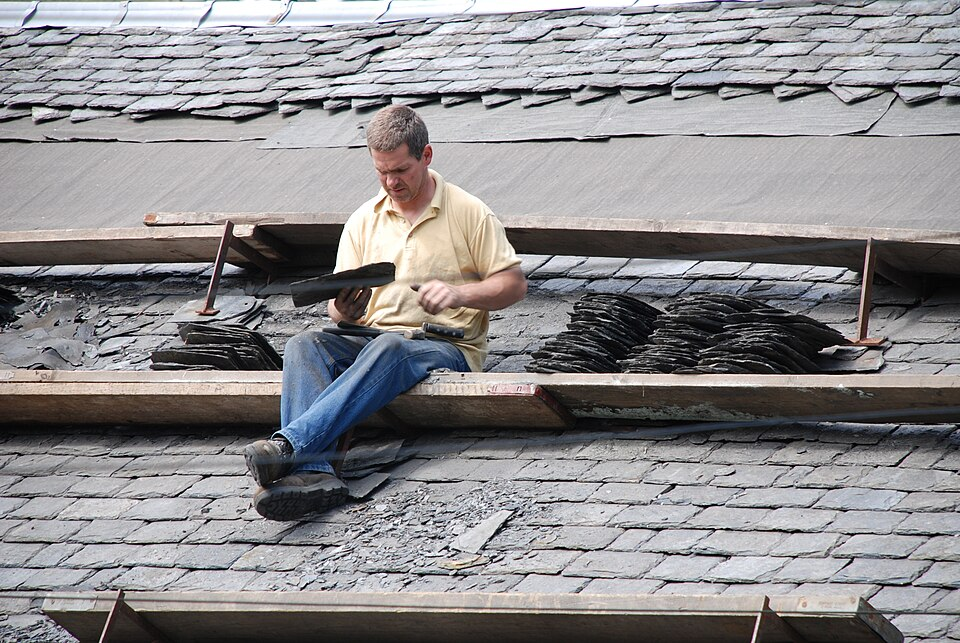
Slating remains a craft. Setting out the laps and gauge so that water cannot find a way in, sizing slates in diminishing courses, forming a lead valley, cutting round a hip — all of it is still done by eye and hand by somebody who has done it for years, and a well-slated roof outlasts the person who laid it.
What changed is how the slater gets to the work and what happens if they slip, not what they do when they are there. The craft is intact and the access is transformed, which is the right way round.
The honest summary: the roof ladder with nobody tied on is the practice that would stop a job today; throwing slates off a roof is the one that endangered the public; falls through a surface rather than from an edge account for a large share of serious roofing accidents and happen on roofs that look solid; and the single most useful thing for a householder is to get an asbestos survey before anybody breaks into an old roof or outbuilding.
Where roofers actually get hurt
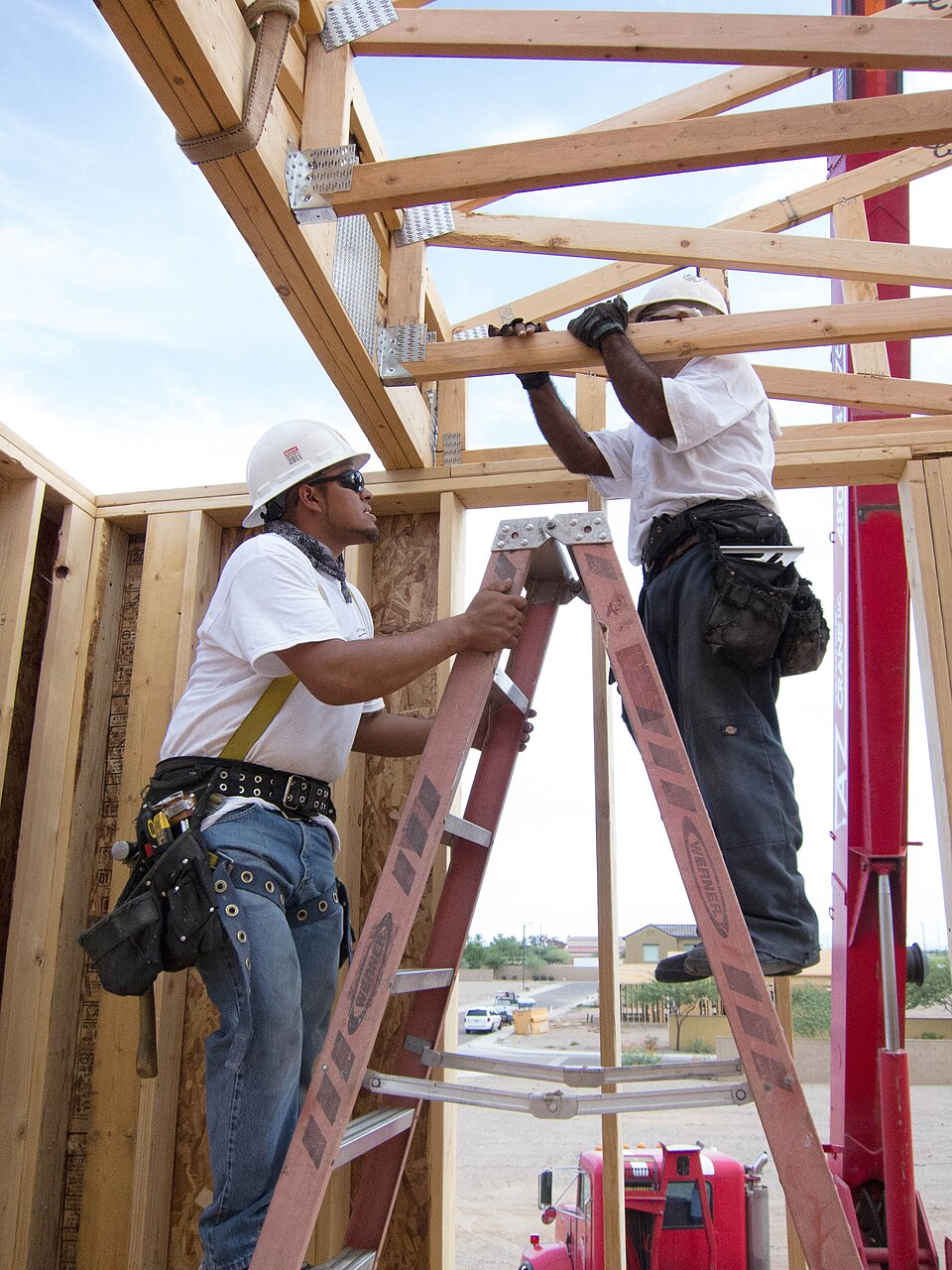
Three mechanisms account for most serious roofing accidents, and only one of them is the obvious one.
Falling from an edge is what everybody pictures, and it is why the modern hierarchy puts a platform with guard rails ahead of any form of harness: prevention before mitigation. Falling through a surface is the one that kills people who were being careful, because it happens on roofs that look solid — rotten battens, failed rafter ends, old sheeting, rooflights, degraded slates — which is why a modern job begins with an assessment from below and an explicit identification of fragile surfaces before anybody goes up. And the third is the short job: a few slipped slates or a chimney flashing, where the risk is identical and the protection gets omitted because the task is brief. Short-duration work is over-represented in fall statistics for exactly that reason.
Two hazards in the file are to other people rather than to the roofer. A slate dropped from a roof is a blade with a point, which is why exclusion zones below roofing work are larger than neighbours expect. And hot work on lead, done on a timber structure with no permit and no fire watch, starts fires in roof voids that typically become apparent some hours after the trade has gone home.
If you are having roofing work done, two questions settled before anybody starts decide most of this. What are the access arrangements — scaffold, tower, platform, or a ladder? And what insurance does the contractor hold?
The third is the one people never ask. Get an asbestos survey before any work that will break into an old roof, garage or outbuilding, because cement sheeting and textured coatings are the most common domestic encounter with it, the presumption for a building of that age is that it is there, and nobody should be disturbing it without a survey first.
And if you have an old chimney stack, have it looked at from a platform rather than from a ridge. Stacks are the part of an old roof most likely to be unsound, because they are exposed on every side and carry the weather for the whole building.
Like our content? Follow us for more.
