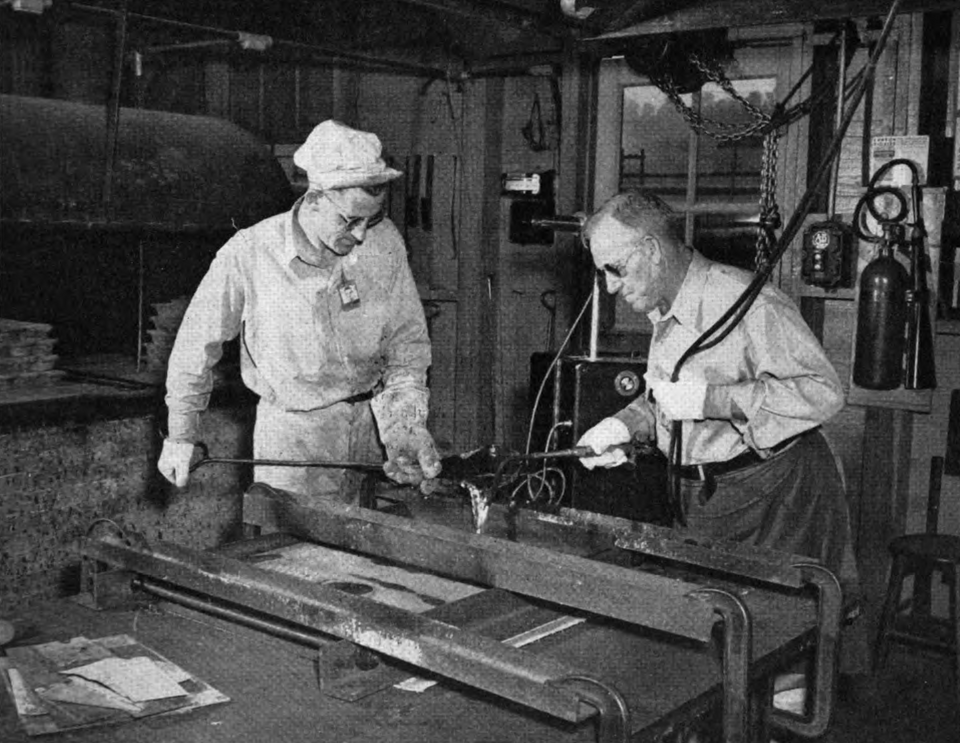
A lead-acid battery works in 1960 handled lead in every form that is hardest to control — molten in open pots, as a fine oxide powder in sacks, as paste on workers’ hands, and as scrap in an on-site furnace — in a building ventilated by opening the windows.
Almost nothing about the modern industry resembles it. Lead manufacturing is now one of the most heavily regulated environments in the world, and the regime is built around a small number of findings that nobody in 1960 was measuring. Here are sixteen things about that plant.
1. Lead was melted in open pots on the shop floor
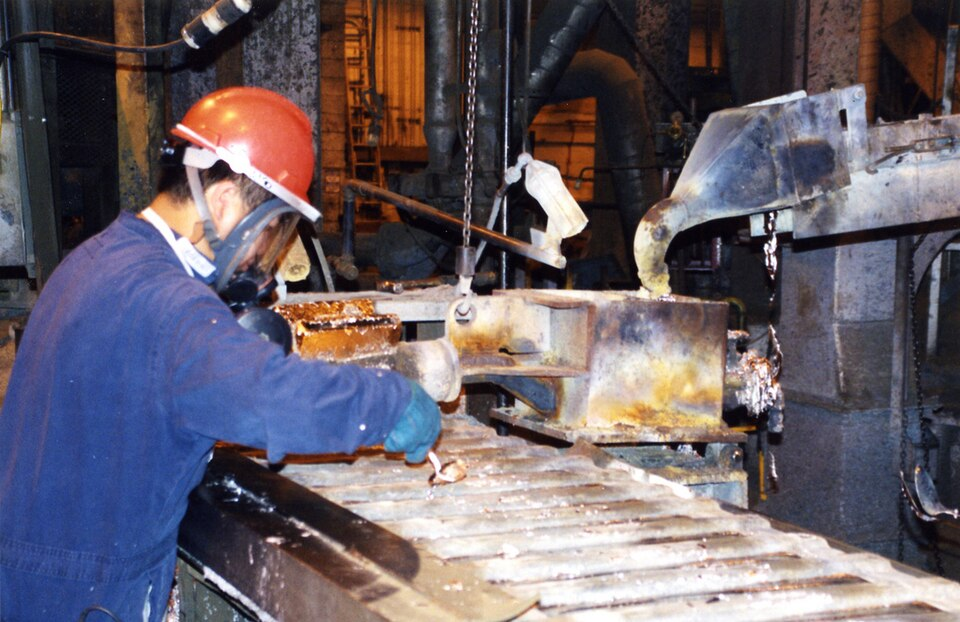
Grids and connectors were cast from molten lead in open pots heated by gas, standing in the workroom with men working around them. The fume came off the surface and went into the room.
Lead melting is now enclosed, extracted at source, and monitored, with the furnace or pot under a hood connected to a filtered extraction system, and with the workroom air sampled against a limit rather than judged by whether anybody can smell anything.
The fume is the point. Lead has no smell and the vapour and fine particulate coming off a molten surface are invisible, which is why an open pot in a room feels harmless and is the single largest source of exposure in a plant like this.
Like our content? Follow us for more.
2. The oxide was made by milling lead, and the dust was everywhere
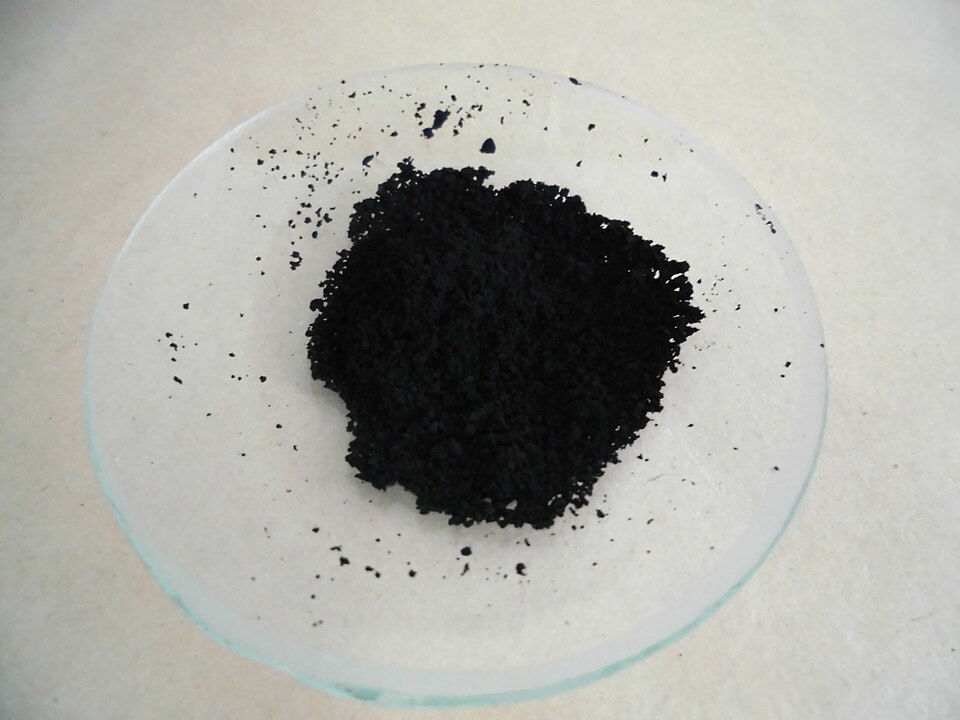
Battery plates need lead oxide, which was produced by milling or oxidising lead into a fine powder, handled in sacks and barrows, tipped into mixers by hand and spilt routinely.
The modern process is enclosed from end to end: oxide is produced, conveyed, stored and dosed in sealed systems under negative pressure, because fine lead powder is the most readily absorbed form of the metal and the hardest to control once it is loose.
Dry powder is the hazard that defines this industry. Everything in modern lead-works design — the enclosure, the extraction, the wet cleaning, the airlocks between areas — exists to keep it inside the equipment.
3. Plates were pasted by hand
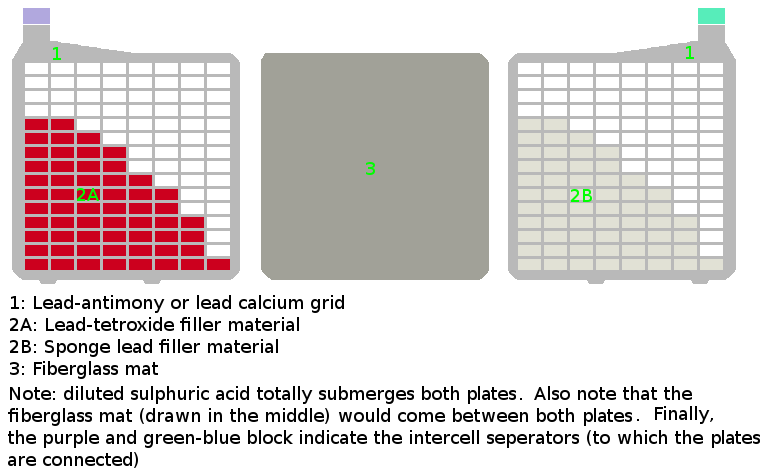
The oxide paste was applied to the grids by hand with a trowel or spatula, at a bench, by workers whose hands were in it all day and who wiped them on their overalls.
Pasting is now a machine operation with the paste contained, and where manual handling remains it is done with gloves, in a controlled area, with washing facilities immediately available and a prohibition on leaving the area without using them.
Hand-to-mouth transfer is the route that regulation concentrates on hardest, because lead absorbed through swallowing is the dominant pathway for most workers, which makes washing the single most effective control there is.
4. Nobody washed before eating, and the canteen was next door
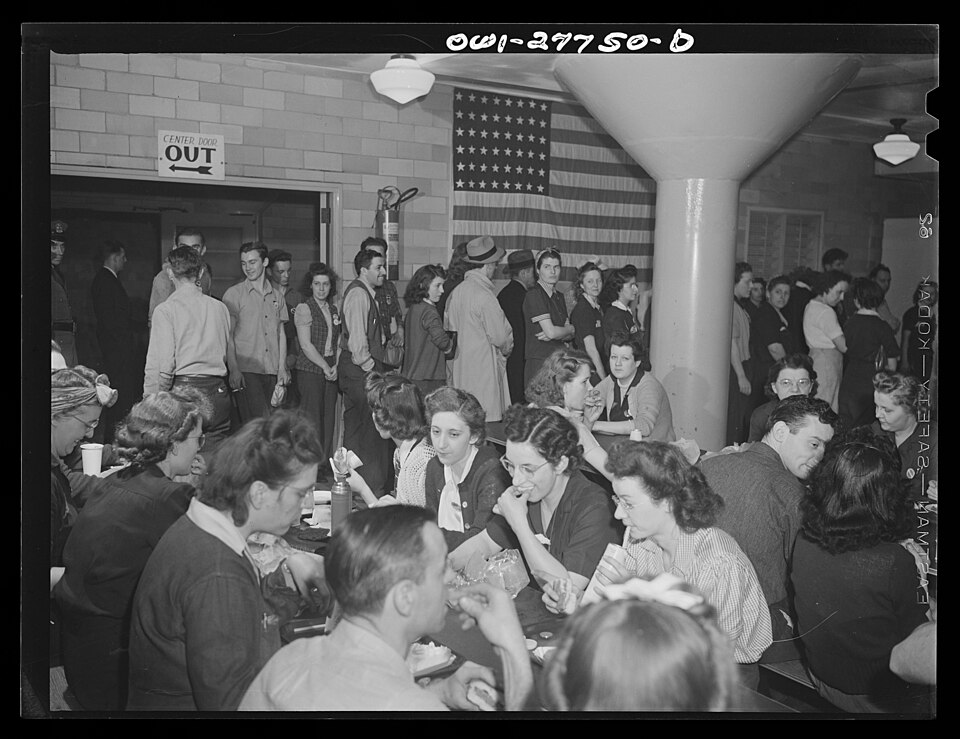
Men ate their sandwiches at the bench or in a room off the shop floor, in their working overalls, having washed their hands in a sink if there was one, and smoked while they worked.
Current practice separates clean and dirty areas completely: work clothing is removed before entering a canteen, washing before eating is mandatory and facilities are provided for it, and eating, drinking and smoking in a lead area are prohibited outright.
This is the item that explains most of the historical exposure. The dose that mattered was not what men breathed at the pot but what they ate off their own hands at midday.
5. Overalls went home to be washed by wives
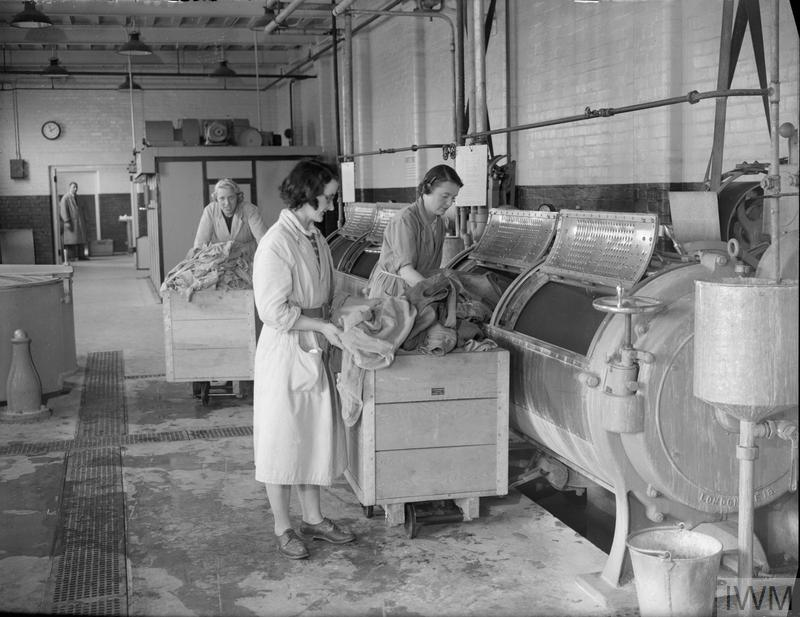
Work clothing was taken home in a bag, washed in the household machine or a sink with the family’s clothes, and dried in the same place. Nobody thought of the overalls as contaminated.
Employers are now required to provide protective clothing, to launder it themselves or through a specialist contractor, and to prohibit the removal of work clothing from the premises. Separate lockers for work and personal clothing are standard.
The reason is take-home exposure. Lead carried out of a plant on clothing puts it into a household, and the people most affected by that are the ones who did not work there.
6. Acid came in open carboys and was handled by hand
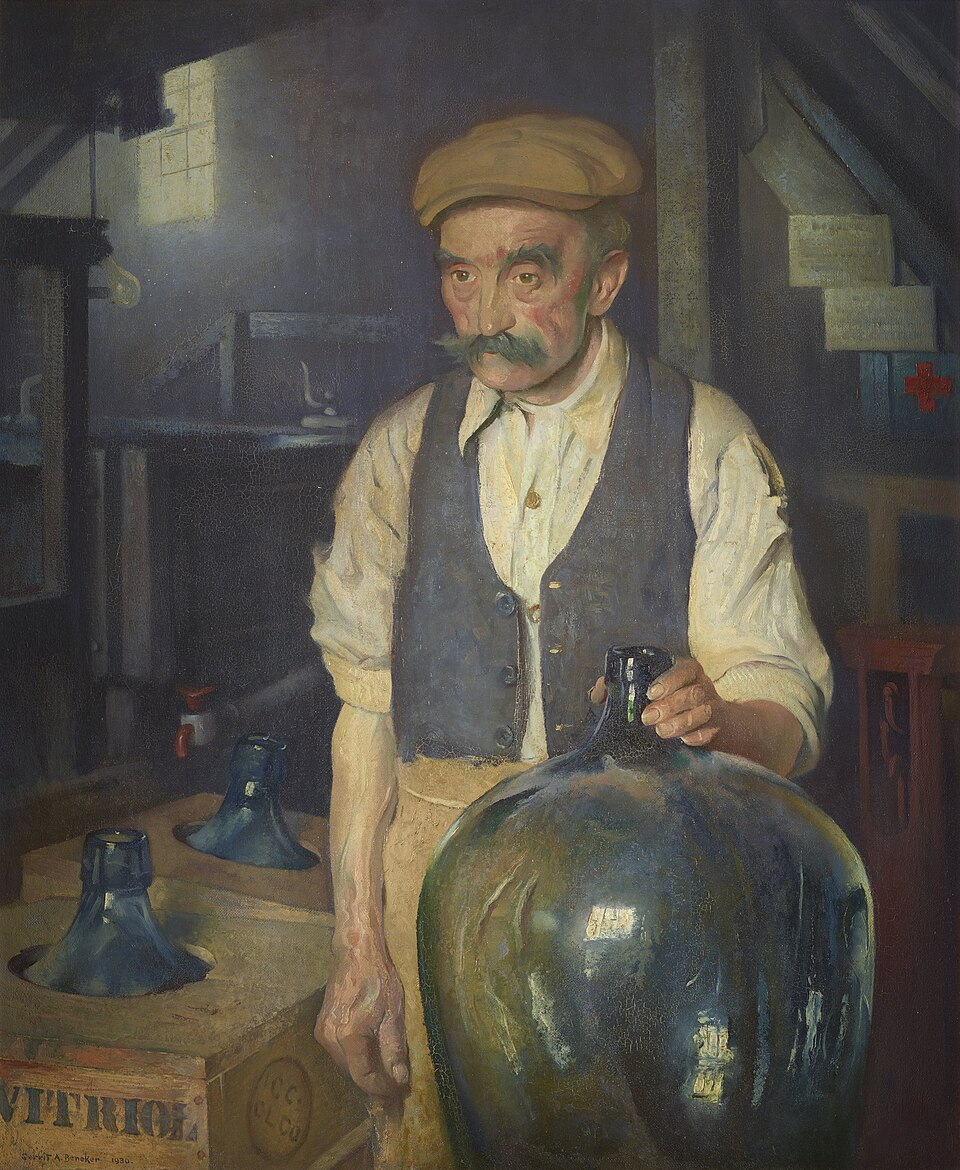
Sulphuric acid for filling and for formation arrived in glass carboys in wicker baskets, was decanted by tipping, and was carried about in jugs and buckets by men in ordinary clothing.
Acid is now delivered and distributed in closed systems, with bunded storage, eye wash stations and emergency showers at points of use, chemical-resistant protective equipment, and specific training. Glass carboys have disappeared entirely.
One protective fact belongs here because battery acid is still in cars and sheds: acid in an eye requires immediate and prolonged irrigation and urgent medical attention, and the water matters more than anything else you could do first.
7. Formation filled the building with acid mist
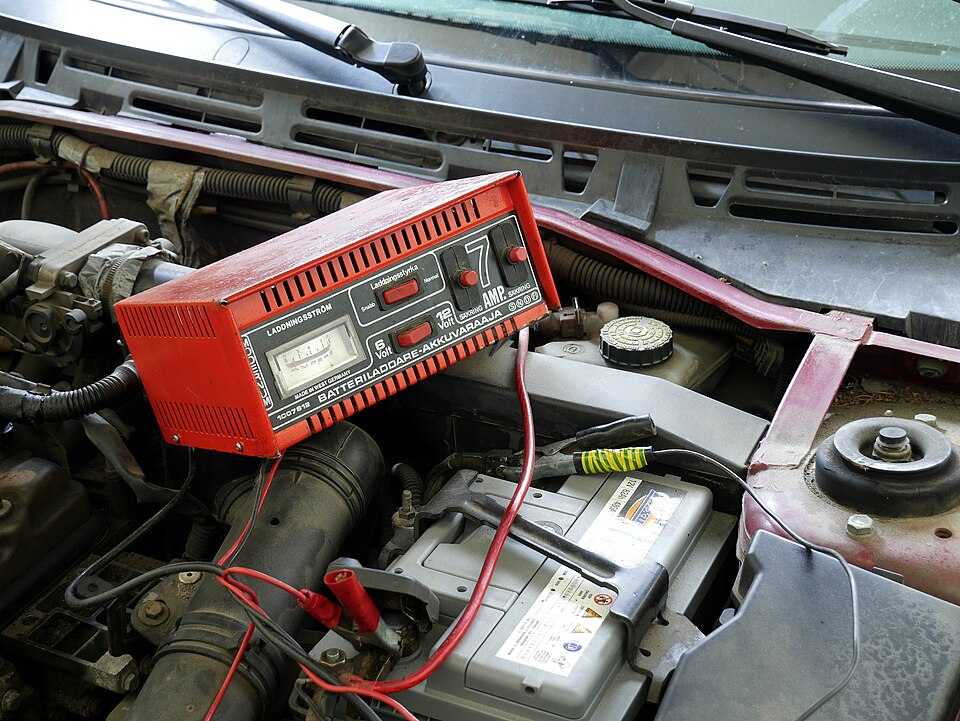
Charging batteries for the first time generates a mist of acid droplets and, from the charging reaction, hydrogen. In 1960 that happened in a room with a window open at the end.
Formation now takes place under extraction with the mist captured and neutralised, in areas with ventilation designed around the hydrogen as well as the acid, because hydrogen is flammable across a very wide range of mixtures with air and collects at high level.
The hydrogen point transfers directly to anybody charging a lead-acid battery in a garage or a boat: do it with ventilation, keep ignition sources away, and never disconnect a lead while it is charging.
8. The burning room joined plates with a torch
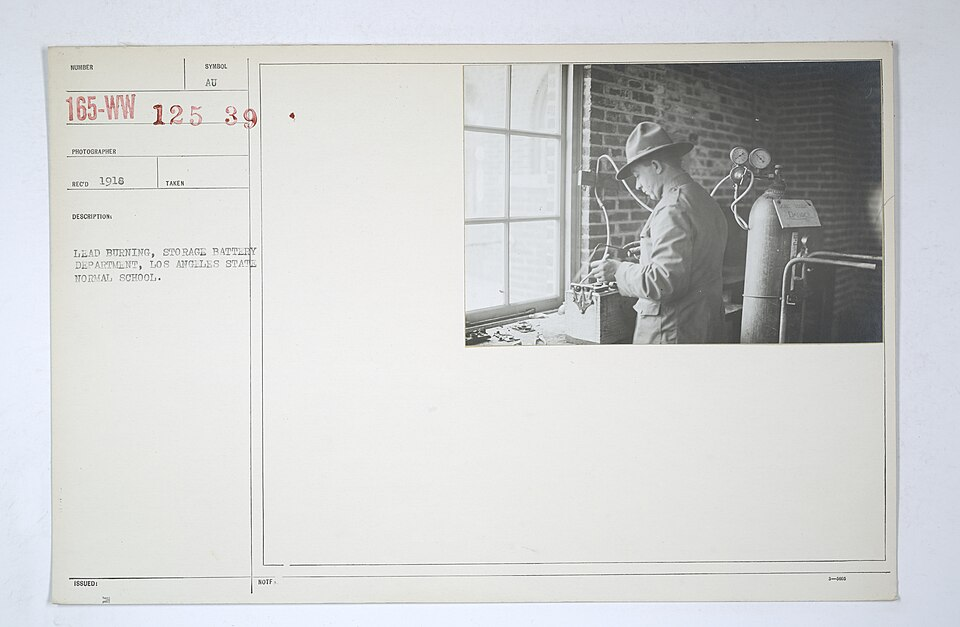
Lead burning — welding lead to lead with a flame — was used to join plates into groups and to make connections, carried out at a bench with a hand torch and no extraction.
The process survives in the industry and is done under local exhaust ventilation, with air monitoring, and increasingly replaced by mechanical joining. Where a flame is used on lead, the fume control is the whole of the method.
Hot work on lead produces the same invisible fume as the melting pot and in a more concentrated form, because it is at the worker’s face height rather than at the floor.
9. There was no blood testing and no health surveillance
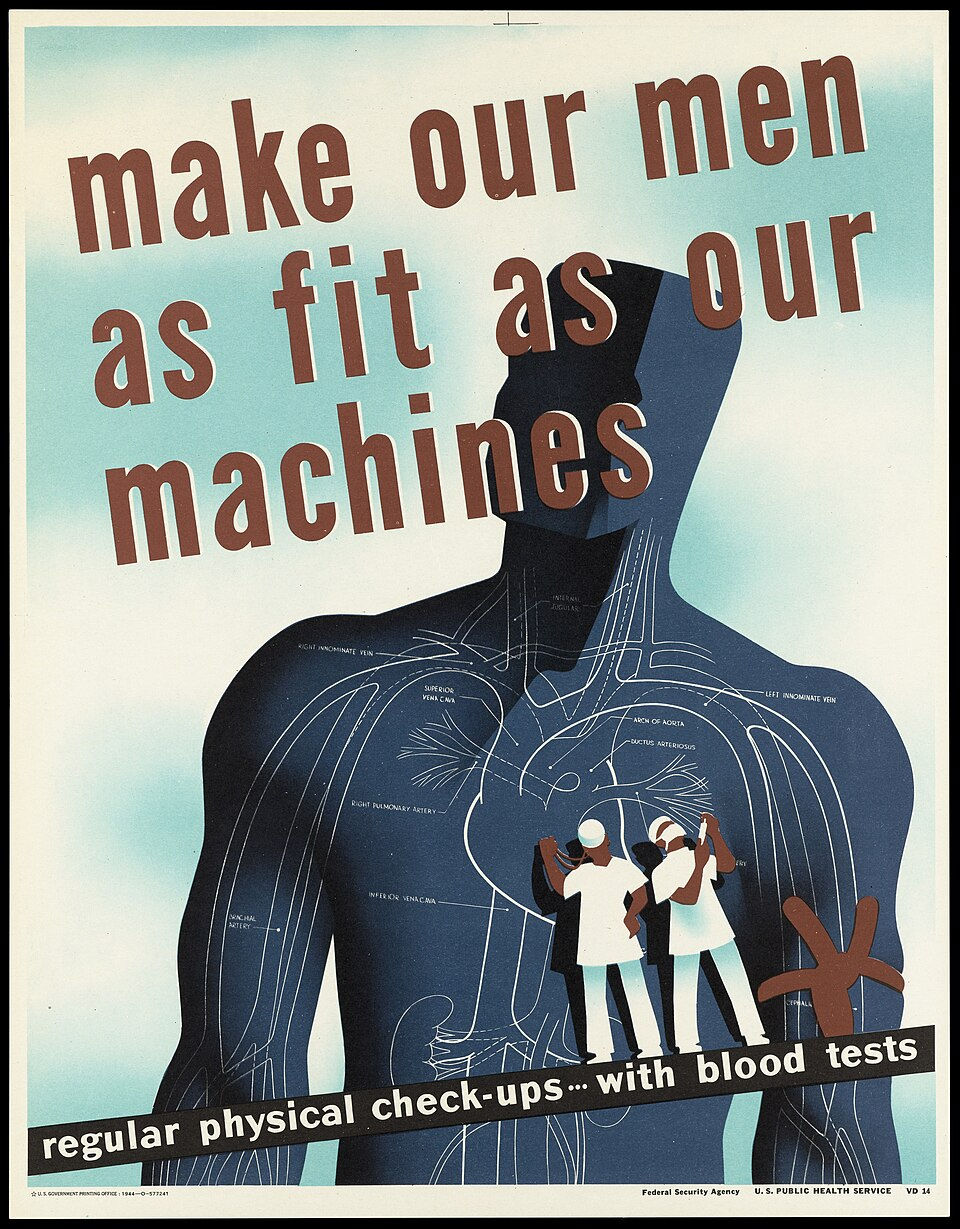
Nobody measured what was in the workers. There was no medical examination on starting, no periodic testing, no record kept and no mechanism by which an individual could be found to be accumulating lead before it mattered.
Health surveillance is now the legal centre of lead work. Workers in scope have blood lead measured at defined intervals by an appointed doctor, with action levels that trigger investigation of the workplace and suspension levels at which a worker must be removed from exposure until the level falls.
The design of that regime is the important part. It treats a rising blood level as evidence that the controls have failed rather than as a problem with the individual, which is why the response is to investigate the plant.
10. Boys were employed on the shop floor
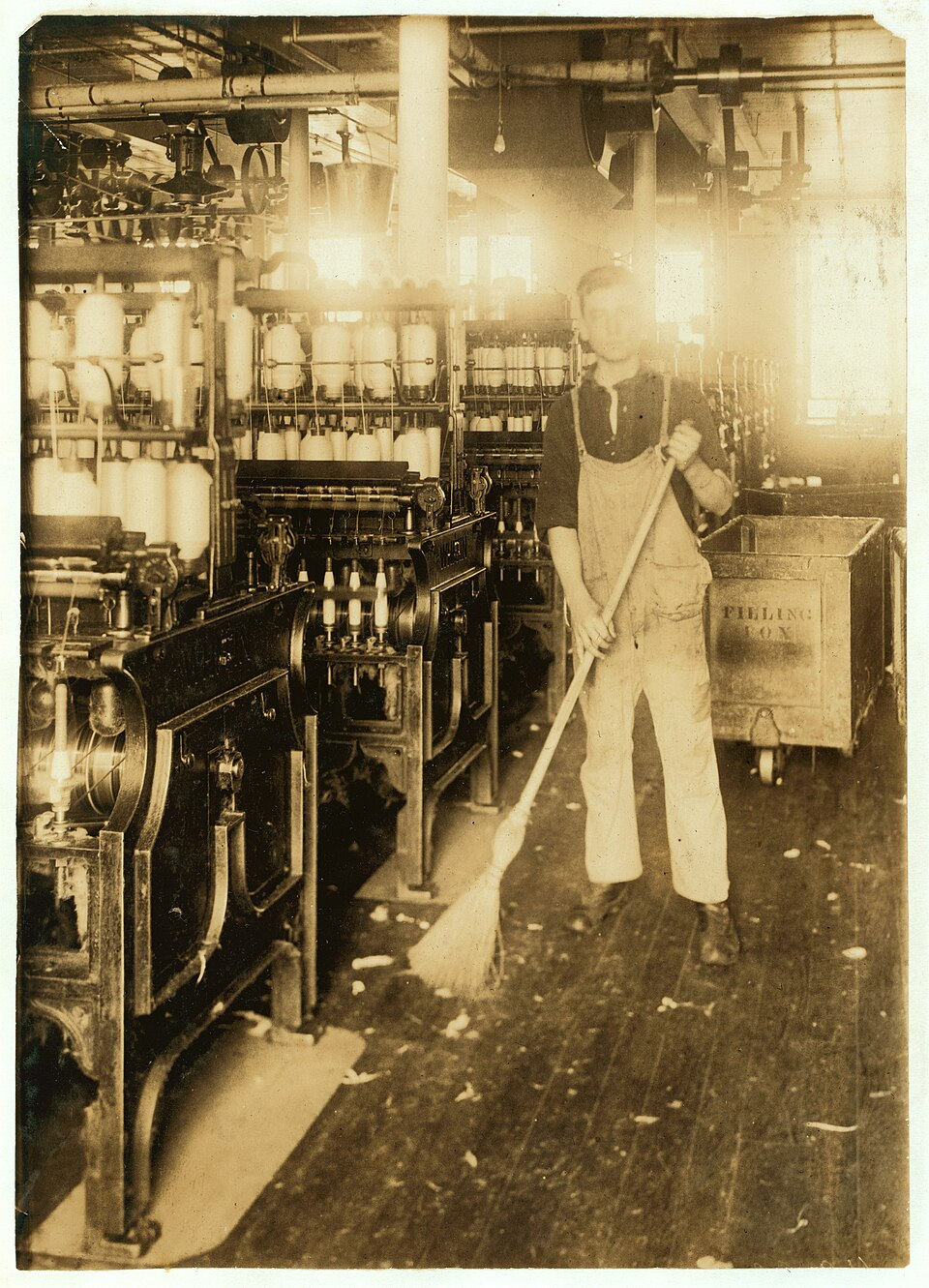
Young workers started in the industry at school-leaving age and worked in the same areas as everybody else, doing the fetching, sweeping and barrowing that put them in the dustiest parts of the plant.
Young people are now prohibited from work involving significant lead exposure, and there are specific statutory restrictions rather than general guidance, because the developing nervous system is more vulnerable to lead than an adult’s.
No clinical detail belongs here. The regulatory position is the fact: this is one of the few hazards where the law sets a different rule for young workers rather than the same rule with a lower number.
11. Spillage was swept up dry
Broken plates, spilt oxide and the general debris of the floor were swept with a brush, which lifts fine powder back into the air and redistributes it across the plant.
Dry sweeping is prohibited in lead areas. Cleaning is by vacuum with suitable filtration or by wet methods, on a schedule, with the floors designed to be cleaned rather than merely swept, and housekeeping treated as a control measure rather than tidiness.
Dry sweeping is the most common single breach found in inspections of dusty workplaces of every kind, and it is the one most easily fixed.
12. Scrap was smelted on site
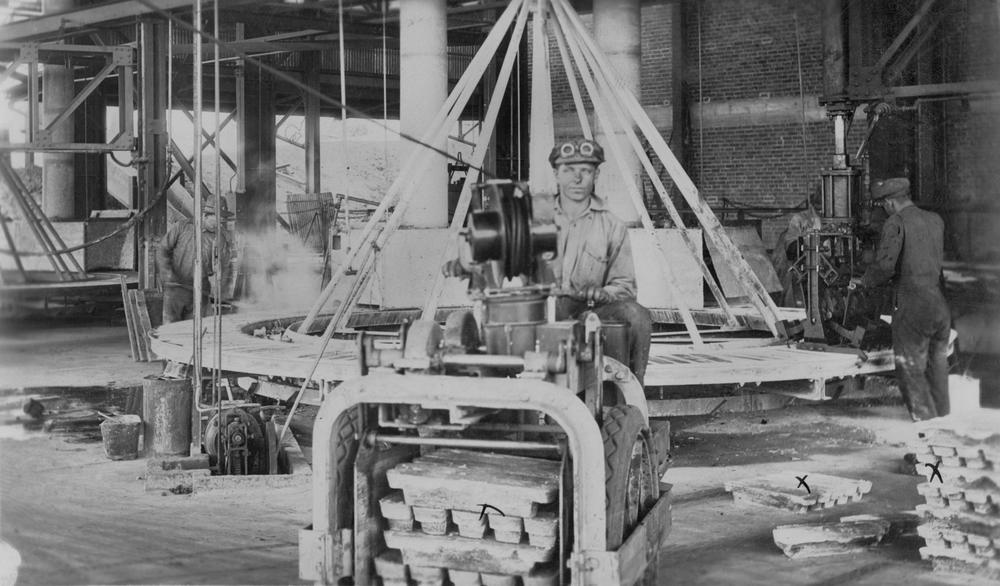
Plants reclaimed their own lead by melting scrap plates, sweepings and offcuts in a furnace on the premises, which concentrated every contaminant in the waste stream into one hot process in the middle of the works.
Secondary lead smelting is now a separately regulated activity with permitted emissions, stack monitoring, specific controls on arsenic and antimony alloying elements, and in most jurisdictions is carried out at dedicated plants rather than as a sideline.
The alloying elements are the part people forget. Battery lead is not pure lead, and what comes off a scrap melt depends on what was in the plates.
13. Respiratory protection was a cloth over the face
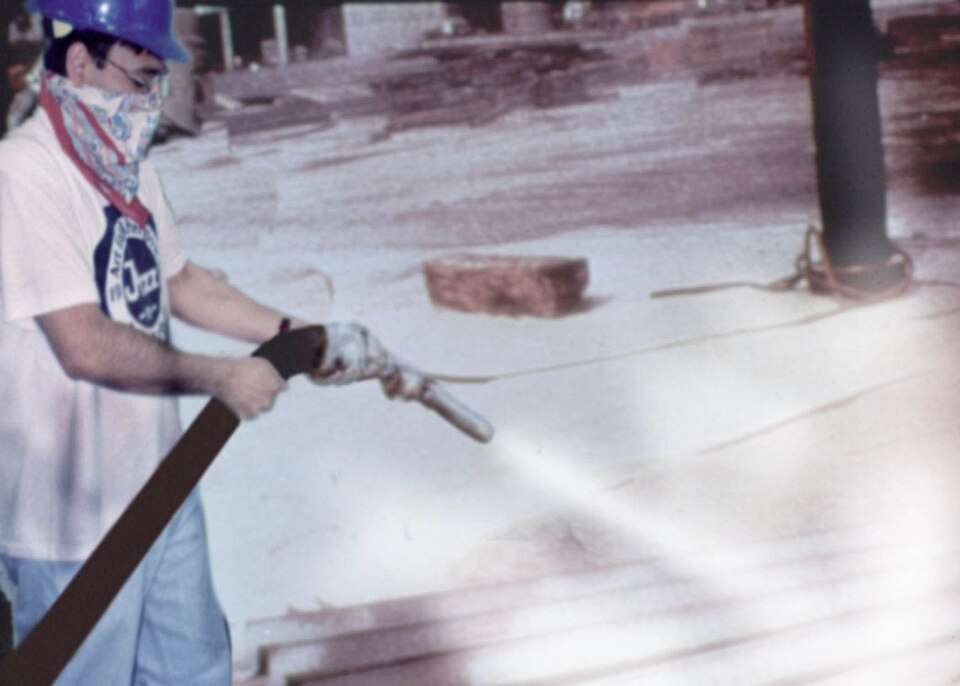
Where anything was worn at all it was a cotton mask or a handkerchief, selected by nobody, fitted to nobody and changed when it got dirty.
Respiratory protection is now the last line rather than the first: exposure must be controlled at source, and where protection is still needed it is a specified device, selected for the contaminant, face-fit tested to the individual and maintained under a written scheme.
The order matters. A plant that relies on masks has already failed, and the modern regime treats widespread use of respirators as a sign that the engineering controls need work.
14. The ventilation was a window
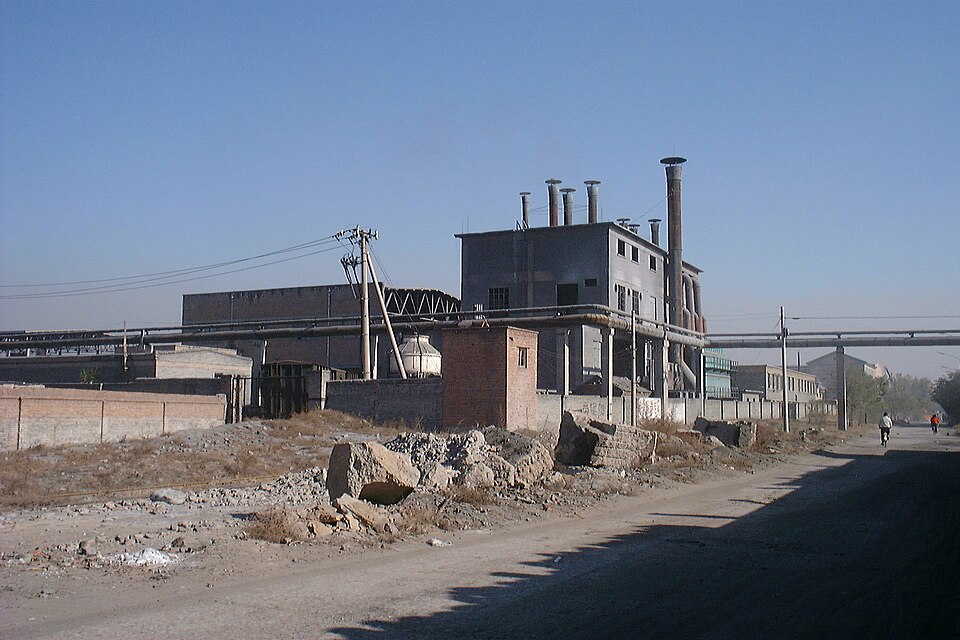
General ventilation in a 1960 plant meant opening doors and windows in summer and shutting them in winter, which meant exposure was worse in cold weather and nobody connected the two.
Ventilation is now designed, installed, commissioned, tested and examined at statutory intervals, with local exhaust at each source and general ventilation calculated for the room, and with the performance recorded rather than assumed.
The seasonal pattern is a real historical finding and it appears in old industrial health records across many trades: exposure rose in winter because the building was closed up.
15. Women were excluded, for reasons that were half right
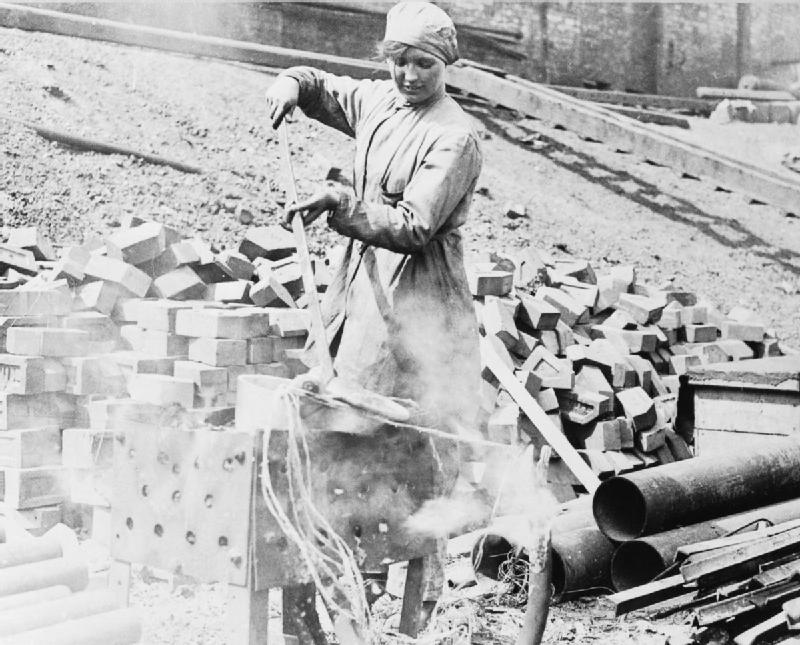
Women were prohibited from much lead work by statute for most of the twentieth century, on the basis of effects on reproduction, while men doing identical work were subject to no restriction at all.
The modern position is different in structure. Exposure limits apply to everybody, the law recognises specific risks in pregnancy with a duty to assess and to alter the work, and the reproductive effects of lead are understood to concern men as well. Protection is now about controlling the hazard rather than excluding a category of worker.
The historical rule was not wrong about lead and reproduction. It was wrong about who was affected, and it functioned as an employment bar rather than as a control.
16. And what the industry became
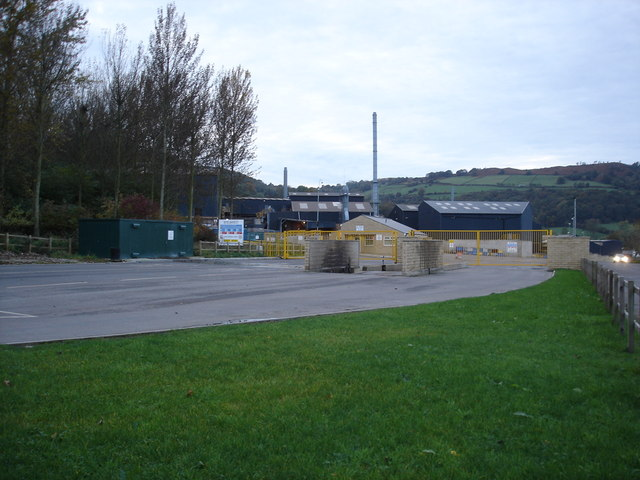
Lead-acid battery manufacture did not go away and has not been replaced; it remains one of the most-recycled products in the world, with a closed loop between manufacture, use and reclamation that other industries study.
What changed is that it became one of the most heavily regulated manufacturing environments there is — enclosure, extraction, monitoring, surveillance, laundering, housekeeping and separate clean areas — and the modern plant bears no useful resemblance to the 1960 one.
The honest summary: the dust and the hand-to-mouth route did more harm than the melting pots, washing before eating is the most effective single control and always was, take-home contamination on overalls affected families who never entered the plant, and the two things worth carrying away are that acid in an eye needs immediate prolonged irrigation and that charging a lead-acid battery needs ventilation and no ignition sources.
Which controls did the work

Group the items by exposure route and the file resolves into something simple.
The route that mattered most was not breathing but swallowing. Lead on hands, transferred at a sandwich eaten at the bench in working overalls, delivered more than the open melting pot did, which is why the modern regime concentrates on washing facilities, mandatory washing before eating, prohibition of eating, drinking and smoking in lead areas, and complete separation of clean and dirty areas. Washing before eating is the single most effective control available and it was available in 1960 too.
The second route is fine dry powder, and everything in modern lead-works design exists to keep it inside the equipment: enclosure, extraction at source, negative pressure, wet or vacuum cleaning, and an outright prohibition on dry sweeping.
The third is take-home contamination, which is the one with victims who were never employed. Overalls washed in a family machine put lead into a household, and the modern duty on employers to launder protective clothing and to stop it leaving the site is a direct answer to it.
And underneath all of it sits health surveillance, which is the structural change rather than a control. Blood lead measured at intervals by an appointed doctor, with action levels that trigger investigation of the plant and suspension levels that remove a worker from exposure, treats a rising level as evidence that the engineering has failed. In 1960 nobody measured anything, so nothing could fail.
Two things in this file apply outside a factory, because lead-acid batteries are still in every car, boat, caravan and solar installation.
Acid in an eye needs immediate and prolonged irrigation with water and urgent medical attention, and the water matters more than anything else you could do first. Keep that in mind in any shed where a battery is being filled, moved or jump-started.
And charging a lead-acid battery produces hydrogen, which is flammable across a very wide range of mixtures with air and collects at high level. Charge with ventilation, keep ignition sources away, and never disconnect a lead while the charger is running.
The rest is a record of an industry that absorbed an enormous amount of lead into its workforce and their families before anybody was counting, and that is now among the most controlled manufacturing environments anywhere.
Like our content? Follow us for more.