
Here are fifteen steps to getting a document from your own country accepted by an authority in another one. Three terms get confused constantly — certified copy, notarisation and apostille — and each wrong guess costs a fee and a fortnight. Everything here is general information dated 2026 rather than legal advice, and requirements differ by country, document and receiving authority and change.
1. A document that is valid at home is not automatically valid abroad

A birth certificate, marriage certificate, degree, criminal record check or power of attorney issued in one country carries no automatic standing in another. The receiving authority has no way of knowing whether the signature, seal or office on it is genuine.
Legalisation is the process of solving that problem: a chain of official confirmations that ends with something the foreign authority recognises. It verifies the document’s provenance rather than anything about its contents.
This file is general information dated 2026 and not legal advice. Requirements differ by country, by document type and by the authority receiving it, they change, and the receiving authority’s own requirements are what you must work to. Nothing else is authoritative, including your own government.
Like our content? Follow us for more.
2. Three different things get confused and they are not interchangeable

A certified copy is a copy confirmed to be a true copy of an original. A notarised document is one where a notary has attested to a signature, an identity or the execution of a document. Legalisation or apostille is the step that makes an official document recognisable abroad.
People are routinely told to get a document notarised when what is required is an apostille, or to get an apostille when the receiving authority wanted a certified translation, and each wrong step costs its own fee and its own fortnight.
Find out exactly which of the three the receiving authority requires, in its own words, before paying anybody for anything. The question costs an email and the wrong answer costs a month.
3. The apostille is a single certificate created to replace a chain

Under an international convention on the legalisation of foreign public documents, participating countries accept a single certificate — an apostille — issued by a designated authority in the country where the document originated, in place of the longer consular process.
It is a standardised certificate attached to or stamped on the document, and the receiving country accepts it without further verification. That is the whole point of the arrangement and it is a genuine simplification.
Establish whether your document needs an apostille or something more, because the answer determines whether this is a two-week job or a two-month one. The difference is entirely in which countries are involved.
4. Whether an apostille is enough depends on both countries

The convention works between participating states. If the country issuing the document and the country receiving it are both party to it, an apostille is normally sufficient. If either is not, the full consular route applies instead.
Membership has grown steadily and a country that required consular legalisation a few years ago may now accept an apostille, which is why old guidance in this area is actively misleading.
Check the current position for both countries rather than relying on what was true last time, and check it with the receiving authority rather than with a search engine. Convention membership changes and old answers circulate forever.
5. Where the convention does not apply, the chain is long
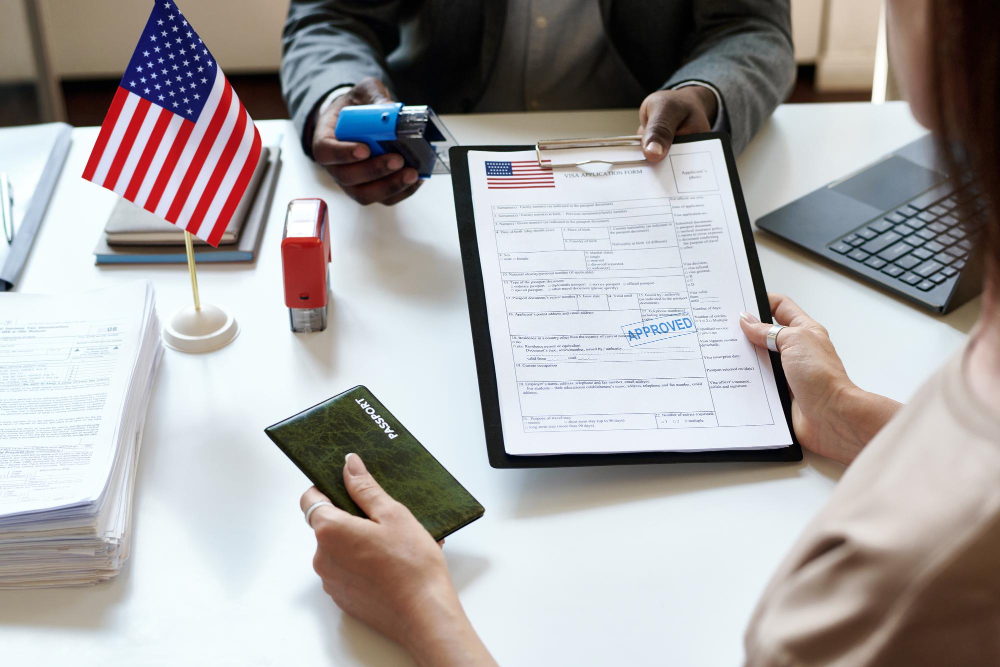
Full consular legalisation typically runs: the issuing body’s own certification, then a government department’s authentication of that, then legalisation by the embassy or consulate of the destination country, each step with its own fee, form and processing time.
Each link must be completed in order and each verifies the one before it. A step taken out of sequence has to be redone, and an embassy will not legalise a document that has not been authenticated first.
Get the exact chain for your document and destination in writing before starting, and budget weeks rather than days for the embassy stage in particular. It is the link with the least published information and the least flexibility.
6. The document itself has to be the right kind to begin with

Authorities generally legalise original official documents or properly certified copies issued by the issuing body, not photocopies, scans, laminated versions or commemorative certificates. A laminated certificate is frequently refused outright.
Documents issued by private bodies — an employer’s letter, a university transcript, a company document — often need an additional preliminary step before any official authentication is possible.
Check what form of the document is acceptable before you send anything anywhere, and never laminate an official certificate you may need to use abroad. Lamination prevents the physical examination the whole chain depends on.
7. For vital records, order a fresh certified copy
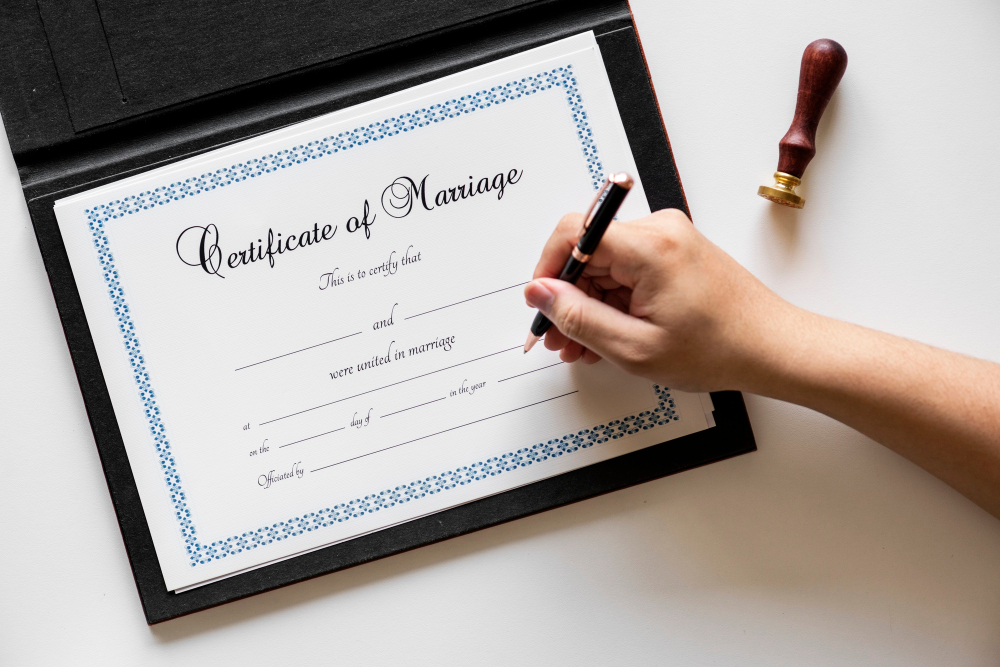
Many authorities require a birth, marriage or death certificate issued within a recent period, on the current official form, rather than the original issued decades ago. The old one may be perfectly genuine and still unacceptable.
Ordering a new certified copy from the register office is usually quick and inexpensive, and it arrives on the current form with current security features, which is what the chain is built to verify.
Order the fresh copy at the start of the process rather than discovering at the apostille stage that the one in the family file cannot be used. A new copy costs a small fee and removes an entire category of refusal.
8. Translation is a separate requirement with its own rules
Where the receiving authority does not work in the document’s language, a translation is required, and the requirement is usually not simply for an accurate translation but for one produced by a particular category of translator.
Depending on the country that may mean a sworn or court-appointed translator, a translator registered with a professional body, a translation certified by the translator with a signed statement, or a translation produced in the destination country rather than the origin.
Ask the receiving authority who may translate, and have the translation done by somebody in that category. A good translation from the wrong person is rejected as readily as a bad one. Qualification, not quality, is what is being checked at this stage.
9. The translation may itself need legalising

In several systems the translation is treated as a document in its own right, so the translator’s signature is notarised and the notarisation is then apostilled or legalised, producing a second chain running alongside the first.
Whether the translation is attached to the legalised original, or legalised separately, or must be bound and sealed with it, is specified by the receiving authority and differs considerably.
Establish the required assembly — what is attached to what, in which order, bound how — before anything is signed or sealed, because taking a bound and sealed set apart invalidates it. People do this to photocopy it, and then have to start again.
10. Most authorities impose a validity window on the whole package

Documents legalised for use abroad are frequently required to have been issued, or legalised, within a recent period of their submission. A set assembled a year ago may be out of time even though nothing in it has changed.
That interacts badly with slow processes: a chain that takes three months can consume a large part of a validity window before the documents are even submitted.
Find out the window first, work backwards from the submission date, and do not start collecting documents until you know when you will need to use them. Documents assembled speculatively are documents assembled twice.
11. The order of operations is fixed and cannot be rearranged

Each step verifies the one before it, so the sequence is determined: obtain the correct form of document, then any preliminary certification, then the authentication, then the apostille or consular legalisation, then the translation and its own chain if required, then assembly.
Attempting to save time by running steps in parallel generally fails, because the apostille authority needs the authenticated document in hand and the embassy needs the apostille or authentication already on it.
Write the sequence down for your specific document and destination and work through it in order. This is a process that punishes improvisation more than almost anything else in travel administration. Follow the list in order and it works; deviate and it does not.
12. The cost and the time are both larger than people expect

Each link has a fee, each translation has a fee, couriers between steps have fees, and an intermediary charges on top of all of them. A full consular chain with translations for a family’s documents runs to a significant sum.
Processing times are published and are routinely exceeded, embassy stages are the slowest and least predictable, and almost nothing in the chain can be expedited reliably.
Price the whole chain before committing to a date, and if a deadline depends on it — a job start, a course, a residence application — build in far more time than the published figures suggest. Published times are best cases and are quoted as though they were typical.
13. Intermediaries are useful and the market has predators in it

Legitimate agencies handle these chains routinely, know the sequences, and save real time for people who cannot visit offices in person. They charge for that and the charge is often worth paying.
There are also operators who charge heavily for steps you do not need, who promise an expedited service they cannot deliver, or who are not what they appear to be. An agency cannot make a foreign authority accept a document it does not accept.
Check what the official fees are before engaging anybody, be sceptical of guaranteed timescales, and never let an original irreplaceable document out of your control without knowing exactly who holds it. Document fraud is a serious offence everywhere and anybody offering a shortcut around a verification step is offering you a crime.
14. The uses that catch people out are the ordinary ones

Marrying abroad, applying for residence or a work permit, enrolling in a course, buying property, registering a birth that happened abroad, granting a power of attorney to somebody in another country, or proving a professional qualification all commonly require legalised documents.
Several of those subjects are covered in their own right elsewhere in this series, and this file is the process underneath all of them rather than a guide to any one.
Whenever an official process in another country asks for a document from your own, assume legalisation will be required and ask what form of it, early. The assumption is right far more often than it is wrong.
15. And the sequence to follow

Ask the receiving authority, in writing, exactly what it needs: which documents, in what form, how recently issued, apostilled or consular-legalised, translated by whom, assembled how, and valid for how long. Then work backwards from your submission date.
Order fresh certified copies of vital records, complete the chain in order, keep every receipt and reference, photograph each document at each stage, and never laminate anything. Allow months rather than weeks where a consular chain or translations are involved.
Everything here is general information dated 2026 and is not legal advice. Requirements differ by country, document and receiving authority and change, and the authority that will receive your documents is the only source that can tell you what it will accept.
Ask the right question first, and ask it of the right people

Almost every expensive mistake in this subject comes from asking the wrong body. The only organisation whose answer matters is the one that will receive the documents — the registry, the university, the immigration department, the notary at the far end — because it decides what it accepts. An agency, a forum or a government page in your own country can tell you how to obtain an apostille; none of them can tell you whether an apostille is what the receiving authority wants.
So the first action is a written enquiry to that authority listing every document and asking, for each: what form it must take, how recently it must have been issued, whether it needs an apostille or full consular legalisation, who may translate it, how the translation must be attached, and how long the whole set stays valid. Everything else is scheduling.
Then work backwards from the submission date, because the validity window and the processing times interact badly. A chain of three months inside a validity window of six leaves very little room, and the embassy stage is the slowest and least predictable link in it.
Two rules that cost nothing and prevent most of the damage: never laminate an official certificate you might need abroad, and order fresh certified copies of birth and marriage records at the start rather than relying on the originals in the family file. The old ones are genuine and are frequently not on a form the chain can verify.
Like our content? Follow us for more.