Beyond the Hollywood tropes and headlines, the United States military is an institution defined by immense structural complexity and human diversity. For those on the outside, a “military mythos” has been constructed by cinema and folklore, often obscuring the day-to-day reality of modern service. To understand the true nature of the force in 2026, we must dismantle these persistent stereotypes and replace them with the nuanced truths of the current era.
Soldiers Are Poorly Educated
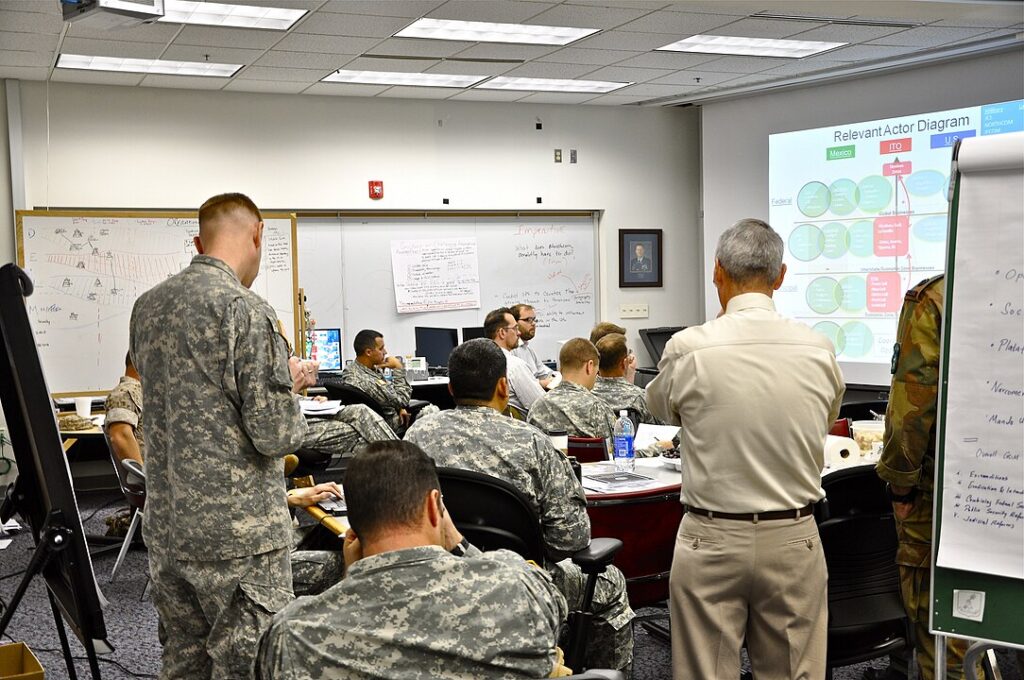
One of the most enduring and insulting fallacies is that the military is a refuge for those who couldn’t succeed academically. In reality, the modern Armed Forces are a meritocracy built on high-level cognitive skills. Enlistment standards for the Air Force and Space Force, for example, often exceed those of mid-tier universities. With the GI Bill and tuition assistance programs, the military has become a massive engine for higher education, producing thousands of doctors, engineers, and scholars. Today’s service members are more likely to spend their time in technical labs or classrooms than in the “boot camp” caricatures of 1950s films.
Military Service Equals War
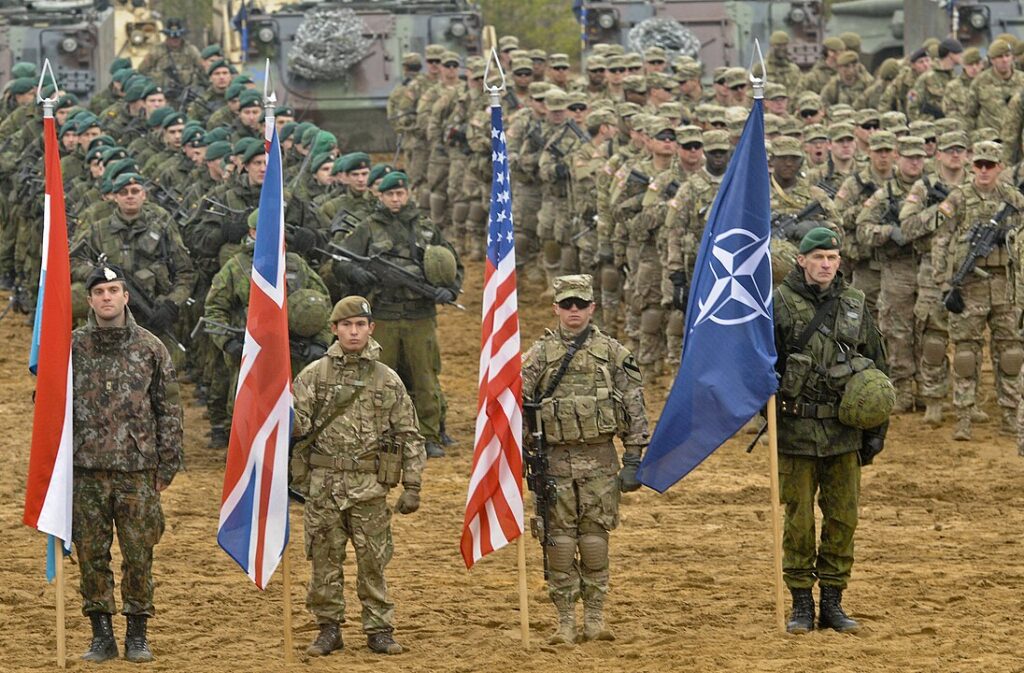
The vast majority of military personnel will never fire a weapon in a hostile environment. Modern defense is an enterprise of logistics, cybersecurity, medical research, and global infrastructure. For every “boots on the ground” combat role, there are dozens of support positions that look remarkably like corporate or industrial careers. From drone pilots operating thousands of miles away to environmental scientists managing coastal bases, the military functions as a massive, multifaceted city where peace-focused innovation is the primary daily output.
American Soldiers Are Overpaid

While military compensation packages, including housing allowances and tax-free stipends, can appear robust on paper, they rarely account for the unique “tax” on a service member’s life. Financial stability in the military is a trade-off for the total loss of autonomy. The cost of frequent relocations, months of family separation, and the 24/7 “on-call” nature of the job means that the hourly rate of a soldier is often lower than that of a civilian in a comparable trade. Military pay is a baseline for stability, not a path to luxury.
All Veterans Have PTSD
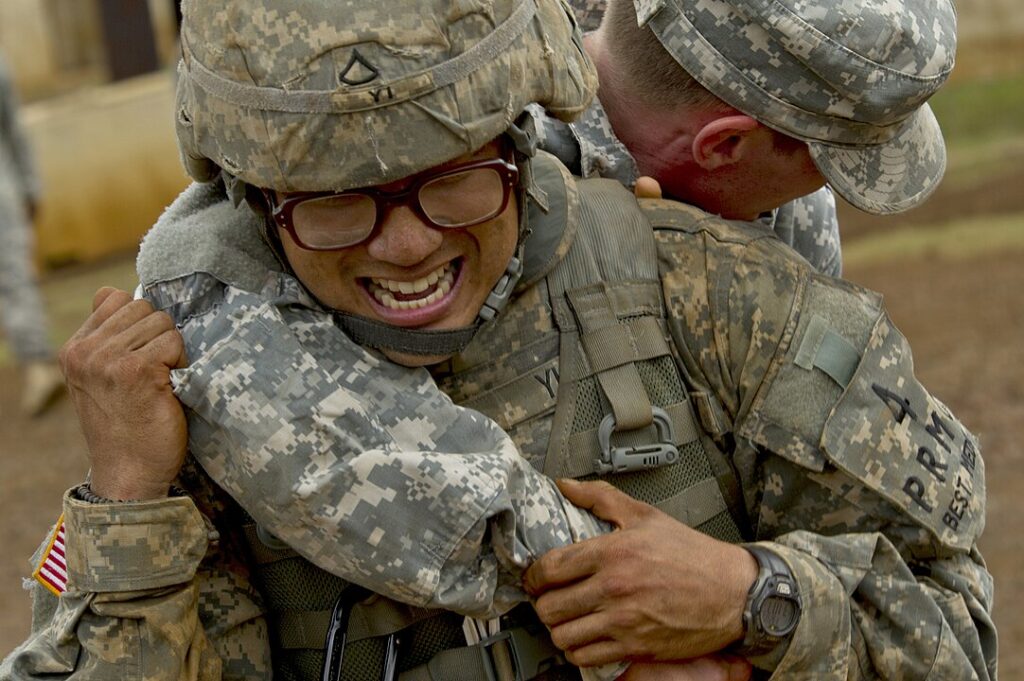
Popular media often paints a binary picture of veterans: they are either flawless heroes or “broken” individuals struggling with PTSD. This narrative does a disservice to the millions of veterans who transition into civilian life as highly disciplined, resilient, and emotionally intelligent leaders. While mental health is a serious priority within the Department of Defense, the vast majority of veterans use their service as a foundation for strength. They are CEOs, community organizers, and educators whose service has sharpened their resolve rather than shattered it.
Enlistment Is a Last Resort
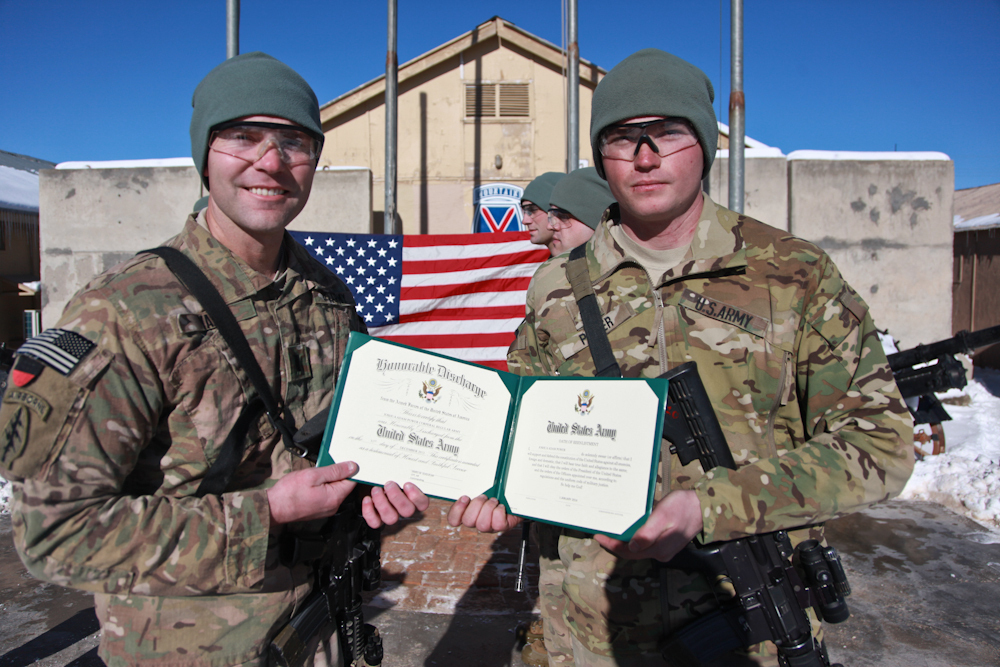
The idea that young people only join the military because they have no other options is a relic of the draft era. In the volunteer force of 2026, enlistment is a highly competitive career choice. Many recruits walk away from lucrative civilian opportunities or college scholarships to pursue the unique leadership training and technical specialization that only the military provides. For most, the uniform represents a strategic “first choice” for career acceleration and national service, not a desperate escape from poverty.
Women Weaken the Force

The debate over whether women “weaken” a fighting force was settled decades ago in practice, if not in public discourse. Women now occupy critical roles in every theater, from special operations to high-level strategic command. Research has consistently shown that gender-integrated units possess superior problem-solving capabilities and more effective communication styles. Women aren’t just an addition to the force; they are a primary reason the modern military is more adaptable and resilient than its predecessors.
The U.S. Is Always at War
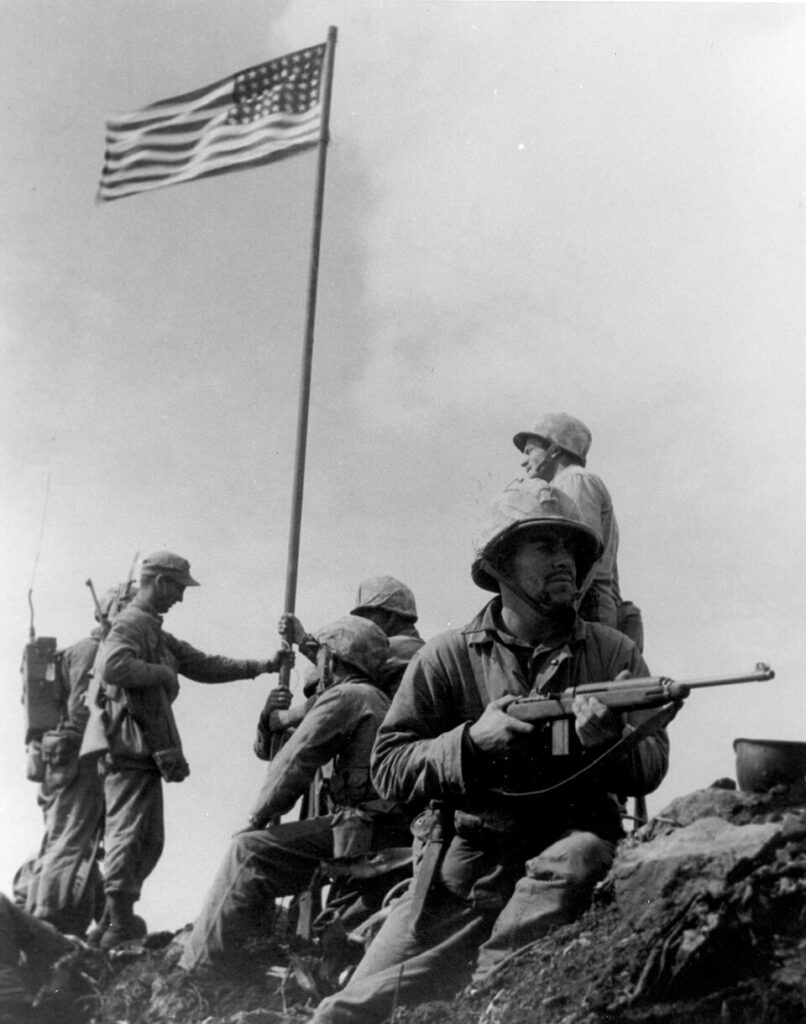
Because the military is the primary tool for national defense, it is often assumed the U.S. is in a state of perpetual aggression. This ignores the massive scale of non-combat operations conducted daily. The U.S. Navy, for instance, is the world’s most effective disaster-relief organization, frequently arriving at the scene of earthquakes and tsunamis before any NGOs. Diplomacy, joint exercises with allies, and humanitarian aid are the core tenets of 21st-century military strategy, with “guns drawn” being the rarest of all mission types.
Soldiers Are Only for Combat
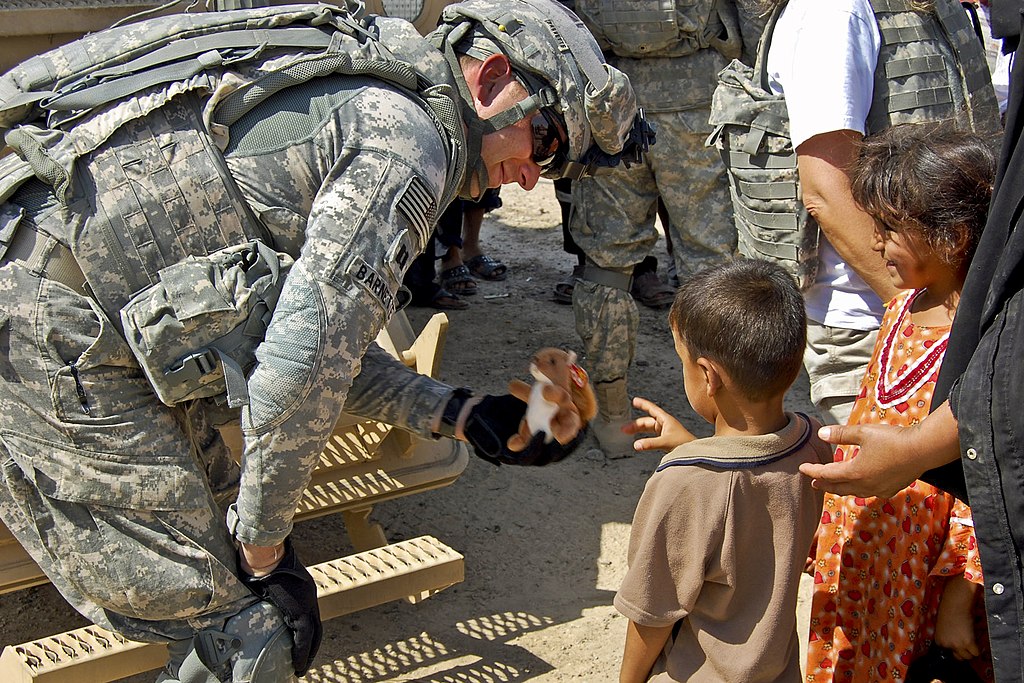
As we enter the era of AI and autonomous systems, many believe the “soldier” is becoming obsolete. Paradoxically, as technology becomes more complex, the need for highly skilled human judgment increases. A “cyber soldier” in 2026 requires a more sophisticated understanding of ethics, international law, and technical systems than a rifleman did a century ago. The military isn’t just a collection of hardware; it is a repository of human expertise that manages that hardware under extreme pressure.
The Military Doesn’t Innovate
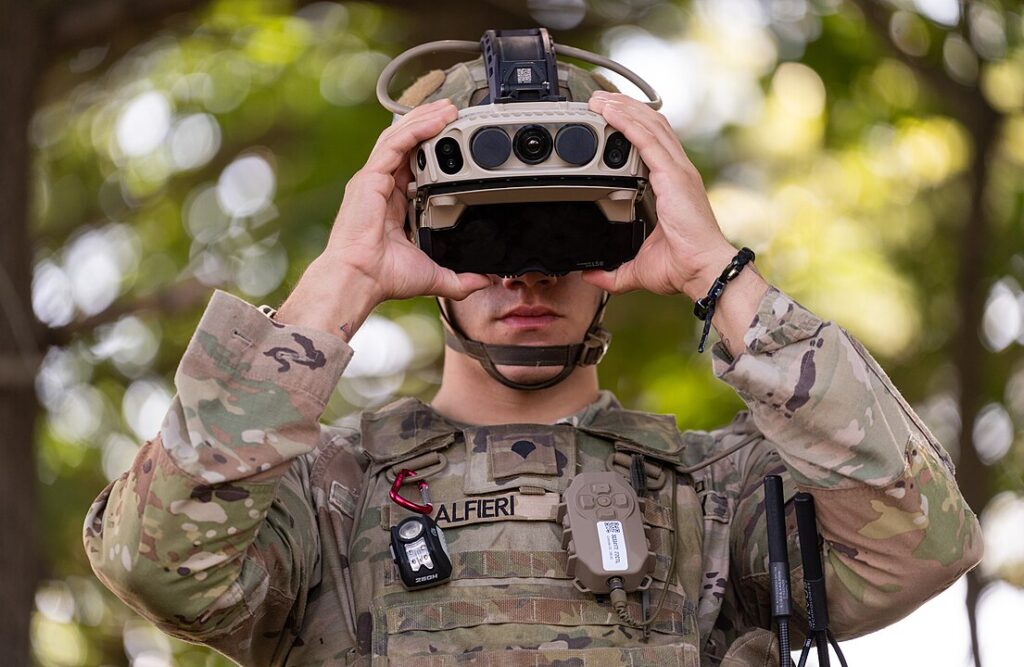
The military is often viewed as a slow-moving bastion of tradition, yet it is arguably the most innovative sector in American society. The internet, GPS, and microwave technology all began as military necessities. Today, the military is at the cutting edge of green energy, modular construction, and regenerative medicine. Far from being stuck in the past, the military is often the “test kitchen” for the technologies that will define civilian life a decade from now.
Service Guarantees Citizenship

Many believe that putting on a U.S. uniform grants an immigrant immediate citizenship. While there are expedited pathways for “Military Naturalization,” the process is still rigorous and requires active effort from the individual. Service members of foreign birth must still pass background checks, demonstrate good moral character, and complete the legal requirements of the USCIS. The uniform represents a commitment to the country, but the path to the passport remains a deliberate and challenging legal journey.