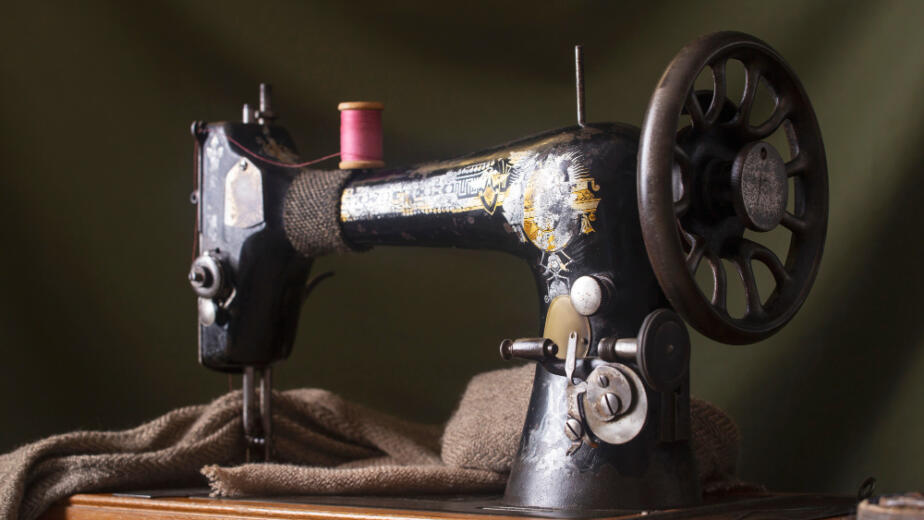
That dusty heirloom gathering dust in your attic might be more than a conversation piece; it could be a legitimate financial asset. In 2026, the antiques world is undergoing a profound transformation. While the broader collectibles market has recently surged toward a $450 billion valuation, the real story isn’t about grandfather clocks or Victorian settees. Instead, younger collectors are driving a massive “vibe shift,” ditching mass-produced furniture for items with history, soul, and investment potential. If you’re sitting on any of the following items, you aren’t just holding onto a memory, you’re holding onto a high-performing asset.
1. Mid-Century Glassware: The Pyrex Gold Mine
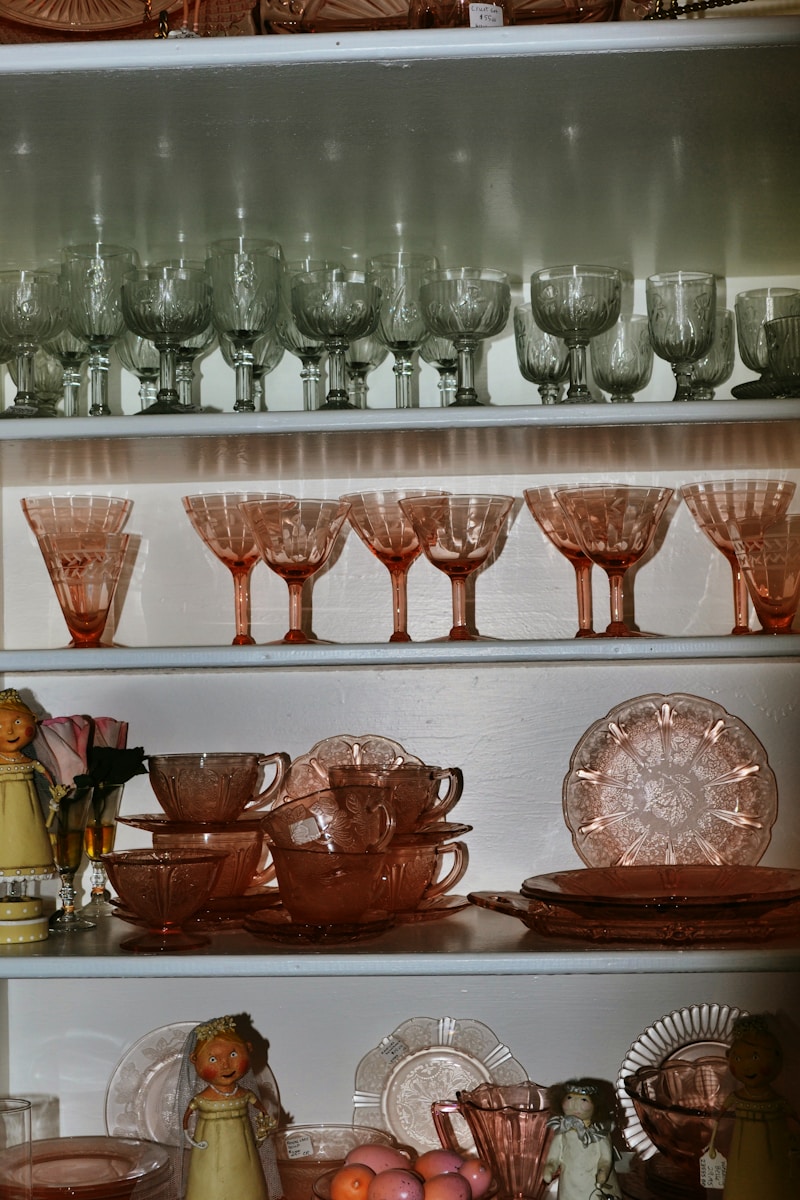
What was once a staple of every 1950s kitchen has become a primary target for elite collectors. Mid-century glassware from brands like Pyrex, Fire King, and CorningWare is currently seeing a massive valuation spike. Specifically, limited-run patterns like “Pink Daisy” or the 1950s “Butterprint” are fetching hundreds of dollars for intact sets. Condition is everything in this category; if the vibrant colors have been dulled by a dishwasher, the value plummets. A rare “Lucky in Love” casserole dish famously sold for nearly $6,000 at auction, proving that your kitchen cabinets might be hiding a small fortune.
2. Mid-Century Modern Furniture: The Reign of Functionalism
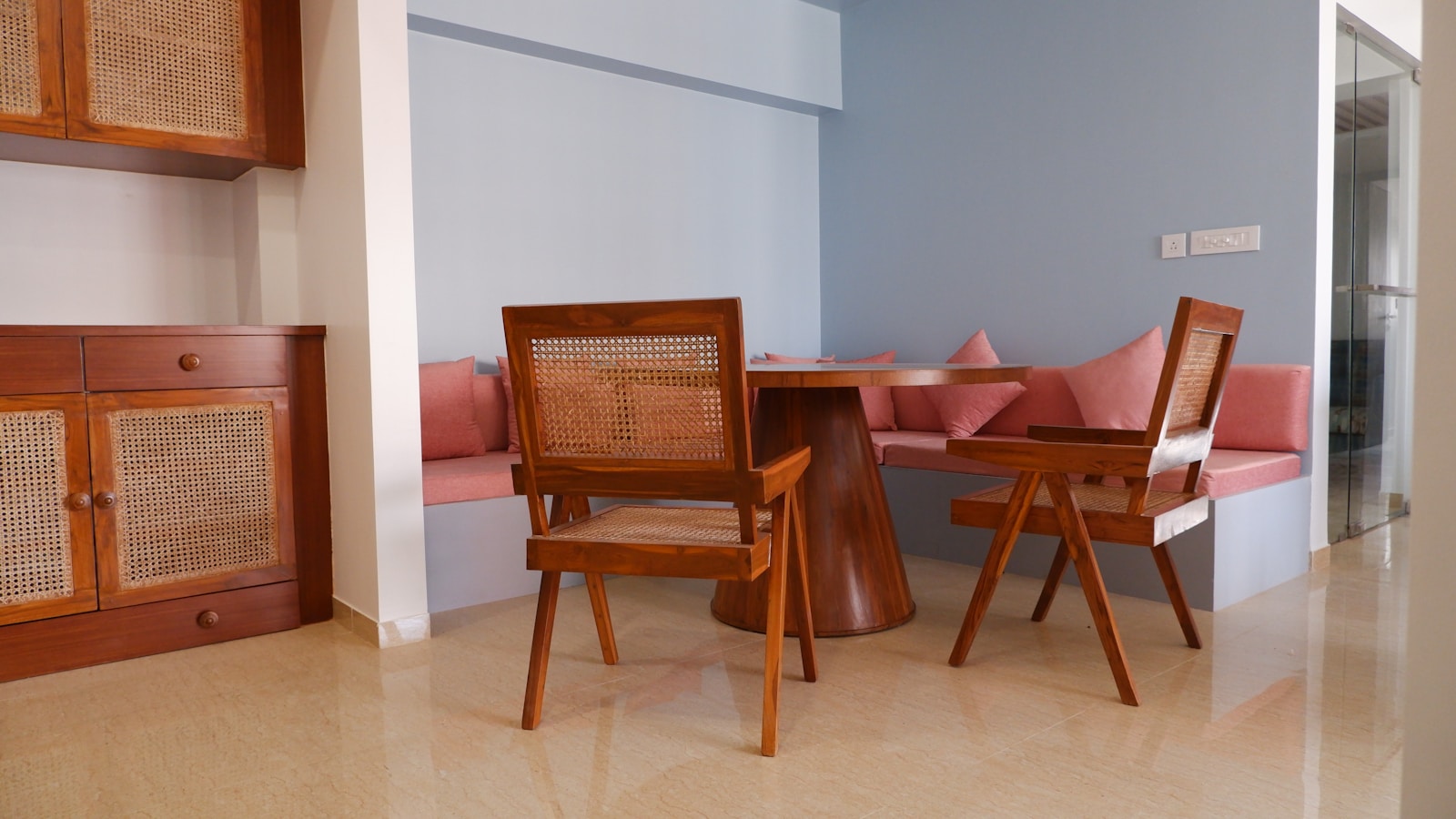
Despite experts predicting a decline for years, the appetite for Mid-Century Modern (MCM) furniture is stronger than ever in 2026. Younger generations are obsessed with the clean lines and functionalist philosophy of designers like Cesare Lacca and Dunbar. Original pieces from manufacturers like Herman Miller or Knoll remain the “blue chip” stocks of the furniture world. However, even “no-name” MCM pieces are rising in value if they feature natural materials like cane, wicker, or rattan, as buyers increasingly prioritize organic textures and sustainability over brand labels.
3. Art Deco and Art Nouveau: The Return of Glamour
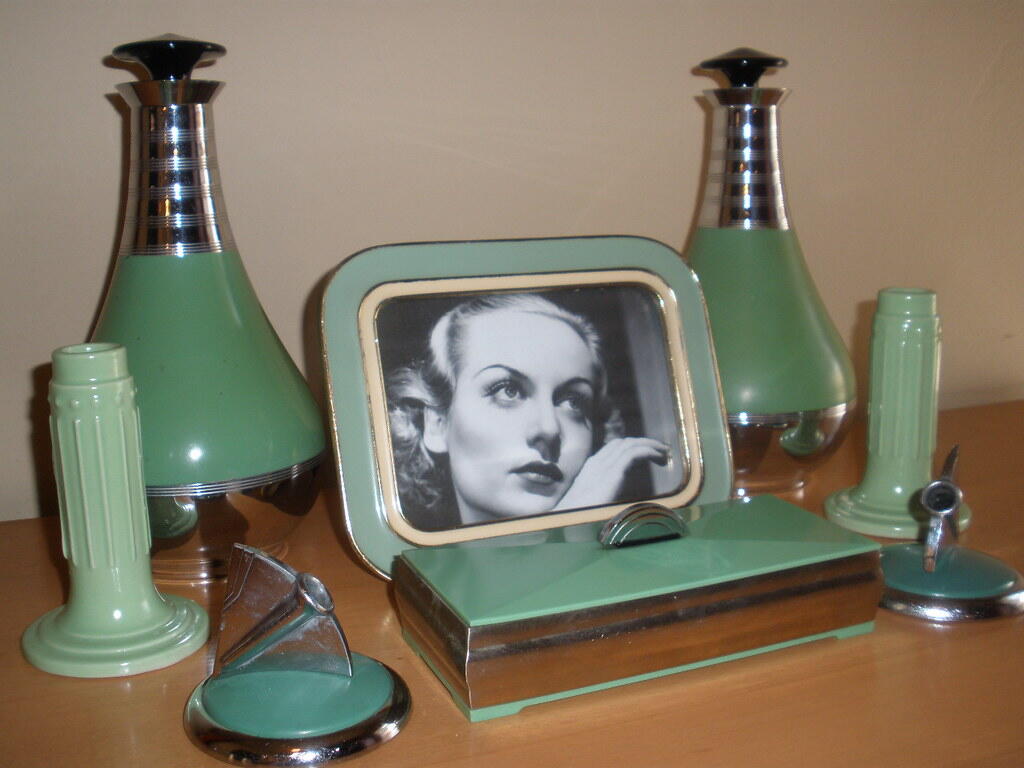
After a decade of “minimalist beige” dominance, interior design is swinging back toward maximalism and bold statement pieces. This has triggered a resurgence in Art Deco and Art Nouveau items from the early 20th century. Collectors are hunting for geometric rugs and ornate lighting fixtures that provide a “Gatsby-esque” sense of luxury. Industry data shows that Art Deco rugs saw a massive surge in late 2025, and that momentum is carrying into 2026 as homeowners seek out the confident, hand-carved details and ornate metalwork of these eras.
4. Antique Pine: From Humble to High-End
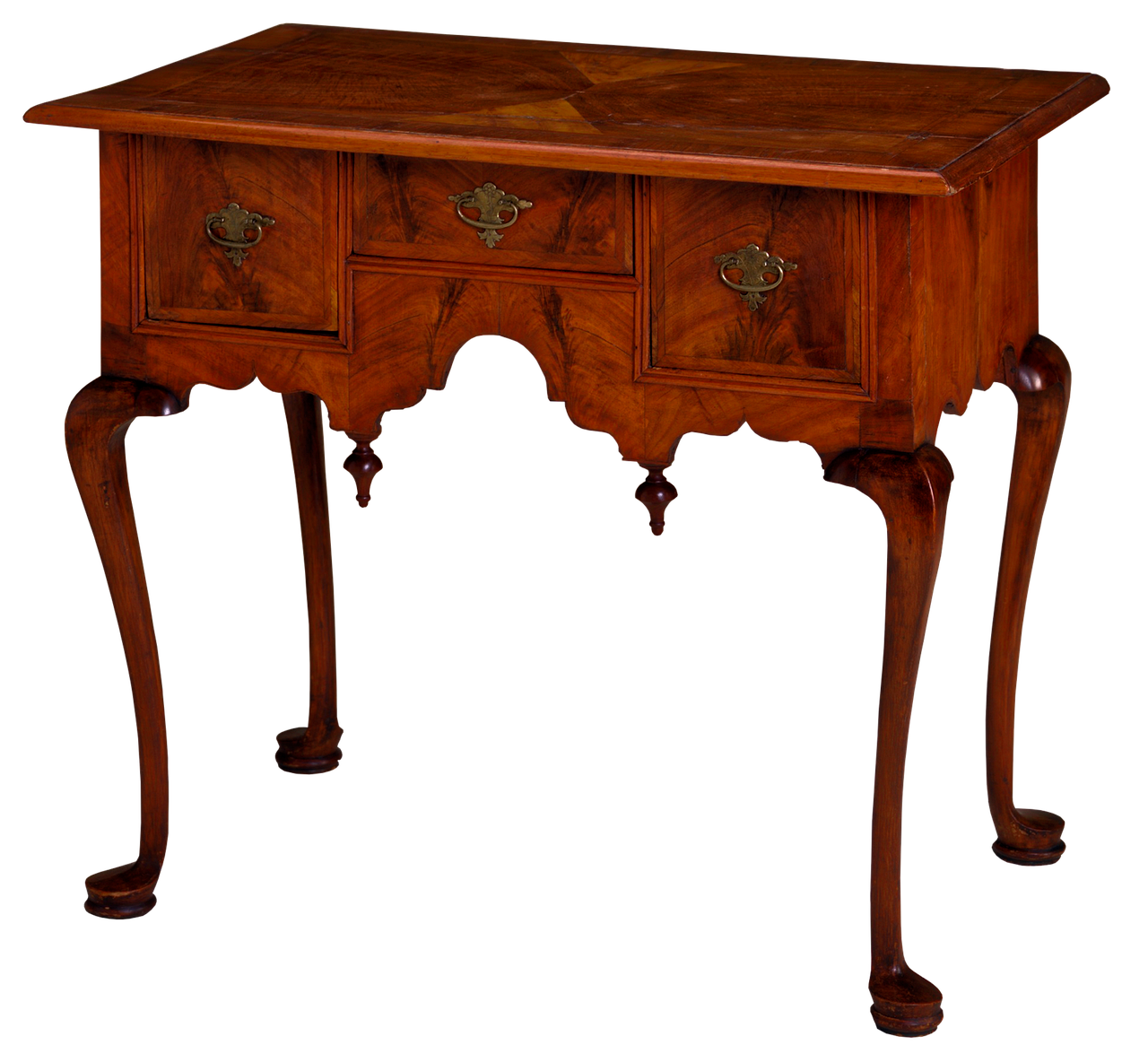
Once dismissed as the “poor man’s hardwood,” antique pine is being rediscovered for its warmth and “honest” aesthetic. In 2026, pine furniture is being reappraised for its unique patina and quiet charm. Because pine shows wear gracefully, it fits perfectly into the “lived-in” or “cottagecore” trends popular with modern buyers. Sculptural coffee tables and solid kitchen dressers made of pine are particularly hot right now because they offer an accessible entry point for new collectors while still holding deep historical character.
5. Mechanical Timepieces: The High-Quality Investment
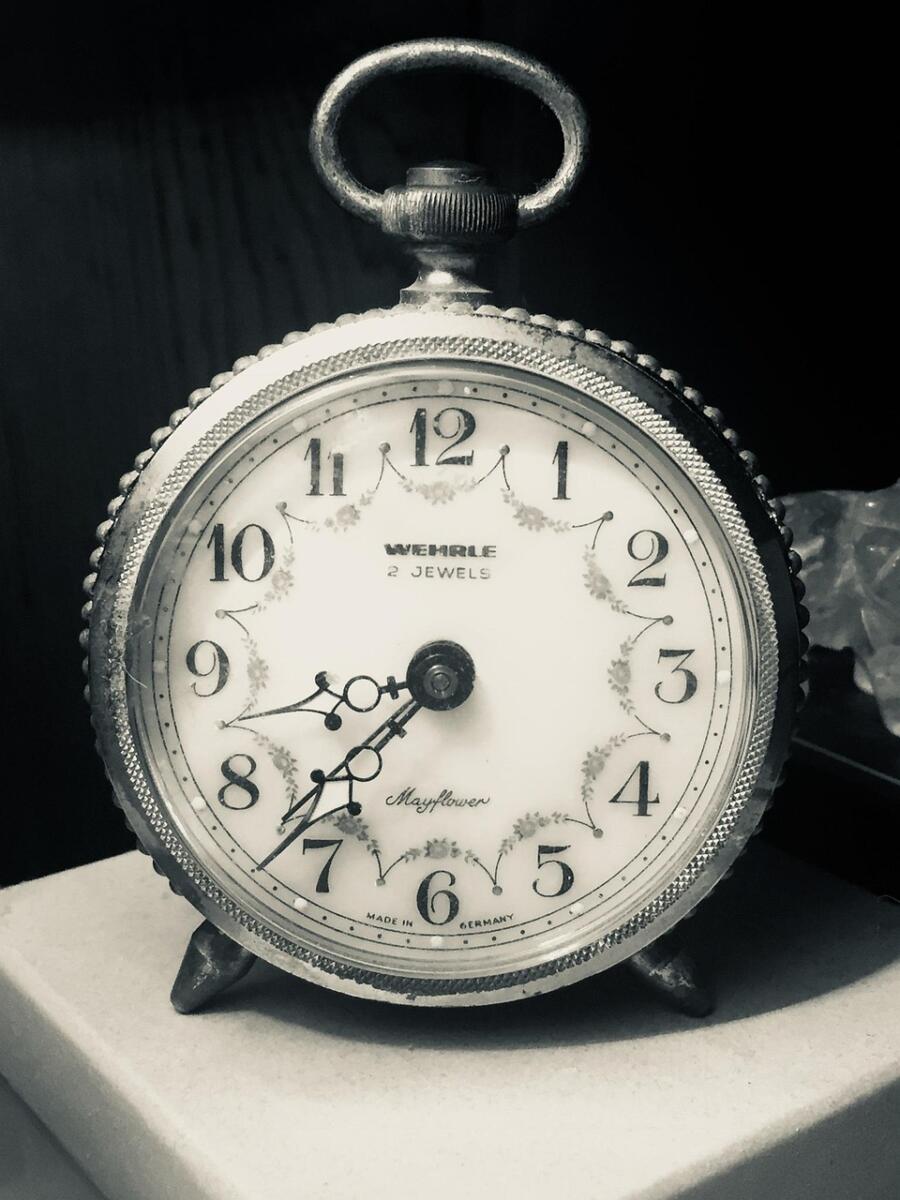
In a world of disposable smartwatches, the demand for vintage mechanical watches has hit a fever pitch. While luxury brands like Rolex, Patek Philippe, and Omega remain at the top, there is a growing secondary market for high-quality non-luxury vintage watches. Collectors are drawn to the 100% original materials and the precision engineering of the pre-digital era. Documentation is the ultimate value-multiplier here; if you have the original box, papers, or service records, the valuation can increase by 30% to 50% instantly.
6. Chinoiserie and Decorative Porcelain: Sophisticated Accents
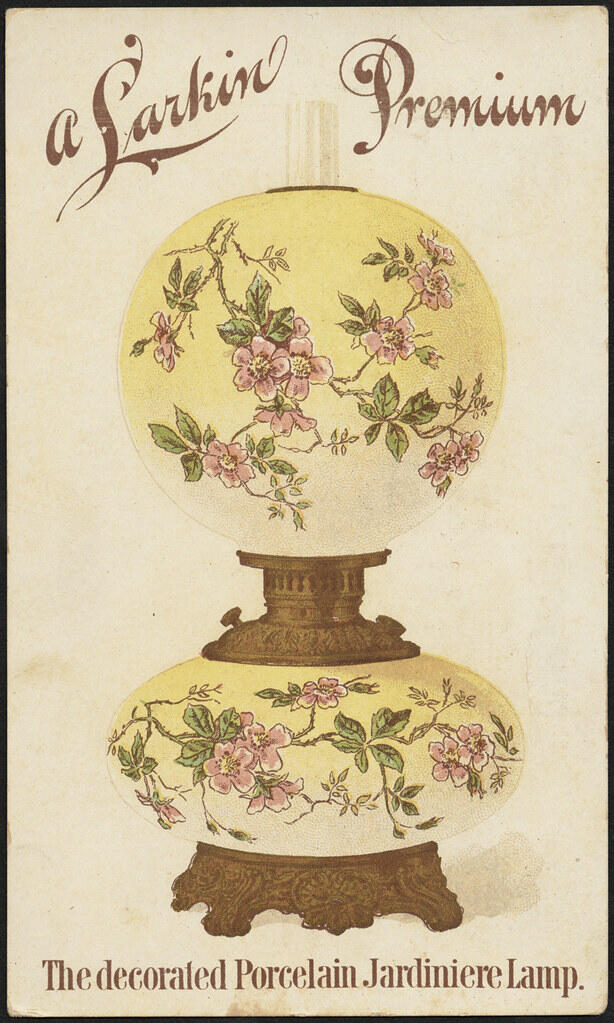
The intricate, Eastern-inspired designs of Chinoiserie and antique porcelain are seeing a significant renaissance. Specifically, 19th-century Coalport Imari porcelain, known for its rich, deep colors, is expected to be a top-performing category this year. These pieces are being used by interior designers to add “instant history” to modern spaces. Because Chinese porcelain is the oldest in the world, authentic pieces can be worth tens of thousands of dollars, making professional authentication a critical step before selling.
7. Folk Art and Hand-Painted Furniture: The Authenticity Premium
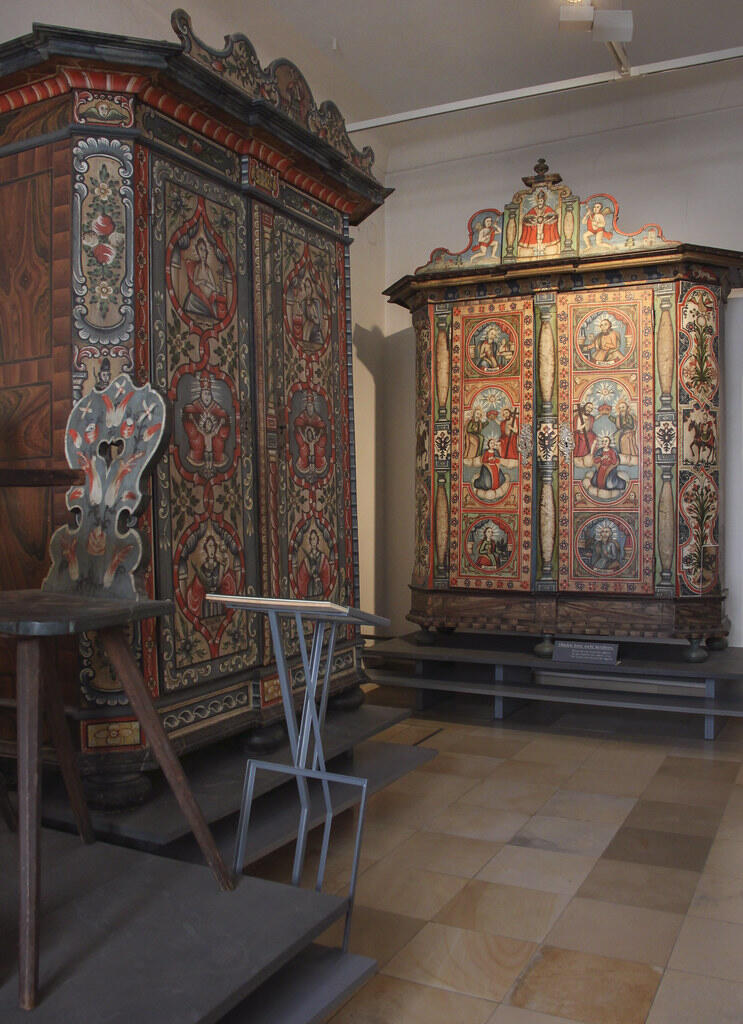
In 2026, “authenticity” is the most valuable currency in the antiques market. This has led to a surge in demand for Folk Art and primitive furniture that showcases regional artistic styles. Collectors are looking for hand-painted pieces with original patinas, particularly Scandinavian floral designs or Pennsylvania German motifs. These items offer a narrative and a connection to a specific culture that mass-produced furniture cannot replicate. Buyers are moving away from DIY “furniture flips” and toward legitimate, centuries-old pieces with documented provenance.
8. Vintage Textiles and Antique Rugs: Sustainable Luxury
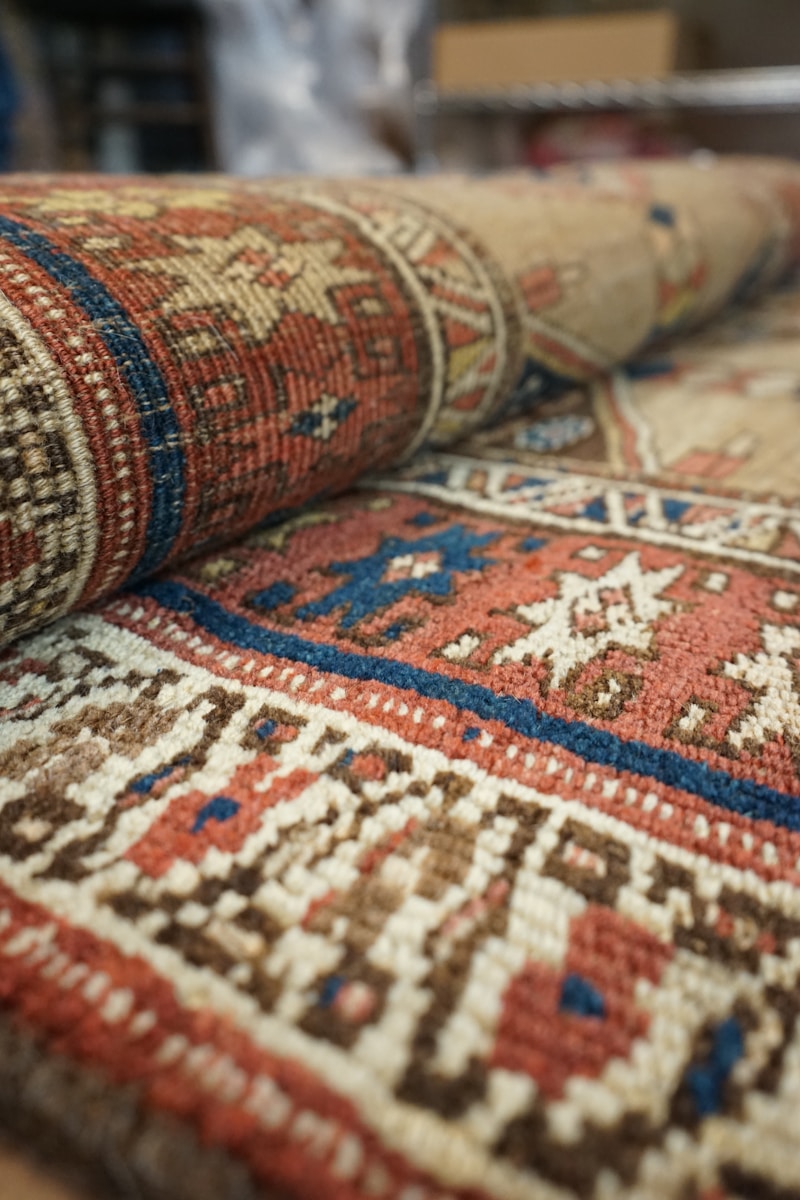
Antique rugs, tapestries, and handwoven textiles are experiencing a massive surge in demand as consumers reject “disposable” home decor. Handwoven Persian and Oriental rugs are particularly prized for their intricate designs and the use of natural vegetable dyes that modern synthetic alternatives cannot replicate. Interior designers are currently gravitating toward large Turkish rugs featuring “muted” or unusual palettes, such as ivory, pale blues, and soft chocolate browns, which allow a room to feel historic without feeling dated. Beyond floor coverings, vintage quilts and embroidered textiles are being reimagined as high-end wall art, proving that these handcrafted pieces carry a level of artistry that resonates deeply with modern, eco-conscious buyers.
9. Vintage Advertising and Nostalgic Memorabilia: Cultural Time Capsules
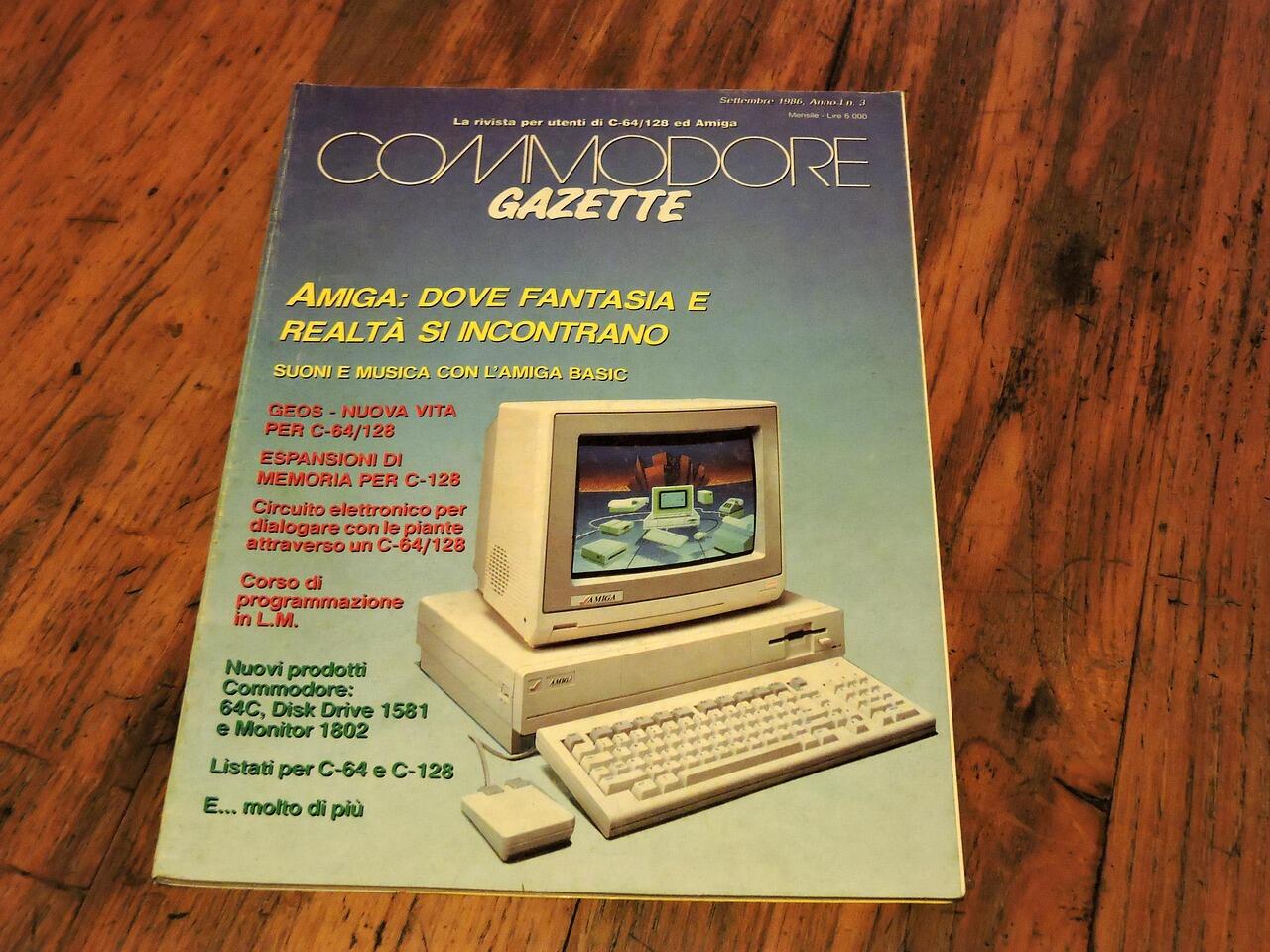
The market for vintage advertising and pop-culture memorabilia has moved far beyond simple nostalgia; it is now viewed as a legitimate preservation of design history. Items related to iconic movies, music, and classic brands, such as original tin signs, promotional posters, and branded packaging, are commanding top dollar at auction. What is particularly notable in 2026 is the rise of “New Nostalgia,” where younger collectors are hunting for promotional items from the 1980s and 1990s. These pieces offer a powerful emotional resonance, capturing specific cultural “lightning in a bottle” moments. Authenticity is the primary driver of value here, with original lithographed signs and limited-edition movie ephemera serving as both decorative statements and appreciating financial assets.