While tourism boards spend millions highlighting the “best” parts of every state, the modern traveler in 2026 is increasingly looking at the data behind the brochures. Choosing a destination is no longer just about the views; it’s about the “friction” of the trip, how easy it is to get around, the cost of essentials, and the reliability of local infrastructure. Based on 2026 logistical trends and safety data, here are 10 states that travelers often admire from a distance but hesitate to book for practical reasons.
1. Mississippi: The Infrastructure Gap

Mississippi often remains a “drive-through” state for many because the logistics of a long stay can be challenging. According to 2026 transit data, the state has some of the most limited public transportation networks in the country, making a rental car an absolute necessity. Furthermore, CDC reports continue to highlight significant gaps in rural healthcare access. For travelers with specific medical needs or those who prefer “walkable” vacations, the lack of urban density and aging road infrastructure can make a visit feel more like a chore than a getaway.
2. Louisiana: Climate and Safety Concerns

Louisiana’s rich culture is often overshadowed by the practical risks of visiting. In 2026, NOAA data shows that the intensity of the Gulf hurricane season has made booking late-summer trips a significant gamble. Additionally, FBI crime statistics for metropolitan areas like New Orleans and Baton Rouge remain a point of hesitation for families. When you combine high humidity levels with an aging drainage and road system, many travelers find that the “logistical stress” of navigating the state outweighs the allure of a beignet.
3. Alaska: The High Cost of Isolation
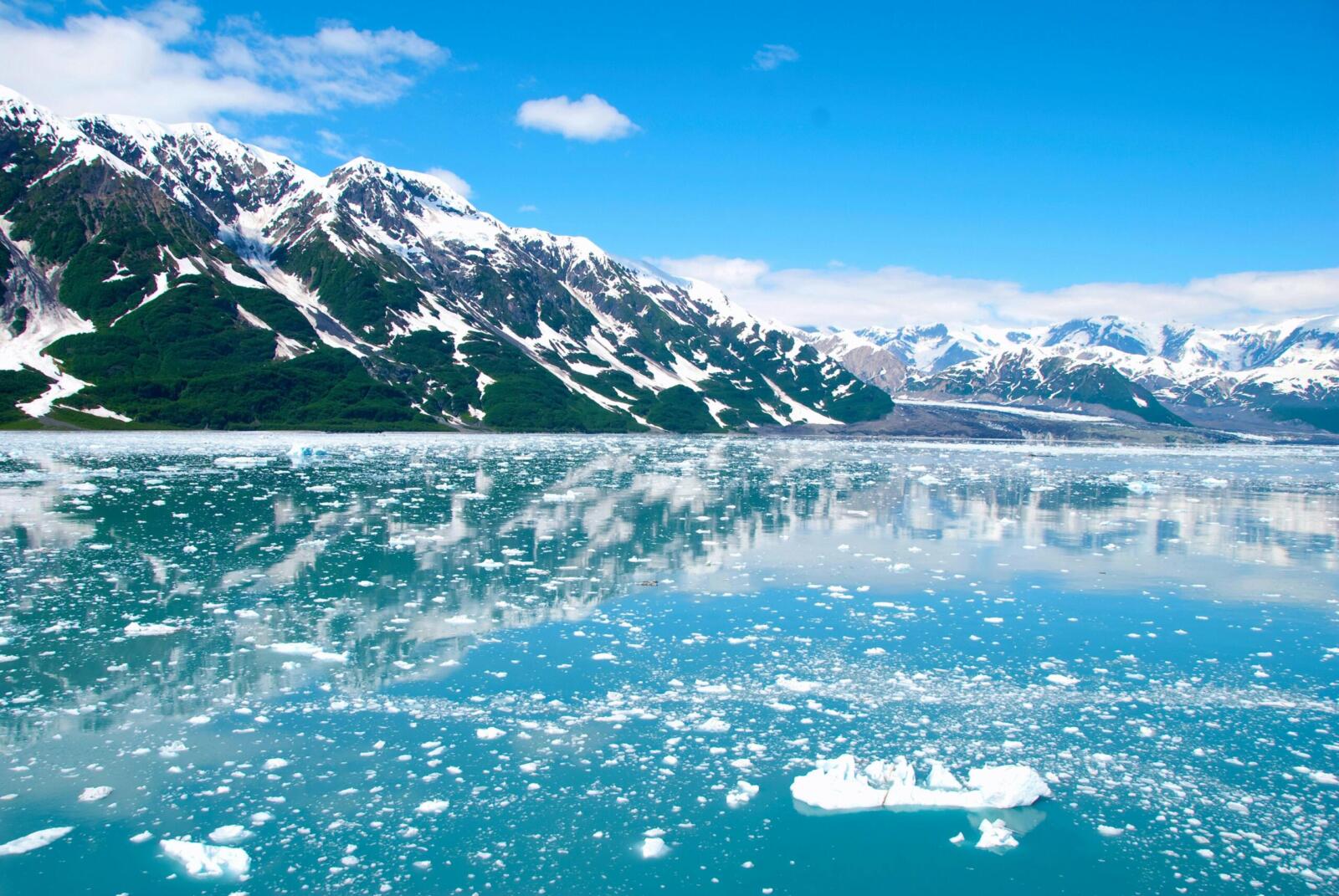
Alaska is a bucket-list titan, but the “price of the frontier” is at an all-time high in 2026. Bureau of Labor Statistics data indicates that the cost of food, fuel, and lodging in Alaska is nearly 30% higher than the national average due to supply chain complexities. Beyond the budget, the sheer distance between attractions means a simple “weekend trip” is nearly impossible. The risk of being stranded by sudden weather shifts or the lack of specialized medical facilities outside of Anchorage makes this a state that requires a level of “survivalist planning” many travelers aren’t ready for.
4. Nevada: The Desert Extremes
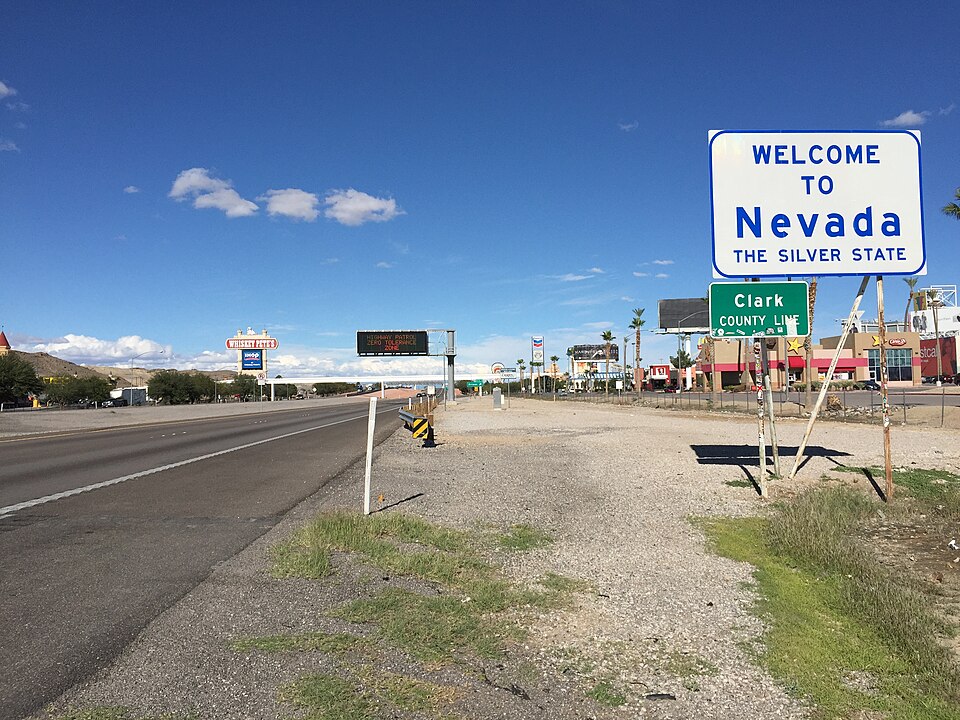
Beyond the neon lights of the Strip, Nevada presents a harsh environment that can be difficult to manage. In 2026, record-breaking heatwaves have made outdoor exploration in the Mojave Desert a genuine health risk for a larger portion of the year. Travelers also find that hotel pricing in Las Vegas has become increasingly volatile due to constant mega-conventions. For those looking to explore the state’s natural beauty, the vast stretches of “service-free” highways mean that a simple mechanical failure can become a major emergency.
5. New Mexico: The Logistics of the “Land of Enchantment”
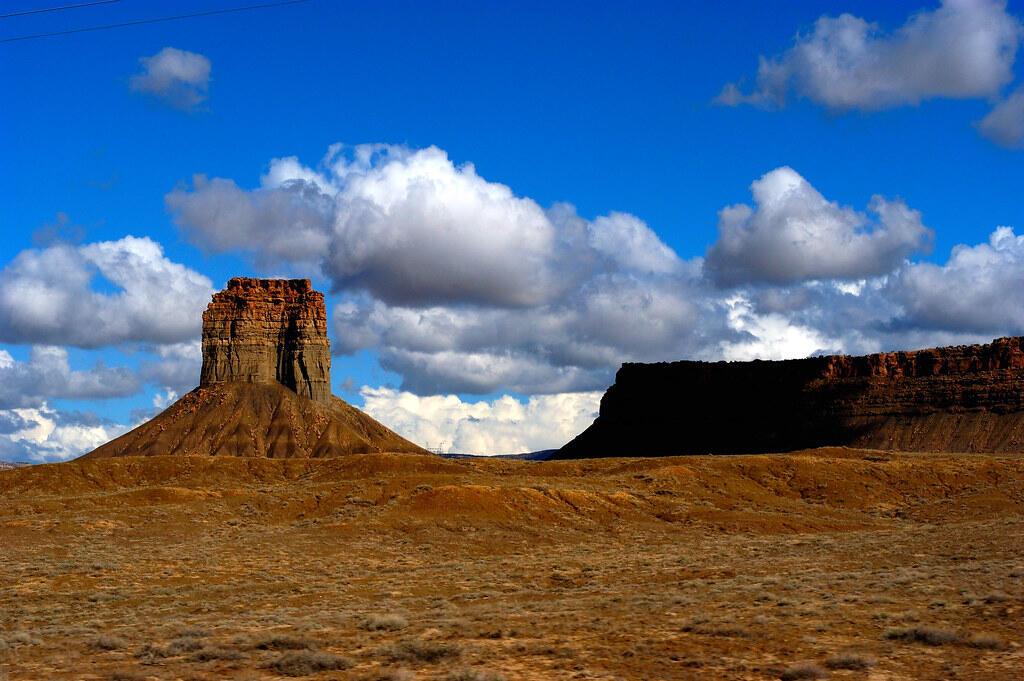
New Mexico offers stunning landscapes, but it ranks high on the hesitation list due to persistent property crime rates and sparse infrastructure. Outside of Albuquerque and Santa Fe, cell service and high-speed internet remain spotty, which complicates navigation for the modern “connected” traveler. With public transit options remaining minimal and a high reliance on rural highways, many visitors feel a sense of unease when exploring the more isolated, and arguably most beautiful, parts of the state.
6. Arkansas: The Convenience Hurdle
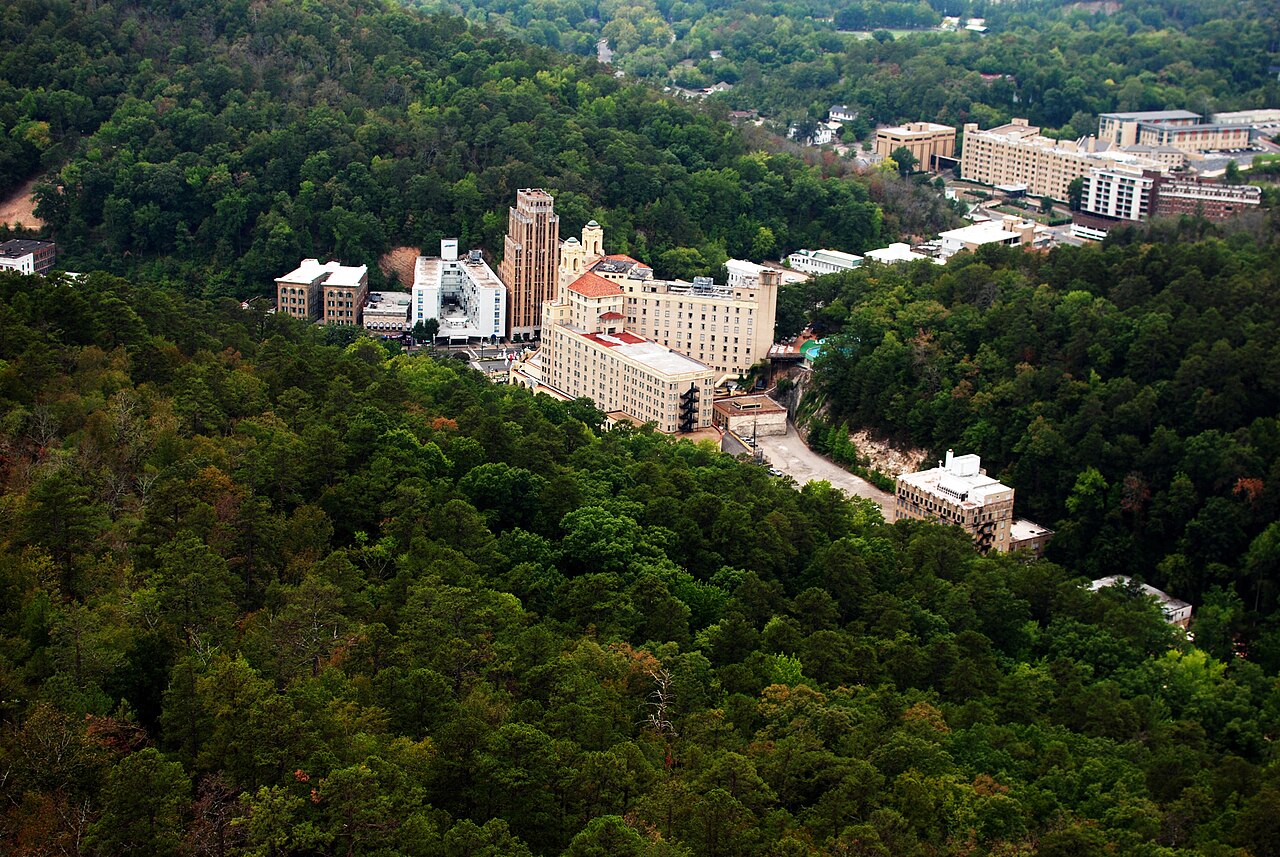
Arkansas is often skipped not because it lacks beauty, but because it feels inconvenient. In 2026, travelers are prioritizing “easy” destinations, and the Natural State requires significant driving time between its dispersed attractions. National health studies also point to a lack of specialized medical care in the Ozark regions, which can be a deterrent for older travelers. Additionally, the unpredictable tornado activity during peak spring travel months adds a layer of “weather anxiety” that many prefer to avoid.
7. West Virginia: The Rugged Requirement

While West Virginia is a paradise for white-water rafting and hiking, its infrastructure can be a barrier to entry. The state’s mountain roads are notoriously difficult to navigate, especially for those unused to steep grades and winter conditions. In 2026, limited broadband access in deep valley regions makes it a difficult “work-from-anywhere” destination. For a casual traveler, the high level of effort required to navigate the terrain often leads them to choose more accessible mountain ranges in neighboring states.
8. South Dakota: The “Wide Open” Challenge
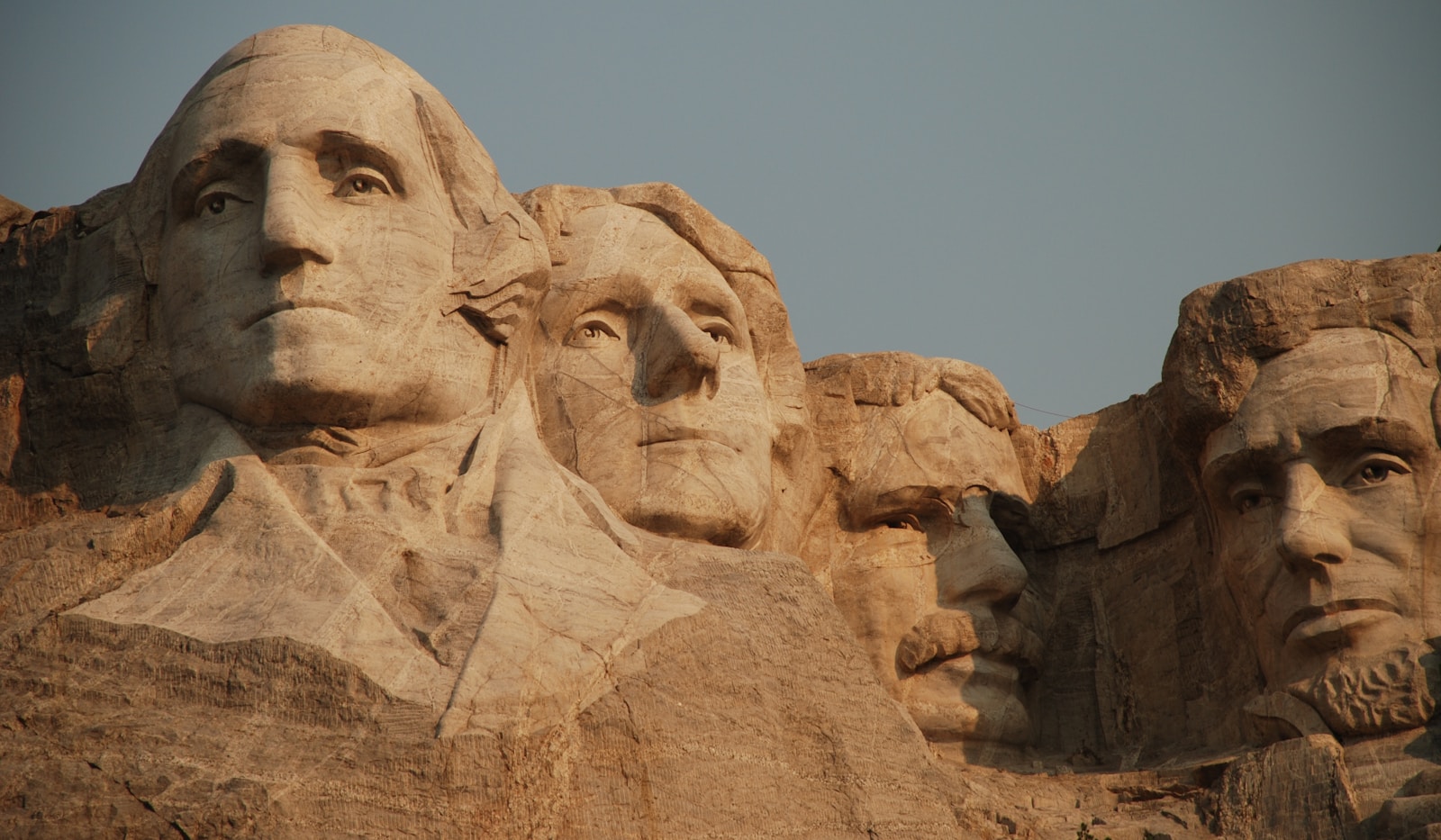
South Dakota’s primary draw, its vast, open spaces, is also its biggest logistical drawback. Attractions like Mount Rushmore and the Badlands are hundreds of miles apart, requiring hours of monotonous driving. In 2026, limited flight connectivity into the state means that simply getting to South Dakota can be more expensive than the stay itself. Outside of the summer peak, many tourist services shut down entirely, leaving travelers with very few options for dining or lodging.
9. Alabama: The Comfort and Climate Factor
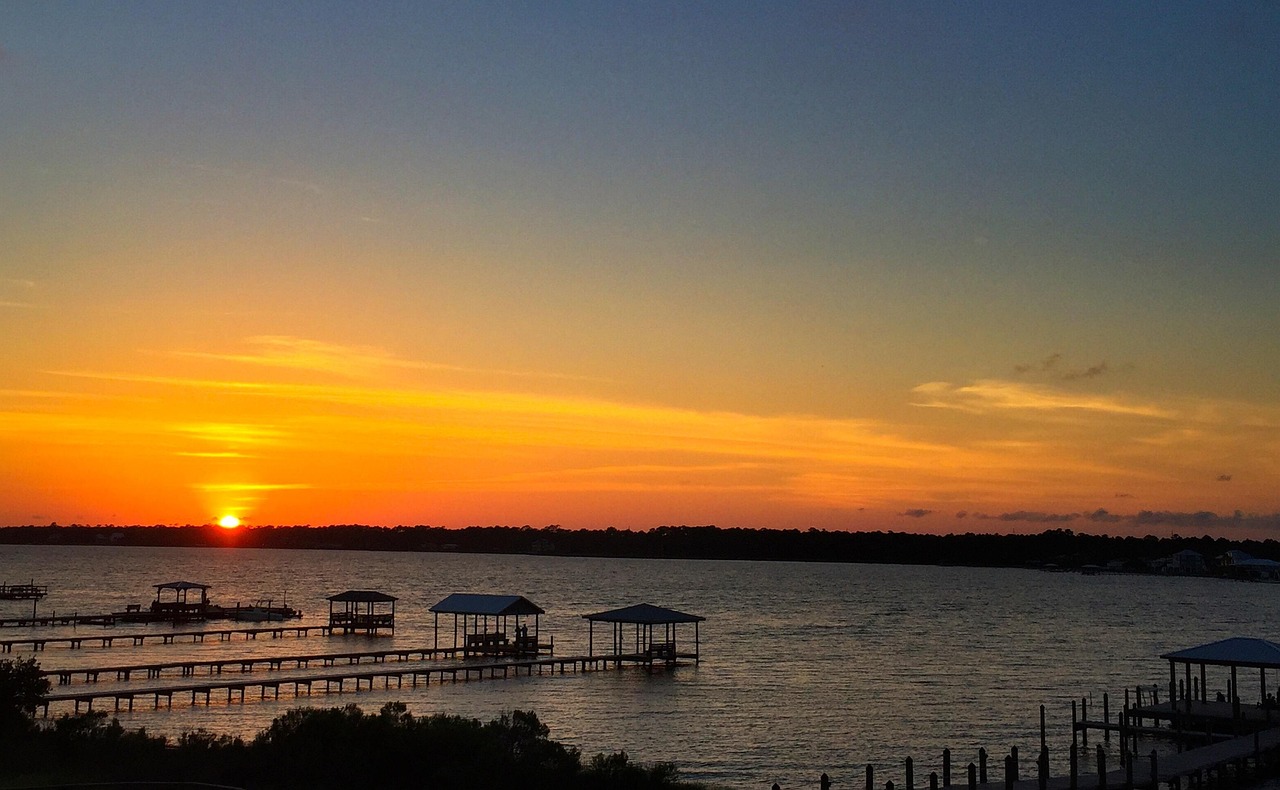
Alabama faces hesitation from travelers primarily due to a combination of climate discomfort and urban safety perceptions. The state’s summer “heat index” frequently reaches dangerous levels, making outdoor historical tours or beach days physically exhausting. Additionally, persistent FBI data regarding crime in specific urban corridors influences where tourists feel comfortable walking at night. While the state has incredible civil rights history, the lack of robust public transit often keeps visitors confined to very small, “vetted” areas.
10. Wyoming: The Self-Reliance Standard
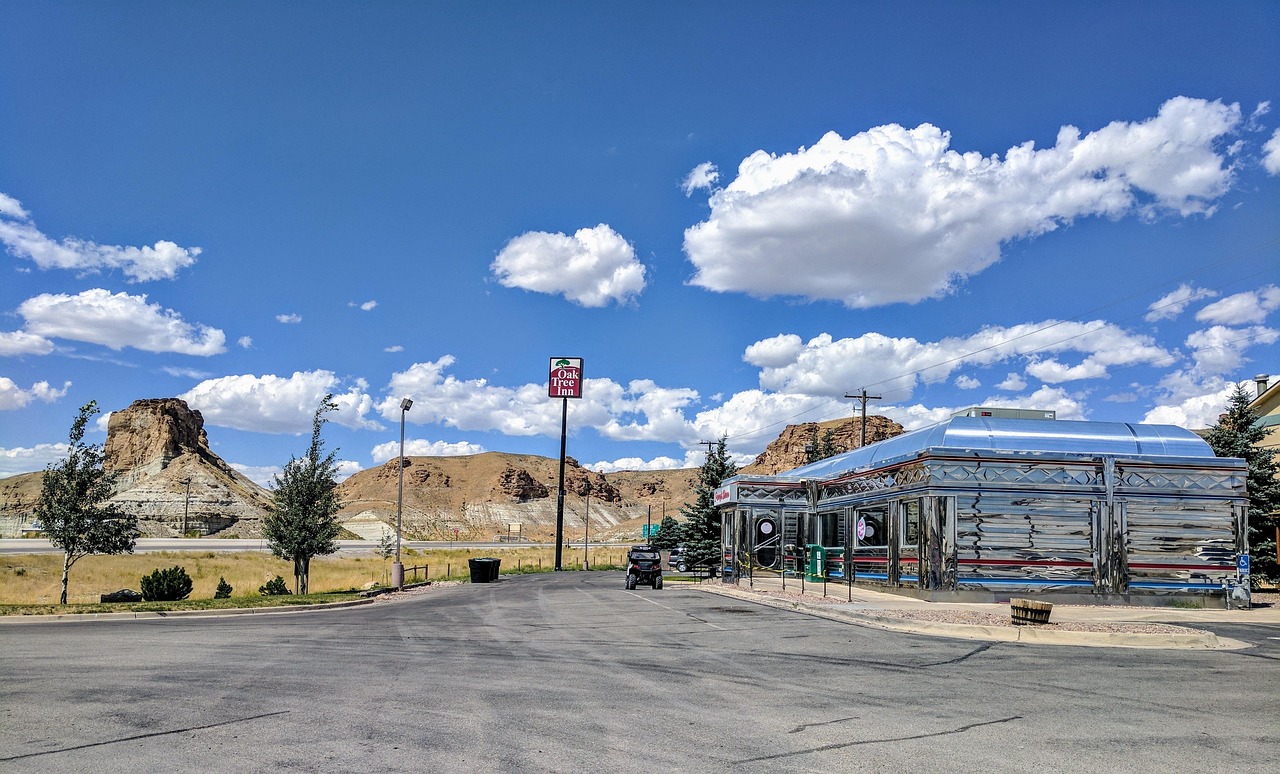
Wyoming is breathtakingly beautiful, but it demands a level of self-reliance that intimidates the average tourist. In 2026, the state remains one of the most sparsely populated in the country, meaning that help is rarely “just around the corner.” Rapid snowstorms can occur even in the shoulder seasons, and wildlife encounters are a genuine safety concern for the inexperienced. For many, Wyoming is a state best enjoyed through a professional guide or a highly organized tour, as the “DIY” approach carries too much logistical risk.