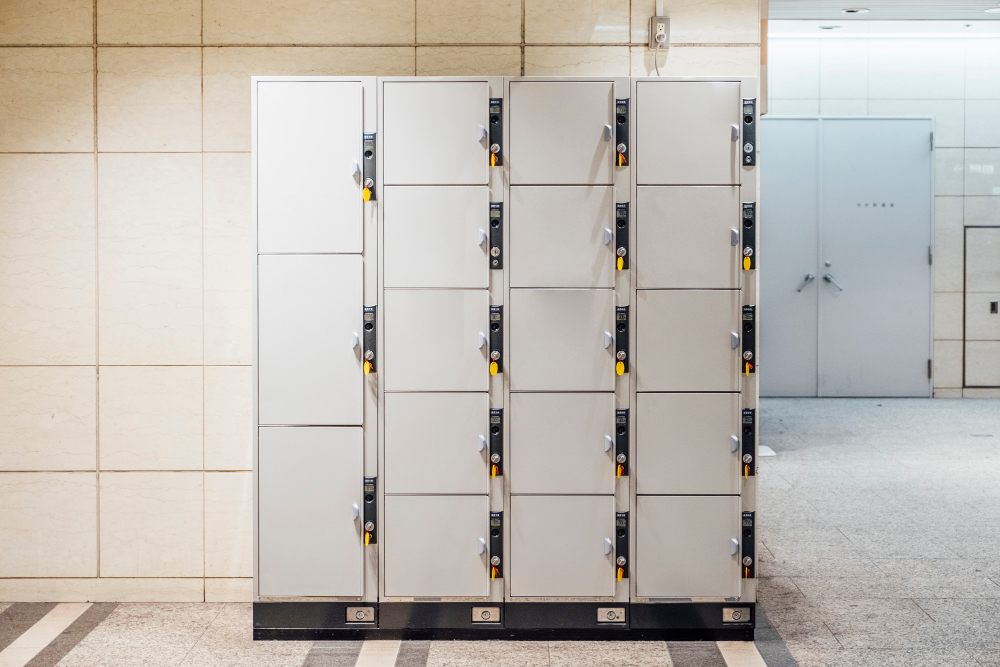
A day between hotels is won or lost on where the suitcase goes, and a great many stations and airports have nowhere to put it. Here are fifteen things to know.
1. Station left luggage offices largely closed and are only partly back
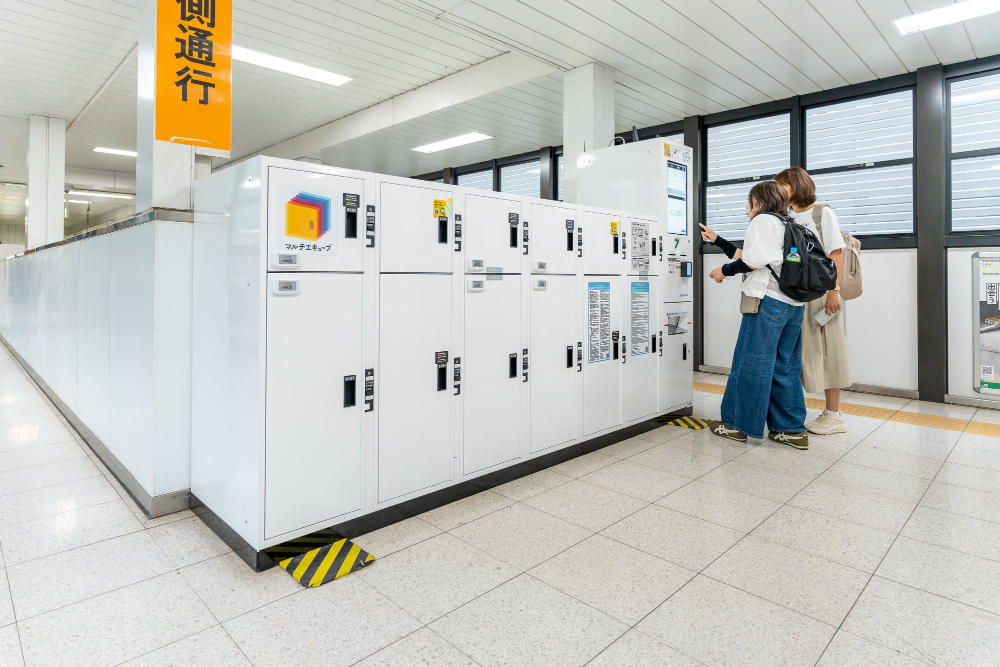
The staffed left luggage office, once standard at any significant station, was closed at a great many stations over several decades, along with the coin lockers that accompanied it, principally on security grounds.
That removed a service travellers had relied on for a century and created the gap that commercial bag storage now fills.
Provision has partly returned, as screened lockers, staffed desks run by concessions and third-party services, but it is uneven: a major station in one country has extensive facilities and an equivalent station in another has none at all. The station operator’s own website is the only reliable source. The station operator’s own website is the only reliable source. Third-party listings go out of date quickly, because a concession closing is not news anywhere except on the page of the company that lost it.
Like our content? Follow us for more.
2. American travellers expect it to exist and frequently it does not
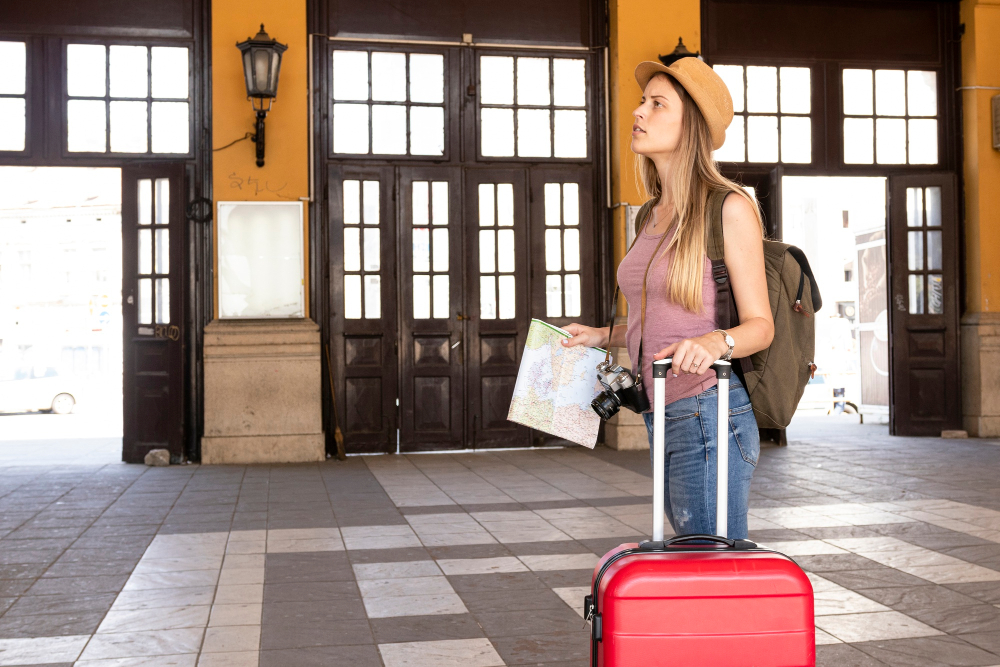
Large American airports and stations generally have some form of baggage storage, and the assumption that a transport hub will hold a bag is reasonable at home.
Abroad that assumption fails regularly, and it fails hardest at exactly the stations a traveller is most likely to use: a mid-sized city station on a day trip, where there is no office, no locker and nobody who can help.
So the practical rule is to establish before travelling whether storage exists at the specific station or airport, rather than arriving with a suitcase and a plan to deal with it there. This file names no station, no airport and no country. This file names no station, no airport and no country. The check itself is the point: the name of the station plus the words left luggage finds the answer or the absence of one in a single search.
3. App-based storage in shops and cafes has filled the gap

Several services now contract with hotels, shops, cafes and newsagents to hold bags, booked and paid for through an app, with a code or a photograph as the receipt.
It works well, it is frequently cheaper than a locker, and it puts storage in neighbourhoods rather than only at stations, which suits a traveller who has checked out and wants to see a district.
What it also does is put a bag in a commercial premises with that premises’ own arrangements, so the booking terms, the insurance position and the opening hours of that specific shop are the things that matter rather than the brand of the app.
4. The opening hours of the place holding your bag are the real constraint

A locker bank, a left luggage desk and a shop all close, and a traveller whose train is delayed or whose evening runs long can find the bag inaccessible until morning.
That is the single most common practical failure in bag storage and it is entirely avoidable by checking the closing time against the departure rather than against the plan.
Staffed desks close earlier than people expect, automated lockers in a secure area close with that area, and a shop closes when the shop closes. The posted or published hours are the thing to read, and they change at weekends and on public holidays. The posted or published hours are the thing to read, and they change at weekends and on public holidays. A public holiday is the specific case that catches people, because the station is open, the trains are running and the storage desk is not.
5. Hotels will hold bags and what they owe you is limited

Almost every hotel will hold luggage before check-in and after check-out, usually free, which is the most convenient storage a traveller has access to.
What varies enormously is the arrangement: a locked room, a staffed desk, a corner of the lobby behind a rope, or a trolley. The hotel’s liability is set by its own terms and by the relevant national law on hotel keepers’ liability, and it is frequently limited, sometimes to a modest amount and sometimes excluded for valuables not deposited separately.
Many hotels offer a safe or a separate deposit for valuables precisely because the general liability does not cover them, and asking for it is a normal request. This file gives no figure and no legal position, because both differ by country.
6. Museums and major sites may require you to deposit a bag, or refuse it

A great many museums, galleries, cathedrals and monuments operate a compulsory cloakroom for bags above a stated size, and a growing number refuse large luggage entirely rather than storing it.
That catches travellers on a day between hotels, who arrive at the main attraction of the trip with a suitcase and cannot take it in or leave it there.
The site’s own visitor information states the size limit and whether anything is stored, and for a site with no storage the answer is to use a commercial service beforehand. The limits are published and are enforced at the door. The limits are published and are enforced at the door. Staff at a major site turn people away with suitcases every day of the week and have no discretion about it, so arguing at the entrance achieves nothing except losing the slot you booked.
7. Size and weight limits apply to every form of storage
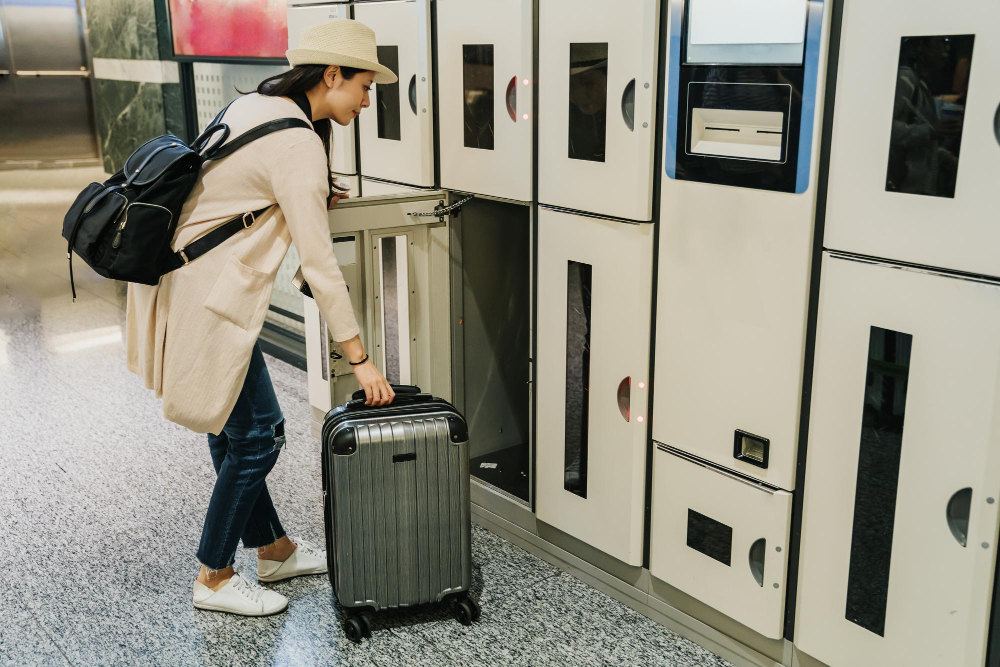
Lockers come in a few sizes and the largest is frequently smaller than a checked suitcase. Staffed desks and app-based services usually price by item and set a maximum dimension or weight.
So a traveller with a large case, a bicycle box, a musical instrument or sports equipment has a different and much narrower problem than somebody with a cabin bag, and should expect to make arrangements rather than find them.
The published dimensions are the thing to compare against the actual bag, and a bag that nearly fits does not fit. This file names no dimension.
8. Prohibited items apply to stored bags as well as carried ones
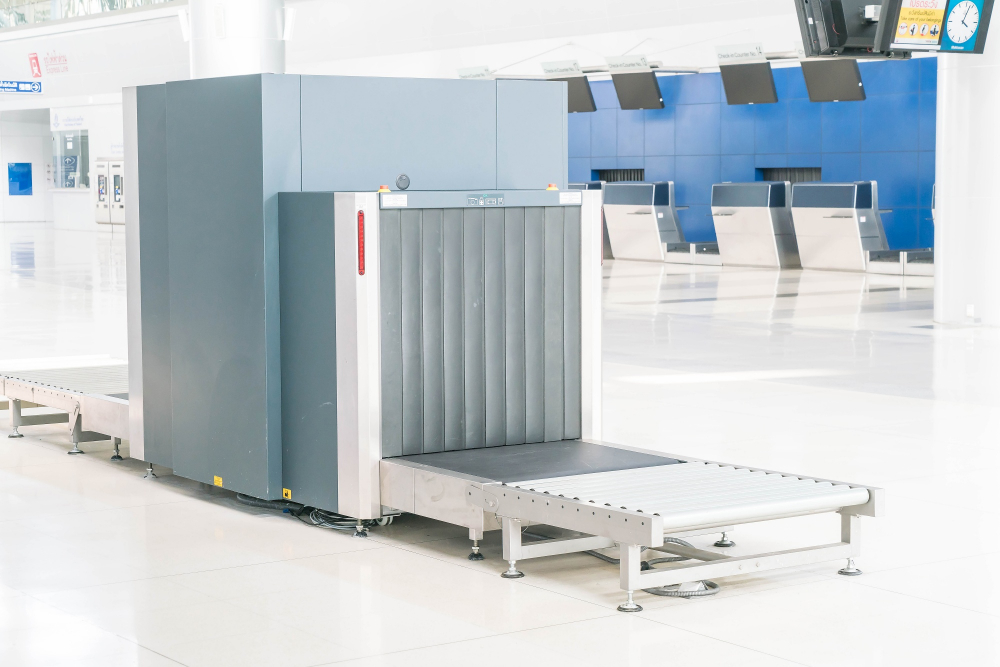
Storage providers publish lists of what may not be left, and the lists are broader than people expect, typically covering perishable food, anything live, flammables, batteries in some cases, and anything of high declared value.
Those rules exist for the provider’s own insurance and safety reasons, and a bag containing a prohibited item is frequently outside any cover even if nobody noticed at the counter.
The provider’s terms list them and are worth reading once. This file reproduces no list, because the lists differ by provider and change, and the provider is the authority on its own.
9. The code, the ticket or the receipt is the whole claim
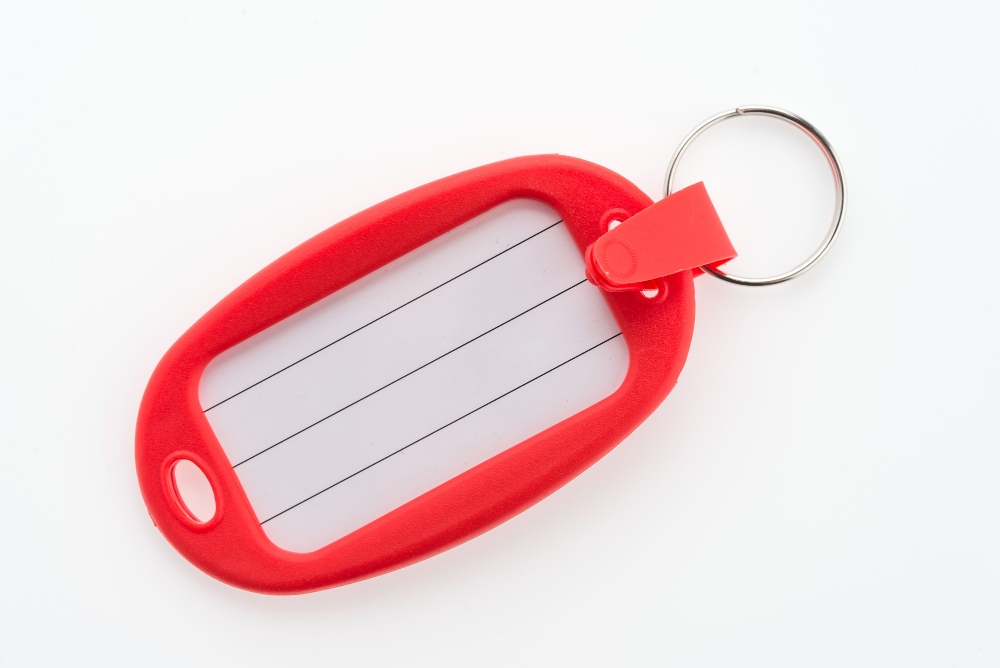
Whether storage is a paper ticket, a locker code, an app booking or a numbered tag, that token is how the bag is identified and released, and losing it is the problem the whole system turns on.
Providers have procedures for it — identification, a description, a wait, sometimes a fee — and they vary from straightforward to extremely awkward, particularly where the staff who took the bag are no longer on shift.
A photograph of the ticket, the locker number and the shopfront is thirty seconds of insurance and solves the common version of the problem. A photograph of the ticket, the locker number and the shopfront is thirty seconds of insurance and solves the common version of the problem. The shopfront matters more than people expect, because an app booking gives an address and a street in an unfamiliar city looks different in the dark. The uncommon version is a matter for the provider’s own procedure.
10. Your travel insurance may not cover a stored bag

Policies commonly exclude property left unattended, and whether a bag in commercial storage counts as unattended depends on the wording. Some policies cover property deposited with a carrier or an accommodation provider and exclude third-party storage, or the reverse.
That means the question is not whether you have insurance but what your specific policy says about deposited property, and the answer is in the personal possessions section.
Where the storage provider offers its own cover, that is a separate contract with its own limits and exclusions, and the two do not automatically combine. The policy wording and the provider’s terms are the documents, and this file interprets neither.
11. Documents and anything you need that day stay with you
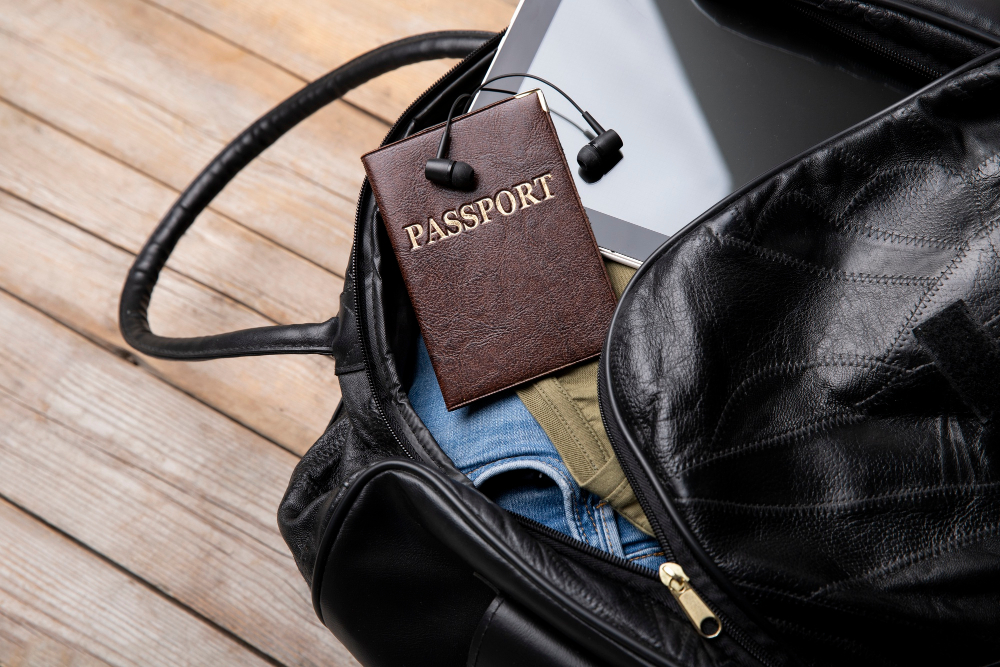
The things a traveller cannot be separated from are the passport and travel documents, anything prescribed that is needed during the day, the payment cards in use, the phone and the keys to wherever they are going next.
That is a practical packing point rather than a safety warning: a bag in storage is a bag you cannot reach for several hours, and the test for what goes in it is simply whether you will need the contents before you collect it.
For medication specifically, what to carry and how is a matter for the person and their pharmacist or doctor, and this file gives no advice about any medicine or condition.
12. Airport storage exists in fewer places than you would think
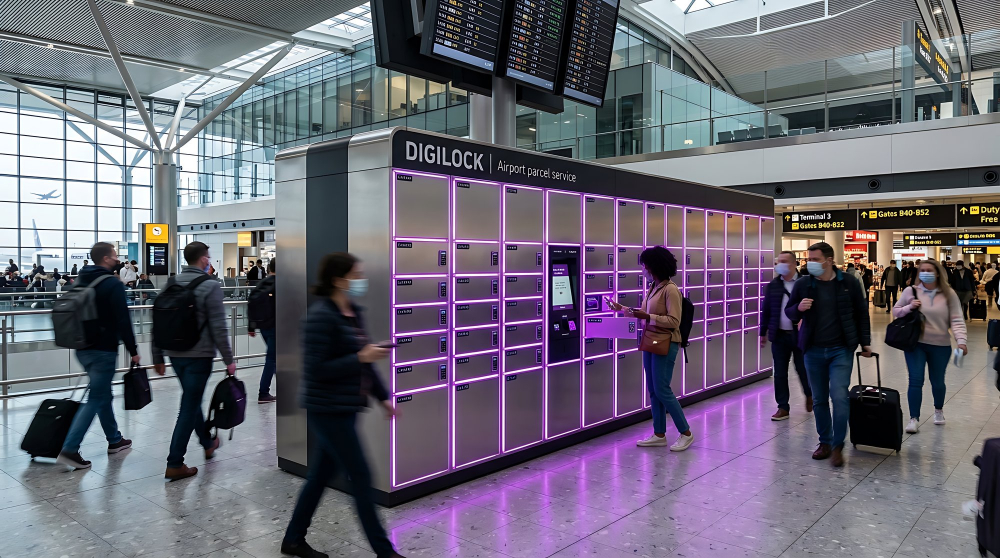
A good many airports have no public baggage storage at all, several have it only in a particular terminal, and some have it only on the public side of security, which means a traveller cannot store a bag after arriving through the gate.
Airport storage is also typically the most expensive option, priced for people who have no alternative.
The airport’s own website lists the facility, the terminal and the hours, and an airport without one is common enough that it should be checked rather than assumed. This file names no airport.
13. Airlines will sometimes take a bag early and sometimes will not
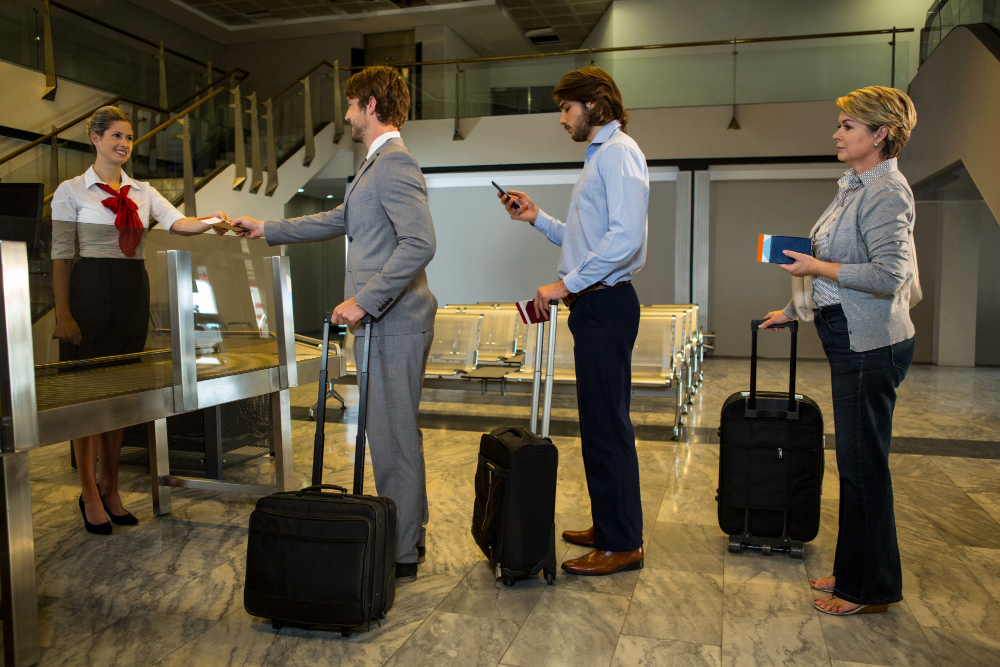
Where an airline offers early bag drop, a traveller can hand over a case hours before the flight and spend the day unencumbered, which is the cheapest storage there is.
Availability varies by airline, by airport and by time, is frequently restricted to a window of a few hours, and in many cases does not exist. Some airports also offer a through-baggage arrangement with city check-in at a rail station.
The airline’s and the airport’s own pages state whether it is available for a specific flight. It is worth checking precisely because it is free and because it removes the problem entirely.
14. Luggage forwarding is a different service and is sometimes the answer
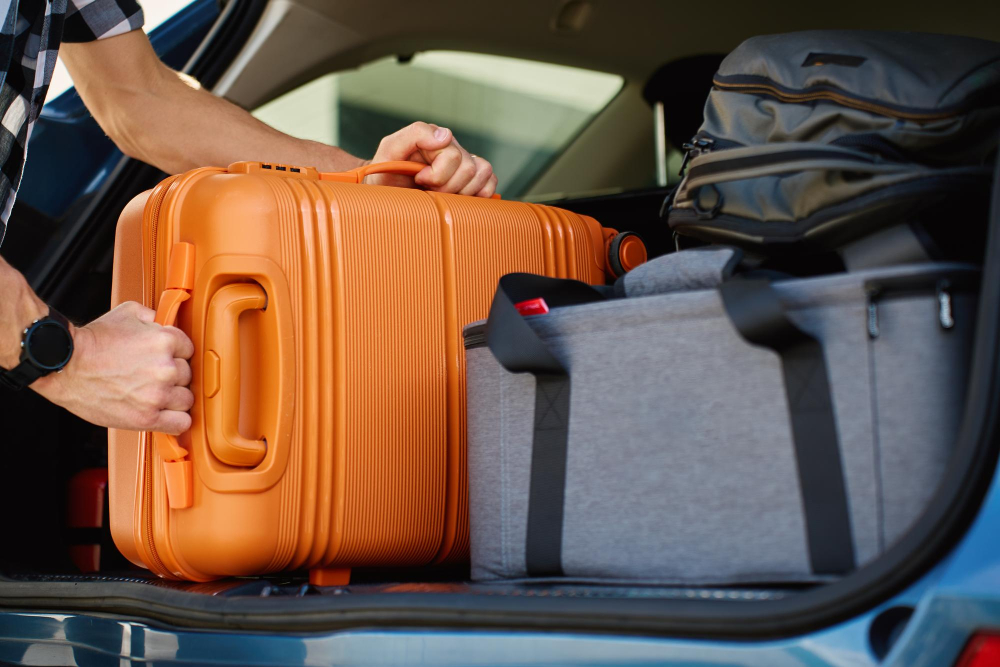
For a traveller moving between cities, a courier that collects a case from one hotel and delivers it to the next removes the need for storage altogether, and in some countries this is a well-established and reliable service.
It costs more than storage and considerably less than the inconvenience it removes, particularly for anybody travelling with a large case on a multi-city itinerary.
The service’s own terms cover liability, timing and what may be sent, and the series’ file on shipping personal effects covers the longer-distance version of the question rather than this one.
15. Left luggage is where a day between hotels is won or lost

The specific situation this is all for is the gap: checked out at eleven, train at eight, a city to see and a suitcase to carry.
Solving it in advance — hotel storage, a locker booked, an app reservation near the station, or an early bag drop — converts a difficult day into a good one, and solving it on the spot usually costs more and wastes an hour.
The summary: establish whether storage exists at the specific station or airport rather than assuming, because many have none; check the closing time against your departure rather than your plan, since inaccessible is worse than unavailable; use the hotel first because it is free, and ask separately about valuables, since hotel liability is limited; expect compulsory cloakrooms and size limits at major sites and refusal of large luggage at a growing number; photograph the ticket, the locker number and the shopfront; and read your policy’s personal possessions section, because deposited property is frequently treated differently from property with you.
Inaccessible is worse than unavailable

Two failures account for most bag storage trouble abroad. The first is assuming a transport hub will hold a bag, which is a reasonable assumption at home and fails regularly at exactly the mid-sized stations a day trip uses. The second is checking that storage exists without checking when it closes: a staffed desk shuts earlier than people expect, a locker inside a secure area shuts with that area, and a shop holding an app booking shuts when the shop does. A delayed train or a long evening then separates a traveller from their luggage until morning. Both are solved before departure, in about five minutes, on the operator’s own website.
Use the hotel first, since almost all will hold a bag free before check-in and after check-out, and ask separately about valuables, because hotel keepers’ liability is limited and frequently excludes anything not deposited for safekeeping.
Like our content? Follow us for more.