The Hierarchy of the Overbooked Hotel

The travel industry operates on a thin margin of error, and hotels frequently sell more rooms than they actually have available to account for last-minute cancellations. However, when every guest actually shows up, the front desk must perform a process known as “walking” a guest. This involves sending a confirmed reservation-holder to a competitor’s property. Former front desk managers reveal that this selection process is rarely random. Instead, it follows a strict hierarchy of value where the source of your booking determines your fate. If the hotel is at capacity, the staff looks at the bottom of the profit ladder first, and almost invariably, the guests who booked through major third-party sites like Expedia or Booking.com are the first to be relocated.
The Low Margin of Third Party Bookings
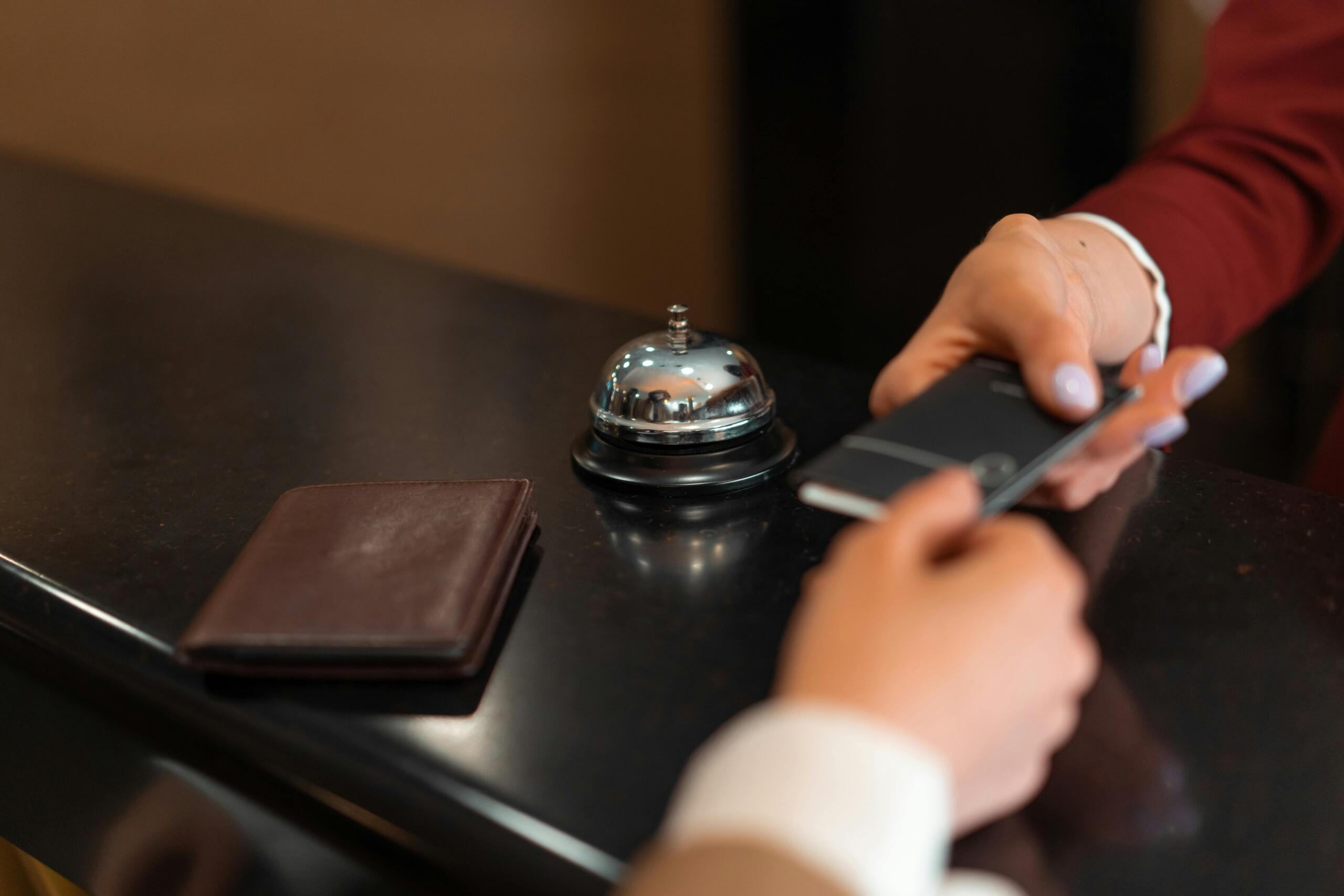
The primary reason third-party travelers are targeted for relocation is the significant commission these platforms take from the hotel. When a guest books directly through the hotel’s website, the property keeps the entire payment. In contrast, third-party sites can take anywhere from fifteen to thirty percent in commission fees. From a business perspective, the guest who paid the most and provided the highest profit margin is the one the hotel is most desperate to keep. Managers are trained to protect their direct-booking “high-yield” guests while viewing third-party reservations as lower-priority transactions. This financial disparity makes the “Expedia guest” the most logical choice to move when the front desk is forced to balance the books.
Loyalty Programs and the Shield of Status
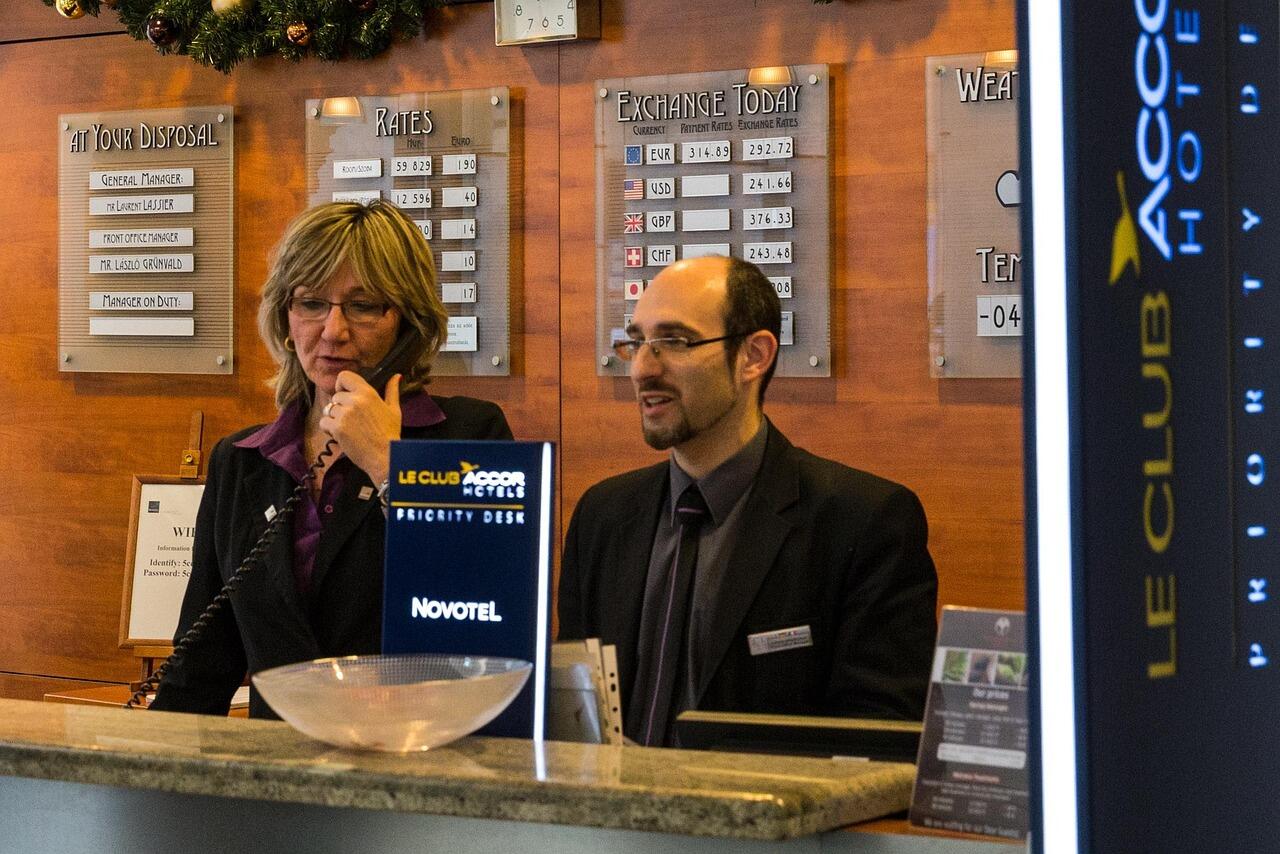
Beyond the profit margin, hotel loyalty programs act as a powerful insurance policy against being walked. Members of a hotel’s frequent stayer program, even at the lowest entry tiers, are rarely considered for relocation. These programs are designed to foster long-term relationships, and “walking” a loyal member is seen as a catastrophic failure in brand management. Former employees explain that their computer systems often flag loyalty members with bright colors or specific codes that essentially grant them immunity. Since most travelers who book through third-party aggregators are looking for the lowest price rather than brand loyalty, they lack this digital shield, making them the easiest targets for the front desk to “walk” without damaging a long-term corporate relationship.
The Problem of the Faceless Reservation

Another factor that puts third-party bookers at risk is the lack of a direct communication channel between the guest and the hotel. When you book via a giant travel platform, the hotel often receives a generic reservation voucher rather than your personal contact details. This creates a sense of detachment for the front desk staff. It is much easier for a manager to reassign a “faceless” reservation from a third-party site than to deal with a guest who has been communicating directly with the hotel’s concierge or sales team. Furthermore, because the contract is technically between the guest and the booking site, the hotel often feels that the third-party company bears the ultimate responsibility for the guest’s satisfaction, effectively passing the “headache” of the overbooking back to the aggregator.
The Last In First Out Rule

In the frantic environment of a fully booked night, timing is everything. The “Last In, First Out” rule often applies to those who have booked through discount sites. Because these reservations are frequently for “run of house” rooms—meaning whichever room is left over—third-party guests are often assigned their room numbers last. If the hotel realizes at 8:00 PM that they are three rooms over capacity, they will look at the guests who haven’t checked in yet. If your name is attached to a low-cost Expedia voucher, you are likely to find a polite manager waiting to tell you that your room is no longer available. To the hotel, you are a one-time bargain hunter, whereas the direct-booker is a valued client they hope to see again.