

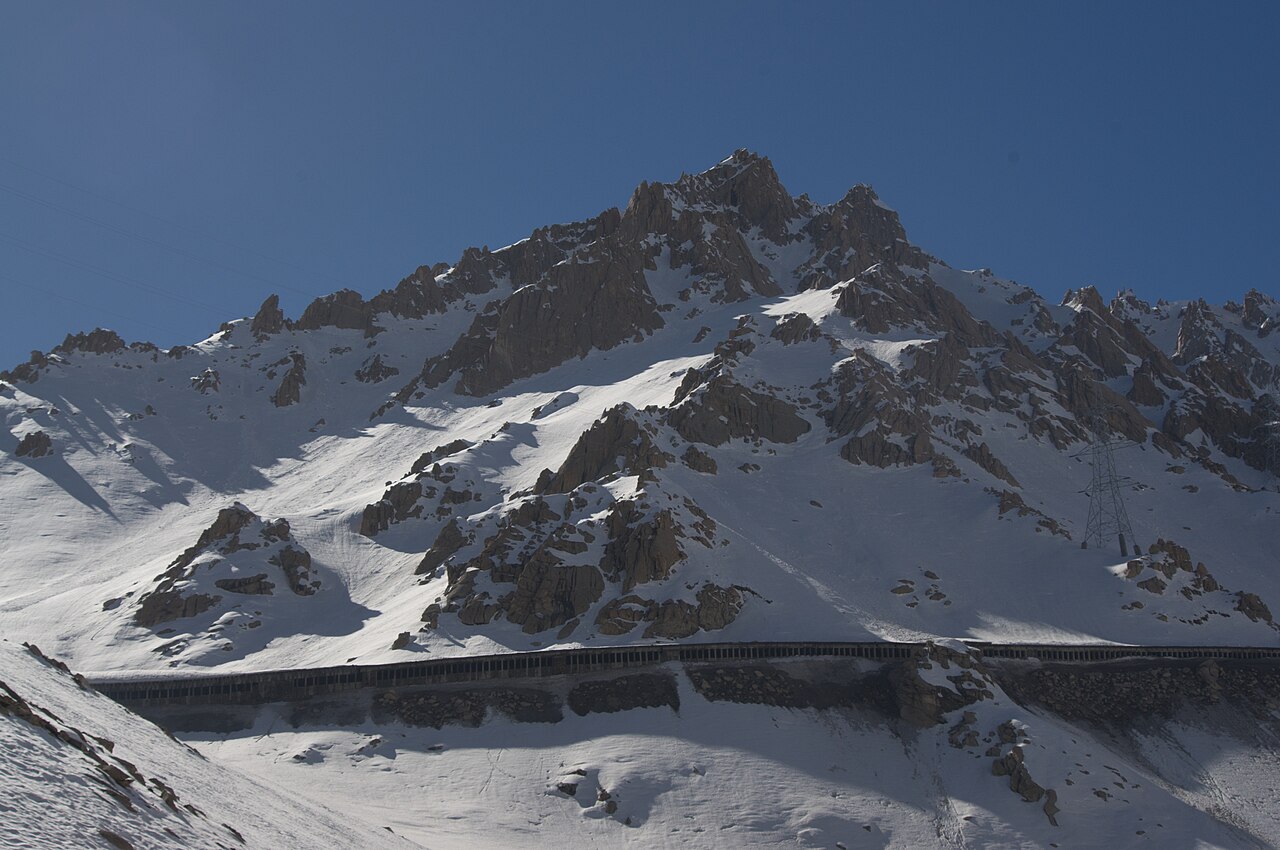
The Salang Pass in Afghanistan, an imposing gateway through the Hindu Kush mountains, has long been a vital artery for commerce and connectivity. At an elevation of 3,878 meters (12,723 feet), it presents a formidable natural barrier, historically navigated by caravans and now traversed by a modern highway featuring a tunnel, engineered by Soviet Union in the 1960s. This route, crucial for linking northern Afghanistan with the capital, Kabul, has borne witness to centuries of history, conflict, and tragedy. Its strategic importance has cemented its place not only in the country’s infrastructure but also in its collective memory, often marked by severe weather and devastating accidents.
The Gateway to the North
The Salang Pass, a critical mountain pass in the Hindu Kush range, serves as the primary conduit connecting northern Afghanistan with Parwan Province and, by extension, the capital city of Kabul. Located at the border of Parwan and Baghlan provinces, its strategic significance has been recognized for millennia, offering a direct link between the Kabul region and northern territories such as Tokharistan. The pass itself is defined by its extreme altitude, reaching 3,878 meters (12,723 feet), making it one of the highest mountain passes globally. Historically, this route was essential for trade and movement, a role it continues to fulfill, albeit with significant modern infrastructure enhancements. The Salang River flows nearby, originating in the vicinity of this formidable natural gateway.
Engineering Through the Peaks
The construction of the Salang Tunnel, completed between 1958 and 1964 by Soviet engineers, was a monumental feat aimed at ensuring year-round passage through the treacherous Hindu Kush mountains. This 2.6-kilometer tunnel, situated at an elevation of approximately 3,400 meters, bypasses the most perilous sections of the pass, revolutionizing travel and logistics. Before its existence, journeys between Kabul and northern Afghanistan were significantly longer, often taking three days via the Shibar Pass. The tunnel, part of a broader Soviet infrastructure development initiative in Afghanistan, became a crucial all-weather artery, vital for military and civilian transport alike. Its construction represented a significant stride in overcoming the natural barriers of the region.
A Scarred Artery of Conflict
The Salang Pass and its tunnel have been inextricably linked with Afghanistan’s tumultuous modern history, particularly during the Soviet-Afghan War. The tunnel, serving as a vital military supply route from the southern Soviet republics to Kabul, became a frequent target for ambushes by Mujahideen forces. The strategic importance of this passage meant that control over it was fiercely contested, leading to significant damage and disruption. Numerous military vehicles, scarred by bullet and rocket fire, serve as grim testaments to the battles waged along this route. The pass has been a theater of conflict for decades, its history etched into the landscape by war and violence.
The Inferno of 1982
One of the most catastrophic events in the Salang Tunnel’s history occurred on November 3, 1982. A collision involving a fuel tanker within the tunnel triggered a massive explosion and subsequent fire that engulfed a Soviet military convoy. Reports suggest that the tunnel’s ventilation system had been malfunctioning, exacerbating the situation by filling the confined space with toxic fumes. Fearing an attack, Soviet troops reportedly sealed both ends of the tunnel, trapping thousands of soldiers and civilians inside. Casualty estimates vary widely, with figures ranging from hundreds to as many as 2,700 people, making it one of the deadliest road accidents and fires in modern history.
The Fury of Nature
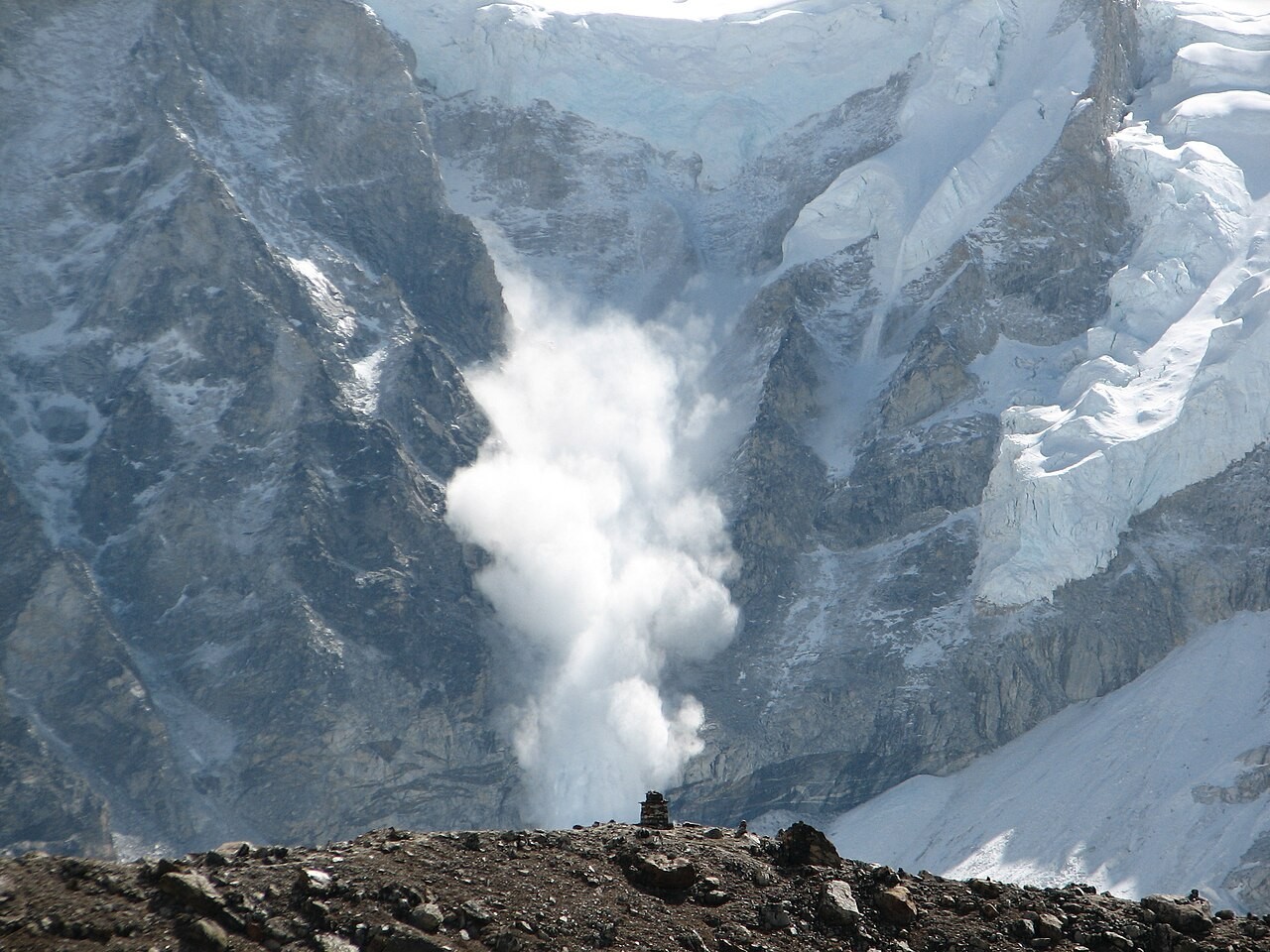
Beyond the man-made conflicts, the Salang Pass is perpetually threatened by the raw power of nature, primarily through devastating avalanches. The region’s extreme alpine environment, with heavy snowfall and steep slopes, makes it a hotspot for these natural disasters. A particularly harrowing incident occurred in February 2010 when a series of 17 avalanches struck the pass, burying sections of the highway and trapping vehicles within the Salang Tunnel. This event alone led to an estimated 150 fatalities, with hundreds of others trapped in the buried roadway. Such events highlight the constant peril faced by those who travel through this unforgiving mountain terrain.
A Lifeline Under Strain
Despite its perilous nature, the Salang Pass remains the sole reliable route connecting northern and southern Afghanistan, essential for the nation’s economy and the daily lives of its people. An estimated 5,000 to 9,000 vehicles transit the pass daily, a volume that far exceeds its original design capacity. Years of neglect, coupled with the constant barrage of heavy military traffic and overloaded trucks, have led to severe degradation of the road surface and the tunnel’s infrastructure. Ongoing repair efforts, often piecemeal, struggle to keep pace with the relentless wear and tear, underscoring the constant strain on this vital lifeline.
Seeking a Safer Passage
Recognizing the critical need for improved safety and capacity, significant efforts have been directed toward rehabilitating and upgrading the Salang Corridor. Projects funded by international bodies like the Asian Development Bank and undertaken by organizations such as the U.S. Army Corps of Engineers have focused on repairing the tunnel’s structure, improving ventilation and lighting, and reinforcing the road network. Plans are also underway for the construction of a second tunnel to alleviate congestion and enhance the overall safety and efficiency of this indispensable route, acknowledging its enduring importance to Afghanistan’s connectivity and economic development. Despite its history of tragedy and the ongoing challenges posed by its environment and infrastructure, the Salang Pass remains a testament to human endeavor and a vital link in the heart of Asia.

