The “Great Housing Reset” of 2026 is officially separating the resilient markets from those that were fueled by pandemic-era hype. While the national housing market shows signs of stabilizing, regional cracks are widening into canyons. As we move through the first quarter of 2026, analysts from Redfin, CoreLogic, and Cotality are sounding the alarm on a specific group of cities where the “bubble” isn’t just leaking, it’s at risk of a significant correction. Driven by a “perfect storm” of surging inventory, the death of remote-work flexibility, and the crushing cost of non-mortgage expenses like insurance, these cities are now entering their riskiest phase since 2008.
For homeowners and investors, the warning signs are no longer subtle. In these markets, the “sales up, prices down” paradox has taken hold, and days-on-market metrics are hitting multi-year highs. Here are the seven cities analysts say are entering a riskier phase in 2026.
1. Miami, Florida: The Nation’s Highest Bubble Risk
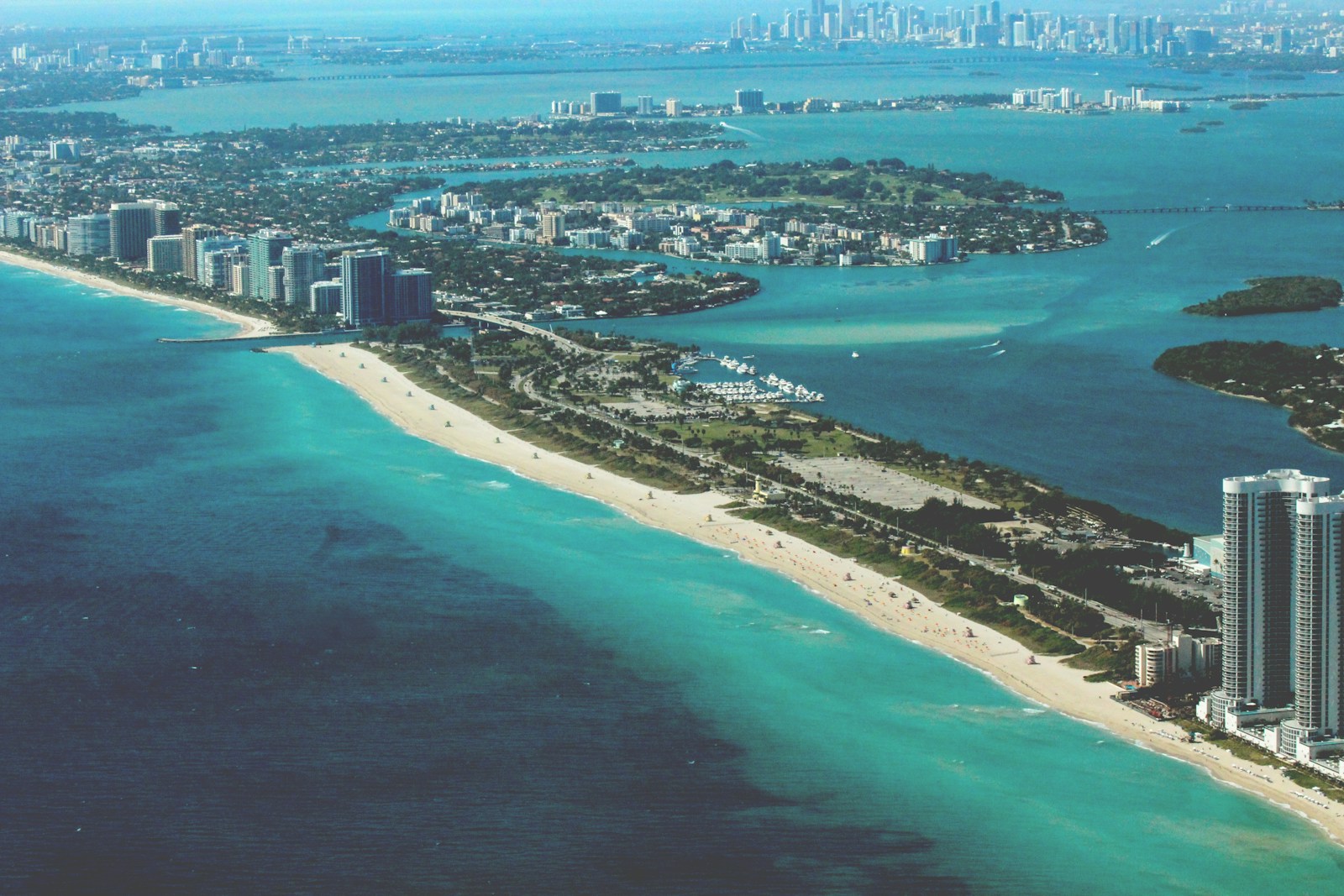
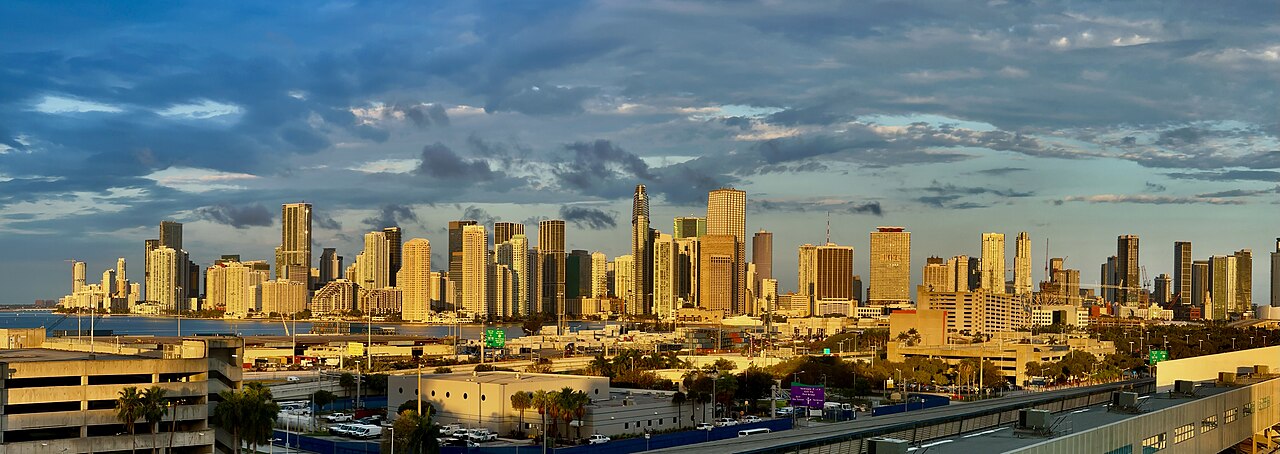
Miami has officially claimed the top spot on the 2025-2026 Global Real Estate Bubble Index. Analysts point to an extreme price-to-rent gap that has become unsustainable for local incomes. While the city remains a magnet for international wealth, the “typical” Miami house is now languishing on the market for a median of 69 to 89 days—well above the national average. With insurance premiums reaching record highs and inventory levels finally catching up to demand, analysts warn that Miami is currently the most overvalued market in the country, leaving it highly vulnerable to a sharp price correction.
2. Austin, Texas: The Tech-Bust Liquidity Trap
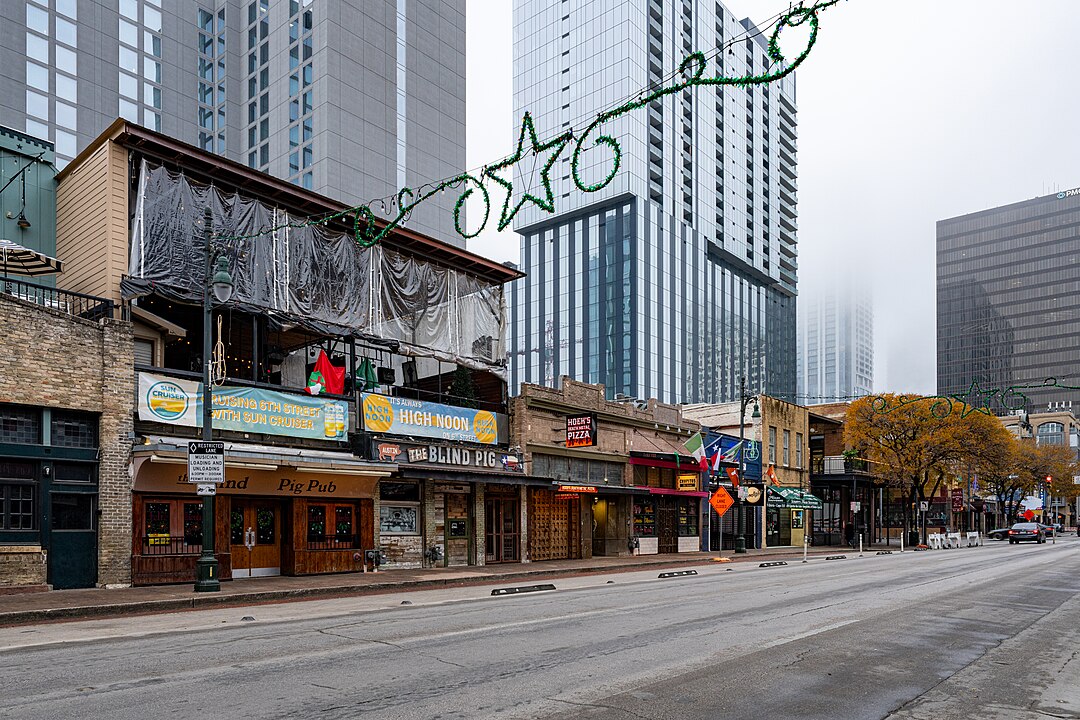
Austin was the poster child for the “Zoom Town” boom, but in 2026, it is facing a harsh reality check. According to recent Redfin data, home sales in Austin plummeted by nearly 30% in the final quarter of 2025. The time a home sits on the market has exploded from a brisk 24 days to a staggering 67 days. As remote workers continue to migrate back to coastal office hubs, the surplus of modern luxury homes in Austin has created a “liquidity trap” where sellers are being forced to accept deep discounts or watch their listings go stale.
3. Fort Lauderdale, Florida: The Gridlock Capital
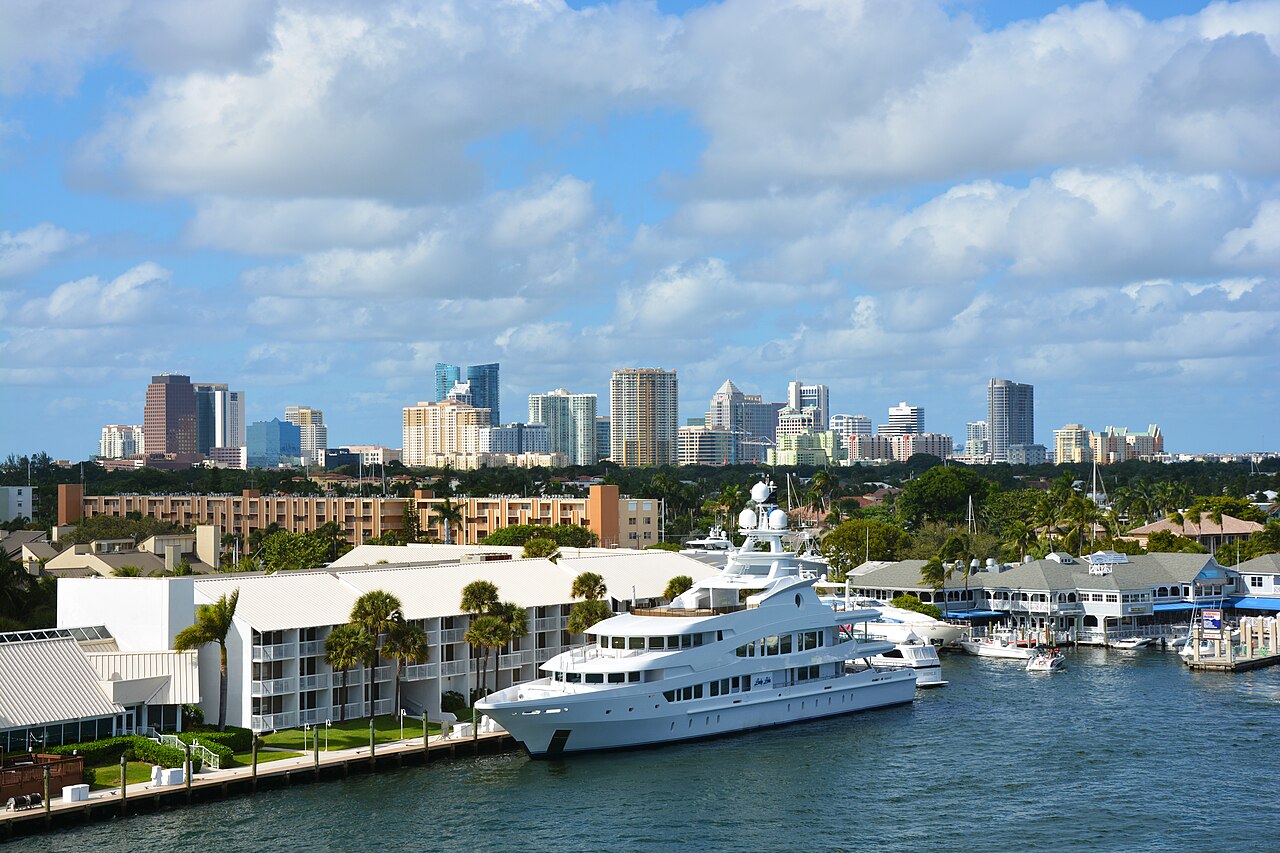
In Fort Lauderdale, the housing market has entered a state of near-total gridlock. It currently takes a median of 91.5 days to land a buyer—the longest in the nation among major metros. Analysts say the “risk” here isn’t a lack of interest, but massive buyer hesitation. The “Insurance Desert” effect has made closing deals nearly impossible for many middle-class families, as the total cost of ownership (including taxes and skyrocketing premiums) now exceeds what local salaries can support.
4. San Antonio, Texas: The Inventory Surge
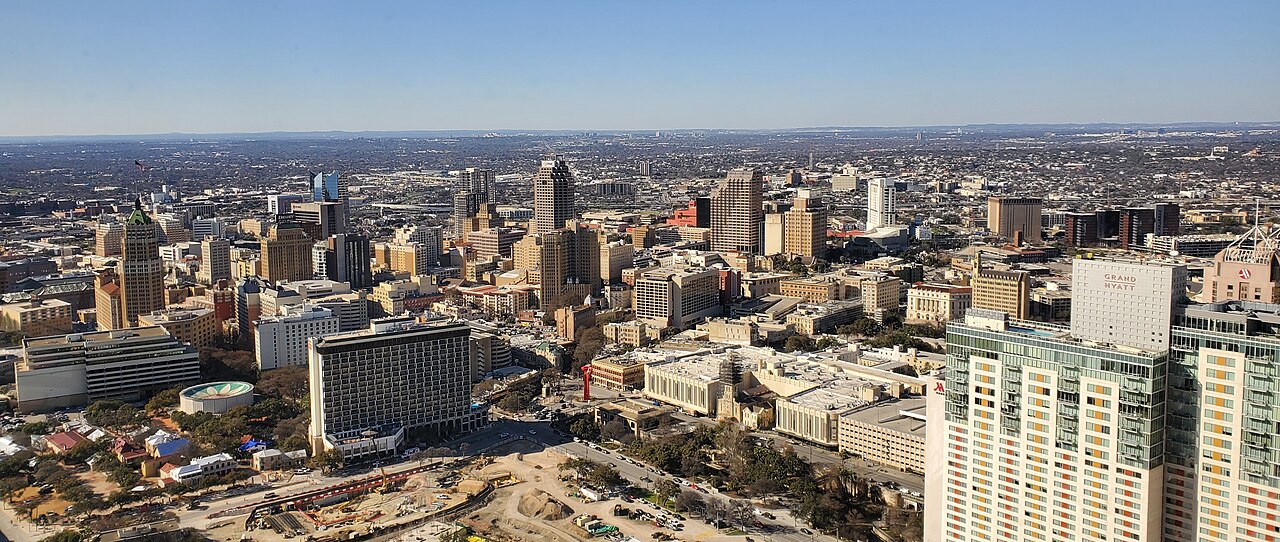
San Antonio is entering a riskier phase as it grapples with a glut of new construction and a sudden cooling of rental demand. Unlike its neighbor Austin, San Antonio’s risk is driven by a massive supply-side imbalance. With single-family rent growth hitting 15-year lows across Texas, the “investor-fueled” appreciation that propped up the market is evaporating. Analysts expect San Antonio to be one of the top cities for price losses in 2026 as developers slash prices on new builds to move sitting inventory.
5. Washington, D.C.: The Surprising Coastal Decline
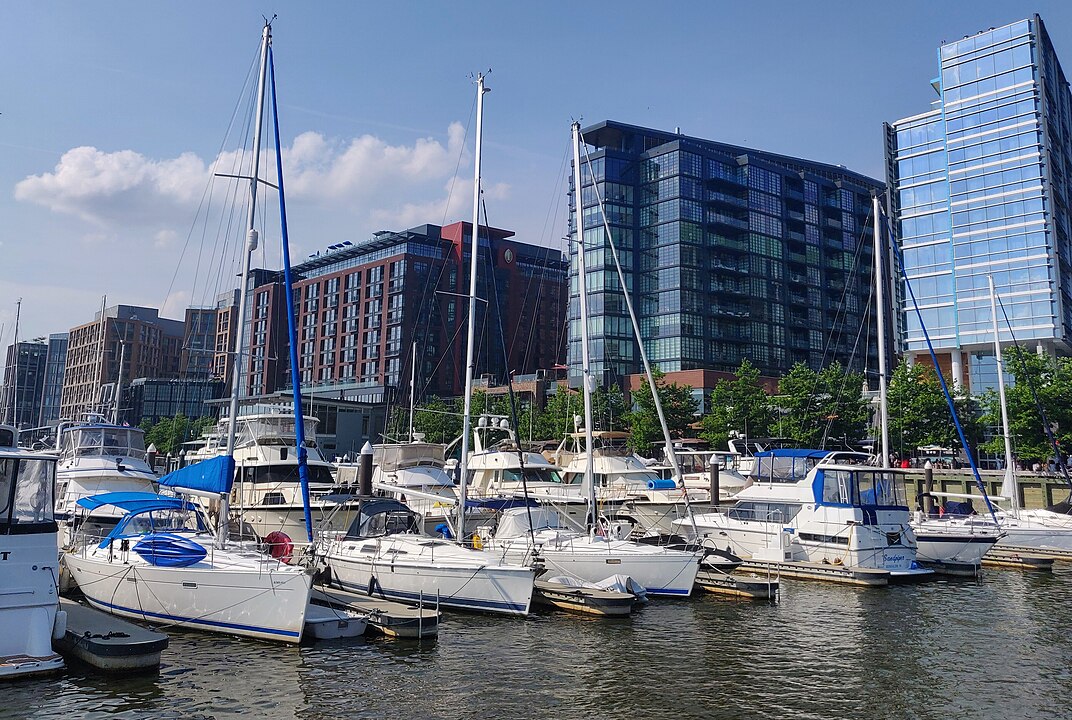
Washington, D.C. has emerged as the second-fastest-declining market in early 2026. While the federal government provides a stable employment base, the surrounding residential market is bucking the national trend of modest growth. Analysts attribute this “risky phase” to a combination of high property values and a shifting workforce that is no longer tied to the capital 24/7. With inventory levels rising and price appreciation stalling at 0%, D.C. has become a primary target for “wait-and-see” buyers, putting downward pressure on values.
6. Nashville, Tennessee: The “Zoom Town” Exhaustion
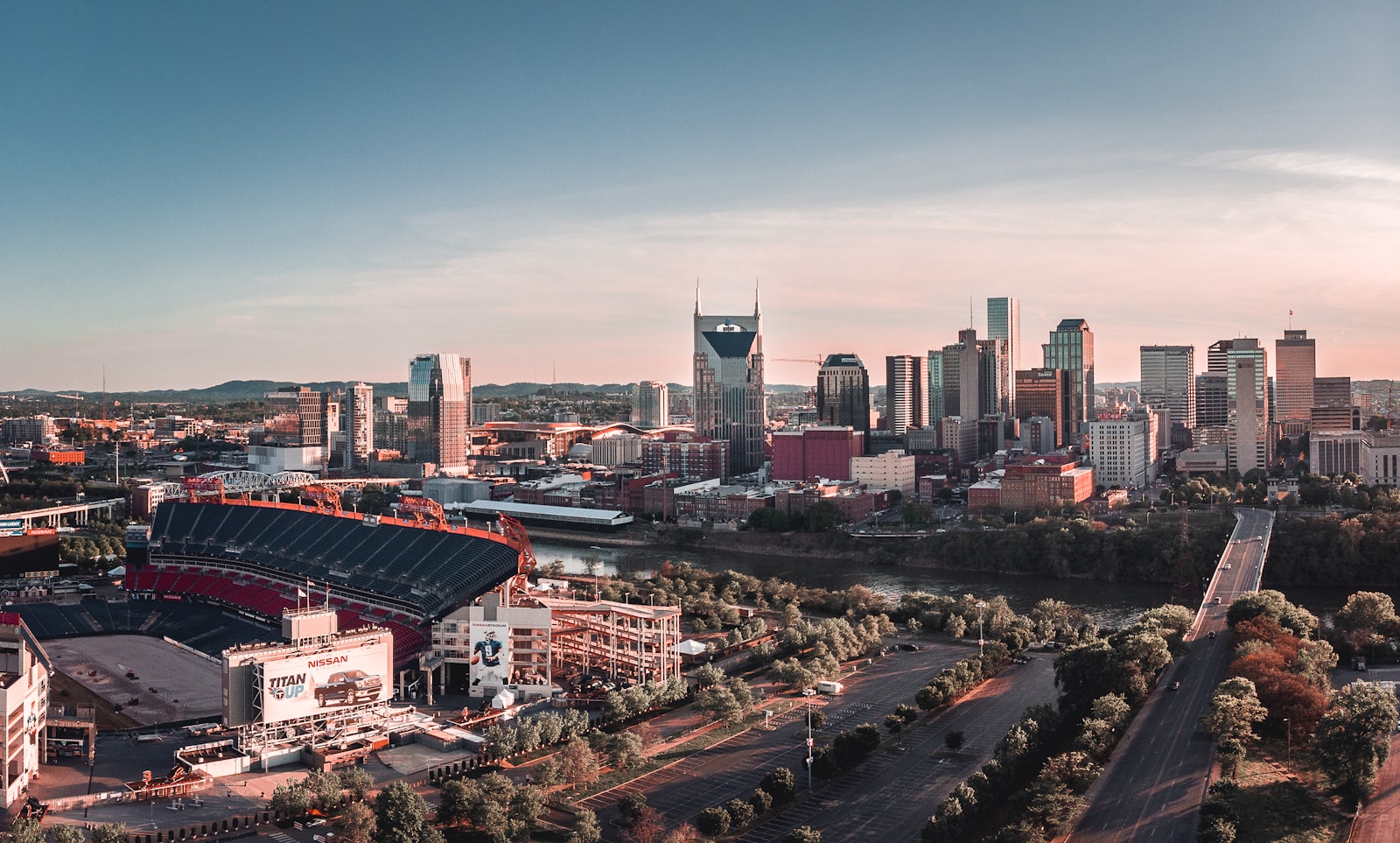
Nashville’s era as a “migration magnet” is facing a significant slowdown. Once ranked among the hottest rental and sales markets, Nashville is now on the “naughty list” for 2026 price declines. Analysts note that the city’s rapid price jumps were fueled largely by out-of-state investors and remote workers who are now retreating. As the “novelty” of the Nashville move wears off, the market is left with high prices that the local workforce simply cannot sustain, leading to a projected sales growth drop of -3.5%.
7. New Orleans, Louisiana: The Structural Slide

New Orleans is facing one of the steepest projected home price losses in 2026, with analysts forecasting a decline of nearly 4.7%. The risk here is structural: a shrinking younger population and limited new job creation in traditional industries are hollowing out housing demand. Combined with the high cost of maintenance in a flood-prone environment, New Orleans has become a “high-friction” market where sellers are increasingly forced to take a loss to exit their positions.