

Spice is more than just a flavor profile; it is a fascinating intersection of biology and geography. Throughout history, the use of chili peppers and pungent spices has drawn a clear line across the globe. While some cultures view a meal as incomplete without a forehead-beading burn, others have spent centuries perfecting a culinary philosophy based on subtlety and the total absence of heat.
From the “numbing” sensations of East Asia to the cream-based comforts of Northern Europe, here is the definitive guide to the world’s most intense spice frontiers and the regions that prefer to keep things mild.
The 5 High-Heat Frontiers
1. Sichuan Province, China: The “Ma La” Experience
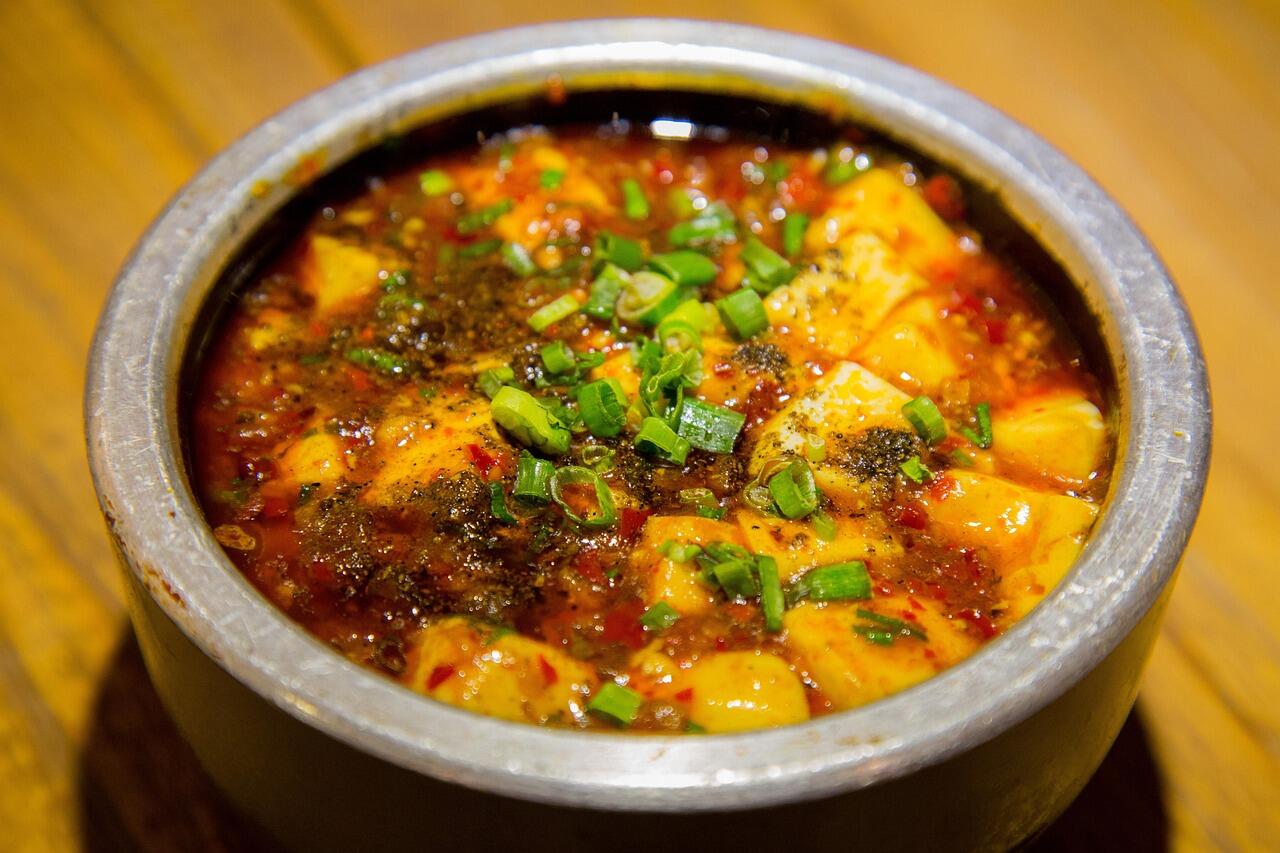
Sichuan cuisine is defined by a unique sensory combination: Ma (numbing) and La (spicy). This isn’t just a burn; it’s a physical vibration. By combining potent Sichuan peppercorns with fiery “facing heaven” chilies, this region creates a “numbing inferno” that tricks the tongue into feeling an electric tingle.
- Signature Dishes: Mapo Tofu, Chongqing Hotpot.
2. Northeastern Thailand: The Relentless Isan Fire
While Thai food is globally famous for its heat, the Isan region in the Northeast takes it to another level. Utilizing fresh, stone-ground Bird’s Eye chilies, Isan dishes deliver a sharp, immediate, and high-intensity burn. Unlike the coconut-milk-based curries of the south which offer some relief, Isan cooking is lean, herbaceous, and unapologetically hot.
- Signature Dishes: Som Tum (Green Papaya Salad), Larb.
3. Mexico’s Yucatan Peninsula: The Land of the Habanero
The Yucatan stands apart from the rest of Mexico for its specific devotion to the Habanero pepper. This isn’t just about heat; it’s about the fruity, citrusy undertones that the Habanero provides. Reaching up to 350,000 Scoville Heat Units, these peppers are used in daily “recados” (spice pastes) to create a deep, tropical heat that lingers long after the meal is over.
- Signature Dishes: Cochinita Pibil, Xni-Pec (Habanero Salsa).
4. North India & Rajasthan: The Complexity of the Burn
In the arid regions of North India and Rajasthan, spice is a multi-layered architecture. It isn’t just about one chili; it’s about a blend of dried red powders, fresh green chilies, and warming spices like black pepper. The “Phaal” curry—often cited as the spiciest curry in the world—originates from this lineage, requiring a balance of heat and aromatic complexity.
- Signature Dishes: Rajasthani Laal Maas, Phaal.
5. South Korea: The Slow-Building Fermented Heat
Korean spice is unique because of the fermentation process. Using Gochujang (fermented chili paste) and Gochugaru (chili flakes), Korean heat builds slowly. It starts as a sweet, umami-rich warmth and eventually develops into a deep, persistent glow that covers the entire palate.
- Signature Dishes: Kimchi Jjigae, Tteokbokki (Spicy Rice Cakes).
The 5 Mildest Cuisines on Earth
6. Scandinavia (Denmark, Sweden, Norway)
In the far North, the culinary focus is on “purity of ingredient.” For centuries, the lack of local spice-growing conditions meant that flavor was derived from smoking, pickling, and salt. Today, traditional Scandinavian food remains the mildest in the Western world, emphasizing the natural sweetness of root vegetables, fresh fish, and dairy.
- Key Flavors: Dill, Parsley, Cardamom (for baking).
7. Japan: The Cult of Umami
Japanese cuisine is built on the philosophy of “Shun” (seasonality) and subtlety. The goal is to enhance the natural taste of the fish or vegetable, not mask it with capsaicin. While Wasabi provides a nasal “kick,” it is chemically different from chili heat and disappears quickly. Traditional Japanese recipes often contain zero spicy ingredients.
- Key Flavors: Dashi (Seaweed broth), Soy Sauce, Mirin.
8. Germany & Switzerland: The Aromatic Tradition
Central European cooking focuses on “aromatics” rather than “spices.” The heat found in these regions typically comes from horseradish or mustard, which affect the sinuses rather than the tongue. Dishes are designed to be hearty and comforting, using bay leaves and thyme to provide depth without any “sting.”
- Key Flavors: Caraway seeds, Juniper berries, Bay leaves.
9. France: The Fat-as-Flavor Philosophy
French Haute Cuisine famously avoids spicy heat. The French culinary tradition teaches that capsaicin numbs the palate, making it impossible to appreciate the subtle notes of a fine wine or a delicate sauce. Instead, they use butter, cream, and wine reductions to carry flavor.
- Key Flavors: Tarragon, Chervil, Garlic, Shallots.
10. The United Kingdom (Traditional): The Savory Standard
While the UK is now famous for its love of imported curries, its traditional cuisine remains strictly mild. Historical British recipes—like roasts, pies, and stews—rely on black pepper as the sole source of “heat.” The focus is on the “Sunday Roast” profile: savory, salty, and entirely accessible.
- Key Flavors: Sage, Rosemary, Onion, Mint.
The Science: Why the Divide?
There is a clear biological reason for this global split. Researchers have found that in warmer climates, spices act as a natural antimicrobial, helping to keep food safe in the heat before refrigeration existed. In colder climates, people used ice and salt to preserve food, so their palates never needed to adapt to the “pain” of capsaicin.
