Just 350 yards from the bustling streets of the Bronx and less than a mile from the luxury high-rises of Manhattan’s Upper East Side lies a 20-acre patch of land that time (and the law) have scrubbed from the map. North Brother Island is one of the most visible yet inaccessible places in America. While millions of New Yorkers pass it daily via the LaGuardia flight path or the East River, setting foot on its shores has been a criminal offense for over six decades.
It is a place where the city’s “unwanted” were sent to vanish, and today, it is a haunting case study in what happens when the most densely populated city in the Western world simply walks away from its own history.
1. The “Fortress of Quarantine”
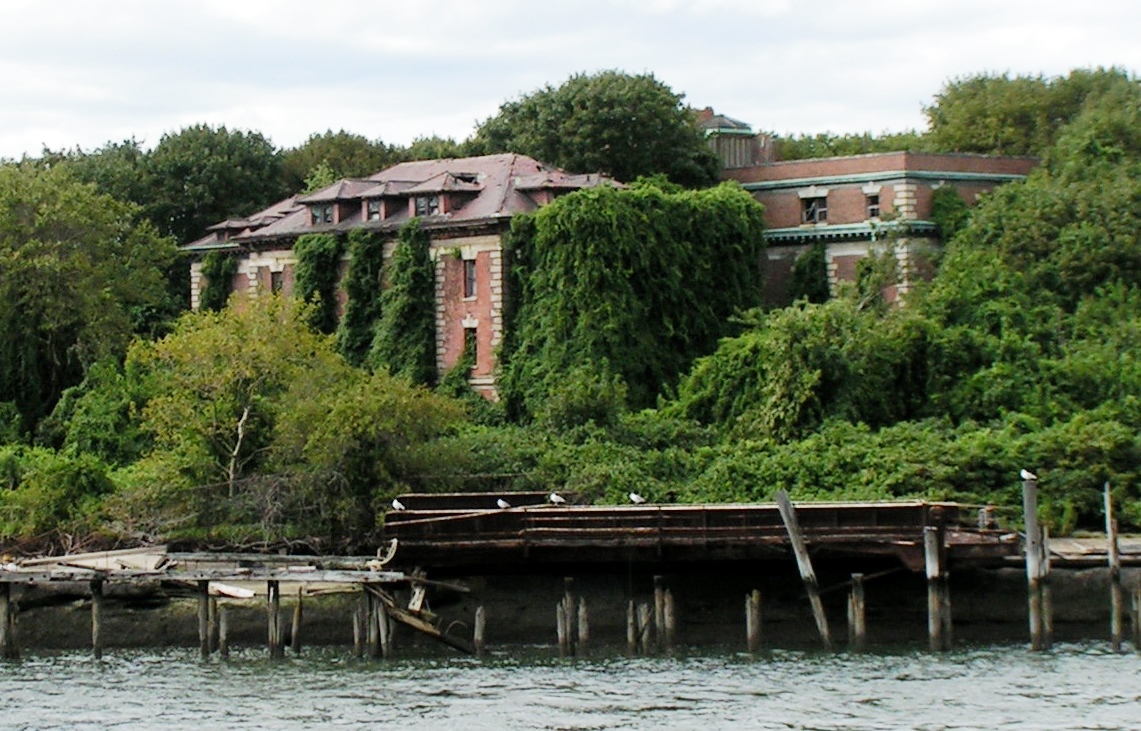
In the late 19th century, New York City faced a crisis of density and disease. As immigrants flooded into Lower East Side tenements, outbreaks of typhus, cholera, and yellow fever threatened to decapitate the city’s economy. The solution was “sanitary isolation.” In 1885, Riverside Hospital was moved to North Brother Island, effectively turning the land into a biological fortress.
Once a patient was ferried to North Brother, they were legally separated from the world. There were no telephones, no visiting hours, and, for many, no exit. The island became the ultimate “gray zone” of American law, a place where the Department of Health held more power than the courts.
2. The Legend of the “Most Dangerous Woman in America”
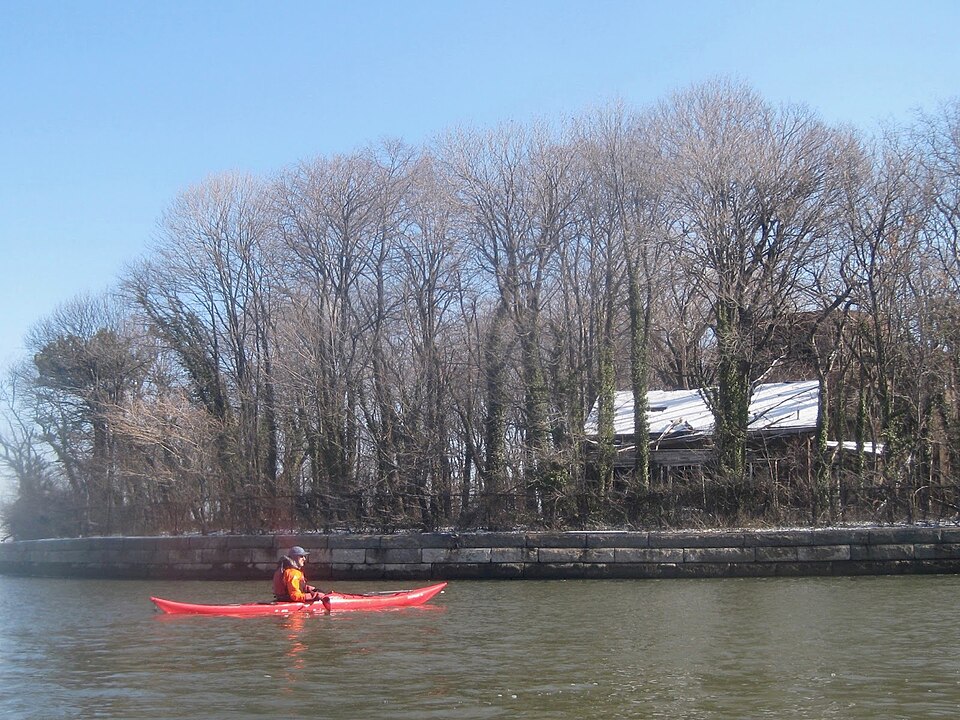
The island’s most famous resident was Mary Mallon, better known as “Typhoid Mary.” Mallon was a healthy carrier of typhoid fever who was blamed for several outbreaks in the city. In 1907, she was forcibly taken to North Brother Island and held in a small cottage for three years.
After being released on the condition that she never cook again, she changed her name and returned to a kitchen. She was recaptured in 1915 and returned to North Brother Island, where she was kept in involuntary isolation for the remaining 23 years of her life. Her case remains a landmark in medical ethics: at what point do a citizen’s civil liberties end and the public’s safety begin? Mallon died on the island in 1938, never having been charged with a crime.
3. The General Slocum Disaster: A Morning of Horror
On June 15, 1904, North Brother Island became the site of the deadliest disaster in New York history until September 11, 2001. A steamship named the General Slocum caught fire on the East River. As the burning ship drifted toward the island, over 1,000 people (mostly women and children from a German church group) drowned or burned to death.
The staff and patients of the island’s hospital stood on the shore, pulling bodies from the water. For weeks, the island’s beaches were covered in debris and victims. To this day, urban explorers and researchers report finding charred remnants of the ship’s hull embedded in the island’s silt during low tide.
4. From War Heroes to the “Heroin Experiment”
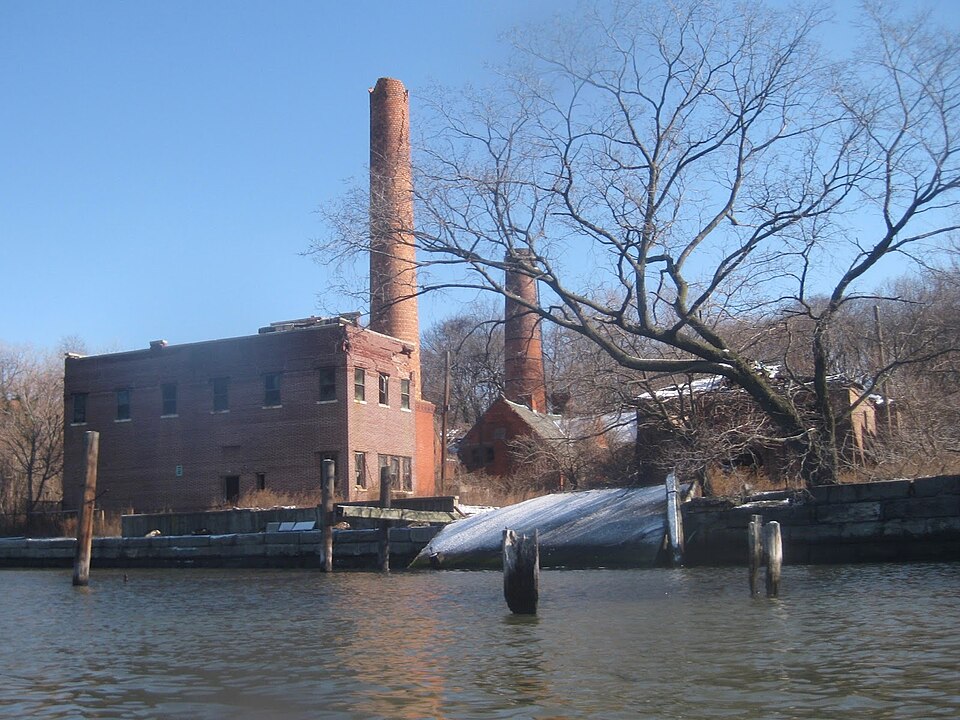
After World War II, the island was briefly used as a housing complex for veterans and their families, but by the 1950s, it took on a darker purpose. It became a juvenile drug treatment center, one of the first in the nation to experiment with “hard” detox for heroin-addicted youth.
The program was a brutal failure. Reports emerged of teenagers being locked in rooms for “cold turkey” withdrawals with almost no medical supervision. The facility was shuttered in 1963 amidst rumors of corruption, patient abuse, and a total lack of success in rehabilitation. When the staff left, they didn’t pack up; they simply walked out, leaving records, medical equipment, and furniture behind.
5. Nature’s Silent Reclamation
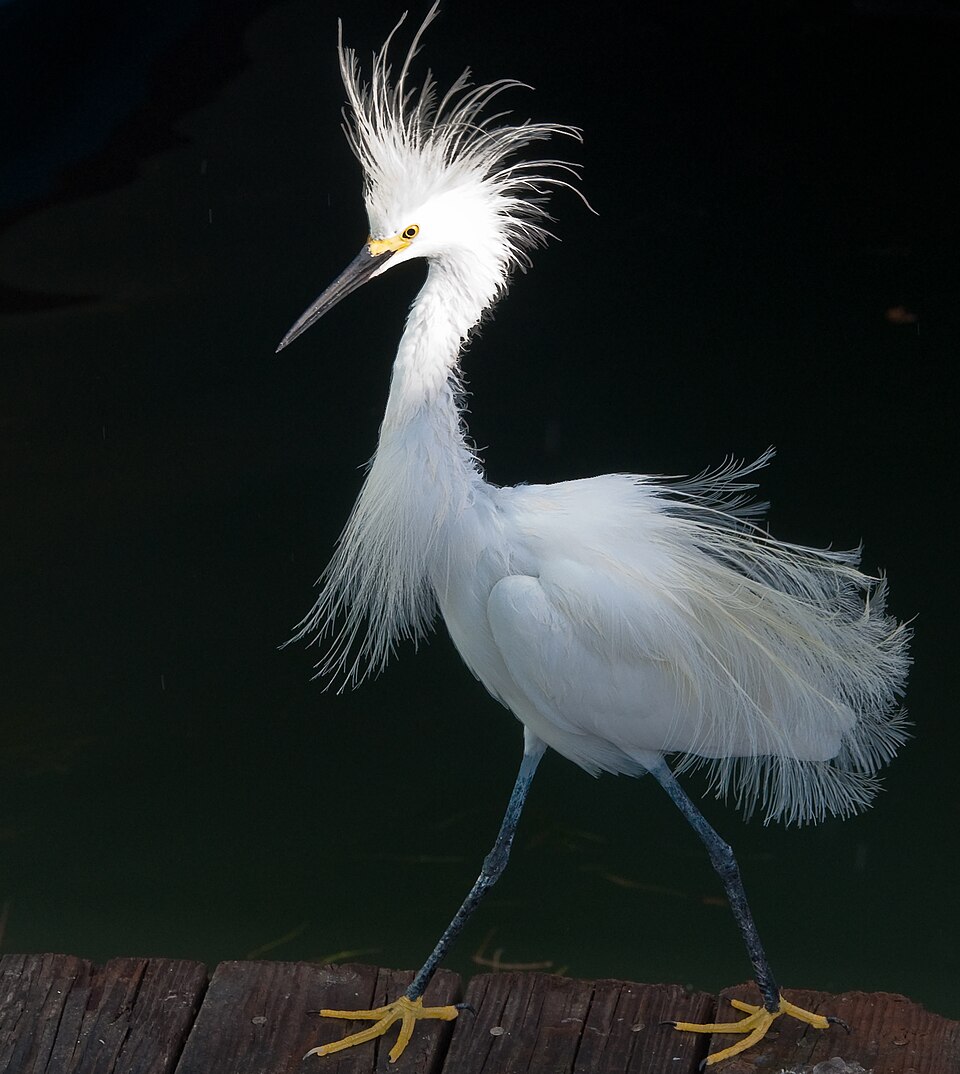
Since 1963, North Brother Island has been legally designated as a migratory bird sanctuary, and the New York City Parks Department enforces a strict “No Access” policy. Because humans have been banned for 60 years, the island has undergone a process called “primary succession.”
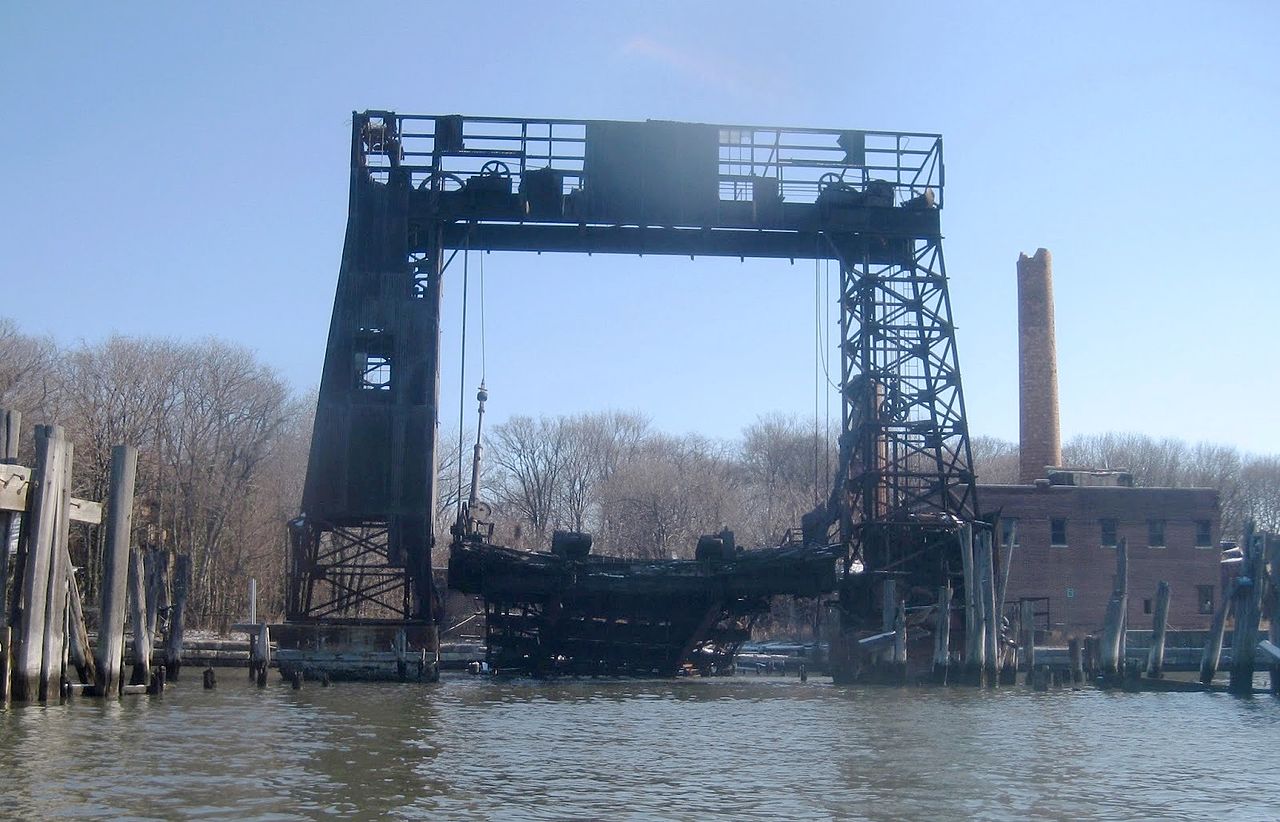
Trees now grow through the roofs of the morgue and the dormitory halls. Vines have crushed the coal plant, and the streets are entirely buried under layers of forest floor. It is one of the only places on Earth where one can see exactly what New York City would look like if humans disappeared tomorrow. It remains a forbidden forest in the middle of a concrete jungle, a monument to the city’s discarded history and the unstoppable power of nature.