


In 2026, the American highway landscape has transitioned into a “digital-first” economy where the cost of your commute depends heavily on the piece of plastic on your windshield. Toll agencies across the country have moved toward all-electronic systems that prioritize local efficiency over traveler convenience. This has created a subtle but significant “non-resident tax,” where out-of-state drivers (who lack local transponders) are funneled into “pay-by-plate” systems that carry heavy administrative markups. For the road-tripper or occasional visitor, navigating these 12 states requires more than a map; it requires a strategy to avoid paying double for the same mile of asphalt.
1) Pennsylvania

Pennsylvania continues to maintain one of the most expensive toll roads in the world. In 2026, the Turnpike commission has implemented another 4% hike, but the real sticker shock is for those without an E-ZPass. “Toll-By-Plate” customers are now charged nearly 40% more than transponder users to cover the logistical overhead of mailing invoices. With billions in transit-related debt to service, the state is increasingly leaning on these high-margin, non-resident billings to balance the books.
2) New Jersey

New Jersey’s 2026 toll strategy focuses on “administrative cost recovery.” While base rate increases on the Turnpike and Garden State Parkway have been kept to a modest 3%, the “processing fees” for mailed invoices have surged. Visiting drivers can expect to see surcharges of $1 to $5 per segment added to their bill. For out-of-state travelers, the Parkway is no longer a scenic shortcut but a high-fee corridor where an electronic pass is essentially a prerequisite for an affordable trip.
3) New York

In New York, the tolling environment is defined by massive infrastructure debt and congestion management. In 2026, crossing a major bridge without an E-ZPass can cost a staggering $2 to $6 more per trip than the discounted local rate. For a family visiting NYC for a weekend, the cumulative cost of bridge, tunnel, and the new “Congestion Pricing” fees can easily exceed $100. The city justifies these gaps as a way to reduce idle time at toll gantry points, but for outsiders, it feels like an entry fee to the metropolis.
4) California

San Francisco Bay Area bridges have reached a financial tipping point in 2026. With standard rates climbing toward $8.50, the “invoice-by-mail” penalty adds an additional $2 or more per crossing. These funds are diverted toward massive seismic retrofitting projects and the maintenance of aging spans. For tourists in rental cars, which often carry their own daily “toll convenience fees”, a single day of sightseeing across the Golden Gate or Bay Bridge can lead to a credit card bill that rivals the cost of dinner.
5) Texas

Texas is home to some of the fastest-growing toll networks in the country, and in 2026, many of these routes are tied directly to inflation. However, the biggest hit to visitors is the “Video Toll” rate. In cities like Austin and Houston, driving without a TxTag or compatible pass can result in rates that are 25% to 50% higher. Because the Texas network is so vast, a cross-state journey can rack up dozens of “video captures,” turning a $20 trip into a $40 expense for those just passing through.
6) Virginia

Virginia’s “Variable Pricing” model in 2026 means that tolls can fluctuate based on real-time traffic density. While locals use E-ZPass to navigate these lanes, out-of-state drivers often find themselves in “Plate-Pay” scenarios where administrative fees are layered on top of peak-hour pricing. Without a transponder, a trip through the Northern Virginia express lanes can become one of the most expensive miles of driving in the country, as the state prioritizes commuter throughput over visitor affordability.
7) Florida
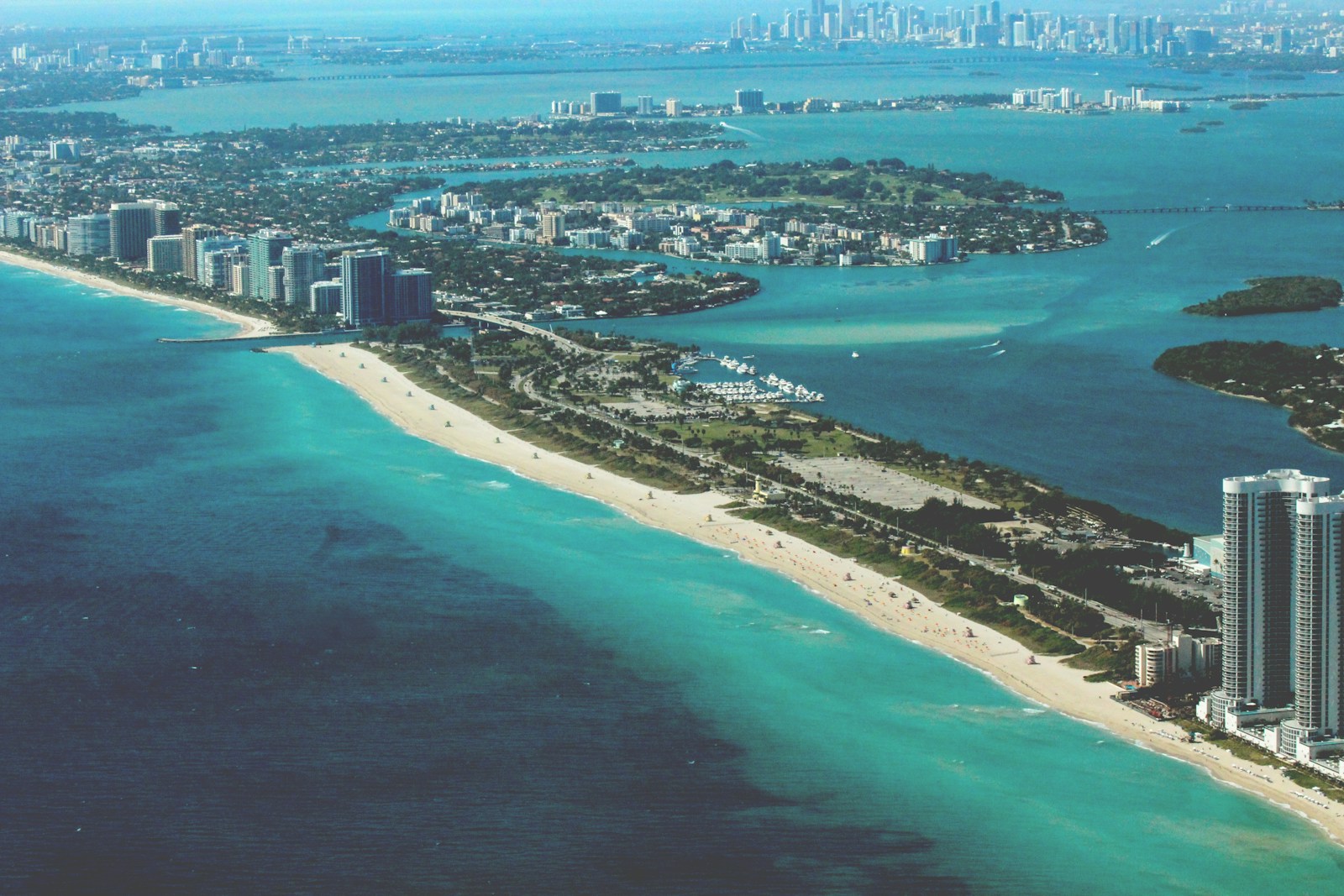
Florida remains a top destination for over 100 million visitors, yet its toll system is strictly optimized for SunPass and E-Pass holders. In 2026, “Toll-By-Plate” rates are consistently 20% to 30% higher than transponder rates. On the Orlando expressways and the Florida Turnpike, these small differences multiply rapidly. The state argues these funds are essential for hurricane-resilient infrastructure, but for the vacationing family, it’s a quiet “tourist tax” that is easily avoided by purchasing a temporary transponder.
8) Illinois

Illinois has fully committed to “all-electronic” tolling, and in 2026, the penalties for non-compliance are steep. Mailed invoices for the I-90 and I-88 corridors now include significant processing add-ons that can double the cost of a single segment. The Illinois Tollway uses these high invoice rates to encourage drivers to set up I-PASS accounts, leaving occasional out-of-state visitors to foot the bill for the system’s administrative “compliance” efforts.
9) Massachusetts
The Massachusetts Turnpike (I-90) is a critical link for New England travel, and in 2026, the state has refined its “EZDriveMA” system to heavily penalize plate-billing. Travelers heading from New York to Maine will find that the lack of a transponder results in several dollars of extra fees at every gantry. With over 120 miles of tolled roadway, the “non-local” premium can add up to the cost of a full tank of gas by the time you reach the state line.
10) Washington
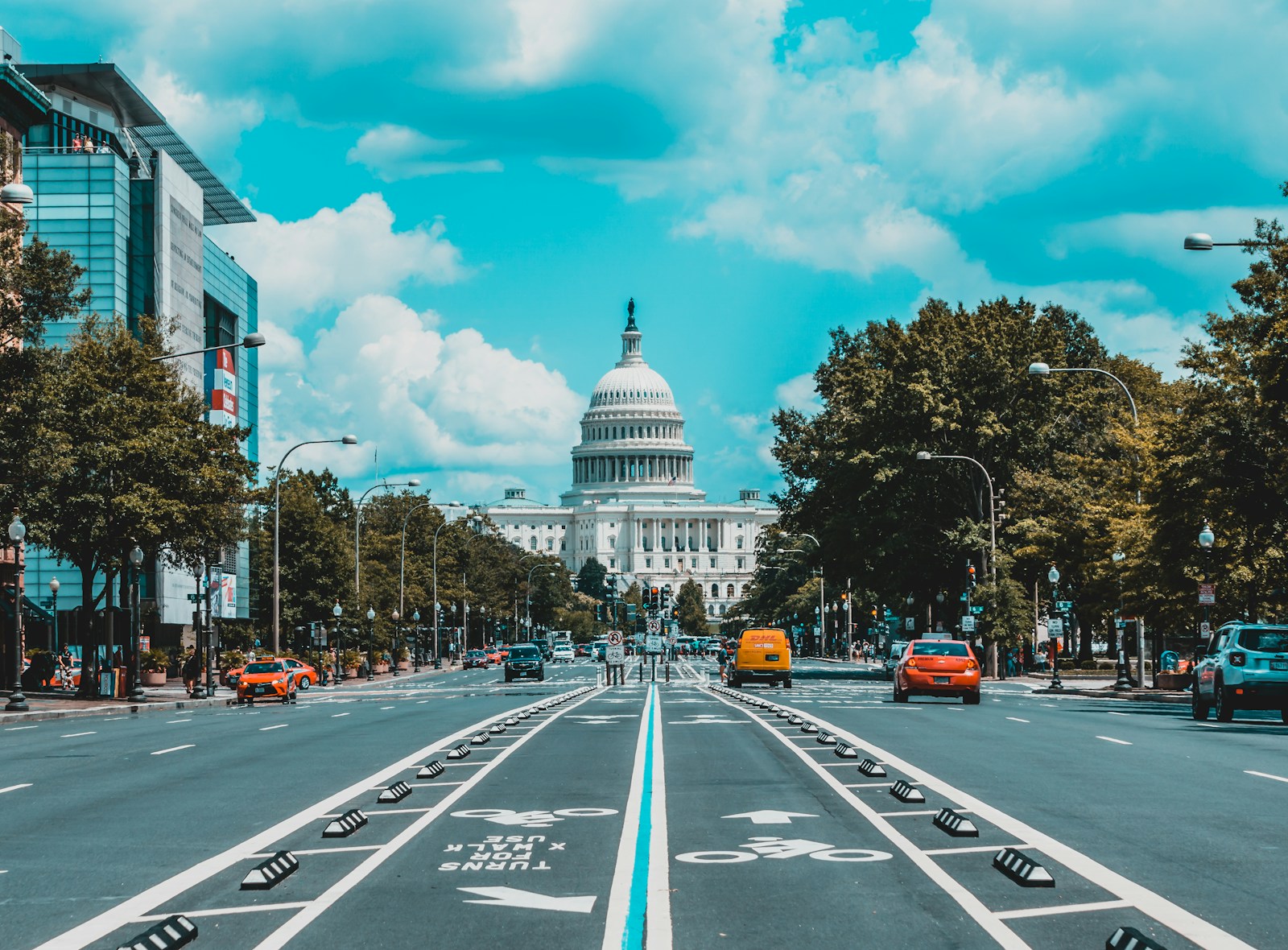
In 2026, Washington State’s tolling is centered on massive bridge projects and Seattle-area congestion. The gap between “Good-To-Go!” account holders and “Pay-By-Mail” customers is one of the widest in the nation, sometimes ranging from $2 to $7 per trip. The state uses this aggressive pricing to pay down multi-billion-dollar construction bonds. For visitors flying into Sea-Tac and renting a car, the lack of a local account can make airport transfers and city commutes surprisingly pricey.
11) Colorado

Colorado’s tolling authority faces the unique challenge of maintaining high-altitude infrastructure against extreme weather. In 2026, their variable-priced “Express Lanes” on I-70 and C-470 offer significant discounts to ExpressToll users. For tourists heading to the ski resorts, paying the “Plate-Pay” rate often means paying a $5 to $10 premium during peak weekend hours. It is a system that clearly favors the weekly local commuter over the seasonal mountain visitor.
12) Maryland

Maryland’s 2026 tolling structure focuses on its critical tunnels and the massive Chesapeake Bay Bridge. While E-ZPass Maryland users enjoy deep discounts, mailed-bill customers are charged at a significantly higher tier. With key crossings costing between $4 and $8 for locals, visitors can expect to pay double-digit figures once administrative fees are applied. Maryland maintains that this encourages traffic flow, but for travelers on the I-95 corridor, it creates a consistent financial hurdle for those without a regional pass.

