

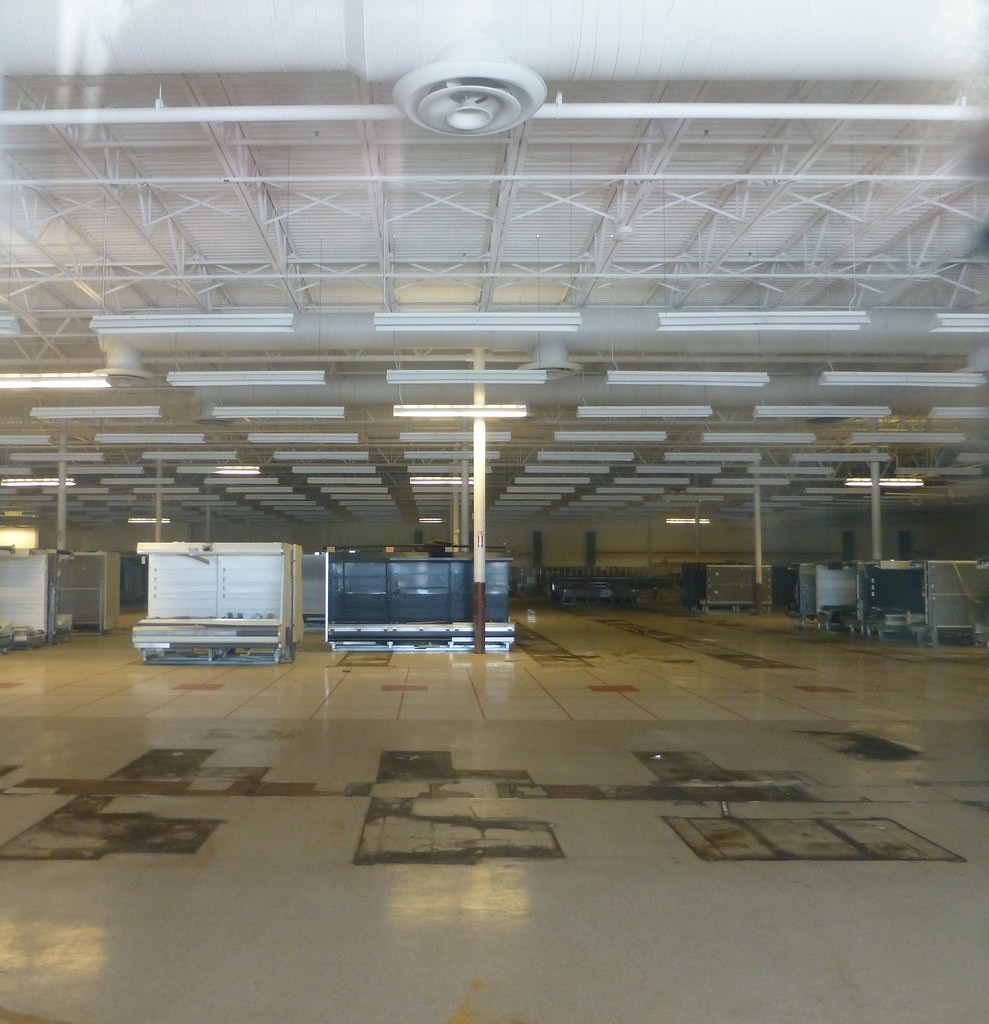
Across the European continent, monuments to profound economic hubris and political miscalculation stand gleaming and utterly empty. These are the “ghost terminals,” multi-billion euro aviation complexes conceived during boom years on the back of wildly optimistic passenger forecasts, only to be abandoned, delayed, or cancelled when reality arrived. They represent not just financial loss—which collectively runs into the tens of billions—but a stark symbol of grand ambition unmoored from rational infrastructural demand. From Spain’s arid plains to the outskirts of a unified German capital, these vast, silent concrete shells have become the most expensive modern ruins in Europe, haunting the continent’s balance sheets and challenging the very notion of prudent public spending.
Berlin Brandenburg Airport (BER), Germany
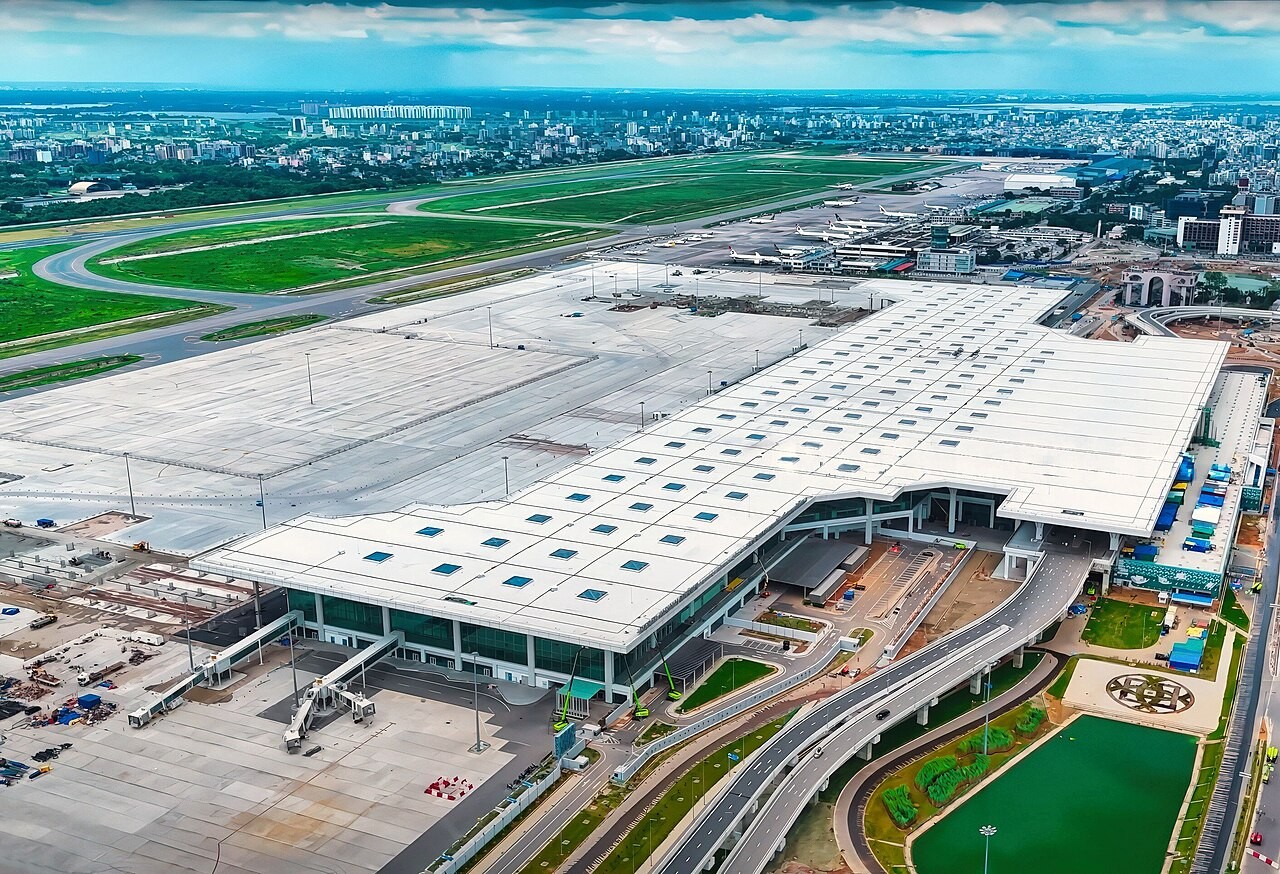
The saga of the Berlin Brandenburg Airport Willy Brandt, though eventually resolved, defines the modern European infrastructure catastrophe. Conceived to replace Berlin’s aging Cold War-era airports, the project’s cost spiralled from an initial estimate of approximately €2 billion to over €6 billion by the time it finally opened. Its initial grand opening, planned for June 2012, was canceled just weeks before the ribbon-cutting ceremony due to catastrophic and systemic technical failures, most infamously an entirely non-functioning fire safety system. For nine years, the completed terminal stood as a functional “ghost airport,” racking up maintenance costs estimated at up to €20 million per month to run its lights and air conditioning simply to keep the empty structure viable. It was a monument to mismanagement until its belated opening in October 2020.
Notre-Dame-des-Landes Airport, France
The proposed *Aéroport du Grand Ouest* near Nantes, France, represents an instance where public and political resistance prevented the completion of a major project, leaving behind only cost and controversy. The new airport was intended to replace the existing Nantes Atlantique Airport, with its projected cost placed at approximately €580 million. After decades of legal battles and a definitive local referendum in 2016 which controversially supported the project, the site became the focal point of a decade-long occupation by environmental and anti-capitalist protesters. The French government finally abandoned the project entirely in January 2018, citing the protracted and costly civil unrest. While the terminals themselves never materialized, the cancellation of a project that had already consumed millions in preparatory legal fees and administrative costs, and the subsequent expense of dismantling the work that had been carried out, cemented its status as a notorious failure of state planning.
Vienna Airport Third Runway, Austria
The cancellation of Vienna International Airport’s long-planned third runway extension serves as a multi-billion euro cautionary tale of foresight failing to adapt to a changing global landscape. Projected to cost approximately €2 billion, the massive infrastructure expansion was intended to secure Vienna’s competitive position as the central hub connecting Western and Eastern Europe. The project was continually delayed by protracted environmental lawsuits and, crucially, a dramatic shift in airline economics toward larger, more efficient aircraft that lessened the immediate necessity for increased runway capacity. In a rare move for such a long-term plan, the airport operator formally scrapped the proposal, citing “massively” increased projected construction costs and a clear reluctance from airlines to support the required tariff increases. The cancellation of the fully planned, two-billion-euro expansion ensured that this passenger capacity now exists only as a costly ghost in the airport’s master plans.
Ciudad Real International Airport, Spain
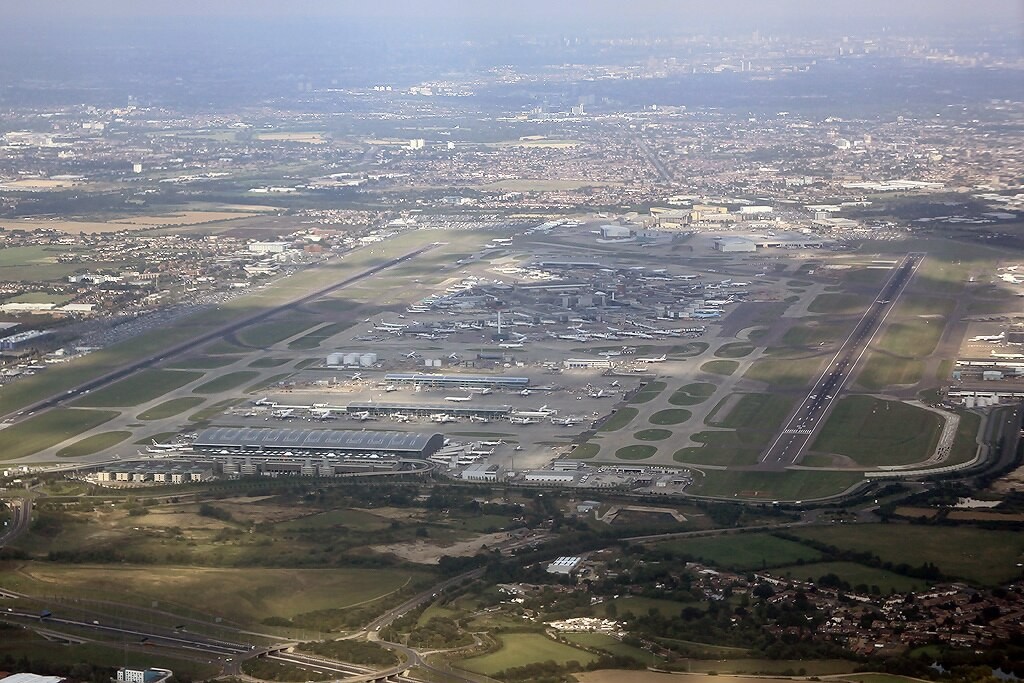
The first privately-owned international airport in Spain, Ciudad Real International Airport (CRIA), became an almost immediate symbol of the country’s post-2008 financial collapse. Built at a reported cost exceeding €1.1 billion, the facility was designed to relieve congestion from Madrid-Barajas Airport, located over 200 kilometers away. It featured one of Europe’s longest runways, capable of accommodating the Airbus A380. However, a combination of the national economic crisis and its inconveniently remote location led to its rapid downfall. After operating scheduled passenger flights for barely three years, the airport officially ceased all commercial service in April 2012. It stood completely derelict for years, with its 4,000-meter runway famously marked with large yellow crosses to deter accidental landings, before it was eventually sold for a mere fraction of its construction value in 2018.
Castellón–Costa Azahar Airport, Spain
Castellón–Costa Azahar Airport, a coastal facility officially inaugurated in March 2011, stands as the most visually absurd symbol of Spain’s infrastructure bubble, perfectly embodying the vanity project ethos. Although its final construction cost was lower than its multi-billion counterparts, at over €150 million, its initial existence was defined by spectacular emptiness, operating without official government approval or a single secured airline. The airport’s three-year period without commercial passenger traffic, following its formal opening, earned it the “ghost airport” moniker. The most defining feature of its hubris is the 24-meter-tall bronze statue of a local political proponent that stands outside the empty terminal, a perpetual, silent sentinel over the barren tarmac. Scheduled commercial flights did not commence until 2015, four years after the grand opening, a time during which the facility was a financial drain that was entirely redundant to the region’s existing, functional airports.

