As 2026 unfolds, the U.S. Department of State has significantly updated its travel advisories, placing several nations under its highest “Do Not Travel” warning. These advisories, reflecting critical safety concerns ranging from armed conflict to severe crime and political instability, urge American citizens to avoid these destinations entirely. Understanding these designations is crucial for any traveler to ensure safety and informed decision-making amidst a complex global landscape.
Afghanistan: A Nation in Crisis
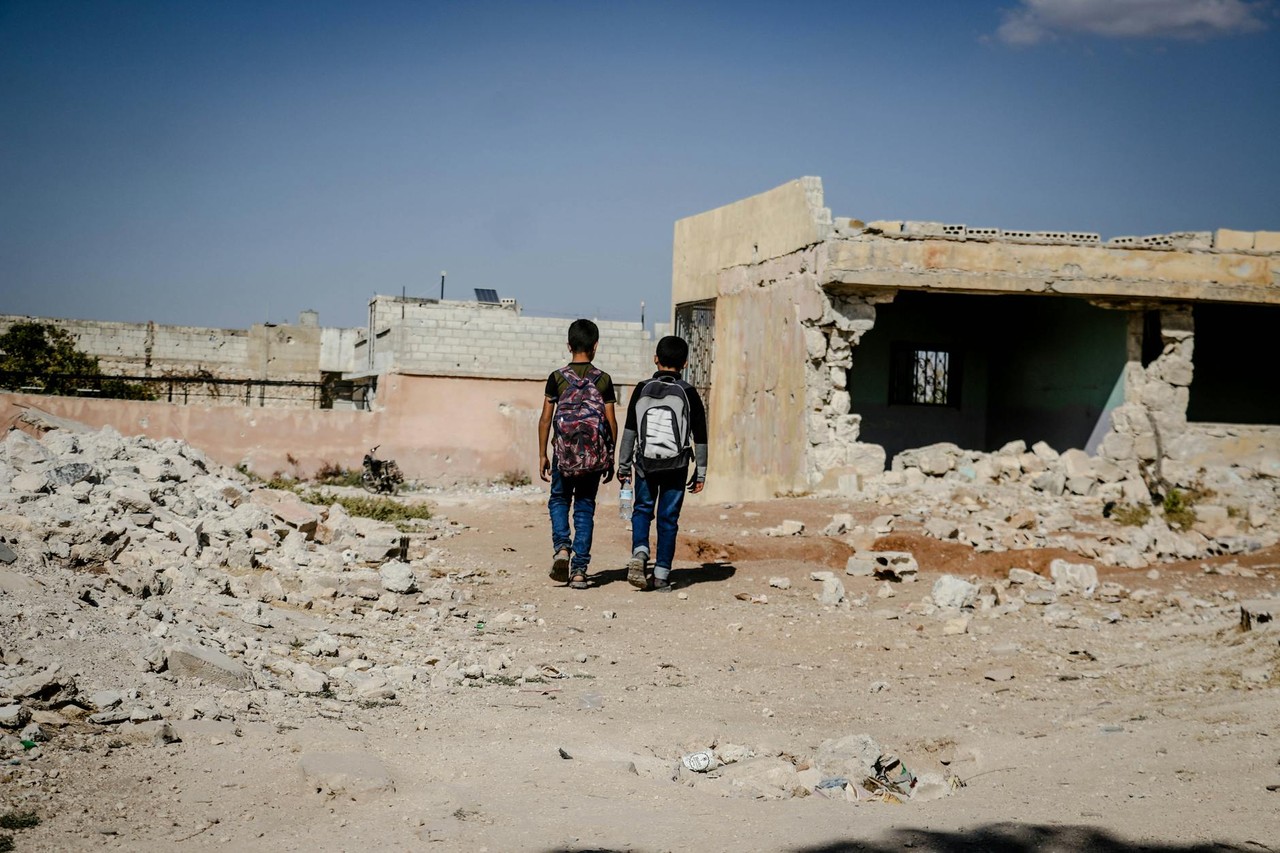
Afghanistan remains under the U.S. Department of State’s Level 4: “Do Not Travel” advisory due to persistent armed conflict and extreme security risks. The ongoing instability, coupled with the threat of terrorism and kidnapping, makes travel exceptionally dangerous. The U.S. government has a severely limited, if any, ability to provide assistance to its citizens in Afghanistan. U.S. citizens currently in the country are strongly advised to depart as soon as it is safely possible, given the high potential for violence and the lack of reliable consular support. For those considering travel, the risks associated with the volatile political and security situation far outweigh any potential benefits, making it imperative to heed the State Department’s warning.
Haiti: Navigating Political and Criminal Turmoil

Haiti is currently designated as a “Do Not Travel” destination by the U.S. Department of State due to severe political instability and high levels of crime. The country has experienced a state of emergency, with widespread reports of robbery, carjacking, sexual assault, and kidnapping for ransom. The U.S. government’s capacity to offer assistance to American citizens in Haiti is extremely limited, exacerbating the risks faced by those present. U.S. citizens are strongly urged to leave Haiti if it is safe to do so and to avoid all travel to the island nation. The volatile security situation and the prevalence of violent crime make it an exceptionally hazardous environment for foreign visitors.
Iran: Geopolitical Tensions and Detention Risks

Travel to Iran is strongly discouraged by the U.S. Department of State, carrying a Level 4: “Do Not Travel” advisory. The primary concerns include the risk of terrorism, civil unrest, kidnapping, and arbitrary arrest or wrongful detention. Significantly, there is no U.S. Embassy in Iran, meaning American citizens in the country have virtually no consular support in case of an emergency. The U.S. government advises all citizens to leave Iran immediately if they are present. The complex geopolitical relationship and the potential for severe personal risk make this destination one to avoid for American travelers.
Myanmar: Escalating Safety Concerns

Myanmar has been placed under a Level 4: “Do Not Travel” advisory by the U.S. Department of State due to escalating safety concerns following a military coup. The country is experiencing significant instability, and the U.S. government’s ability to provide assistance to its citizens is highly restricted. As of early 2026, Myanmar has been actively denying visa applications from Americans, citing security concerns, which translates to an increased risk of Americans being caught in the crossfire. Given the volatile situation and the lack of a robust consular presence, U.S. citizens are strongly advised to avoid all travel to Myanmar. The combination of political turmoil and safety risks makes it an inadvisable destination.
Syria: Ongoing Armed Conflict
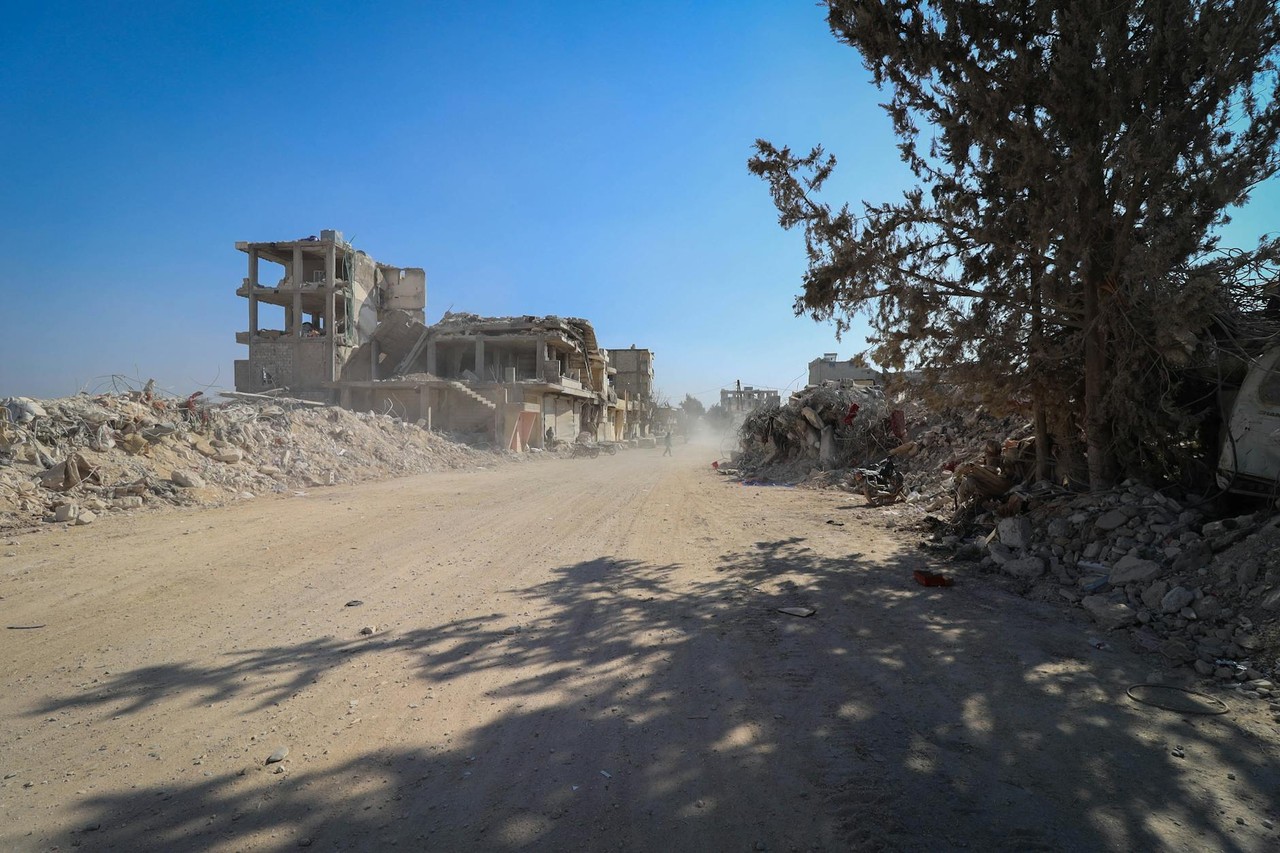
Syria remains on the U.S. Department of State’s “Do Not Travel” list due to the pervasive and ongoing armed conflict across the country. There is no safe area within Syria, with frequent shelling, missile, and drone attacks impacting populated areas and civilian infrastructure. The U.S. government has a very limited capacity to assist American citizens in Syria, posing extreme risks for any visitors. The ongoing violence, terrorism, and widespread instability necessitate that Americans avoid travel to Syria entirely. The U.S. government strongly advises against all travel due to the severe risks of terrorism, conflict, detention, and civil unrest.
Ukraine: Active War Zone

Ukraine is currently under a Level 4: “Do Not Travel” advisory from the U.S. Department of State due to the active war zone conditions. The country is subject to frequent shelling, missile, and drone attacks by Russia, posing significant risks to civilian populations and infrastructure. The U.S. government’s ability to provide consular assistance to American citizens in Ukraine is severely limited, making any travel there exceptionally dangerous. U.S. citizens are strongly urged to depart Ukraine as soon as it is safe to do so, and to avoid all non-essential travel to the nation. The current conflict makes Ukraine an extremely high-risk destination, with life-threatening dangers prevalent throughout the country.