

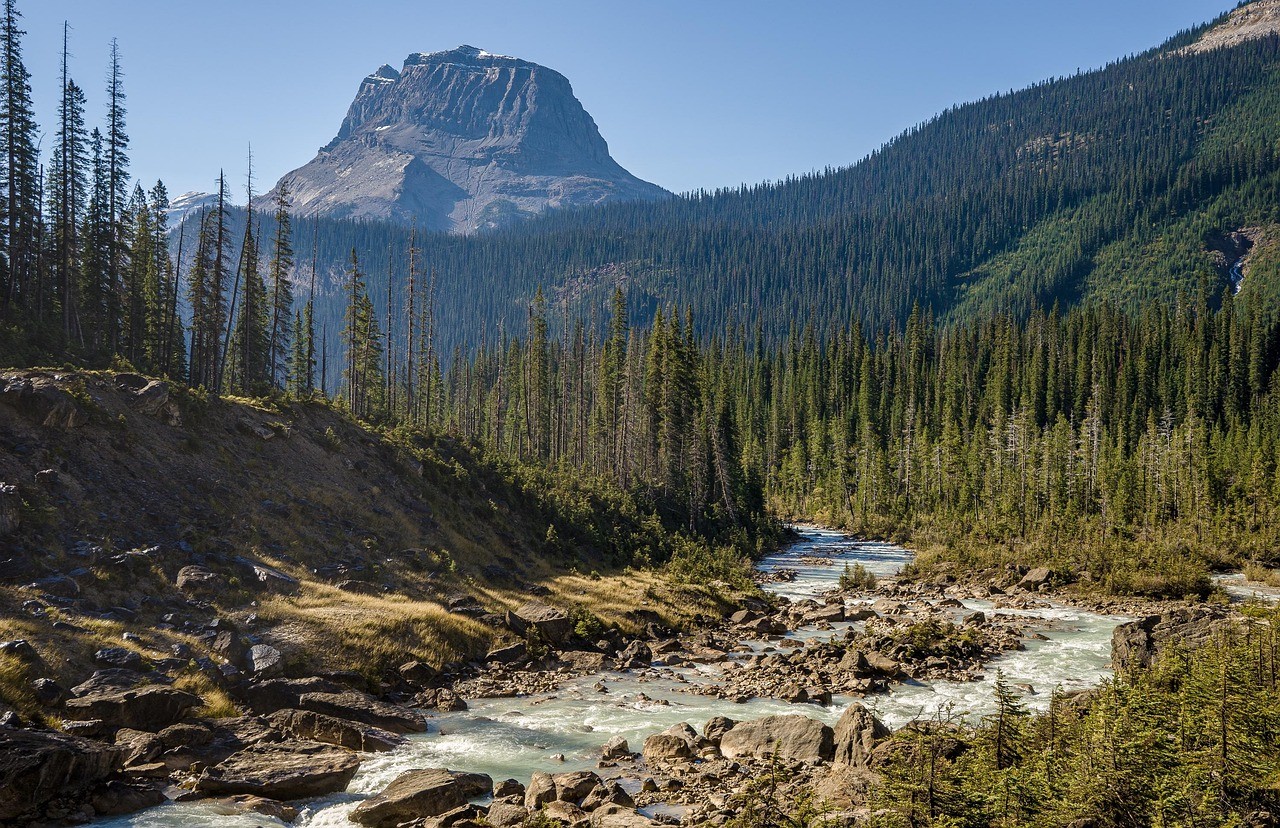
The debate over which nation boasts the superior national park system is as grand and majestic as the landscapes they protect. The United States, with its sprawling network of parks, each a testament to diverse ecosystems and iconic landmarks, often takes center stage. Canada, however, presents a compelling counterargument with its own vast wilderness, characterized by unparalleled ruggedness and a commitment to preserving immense tracts of pristine nature. This comparison delves into the unique strengths and offerings of each system, exploring what truly defines a “winning” national park experience for visitors and conservationists alike.
Iconic American Vistas and Their Preservation
The United States National Park Service is renowned for its iconic landmarks, drawing millions of visitors annually. Think of the geysers of Yellowstone, the granite cliffs of Yosemite, or the sheer immensity of the Grand Canyon. These parks often feature extensive infrastructure, including visitor centers, paved trails, and well-maintained campgrounds, making them accessible to a broad audience. The historical significance and cultural narratives embedded within these sites further enhance their appeal. Preservation efforts here focus on managing high visitor impact while safeguarding these irreplaceable natural and historical treasures for future generations.
Canada’s Untamed Wilderness and Vast Scale
Canada’s national parks, managed by Parks Canada, often emphasize the sheer scale and wildness of their landscapes. Parks like Banff, Jasper, and Pacific Rim National Park Reserve showcase breathtaking mountain ranges, pristine glaciers, and rugged coastlines. The emphasis is frequently on experiencing nature in its rawest form, with opportunities for backcountry exploration and wildlife viewing. While visitor numbers are significant, the vastness of many Canadian parks allows for a greater sense of solitude. Conservation here often means protecting enormous ecosystems and the wildlife corridors that connect them, presenting a different set of management challenges.
Biodiversity and Ecosystem Richness Compared
Both nations are home to remarkable biodiversity, but the scale and type of ecosystems differ. The U.S. parks protect a wide array of biomes, from the deserts of Joshua Tree to the rainforests of Olympic. Canada’s parks, however, often encompass larger, more contiguous wilderness areas, crucial for large mammal migration and the health of extensive boreal forests and Arctic tundra. The protection of these vast, interconnected ecosystems is a hallmark of Canada’s approach, aiming to preserve ecological integrity on a continental scale.
Visitor Experience and Accessibility
The U.S. park system generally excels in providing a highly curated and accessible visitor experience. Interpretive programs, diverse lodging options, and extensive trail networks cater to families, casual hikers, and seasoned adventurers alike. Accessibility is a key consideration, with many facilities designed to accommodate visitors with varying mobility needs. Canadian parks also offer visitor services, but the emphasis can lean more towards self-guided exploration and a rugged outdoor adventure, appealing to those seeking a more immersive wilderness encounter.
Conservation Philosophies and Challenges
While both countries share a fundamental commitment to conservation, their approaches can differ. The U.S. often grapples with balancing high visitation numbers with resource protection, leading to strategies for visitor management and impact mitigation. Canada, with its less dense population and larger park sizes, can sometimes focus on preserving vast, undeveloped tracts. Challenges in Canada include managing remote wilderness areas and protecting species within these expansive landscapes, while the U.S. faces issues like invasive species and the effects of climate change on diverse, often more fragmented, park environments.
The Verdict: A Matter of Perspective
Ultimately, declaring a definitive “winner” in the national park debate is subjective. The United States offers iconic, accessible, and culturally rich experiences with a strong emphasis on visitor engagement. Canada presents unparalleled wilderness, vastness, and opportunities for deep immersion in nature. Both systems are invaluable treasures, each safeguarding unique aspects of North America’s natural heritage. The true victory lies not in choosing one over the other, but in appreciating the distinct beauty, ecological significance, and recreational opportunities that both the U.S. and Canadian national parks provide.
