

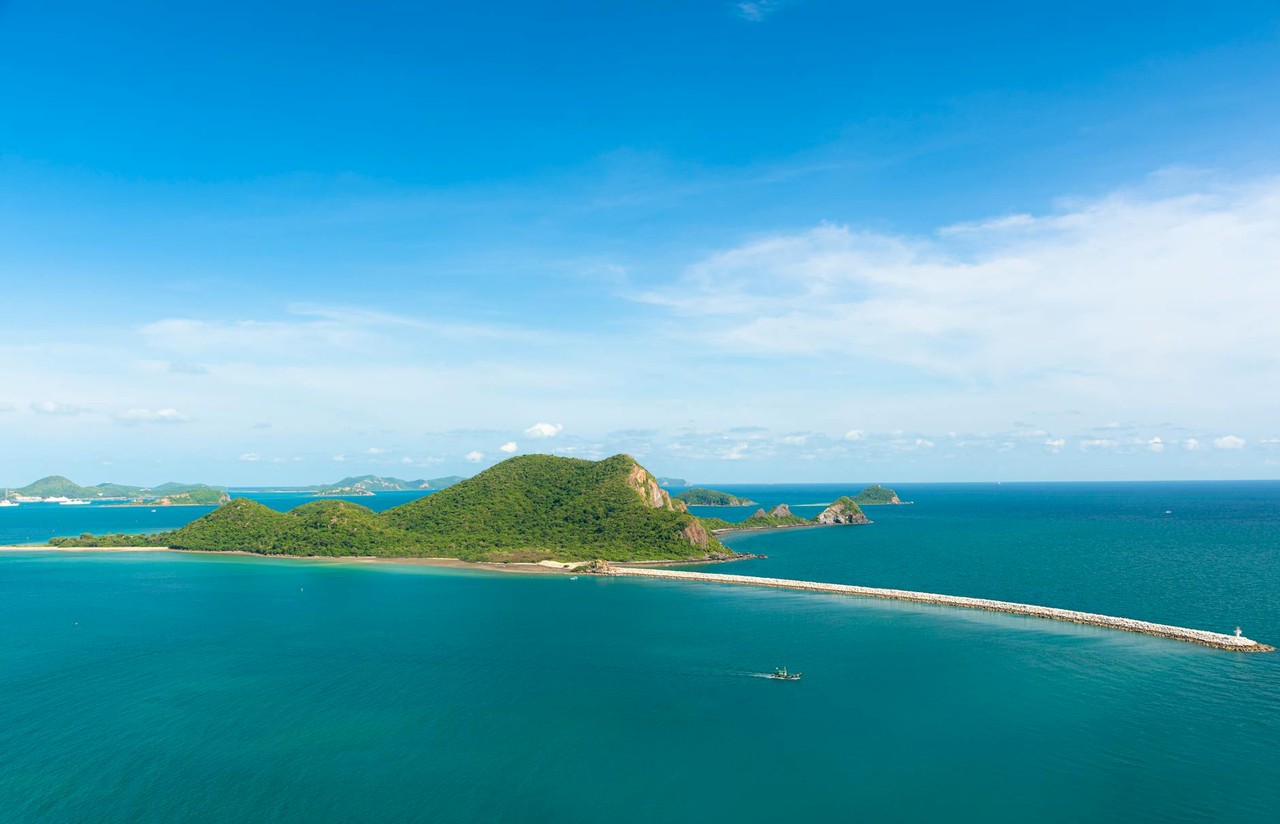
Clipperton Island, a remote coral atoll in the eastern Pacific, was once the site of a tragic experiment in colonization. In 1906, 100 men, women, and children were sent to establish a settlement, dependent on regular supply ships from Mexico. However, the onset of the Mexican Revolution and World War I disrupted these vital shipments, leaving the inhabitants isolated and struggling for survival. What followed was a harrowing tale of starvation, disease, and ultimately, a descent into madness and tyranny on this desolate speck of land.
The Promise of Prosperity and Guano
In the early 20th century, Clipperton Island, with its rich guano deposits, presented a vision of prosperity. Guano, the accumulated droppings of seabirds, was a highly sought-after fertilizer due to its high nitrogen and phosphorus content, vital for agriculture and even explosives. This valuable resource attracted international interest, leading to a joint British and Mexican effort to establish a mining settlement in 1906. Approximately 100 individuals, including men, women, and children, were brought to the island with the promise of a new life, under the governance of Captain Ramón Arnaud. The plan relied on bi-monthly supply shipments from Acapulco, Mexico, to sustain the burgeoning colony.
Whispers of Revolution, Roars of War
The fragile equilibrium of the Clipperton Island colony was shattered by the seismic events unfolding on the mainland. The Mexican Revolution, erupting around 1910, and the global conflagration of World War I, drastically disrupted the regular supply shipments that were the colony’s lifeline. What were once predictable resupplies became increasingly infrequent, then ceased altogether. The inhabitants, accustomed to a degree of dependence on external provisions, found themselves increasingly isolated, facing dwindling food stores and the growing realization that they were truly alone in the vast expanse of the Pacific. This severance from the outside world marked the beginning of their descent into a desperate struggle for survival.
The Descent into Scurvy and Starvation
As the supply lines to Clipperton Island completely broke down, the grim reality of isolation began to take its toll. Dwindling rations led to widespread malnutrition, and the lack of fresh provisions resulted in the onset of scurvy, a debilitating disease caused by vitamin C deficiency. Symptoms such as bleeding gums, fatigue, and weakness became rampant among the colonists. The once-promising settlement transformed into a scene of suffering, where the basic necessities of life became a daily battle. Men, weakened by disease and hunger, succumbed one by one, leaving a dwindling number of survivors facing an increasingly bleak future. The island, once envisioned as a place of opportunity, was rapidly becoming a place of despair.
The Rise of a Tyrant
Amidst the despair and dwindling numbers, a new, sinister figure emerged from the desolate landscape: Victoriano Álvarez, the island’s lighthouse keeper. With the death of Captain Arnaud and the majority of the male population, Álvarez declared himself the “King of Clipperton Island.” His rule was one of absolute terror. Exploiting his position and the vulnerability of the remaining women and children, he hoarded any remaining weapons and enforced his will through violence, rape, and starvation. His reign of tyranny, fueled by isolation and mental anguish, created an environment of constant fear and suffering for the few souls left on the island.
A Glimmer of Hope, A Final Act of Defiance
The harrowing reign of Victoriano Álvarez continued for over two years, a period marked by unimaginable brutality and despair. The remaining women and children lived in constant terror, their hopes for survival diminishing with each passing day. However, in July 1917, a desperate plan began to form. Driven by a primal instinct for survival and the courage born of extreme oppression, two women, Alicia Arnaud and Tirza Rendón, took matters into their own hands. In a climactic act of defiance, they confronted and murdered Álvarez, ending his tyrannical rule and offering a sliver of hope to the surviving inhabitants. This act of bravery, though born of horrific circumstances, marked a turning point in the island’s tragic narrative.
Rescue and the Island’s Legacy
Following the demise of their tormentor, the few remaining survivors on Clipperton Island were eventually discovered by the crew of the American ship Yorktown in July 1917. The rescued party consisted of only three women and seven children, a stark testament to the devastating toll the ordeal had taken. They were brought back to Mexico, their harrowing story of abandonment, starvation, madness, and survival soon becoming a legend. Clipperton Island was declared French territory in 1931 after international arbitration, and though it has seen occasional scientific visits, it has remained uninhabited since 1945, a silent monument to a forgotten tragedy.
