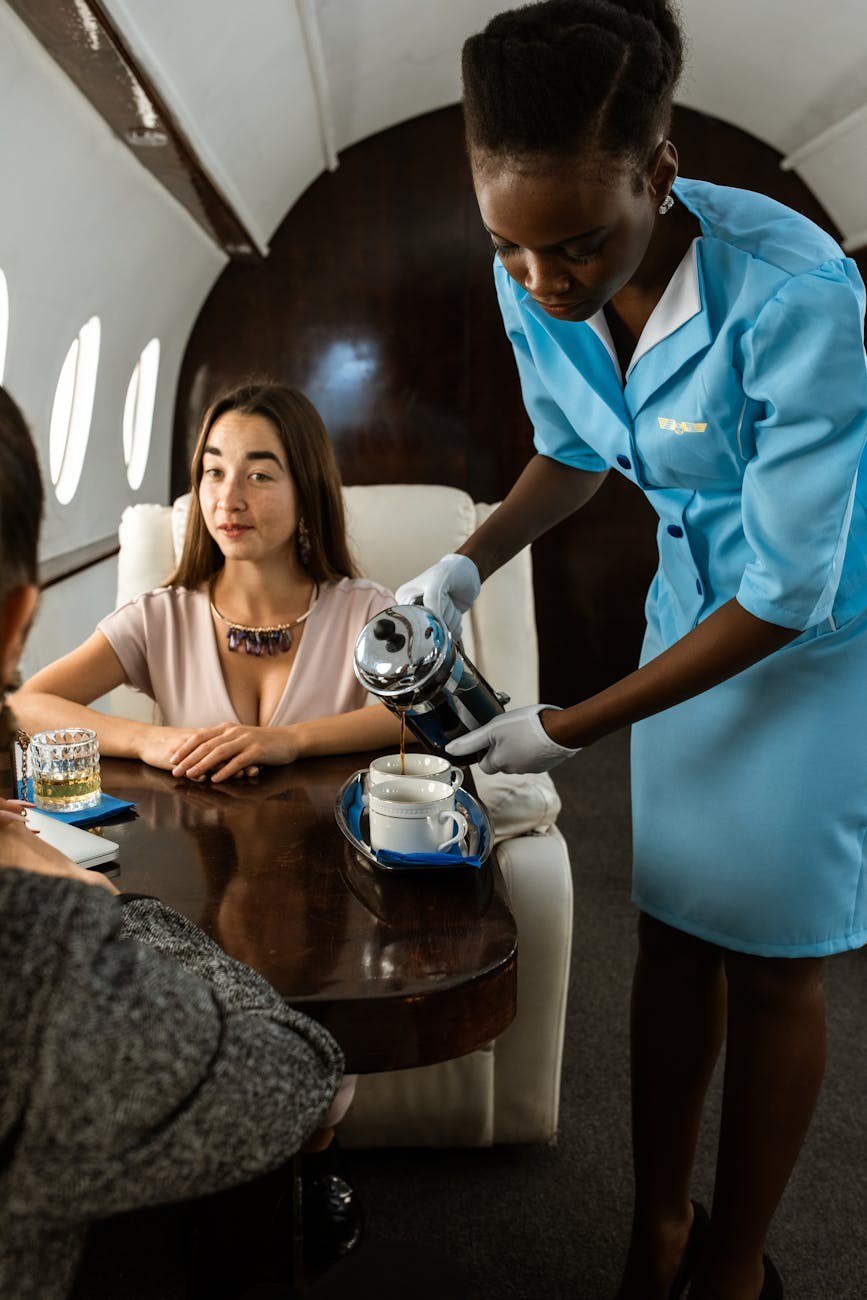
Flight attendants, the unseen navigators of our sky-high journeys, often encounter passenger requests that range from the mundane to the surprisingly peculiar. While most interactions are smooth, certain orders can elicit a quiet sense of alarm or at least a raised eyebrow amongst the crew. These aren’t necessarily forbidden requests, but rather those that signal a lack of awareness about the unique environment of an aircraft or a disregard for the operational complexities flight attendants manage. Understanding these subtle cues can enhance the travel experience for everyone, ensuring a more pleasant flight.
1. Ordering Diet Coke
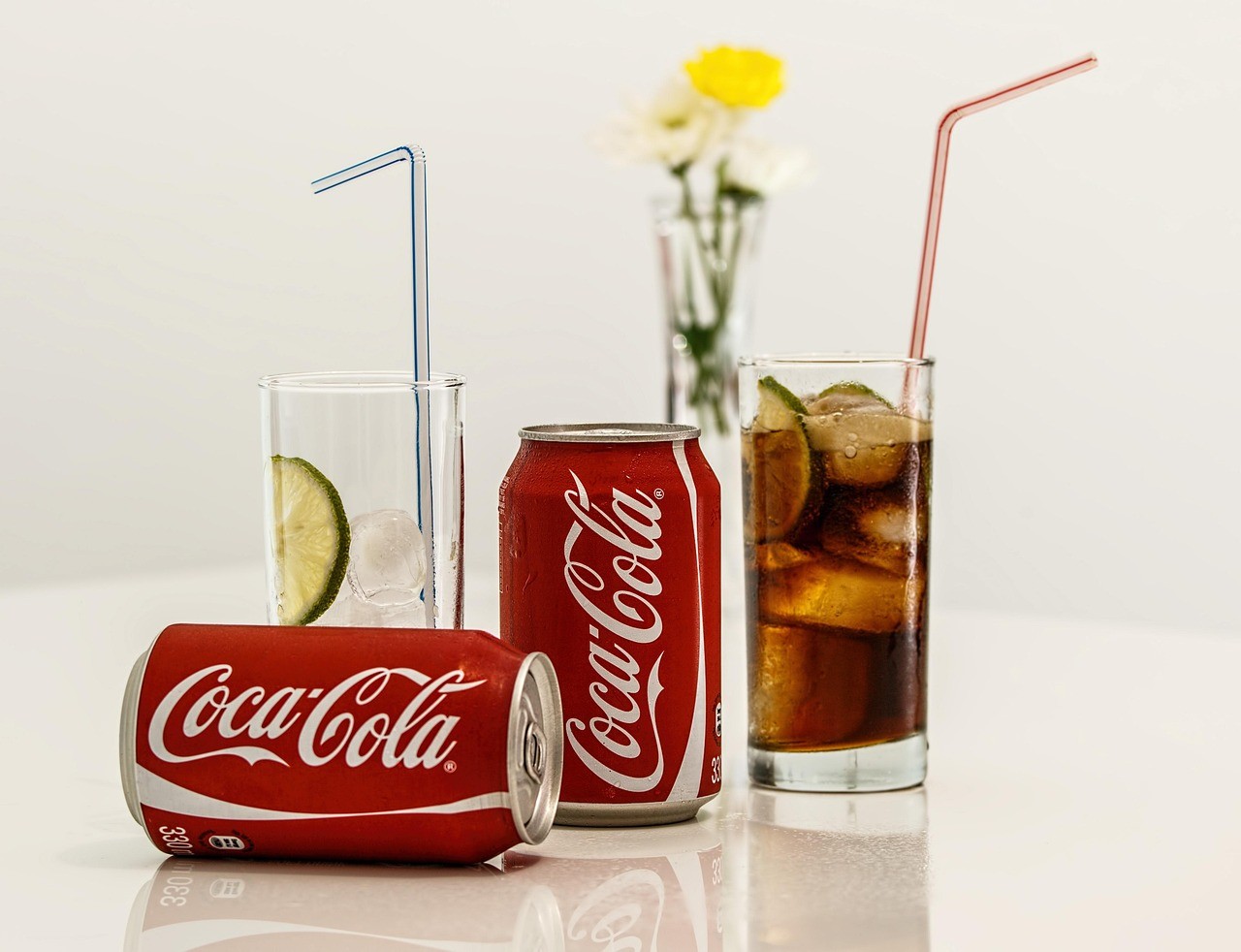
The effervescence of carbonated beverages, particularly Diet Coke, can be a significant challenge at cruising altitude due to the lower cabin pressure. Flight attendants often have to wait for the excessive foam to dissipate before they can properly pour the drink. This can cause a noticeable slowdown in service, especially if multiple passengers request it simultaneously. A flight attendant might have to wait for the bubbles to settle before continuing to pour, effectively doubling or tripling the time it takes to serve a round of drinks. Some attendants resort to serving the can with a cup of ice, allowing passengers to pour their own to save time.
2. Requesting Hot Water for Personal Use
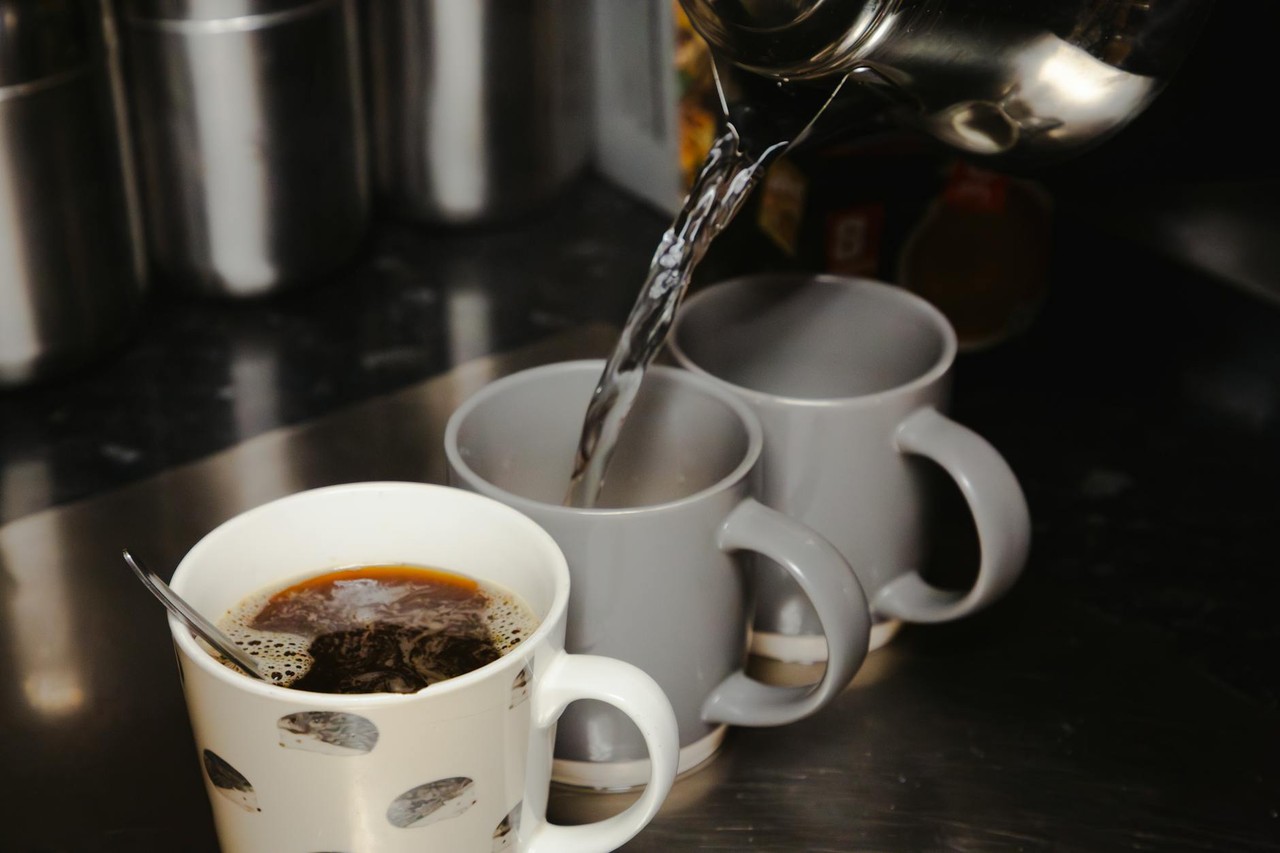
While flight attendants can provide hot water for official beverage preparation like tea or coffee, requests for hot water to heat up personal food items, such as instant noodles or ramen, can be met with hesitation. Although not strictly forbidden, these requests can be perceived as an imposition, especially if the galley is busy or if there’s a concern about maintaining hygiene standards with outside food. Some flight attendants might oblige, but it signals a passenger who may be unaware of or indifferent to the operational constraints and hygiene considerations within the aircraft galley.
3. Asking for Your Drink Without Ice
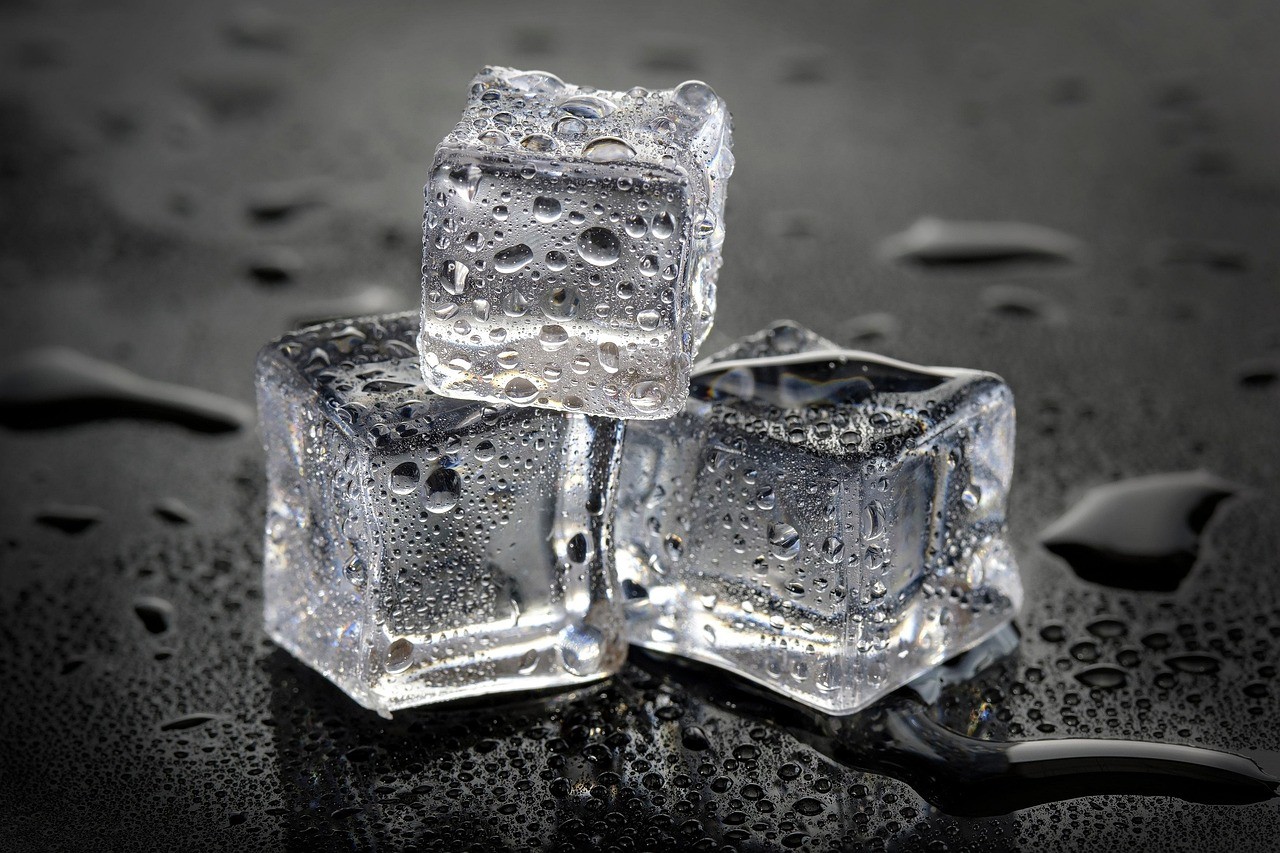
While seemingly innocuous, requesting a drink without ice can sometimes signal to a flight attendant that the passenger is primarily concerned with maximizing the volume of their beverage rather than the temperature. Flight attendants typically serve drinks with ice to manage beverage temperature and portion control. When a passenger explicitly asks for no ice, it can sometimes be interpreted as an attempt to get more liquid, which might subtly alarm the crew as it deviates from standard service procedures. Some airlines may also have policies about not serving drinks directly from cans to avoid them being used as projectiles, further complicating requests for full cans without ice.
4. Bringing Your Own Empty Water Bottle to Be Filled

The request to fill a personal water bottle, even if empty, can cause alarm among flight attendants. Aircraft water tanks have a finite supply, and this water is allocated for various services including making hot beverages and for the needs of all passengers. Filling a personal bottle, which can hold a significant volume, can strain this limited supply, especially on longer flights or when many passengers have the same request. Flight attendants might fill it only halfway, explaining that they need to conserve water for the rest of the cabin. It’s generally advised to fill up at airport water stations before boarding.
5. Ordering Coffee or Tea
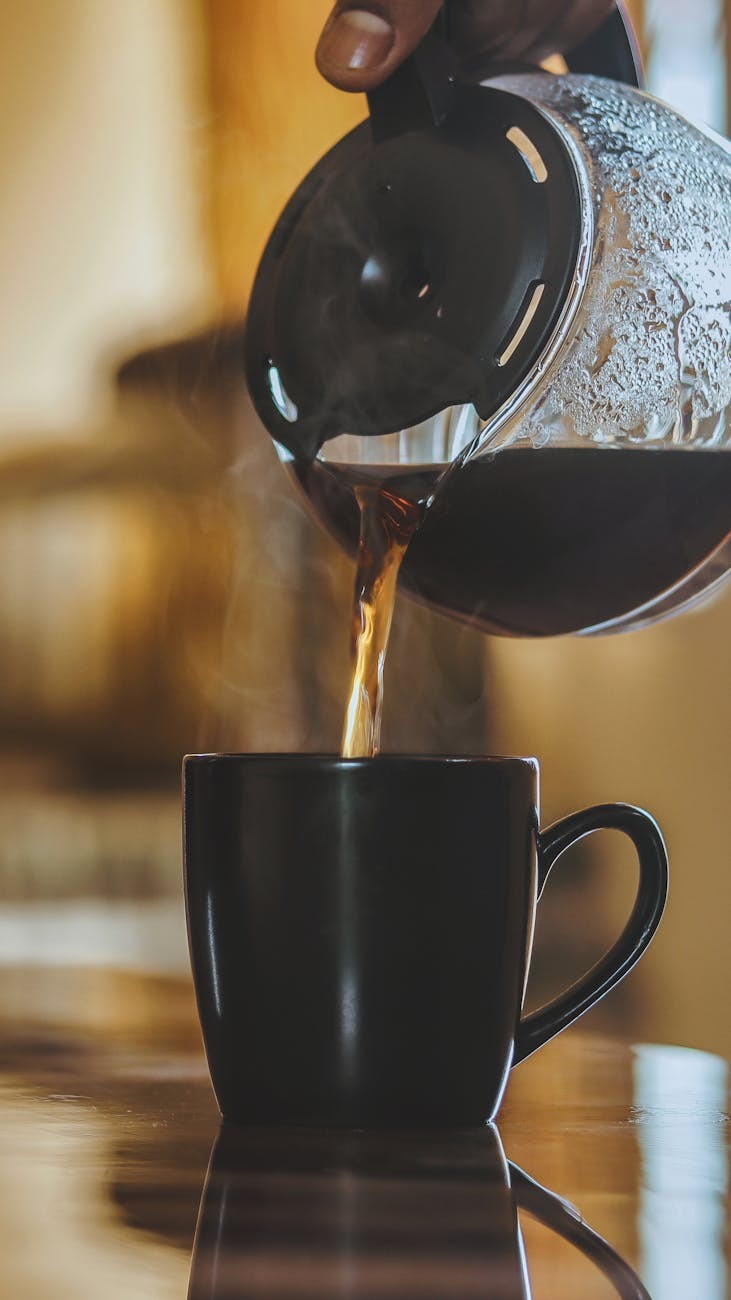
Many flight attendants are hesitant to drink or even prepare coffee and tea due to concerns about the cleanliness of the aircraft’s water tanks and coffee makers. Studies have indicated that these water sources can harbor bacteria, and the cleaning frequency of coffee machines is often questionable. While the water is generally considered potable, the perceived risk of contamination is enough for many crew members to avoid these beverages, making frequent orders for them a point of quiet concern.
6. Elaborate, Multi-Ingredient Drink Orders
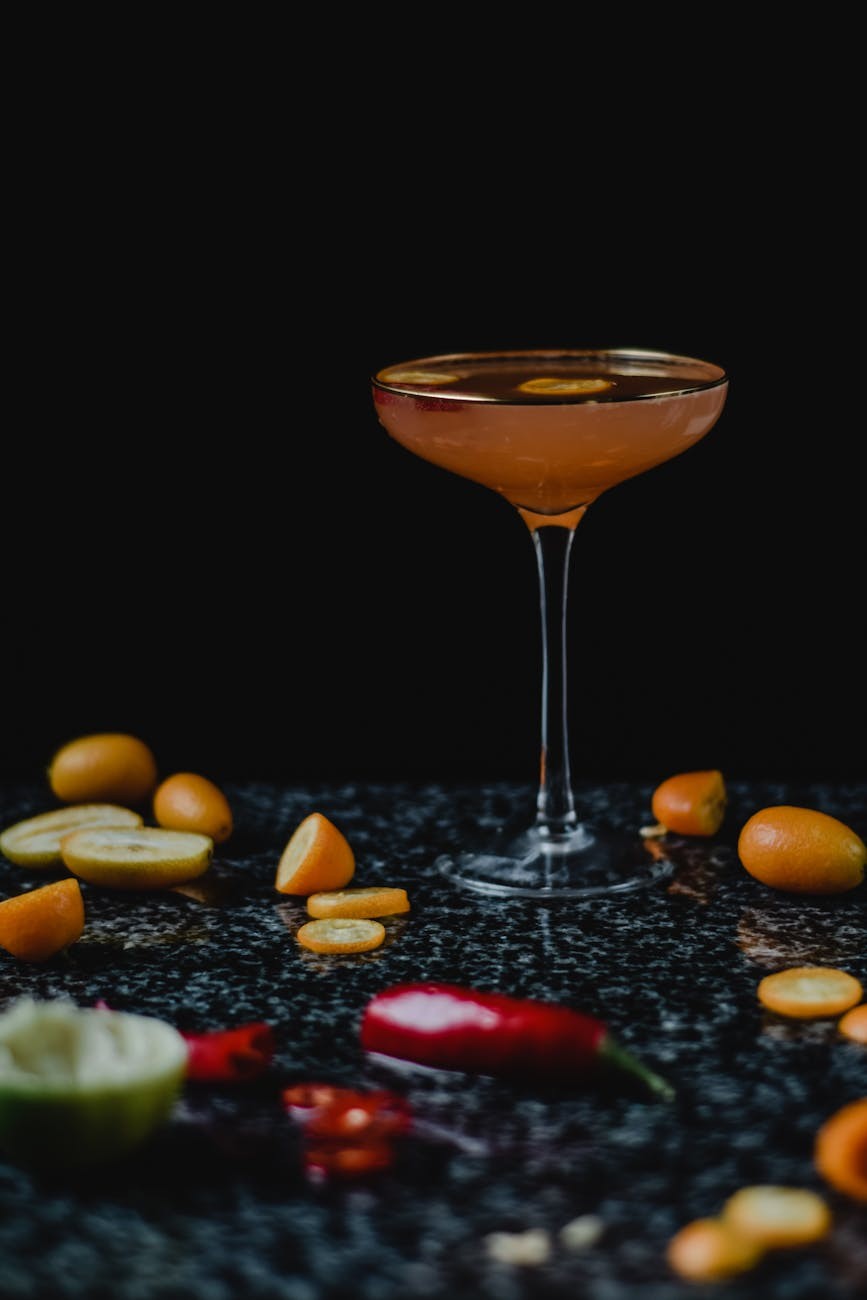
While some flight attendants encourage creative drink concoctions on longer flights to combat boredom, overly complex orders can be alarming. These requests, involving numerous ingredients and specific preparation instructions, can be time-consuming and prone to error. They suggest a lack of awareness of the limited space and resources available in an aircraft galley. A passenger might request a drink with ginger ale, seltzer, cranberry juice, Sprite, lemon, lime, half-and-half, and ice cubes, which can be overwhelming for the crew to accurately mix.
7. Ordering Specific Ice Types or Amounts
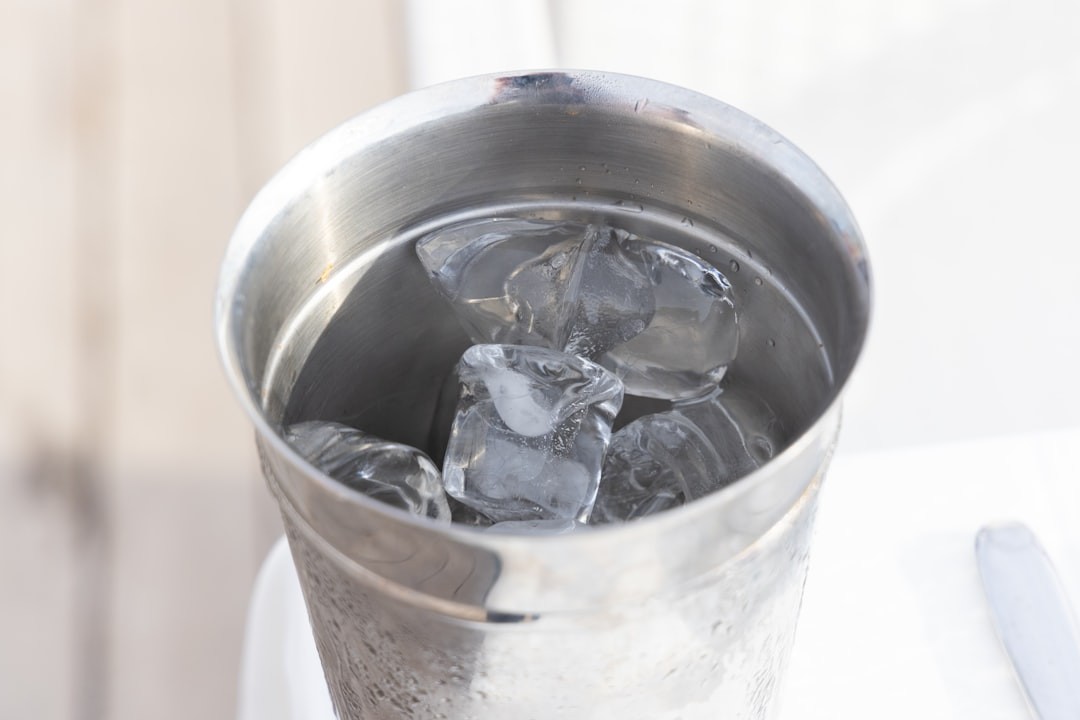
Requests for specific types of ice, such as crushed or precisely measured cubes, or even asking for an empty ice bin, can be perceived as unusual. The ice on airplanes is often handled with large scoops from a communal bin, and hygiene concerns surrounding ice are not uncommon among flight crews. When passengers inquire about specific ice preparations or express concerns that could highlight these potential issues, it can signal a passenger who is perhaps overly particular or aware of the less-than-ideal sanitary conditions.
8. Requesting Multiple Cans of Soda at Once
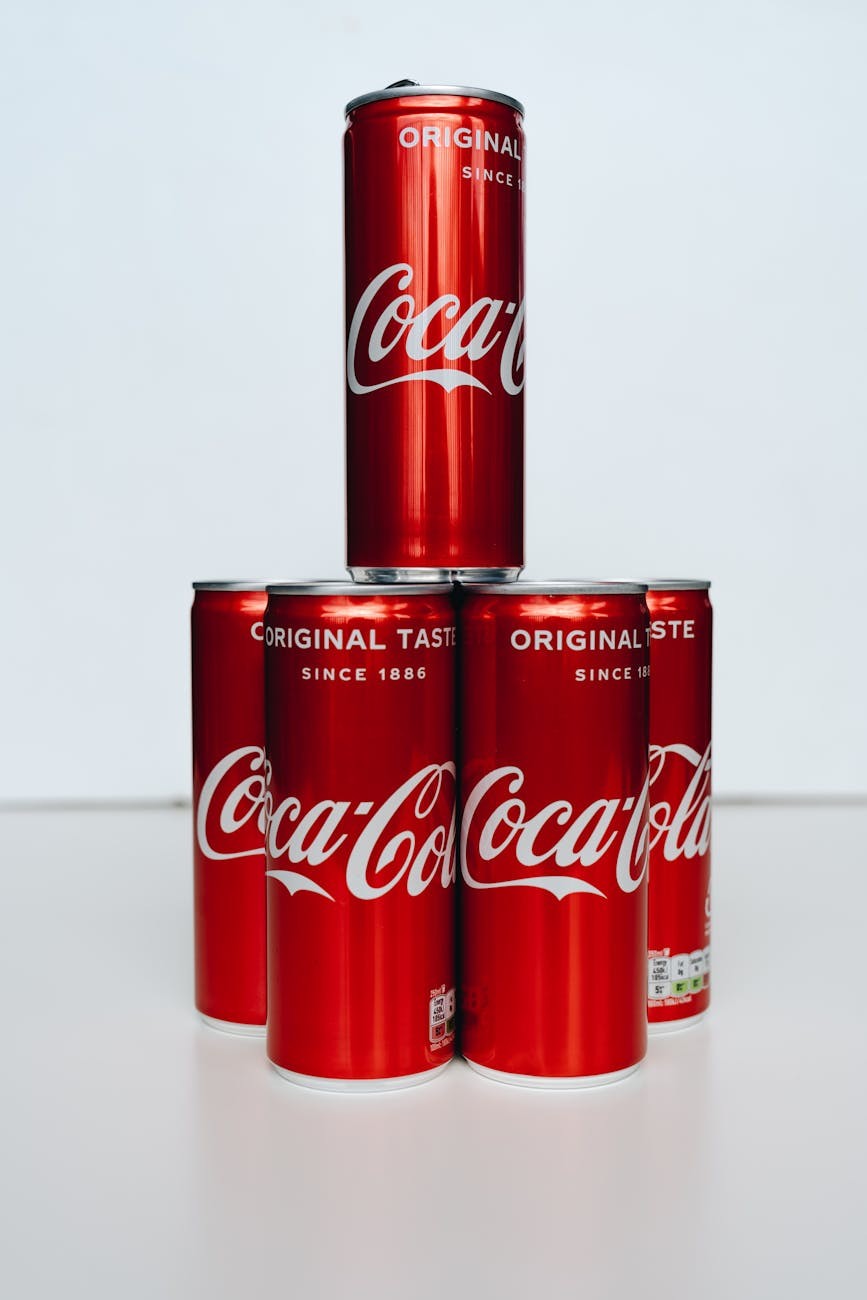
While flight attendants generally permit passengers to order multiple non-alcoholic beverages, requesting several cans of soda at once can be seen as a sign of potential overconsumption or an attempt to hoard supplies. This is particularly true if the passenger intends to drink them rapidly. Flight attendants have a responsibility to monitor alcohol consumption, but their concern can extend to excessive non-alcoholic beverage requests, especially if it impedes efficient service for other passengers or if there’s a perception the passenger might be trying to stockpile.