There’s a quiet truth older travelers rarely say out loud. If you still love packing the car, hitting the highway, and chasing long horizons after 50, your body and mind are doing far better than the averages suggest. Road trips take stamina, curiosity, patience, and a kind of flexible spirit that doesn’t fade easily. Younger travelers may think adventure belongs to them, but anyone who has driven through dawn light or stopped for pie in a tiny town knows the real blueprint for staying young is simpler. Keep moving, keep exploring, and keep saying yes.
What this really means is that road tripping at 50 or 60 is less about age and more about how well you’re holding onto the things that make life feel big. If you’re still out there choosing back roads over routines, you’re aging with intention, strength, and a spark people notice.
Here are the signs you’re aging better than most travelers.
1. You Can Handle Long Hours Behind the Wheel
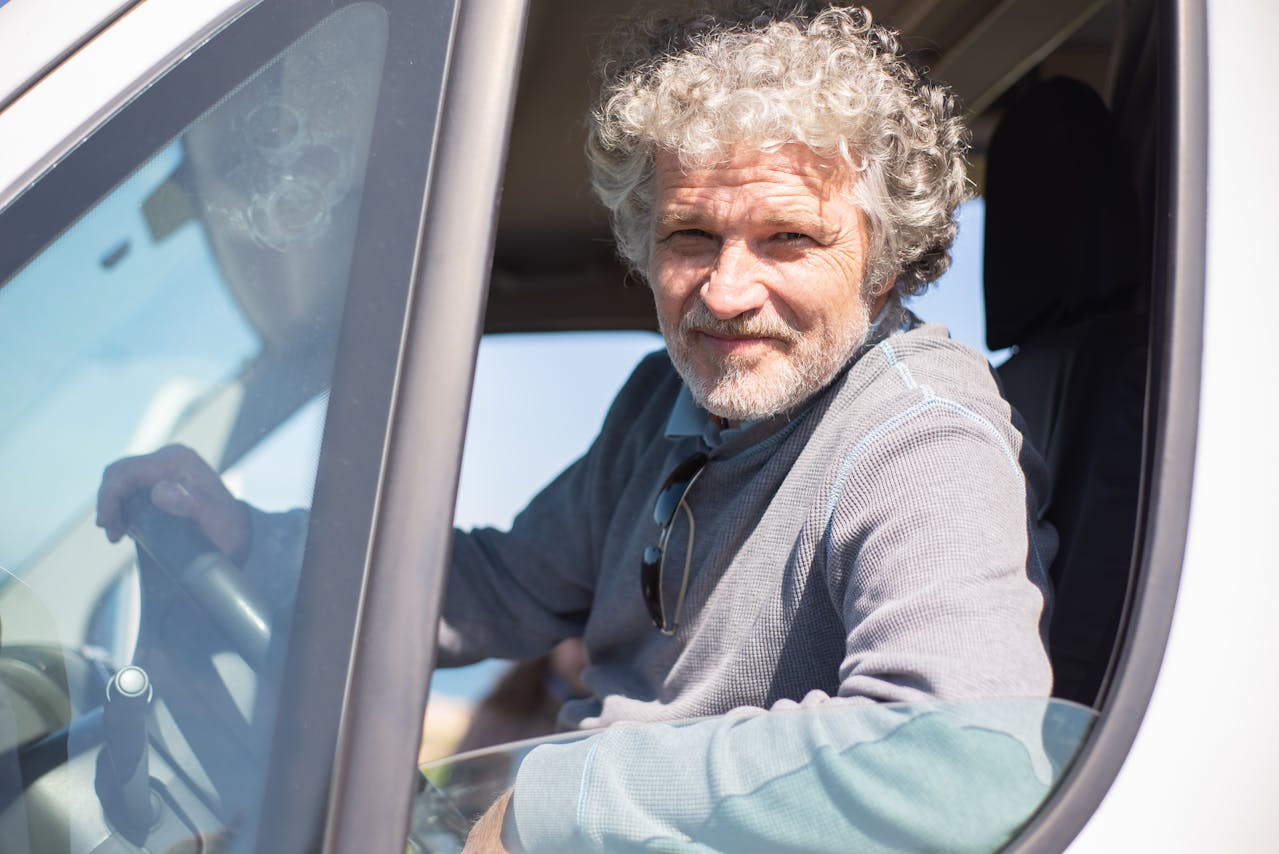
Driving for hours requires more than eyesight. It asks for focus, coordination, steady reflexes, and enough patience to share the road with every kind of driver. If you can still do this without feeling drained the next day, it’s a strong sign your cognitive and physical endurance is intact. Younger drivers may brag about speed, but seasoned road trippers know the real strength is in lasting power. Being able to handle long stretches means your mind is sharp and your body is well conditioned, even if you never think of it that way.
2. You Still Have the Curiosity to Explore New Places

Plenty of people slow down with age, choosing the familiar over the unknown. If you still feel that tug toward a small-town diner or a scenic highway you’ve never tried, you’re living with an active and flexible mindset. Curiosity is one of the strongest markers of healthy aging. Wanting to learn, see, taste, and hear new things keeps your brain firing in ways no crossword puzzle ever could. Road trips reward imagination, and if you still crave the journey, you’re mentally younger than you think.
3. You’re Comfortable Adjusting Plans on the Fly

Road trips always throw something unexpected at you. A detour. A closed overlook. Weather that doesn’t match the forecast. People who age well do something simple but rare. They adapt. Instead of getting flustered, you pivot. You look for a new route, a different café, or a better view. That ability to roll with changes reflects emotional resilience, one of the clearest signs of strong mental health. Younger travelers might panic. You shrug, smile, and keep going.
4. You Still Trust Your Instincts and Decision-Making

Choosing where to stop, when to rest, what road to take, and how far to push in a day all rely on good judgment. If you’ve road-tripped for decades, that intuition is finely tuned. You know when something feels off. You know when a scenic route is worth it. That confidence says your brain is still assessing information quickly and accurately. In other words, if you’re still guiding your own adventures, you’re functioning at a level many younger travelers haven’t reached yet.
5. You Can Pack, Lift, and Prep Without Strain
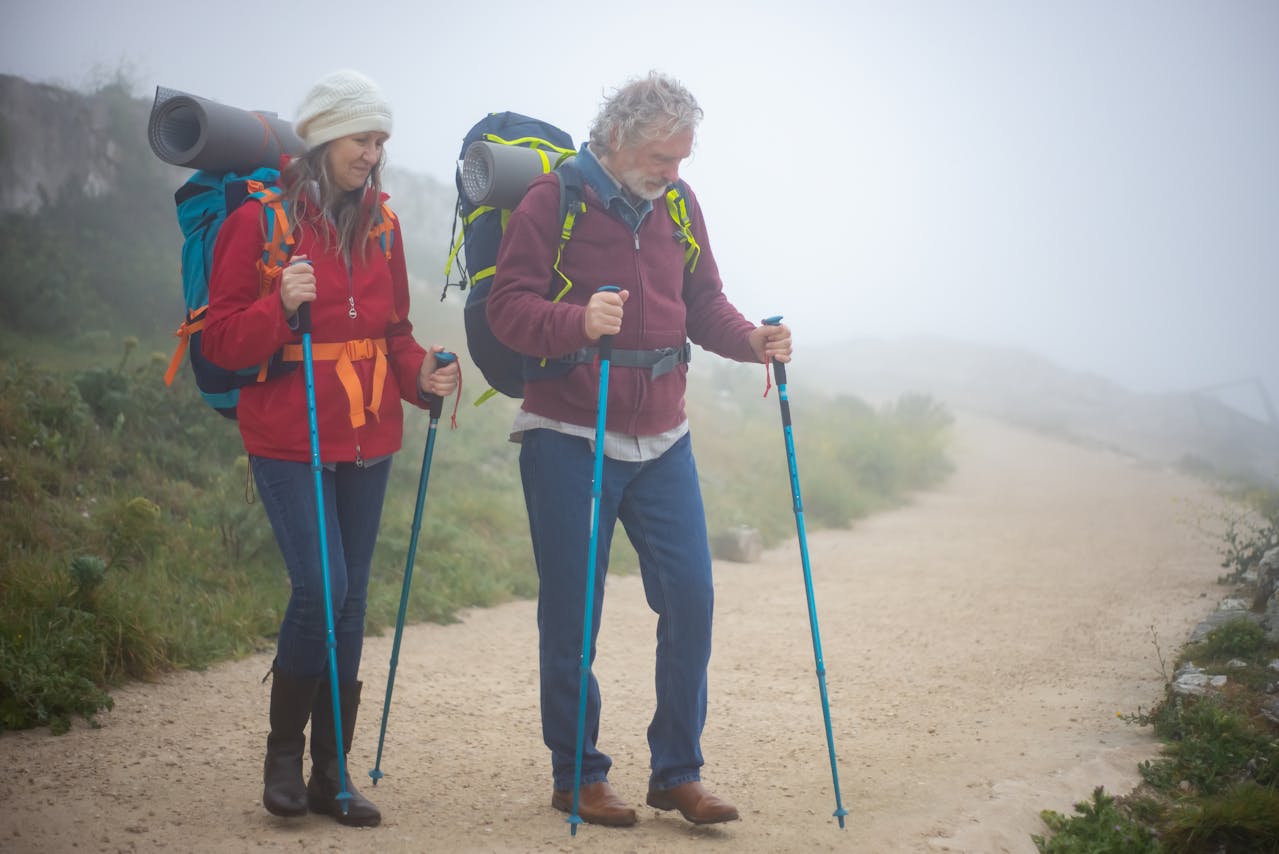
Packing a car sounds simple until you’re actually doing it. Loading bags, lifting coolers, sorting gear, and organizing space all require mobility, strength, and coordination. If this still feels manageable, you’ve maintained physical ability that supports long-term independence. It shows your muscles, joints, and balance are working together the way they should. The effort you put in before the engine even starts says more about your health than most people realize.
6. You Navigate Technology Without Relying Fully on It

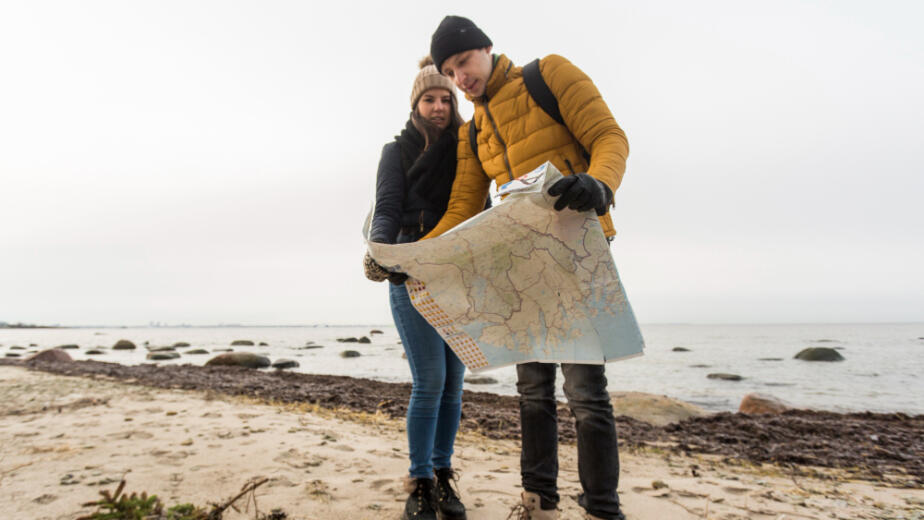
GPS is helpful, but experienced travelers know when not to trust it. If you’re old-school enough to read a map or smart enough to know when a digital route makes no sense, you’re blending modern tools with old instincts. That combination is a sign of healthy, adaptable thinking. You’re not stuck in the past, and you’re not lost in tech dependence either. You can merge both worlds, and that balance is something many younger travelers struggle with.
7. You Prioritize Comfort Without Giving Up Adventure

One of the clearest signs of aging well is knowing how to take care of yourself without stopping the fun. You carry snacks, water, sunglasses, layers, and maybe a lumbar cushion, yet none of it slows you down. Being able to manage aches, plan rest, or build in slower days shows self-awareness, not limitation. A younger traveler may push too hard. You know what your body needs and how to keep the ride pleasant. That kind of self-regulation is a quiet superpower.
8. You Still Enjoy the Social Side of Travel
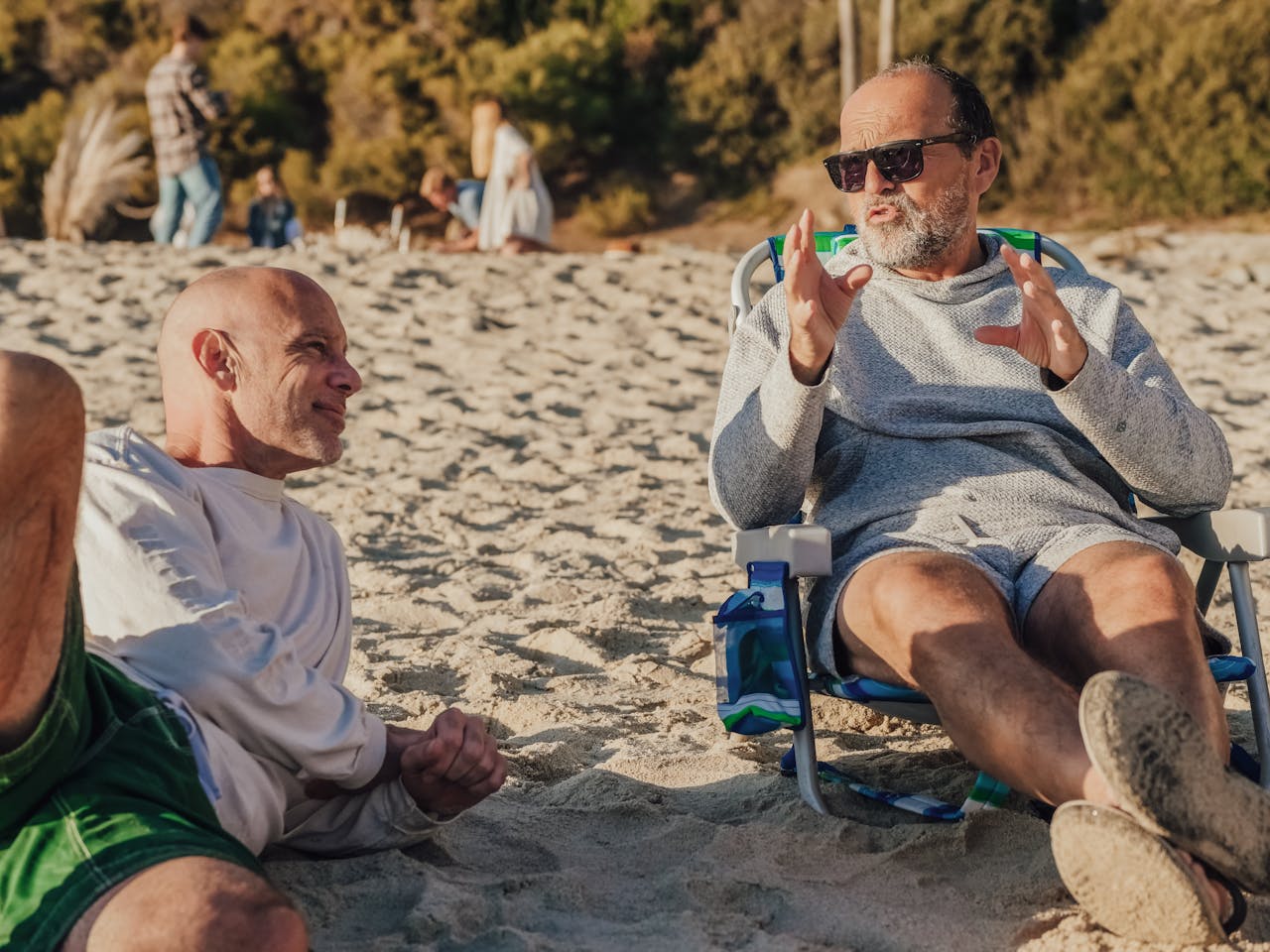
Road trips create shared moments. Conversation. Music. Jokes. Silence that feels comfortable. If you still enjoy traveling with friends, partners, or family, you’re maintaining strong social health. People who age well stay connected. They enjoy company. They bring energy to the car instead of draining it. If you can spend eight hours driving with someone and still want to grab dinner afterward, you’re aging with emotional strength that matters more than muscle tone.
9. You Manage Stress Better Than Most Younger Travelers

Traffic, wrong turns, long lines at overlooks, and slow RVs happen. Instead of spiraling, you take a breath. You’ve lived through enough life to know patience gets you farther than frustration. That calm mindset keeps blood pressure down, decision-making clear, and the trip enjoyable. It’s also one of the biggest predictors of long-term health. If you’re the steady one in the car, you’re doing better than you think.
10. You Still Feel the Pull of the Open Road
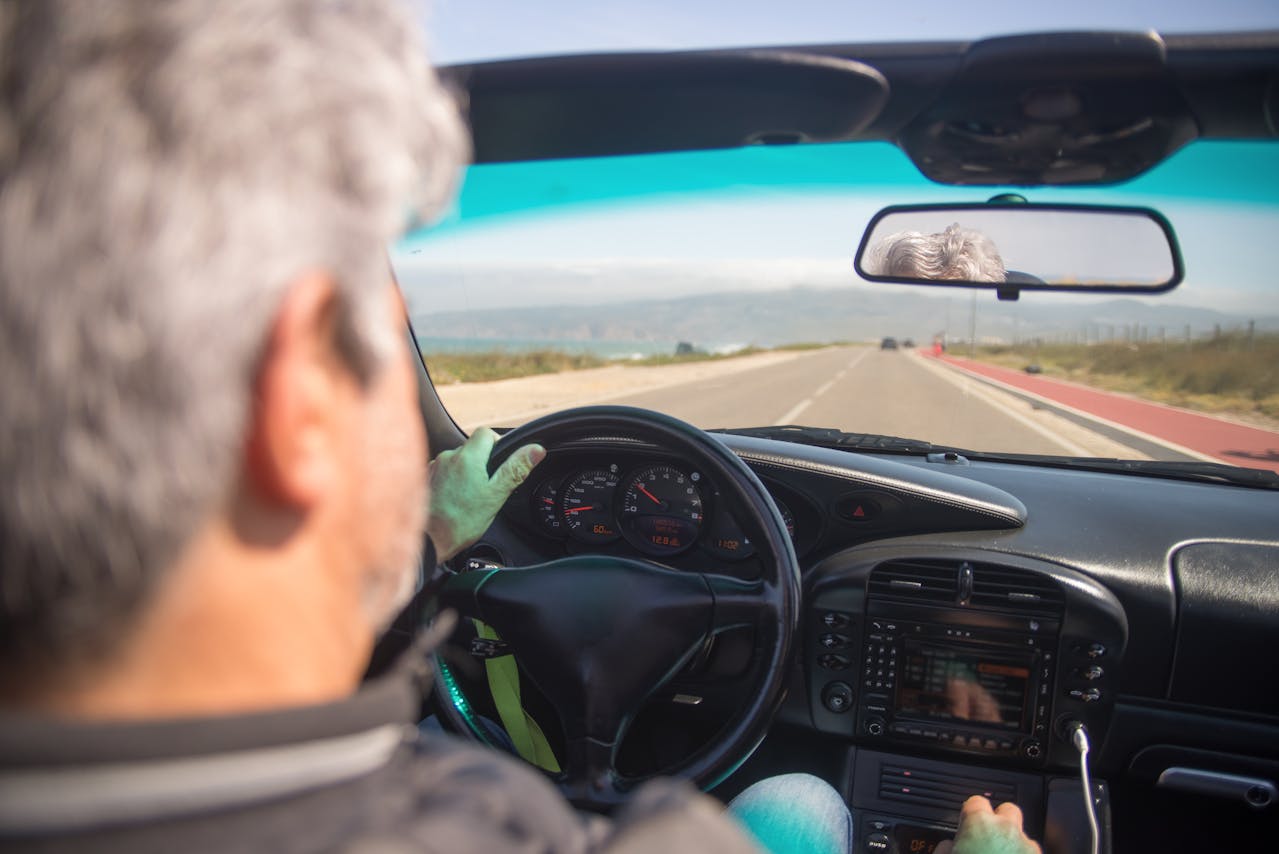
This is the real heart of it. If the idea of sunrise over a quiet highway still stirs something inside you, you’re not aging in the way people fear. You’re living with intention, wonder, and a sense of possibility. Age doesn’t dull your spirit. It sharpens it. The open road rewards people who still have something curious and hopeful in them. And if you’re still out there looking for new views, new meals, or new stories after 50, you’re aging in the healthiest way.