

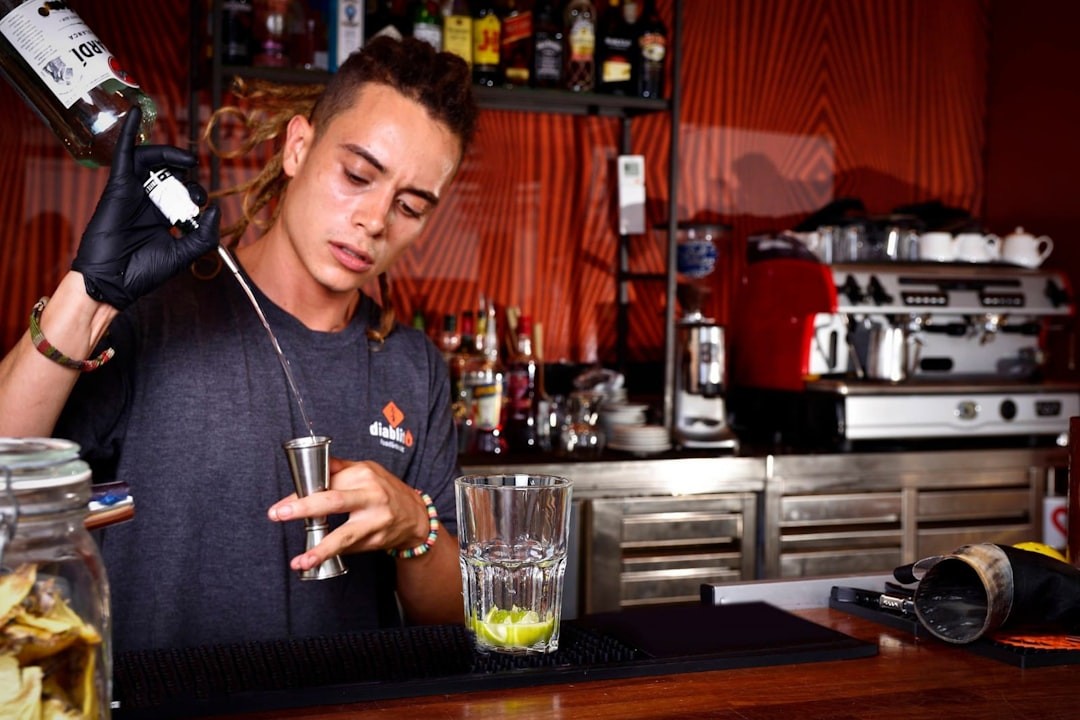
After a decade behind the bar, a seasoned bartender develops an intuition for customer preferences, and perhaps, their character. While every drink is a potential opportunity to delight, some orders signal a certain disregard for the craft or the bartender’s time. These are the concoctions that, while still served with professional courtesy, might elicit a subtle, internal sigh, a quiet judgment passed on the choice itself. It’s not about personal taste, but about the efficiency of service and a respect for the art of mixology.
1. The Mojito: The Muddle and the Madness
The Mojito, a seemingly simple concoction of mint, lime, sugar, rum, and soda, carries a hidden burden for bartenders. The crucial step of muddling the mint and sugar to release their essence is labor-intensive and time-consuming, especially during a busy service. While the refreshing result is undeniable for the consumer, for the person behind the bar, it can mean a significant slowdown in their workflow. One survey of bartenders revealed the Mojito as a frequently dreaded order, often cited for the extensive muddled ingredients that disrupt the smooth flow of drink preparation, particularly when the bar is crowded and the demand for quick service is high. This is not to say the drink isn’t enjoyed, but its preparation can be a significant hurdle when efficiency is paramount.
2. The Espresso Martini: Caffeinated Complications
The Espresso Martini, a modern classic, presents a unique set of challenges for bartenders. While not overly complex in its ingredient list (typically espresso, vodka, and coffee liqueur), the necessity of freshly pulled, and then cooled, espresso introduces a variable that can disrupt the pace of a busy bar. The process of preparing the espresso, allowing it to cool, and then incorporating it into the cocktail adds an extra layer of time and coordination. Some bartenders also note that the heat of the espresso can make shaking the drink more intense, increasing the risk of a shaker bursting, and that the cocktail can stick to the ice in peculiar ways. This drink’s surge in popularity has amplified these issues, making it a frequent, and sometimes frustrating, order for those crafting beverages.
3. The Long Island Iced Tea: A Symphony of Spirits
The Long Island Iced Tea is notorious in the bartending community, often earning a place at the top of “most disliked” lists. Its construction requires measuring and combining five distinct types of liquor, alongside cola and a splash of sour mix. This multi-spirit base not only makes it time-consuming to prepare during peak hours but also signifies to some bartenders that the customer is more focused on rapid intoxication than appreciating the nuances of a well-crafted drink. Some industry insiders even joke about a tiered pricing system for drinks, with “stupid drinks” like the Long Island Iced Tea commanding a higher price due to their complexity and the bartender’s perceived annoyance. The sheer number of ingredients can also lead to increased waste and potential for inconsistency if not meticulously prepared.
4. The “Surprise Me” Order: The Uncomfortable Guessing Game
While seemingly an act of trust, a vague “surprise me” or “bartender’s choice” order can put a bartender in a precarious position. Preferences for sweetness, bitterness, spirit base, and even texture are highly individual. Without any directional cues, the bartender is left to guess, increasing the chances of an unsatisfactory drink. This guessing game can disrupt the flow of service, as the bartender may need to ask clarifying questions, further delaying service for other patrons. For a bartender who takes pride in their craft, it’s a missed opportunity to create something tailored and delightful. Instead, it becomes a high-pressure scenario where the bartender risks falling short of an unknown expectation.
5. Overly Sweet or Trendy Concoctions: A Matter of Taste and Time
The preference for overly sweet drinks, often reminiscent of the 1990s, can be a subtle sign to a bartender that the customer might be out of touch with contemporary cocktail culture. While bartenders are trained to balance flavors, a request for something exceptionally sweet can feel like a step backward from the nuanced profiles found in modern mixology. Similarly, ordering a drink solely because it is currently trending, such as a spicy margarita or an Aperol Spritz, can sometimes be perceived as a lack of personal style or originality. Bartenders have witnessed countless trends come and go, and while they will happily craft these popular drinks, the sheer volume of repetitive orders for trending items can lead to a sense of ennui, making the act of preparation feel less like a craft and more like a repetitive task.
6. The Filthy Martini with Top-Shelf Liquor: A Spiritually Misplaced Request
Ordering a “filthy” martini, especially with a premium spirit, can elicit a quiet eye-roll from some bartenders. The term “filthy” refers to the addition of olive brine, which significantly alters the spirit’s inherent flavor profile. When a customer requests a high-end vodka or gin for such a drink, it can be perceived as a waste of a good spirit. Bartenders often reserve their top-shelf liquors for spirit-forward drinks where the quality of the base spirit can truly shine, such as a classic martini (stirred, not shaken) or a neat pour. Using an expensive spirit in a drink where its subtleties will be masked by brine and vermouth can strike some as a misunderstanding of how to best appreciate fine alcohol.
7. The Ramos Gin Fizz: A Shaker’s Nightmare
The Ramos Gin Fizz is a cocktail renowned for its list of ingredients and its notoriously lengthy preparation. This drink demands a specific technique involving vigorous shaking, often for an extended period, to achieve its signature frothy, cloud-like texture. It typically includes gin, lemon and lime juice, simple syrup, heavy cream, egg white, and orange flower water, making it one of the more complex drinks to execute properly. For a bartender working during a rush, the time and effort required for a single Ramos Gin Fizz can be a significant drain on resources, potentially slowing down service for everyone else. The sheer number of components and the delicate emulsification process can be a true test of a bartender’s patience and skill.
8. The “Not Too Sweet” Request: A Delicate Balance of Communication
While customers may be trying to express a preference for balance, the ubiquitous request for a drink that is “not too sweet” can sometimes be a point of subtle frustration for bartenders. Bartenders strive for balance in all their creations, and a drink that is “too” anything can be seen as a failure of their craft. However, “sweetness” itself is subjective and can be interpreted differently by each individual. When a customer preemptively warns against sweetness, it can sometimes feel like a lack of trust in the bartender’s ability to create a well-balanced drink. Instead of focusing on what they *don’t* want, a more helpful approach might be to offer some indication of preferred flavors, such as “spirit-forward” or “citrusy.”
9. The “Dealer’s Choice” with No Guidance: A Recipe for Disappointment
Similar to the “surprise me” order, a “dealer’s choice” request, without any further input, can lead to an unsatisfactory experience for both the customer and the bartender. Bartenders have extensive knowledge of drinks, but without any indication of the customer’s palate—whether they prefer sweet, sour, bitter, or spirit-forward beverages—the choice becomes a shot in the dark. This can result in a drink that the customer dislikes, leading to disappointment and potentially a wasted ingredient. A more collaborative approach, where the customer provides even a small clue about their preferences, allows the bartender to more effectively showcase their skills and ensure a positive outcome.
10. Trendy, Viral Drinks from Social Media: The fleeting Fame of a Cocktail
In the age of social media, certain cocktails gain rapid popularity, often driven by viral trends. While bartenders are adaptable, the constant influx of orders for the “latest thing” can sometimes be met with a seasoned weariness. A drink that’s trending on TikTok or Instagram might not align with a bar’s established craft or the bartender’s personal expertise. Ordering such a drink solely based on its online fame can sometimes be perceived as following a fad rather than having a genuine appreciation for cocktail culture. This doesn’t mean these drinks aren’t enjoyed, but the rapid cycle of trends can make it feel less about the art of mixology and more about chasing fleeting online popularity.
11. The Negroni: An Acquired Taste and a Potential Misstep
The Negroni, a balanced mix of gin, Campari, and sweet vermouth, is a classic cocktail appreciated by many cocktail aficionados. However, its defining ingredient, Campari, possesses a distinctively bitter profile that is not universally appealing. For a bartender, an order for a Negroni can sometimes signal that the customer might be unfamiliar with its intense bitterness, potentially leading to a less-than-ideal drinking experience. While bartenders are adept at making any drink requested, an order for a Negroni might prompt a gentle redirection towards a more approachable, or at least familiar, beverage if the customer seems uncertain. It’s a drink that, while respected, carries a strong flavor that can be polarizing.
12. Anything Requiring Excessive Customization: The “Bartender’s Whim” Problem
While accommodating specific requests is part of the job, an excessive level of customization can test a bartender’s patience, especially during busy periods. This could range from numerous substitutions on a standard drink to highly specific instructions for a simple cocktail. For instance, ordering a vodka soda but requesting specific modifications that essentially create a new, unlisted drink, can be more cumbersome than simply ordering a more complex, established cocktail. Bartenders generally prefer clear, concise orders that allow for efficient preparation. When a request becomes overly elaborate, it can feel as though the customer is not fully respecting the bartender’s time and expertise, turning a simple transaction into a drawn-out negotiation.

