The first thing you realize when you walk into a place like Chez Georges isn’t the smell of the Entrecôte, it’s the heavy, invisible weight of tradition. In Paris, a historic bistro isn’t just a restaurant; it’s a living museum with a very specific set of operating instructions. If you walk in and treat it like a standard American diner, you’ll get the “stink-eye” before you’ve even seen a menu. But if you follow the “Unwritten Rules,” you aren’t just a tourist; you’re a guest in their home.
Here are the 6 historic spots where I learned that the etiquette is often more important than the food.
Le Relais de l’Entrecôte
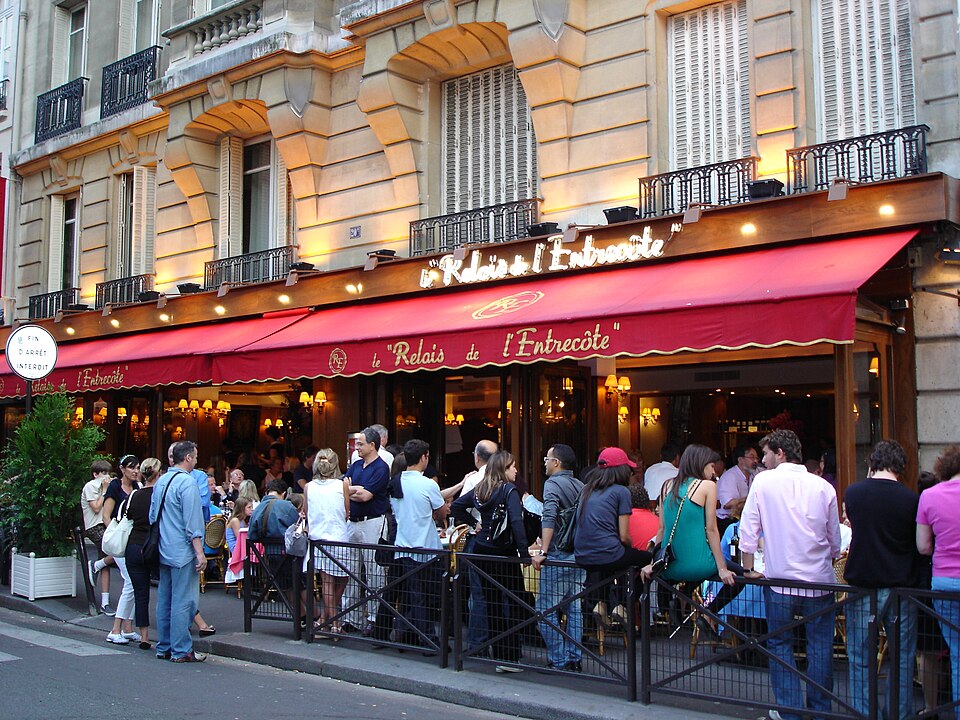
The first rule of this legendary institution is that you do not ask for a menu because, technically, there isn’t one. From the moment you sit down, the experience is on autopilot: you are served a walnut salad, followed by two generous helpings of sirloin steak drenched in their famous “secret” green sauce and a mountain of hand-cut fries. When the waitress approaches, her only question will be how you want your steak cooked. If you try to negotiate for a different cut or a side of steamed vegetables, you are essentially asking them to change their entire identity. The beauty here is in the surrender; you are there for the one thing they do better than anyone else, and the second serving of steak—brought out hot just as you finish the first—is the ultimate reward for your compliance.
Chez Georges
At this tiny, bustling spot on Rue du Mail, the bread is treated with more reverence than the wine. The most common “tourist mistake” is eating the bread as an appetizer before the meal arrives. In a true French bistro, bread is a tool used to push food onto your fork or to “saucer”—the act of soaking up the divine remains of a Bearnaise or au poivre sauce. You should never bite directly into a whole roll; instead, break off a small, bite-sized piece by hand. Also, remember that your bread stays on the tablecloth, not your plate. It sounds messy to an outsider, but to the staff at Chez Georges, it’s a sign that you understand the fundamental mechanics of a traditional French meal.
Bistrot Paul Bert
The 11th Arrondissement is the heart of the modern bistro movement, but Paul Bert remains a bastion of the “Chef’s Word is Law” philosophy. The chalkboard menu changes daily based on what’s fresh at the market, and the unwritten rule is that you do not ask for substitutions. If the côte de boeuf is meant to be served rare, the waiter might actually refuse to have it cooked medium-well. It isn’t arrogance; it’s a commitment to the ingredient. This is also a place where you must embrace the “slow life.” Trying to flag down a waiter for the bill five minutes after your last bite is considered impatient. They expect you to linger over your wine, and they will only bring the check when you’ve signaled that the “ceremony” of the meal has truly concluded.
Polidor
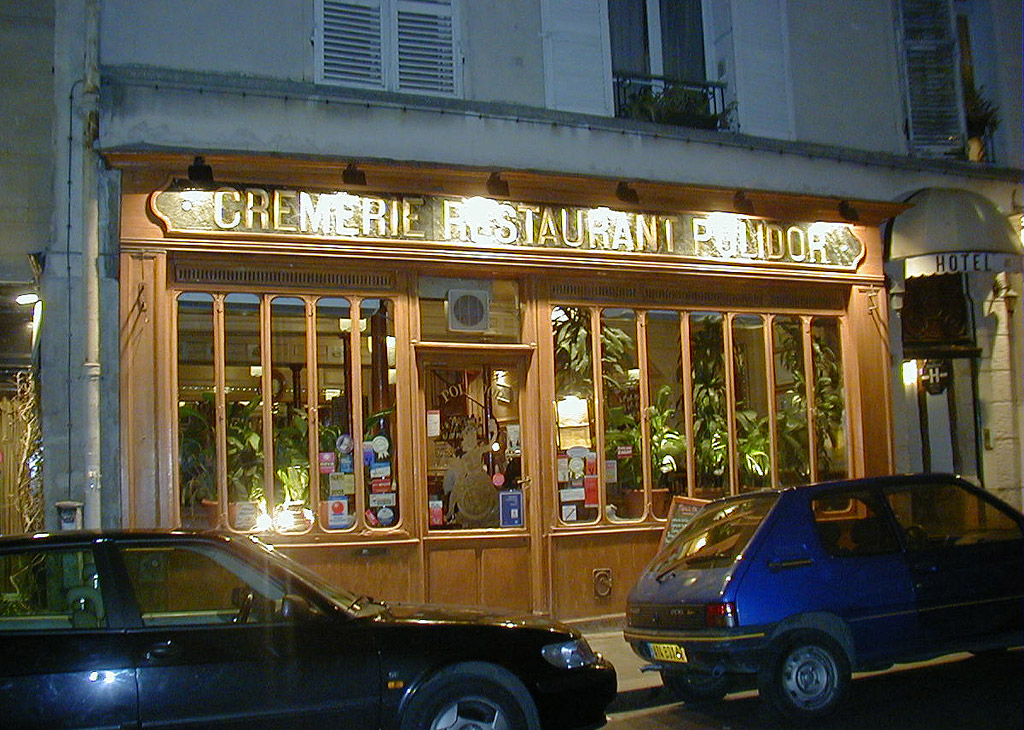
Walking into Polidor feels like stepping into a Hemingway novel, largely because he was a regular here back in the 1920s. The unwritten rule at this Left Bank staple is communal living. You don’t get a private booth; you get a spot on a long, shared wooden table where you’ll sit elbow-to-elbow with Sorbonne students and neighborhood poets. There is a specific etiquette to this proximity: keep your elbows tucked in and your conversation at a volume that respects your neighbor’s space. It is a place for “discreet conviviality,” where the salt and pepper shakers are shared across the table like a peace offering. If you’re lucky, you might even get a nod from the ghost of James Joyce while you navigate the unchanged Belle Époque interior.
Bouillon Chartier
Chartier has been the “people’s kitchen” of Paris since 1896, and the service here is a rhythmic, high-speed dance. The most famous quirk is that your waiter will calculate your bill by scribbling the numbers directly onto the paper tablecloth in front of you. This isn’t just a gimmick; it’s a relic of an era when this was the fastest way to serve hundreds of laborers. The unwritten rule here is efficiency. Because the lines outside can stretch down the street, it’s considered polite to know your order quickly and to vacate your seat once the coffee is gone. You’re part of a massive, 130-year-old machine, and keeping the gears turning is part of the charm of dining in this Art Nouveau masterpiece.
Café de Flore
While it functions as a café, the Flore is a high-stakes social theater where sitting in the right spot is the most important rule of all. The sidewalk terrace is the “A-List” seating, reserved for those who want to see and be seen, while the interior “Red Room” is where the true regulars and intellectuals hide away. The staff here are famous for their “professional indifference,” but you can win them over by showing you value the atmosphere more than your phone. In an age of digital distraction, the Flore remains one of the few places where bringing a physical book or a notepad is seen as a badge of honor. Put the screen away, look out at the Boulevard Saint-Germain, and you’ll suddenly find the service becomes much warmer.