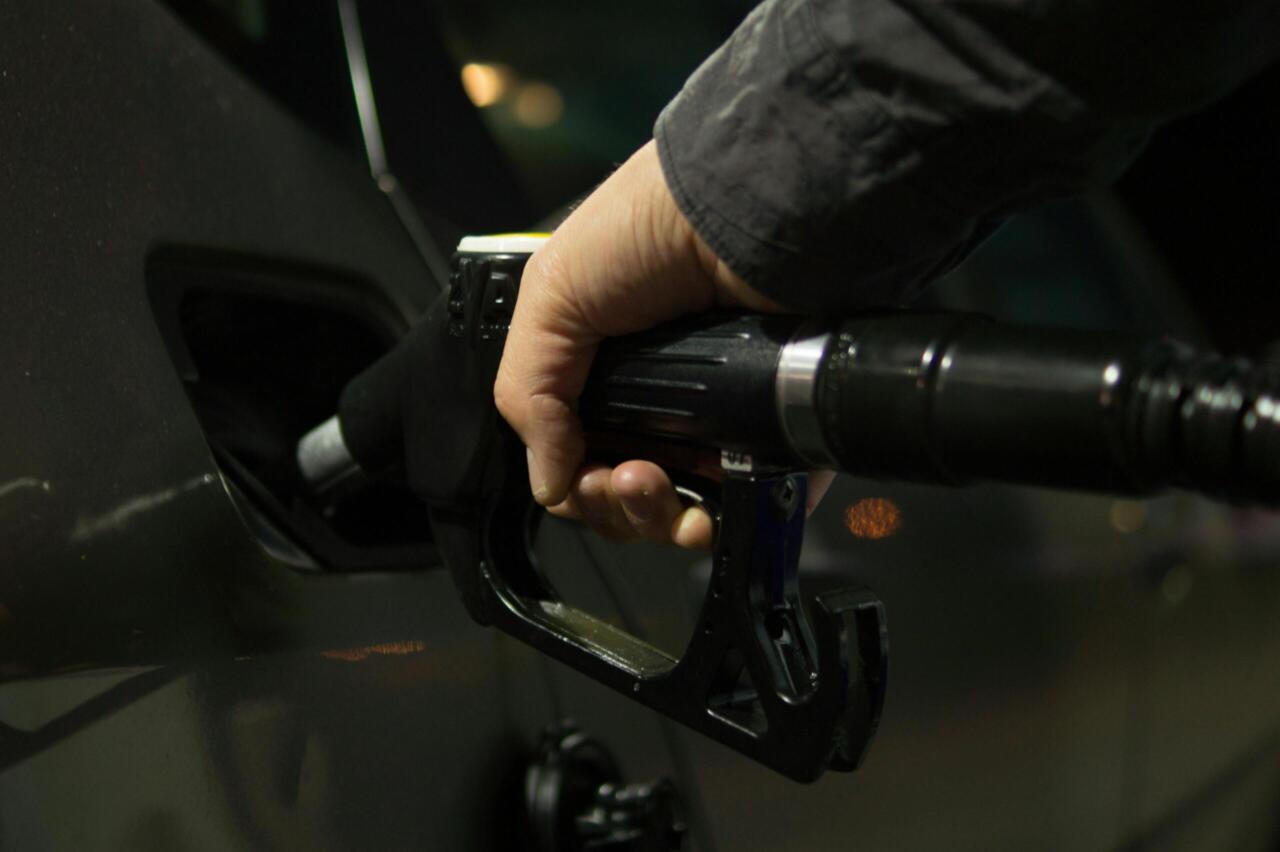
Here’s the reality. When fuel prices rise, travel becomes more expensive in ways that aren’t always obvious at first. Flights increase, road trips cost more per mile, and even hotel pricing can shift because operating costs go up across the industry. It creates a chain reaction that affects almost every part of a trip.
What this really means is that travel isn’t becoming impossible, it’s becoming less forgiving. The margin for waste is smaller. Decisions that didn’t matter much before, like booking timing or location, now have a noticeable financial impact.
The upside is that smarter planning goes a long way. A few intentional changes can offset rising costs without sacrificing the experience. You’re not cutting travel out, you’re refining how you approach it.
1. Book Earlier Than You Normally Would
When fuel prices are unstable, travel pricing becomes less predictable. Airlines adjust fares more frequently, and waiting too long can mean missing the lower price window entirely. What used to work, like holding out for last-minute deals, often leads to paying more rather than saving.
Booking earlier gives you control. You’re locking in a price before potential increases hit, and you also get better choices in terms of seats, timings, and accommodations. This matters even more for popular routes and peak travel seasons where demand rises quickly.
It also reduces stress. Instead of constantly tracking prices and second-guessing your decision, you secure your plan early and move on. In a volatile pricing environment, early decisions tend to reward you more consistently than last-minute ones.
2. Stay Flexible With Dates and Routes
Flexibility has become one of the most valuable tools for saving money on travel. When fuel costs fluctuate, pricing gaps between different days and routes become wider. A flight on a Tuesday morning can cost significantly less than the same route on a Friday evening.
Even small adjustments can make a difference. Shifting your departure by a day, choosing a slightly longer layover, or flying from a nearby airport can reduce costs without changing the overall experience of your trip.
What this really means is letting go of rigid plans. If your dates and routes are flexible, you give yourself more options. And more options almost always lead to better pricing. Travelers who adapt tend to find deals that others miss simply because they are not locked into one specific plan.
3. Consider Closer Destinations
Long-distance travel is where fuel costs hit hardest. The farther you go, the more you feel the increase in airfare or fuel expenses. That’s why shifting your focus to closer destinations can make a noticeable difference without reducing the quality of your trip.
A nearby location can still offer a completely different environment. Different culture, food, and pace are often closer than people expect. The key is approaching the destination with curiosity rather than comparing it to a faraway alternative.
Shorter distances also reduce travel fatigue and logistical complexity. Less time in transit means more time actually enjoying the place. In many cases, travelers find that closer trips feel more relaxed and just as rewarding, especially when the experience is prioritized over distance.
4. Rethink How You Move Around
Transportation at your destination can quietly add up if you are not paying attention. Rental cars, taxis, and ride-hailing services can become expensive, especially in cities where distances are longer or traffic is heavy.
Choosing locations with strong public transport or walkable neighborhoods can reduce these costs significantly. Trains, buses, and even simple walking routes often provide a more immersive way to explore a place while keeping expenses low.
It also changes how you experience the destination. Instead of moving quickly from one point to another, you engage more with the surroundings. Slower movement often leads to better discoveries, and at the same time, it helps you stay within budget without feeling restricted.
5. Pack Smarter to Avoid Extra Fees
Baggage fees have become a bigger part of travel costs, and with rising fuel prices, airlines are less likely to be flexible about them. Overpacking often leads to paying for checked luggage or exceeding weight limits, which adds to your total expense.
Packing with intention helps avoid these unnecessary costs. Planning outfits, sticking to essentials, and using versatile clothing reduces the need for extra bags. Many travelers find that they use only a portion of what they pack, which makes downsizing an easy adjustment.
Traveling lighter also makes the entire journey smoother. You move faster through airports, avoid waiting at baggage claims, and reduce the risk of lost luggage. It is one of the simplest ways to cut costs while improving the overall travel experience.
6. Choose Accommodation Strategically
Accommodation is not just about the nightly rate. Where you stay affects how much you spend on transportation, food, and time. A cheaper hotel far from the main areas may seem like a good deal, but the added cost of commuting can quickly cancel out those savings.
Staying in a central or well-connected location often reduces daily expenses. You can walk to key spots, access public transport easily, and avoid frequent taxi rides. It also gives you more flexibility to explore without planning every movement.
This approach is about looking at the full picture. Instead of focusing only on the price per night, consider how the location impacts your total spending. In many cases, a slightly higher upfront cost leads to overall savings.
7. Slow Down Your Travel
Fast-paced travel with multiple stops increases costs in ways that are easy to overlook. Each new destination adds transportation, logistics, and sometimes higher last-minute expenses. Moving constantly can make a trip more expensive and more exhausting.
Slowing down changes that dynamic. Spending more time in one place reduces the number of flights or long drives you need. It also allows you to settle into a rhythm where daily costs become more predictable.
There is also a quality shift. When you are not rushing, you experience places more deeply. You notice details, build familiarity, and enjoy the destination instead of just passing through it. Slower travel often feels richer, even though it costs less.
Conclusion
Rising fuel prices are changing the way travel works, but they are also pushing travelers to be more intentional. The focus is shifting from doing more to doing things better.
When you plan ahead, stay flexible, and make thoughtful choices, you can still travel comfortably without overspending. The experience does not have to suffer. In many cases, it improves.
Travel in 2026 is not about cutting back. It is about making smarter decisions that align with how the world is changing.