Most travelers do not track shipping lanes or energy routes when planning a trip. You look at flights, hotels, and maybe visa rules.
But here’s the thing. Some of the biggest changes in travel right now are coming from places far outside the tourism world.
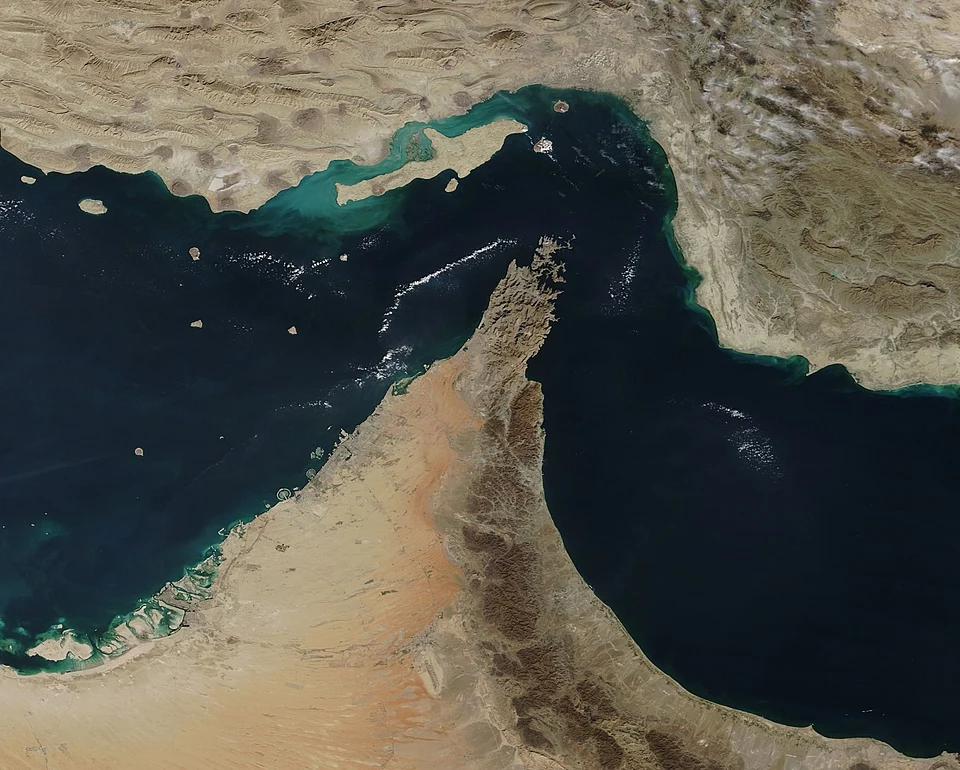
The Strait of Hormuz, a key passage for global oil supply, has become a pressure point. And when something disrupts energy flow at that scale, the ripple effects show up quickly in travel.
Not always in obvious ways. But in ways you feel.
Why This One Location Matters So Much
The Strait of Hormuz sits between the Persian Gulf and the open ocean. A significant portion of the world’s oil moves through this narrow route.
When tensions rise, even without full closure, uncertainty increases. Insurance costs go up. Shipping becomes riskier. Oil prices react almost immediately.
And travel depends heavily on fuel.
What this really means is that a disruption in one region starts influencing airline costs, cruise operations, and travel demand globally.
Airfare Is Becoming More Unpredictable
One of the first places this shows up is in flight pricing.
Fuel is one of the biggest expenses for airlines. When oil prices spike or become volatile, airlines adjust quickly. That often leads to:
- Higher ticket prices
- Reduced promotional fares
- More frequent price fluctuations
Travelers may notice that fares change more often than usual, sometimes within days. Routes that were affordable a few months ago may now feel noticeably more expensive.
This is not just about long-haul international flights. Domestic pricing can shift as well because airlines adjust their overall cost structure.
Flight Routes Are Quietly Changing
Another less obvious impact is how planes move across the map.
Airlines constantly evaluate safety and efficiency. When tensions rise in a region, some routes are adjusted to avoid certain airspaces or nearby areas.
That can lead to:
- Longer flight times
- Additional fuel usage
- Fewer direct routes
For travelers, this may show up as slightly longer journeys or fewer convenient options, especially on routes connecting Europe, Asia, and the Middle East.
It is subtle, but it adds friction to travel that used to feel straightforward.
Cruise and Regional Travel Are Feeling the Pressure
Cruise lines and regional tourism operators are often more directly affected.
When a region becomes uncertain, cruise itineraries change quickly. Ports may be skipped. Entire routes can be redesigned.
Travelers planning trips in or near the Middle East may find:
- Limited cruise options
- Altered itineraries
- Increased caution from operators
Even travelers not visiting the region can feel the impact, as cruise companies shift ships and schedules globally.
Travel Insurance and Caution Are Increasing
With rising geopolitical tension, both travelers and companies become more cautious.
Travel insurance policies may adjust coverage terms, especially for regions considered higher risk. Travelers are also paying closer attention to advisories before booking.
This does not mean travel stops. But it does mean decisions are more deliberate.
People are asking:
Is this route stable?
Is this region likely to change quickly?
Do I have a backup plan?
The Indirect Impact on Local Travel
What surprises many people is how a distant issue affects travel closer to home.
When global fuel prices rise, the cost of operating airlines increases across the board. That can influence:
- Domestic flight prices
- Budget airline availability
- Travel demand patterns
Even road travel can feel the effect through higher fuel costs.
So while the Strait of Hormuz may feel geographically distant, its impact is not.
Travelers Are Becoming More Flexible
One clear shift in 2026 is behavior.
Travelers are adapting by:
- Booking earlier to lock in prices
- Staying flexible with dates and routes
- Choosing destinations based on stability and cost
There is a growing awareness that external factors can reshape travel quickly.
And those who adapt tend to navigate it better.
Conclusion
The Strait of Hormuz is not a tourist destination, but it is shaping tourism in real time.
What happens there affects fuel. Fuel affects airlines. Airlines affect how and where we travel.
The connection may not always be visible, but it is very real.
In 2026, travel is no longer just about choosing a destination. It is about understanding the forces that quietly shape the journey before you even book your ticket.