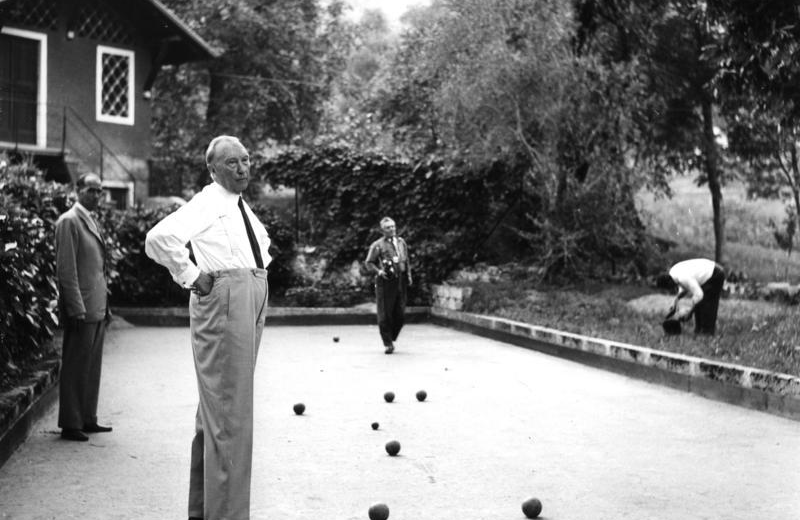
From Sears Roebuck (once the largest retailer in the world) to Marshall Field’s (the Chicago institution that invented the bridal registry) to Woolworth’s (the original five-and-dime), several iconic American retailers have vanished. The reasons reveal the broader story of how American shopping itself transformed.
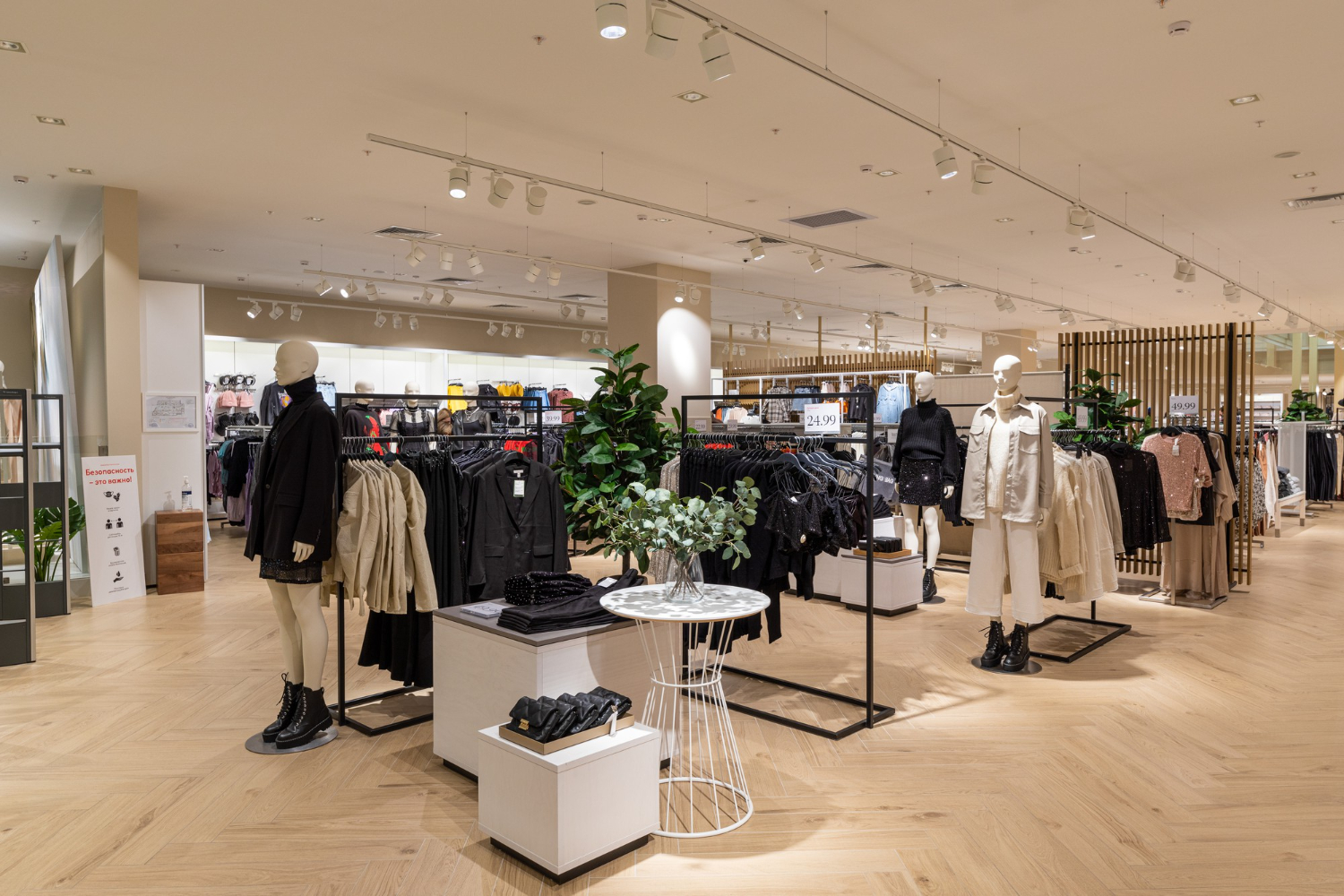
If you remember Saturday afternoon trips with your grandmother to a multi-story downtown department store — the kind with elevator operators announcing each floor, women’s hats on the third floor, a tea room on the eighth — you remember an American institution that, in most cities, no longer exists. The transformation of American retail over the past 50 years has been one of the most dramatic economic shifts in American history. The names that defined American shopping for generations are mostly gone. Here are eight of the most consequential, with the actual stories of how each one ended.
1. Sears, Roebuck and Company — once the largest retailer in the world
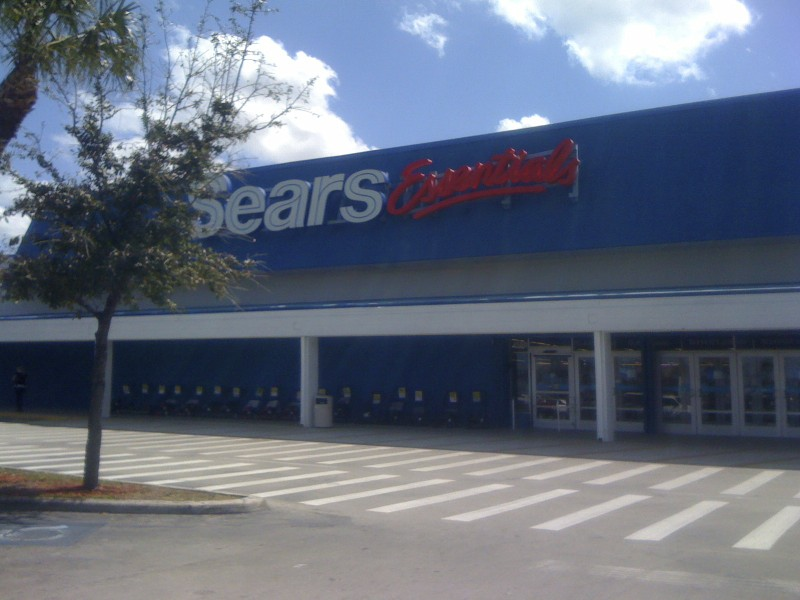
Sears was founded in 1886 by Richard Sears, a railroad station agent in Minnesota who started by reselling watches that a local jeweler didn’t want. By 1893, Sears had partnered with Alvah Roebuck and incorporated Sears, Roebuck and Co. in Chicago. The company’s mail-order catalog — which by the early 1900s was 1,000+ pages long and could ship anything from clothes to entire prefabricated houses — became one of the most influential publications in American history.
By 1975, Sears, J.C. Penney, and Montgomery Ward together controlled 43% of all American department store sales. Sears alone was the largest retailer in the world. The company built and moved into the Sears Tower in Chicago in 1973 — at the time, the tallest skyscraper in the world (it held that title until 1998). Sears owned the Kenmore appliance brand, Craftsman tools, DieHard batteries, and even the Encyclopedia Britannica.
The decline began in the 1980s when Kmart, Walmart, and Target emerged as discount competitors. Sears struggled to adapt. In 2005, Kmart purchased Sears in an $11 billion deal, creating Sears Holdings — but the merger didn’t reverse the decline. Hedge fund manager Eddie Lampert, who became CEO, sold off Sears’s most valuable assets (Craftsman to Stanley Black & Decker for roughly $900 million in 2017, hundreds of stores to a real estate trust called Seritage). Sears Holdings filed for bankruptcy in October 2018. Today, fewer than 20 Sears locations remain in the United States. The Chicago Sears Tower has been renamed the Willis Tower since 2009.
2. Montgomery Ward — the company that invented mail-order retail
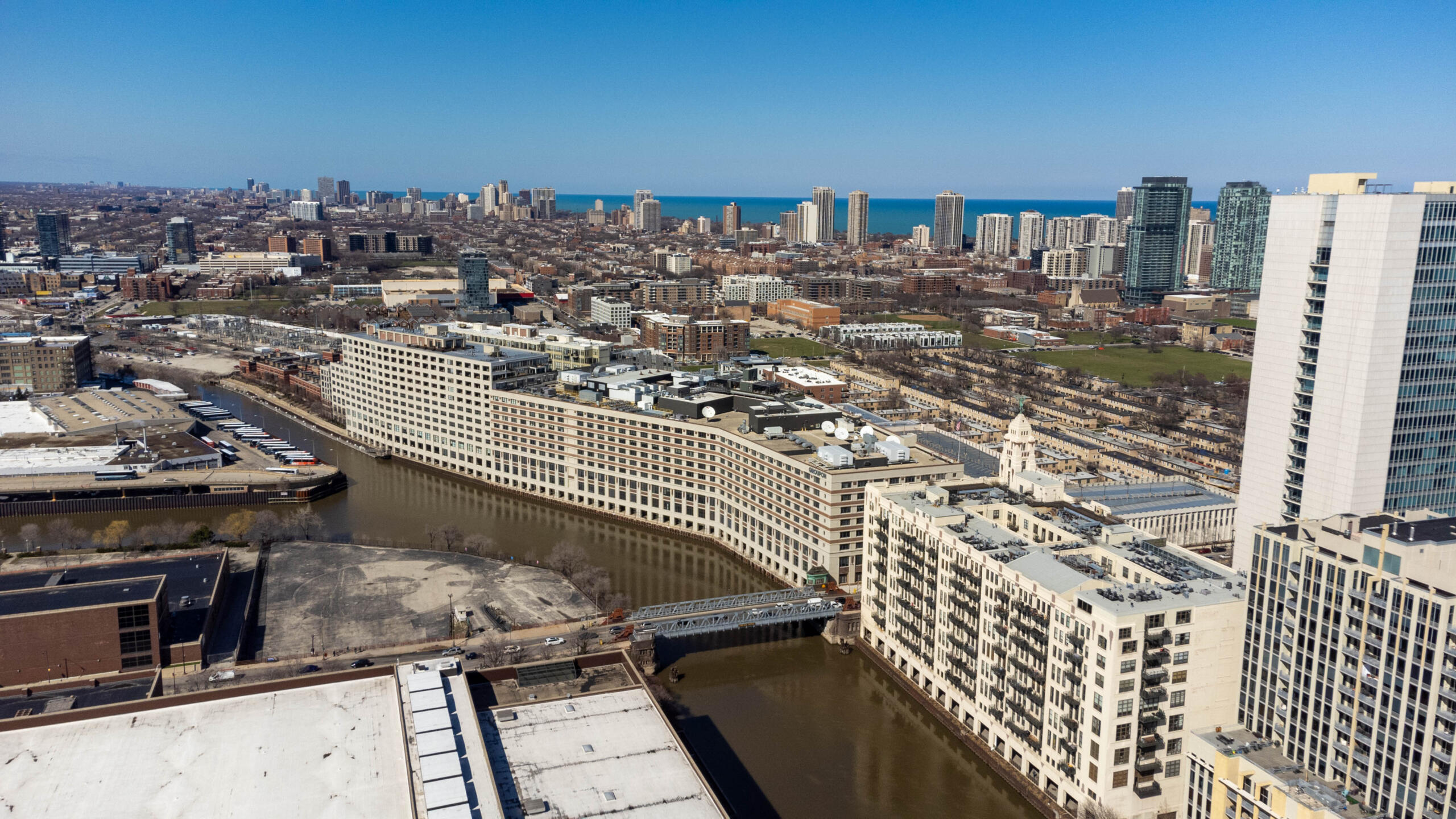
Montgomery Ward was founded in 1872 by Aaron Montgomery Ward in Chicago — predating Sears by more than a decade. The company essentially invented the modern mail-order catalog and pioneered the customer money-back guarantee. By 1930, Montgomery Ward had over 550 retail stores, including a flagship in Chicago with 10 acres of floor space topped with a gilded statue called “The Spirit of Progress.”
Montgomery Ward also has a peculiar Christmas connection: in 1939, a Montgomery Ward advertising executive named Robert May created a rhyming story called “Rudolph the Red-Nosed Reindeer” to hand out as a free booklet during Christmas store visits. The story became a national phenomenon, was eventually turned into the famous Gene Autry song in 1949, and made Rudolph one of the most recognizable Christmas figures in American culture.
The decline came partly because Sears beat Montgomery Ward to prime suburban shopping center locations after WWII. The company struggled through the 1980s and 1990s with multiple ownership changes (including being owned at various points by Mobil Oil and General Electric). A 1999 bankruptcy reorganization failed to turn the chain around. Montgomery Ward closed all its retail stores in 2001. The brand still exists as a catalog and online retailer (acquired by Colony Brands), but the actual department stores are gone.
3. Woolworth’s — the inventor of the five-and-dime
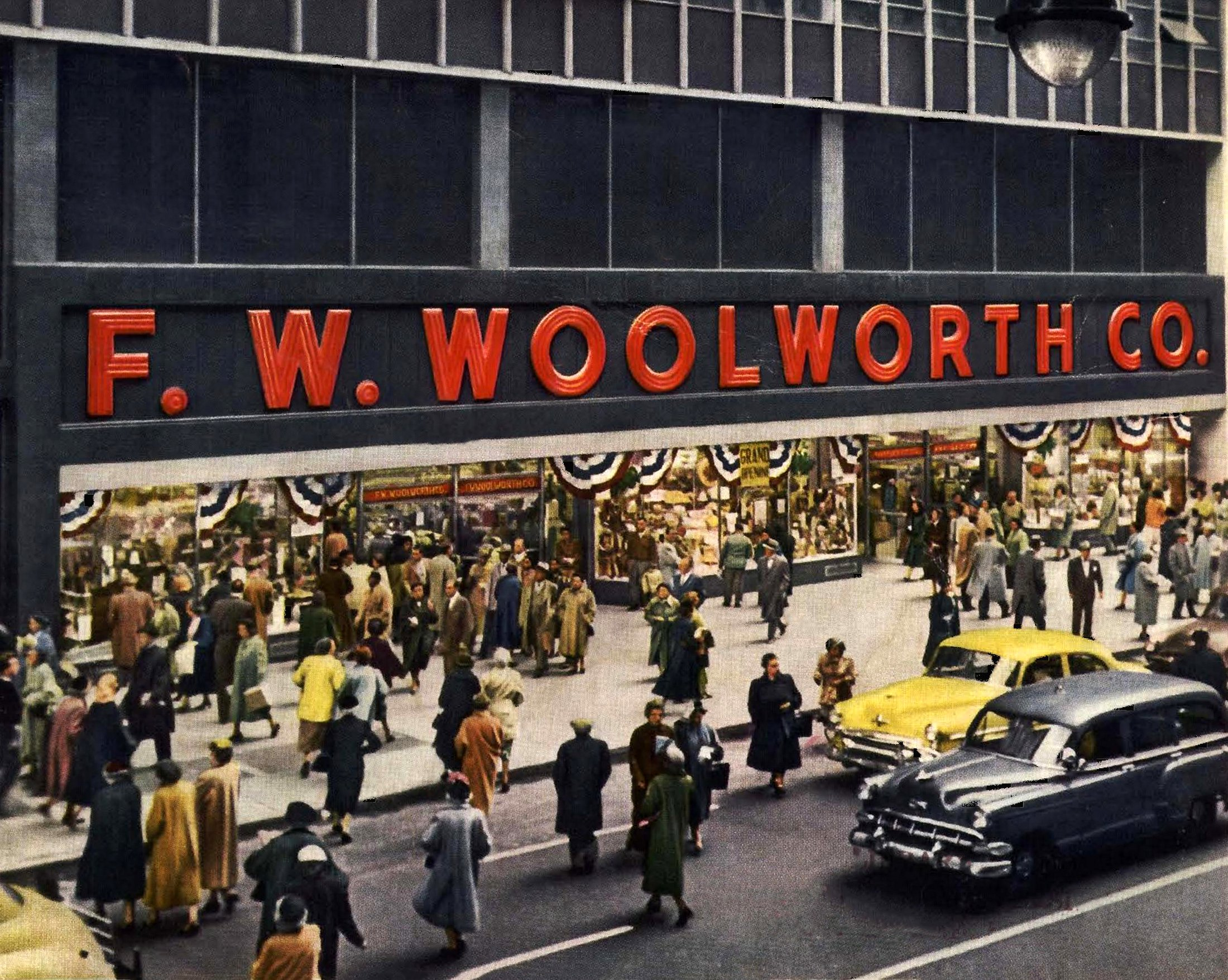
F.W. Woolworth opened the first successful “five-and-dime” store in Lancaster, Pennsylvania in 1879, with the simple concept that nothing in the store would cost more than five cents (and later, ten cents). The model was revolutionary because it meant customers could browse the merchandise themselves rather than asking a clerk for everything — fundamentally changing the in-store shopping experience.
By the early 20th century, Woolworth’s had hundreds of stores. The Woolworth Building in New York City, completed in 1913 and built with $13.5 million in cash from F.W. Woolworth himself, was the world’s tallest building until 1930. Woolworth’s lunch counters became iconic American institutions — the Greensboro, North Carolina sit-ins of February 1, 1960, when four Black college students sat at the segregated Woolworth’s lunch counter, became one of the defining moments of the Civil Rights Movement.
The decline came because the five-and-dime concept couldn’t survive against modern discount retailers like Walmart and Target. Woolworth’s last U.S. five-and-dime stores closed in 1997. The corporate parent eventually transformed into the company now known as Foot Locker — yes, the athletic shoe retailer is the corporate descendant of Woolworth’s.
4. Marshall Field’s — the Chicago institution that defined elegant retail
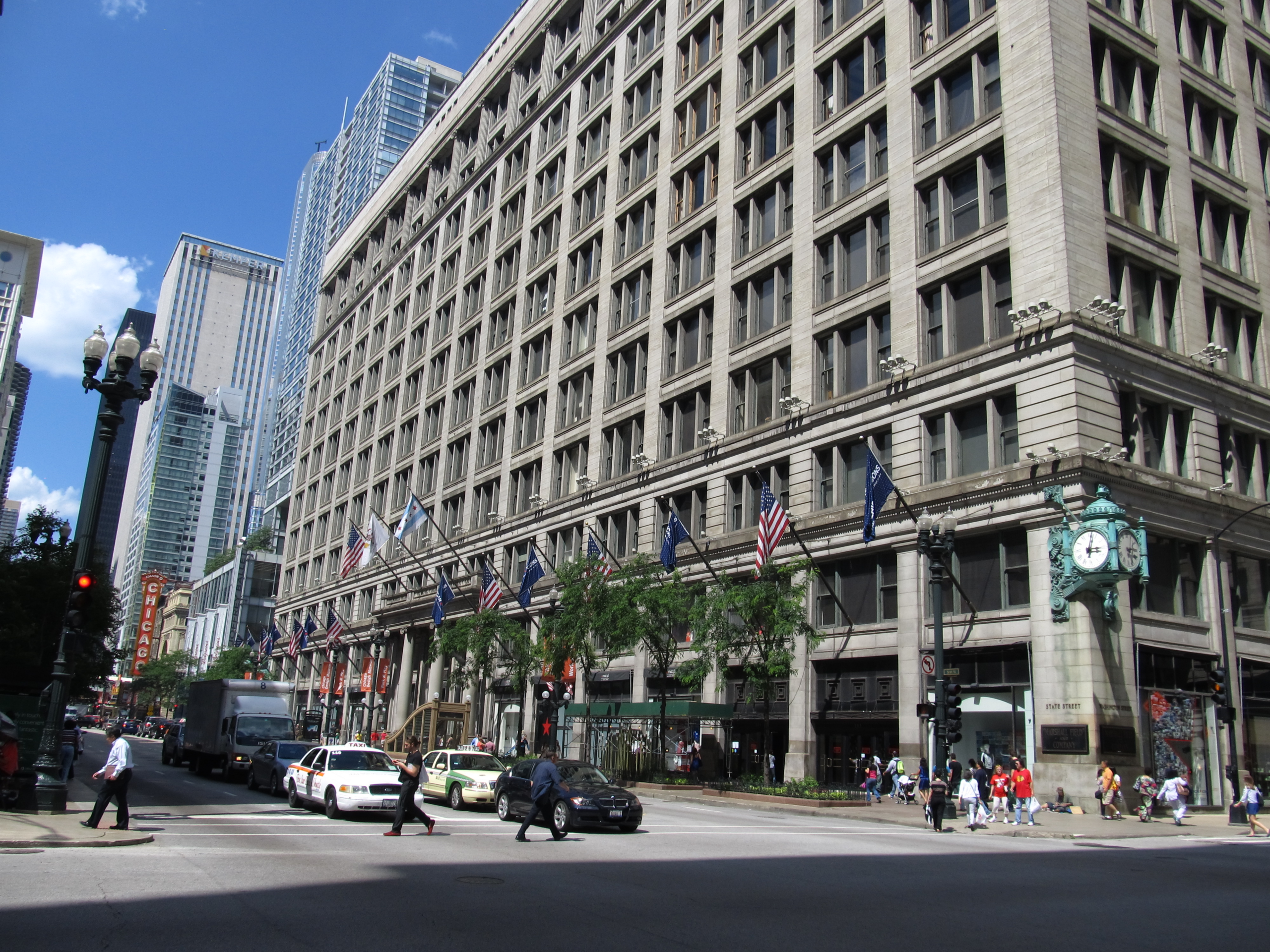
Marshall Field’s was founded in Chicago in 1852 (as Cooley, Wadsworth & Co.) and renamed Marshall Field & Company in 1881. The State Street flagship store became one of the most-visited retail destinations in America, famous for its enormous Tiffany glass dome (the largest in the world when installed in 1907), the Great Clock on the corner of State and Washington (a Chicago landmark since 1897), and innovations including the bridal registry concept and the concept that “the customer is always right” — the famous slogan reportedly originated at Marshall Field’s.
The decline came through corporate consolidation rather than bankruptcy. Marshall Field’s was acquired by the Dayton-Hudson Corporation in 1990, then by May Department Stores in 2004, and finally by Macy’s parent company Federated Department Stores in 2005. In 2006, Macy’s officially rebranded all Marshall Field’s stores as Macy’s. The State Street flagship still exists but operates under the Macy’s name. Many longtime Chicago residents still refer to it as Marshall Field’s and have never accepted the rebranding.
5. J.J. Newberry’s — the regional five-and-dime competitor
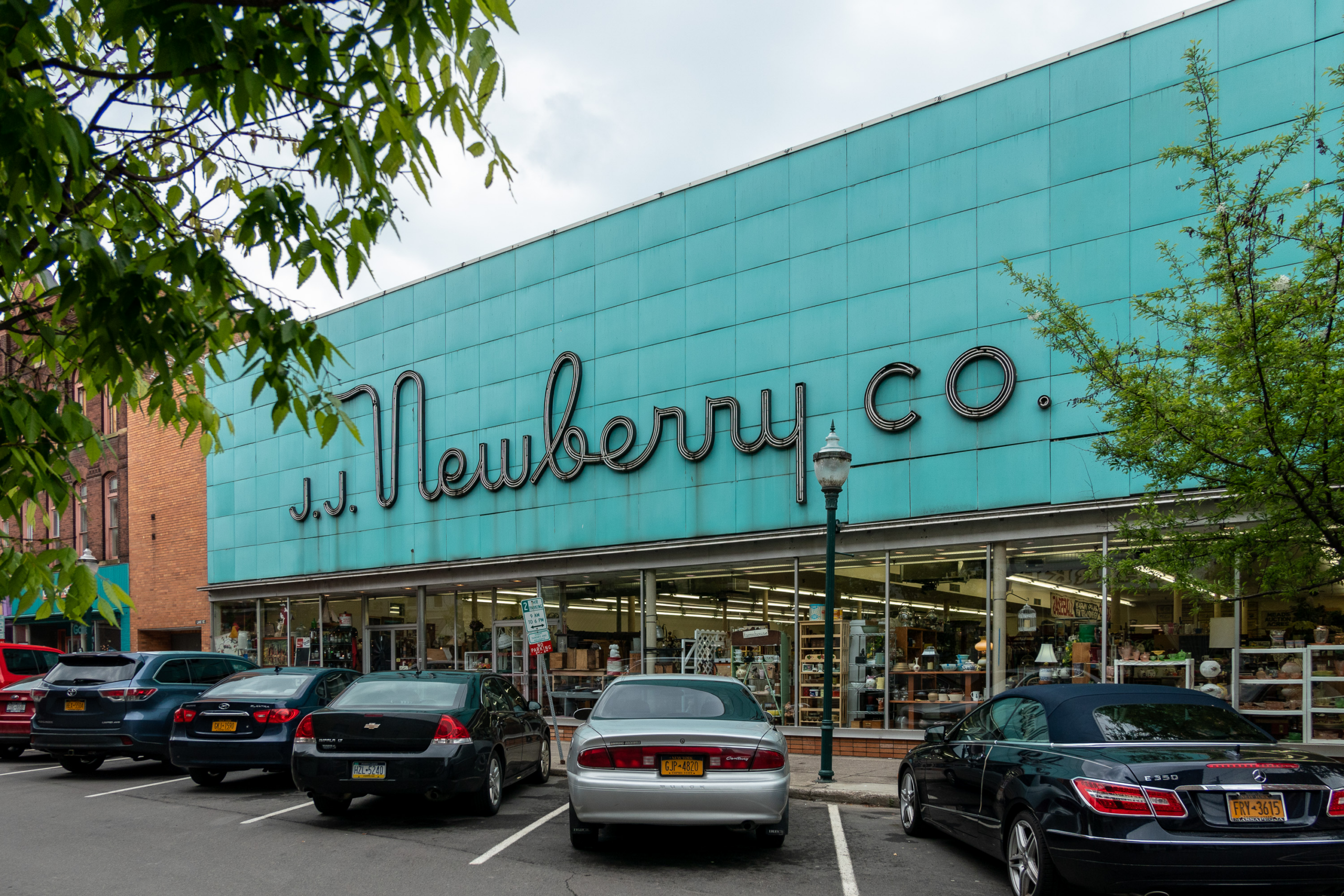
J.J. Newberry’s was a national chain of five-and-dime stores founded in 1911 in Stroudsburg, Pennsylvania by John J. Newberry. By 1955, the company operated approximately 565 stores across 47 states. The chain competed directly with Woolworth’s and Kresge (which would later become Kmart).
The decline came similarly to Woolworth’s — discount retailers like Kmart and Walmart squeezed the five-and-dime model out of relevance. J.J. Newberry’s was acquired by McCrory Stores in 1972, which itself entered bankruptcy in 1992. The last J.J. Newberry’s stores closed in 2001. The brand has not returned in any form.
6. Hudson’s (J.L. Hudson Company) — Detroit’s answer to Marshall Field’s
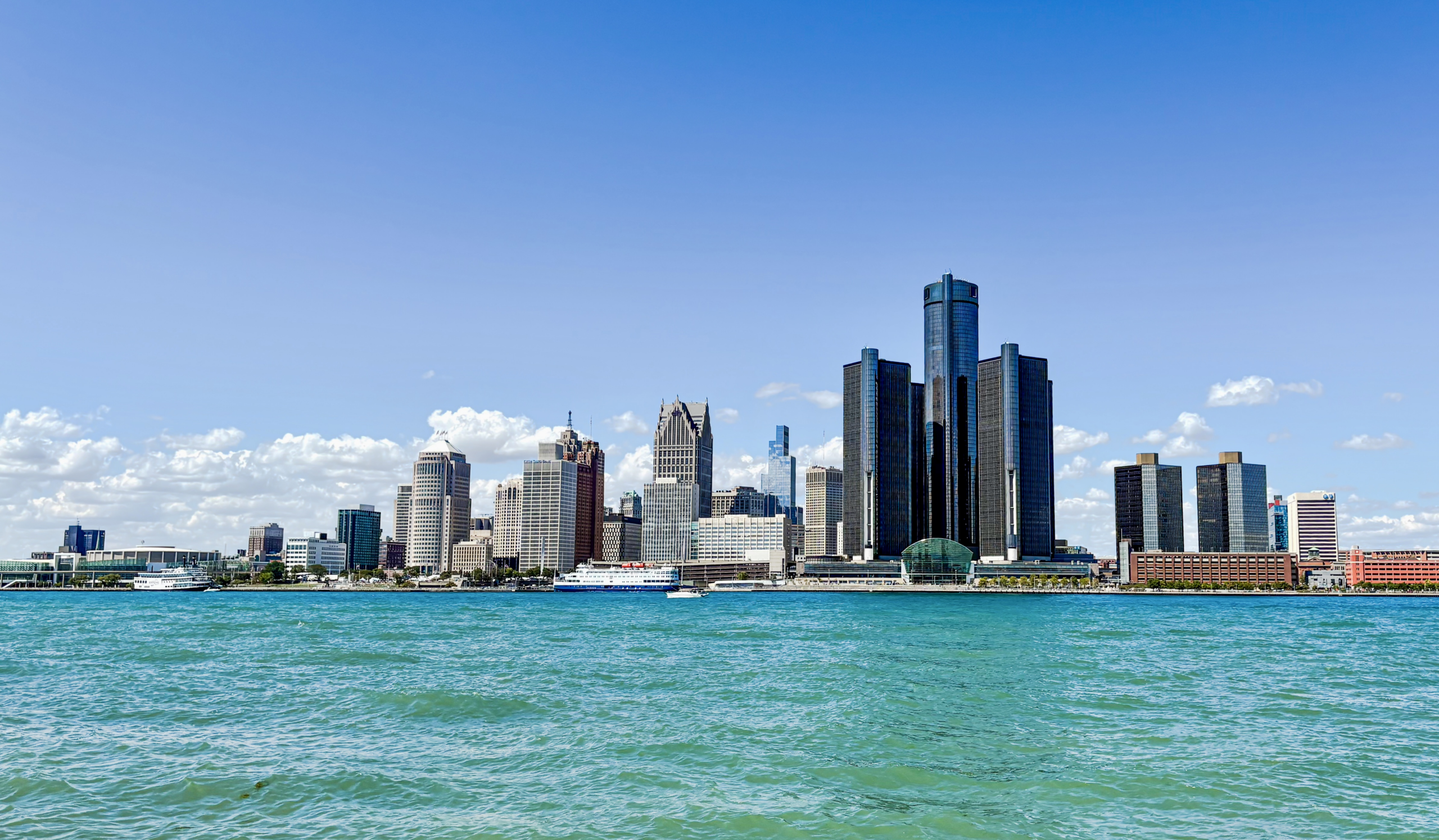
Hudson’s was founded in Detroit in 1881 by Joseph Lowthian Hudson. The downtown Detroit flagship at one point became the second-largest department store in the world (after Macy’s Herald Square in New York). The store’s annual Thanksgiving Day Parade — first held in 1924 — predates the more famous Macy’s Thanksgiving Day Parade by a year. The Hudson’s Christmas displays were a Detroit cultural institution for decades.
Hudson’s was acquired by the Dayton Company in 1969 (forming Dayton-Hudson, which would later become Target Corporation). The downtown Detroit flagship closed in 1983 as part of the city’s broader retail decline. The remaining Hudson’s stores were rebranded as Marshall Field’s in 2001 and then as Macy’s in 2006 — the same corporate consolidation that killed Marshall Field’s. The downtown Detroit flagship building was demolished in 1998, ending Detroit’s most famous shopping landmark.
7. Mervyn’s — the West Coast mid-tier department store
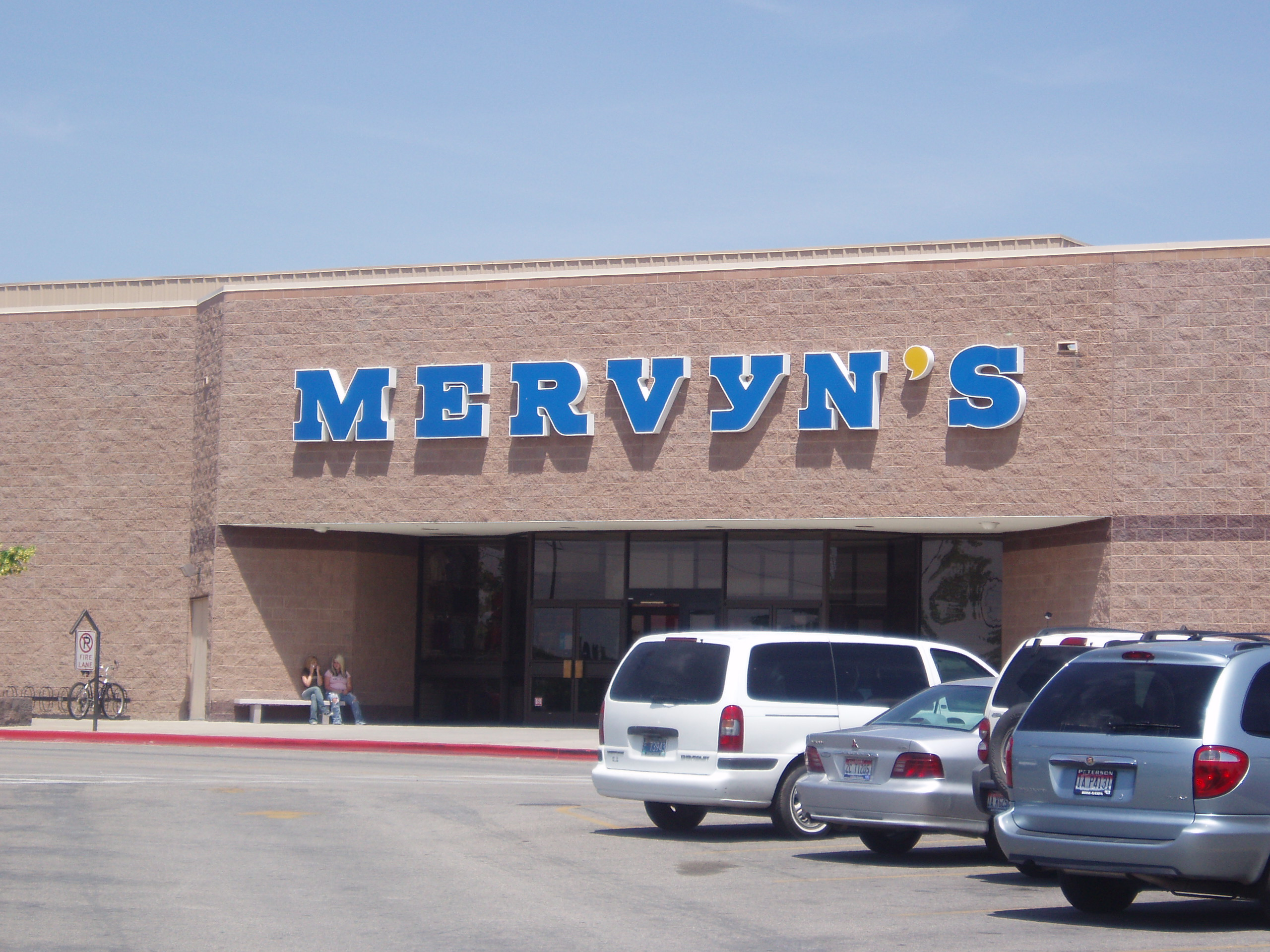
Mervyn’s was founded in 1949 in San Lorenzo, California by Mervin Morris. The chain expanded rapidly across the West Coast and Sun Belt, eventually operating over 200 stores. Mervyn’s became known for affordable casual clothing and home goods, positioned as a step up from Kmart but more affordable than Macy’s or Nordstrom.
The decline came through corporate ownership changes. Mervyn’s was owned by Dayton-Hudson (Target’s parent) for years before being sold to private equity in 2004. The new owners loaded the company with debt while extracting cash, and Mervyn’s filed for bankruptcy in 2008. All remaining stores closed in 2009. The brand briefly relaunched as an online retailer but discontinued operations again in the mid-2010s.
8. The Bon-Ton — the recent collapse
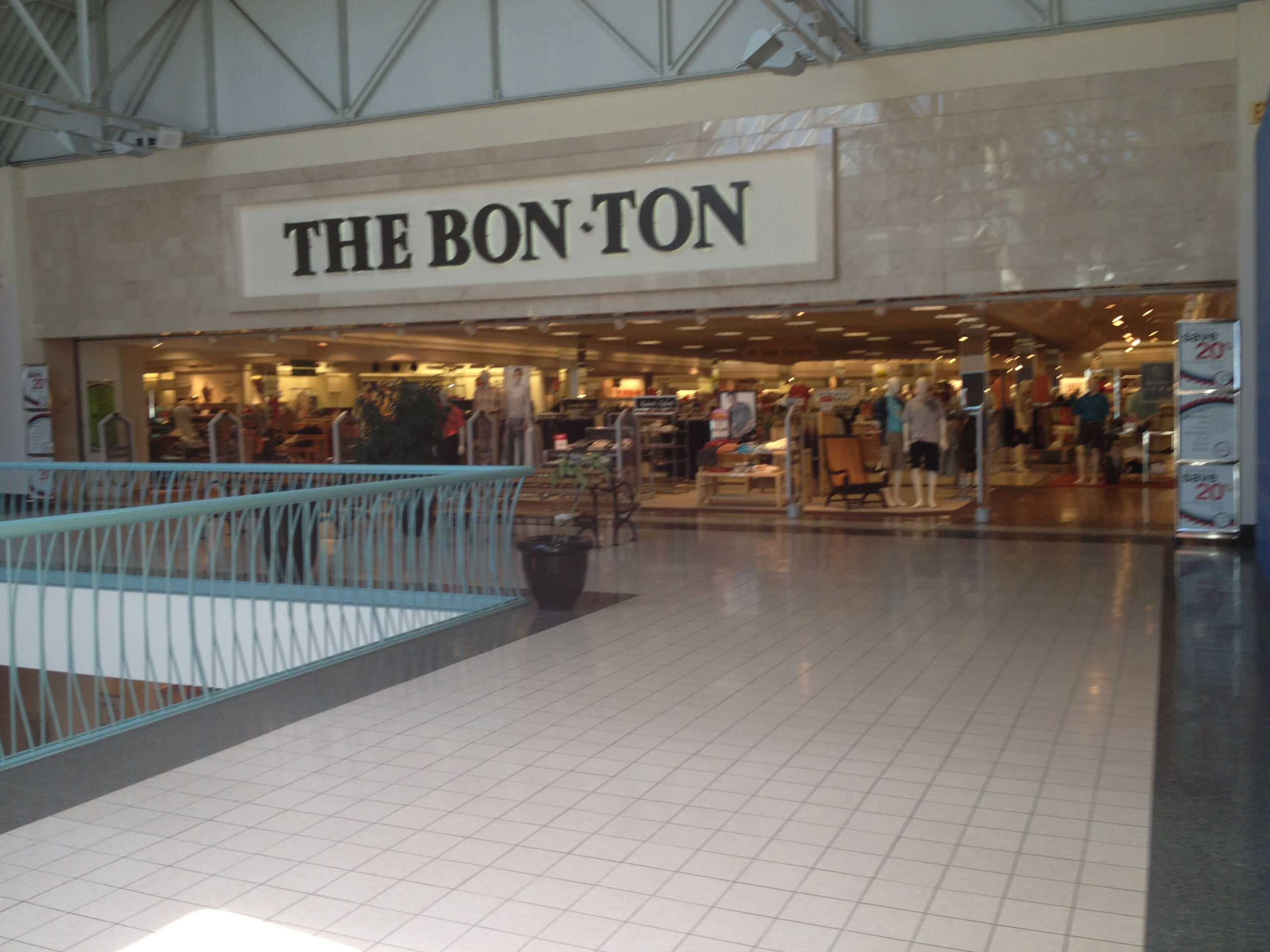
The Bon-Ton was a Pennsylvania-based regional department store chain that operated stores under multiple brands (Bon-Ton, Bergner’s, Boston Store, Carson’s, Elder-Beerman, Herberger’s, Younkers). At its peak, the chain operated over 250 stores across 23 states.
The Bon-Ton filed for bankruptcy in February 2018 and announced in April 2018 that it would liquidate all stores. By August 2018, all Bon-Ton stores had closed. The collapse was caused by the same factors that killed Sears: declining mall foot traffic, competition from Amazon and other online retailers, and inability to invest sufficiently in e-commerce infrastructure. The brand was acquired in liquidation by an online retailer that briefly tried to relaunch as an internet-only store, but that effort largely failed by 2020.
What this transformation actually means
The pattern across all eight stores reveals several specific causes of American department store extinction:
Mall decline killed mall anchors. Sears, J.C. Penney, and Montgomery Ward were the dominant mall anchors of the 1970s-1990s. As malls declined due to changing consumer behavior, the anchors lost the foot traffic they depended on.
Private equity restructuring extracted value while loading debt. Mervyn’s, Sears (under Eddie Lampert), Bon-Ton, and many other failed retailers shared a common pattern: private equity owners sold off real estate and brand assets to extract immediate cash while loading the operating companies with debt that became unsustainable.
E-commerce changed customer expectations faster than department stores adapted. Sears, ironically, had been the original mail-order retailer — the precursor to Amazon. The company failed to recognize that its own founding insight (selling things people couldn’t easily buy locally) had been reinvented for the internet age.
Discount retailers (Walmart, Target) ate the mid-tier market. The mid-priced department store segment that Sears, Penney’s, and Montgomery Ward dominated for decades was fundamentally squeezed between Walmart’s lower prices and Macy’s or Nordstrom’s higher service.
COVID-19 accelerated existing declines. While most of these stores were already in trouble before 2020, the pandemic shutdowns eliminated the breathing room many were depending on for restructuring efforts. Multiple chains that might have survived in a normal economic environment didn’t survive 2020-2021.
For travelers visiting older American cities, the buildings that housed these department stores often still exist — many converted into condos, hotels, mixed-use developments, or other retail uses. The Wanamaker’s flagship in Philadelphia is now Macy’s. The Marshall Field’s flagship in Chicago is now Macy’s. The downtown Hudson’s site in Detroit is undergoing reconstruction. The Sears Tower in Chicago is now the Willis Tower. The buildings carry the architectural memory of their original use even when the names are gone.
For Americans who grew up with these stores, the loss is more personal — these were the places where parents took children to see Christmas displays, where high school graduations were celebrated with new outfits, where wedding registries were filled, where holiday meals were planned in adjoining tea rooms. The end of the American department store represents the end of a specific kind of communal shopping experience that doesn’t translate into the e-commerce era. Whether that loss matters depends on what you valued about the experience — but the historical scale of the change is unambiguous.