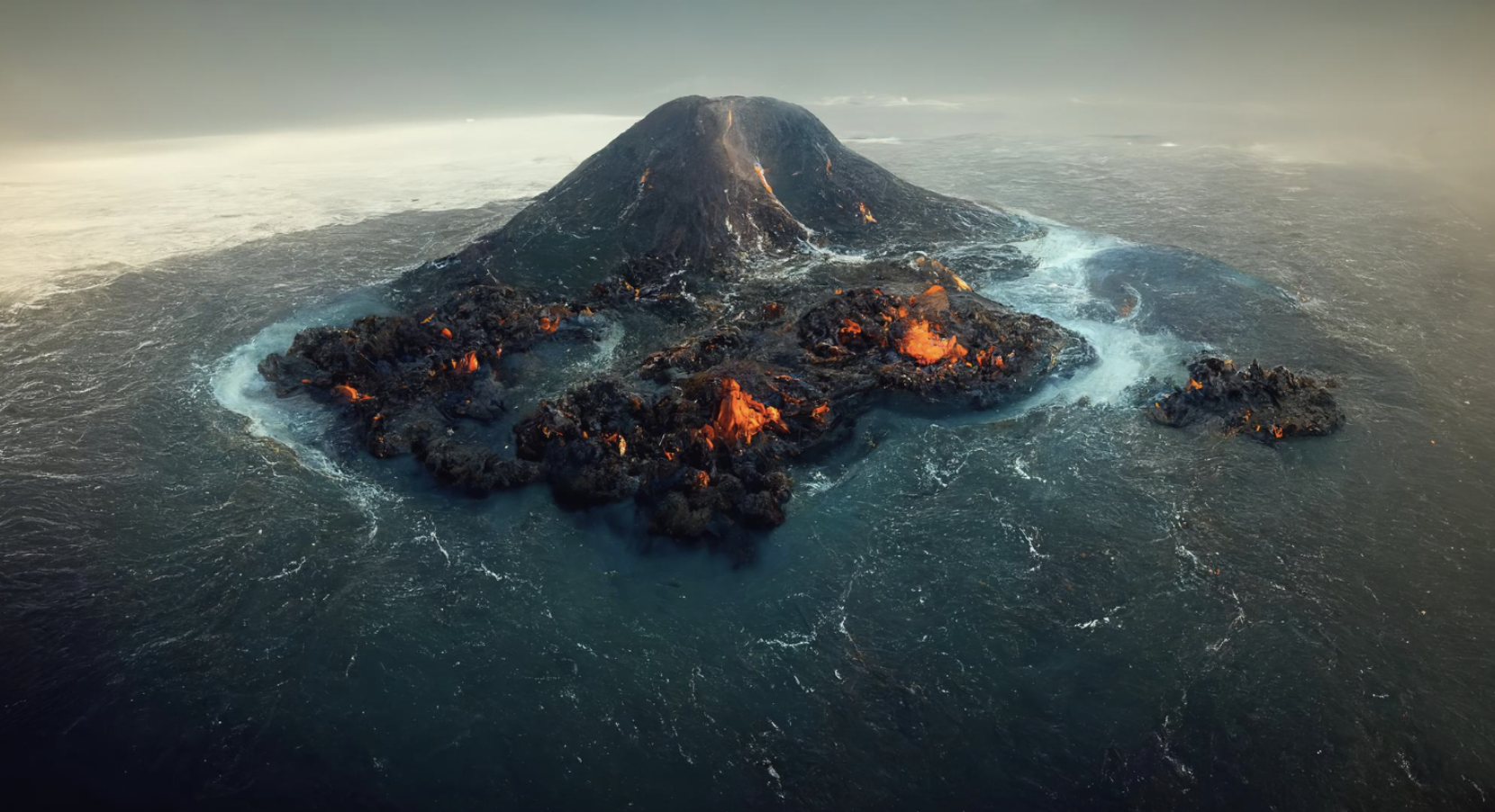

In July 1995, Plymouth was a thriving Caribbean capital city with approximately 4,000 residents, a busy port, banks, hotels, schools, government offices, and a Georgian-era architectural character that reflected its founding as a British colony in the 17th century. It was the capital of Montserrat — a small British Overseas Territory in the eastern Caribbean.
By August 1997, Plymouth had been buried under 4.6 feet of volcanic ash. Today, more than 28 years later, the city remains uninhabitable. Yet it still legally serves as the capital of Montserrat — making it the only ghost town capital of any political territory in the world.
1: A capital city under volcanic ash
Plymouth was once the capital of the Caribbean island of Montserrat, a British Overseas Territory in the eastern Caribbean. In 1995, the Soufrière Hills volcano erupted after centuries of dormancy, causing a mass evacuation. Although residents returned briefly to the town, a further eruption in August 1997 destroyed approximately 80% of Plymouth, burying it under 4.6 feet (1.4 meters) of ash. The destruction has led to it being called the “Pompeii of the Caribbean.”
2: A 17th-century British colony
Montserrat was first sighted by Christopher Columbus on his second voyage to the New World in 1493, though he didn’t land. The first permanent European settlers arrived in 1632, when Irish refugees fled to the island after being exiled by Oliver Cromwell. In the centuries that followed, many more Irish people emigrated to Montserrat to escape persecution. The island became known as “the Emerald Isle of the Caribbean” because of this Irish heritage. The town of Plymouth — named after the English city — became the capital when Montserrat became a separate British colony in 1962.
3: Hurricane Hugo and the warning that no one heeded
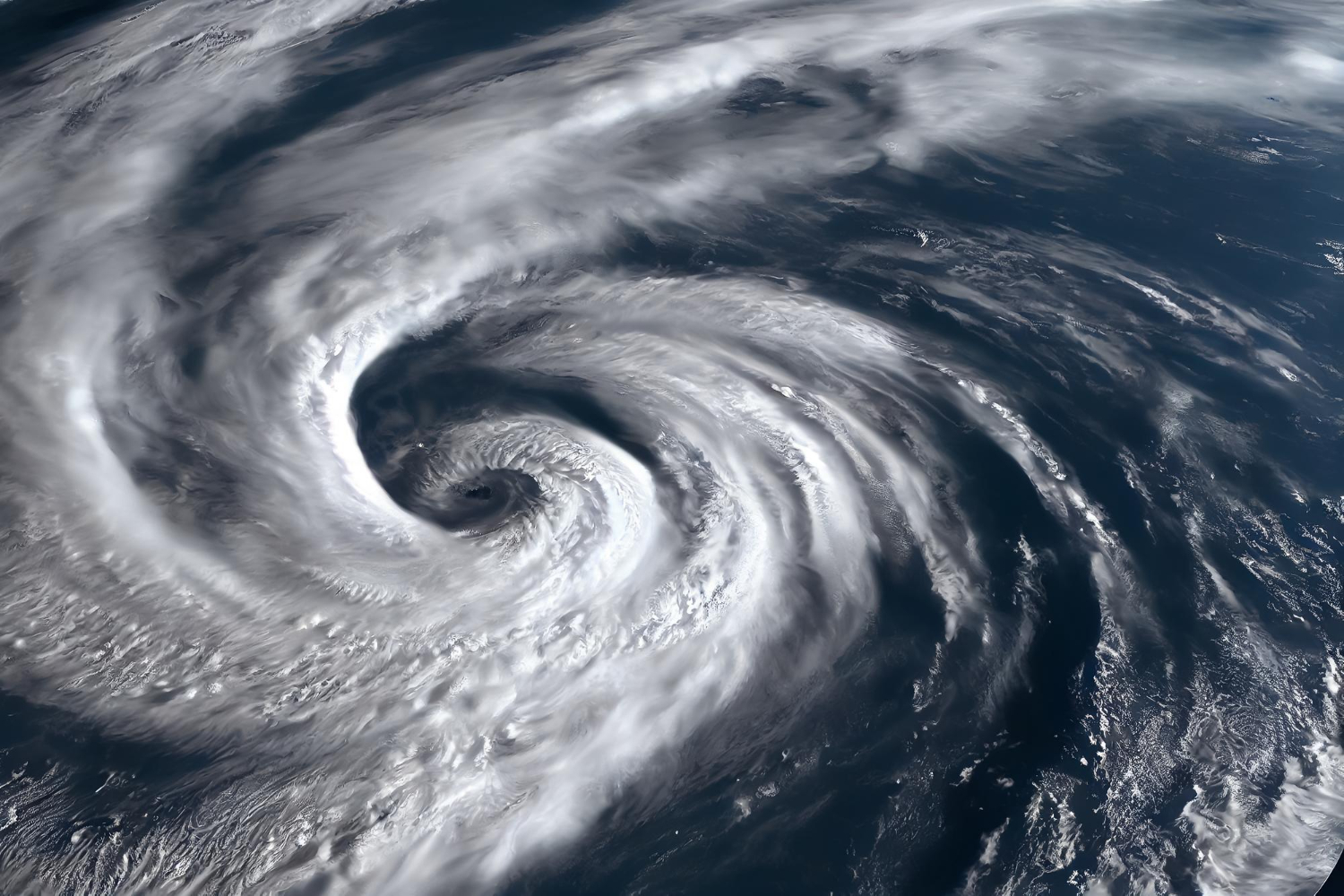
In September 1989, Montserrat was hit by Hurricane Hugo, a Category 4 storm that destroyed approximately 90% of the structures on the island. Plymouth’s harbor lost its 180-foot stone jetty. Many buildings, including schools, health centers, and the recently constructed central hospital, were rendered unusable. Damages were extensive enough that all hospital patients had to be relocated. The island was just beginning to recover when, in July 1995, the Soufrière Hills volcano — which had been dormant for over 350 years — began to stir.
4: The first eruption
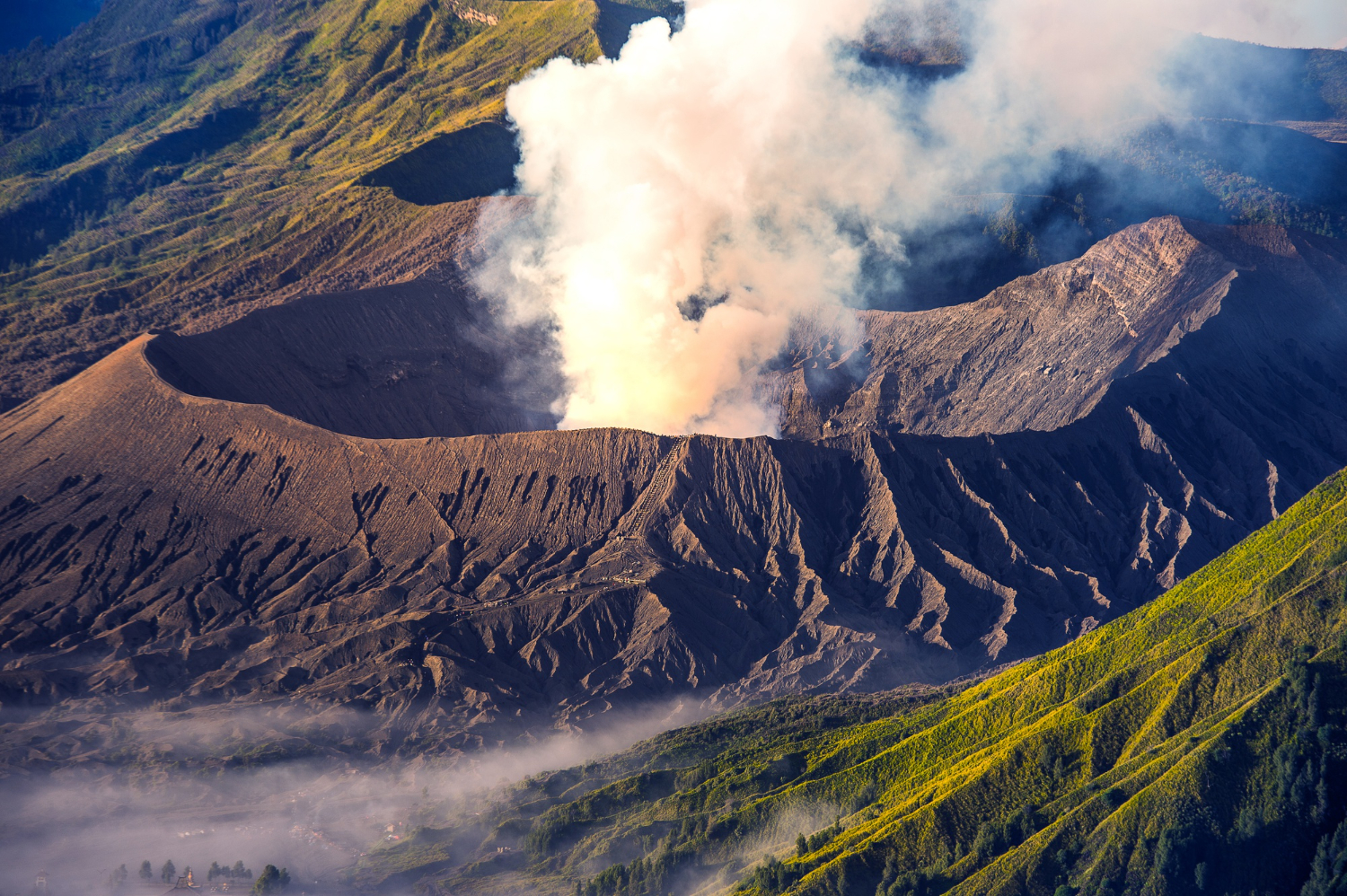
On July 18, 1995, the Soufrière Hills volcano began emitting ash and steam after centuries of inactivity. Volcanologists warned of potential damage to the capital, located just 4 kilometers (2.5 miles) from the volcano. On August 21, 1995, a volcanic explosion covered Plymouth in a thick layer of ash and darkened the sky almost completely. The first evacuation began on August 21, 1995, and lasted until September 3. Residents were allowed to return briefly. The volcano was just beginning what would become a multi-year crisis.
5: The 1996 evacuations
The volcanic activity continued to escalate through late 1995 and into 1996. On December 1, 1995, residents were evacuated again due to the growth of a new lava dome. Some areas were resettled in early 1996. On April 3, 1996, after pyroclastic flows and mudflows began occurring regularly, southern Montserrat — including Plymouth — was permanently evacuated for the third and final time. Areas closest to the volcano became part of an officially designated exclusion zone. The economic impact on Montserrat was already severe, with most of the island’s businesses having been concentrated in Plymouth.
6: The June 1997 disaster that killed 19 people
For roughly a year after the April 1996 evacuation, the volcano continued to be unpredictable. Residents returned to Plymouth and surrounding villages during quieter phases. On June 25, 1997, at 12:45 PM, the lava dome on Soufrière Hills’ northern face collapsed. The resulting pyroclastic flow traveled down Mosquito Ghaut — a steep ravine leading to the sea. The flow could not be contained by the ravine and spilled over its banks, killing 19 people who had returned to the officially evacuated village of Streatham. The pyroclastic surge reached nearly to the island’s airport, which had remained open until that point.
7: The August 1997 destruction
Between August 4 and August 8, 1997, Soufrière Hills erupted in a series of pyroclastic flows aimed directly at Plymouth. Surge after surge of searing rocks, ash, and gases swept through the capital, flattening most houses and igniting wooden buildings. What survived the flows’ fury was buried under a thick, solid layer of volcanic ash, rocks, and solidified lava. Following the fires came the lahars — devastating mudflows produced when heavy rains combined with volcanic debris. In a matter of hours, Plymouth had been almost entirely destroyed, with approximately 80% of its surface buried under a dark grey layer measuring 1.4 meters high. Mercifully, no victims were recorded. Plymouth had been completely evacuated in June.
8: The mass exodus
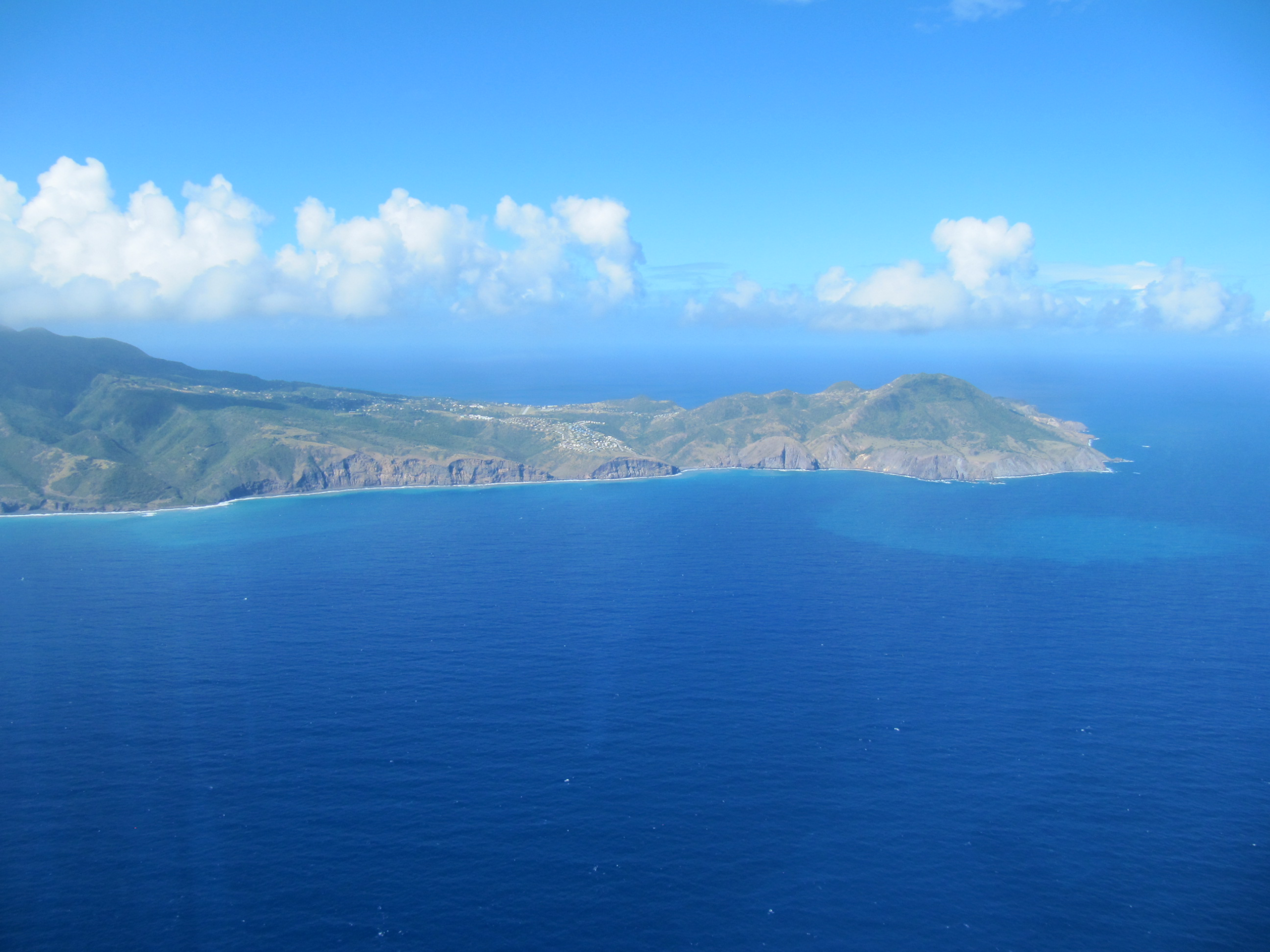
Between 1995 and 2000, two-thirds of Montserrat’s population was forced to flee the island, mostly to the United Kingdom, leaving fewer than 1,200 people on the island in 1997. The British government considered permanently relocating the entire population away from the island. Many of those who left have never returned. The pre-eruption population of approximately 11,000 had been reduced to fewer than 5,000 by 2016. The island’s economy — once based on tourism, agriculture, and the famous AIR Studios Montserrat (where the Beatles’ producer George Martin had hosted artists including Paul McCartney, the Rolling Stones, Dire Straits, and Jimmy Buffett) — collapsed completely.
9: Why Plymouth remains the capital
Despite the total destruction, Plymouth was never officially demoted from its status as Montserrat’s capital. The British colonial government simply moved its operations to the village of Brades in the northern part of the island, which serves as the de facto capital. Plymouth remains, on paper, the capital city — making it the world’s only ghost town capital of any political territory. A new airport opened in 2005 at Gerald’s, near Brades, replacing the buried W. H. Bramble Airport. A new port and government building have been under construction at Little Bay since 2013, intended to eventually become the new capital once complete.
10: Daytime access since 2015

Daytime access to Plymouth has been permitted for some activities since about 2015, primarily for sand and gravel extraction for construction projects. Tourists can also visit the buried capital during daylight hours, accompanied by licensed guides. The experience is genuinely surreal. Visitors walk through what was once a busy capital city, with rooftops of two- and three-story buildings poking out of the volcanic landscape. The clock on the government headquarters’ first floor is now half-buried in ash — its hands frozen at the moment the eruptions overwhelmed the city. Cars sit where they were parked in 1997, now half-consumed by the ground.
11: The volcano is still active
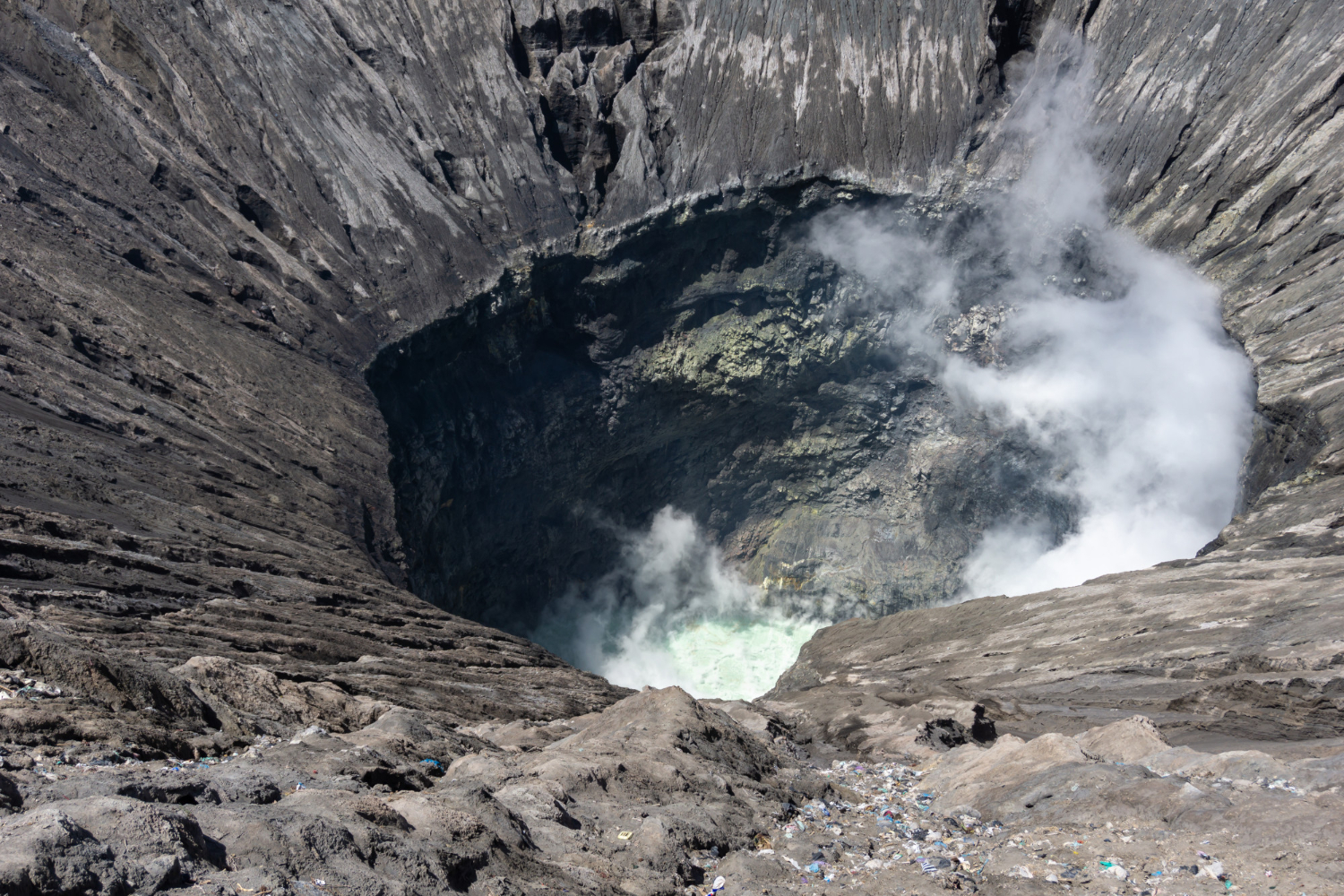
Soufrière Hills remained active through 2010, with eruptions continuing into 2013. The Montserrat Volcano Observatory monitors the volcano continuously. On December 26, 1997, a Boxing Day eruption sent eruption clouds 36,000 feet into the atmosphere. The 2010 eruption produced an ash plume that reached Western Europe, exacerbating storms that caused 48 fatalities in Madeira and 63 in France (Cyclone Xynthia). Montserrat’s exclusion zone — covering most of the southern half of the island — remains in place. Settlements within the exclusion zone are no longer habitable. Travel into the zone is severely restricted.
12: A modern Pompeii
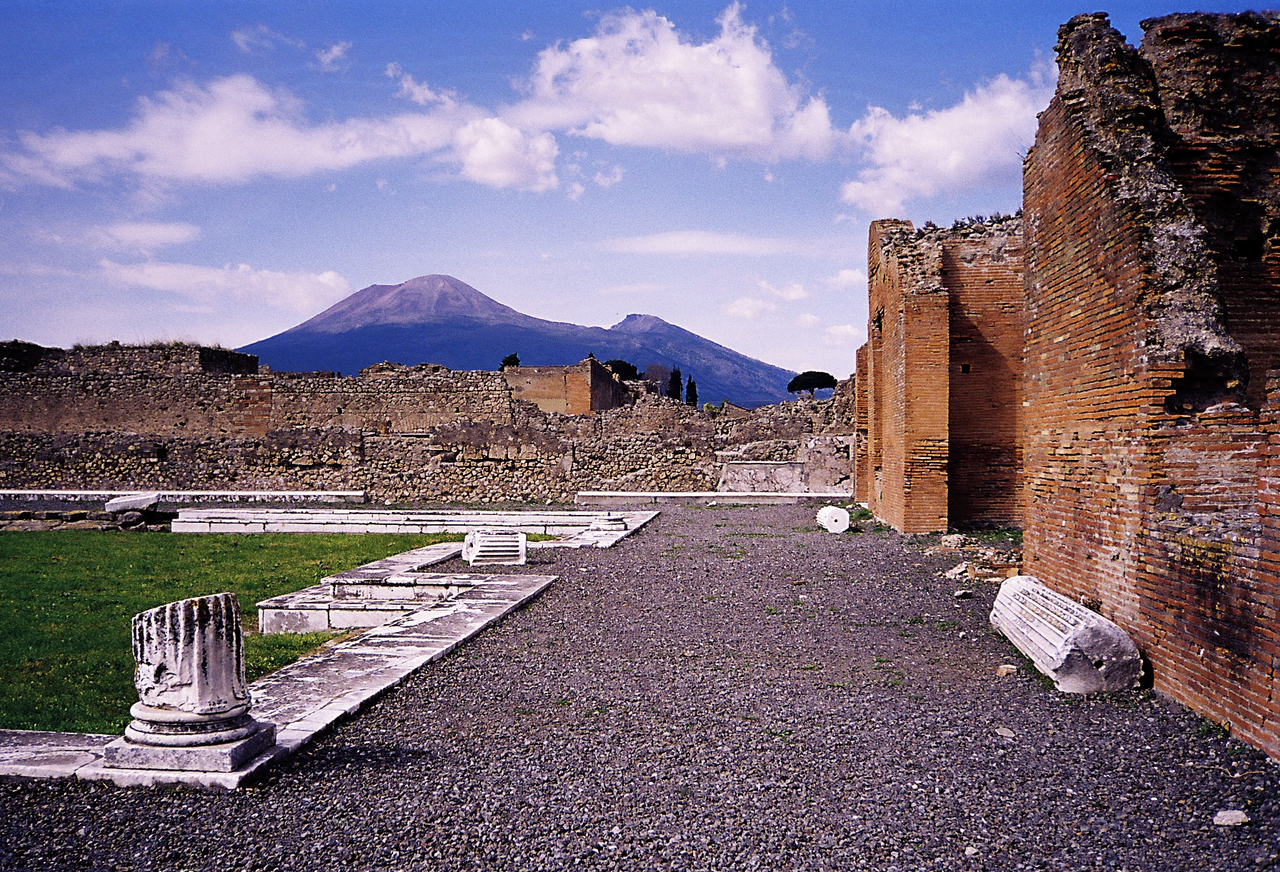
For visitors, modern Plymouth offers something genuinely rare: a contemporary city frozen at the moment of its destruction. Unlike ancient Pompeii, which was buried 2,000 years ago and is preserved as an archaeological site, Plymouth is recent enough that survivors and former residents are still alive — many of them living in the northern half of Montserrat or in the United Kingdom, watching their former capital disappear into volcanic landscape. The Montserrat Volcano Observatory operates as both a scientific facility and a visitor center, providing context for what visitors can see. For travelers willing to make the difficult journey to Montserrat (no direct flights from major cities; most arrive via Antigua), Plymouth is one of the most haunting and recent reminders of how nature can erase even an entire capital city in a matter of days.