From Mountain Dew (banned in roughly 100 countries until 2020) to Froot Loops (reformulated for European markets) to Twinkies (forbidden in Norway, Austria, and Finland), several American food staples can’t legally cross certain borders. The ingredients flagged are usually the same ones — and they’re still legal in the U.S.
When American travelers arrive in Europe, Japan, or other developed countries and look for familiar comfort foods, they often discover that some of the brands and products they know simply don’t exist on local shelves — or exist in noticeably different forms. The reasons are almost always the same: ingredients that are legal in the United States are restricted or banned in other countries due to specific health concerns.
The pattern reveals something specific about U.S. food regulation. The FDA generally takes a “presumed safe until proven otherwise” approach to food additives, while the European Union and many other countries take a “must be proven safe before allowed” approach. The result is that the same multinational companies often manufacture two different versions of their products — one for the U.S. market with cheaper synthetic ingredients, and one for international markets without those ingredients.
Here are 8 of the most-discussed cases.
1. Mountain Dew — was banned in roughly 100 countries until 2020
Mountain Dew became famous internationally for the wrong reason. For decades, the soda contained brominated vegetable oil (BVO) — an emulsifier that kept citrus flavoring evenly distributed throughout the drink. BVO is also a flame retardant. The same chemical used in furniture and electronics to prevent them from catching fire was being added to a popular American soft drink.
Bromine consumption has been linked to headaches, memory loss, and impaired balance and coordination. The European Union banned BVO in food decades ago. Japan also banned it. Approximately 100 countries restricted Mountain Dew because of BVO.
PepsiCo finally removed BVO from Mountain Dew in 2020 after years of consumer pressure. The FDA officially banned BVO from all U.S. food products in 2024 — over 50 years after most other developed countries. Modern Mountain Dew is BVO-free, but older formulations still aren’t allowed in many markets, and the brand’s international reputation has not fully recovered.
2. Froot Loops — banned or reformulated in Canada, Europe, and Australia
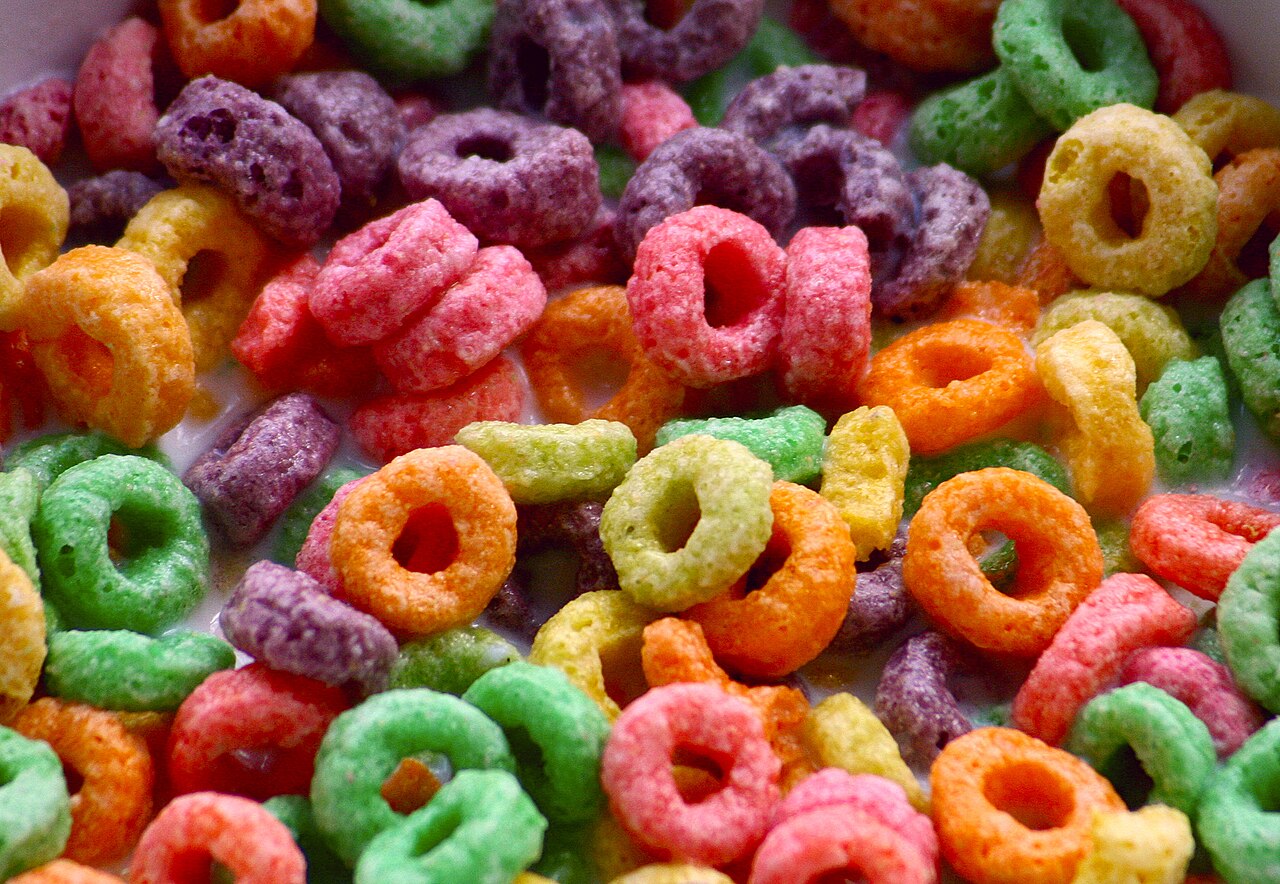
The version of Froot Loops sold in the United States gets its rainbow colors from synthetic dyes — Red 40, Yellow 5, Yellow 6, and Blue 1 — that are derived from petroleum. These dyes have been linked in multiple studies to behavioral issues and hyperactivity in children, particularly in those with ADHD.
In Canada, Australia, the United Kingdom, France, Austria, Norway, and Finland, the U.S. version of Froot Loops cannot be sold. Either the dyes are banned outright, or products containing them must carry warning labels about potential effects on children. Kellogg’s responded by manufacturing a different version of Froot Loops for these markets, using natural colorings derived from fruits and vegetables. The international version is noticeably duller in color than the American one — same shape, similar taste, completely different appearance.
The U.S. Froot Loops also contain BHT (butylated hydroxytoluene), a preservative banned or restricted in Japan, parts of Europe, and the United Kingdom due to suspected carcinogenic properties.
3. Skittles — reformulated for Europe due to titanium dioxide
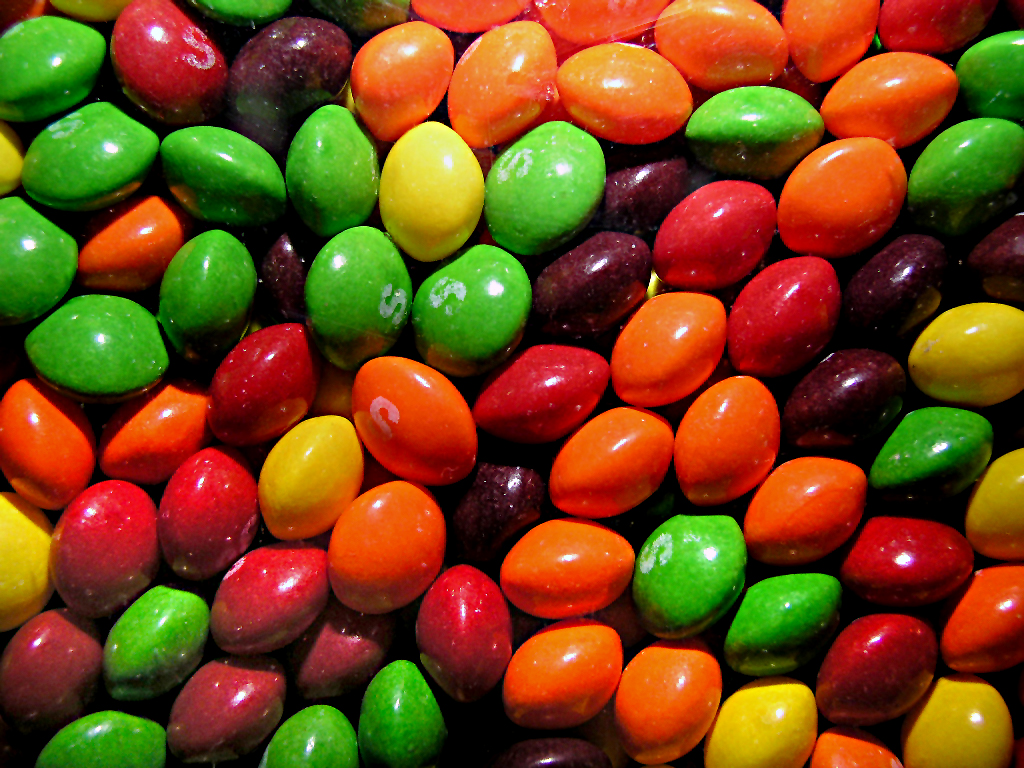
The U.S. version of Skittles contains titanium dioxide (a whitening agent that makes candy look shinier and more vibrant) and artificial dyes including Yellow 5, Yellow 6, and Red 40.
Titanium dioxide was banned by the European Union in 2022 over concerns about potential DNA damage and possible cancer-causing effects. The artificial dyes are also restricted in many EU countries. Mars (Skittles’ parent company) reformulates Skittles for European markets, using paprika extract for reddish-orange tones and black carrot juice for purple shades. The European version is colorful but visibly less neon-bright than the American original.
A 2022 California consumer lawsuit attempted to force Mars to remove titanium dioxide from American Skittles (the so-called “Skittles ban” lawsuit). The case was dismissed in 2023, and titanium dioxide remains legal in U.S. food products as of 2026.
4. Twinkies — banned in Norway, Austria, and Finland
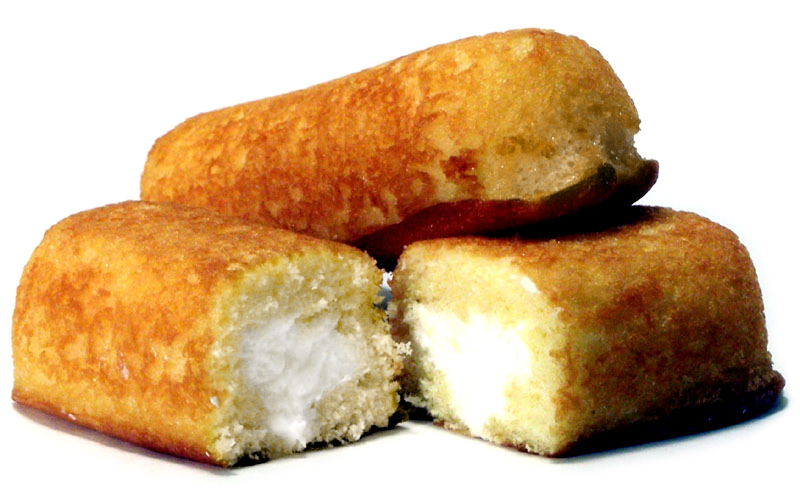
Twinkies contain a combination of artificial colors and ingredients that aren’t allowed in several European countries:
- Yellow 5 (tartrazine) — gives Twinkies their golden color, banned in Norway, Austria, and Finland
- Red 40 — used in trace amounts, restricted in many EU countries
- High-fructose corn syrup — heavily regulated in the EU
- Hydrogenated oils — restricted due to trans fat content
The result is that Twinkies cannot be legally sold in Norway, Austria, and Finland in their American formulation, and must carry warning labels in much of the EU. Hostess (Twinkies’ manufacturer) has not produced a reformulated international version, meaning Twinkies essentially don’t exist in much of Europe.
5. Ritz Crackers — banned in Iceland, Denmark, Switzerland, and others
Ritz Crackers contain partially hydrogenated soybean and cottonseed oils, which produce trans fats. Trans fats have been definitively linked to increased risk of cardiovascular disease, and many European countries have explicitly banned partially hydrogenated oils in food products.
Countries where Ritz crackers are banned or restricted in their American formulation include Austria, Hungary, Iceland, Norway, Switzerland, and Denmark. The trans fat issue is straightforward: every major health organization in the world has confirmed that trans fats from partially hydrogenated oils increase cardiovascular disease risk. The U.S. has gradually phased out partially hydrogenated oils since 2018, but the formulation in some Ritz products still includes ingredients that aren’t allowed in stricter markets.
6. Frosted Flakes (and other Kellogg’s cereals) — banned in Japan and parts of Europe
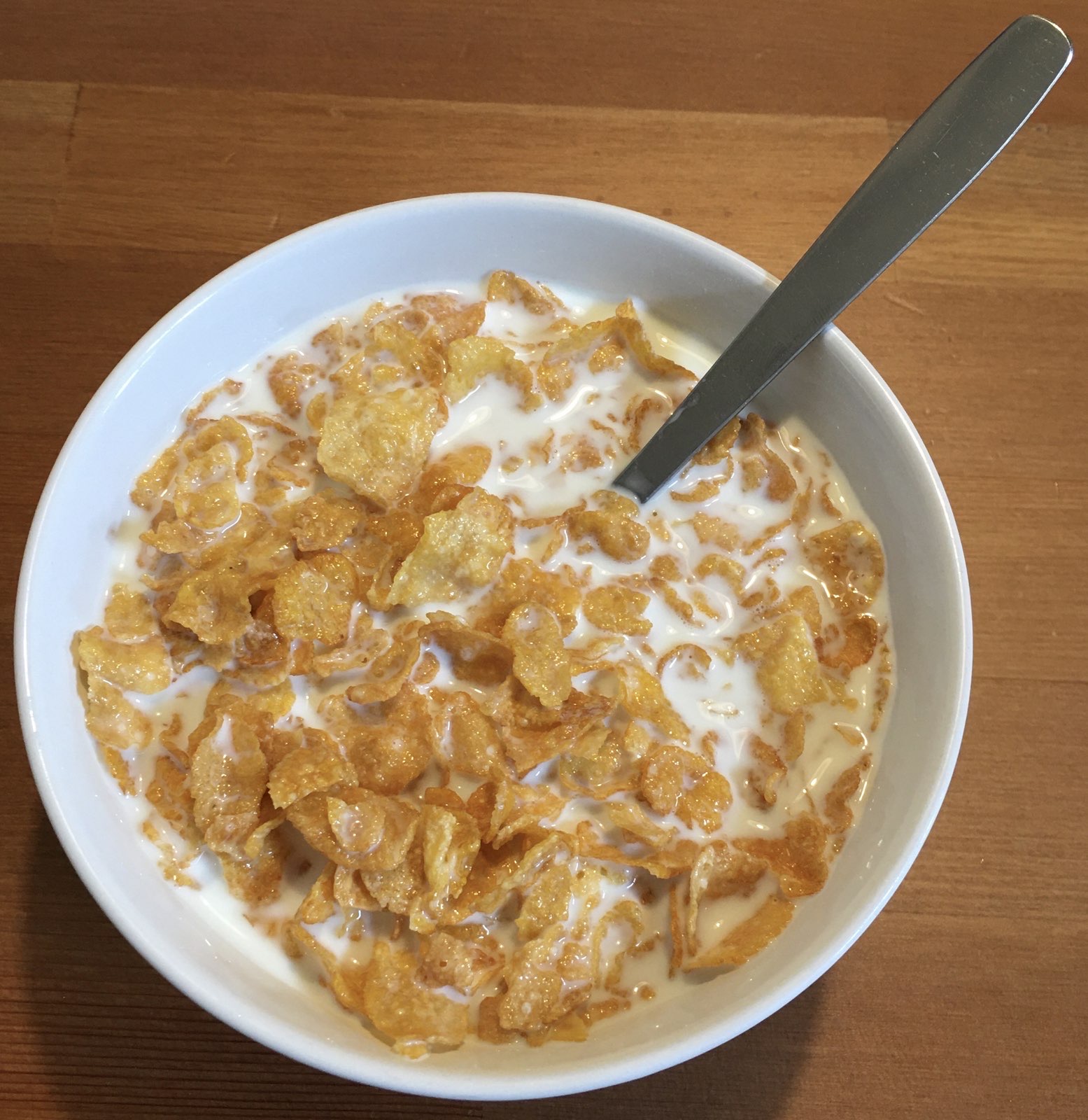
Frosted Flakes, Honey Bunches of Oats, Rice Krispies, and several other Kellogg’s cereals contain BHT (butylated hydroxytoluene) as a preservative. BHT extends shelf life and prevents oils in the cereal from going rancid.
BHT has been linked in animal studies to endocrine disruption, organ toxicity, and possible carcinogenic effects. Japan, Norway, France, Austria, Finland, and several other countries either ban BHT outright or require reformulation without it. Kellogg’s manufactures different versions of these cereals for international markets, removing BHT and using alternative preservatives.
The U.S. version still contains BHT as of 2026.
7. American bread — potassium bromate banned in Europe, China, India, and Brazil
Many American breads — particularly mass-produced commercial breads — contain potassium bromate, an ingredient that helps bread rise more uniformly and gives commercial loaves their characteristic texture. Potassium bromate has been classified as a “possible carcinogen” by the International Agency for Research on Cancer.
The European Union banned potassium bromate in 1990. China, India, Brazil, Canada, Argentina, Nigeria, Peru, Sri Lanka, and South Korea all followed. The U.S. has not banned potassium bromate, though California did so for products sold in California in 2024.
The result is that American mass-produced bread cannot be exported to most of the world without reformulation. Many smaller American bakeries have voluntarily eliminated potassium bromate, but it remains common in commercial American bread products.
8. Pop-Tarts — banned in EU and UK for Red Dye No. 3
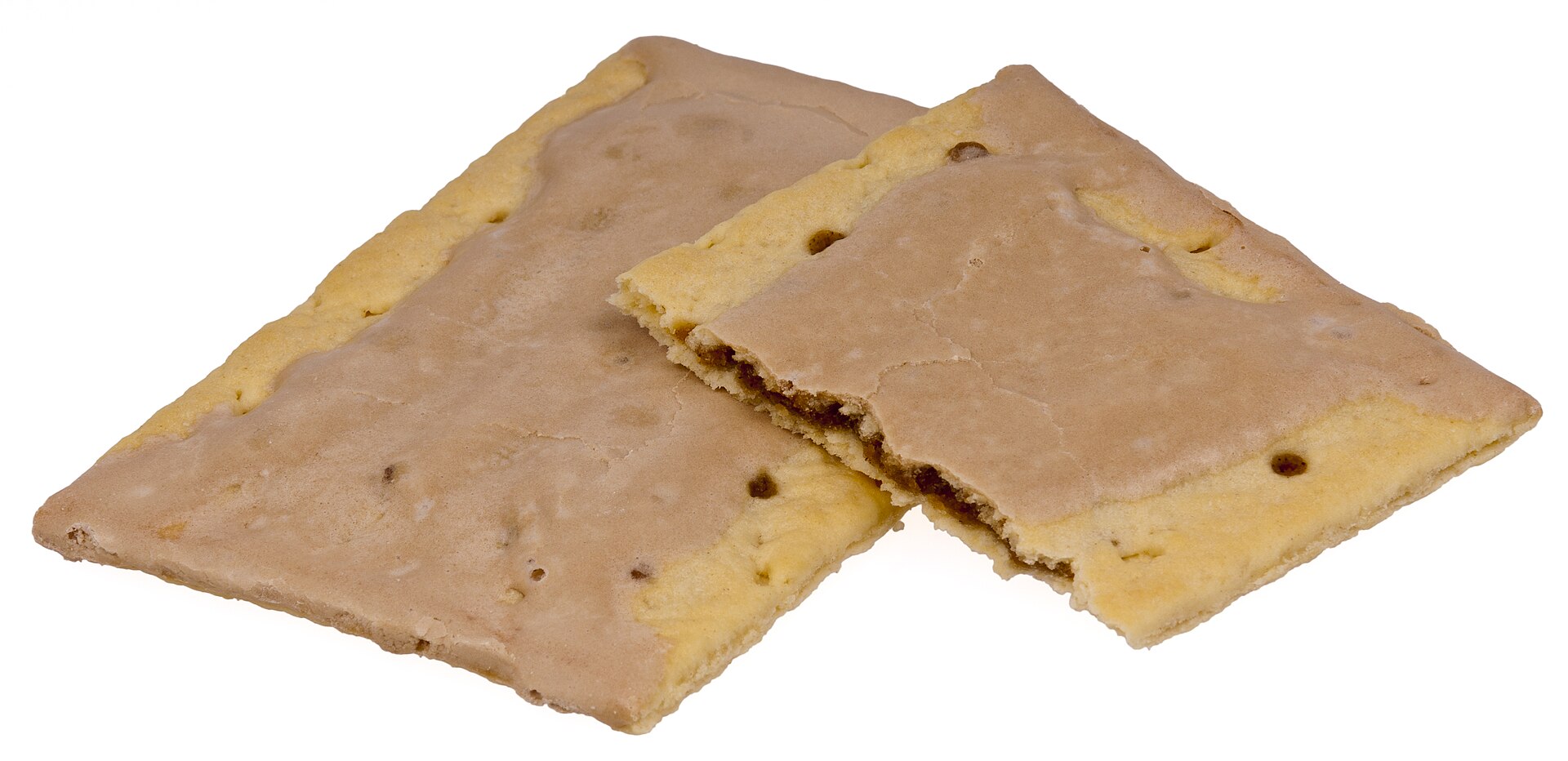
Pop-Tarts contain Red 3 (erythrosine), a synthetic dye linked in animal studies to thyroid tumors. The European Union and United Kingdom have banned Red 3 outright. The FDA finally banned Red 3 in U.S. cosmetics in 1990 — but allowed it to remain in food products until January 2025, when the FDA finally extended the ban to food.
As of 2026, U.S. Pop-Tarts are being reformulated to remove Red 3, but older formulations remain on shelves. The U.K. and EU versions of Pop-Tarts have used different dyes for years.
Pop-Tarts also contain artificial colors and high-fructose corn syrup that face restrictions in various international markets, but the Red 3 issue was the most acute regulatory concern.
What this pattern actually reveals
The consistent thread across all eight cases: the U.S. food regulatory system is significantly more permissive than the systems in most other developed countries. The FDA’s “Generally Recognized as Safe” (GRAS) designation allows food additives to be used commercially based on industry self-assessment, with the FDA stepping in only when specific evidence of harm emerges. The EU’s “precautionary principle” reverses this — additives must be proven safe before they can be used, and the burden of proof is on the manufacturer.
The result, in practice, is that thousands of food additives that are legal in the United States cannot be used in EU food products. Most multinational food companies operate two parallel manufacturing lines: one for the U.S. with cheaper synthetic ingredients, one for international markets with more expensive natural alternatives.
For American consumers, the practical implications are:
Reading ingredient lists matters more in the U.S. than abroad. If you’re concerned about specific additives, looking at the ingredient list is more important when shopping in the U.S. than in countries where the additives wouldn’t be present.
State-level regulations are slowly catching up. California’s 2023 ban on titanium dioxide, BVO, potassium bromate, and other additives in food sold in the state was the first major U.S. regulatory action. Other states are considering similar legislation. The federal FDA has begun moving toward stricter standards but at a much slower pace than state governments.
The “natural” American food alternative is real. Smaller American food brands that explicitly avoid these additives have grown significantly in market share over the past decade. Whole Foods, Trader Joe’s, and similar retailers have built business models partly around removing additives that European consumers have rejected for decades.
International travel produces specific food experiences. The same product you bought at home may taste, look, or feel slightly different abroad. The differences usually represent ingredient reformulations rather than quality differences. Many American travelers report that European chocolate, candy, and breakfast cereals taste “better” than American versions — partly because they don’t contain the same artificial colors and preservatives.
For travelers planning to bring American food products abroad as gifts or care packages, several products will face customs issues or simply cannot be brought in legally. Mountain Dew (older formulations), some American breads, certain candy products, and specific cereal brands can be confiscated at borders or restricted from import. Checking the destination country’s food import rules before traveling with American food products is generally worth the few minutes of research.
The broader debate — whether the U.S. should align its food additive regulations with the rest of the developed world — has been gaining political momentum throughout 2024 and 2025. Whether that produces actual federal regulatory change remains to be seen. In the meantime, the gap between what’s legal in American food and what’s legal in international food remains real and meaningful.