

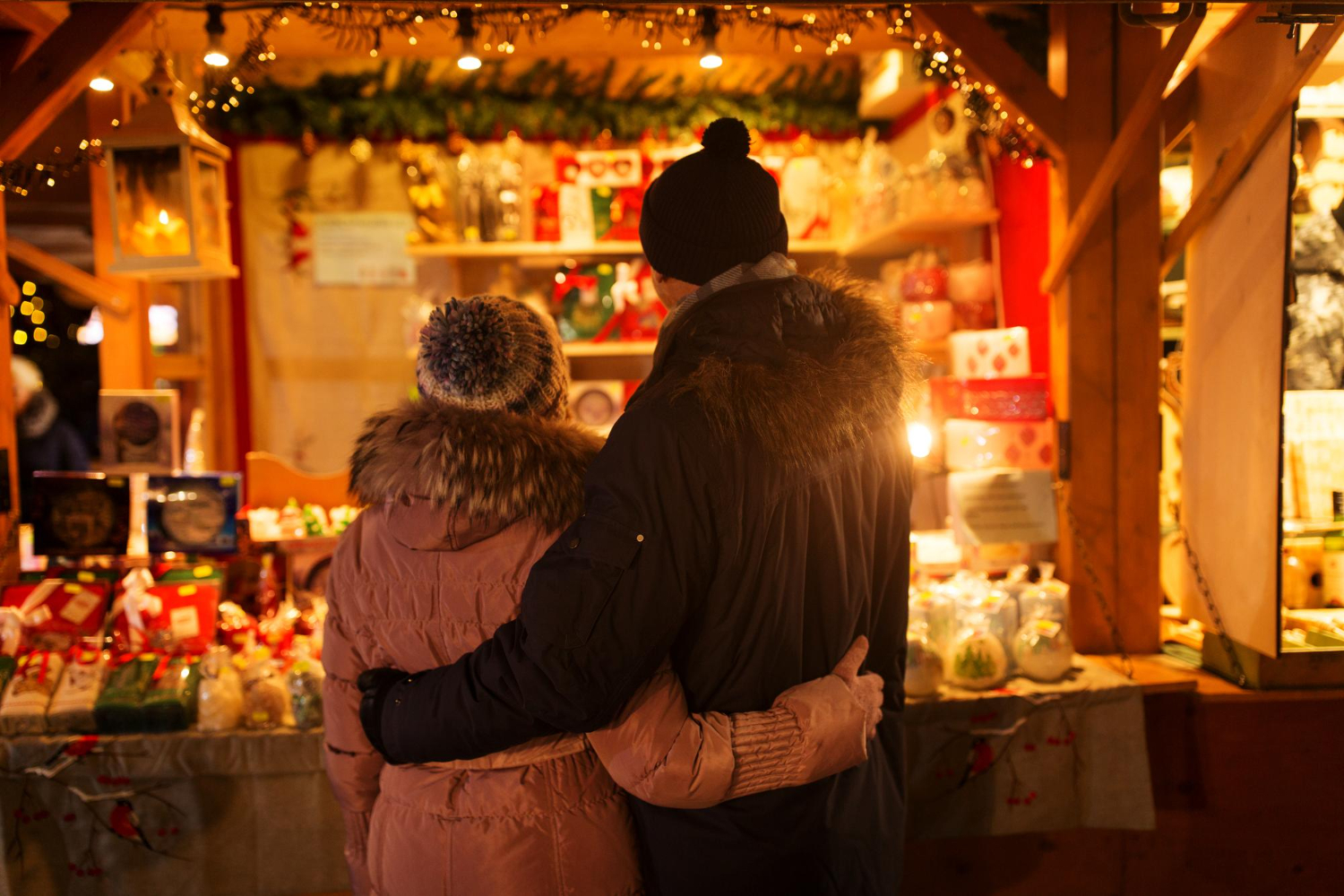
From Strasbourg’s “Capital of Christmas” market dating to 1570 to Nuremberg’s 400-year-old Christkindlesmarkt, several European holiday markets are world-class. Others have become so commercialized or overcrowded that travel writers consistently advise against making them the focus of a trip.
The European Christmas market season runs from late November through early January each year, with hundreds of cities and towns hosting markets of varying scale and quality. The European tourism marketing machine has become extremely effective at promoting these markets to American visitors, with the result that some markets have become genuinely overwhelmed — packed with tour groups, dominated by mass-produced merchandise, and offering experiences quite different from what the marketing implies.
Other markets remain genuinely magical. The challenge for travelers is distinguishing between the two before committing to flights, hotels, and itinerary planning that costs thousands of dollars per person.
Based on consistent reviews from European travel writers, frequent travelers, and the experiences of returning visitors, here are 8 markets that consistently deliver the experience their marketing promises — and 5 that travel experts increasingly recommend approaching with lower expectations.
1. Strasbourg, France — “The Capital of Christmas”
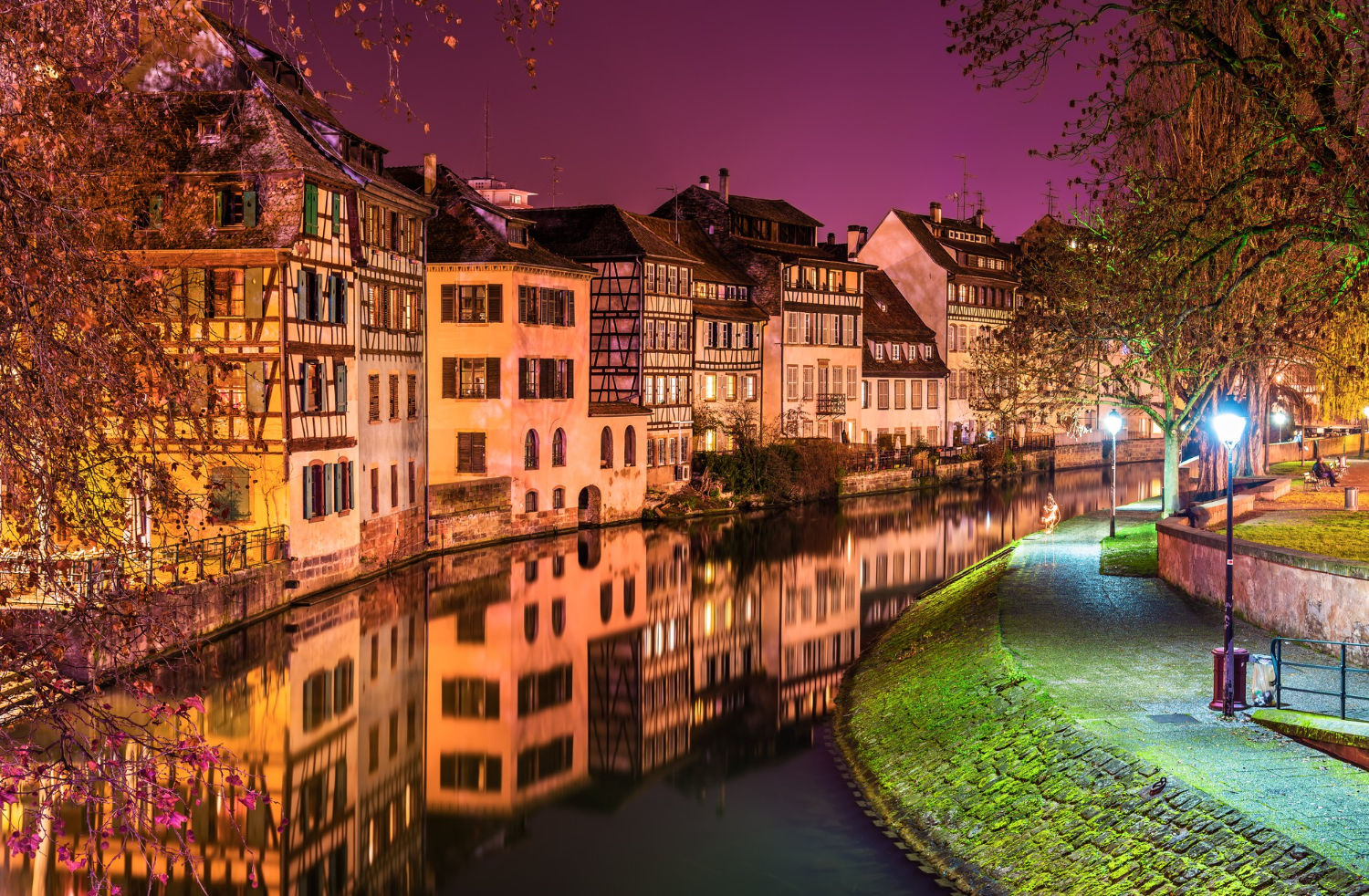
Strasbourg’s Christmas market has been operating since 1570, making it one of the oldest in Europe. The “Capital of Christmas” title is locally claimed but fairly justified — Strasbourg’s market spans Place de la Cathédrale, Place Broglie, and other squares throughout the city center, with over 300 chalets and a giant decorated Christmas tree at Place Kléber.
The Alsatian regional character (a French region with strong German influence due to historical disputes) gives Strasbourg a unique blend of French and German Christmas traditions. The food is genuinely excellent — tarte flambée, bredele cookies, vin chaud mulled wine, and maennele brioche shaped like little men. Half-timbered houses throughout the old town are extensively decorated.
2026 dates: Late November through approximately December 30, 2026.
2. Nuremberg, Germany — Christkindlesmarkt
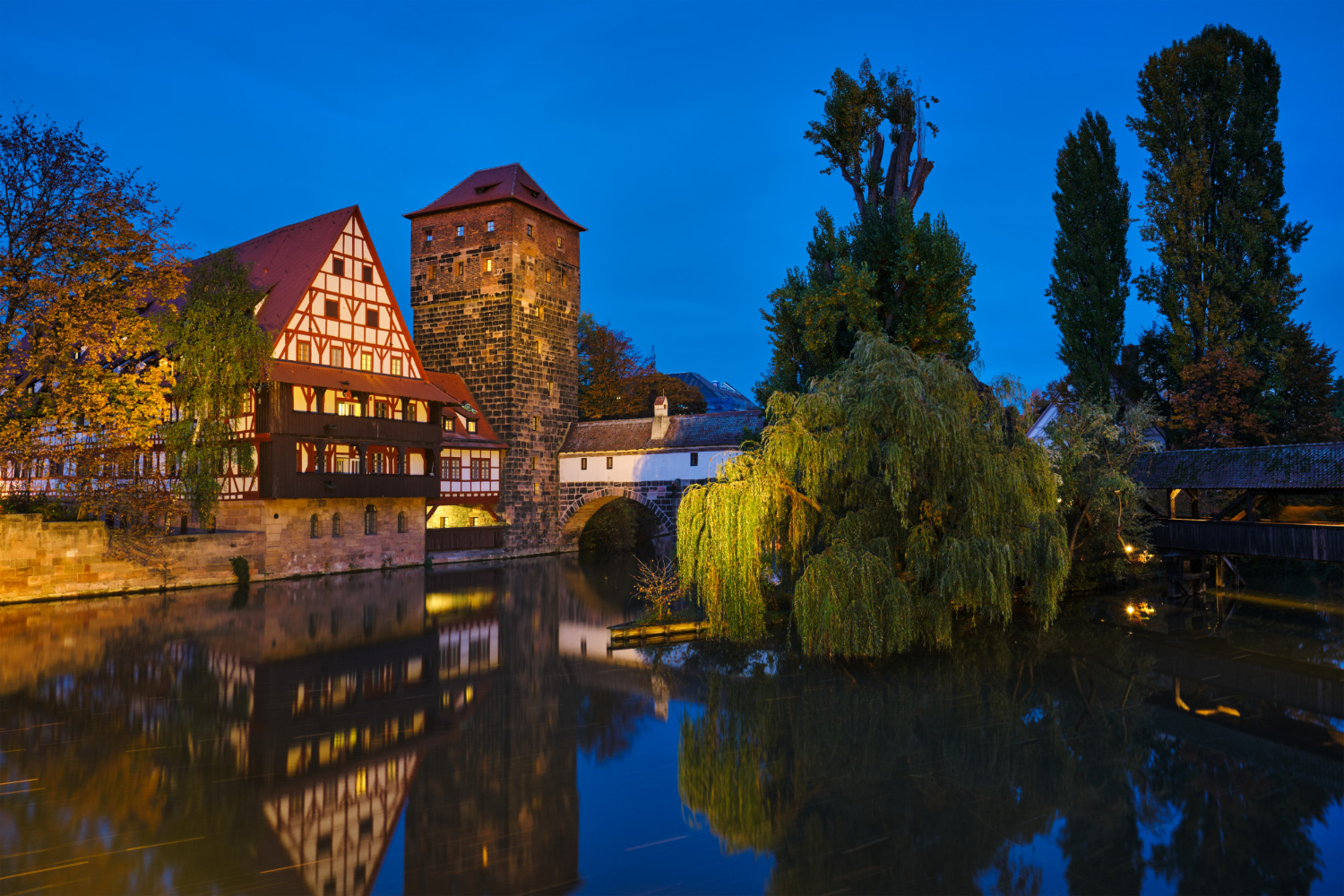
Nuremberg’s Christkindlesmarkt is among the most-visited Christmas markets in Europe, drawing over 2 million visitors annually. The market dates to at least 1628 — making it nearly 400 years old in continuous operation. Each year, a young woman elected as the “Christkind” (Christ Child) opens the market by reciting a prologue from the balcony of the Frauenkirche church.
The market features over 180 wooden stalls in the Hauptmarkt square, selling traditional German Christmas goods — Lebkuchen gingerbread, hand-carved wooden ornaments, Glühwein mulled wine, Nuremberg sausages. The market scale is overwhelming in the best sense — it feels like a complete immersion in German Christmas tradition.
2026 dates: November 27 through December 24, 2026.
3. Vienna, Austria — Christkindlmarkt at Rathausplatz
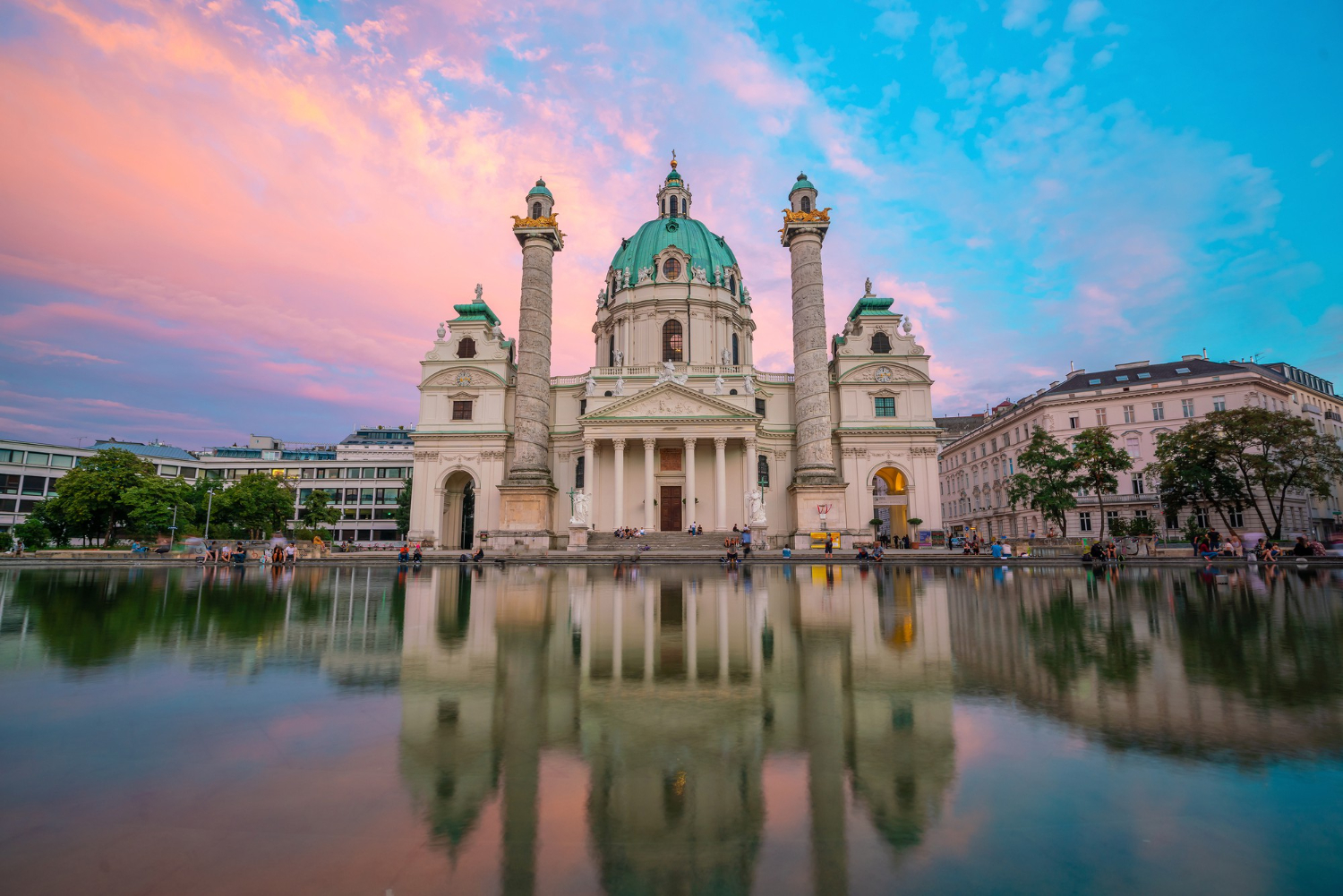
Vienna’s main Christmas market in front of the Rathaus (City Hall) is one of the most photographed Christmas markets in Europe, partly because the neo-Gothic City Hall provides an extraordinary backdrop for the lights and stalls. The market dates to 1298 in some form, making it potentially the oldest Christmas market in Europe.
Vienna’s market is particularly notable for its size, organization, and Austrian-specific food and drink offerings. Beyond standard Glühwein, Vienna offers Apfelpunsch (warm spiced apple punch) that is genuinely memorable. The Schönbrunn Palace also hosts a separate, smaller, less-crowded market that runs longer than the city-center market.
2026 dates: Mid-November through December 26, 2026 (varies by specific Vienna market).
4. Cologne, Germany — Cologne Cathedral Market
Cologne hosts seven distinct Christmas markets across the city, with the Cologne Cathedral Market (Weihnachtsmarkt am Dom) being the most famous. Located at the foot of the UNESCO World Heritage Cologne Cathedral, the market features over 150 stalls beneath the illuminated cathedral spires. The location alone makes it worth visiting.
Other Cologne markets worth visiting include the Harbour Christmas Market on the Rhine (with snow-white tents resembling ship sails) and the Heinzels Winter Fairytale market in the Old Town. The combination produces genuine market diversity within a single city — different atmospheres at each location.
2026 dates: Approximately November 17 through December 23, 2026, with the Harbour and Heinzels markets running longer.
5. Dresden, Germany — Striezelmarkt
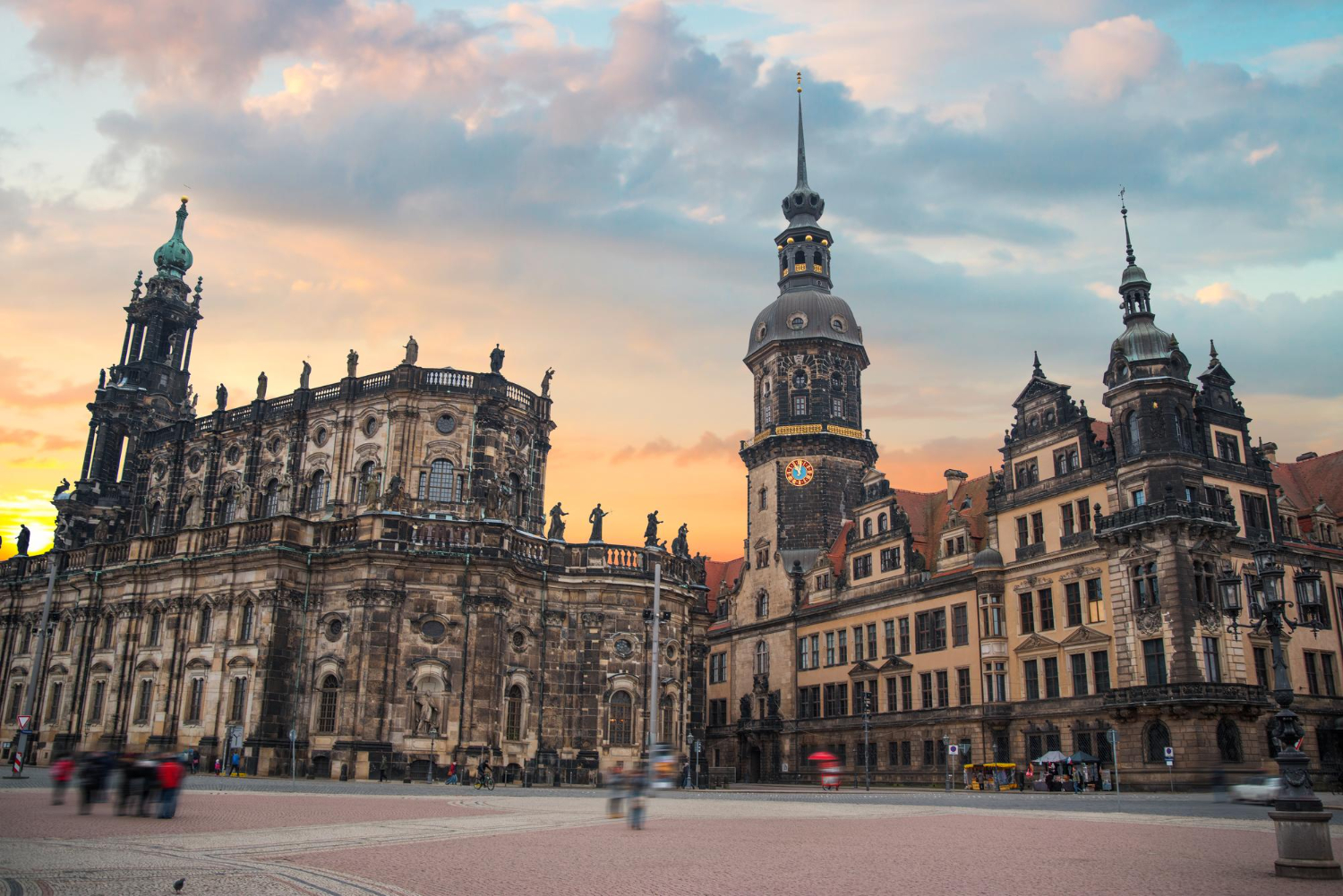
Dresden’s Striezelmarkt dates to 1434, making it the oldest Christmas market in Germany and one of the oldest in Europe. The market features over 200 stalls in the Altmarkt Square and is known for its giant Christmas pyramid, its specialty Stollen fruit cake, and a distinctly Saxon character that differs from the more famous Bavarian markets.
Dresden’s relative obscurity to American visitors is part of its appeal. The crowds are smaller than at Nuremberg, the atmosphere feels more authentically local, and the city’s historical significance (rebuilt after WWII bombing) adds context to the visit.
2026 dates: Approximately November 26 through December 24, 2026.
6. Colmar, France — The “gingerbread town”
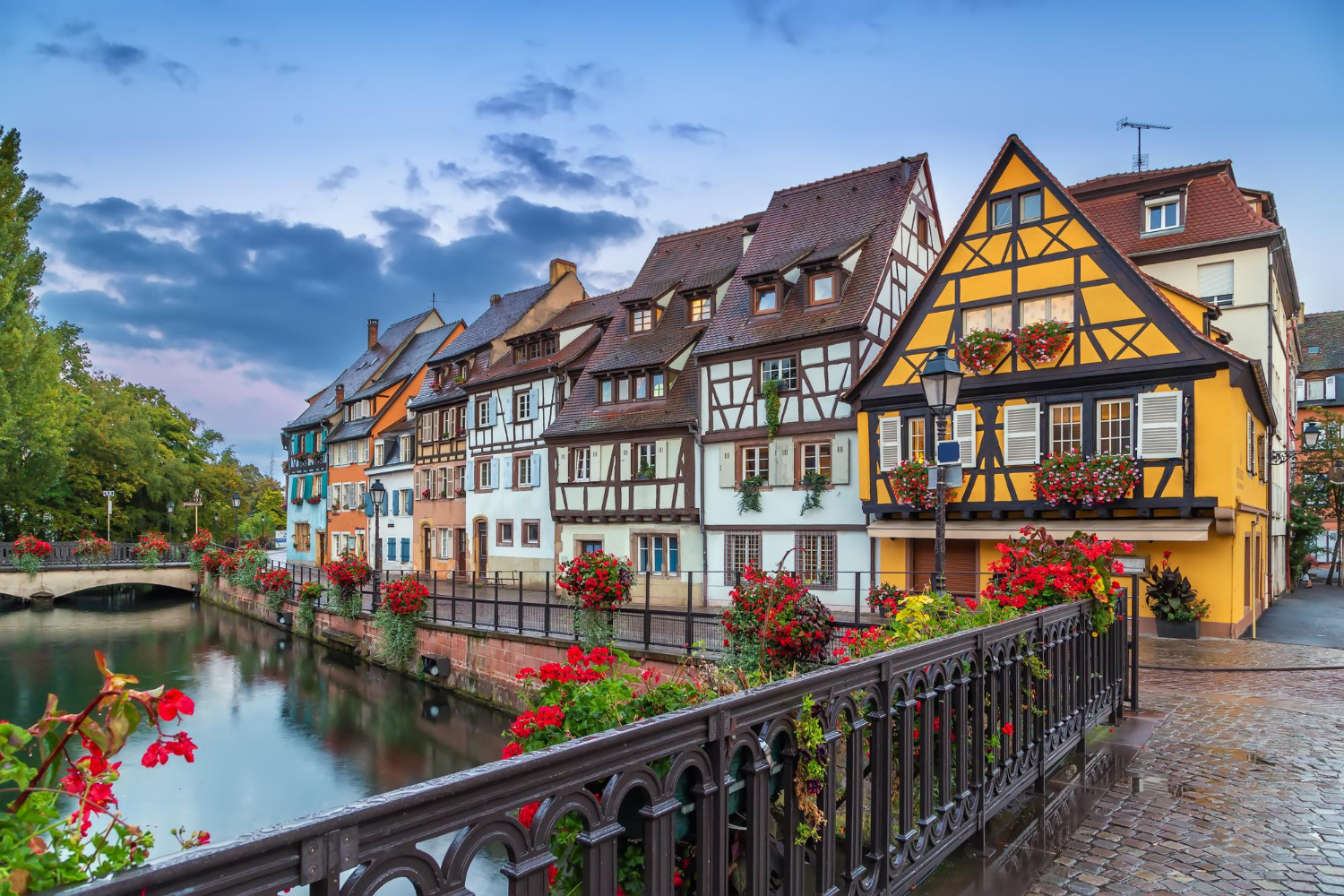
Colmar in the Alsace region of France is often described as looking like a gingerbread town — with half-timbered medieval houses that genuinely resemble Christmas decorations. The city hosts six themed Christmas markets, each in a different historic square, creating a connected but varied experience.
The combination of Colmar’s natural architectural beauty (genuinely one of the prettiest small cities in Europe) with the Christmas market atmosphere produces an experience that’s harder to find at larger markets. Colmar is a 30-minute train ride from Strasbourg, making the two easy to combine.
2026 dates: Late November through approximately December 30, 2026.
7. Prague, Czech Republic — Old Town Square Market
Prague’s Old Town Square Christmas Market and the nearby Wenceslas Square Market both run from late November through January 6 each year. The Gothic backdrop of Prague’s Old Town — the Astronomical Clock, the Týn Church, the medieval buildings — gives the market a fairy-tale quality.
Prague’s specific Christmas offerings include trdelník (a sweet pastry tube), medovina (honey wine), and live animals (sheep and donkeys) for children to pet. The Old Town Square market is more atmospheric, while Wenceslas Square market focuses more on practical shopping. Both can be visited in a single day since they’re 10 minutes apart on foot.
2026 dates: Late November 2026 through January 6, 2027.
8. Edinburgh, Scotland — Edinburgh Christmas Market
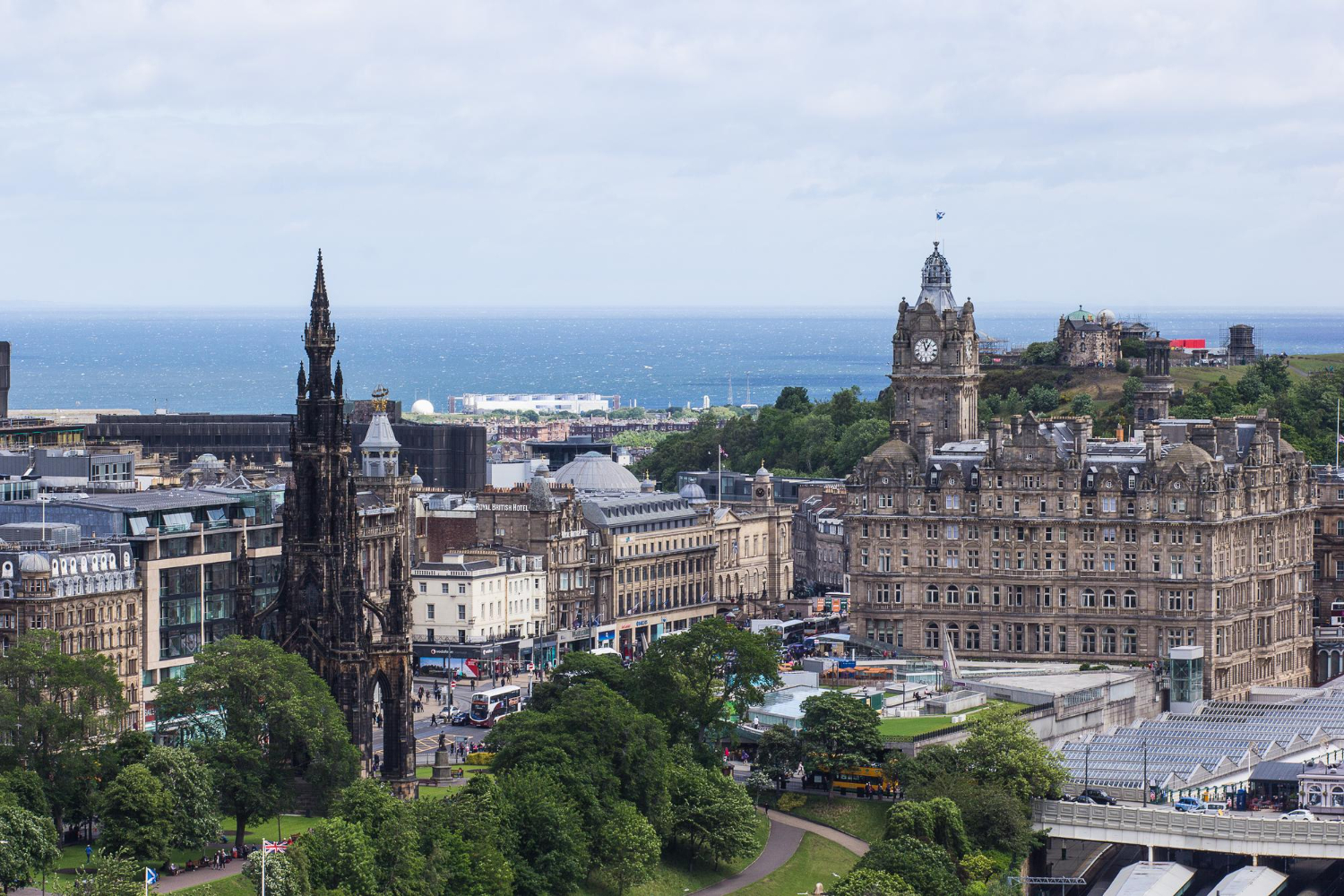
Edinburgh hosts a major Christmas market at East Princes Street Gardens, just below Edinburgh Castle. The market features over 130 stalls plus carnival rides, including a giant Ferris wheel that provides panoramic views of the festive city.
Edinburgh’s market is shorter on traditional craftsmanship (most stalls sell mass-produced goods) but stronger on overall holiday atmosphere — particularly with Edinburgh Castle illuminated above the gardens. The Scottish setting, with darker afternoons and frequent snow flurries, produces an unmistakably wintry experience.
2026 dates: Mid-November 2026 through January 4, 2027.
The 5 markets travel writers increasingly suggest skipping (or de-prioritizing)
1. Munich, Germany — Marienplatz Christmas Market
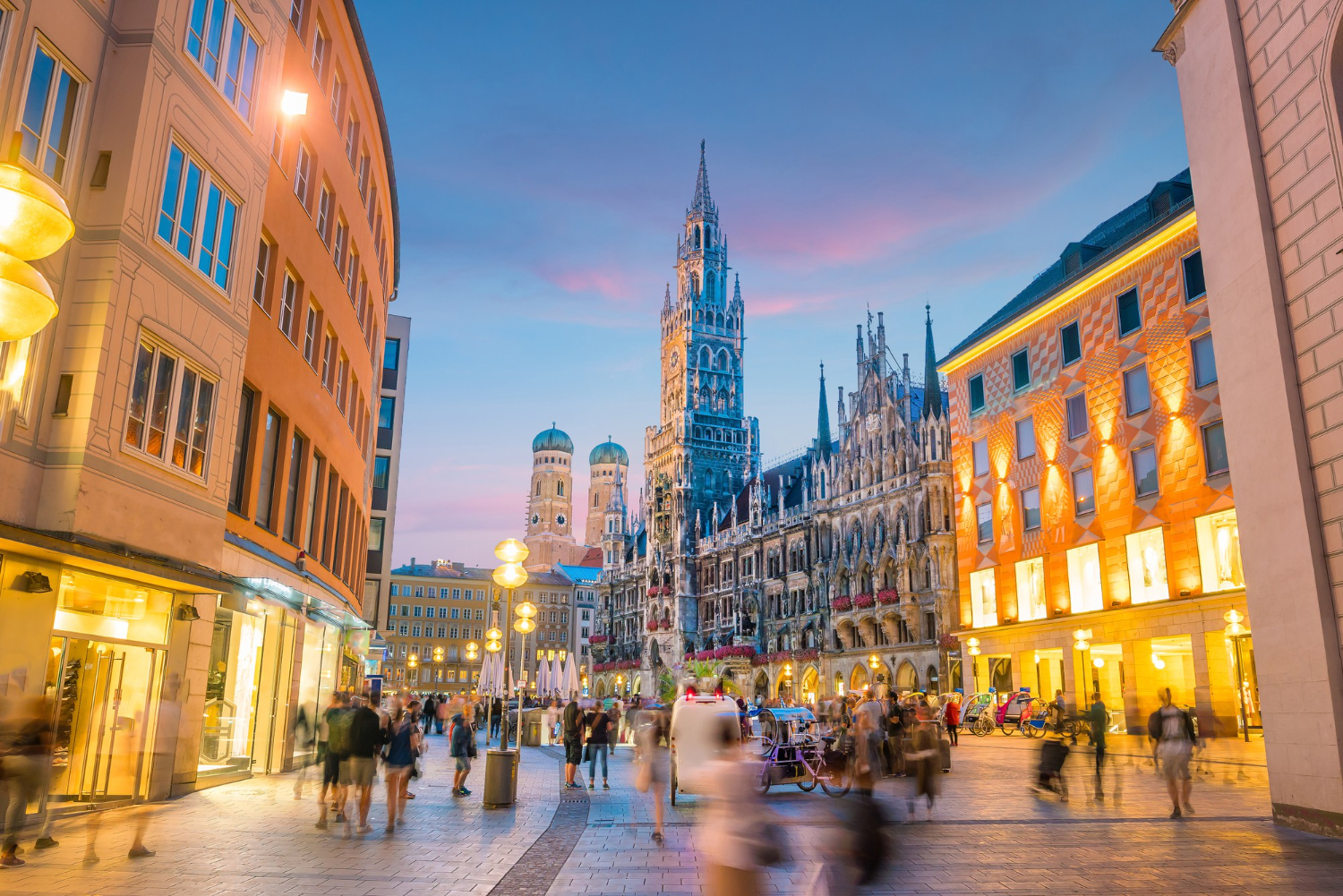
Munich’s main Christmas market at Marienplatz remains popular but is increasingly criticized for being overcrowded, overpriced, and dominated by mass-produced merchandise rather than traditional craft. Bavarian travel writers frequently note that Munich’s market has become “a victim of its own success” — drawing so many international tourists that the local character has been substantially diluted.
The recommendation from travel experts: if you’re visiting Munich anyway, the market is worth a brief stop. But traveling to Munich specifically for the Christmas market produces lower returns than Nuremberg, Dresden, or even smaller Bavarian markets like Augsburg or Regensburg.
2. London Winter Wonderland (Hyde Park)
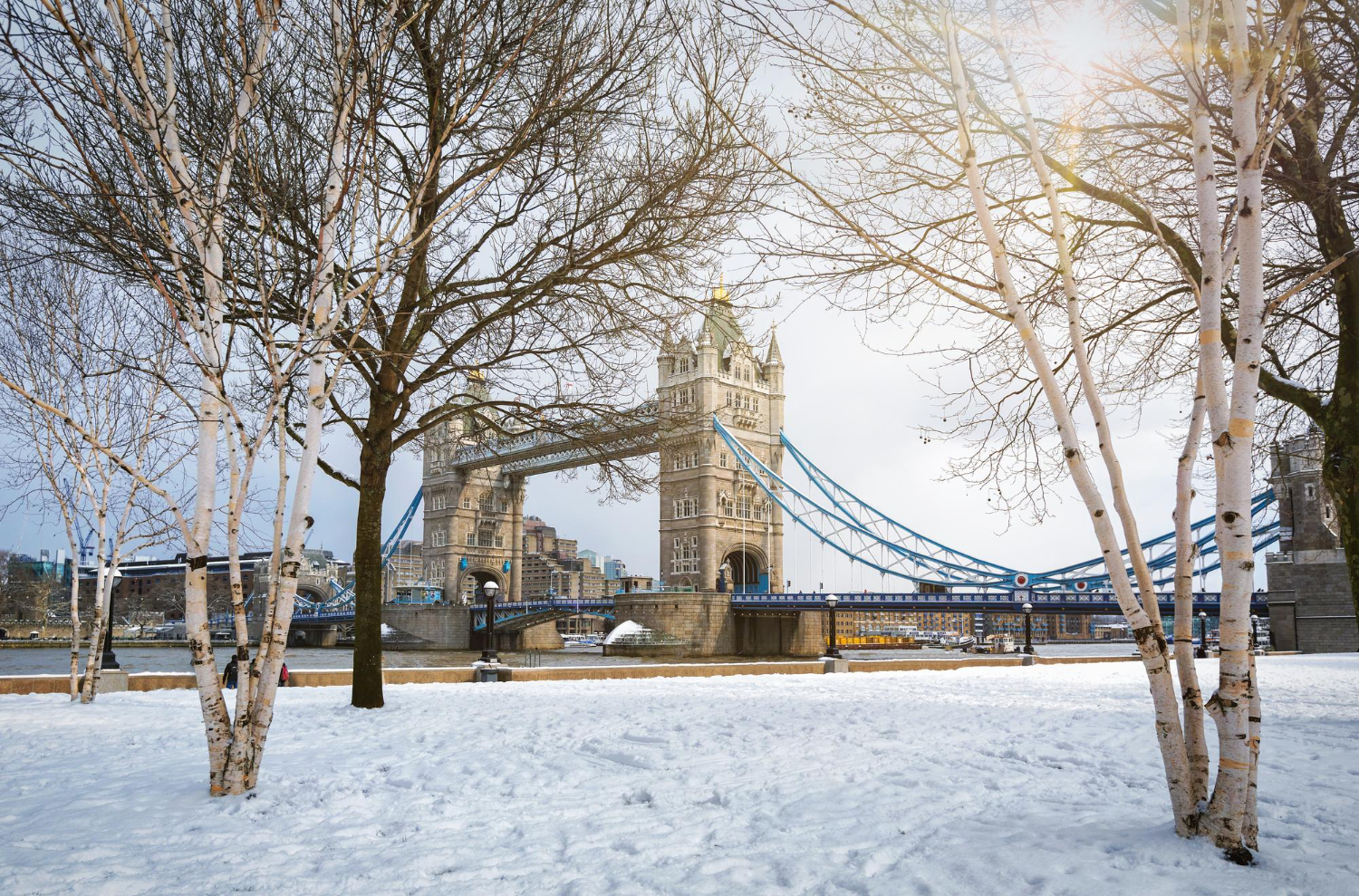
London’s Winter Wonderland in Hyde Park is technically a Christmas market plus an amusement park rather than a traditional European Christmas market. The market portion has been criticized for being expensive, crowded beyond comfort, and offering mass-produced goods rather than traditional craftsmanship.
The carnival rides and ice skating may be appealing for families, but as a “Christmas market” experience comparable to Strasbourg or Nuremberg, Winter Wonderland is significantly weaker. London’s lesser-known Christmas events (the Southbank market, the Camden market’s Christmas variant, smaller borough events) often produce better experiences.
3. Berlin, Germany — Various Markets
Berlin hosts multiple Christmas markets each year, but travel writers consistently note that none of Berlin’s markets reach the quality or atmosphere of Nuremberg, Dresden, or even smaller German cities. Berlin’s markets are typically smaller, more commercial, and less rooted in centuries of tradition.
If you’re visiting Berlin anyway during the season, the Gendarmenmarkt market is the most appealing of the city’s options. But traveling to Berlin specifically for Christmas markets is generally not recommended over alternatives like Dresden (a 2-hour train ride away) or Nuremberg.
4. Paris, France — Tuileries Garden Market
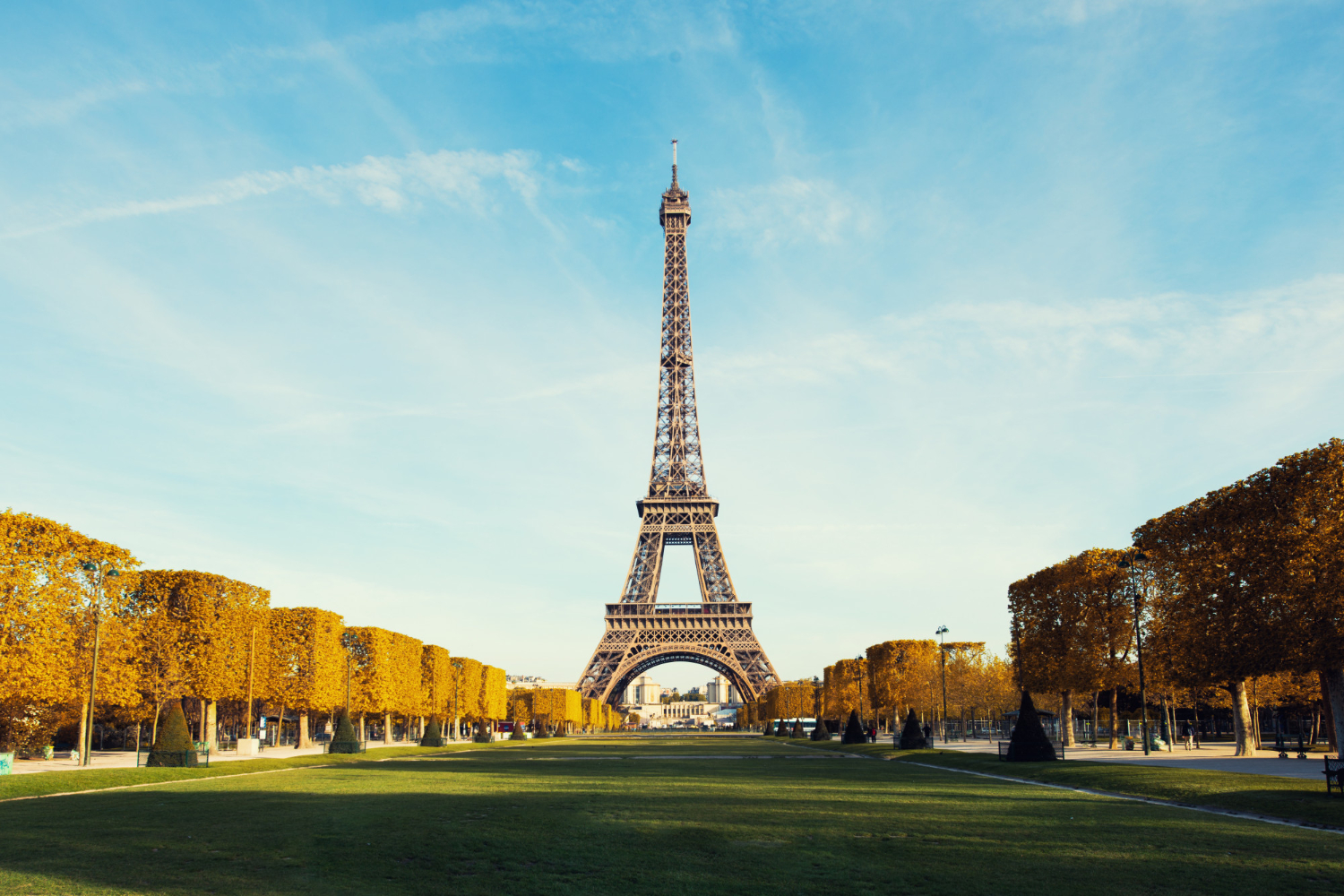
Paris hosts several Christmas markets each year, with varying quality. The historic Champs-Élysées market was discontinued in 2017 after declining quality and bureaucratic issues. The current Tuileries Garden market and other Parisian markets are decent but not at the level of Strasbourg or Colmar.
For travelers visiting Paris during December, the Christmas market is a worthwhile small addition to other Paris activities. For travelers prioritizing Christmas market experiences, Strasbourg and Colmar in eastern France are dramatically better choices.
5. Brussels, Belgium — Winter Wonders
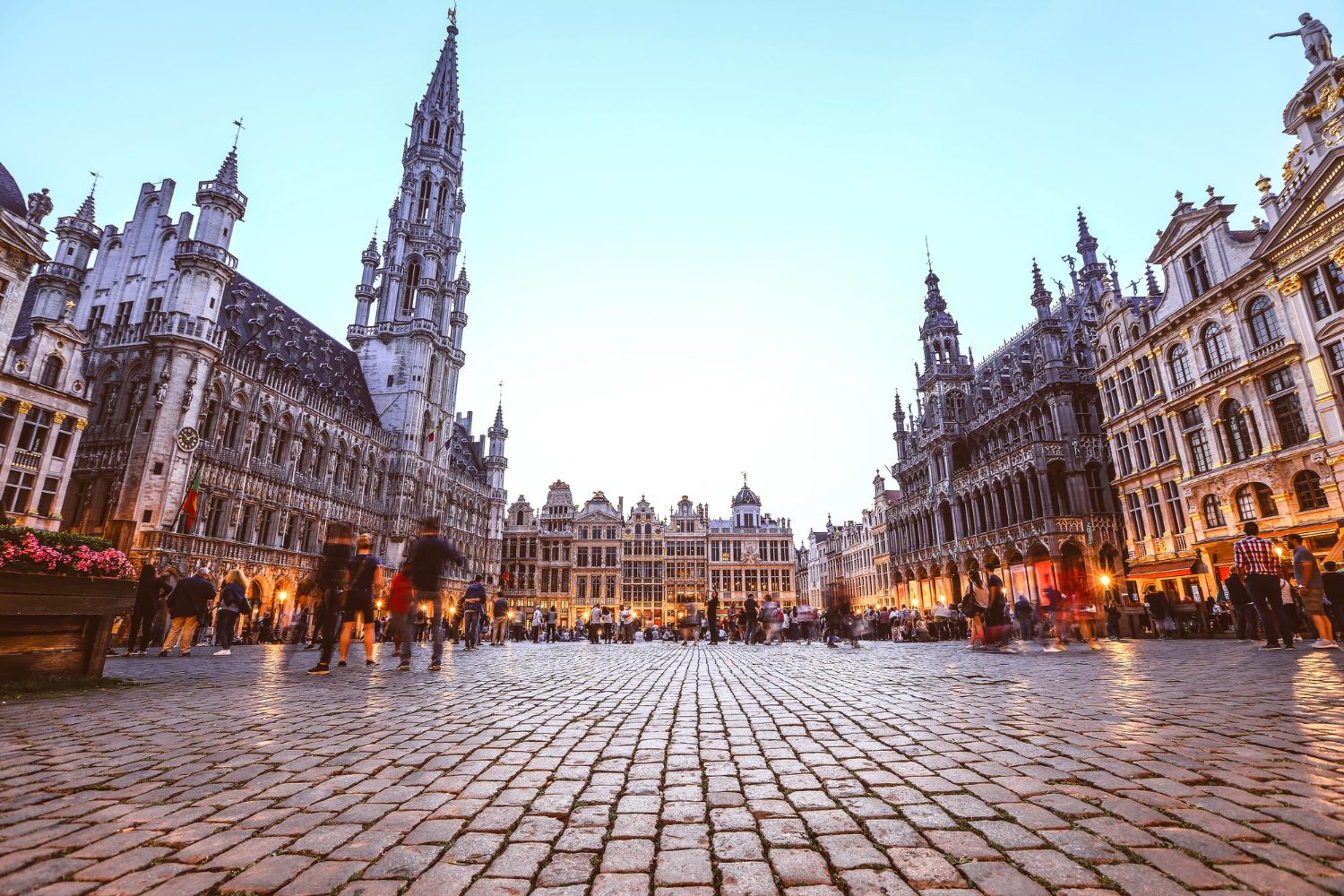
Brussels’ Winter Wonders Christmas market is one of the largest in Belgium, with over 200 stands weaving through the city center. The market is popular but increasingly criticized for being commercial, with much of the merchandise being mass-produced rather than handcrafted.
Brussels has many other reasons to visit during the holiday season — Belgian chocolate shops, traditional brasseries, the Grand Place illuminations — but the market itself doesn’t compete with the established German and French markets.
What separates the great markets from the disappointing ones
Looking across the markets that consistently get praised versus those that consistently disappoint, several patterns emerge:
Long historical traditions matter. Markets that have operated continuously for hundreds of years (Dresden 1434, Strasbourg 1570, Nuremberg 1628) tend to maintain higher quality of crafts, food, and atmosphere than newer markets created primarily for tourism.
Authentic regional cuisine matters. Markets that emphasize traditional regional foods (Alsatian bredele, Saxon Stollen, Czech trdelník, Austrian Apfelpunsch) are more memorable than markets serving generic European Christmas foods.
Architecture and setting matter. Markets in genuinely beautiful historic settings (Cologne Cathedral, Vienna Rathausplatz, Prague Old Town Square) produce stronger memories than markets in plazas without distinctive architectural backdrops.
Local versus mass-produced craft matters. Markets where vendors make their own products on-site or sell genuinely local crafts produce better shopping than markets dominated by imported mass-produced ornaments and gifts.
Crowd density matters. Markets that have become so popular they’re essentially impossible to enjoy (much of Munich’s main market on weekends, Vienna’s Rathausplatz on December 22) produce frustration rather than delight. Visiting on weekday afternoons or in early December (before December 15) substantially improves the experience.
Practical advice for any market visit
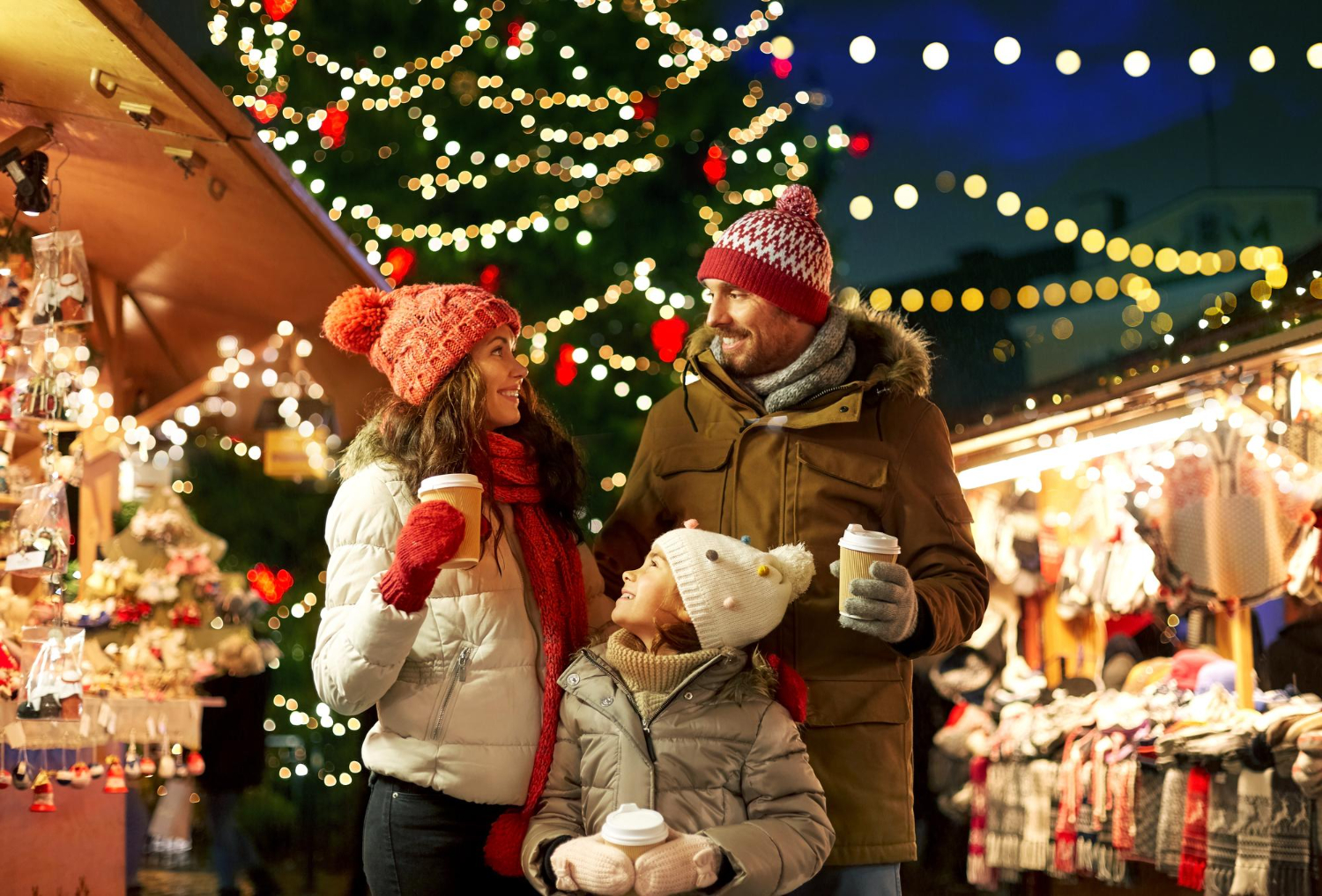
If you’re planning a 2026 European Christmas market trip, several universal recommendations apply:
Visit before December 15. The 7-10 days before Christmas Eve see the largest crowds, the highest hotel rates, and the worst weather. Mid-November through early December produces nearly identical market experiences with significantly better conditions.
Book hotels 3-6 months in advance. Major Christmas market cities (Vienna, Strasbourg, Nuremberg, Prague) see hotel prices increase 50-100% during market season, with availability dropping rapidly. Booking by August or September secures better rates and more options.
Bring cash, particularly in Germany. Many German markets remain cash-preferred or cash-only, even at vendors that accept cards in other contexts. Euros in small denominations (€5, €10, €20) are most useful.
Bring a reusable mug or factor in deposits. Most major markets serve Glühwein and other hot drinks in branded mugs that require a deposit (typically €3-5). You can either pay the deposit and return the mug, or pay the deposit and keep the mug as a souvenir. Mug collecting has become a popular tradition for repeat market visitors.
Combine multiple cities by train. European trains make multi-city Christmas market trips practical. The classic itinerary — Strasbourg → Colmar → Nuremberg → Munich → Salzburg → Vienna → Prague — covers the core of European Christmas market culture in 8-10 days. Eurail passes or country-specific rail passes can be cost-effective for these routes.
Pack for cold weather. Most Christmas markets are outdoor, often in bitter cold (-5°C to +5°C is typical). Layers, thermal undergarments, waterproof boots, gloves, hats, and scarves are essential. Many travelers underestimate how cold standing outside for hours actually feels.
The Christmas market experience that European tourism marketing promises — wandering cobblestone streets under twinkling lights with mulled wine in hand, surrounded by handcrafted ornaments and the smell of roasted chestnuts — is genuinely available at the markets on the recommended list. It’s significantly less available at the markets on the de-prioritized list. The difference matters because Christmas market trips are expensive (typically $2,500-$5,000 per person for week-long trips) and disappointing them is worse than not taking them at all.
For first-time American visitors to European Christmas markets, the strongest recommendation is to focus on a single excellent market (Strasbourg, Nuremberg, Vienna, or Dresden) rather than trying to visit too many. A 4-day immersive experience at one outstanding market typically produces better memories than an 8-day rapid-tour visit to multiple markets where each one gets only a few hours of attention.
The markets that have been operating for 400+ years didn’t earn their reputations by accident. The ones that travel writers consistently recommend are the ones that consistently deliver. Choosing among them based on which European countries you most want to visit produces the best results.

