Hotel sheets and pillowcases are washed between every guest. The comforter, bedspread, and the things touching them most (TV remote, light switches, drinking glasses) often aren’t. Here’s what hotel housekeeping actually does in the 30-45 minutes between checkout and your arrival.
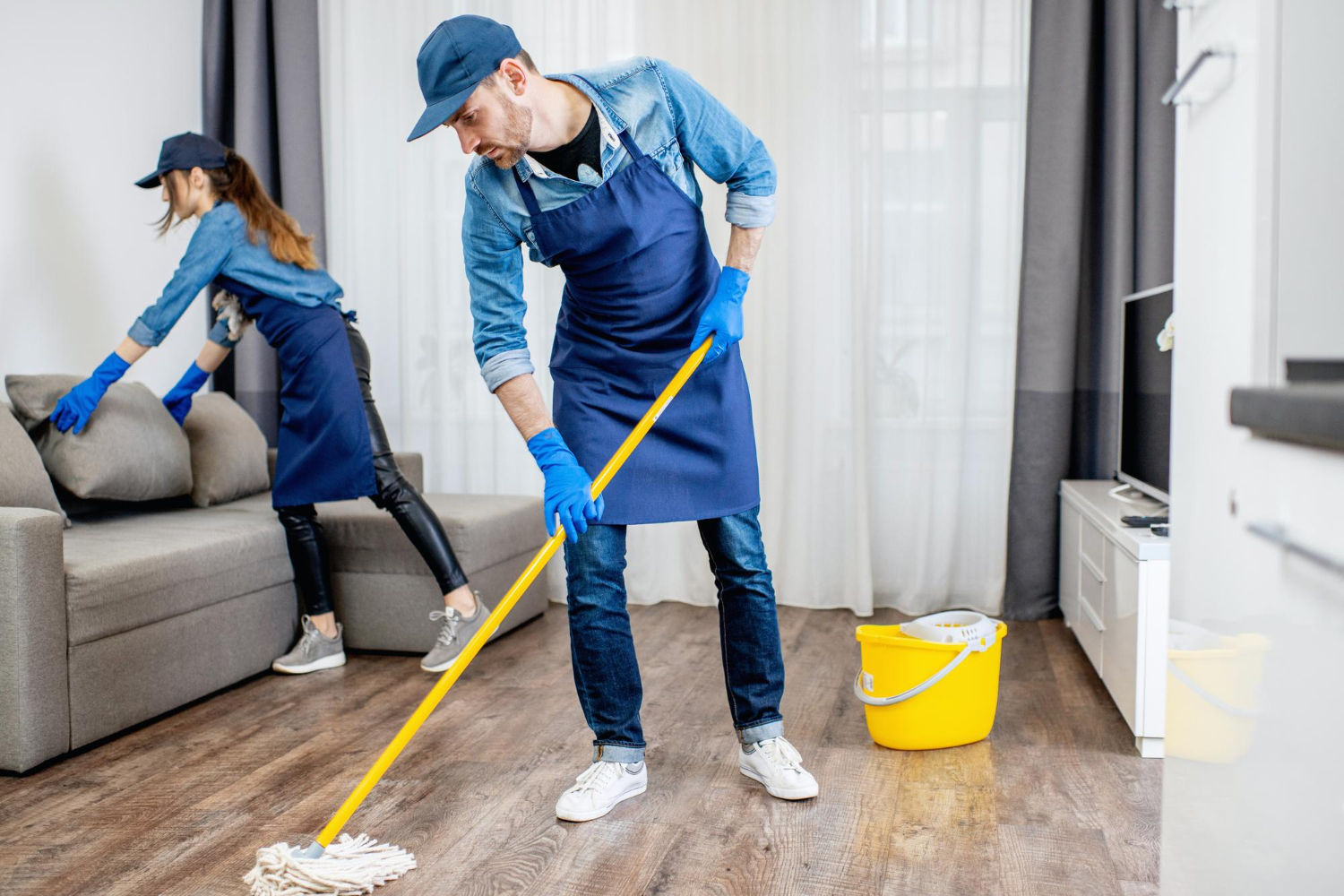
The average hotel room turnover takes 30 to 45 minutes. In that time, housekeeping staff are expected to strip the bed, change linens, clean the bathroom completely, vacuum or mop the floor, dust all surfaces, restock amenities, take out trash, and do a final inspection — for one person, on a tight schedule, while moving on to the next room.
The math doesn’t quite work for the level of cleaning most guests assume happens. The result is a system where some things are reliably cleaned between every guest and others are reliably not — even at high-end hotels. Understanding the difference can dramatically improve your travel hygiene with very little effort.
Here’s what’s actually happening behind closed doors, and the specific surfaces you should always wipe down yourself when you arrive.
What hotel housekeeping reliably does
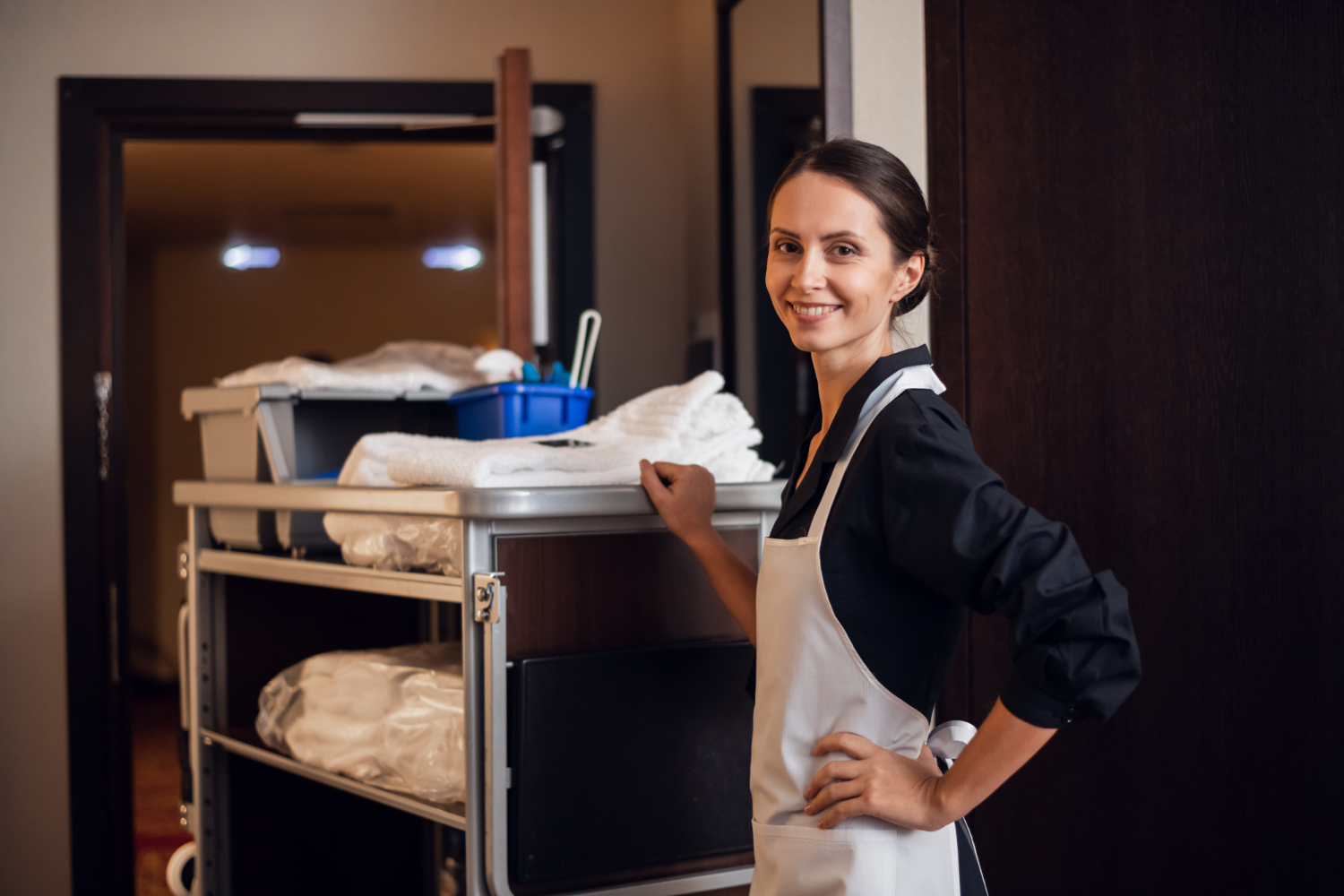
The good news is that the most important hygiene factors are reliably handled at most legitimate hotels:
Bed sheets, pillowcases, and bottom sheet: Changed and washed between every guest. This is universal industry standard at any reputable property. The sheets that actually contact your skin are clean.
Towels and washcloths: Replaced and laundered between every guest.
Bathroom fixtures: Toilet, sink, shower, tub — cleaned and disinfected with hospital-grade products between every guest.
Floor: Vacuumed (carpet) or mopped (hard surfaces) between every guest.
Trash: Emptied between every guest.
Visible surfaces: Bathroom counters, desktops, nightstands — wiped with disinfectant between every guest.
Amenities: Toiletries, coffee supplies, water bottles — restocked between every guest.
This is the standard operating procedure across the major U.S. hotel chains and most international properties. The sheets are clean. The bathroom is clean. The visible parts of the room have been wiped.
What hotel housekeeping often doesn’t do
Several specific items are not reliably cleaned between guests, even at expensive properties:
The comforter and bedspread. This is the biggest gap. According to multiple former hotel housekeeping employees who have spoken publicly about industry practices, comforters and bedspreads are typically only washed when there is a visible spill, stain, or unusual odor. The size of these pieces makes daily laundering impractical, and the cost would be substantial. One former Fairmont housekeeping supervisor reported: “During my time as a housekeeping supervisor I never once saw a bedspread washed. The only time we washed a single bedspread was because a child had peed on it.” Many hotels use a duvet-cover system where the cover (which contacts guests) is washed but the duvet inside is not. Higher-end hotels with triple-sheeting (where two flat sheets sandwich the comforter) provide better protection, but the comforter still goes between guests without cleaning.
The TV remote control. Frequently cited as the dirtiest item in a hotel room. In a typical 30-45 minute cleaning, the remote is rarely wiped — and it’s been touched by every previous guest who watched TV. Studies consistently show TV remotes harboring more bacteria than toilet seats.
Light switches. The light switch by the door, the bedside lamp switch, and the bathroom light switch are touched by every guest immediately after entering. Standard cleaning protocols call for these to be wiped, but in practice they’re often skipped during a 30-minute turnover.
Drinking glasses. This is the gap that bothers former housekeeping employees most. Hotels often “wash” the drinking glasses in the room by spraying them with ammonia-based window cleaner (like Windex) and wiping them down with the same cloth used for other bathroom surfaces. Genuine washing — with hot water, soap, and proper rinsing — happens less consistently than guests assume. The presence of paper cap covers on glasses is one positive signal that the glasses were at least handled after wiping.
The pillows themselves (not the pillowcases). Pillows are generally encased in protective covers and pillowcases that are laundered. The pillows themselves are rarely washed. Over time, they accumulate dust mites, allergens, and skin cells from many previous guests. If you peel off the pillowcase and the pillow appears stained, yellowed, or odorous, call the front desk and request new ones.
The carpet. Hotel carpets are vacuumed between guests but rarely deep-cleaned. Carpet stains and contaminants accumulate over time. This is one reason hotel staff almost universally recommend wearing slippers or socks rather than walking barefoot.
The ice bucket. Hotel ice buckets are frequently used for things other than holding ice. Studies have documented guests using them for everything from impromptu vomit basins to baby food preparation to actual chamber pots. Standard cleaning protocols may not include rigorous ice bucket sanitation. If you want to use the ice bucket, look for one with a fresh disposable liner. Otherwise, skip it.
The hair dryer. Frequently never cleaned at all. Used by every guest who needs it. The exterior plastic and the interior screen accumulate hair, dust, and bathroom contamination over time.
The 6 surfaces to always wipe down yourself
Based on the gaps in standard hotel cleaning protocols, here are the specific surfaces that benefit most from a 60-second wipe-down with disinfecting wipes when you first enter your room:
- TV remote control. The single dirtiest surface in most hotel rooms. Wipe it thoroughly, including the buttons and the area between buttons.
- Light switches. All of them — entry door, bedside, bathroom, closet.
- Door handles. Both interior and exterior of the room door, plus the bathroom door handles.
- Telephone. Particularly the receiver and the buttons. Hotel phones are touched by every guest who calls room service or the front desk.
- Drinking glasses. Either rinse them with hot water from the bathroom tap before using, or skip them entirely and use bottled water or your own travel cups.
- Faucet handles. Both the bathroom sink and the kitchenette sink, if your room has one.
Bringing a small pack of disinfecting wipes (like Lysol Wipes or Clorox Wipes) is the single most efficient way to upgrade your hotel hygiene. The wipe-down takes about 90 seconds and addresses most of the gaps in standard cleaning.
What to do about the comforter and bedspread
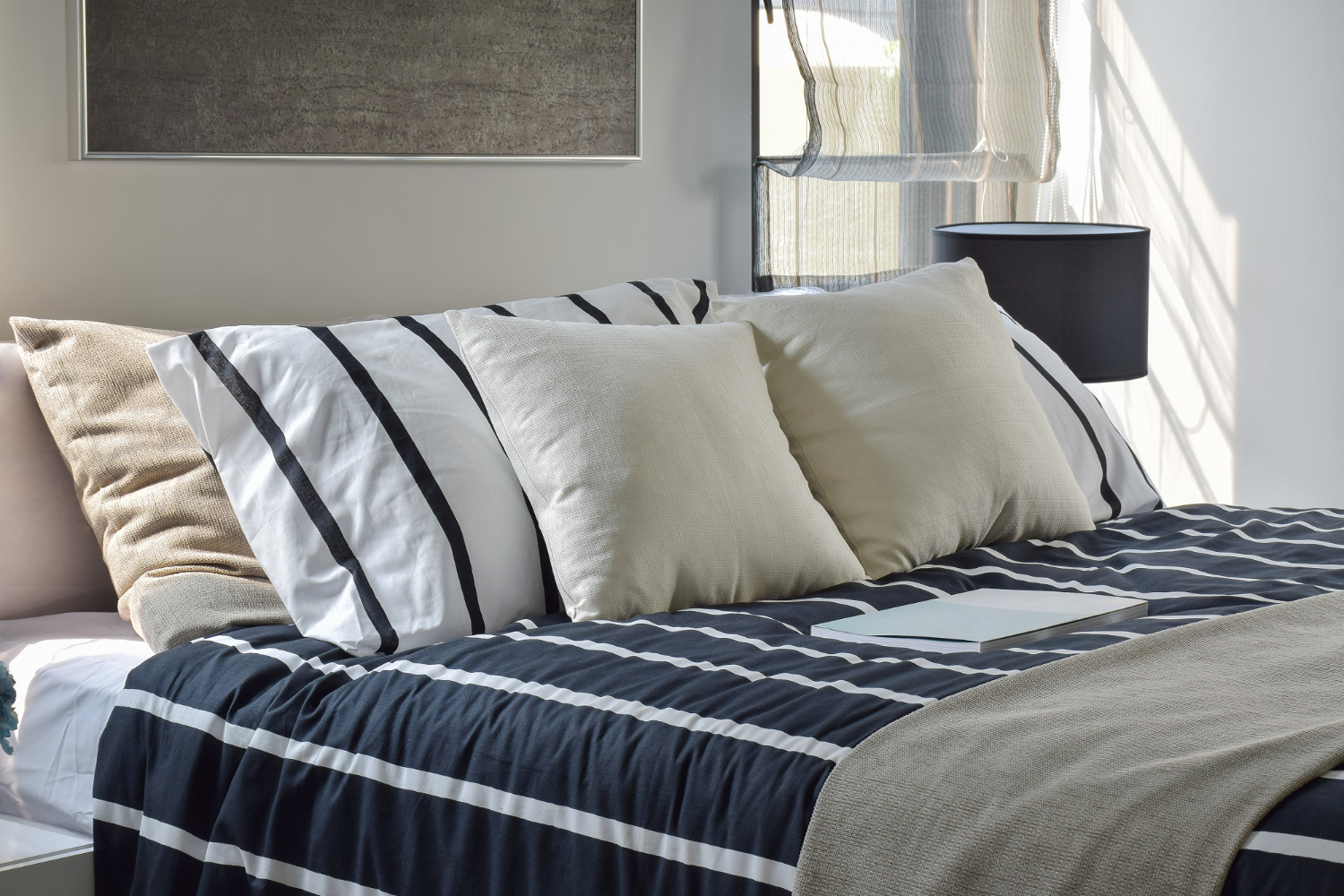
The comforter situation requires a different approach since it can’t be solved with wipes:
Pull the comforter and decorative bed scarf off the bed. Most hotel beds have a comforter or duvet on top of the sheets. Remove this layer. Fold it and place it on a chair, in the closet, or on the floor in a corner. Sleep with just the sheets and a blanket if available.
Request additional linens. Most hotels have additional sheets and lightweight blankets available on request. A second flat sheet placed over the comforter creates a fresh barrier, even if the comforter itself isn’t washed.
For maximum cleanliness, request a duvet change. Some hotels will replace the entire duvet upon request, especially if you’re a frequent guest or have status with the chain. The request often surprises desk staff but is typically honored.
Bring a sheet liner for backup. Frequent travelers sometimes carry a thin packable sheet liner (originally designed for hostels) that can serve as a clean barrier between you and any hotel bedding.
How to tell if a hotel actually meets cleaning standards
Beyond the wipe-down strategy, several signs indicate whether a hotel takes its cleaning standards seriously:
Crisp, slightly stiff sheets. Properly laundered sheets should feel slightly crisp and have visible fold marks. If sheets feel soft, sticky, or appear crumpled, they may not have been changed.
No noticeable smell when entering. A genuinely clean room shouldn’t smell strongly of anything — neither chemicals nor air freshener. Strong air freshener masks other smells the hotel doesn’t want you to notice.
Visible dust patterns. Run a finger along the headboard, picture frames, or the top of the TV. If a layer of dust is present, the room hasn’t been thoroughly cleaned.
Bathroom corner test. Look at the corner where the bathtub meets the wall, where the toilet base meets the floor, and where the shower curtain hangs. Mold, soap scum, or hair in these corners suggests the bathroom hasn’t been deep-cleaned.
Hair on the bathroom floor or in the shower. Even a single hair where it shouldn’t be suggests inadequate cleaning. If the bathroom floor is clean enough that you’d walk barefoot on it, that’s a meaningful positive sign.
What hotels could do better — and increasingly are
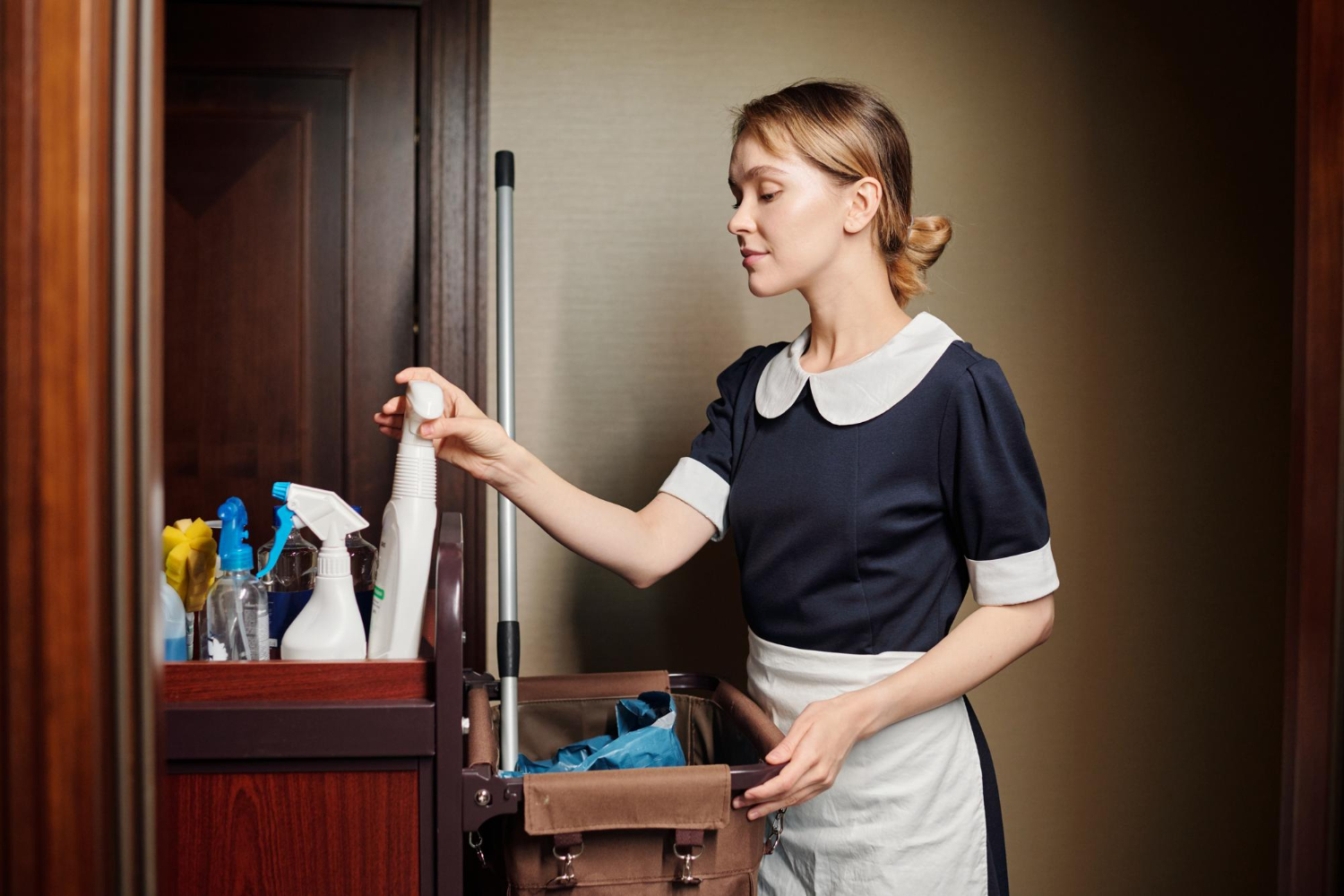
The cleaning gap between standard hotel protocols and what guests assume has become more visible since the COVID-19 pandemic forced public attention on cleaning practices. Several major hotel chains responded with enhanced cleaning programs:
Marriott’s “Commitment to Clean” introduced electrostatic sprayers, hospital-grade disinfectants, and increased frequency of public-area cleaning starting in 2020. Many of these enhancements have remained in place.
Hilton’s “CleanStay” program with Lysol partnership added a window-seal sticker indicating when a room had been cleaned and remained sealed since. The program has been scaled back at most properties since 2022.
IHG’s “Clean Promise” focused on increased disinfection of high-touch surfaces.
Hyatt’s “Global Care & Cleanliness Commitment” added third-party cleaning audits.
The honest assessment from industry reporting is that most enhanced cleaning programs have been gradually scaled back since 2022 as labor costs have risen and the immediate COVID concerns have receded. Some properties still maintain higher standards; others have returned to pre-pandemic protocols.
What this actually means for travelers
The gap between what guests assume happens during hotel cleaning and what actually happens is real, but it’s not catastrophic. The most important hygiene factors — sheets, towels, bathroom — are reliably handled at any legitimate property. The gaps are concentrated in specific high-touch surfaces that are easy to address with wipes, and in the comforter/bedspread issue that requires removing the offending item.
A reasonable approach for most travelers:
- Pack disinfecting wipes (one pack per trip is sufficient)
- Wipe the 6 high-touch surfaces upon arrival (90 seconds total)
- Pull the comforter off the bed and use just sheets
- Request fresh pillows if the existing ones look stained
- Skip the drinking glasses unless you can rinse them with hot water yourself
- Use bottled water and avoid the ice bucket unless it has a fresh liner
This level of effort takes about 5 minutes total at check-in and addresses essentially all of the realistic hygiene risks in a typical hotel room. The remaining risks (carpet contaminants, hair dryer cleanliness, etc.) are minimal in practice and don’t justify additional precautions for most travelers.
For genuine peace of mind, the higher-end hotel chains and properties with strong recent reviews on hygiene-related issues are worth the modest price premium over budget chains where cleaning shortcuts are more common. But even at budget hotels, a 90-second wipe-down with one pack of Lysol wipes covers most of the realistic risks. The hotel industry isn’t trying to make you sick — it’s just operating under economic constraints that produce predictable cleaning gaps. Knowing where those gaps are lets you address them efficiently.