

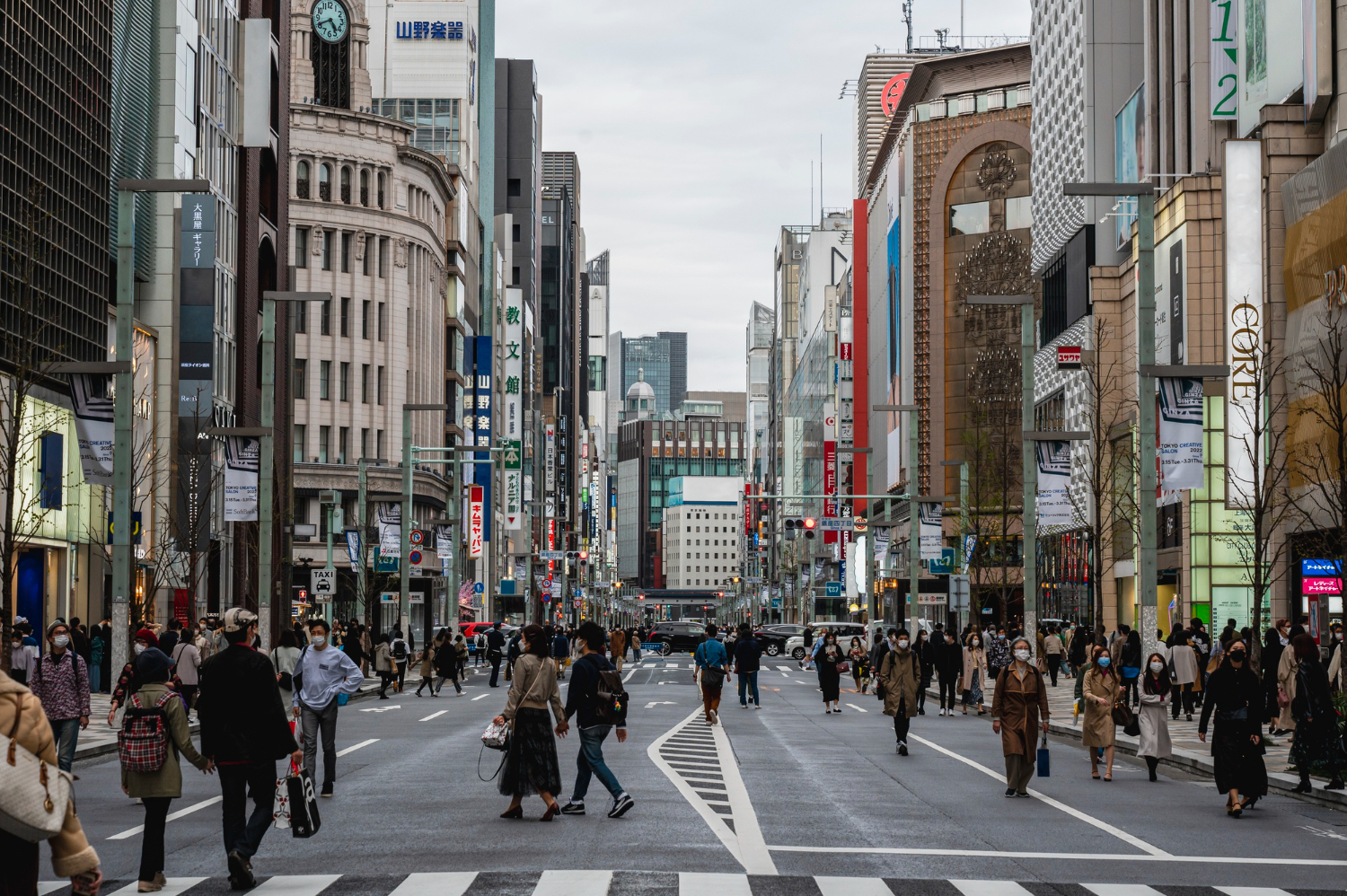
Japanese adults walk significantly more than Americans on average, with Tokyo residents averaging around 7,500 steps per day. The reason isn’t fitness culture — it’s urban design. Mixed-use zoning, a 90% transit-accessibility rate, and small-shop infrastructure produce walking that happens automatically as part of daily life.
If you’ve spent any time as an American visiting Tokyo, Osaka, or Kyoto, you’ve probably noticed something subtle but persistent: you walk a lot. Without trying. Without planning to. Without a fitness goal. By the end of each day in Japan, your phone’s step counter typically shows numbers far higher than what you’d accumulate at home.
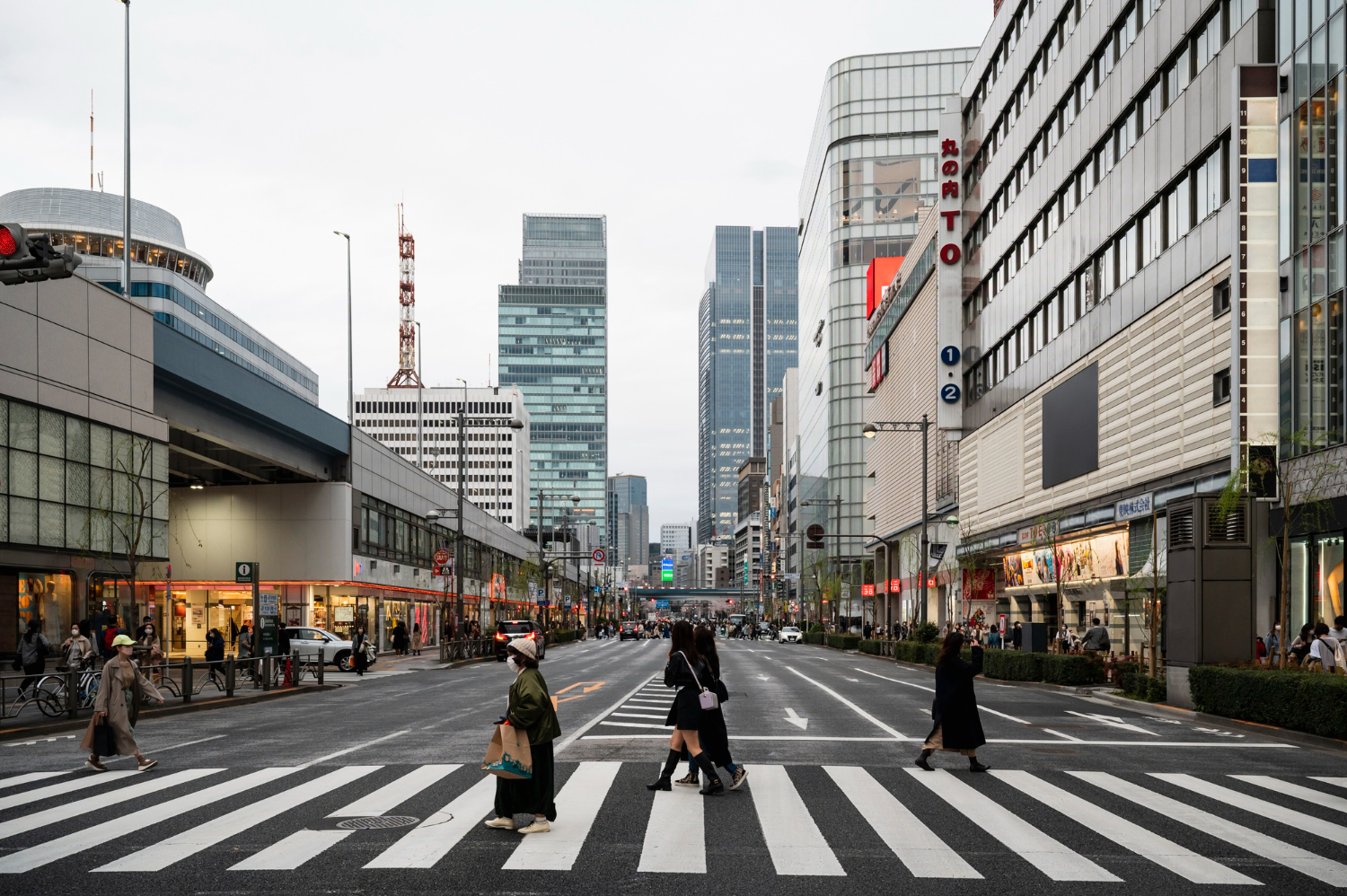
This isn’t a coincidence or a tourist phenomenon. According to multiple studies, including data from the Japanese government’s National Health and Nutrition Survey and analyses from the University of Tokyo, Japanese adults in major urban areas walk an average of 6,000 to 7,500 steps per day — roughly twice the average for American adults. The Tokyo metropolitan area’s 23 special wards average approximately 7,500 steps per day for adults aged 20-64.
The reason isn’t fitness culture or willpower. It’s urban design — specifically, a set of zoning, transit, and architectural choices that make walking the default option for daily activities. Understanding what Japan does differently reveals how dramatically built environment shapes physical activity patterns.
What the actual numbers show
Multiple data sources confirm the walking gap:
Japan’s National Health and Nutrition Survey (annual government survey, 2009-2019): mean daily step counts of 6,793 for males and 5,832 for females across the population.
University of Tokyo analysis of 1.2 million app users: Tokyo’s 23 special wards average approximately 7,500 steps per day for working-age adults. Smaller regional cities average around 4,000 — about half as much.
Hong Kong averages approximately 7,000 steps per day, the world’s highest national average. People in Hong Kong take 60% more daily steps than Americans.
The United States averages 3,500 to 4,000 steps per day. Saudi Arabia and Indonesia have similar low averages.
Sweden and Norway average around 5,500 to 6,000 steps per day, with their walking attributed to “smart design” choices similar to Japan’s.
The pattern is consistent: countries with the highest step counts share specific urban design characteristics. Countries with the lowest step counts share specific urban design problems.
Mixed-use zoning that puts everything within walking distance
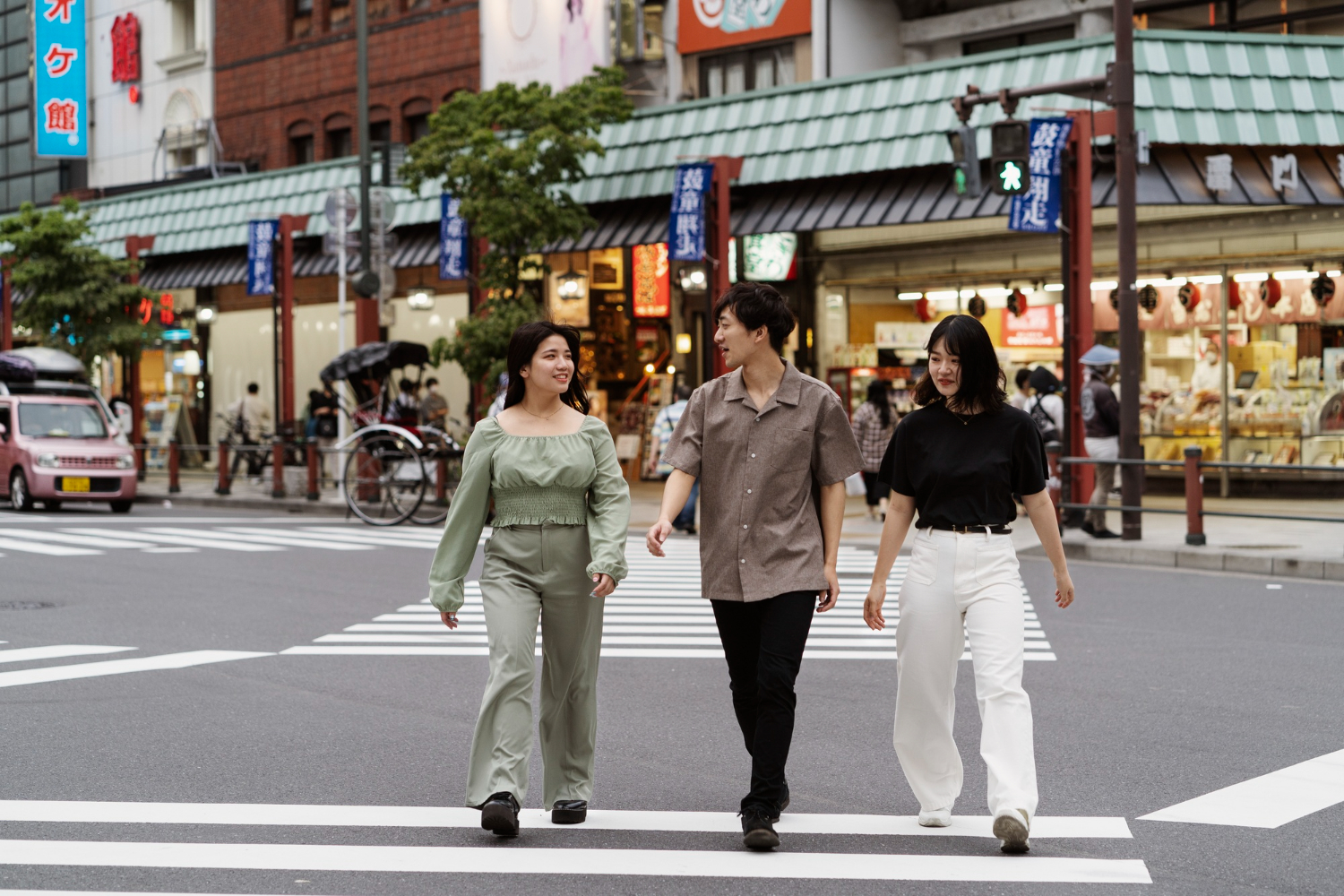
The single most important factor in Japan’s walking culture is its mixed-use zoning system. While American zoning typically separates residential, commercial, and industrial uses into distinct districts, Japanese zoning explicitly allows mixed uses across most of the country.
The Japanese system has 12 zoning categories rather than the American norm of dozens of single-use categories. The categories are organized by intensity rather than by use type — meaning a residential neighborhood can include small shops, restaurants, schools, medical clinics, and even some light commercial activity, as long as the scale doesn’t exceed what the residential zone permits.
The practical effect is that most Japanese neighborhoods have:
- Convenience stores within 300-500 meters
- Multiple grocery options within 1 kilometer
- Restaurants, cafes, bakeries within walking distance
- Schools accessible on foot for children
- Medical clinics, post offices, and government services nearby
Because everyday errands can be completed on foot, walking becomes the default mode of transportation for most short trips. This is the exact opposite of American suburban zoning, where residential subdivisions are typically separated from commercial areas by major roads designed for car traffic, making walking impractical for most errands.
Train stations as community centers
The second major factor is Japan’s transit infrastructure, particularly its train stations. Japanese train stations don’t just provide transportation — they function as community hubs that consolidate many daily activities in one walkable location.
A typical major Japanese train station includes:
- Department stores attached to the station building
- Multiple convenience stores
- Restaurants, cafes, bakeries
- Pharmacies and medical clinics
- Banks and post offices
- Hair salons, dry cleaners, and other personal services
- Bookstores, gift shops, and specialty retail
- Coin lockers for storing belongings
The result is that “going to the station” can accomplish most of a household’s weekly errands in a single trip, with each transition between activities involving walking through the station and surrounding shopping streets.
The Yokohama region (just south of Tokyo) provides a particularly clear example. Yokohama has 157 railway stations across its rail network, with the local bus network expanded around them so that approximately 90% of citizens can access a station in less than 15 minutes. The combination produces transit access for almost the entire population and walking patterns built around train station visits.
Streets designed for people, not cars
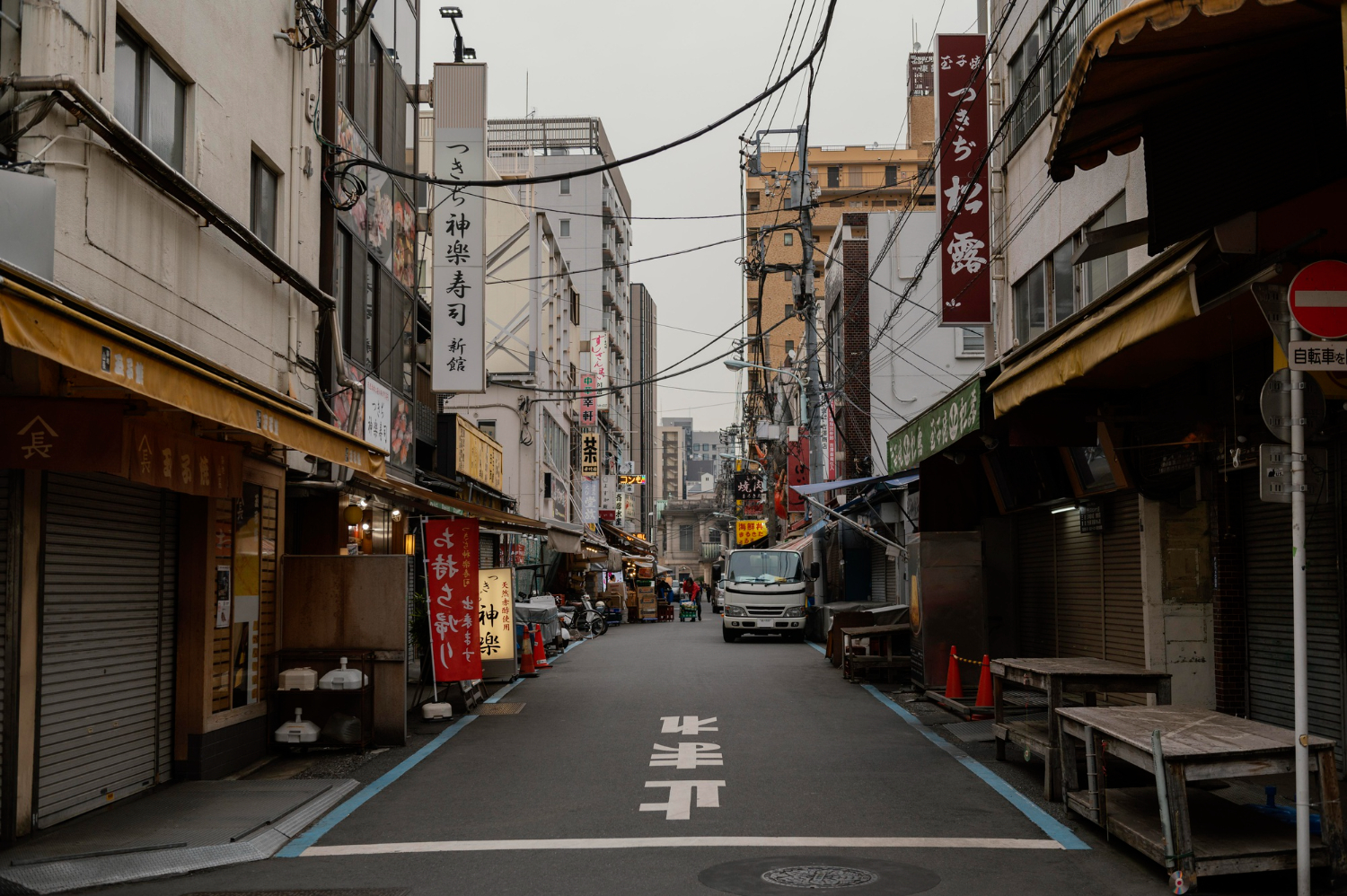
Japanese streets are physically designed differently from American streets in ways that make walking comfortable and driving inconvenient:
Narrow streets. Most residential streets in Japanese cities are 3-5 meters wide, compared to 10-15 meters for typical American suburban streets. The narrowness slows car traffic naturally and creates a sense of human scale that feels comfortable for pedestrians.
No on-street parking on most residential streets. Japan requires car owners to prove they have off-street parking before they can register a vehicle (the shako shomeisho certificate). The result is that most residential streets are not lined with parked cars, leaving more visual and physical space for pedestrians.
Pedestrian Paradise zones. During weekends, busy shopping areas like Tokyo’s Ginza and Shinjuku are blocked from cars entirely — a policy called hokōsha tengoku (“pedestrian paradise”). Streets that serve cars during weekdays become car-free pedestrian boulevards on Saturdays and Sundays.
Small block sizes. Japanese cities typically have much smaller blocks than American cities, which produces more frequent intersections, more route options, and a less monotonous pedestrian experience. The blocks themselves are often partially permeable, with small alleys connecting through them.
Vertical density. Many Japanese commercial streets feature multi-story buildings with shops and restaurants on multiple floors. A pedestrian walking down a single block can pass dozens of small businesses, many of which would require driving to in an American suburban context.
Children walking to school
One of the most distinctive features of Japanese walking culture is that children walk to school from very young ages — typically starting in first grade (age 6). Even kindergartners frequently walk to school in groups, supervised in a “walking bus” arrangement where parents and community members serve as crossing guards.
This isn’t unique to Japan in cultural terms (German children, Dutch children, and Scandinavian children also walk to school in significant numbers), but it’s particularly notable in Japan because of how culturally embedded the practice has become. The Japanese show Old Enough! (in Japanese: Hajimete no Otsukai, “My First Errand”), which premiered on Netflix internationally in 2022, documents very young children (often 2-4 years old) running errands by themselves. The show works because Japanese society has built infrastructure that genuinely makes this safe.
Comparison to the United States: In the 1969 census, 48% of American children walked or biked to school. By the 2020s, that figure had dropped to about 13%. The change is driven primarily by suburban zoning that places schools far from residential areas, dangerous road infrastructure that makes walking impractical, and cultural anxiety about child safety that has limited unsupervised walking.
The vending machine factor

A small but symbolically important factor: Japan has approximately 4 million vending machines, the highest density of any country in the world (about one vending machine for every 30 people). The machines are located on streets, in train stations, in residential areas, and in office buildings.
The vending machine network creates frequent walking destinations within neighborhoods. People walk to a vending machine for a coffee or beverage in the same way Americans walk to their refrigerator. The destinations are small and convenient, but they reinforce a pattern of walking as a default option for small errands.
What this produces in actual health outcomes

The walking gap between Japan and the United States produces measurable health differences:
Life expectancy. Japan has the world’s highest life expectancy at birth — 84.3 years overall, with Japanese women reaching 87.1 years on average. The U.S. ranks much lower — 77.5 years overall, with rapidly increasing rates of obesity-related disease.
Obesity rates. Japan has one of the lowest obesity rates among developed countries — approximately 4-5% of adults. The United States has approximately 42% adult obesity. The gap is driven by multiple factors (diet, portion sizes, healthcare access), but daily walking is one of the most-cited factors.
Cardiovascular disease. Japan has dramatically lower rates of heart disease compared to the United States. Daily moderate walking is well-established as a cardiovascular protective factor.
Mental health. Studies consistently show that walkable neighborhoods are associated with higher levels of happiness, social trust, and lower rates of depression and anxiety. Japan’s neighborhood-level social cohesion, while attributable to many cultural factors, has a measurable physical infrastructure component.
A 2025 international study using smartphone data from over 2 million users found that individuals who move to more walkable cities substantially increase their physical activity. The specific finding: moving from a less walkable city (25th percentile in walkability) to a more walkable city (75th percentile) increased walking by 1,100 daily steps on average. The relationship between built environment and walking behavior is essentially a one-way causation — better walking infrastructure produces more walking, regardless of individual fitness motivation.
What American cities could learn (and what’s hard to replicate)
Several elements of Japanese walking culture are theoretically transferable to American contexts:
Mixed-use zoning reform. A handful of American cities (Cambridge MA, Minneapolis MN) have begun reforming zoning to allow more mixed uses. The results have been encouraging but limited in scale.
Transit-oriented development. Cities investing in transit (like Salt Lake City, Charlotte, Denver) often see walking increases in neighborhoods around new transit stations.
Pedestrian Paradise zones. Open-streets programs (closing certain streets to cars on certain days) have been implemented in New York, San Francisco, and other major American cities, with measurable improvements in walking and local business activity.
School siting policies. Reforming policies that encourage building schools far from residential areas could enable more children to walk to school.
Several elements are harder to replicate:
Density. Japanese walking culture depends on population density that most American cities don’t have and politically can’t achieve. Suburban single-family-home zoning is deeply entrenched in American politics and is the antithesis of walking-friendly density.
Existing infrastructure. Japanese cities were largely built before mass automobile ownership, producing street patterns that work for walking. American suburbs were largely built after mass automobile ownership, producing street patterns that don’t.
Cultural expectations. Japanese cultural expectations about safety, neighborhood, and child mobility differ significantly from American expectations. Changes in built environment don’t immediately produce cultural changes.
For Americans wanting to increase their walking without moving to Japan, the practical implications are mixed. In a typical American suburban environment, accumulating 7,500 daily steps requires deliberate effort — taking walks specifically for exercise, parking farther from destinations, choosing walkable neighborhoods when relocating. The walking that happens automatically in Japan must be manufactured deliberately in much of the United States.
For travelers visiting Japan, the walking experience is one of the genuine pleasures of the visit. The default activities of being a tourist — visiting temples, exploring neighborhoods, eating at small restaurants, shopping at markets — naturally produce 10,000+ step days. The exhaustion at the end of a Japan day isn’t from forcing yourself to exercise; it’s from a city that has been quietly nudging you to walk all day.
What Japanese walking culture actually demonstrates is that physical activity isn’t primarily a question of willpower or fitness commitment. It’s a question of whether the environment makes walking the default. When the answer is yes, people walk. When the answer is no, even highly motivated people struggle to maintain consistent activity. The implication for public health policy is significant — and largely unaddressed in the United States, where built environment changes face severe political constraints.
