

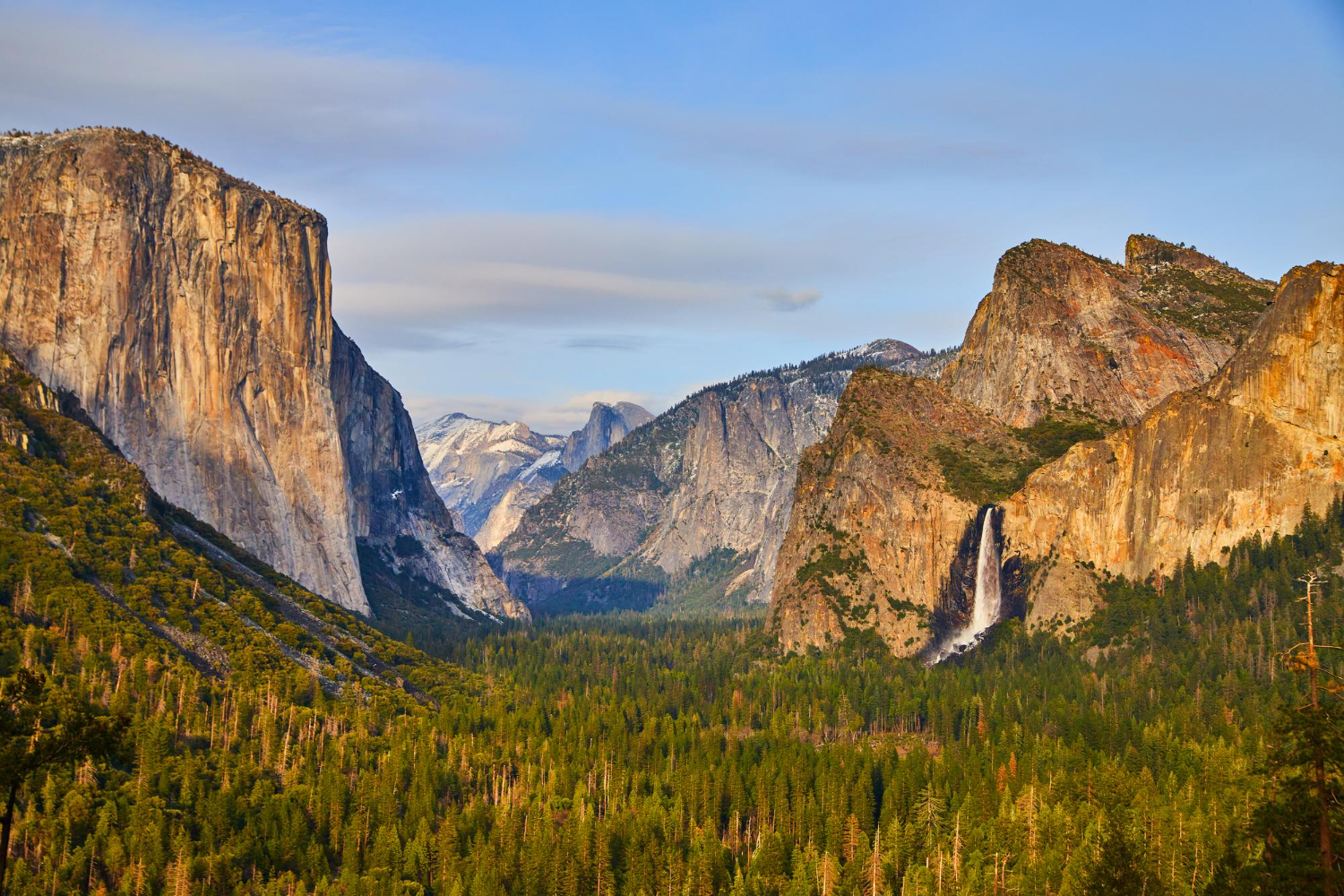
Yosemite, Arches, Glacier, and Mount Rainier all eliminated timed-entry reservation requirements for 2026 in a major policy reversal. Eight other parks still require advance reservations. Here’s exactly what changed and how to plan a 2026 national park trip.
If you’ve planned a national park trip in the past five years, you’re probably familiar with the timed-entry reservation system. The system became standard at major parks during the COVID-19 surge in visitation that pushed parks like Yosemite, Arches, and Glacier to record overcrowding. Reservations had to be booked weeks or months in advance through Recreation.gov. Slots sold out quickly for popular weekends.
For 2026, that system has dramatically shifted. In a series of February 2026 announcements, the National Park Service confirmed that several of the most-visited parks would be dropping their reservation requirements entirely. Other parks are maintaining their systems. The result is a more confusing planning landscape than recent years — but with significantly more flexibility for last-minute trips to several major destinations.
Here’s exactly what changed and what’s required for a 2026 visit.
The 4 parks that just dropped their reservations
Yosemite National Park (California)
Yosemite confirmed in a February 18, 2026 NPS press release that vehicle reservations would not be required for the 2026 season. The decision reverses the system that had been in place during 2024 and 2025. According to NPS spokesperson Scott Gediman, the decision “follows a comprehensive evaluation of traffic patterns, parking availability and visitor use during the 2025 season.” The park’s analysis found that “most weekdays maintained available parking, stable traffic flow and visitation levels within the park’s operational capacity.”
The change has been controversial. Mark Rose, Sierra Nevada program manager for the National Parks Conservation Association, expressed concern about hours-long wait times and the possibility of would-be visitors being turned away due to lack of parking. Park staff have been reduced significantly — the National Park Service has lost approximately 25% of its permanent employees since early 2025.
For 2026 visitors: First-come, first-served entry. Pay the standard $35 vehicle entrance fee or hold a valid park pass. The park advises arriving early on weekends, considering weekday visits, and exploring options outside Yosemite Valley. The park will rely on real-time traffic management — including temporary traffic diversions when parking lots fill — rather than advance reservations.
Arches National Park (Utah)
Arches dropped its timed-entry reservation system for 2026 after using it from 2022 through 2025. The system had required reservations during peak hours (roughly 7 AM to 4 PM, April through October).
For 2026 visitors: First-come, first-served entry. The NPS recommends arriving early in the day, exploring “lesser-traveled areas if certain locations are busy,” and being “flexible when enjoying the park.” Visitors are also encouraged to visit after hours to experience Arches’ International Dark Sky designation. Standard $30 vehicle entrance fee applies.
Glacier National Park (Montana)
Glacier eliminated its park-wide vehicle reservation requirement for 2026 but is implementing more targeted congestion management. Going-to-the-Sun Road, the park’s main scenic drive, will still see active management with parking limits at Logan Pass and “temporary vehicle diversions if safety thresholds are reached.”
The park is piloting a new shuttle reservation system to help avoid congestion on park roads and parking lots, but full park-wide reservations are no longer required. Importantly, the east entrance at St. Mary doesn’t require a reservation either, and visitors can drive the entire Going-to-the-Sun Road from that side without any permit.
For 2026 visitors: General park entry is first-come, first-served. Specific shuttle reservations may be required during peak summer for certain destinations. Standard $35 vehicle entrance fee applies.
Mount Rainier National Park (Washington)
Mount Rainier announced that timed entry reservations would not be required in 2026, eliminating the system that had been in place during 2023-2025.
For 2026 visitors: First-come, first-served entry. The park has noted that lesser-traveled areas like Ohanapecosh, Carbon River, and Mowich Lake remain less crowded alternatives to the popular Sunrise and Paradise areas. Standard $30 vehicle entrance fee applies.
The 8 parks that still require advance reservations

Despite the major changes at Yosemite, Arches, Glacier, and Mount Rainier, eight national parks and one national monument still require some form of advance reservation for 2026. The specifics vary by park.
Rocky Mountain National Park (Colorado) — Continues its timed entry reservation system from late May through mid-October. Two types are required: standard timed entry for most of the park, and timed entry plus Bear Lake Road (the most popular section). Both can be booked through Recreation.gov 90 days in advance. Reservations cost $2 plus the $30 entrance fee.
Acadia National Park (Maine) — Cadillac Summit Road requires reservations from May 20 through October 25, 2026. The rest of the park is reservation-free. Sunrise slots sell out at the 90-day mark, but 70% of reservations release just two days before at 10 AM ET, providing a legitimate second chance for flexible visitors. The $6 fee is the highest day-use reservation in the system.
Haleakalā National Park (Hawaii) — Sunrise viewing requires advance reservations year-round. Reservations open 60 days in advance through Recreation.gov. The $1 reservation fee is in addition to the standard park entrance fee.
Shenandoah National Park (Virginia) — Old Rag Mountain hiking requires day-use tickets from March through November. Reservations are required all year for this specific trail.
Zion National Park (Utah) — Angels Landing hiking permit lottery is required year-round for this iconic but dangerous hike. The lottery has both a pre-trip option (months in advance) and a day-before option for last-minute visitors.
Half Dome (Yosemite) — Despite Yosemite ending its general vehicle reservation system, the Half Dome cables hike still requires advance permits. The annual lottery runs in March each year for the upcoming summer season.
Wave/Coyote Buttes (Vermilion Cliffs National Monument, Arizona) — The famous “Wave” hike requires permits won through a daily and advance lottery system. Only 64 people per day are allowed. The Bureau of Land Management runs the system.
Muir Woods National Monument (California) — Parking reservations are required all year. Reservations can be made up to 3 months in advance. Located near San Francisco, this redwood forest sees heavy weekend traffic.
Buffalo National River (Arkansas) — Permits required for certain river sections during peak season.
What this actually means for 2026 trip planning

The new pattern produces different planning strategies depending on which park you’re visiting:
For Yosemite, Arches, Glacier, and Mount Rainier: Spontaneous trips are possible again, but parking lot fullness becomes the new constraint. Multiple sources recommend arriving by 7 AM on weekends to find parking at popular destinations. Most parks have new real-time monitoring of parking availability that visitors can check via apps and highway signs before driving 20+ miles to a trailhead only to find no parking.
For Rocky Mountain: Advance reservations remain essential. Bear Lake Road timed entry is particularly competitive — book at the 90-day mark for popular dates.
For Acadia’s Cadillac Summit: The 2-day advance release at 10 AM ET is a meaningful second chance. Set a calendar reminder.
For permitted hikes (Half Dome, Angels Landing, The Wave): The lottery systems are unchanged for 2026. Plan months in advance.
The broader debate
The 2026 reservation reversals have generated significant criticism from parks advocacy groups and some elected officials. The National Parks Conservation Association called the decision a choice of “chaos over conservation.” Senior visitation program manager Cassidy Jones stated: “Interior Secretary Burgum’s misguided action will put park visitors back into traffic jams, limit access due to closed, overcrowded parking lots and trails and make the park experience worse.”
The argument from advocates is that the reservation systems had successfully reduced crowding while improving the visitor experience. The argument from the Interior Department is that reservations create artificial scarcity and reduce overall access. Both positions have factual support — reservations did reduce parking conflicts but also did sell out, leaving some would-be visitors without entry.
The practical effect for 2026 visitors is a more flexible but potentially more frustrating system. Spontaneous trips to Yosemite, Glacier, Arches, and Mount Rainier are genuinely possible again. But arriving at a popular trailhead at 11 AM on a Saturday in July may produce a “parking lot full” experience that the reservation system was designed to prevent.
For travelers planning 2026 visits to these four major parks, the recommended strategy is:
Arrive early. Many parks see dramatic differences in parking availability between 6 AM and 10 AM. The “before sunrise” arrival is now genuinely advantageous in ways it wasn’t during the reservation era.
Have backup plans. If your primary trail is full, know which alternative trails or sections of the park have more parking. Most parks have sub-areas that don’t see the same congestion as iconic destinations.
Use shuttles where available. Yosemite Valley, Glacier’s Going-to-the-Sun corridor, Acadia, and Zion all have free or low-cost shuttle systems that bypass the parking issue. Park your car at the shuttle lot and ride into the park.
Visit shoulder season. May, September, and October offer significantly lower crowds than June-August at most parks. The same destinations that produce 11 AM parking-lot-full conditions in July often have plenty of parking in late September.
Plan camping ahead. Park campgrounds book up quickly, with reservations opening 6 months in advance through Recreation.gov for many parks. Camping inside the park provides early-morning access advantages that day-trippers can’t easily replicate.
The era of the carefully scheduled, reservation-based national park visit was relatively brief — really only 2020 through 2025 at most parks. The 2026 changes return many parks to a system closer to pre-2020 norms, with all the advantages (flexibility, spontaneity) and disadvantages (potential crowding, parking conflicts) that implies. Whether this is the right approach is genuinely contested. The consequences will become clearer over the 2026 summer season.
For the eight parks still using reservation systems in 2026, the systems remain intact and continue to be useful for trip planning. The full picture of national park access is more complex than it was a year ago — but for travelers willing to plan ahead and adjust expectations, all the parks remain genuinely accessible.
