From frozen meat to live lobsters to over 12 oz of hand sanitizer, the TSA allows several items most travelers assume are banned. Meanwhile, foldable utility knives, MREs, and certain power banks have been newly restricted in 2026. Here’s what’s actually on the current list.
The TSA’s prohibited items list is one of the most-read government documents in the United States. Despite that, most American travelers have at least a few persistent misconceptions about what’s actually allowed and what isn’t — partly because the rules genuinely change frequently, and partly because internet myths spread faster than corrections.
Going into 2026, several rules have shifted in ways that catch experienced travelers off guard. New lithium battery restrictions affect millions of devices. Several previously-allowed items are newly banned. And a number of surprising things actually are allowed despite traveler assumptions to the contrary.
Here’s a current accounting, drawn from the TSA’s official “What Can I Bring?” tool and recent 2026 reporting on enforcement changes.
What the rules are actually based on
The TSA’s prohibited items decisions follow three primary principles:
- Things that could be used as weapons (knives, sharp objects, blunt instruments)
- Things that pose fire or explosion risks (lithium batteries, flammable liquids, pressurized containers)
- Things that could conceal threats (large electronics, certain liquid quantities)
Most other items are allowed in some form. The confusion comes from the fact that many items are allowed in carry-on but not checked bags (like spare lithium batteries), allowed in checked but not carry-on (like firearms), or allowed in specific quantities or configurations.
Liquids: the still-confusing 3-1-1 rule
The TSA’s 3-1-1 rule remains the foundation of carry-on liquid policy in 2026:
- 3.4 ounces (100ml) maximum per container
- 1 quart-sized clear plastic bag to contain all containers
- 1 bag per passenger
This applies to liquids, gels, aerosols, creams, and pastes. The persistent traveler confusion centers on what counts as “liquid” — peanut butter does (gel), yogurt does, salsa does, snow globes containing water do (and frequently get confiscated). Solid food, including sandwiches, crackers, fruit, granola bars, hard cheese, chocolate, candy, and most baked goods, doesn’t count and can be brought in any quantity.
Important 2026 update: Hand sanitizer was temporarily allowed in containers up to 12 oz during the COVID-19 emergency. As of recent reporting, this elevated allowance is still in effect “until further notice” but may be rolled back. Standard 3.4 oz limits apply to all other liquid carry-on items.
What’s newly banned in 2026
Several items were added to or expanded on the prohibited list in 2026:
Foldable utility knives and multi-tools (any size). The TSA reversed previous leniency on small folding knives. Even multi-tools with blades under 2.36 inches (the previous threshold) are now banned from carry-on. These must be checked.
Power banks and portable chargers over 100 watt-hours (27,000 mAh). Larger lithium battery capacity power banks are now banned from both carry-on AND checked baggage. Smaller power banks remain allowed but only in carry-on (not checked). The exact watt-hour rating must be visible on the device — power banks without clearly labeled capacity may be confiscated.
Smart luggage with non-removable lithium batteries. Smart suitcases (with built-in chargers, GPS tracking, etc.) are still allowed, but only if the lithium battery can be removed before checking. Non-removable battery smart luggage is banned entirely.
Self-heating MREs (Meals Ready-to-Eat). Military-style MREs with chemical heating elements are now banned from both carry-on and checked baggage. The chemical packets inside are considered hazardous materials. Non-heated meal alternatives remain allowed.
Aerosol deodorants over 3.4 oz in carry-on. TSA has tightened enforcement on pressurized containers due to leakage and flammability concerns. Stick deodorants and roll-on deodorants remain unrestricted; aerosol versions follow standard 3-1-1 liquid rules.
Liquid-filled vape devices. Vape pens and e-cigarettes can only be packed in carry-on (not checked), and the tank must be empty. Refillable models with fluid in them are increasingly being confiscated.
Cordless curling and flat irons with butane gas cartridges. These are now banned from checked baggage due to fuel leak risk. Standard electric versions are fine.
What’s surprisingly allowed

The flip side: several items that travelers commonly assume are banned actually pass through security without issue:
Frozen food and ice packs. Frozen items and ice packs are allowed in carry-on as long as they’re completely frozen solid when going through screening. Once they begin to melt, they revert to liquid rules.
Live lobsters and other live seafood. Live lobsters in clear, spill-proof containers are explicitly allowed by TSA in both carry-on and checked baggage. Travelers from coastal regions bring them home regularly.
Bowling balls, antlers, and snowboards. Sports equipment and large unwieldy items are generally allowed in checked baggage and sometimes in carry-on. Antlers (cleaned and properly packaged) have explicitly been allowed.
Toy lightsabers and Christmas light strings. Both are explicitly listed as allowed by the TSA, despite their unusual appearance on X-ray machines.
Most foods including peanut butter, hummus, and spreads. As long as they’re properly contained (peanut butter in a sealed jar over 3.4 oz must go in checked baggage; smaller portions can go in carry-on liquids bag), most foods are allowed.
Up to 12 oz of hand sanitizer in carry-on (for now). As mentioned above, this elevated allowance remains in effect.
Standard cigarette lighters in carry-on. A single Bic or Zippo-style lighter is allowed in carry-on but cannot go in checked baggage. Torch lighters are banned everywhere. Matches: safety matches in carry-on only; strike-anywhere matches are banned everywhere.
Pets, including emotional support animals (with paperwork). Subject to airline-specific policies, but TSA allows pets through security.
What absolutely cannot fly
Some items are completely prohibited from both carry-on and checked baggage on commercial aircraft:
- Fireworks and flares (any kind)
- Gasoline, lighter fluid, propane, or other fuels
- Spray paint and aerosol paints
- Bear spray, mace, or pepper spray (one 4-oz container with safety mechanism is allowed in checked bags only on most airlines)
- Strike-anywhere matches
- Torch lighters
- Recreational marijuana (regardless of state law, federal law applies at TSA checkpoints)
- Certain medications (especially controlled substances without proper documentation)
- Body armor exceeding personal-use quantities
- Tear gas
- Explosives of any kind
What can go in checked baggage but not carry-on
Several items are allowed in checked bags only:
Firearms — must be unloaded, in a hard-sided locked case, and declared at check-in. Ammunition is allowed in checked bags only, in original packaging.
Sharp objects with blades over 4 inches (kitchen knives, scissors over 4 inches, ice picks, machetes)
Sporting equipment with potential as weapons (baseball bats, golf clubs, pool cues, hockey sticks, ski poles)
Pepper spray (one 4-oz container with safety mechanism, on most airlines)
Stun guns and shocking devices (must be packed to prevent accidental discharge)
Most tools over 7 inches (screwdrivers, hammers, drills, wrenches)
Crowbars and large tools
What can go in carry-on but not checked baggage
This is the category that catches the most travelers off guard:
Spare lithium batteries. All spare/extra lithium-ion batteries (including those for cameras, drones, vape devices, and power tools) must go in carry-on, never in checked baggage. This is because lithium battery fires in cargo holds are difficult to detect and contain.
Power banks and portable chargers. Same reasoning — must be in carry-on, never checked.
Vape devices and e-cigarettes. Must be in carry-on, with empty tanks.
E-cigarette and vape devices generally. Including any battery-powered electronic smoking device.
Smart luggage’s lithium battery (if removable).
Most jewelry, electronics, and high-value items. Not technically prohibited from checked bags, but airlines explicitly disclaim responsibility for theft or loss. Carry valuable items in carry-on.
Special situations: REAL ID enforcement is now active
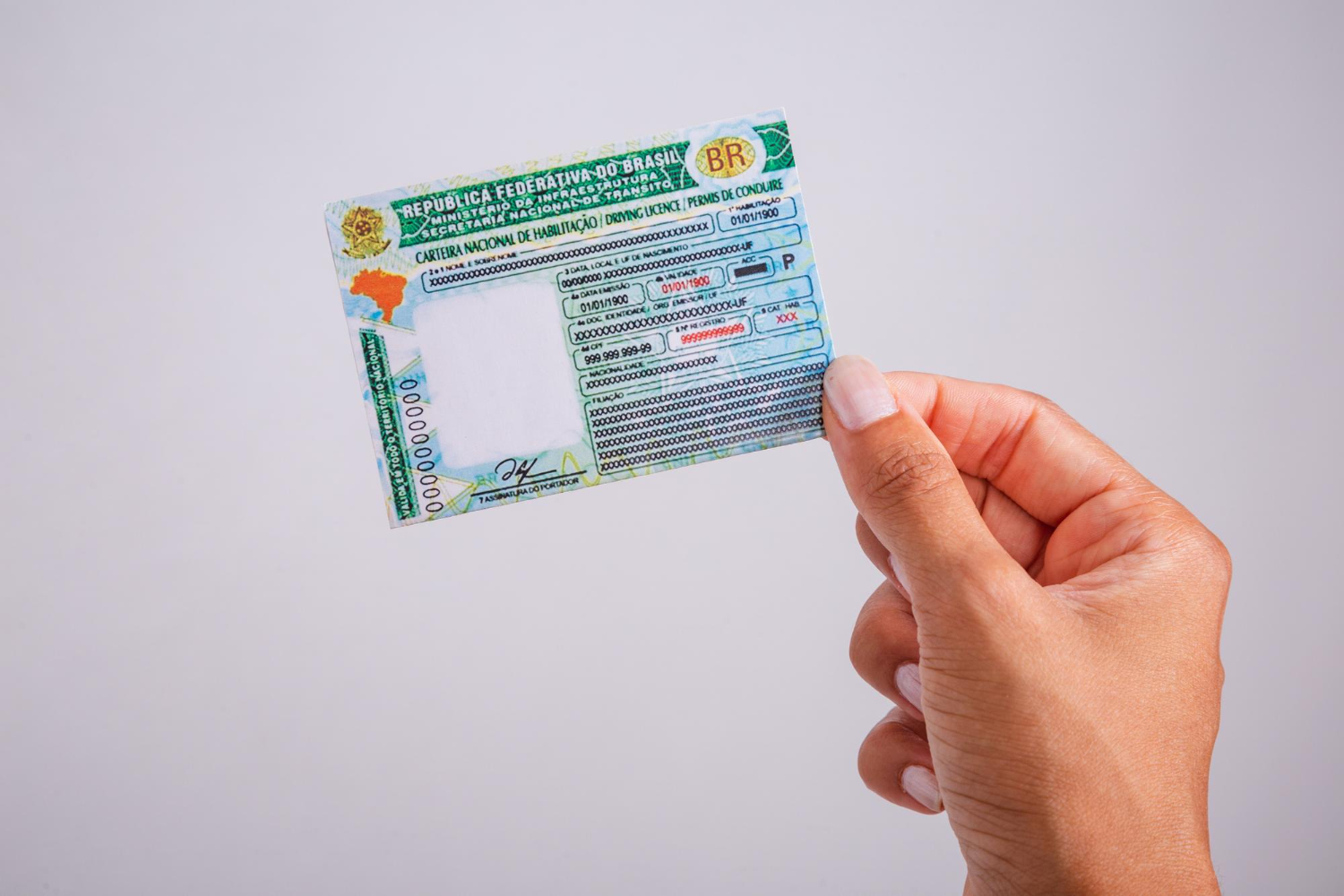
As of February 1, 2026, the TSA has officially moved from “education phase” to “enforcement phase” for REAL ID compliance. This means:
- A REAL ID-compliant driver’s license (marked with a star or compliance indicator), passport, passport card, military ID, or other approved federal ID is required to board domestic flights.
- Travelers without compliant ID may be subject to a $45 non-compliance fee for identity verification through the TSA’s Confirm.ID process.
- The fee does not guarantee passage through security — it’s a fee for the verification process, not a guaranteed alternative.
If you don’t have a REAL ID-compliant license yet, get one before flying domestically. The processing time at most state DMVs is 6-8 weeks, and many DMVs require an in-person appointment with multiple documents.
What happens if TSA finds something prohibited
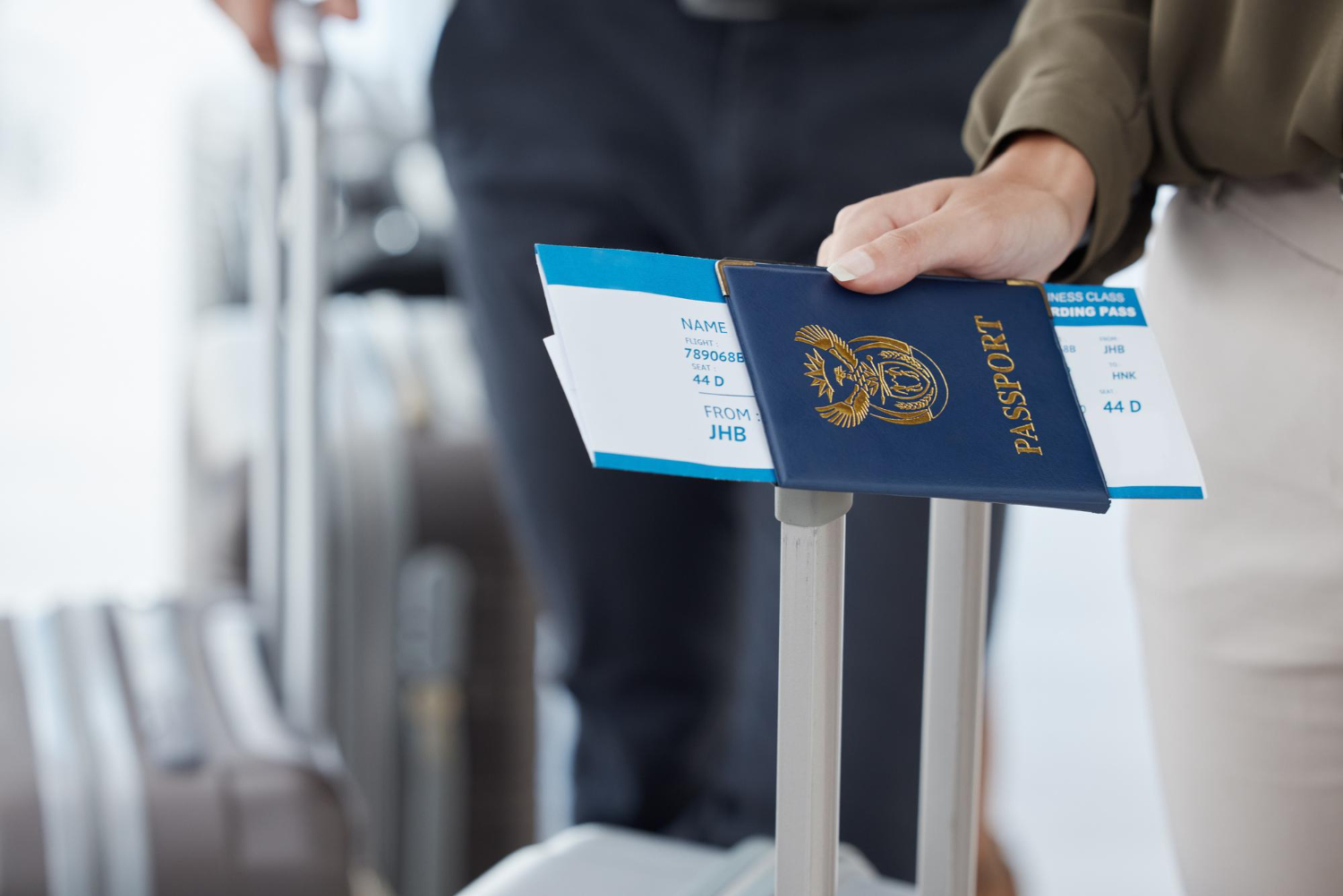
The TSA’s enforcement procedures for prohibited items vary by item type and apparent intent:
Most accidentally-packed prohibited items: Surrender voluntarily, no penalty. This is by far the most common outcome.
Step out and check option: If time allows, you can step out of the security line, return to check-in, and pay to check the previously-carry-on item. This is often allowed for things like nail clippers, oversized liquids, or small pocket knives.
Mail-back service: Many major airports offer mail-back kiosks where you can ship the item home rather than surrendering it. This is useful for higher-value items.
Civil penalties for serious violations: Bringing a firearm to a TSA checkpoint (loaded or unloaded, declared or not) can result in civil penalties starting at $1,500 and escalating to $15,000+ for repeat offenses. Loss of TSA PreCheck eligibility is also possible.
Federal criminal charges for hazmat violations: Bringing fireworks, explosives, or other hazardous materials to a checkpoint can result in federal criminal charges with penalties up to 5 years imprisonment and $250,000 fines under 49 U.S.C. § 5124.
How to actually navigate TSA in 2026
For minimum-friction airport security:
Check the TSA “What Can I Bring?” tool before you pack. The TSA’s official online tool (tsa.gov/travel/security-screening/whatcanibring) has every item alphabetically. When in doubt, search.
Use AskTSA for ambiguous items. TSA’s AskTSA service (available 8 AM-6 PM ET via Twitter, Facebook Messenger, or text message at “AskTSA”) provides specific answers about specific items.
Get TSA PreCheck or CLEAR. PreCheck ($85 for 5 years, available at 230+ airports as of 2026) allows you to keep your shoes, belt, and laptops in your bag. CLEAR Plus uses biometric verification to skip the ID check entirely. Both dramatically reduce screening time.
Empty your reusable water bottle before security. This is the single most-confiscated item that’s easy to avoid. You can refill at fountains past security.
Check your bags multiple times if you use the same bag for non-airport activities. A surprising number of TSA confiscations happen because someone left a small pocket knife, spare lithium battery, or other prohibited item in their work bag from camping, hunting, or maintenance work.
The system is genuinely designed to be navigable, but it requires familiarity with the actual current rules rather than assumptions or outdated information. The TSA’s official resources are accurate. The traveling public’s collective knowledge often lags behind by a year or more — which is why even experienced flyers sometimes get caught by a rule change they hadn’t heard about.