

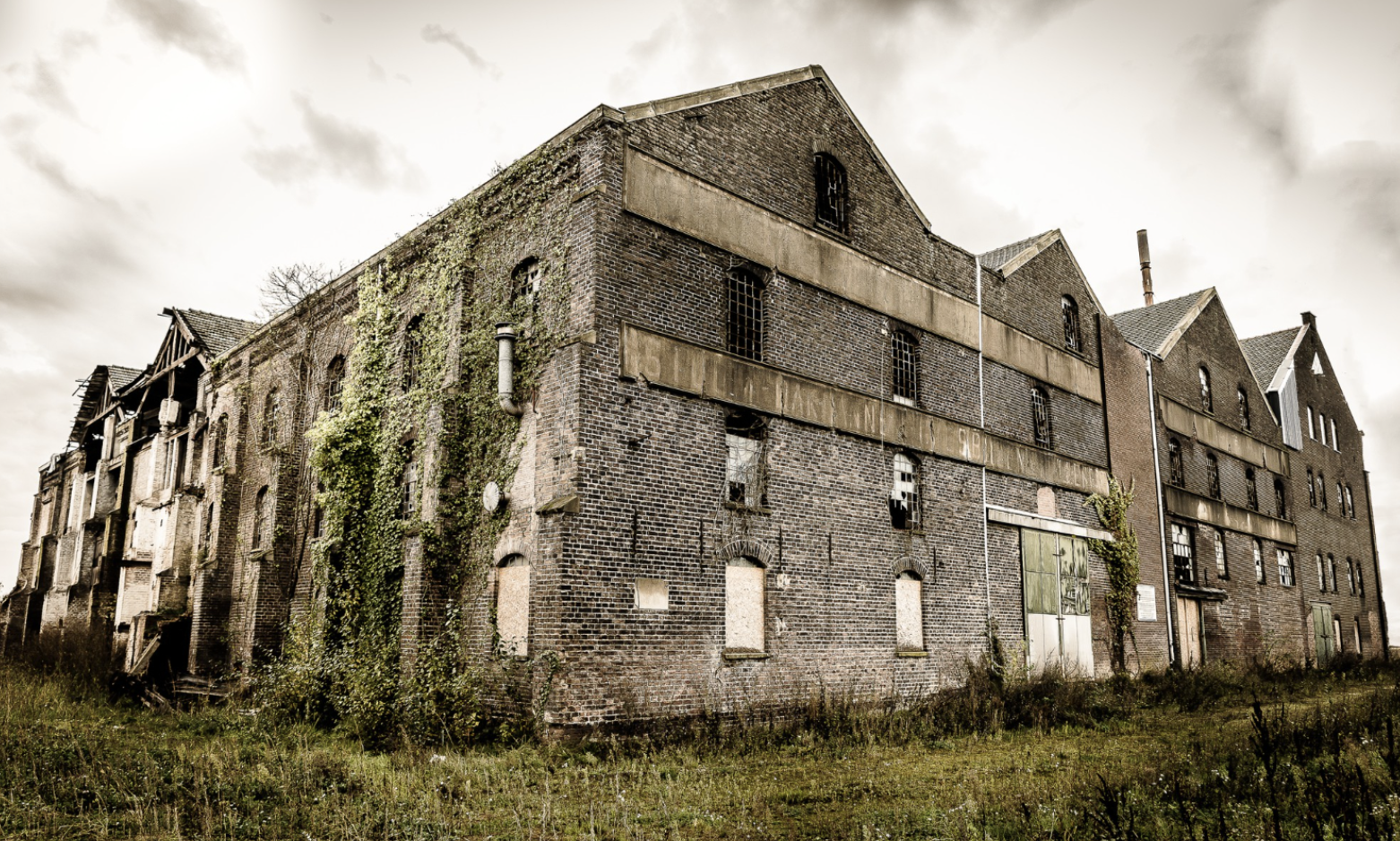
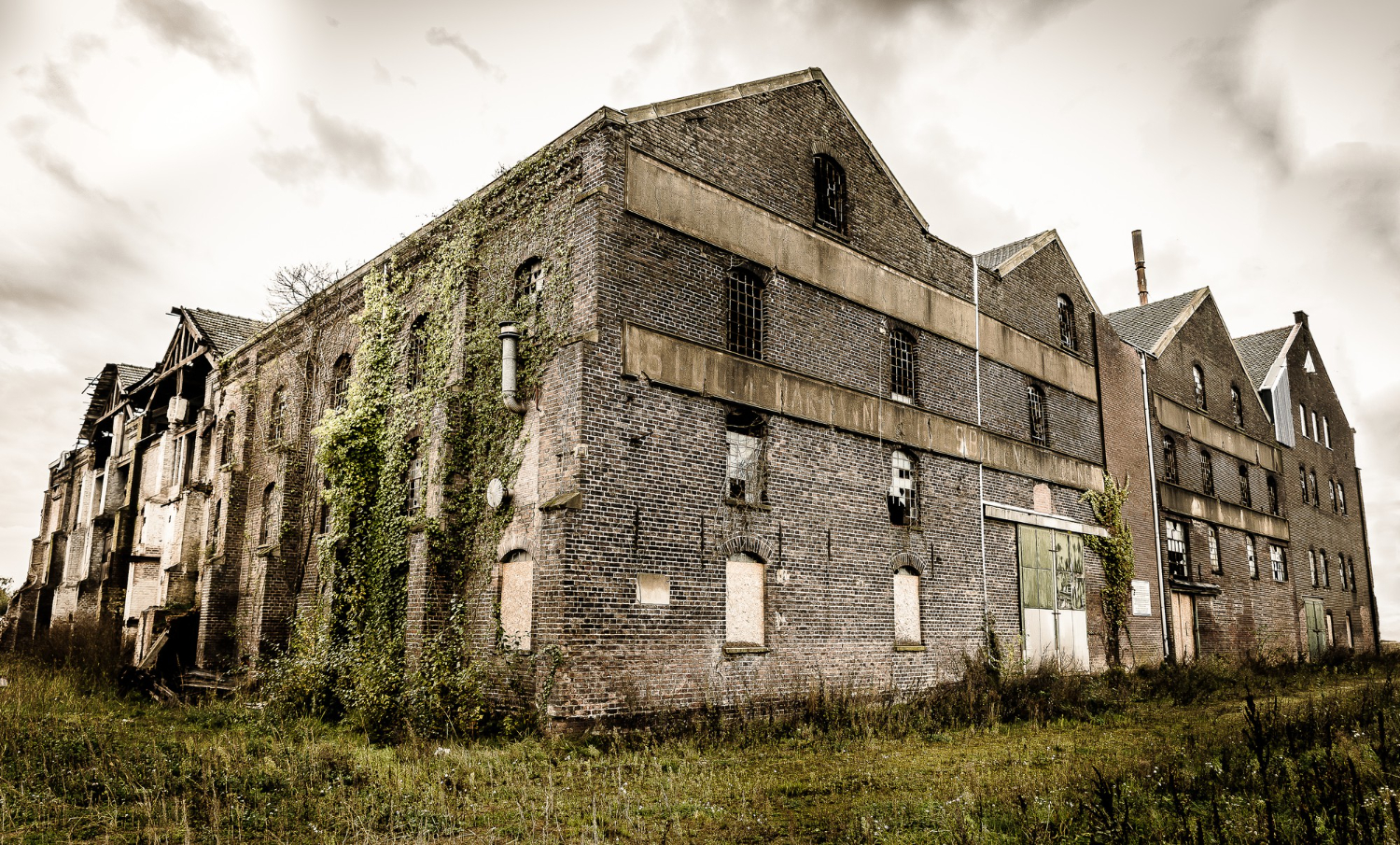
From Glenrio (Texas/New Mexico — featured in The Grapes of Wrath and Pixar’s Cars) to Rhyolite, Nevada (Paramount Pictures restored a building there) to Bombay Beach (used in dozens of music videos and films), abandoned American towns have become Hollywood’s preferred way to film authentic decay. Here are 12 you can actually visit.
Hollywood loves abandoned American towns. The combination of authentic decay, period-appropriate architecture, and the absence of modern signage and infrastructure produces visuals that production designers can’t replicate on sound stages. When a script calls for “post-apocalyptic,” “Wild West ghost town,” “Dust Bowl decline,” or simply “remote middle of nowhere,” location scouts often look at the same shortlist of abandoned American settlements that Hollywood has been using for decades.
For travelers interested in seeing these locations themselves, most are accessible to the public. Some have become tourist attractions in their own right. Others remain remote enough that visiting requires deliberate effort. All of them produce the unsettling experience of recognizing places from films you’ve seen — except in person, the towns are real, the decay is genuine, and the silence is absolute.
Here are 12 of the most-filmed American ghost towns, the specific movies and shows that have used them, and what to know about visiting each one.
1. Bombay Beach, California — Salton Sea decay
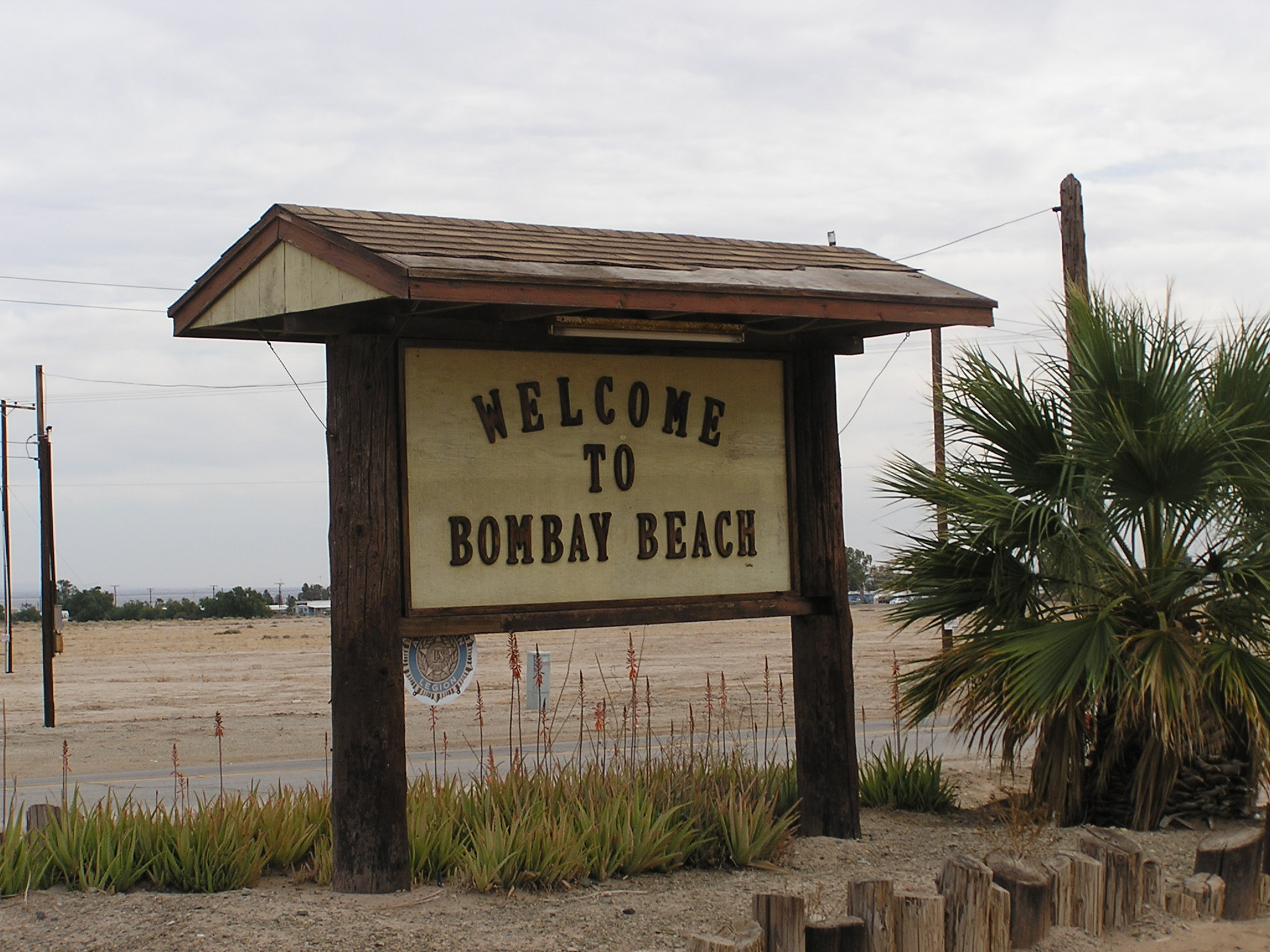
Bombay Beach was established in 1929 by R.E. Gilligan as a resort community along the accidentally-formed Salton Sea (created in 1905 when an irrigation canal failed and the Colorado River filled a low-lying desert basin). At its 1950s-1960s peak, the town drew 1.5 million annual visitors, with Frank Sinatra and the Beach Boys among regular Hollywood-era visitors. The Salton Sea’s salinity rose to dangerous levels through the 1970s and 1980s as agricultural runoff accumulated. Massive fish die-offs followed. The 1976 Hurricane Kathleen flooding accelerated abandonment.
By the 1980s, Bombay Beach was largely abandoned. Today, approximately 200-300 residents remain. The town has become a destination for Hollywood productions, art installations, and music videos. Films and shows that have used Bombay Beach include scenes in Magnolia (1999), 21 Jump Street (2012), various music videos, and the recurring “Bombay Beach Biennale” art event has produced installations now used by photographers and filmmakers.
The visual character — corroded mid-century structures, the dead Salton Sea coastline, distinctive desert light, and the substantial art installations created by the Bombay Beach Biennale (since 2016) — has made the town a continuing destination for productions seeking otherworldly American decay.
How to visit: Located at the southeastern shore of the Salton Sea, approximately 90 minutes from Palm Springs. Free public access. Combine with Salvation Mountain (10 minutes south) and East Jesus art installation. Best in winter (October-March); summer is brutally hot.
2. Glenrio, Texas/New Mexico — Route 66 frozen in 1975
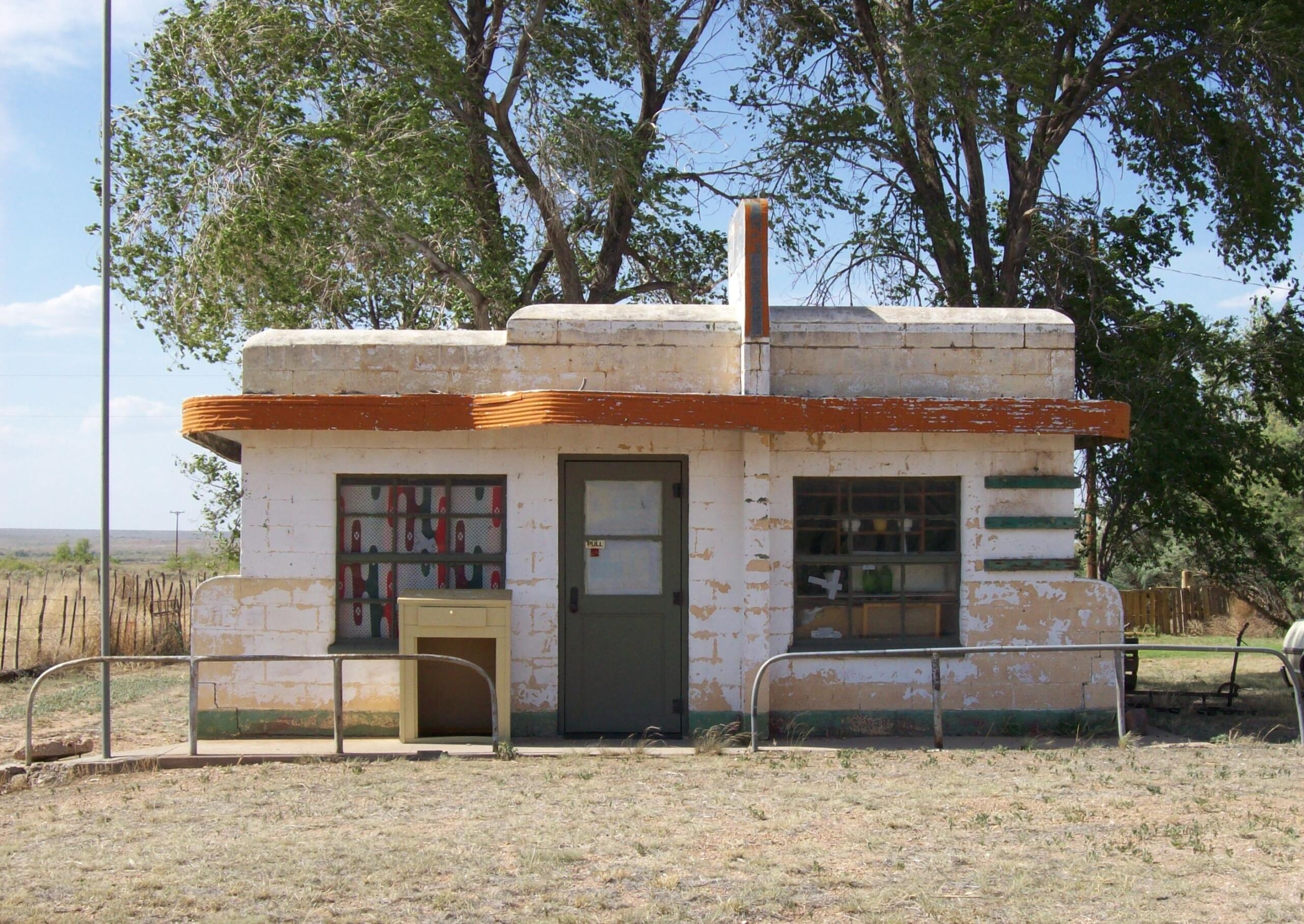
Glenrio sits exactly on the Texas-New Mexico border along the original Route 66 alignment. The town thrived from the 1940s through the 1970s as a Route 66 stop — diners, motels, gas stations, and bars served thousands of daily travelers heading between the Midwest and California. When Interstate 40 opened in 1975 and bypassed Glenrio, the town’s economy collapsed almost immediately. By the 1980s, most residents had left.
The town has been preserved as a Historic District (added to the National Register in 2007). Approximately 17 abandoned buildings remain, including a Texaco gas station and Little Juarez Café (both with distinctive Art Moderne curved architecture).
Hollywood appearances include scenes filmed in The Grapes of Wrath (1940 — when the town was still active). More famously, Glenrio’s Little Juarez Café architecture inspired the design of the abandoned racing museum in Pixar’s Cars (2006), which referenced the building specifically as the “Glen Rio Motel.” The animated film documents the same Route 66 abandonment story that Glenrio embodies.
How to visit: Located on Highway 70 along the Texas-New Mexico border. Free access. Walking the abandoned section takes 30-60 minutes. Combine with broader Route 66 travel.
3. Rhyolite, Nevada — Paramount Pictures restored the Bottle House
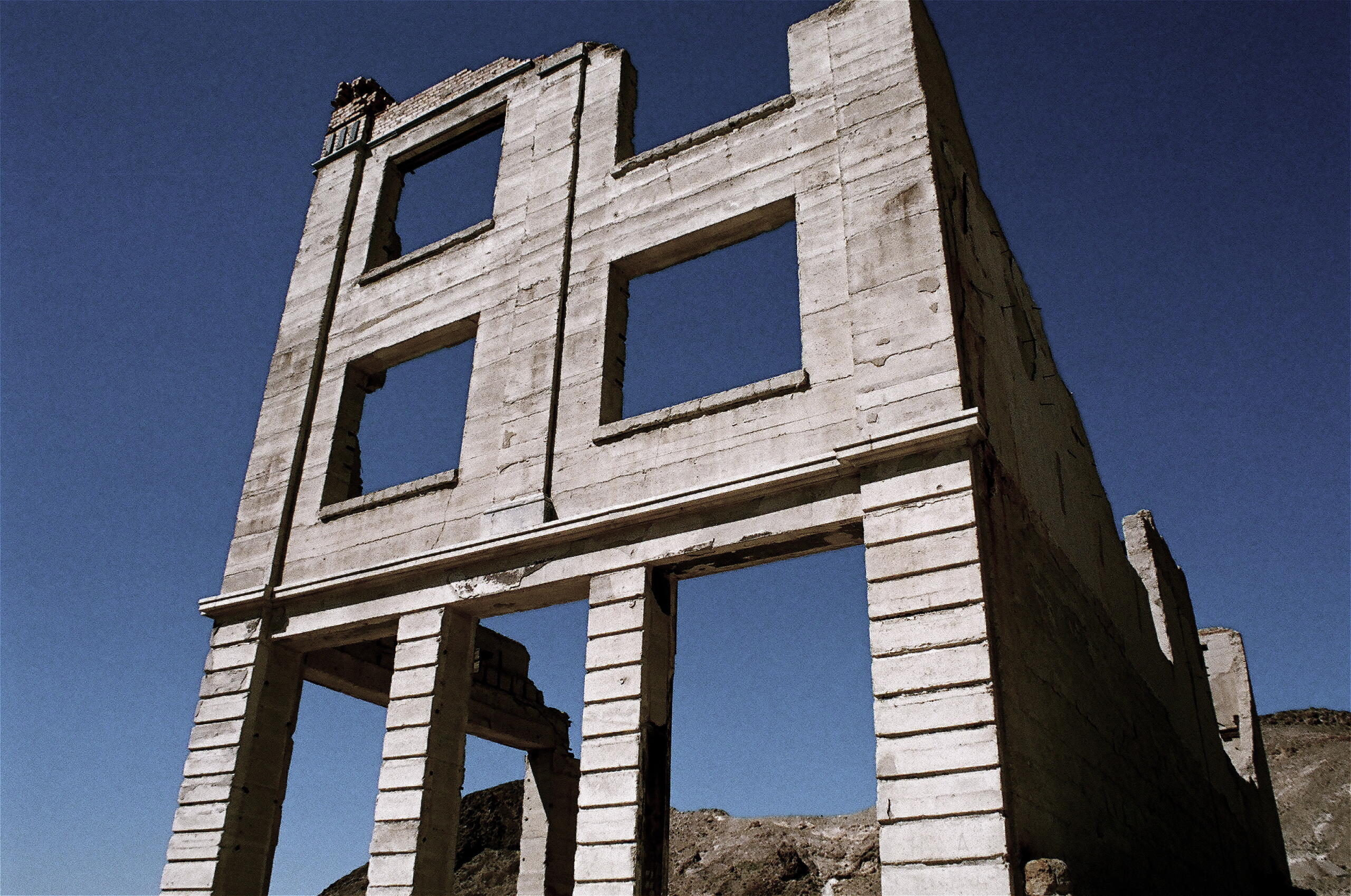
Rhyolite was established in 1904 near Death Valley after gold discoveries. By 1906, the town had a stock exchange, multiple banks, an opera house, and approximately 5,000 residents. The 1907 financial crisis began the decline; by 1916, the town was largely abandoned.
The Bottle House — a building constructed from approximately 50,000 beer and liquor bottles in 1906 — is among Rhyolite’s most photographed structures. Paramount Pictures restored the Bottle House in 1925 for use in the silent film The Air Mail. Subsequent restoration work has maintained the building. Other Rhyolite films include The Reward (1965), Cherry 2000 (1988), and various scenes in productions ranging from music videos to documentary work.
The Goldwell Open Air Museum, established at Rhyolite in 1984 by Belgian artists, has produced large-scale sculptures (including a “Last Supper” recreated with ghostly hooded figures) that have become photogenic destinations themselves. The combination of authentic ghost town and large art installations produces a hybrid visual character that Hollywood productions continue to use.
How to visit: Located approximately 120 miles from Las Vegas, near the entrance to Death Valley. Free access. Bring water. Combine with Death Valley National Park.
4. Bannack, Montana — first territorial capital, ghost town since 1950s
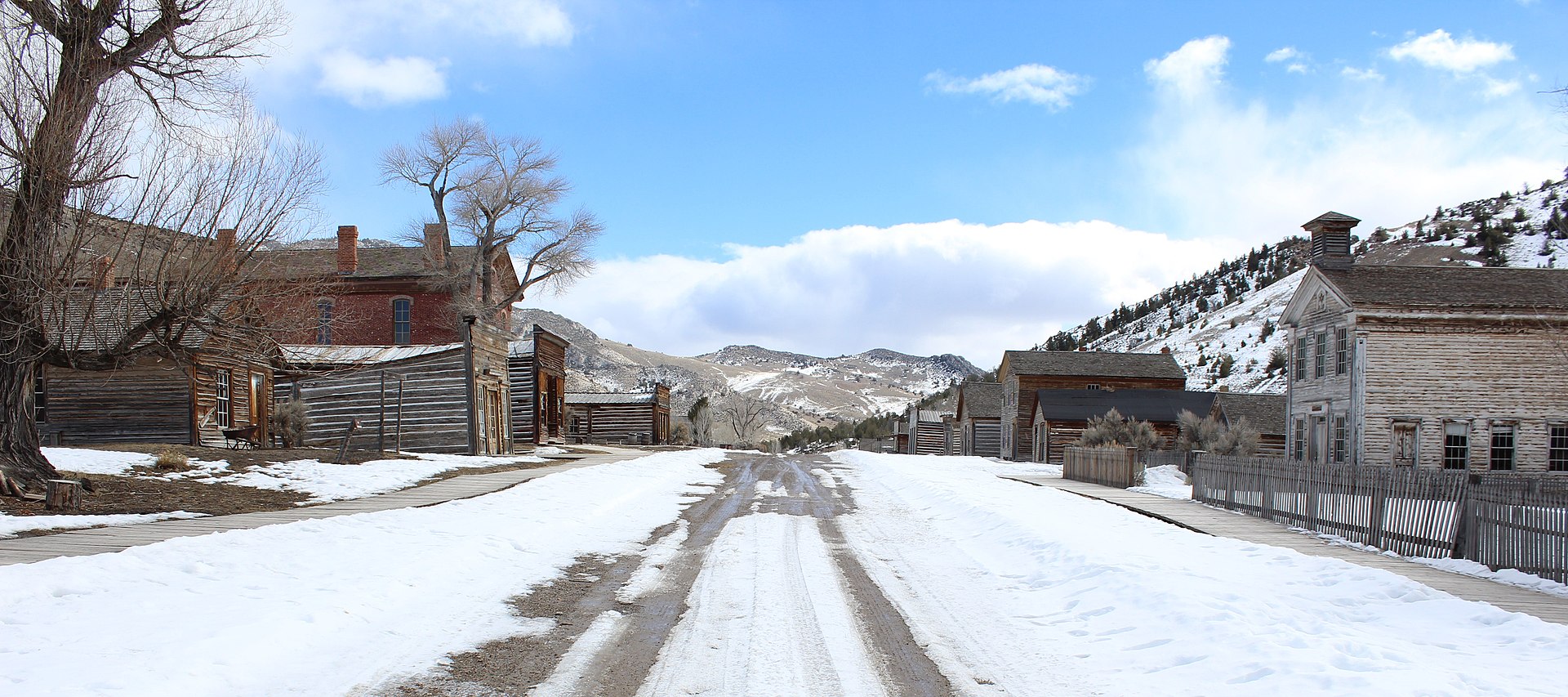
Bannack, Montana was established in 1862 after gold discovery on Grasshopper Creek. The town briefly served as Montana’s first territorial capital. After mining declined, residents gradually departed. By the 1950s, Bannack was abandoned. The state acquired the property and preserved it as Bannack State Park.
Approximately 50+ original structures remain in remarkably good condition, including a hotel, schoolhouse, gallows, and various residences. The structures have been used in numerous productions: Travel Channel’s Ghost Adventures, History Channel documentaries, and various Western films and TV productions.
Bannack has become particularly known for its “Bannack Days” annual celebration (third weekend of July), when reenactors bring the town briefly back to life. Some films have specifically used the Bannack Days reenactment as scene material rather than the empty town.
How to visit: Located in southwestern Montana, near Dillon. State park admission $8. Open year-round. Combine with Yellowstone National Park (3 hours away) or Glacier National Park (5 hours).
5. Cairo, Illinois — racial decline and post-apocalyptic visuals
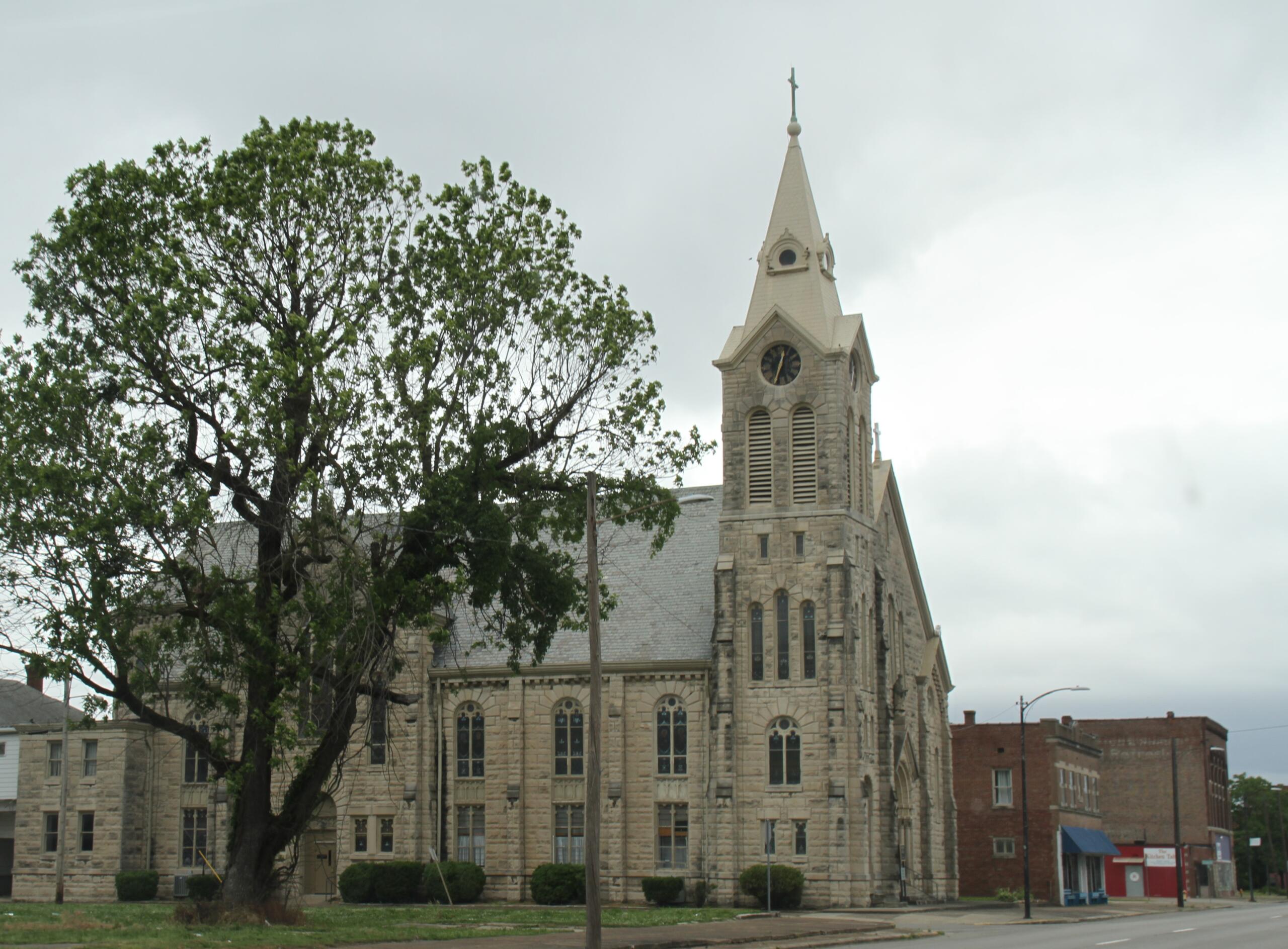
Cairo, Illinois (pronounced “KAY-ro,” not like the Egyptian city) sits at the confluence of the Ohio and Mississippi rivers. The town was once envisioned as a major American transportation and commercial hub. The peak occurred in the 19th century. The decline came gradually — flood damage, economic shifts, and severe racial violence in the 1960s that produced effective abandonment of much of the central business district.
Today, Cairo’s main commercial street features dozens of abandoned brick buildings, faded signage, and the visual character of post-apocalyptic American decline. The combination of substantial historic architecture (some buildings genuinely impressive in scale) with comprehensive abandonment has made Cairo a popular filming location.
Productions using Cairo include parts of Tom Sawyer (1973), Centennial (TV miniseries 1978-1979), and various documentary and music video work. Cairo has also become a favorite location for photography, with photographers documenting the slow disappearance of substantial 19th and early 20th century commercial architecture.
How to visit: Located in the southern tip of Illinois at the Ohio/Mississippi confluence. Free public access. Combine with Memphis (2 hours south) or St. Louis (3 hours north).
6. Centralia, Pennsylvania — the underground fire town
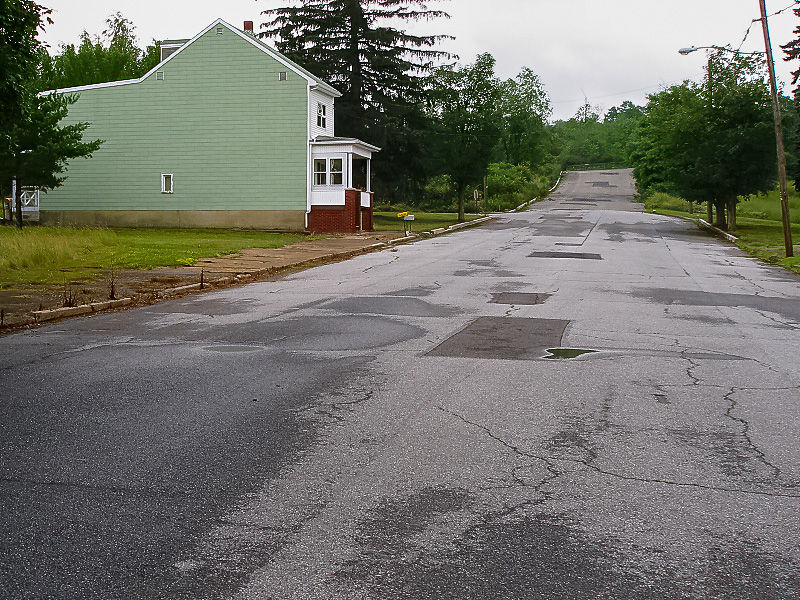
Already covered in earlier batch but warrants brief mention: Centralia, Pennsylvania has been burning underground since 1962, when a coal seam ignited beneath the town. The town was largely evacuated through the 1980s and 1990s. The 2006 horror film Silent Hill was loosely based on Centralia, though the actual filming was done in Canada. The abandoned roads, the eerie smoke vents, and the few remaining structures continue to attract Hollywood interest, primarily for documentary and music video productions.
7. Kennecott, Alaska — the copper-mining mountain town
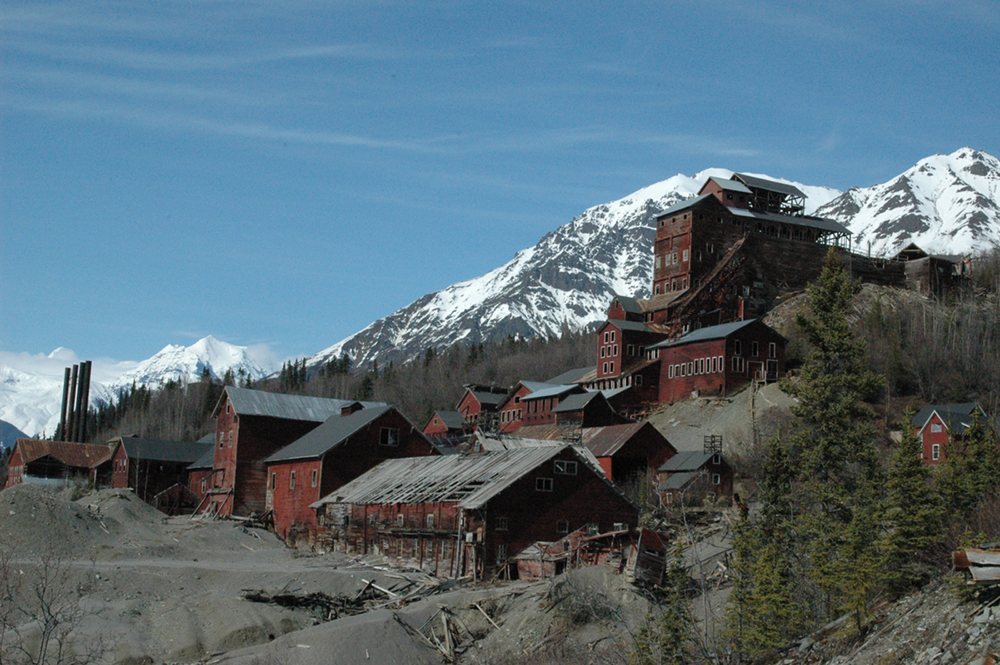
Kennecott (also spelled Kennicott) was a copper mining town in what is now Wrangell-St. Elias National Park, Alaska. Established in the early 1900s, the town’s massive 14-story mill building remains one of the most visually striking abandoned structures in North America. The mine closed in 1938; the town was abandoned almost overnight as the workforce departed.
Films and documentaries shot at Kennecott include numerous nature and history productions. The remoteness limits Hollywood feature film production, but the location’s distinctive red mill building has appeared in countless documentaries about American industrial history.
How to visit: Located in Wrangell-St. Elias National Park, Alaska. Access requires either a 60-mile drive on the unpaved McCarthy Road plus footbridge crossing, or seasonal flightseeing trips. Best June through September.
8. Calico, California — the Walter Knott restoration
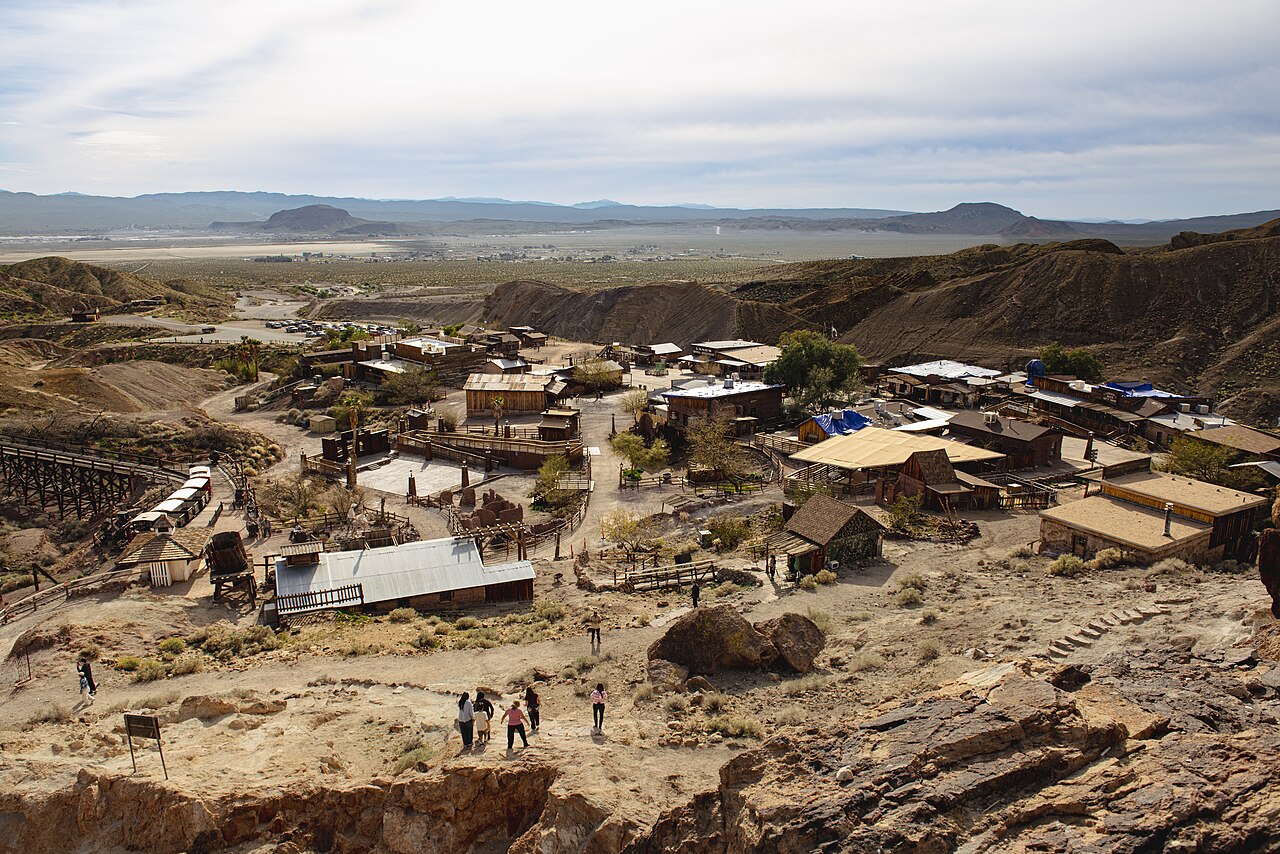
Calico is something of a hybrid — a genuinely abandoned mining town that was substantially restored as a tourist attraction. After silver mining declined in the 1890s, Calico was largely abandoned by 1907. Walter Knott (founder of Knott’s Berry Farm) acquired the property in the 1950s and restored many buildings to working condition.
The restored Calico has been used as a Western film location and TV production site for decades. The combination of authentic 1880s mining-era foundation with restored functional structures produces a visual character that purely abandoned ghost towns can’t match.
How to visit: Located near Barstow, California, off I-15. Admission charged. Open year-round. Combine with Las Vegas (2 hours northeast) or Los Angeles (2 hours southwest).
9. Spectre, Alabama — the only entry that started as a movie set
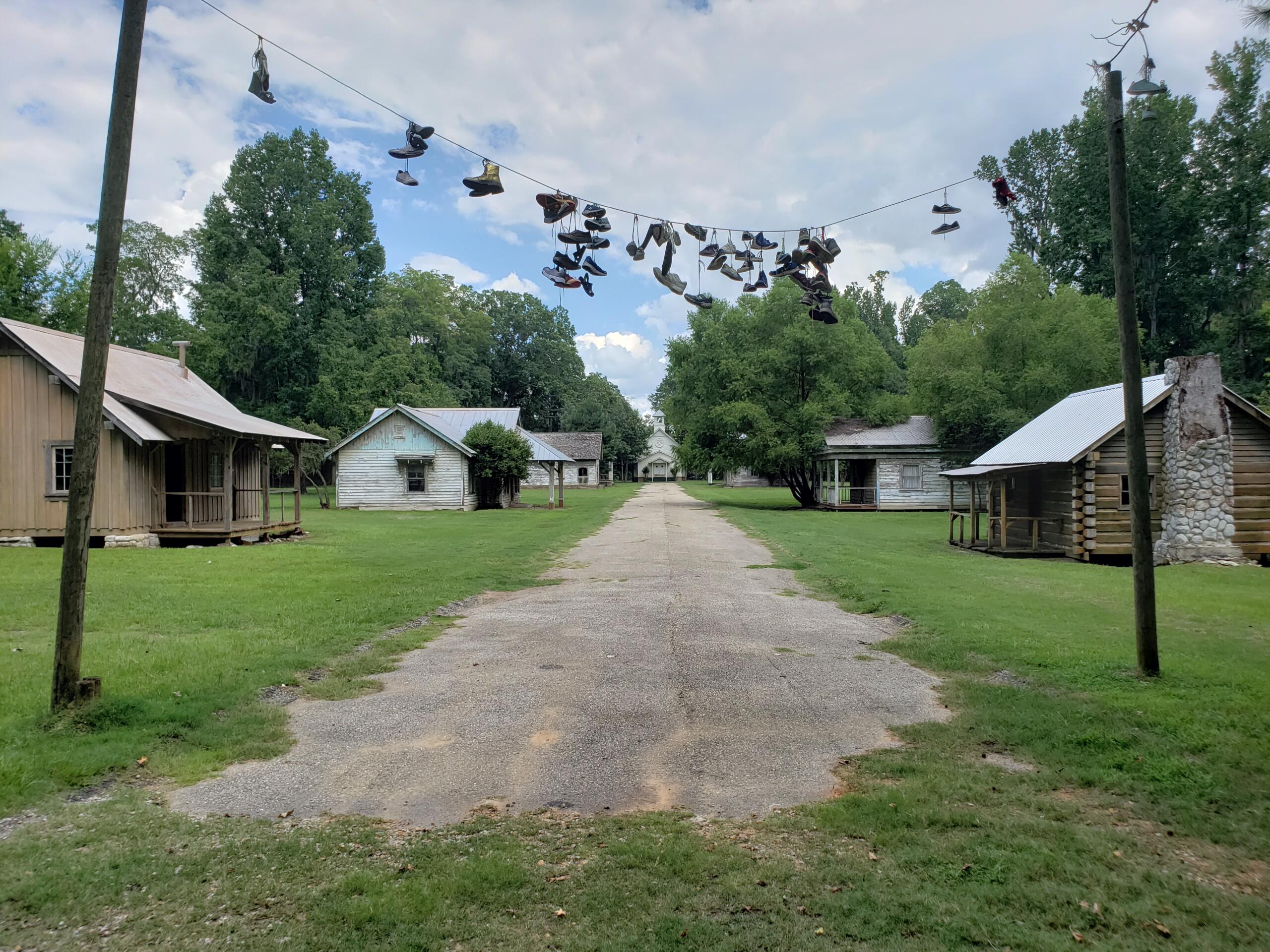
Spectre, Alabama is unique on this list: it’s a town that was deliberately built as a movie set and then abandoned. Tim Burton’s Big Fish (2003) required a fictional whimsical small town. The production built Spectre on Jackson Lake Island in Alabama. After filming wrapped, the buildings were left standing.
Over two decades, Spectre has gradually deteriorated and been reclaimed by Spanish moss and natural overgrowth. The fictional set has become a real abandoned location, attracting visitors interested in the Big Fish film and the unusual circumstances of its origin. Subsequent productions have used the location.
How to visit: Located on Jackson Lake Island, Alabama. Camping permitted on the island. Access via boat or pedestrian bridge depending on water conditions. Combine with Montgomery (1 hour south).
10. Pearblossom Highway and the Mojave ghost towns
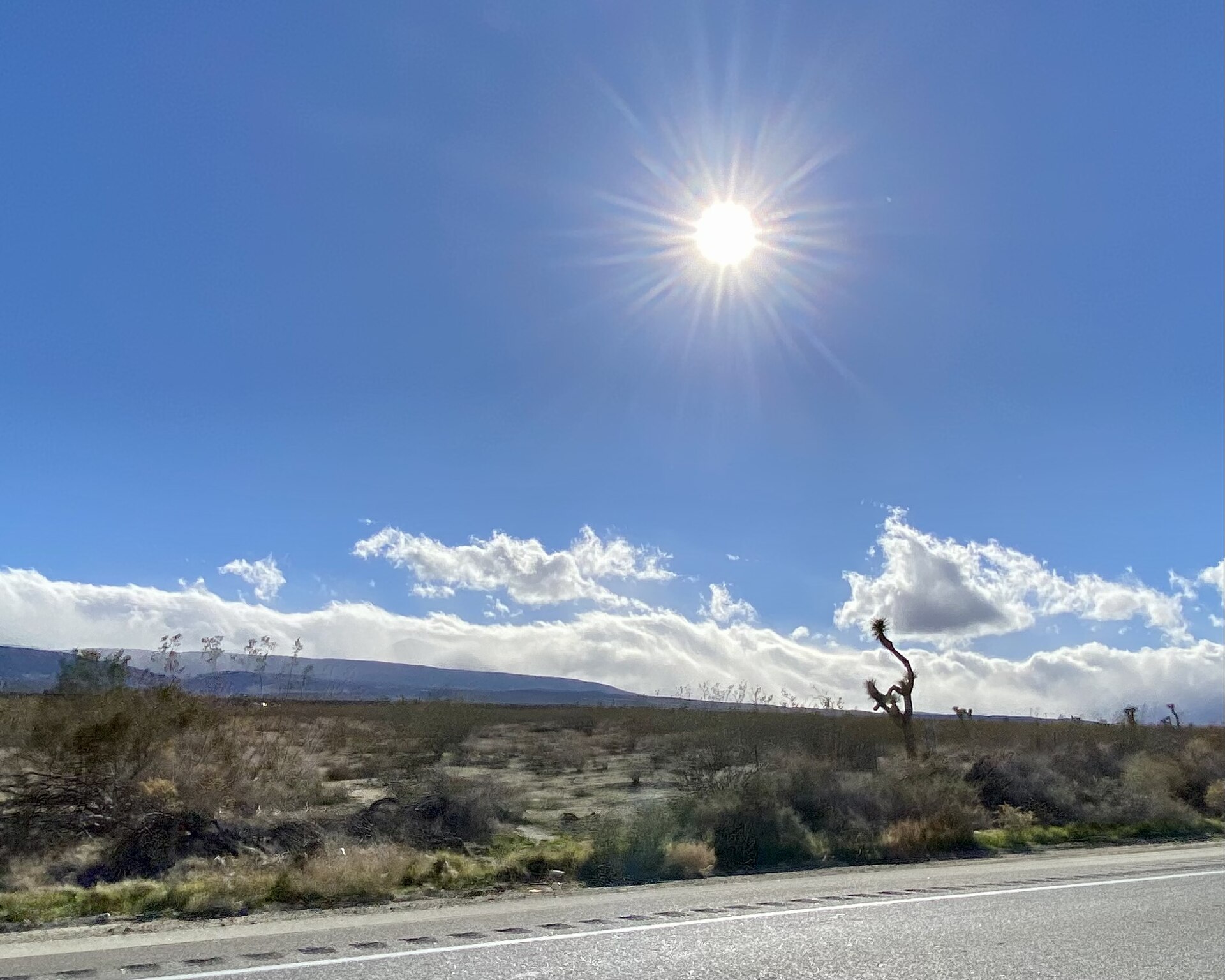
The Mojave Desert area along Pearblossom Highway (California Highway 138) hosts multiple small abandoned settlements that Hollywood productions use for their authentic Mojave character. Specific named locations include:
- Llano del Rio (1914-1918 socialist commune ruins, near Pearblossom)
- Amboy (Route 66 town with the iconic Roy’s Motel and Café)
- Kelso (former railroad town, now part of Mojave National Preserve)
Productions using these locations include Erin Brockovich (2000), Kill Bill (2003), Rain Man (1988), and dozens of music videos. The combination of dramatic desert landscape, abandoned mid-20th-century structures, and accessibility from Los Angeles makes these locations among the most-filmed in American cinema.
How to visit: Multiple locations accessible via California Highway 138 or I-15. Most are free access. Combine with Joshua Tree National Park or Mojave National Preserve.
11. Thurmond, West Virginia — the railroad town frozen in time
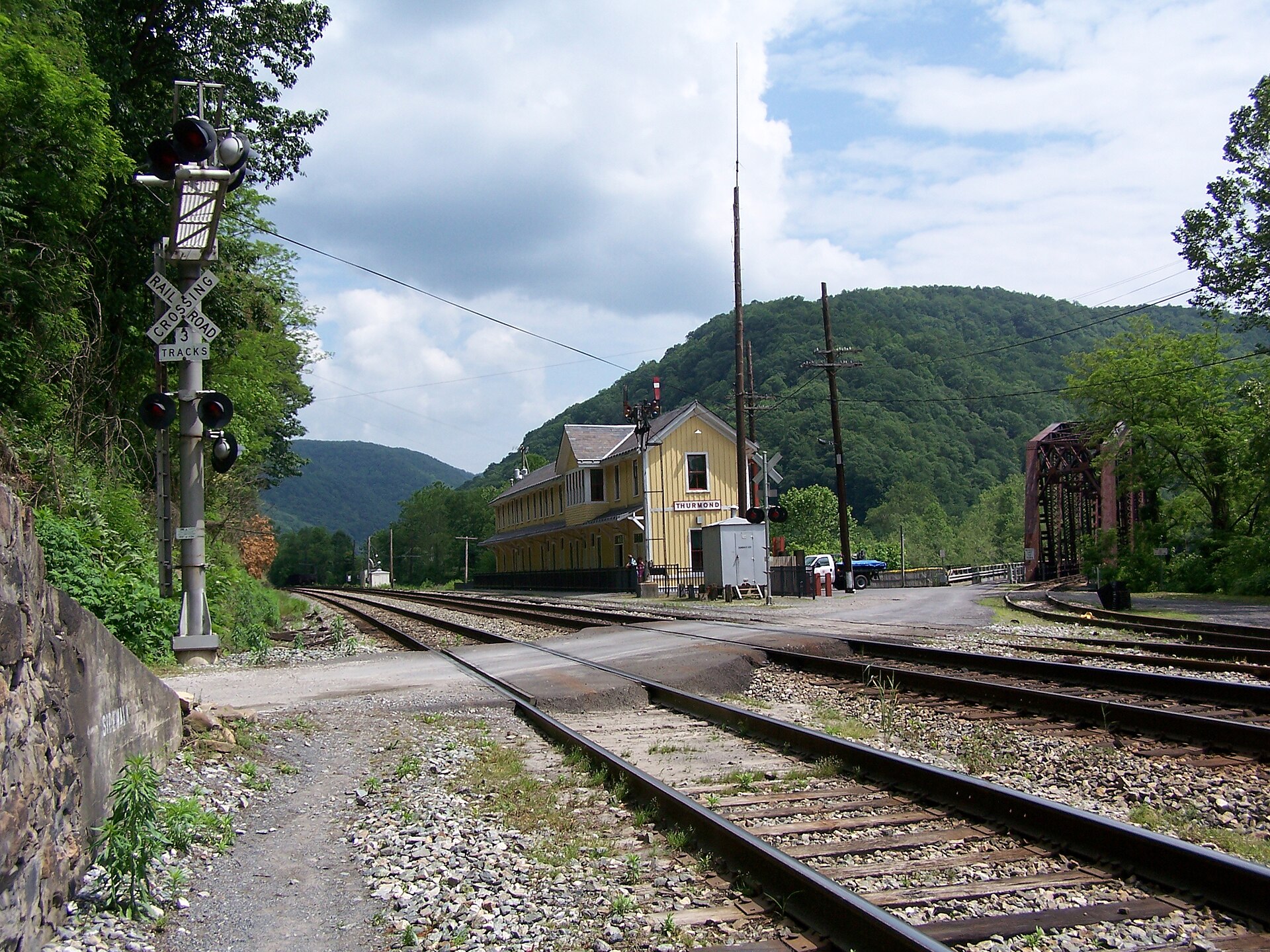
Thurmond was once a major coal and railroad center in West Virginia’s New River Gorge. The town’s substantial early-1900s commercial buildings remain along the rail line. Approximately 5 residents officially live in Thurmond as of the 2020 census.
The town has been used for railroad-themed productions including the Tom Hanks film Polar Express (2004) — though many scenes were CGI rather than live-action. More directly, Matewan (1987, John Sayles’ film about West Virginia coal miners) used Thurmond extensively. The substantial preserved railroad-era architecture continues to attract documentary and historical productions.
How to visit: Located in New River Gorge National Park, West Virginia. National Park Service maintains the location. Free access via Thurmond Road. Combine with broader New River Gorge hiking and rafting.
12. North Brother Island, New York — accessible only by special permission
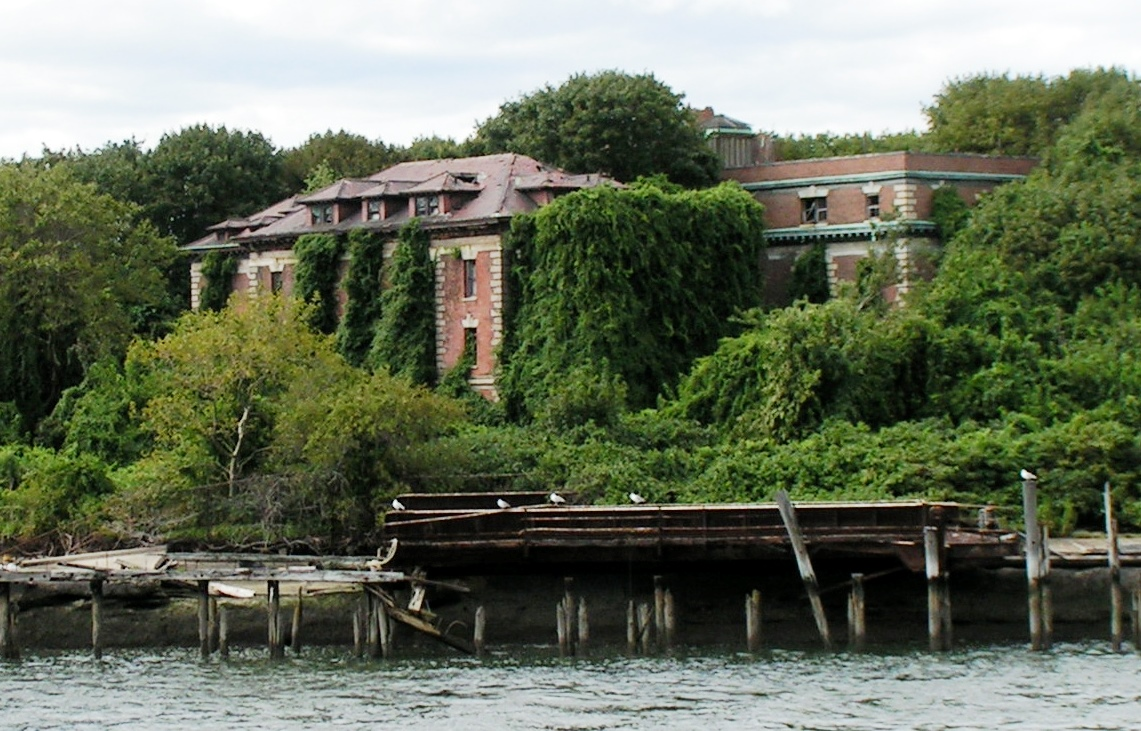
The most unusual entry. North Brother Island sits in the East River between the Bronx and Rikers Island in New York City. The island hosted Riverside Hospital for smallpox and other quarantinable diseases starting in 1885. Typhoid Mary was famously confined here. The hospital closed in 1963; the buildings have been gradually deteriorating since then.
The island is officially restricted but has been used in productions including I Am Legend (2007 — though most filming was elsewhere), various music videos, and documentary projects requiring special access permissions. The combination of abandoned hospital architecture, dense forest growth, and proximity to active New York City produces a unique visual character.
Public access is officially prohibited. Photographers and filmmakers occasionally obtain special permits for specific projects. The island’s preserved-but-decaying state has been documented extensively in books and articles.
How to visit: Officially not accessible to the public. Boat tours occasionally pass nearby. The Andrew Henderson Foundation has produced photographic documentation worth seeking out for those interested in the location.
What Hollywood actually wants from these locations
The phenomenon of Hollywood productions returning repeatedly to the same set of abandoned American towns reflects something real about the American landscape: there are genuine places that look both completely contemporary and completely outside contemporary time. They’re where film productions can capture aspects of America that have largely disappeared from the lived experience of most Americans — but that still exist, accessible, in the specific corners of the country where the 20th century ended without being followed by the 21st. Visiting them produces an experience that no purely contemporary travel destination can replicate.
