The grid-pattern “square waves” that appear in viral social media posts each summer are real — they’re called cross seas, and they’re caused by two wave systems meeting at nearly right angles. The European Space Agency documented that they were responsible for a substantial percentage of ship accidents from 1995-1999. But the popular “get out of the water immediately” advice is more nuanced than viral posts suggest. Here’s what actual oceanographers say.
Every summer, photos and videos of “square waves” go viral on social media. The images show ocean surfaces forming distinct grid patterns — water arranged into squares or rectangles that look almost artificial. The captions typically warn viewers that if you ever see this pattern in the ocean, you should “get out of the water immediately” because the phenomenon is “extremely dangerous.”
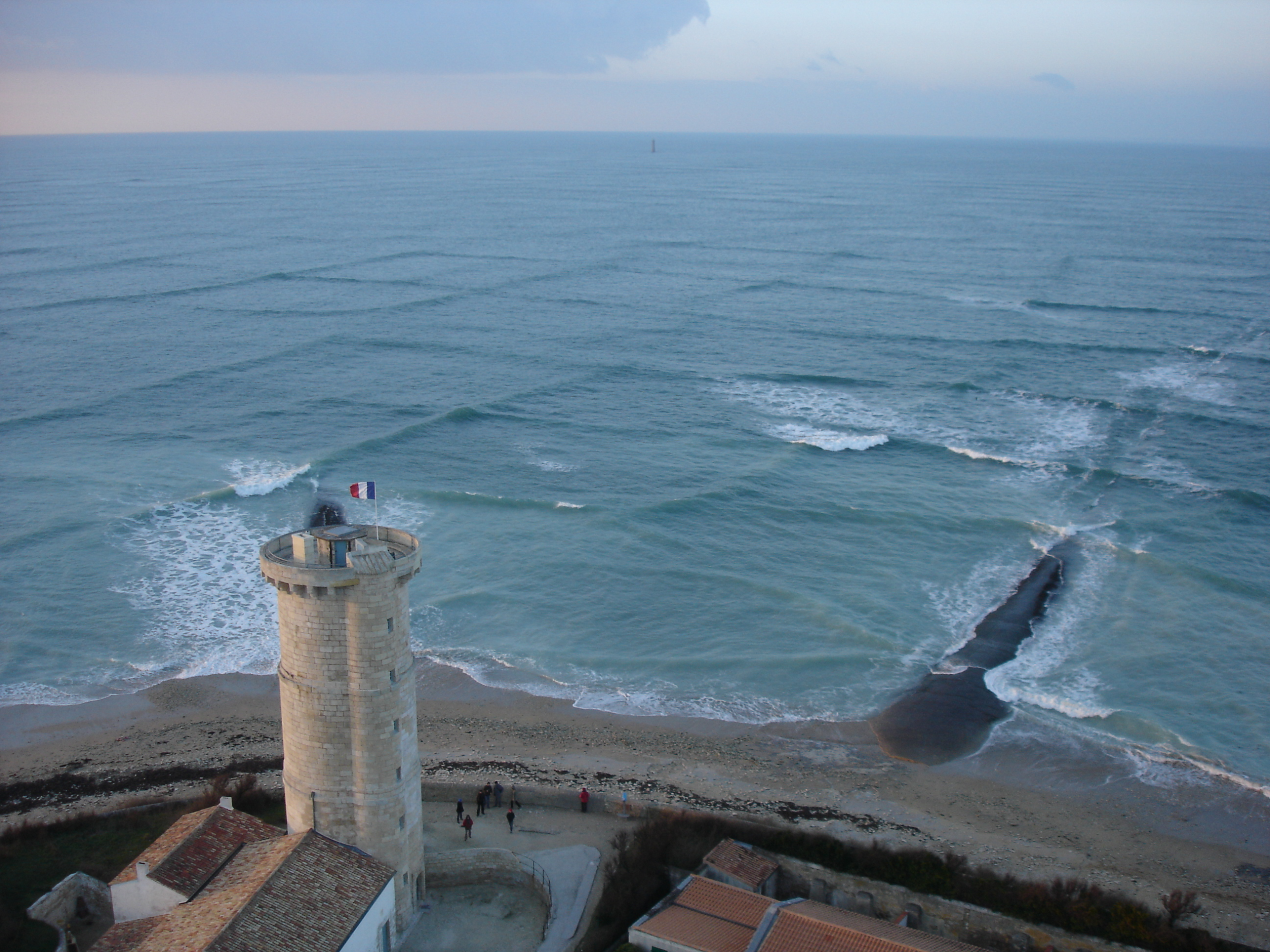
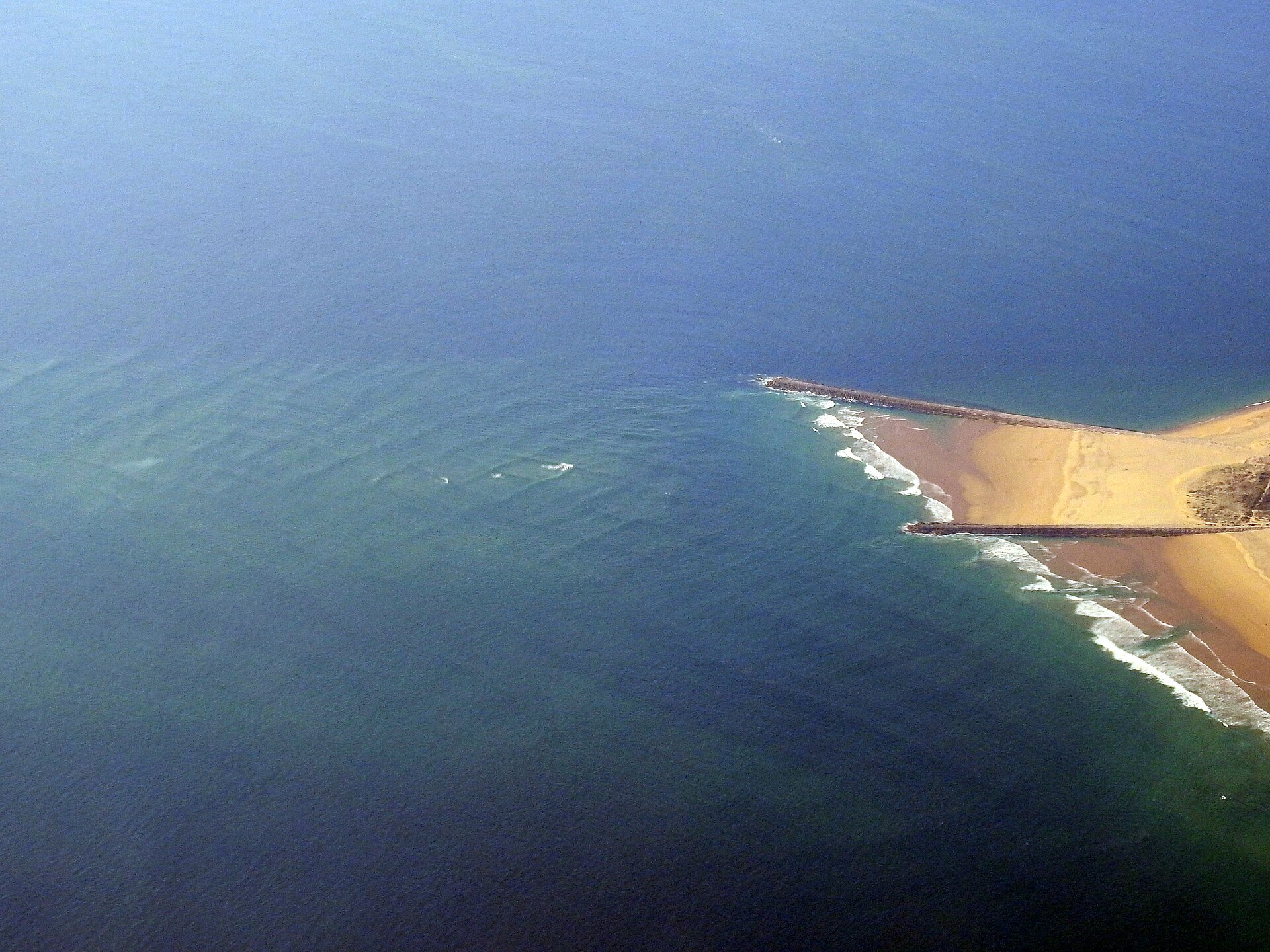
The phenomenon itself is real and oceanographers have studied it for decades. It’s called a cross sea (or cross-sea state, or square waves, or grid waves). It occurs when two distinct wave systems meet at angles approaching 90 degrees, creating an interference pattern that produces the characteristic checkerboard appearance on the water’s surface. The phenomenon is real, scientifically documented, and genuinely dangerous in specific circumstances.
But the popular “always extremely dangerous, get out immediately” framing oversimplifies what oceanographers actually say. According to research from the European Space Agency and analysis published by IFLScience and other science outlets, the actual danger varies dramatically by location and circumstances. The famous tourist viewing location at Île de Ré in France, for example, has consistent cross sea conditions that have made it a tourist attraction precisely because they’re spectacular to watch from the lighthouse without posing major risks to nearby swimmers.
Here’s what oceanographers actually say about cross seas — what they are, when they’re genuinely dangerous, and what the popular advice gets right and wrong.
What cross seas actually are (the real oceanography)
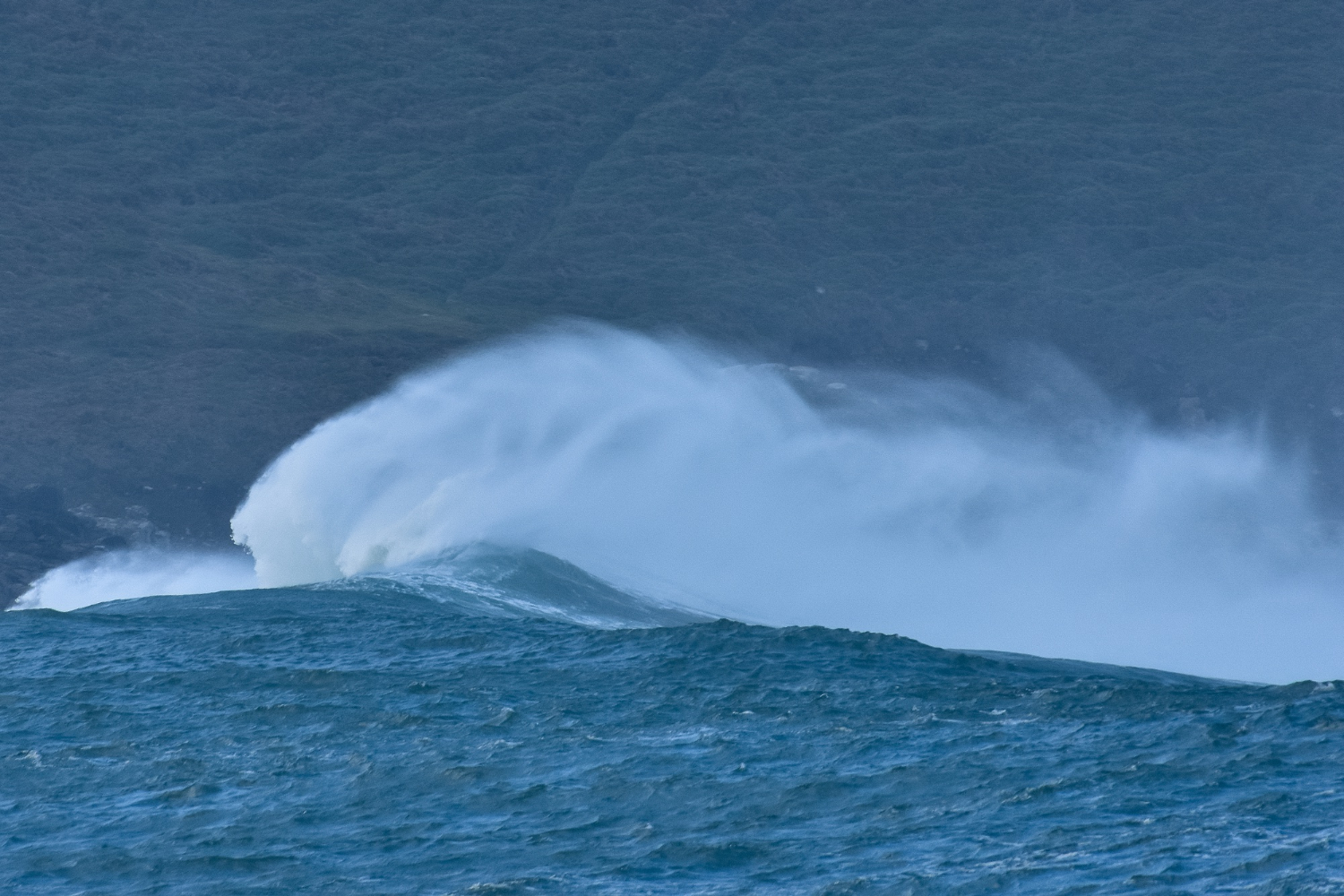
Ocean waves are typically generated by wind transferring energy to the water surface. The size and strength of any wave depends on three factors: wind speed, how long the wind blows, and the distance the wind travels over open water (called fetch).
Most ocean waves travel in roughly the same direction as the wind that created them. As waves move away from their generating wind, they organize into “swells” — long, regular wave trains that can travel thousands of miles across open ocean. Most coastlines experience swells coming from a single dominant direction at any given time.
Cross seas form when two distinct wave systems meet at angles approaching perpendicular. The mechanisms typically involve:
Two storms generating swells in different directions. A distant storm might create swells traveling east, while a closer storm creates swells traveling north. Where these swell systems intersect, the cross sea pattern appears.
Local winds combined with distant swells. A region might be experiencing existing swells from a distant storm while local winds create perpendicular waves. The intersection creates the grid pattern.
Wave refraction near coastlines. Waves bend as they encounter shallower water (refraction). If two wave trains approach a coastline from different angles and refract into intersecting patterns, cross seas can form.
Coastal geography effects. Specific coastal configurations — capes, bays, islands — can split single wave systems into components that intersect each other after passing the obstacle.
When two wave systems intersect at angles approaching 90 degrees, the wave crests form a grid pattern on the surface. From above (drone, lighthouse, aircraft), this pattern looks like a giant chessboard or grid. The squares can range from a few meters across in coastal cross seas to hundreds of meters in open-ocean events.
The phenomenon is more common than most viral posts suggest. Cross seas occur regularly in many ocean areas — particularly in regions with complex weather patterns, coastal geography that splits wave systems, or near major shipping channels where multiple swells converge. They’re “rare” only in the sense that any specific viewing location rarely has them; globally, they happen constantly.
Where cross seas occur most predictably
Several locations have consistent enough conditions that cross seas form regularly:
Île de Ré, France. The most famous cross sea location. The island’s specific geography off France’s western coast, combined with the typical Atlantic weather patterns, produces cross seas with sufficient regularity that the Phare des Baleines lighthouse has become a tourist attraction specifically for watching them. Thousands of visitors climb the lighthouse annually to view the phenomenon from a safe vantage point.
Various Mediterranean locations. The Aegean Sea, certain areas of the Adriatic, and locations around the Italian and Greek islands experience cross seas with relative frequency due to the complex weather patterns and island-rich geography.
English Channel. The combination of Atlantic swells and Channel-specific wind patterns produces cross seas regularly, particularly during stormy periods.
Various Pacific locations. Areas around Hawaii, certain Japanese coastlines, and parts of the Chilean coast see regular cross sea formation due to the convergence of multiple major swell systems.
Great Lakes during certain conditions. Even non-ocean bodies of water can experience cross seas when conditions align. The Great Lakes occasionally produce cross sea conditions during major storm systems.
The actual dangers (what oceanographers say)
Cross seas pose genuine risks, but the level of danger depends substantially on the specific situation. According to research from the European Space Agency and analysis by oceanographers including Dr. Silvio Davison from the Consiglio Nazionale delle Ricerche (CNR) Istituto di Scienze Marine in Venice, several specific risks are documented:
Risk to large ships and cargo vessels (substantial). This is where cross seas pose the most-documented serious danger. The European Space Agency, analyzing data collected between 1995 and 1999, found that a substantial portion of ship accidents occurred in cross sea conditions. Ships are designed primarily for waves coming from defined directions (head seas, beam seas, following seas). When waves arrive simultaneously from multiple angles, the vessel experiences forces it wasn’t designed to handle. Cargo can shift, structural stress increases dramatically, and stability becomes compromised. Sailors in these conditions report abrupt lurches and sudden veering that conventional navigation can’t anticipate.
Risk to small boats (significant). Smaller vessels are particularly vulnerable to cross seas. The combination of waves coming from different directions can swamp small craft, capsize them, or make navigation impossible. Recreational boaters who encounter cross seas in open water face genuine emergency conditions.
Risk to swimmers (variable). This is where the popular “get out immediately” advice is most nuanced. Some cross sea conditions produce dangerous water for swimmers — particularly those associated with strong rip currents or those occurring in deeper water with stronger wave heights. Other cross sea conditions, particularly those occurring in protected coastal waters with smaller wave heights, pose much less risk.
Rip current risk (substantial in some cases). Cross seas can generate powerful rip currents in coastal areas, particularly where the conflicting wave patterns push water into specific channels. Rip currents are responsible for substantial drowning fatalities globally, and cross-sea-generated rip currents can be particularly unpredictable.
Wave height multiplication (situational). When wave systems align, their heights can add together briefly. A 4-foot swell intersecting a 4-foot perpendicular swell can produce 8-foot wave events at intersection points. This makes seemingly moderate conditions occasionally produce surprisingly large waves.
Disorientation (real). Even when individual wave heights aren’t dangerous, the multidirectional nature of cross seas can disorient swimmers and small craft operators. People accustomed to “facing into” or “swimming with” waves can find themselves overwhelmed by waves arriving from all directions simultaneously.
The IFLScience analysis specifically nuances the popular framing: “Square waves have a pretty bad reputation online, but for coastal regions like this [Île de Ré] where the water currents aren’t too strong, they don’t usually pose too much of a threat to swimmers. It’s a very different story for ships out at sea, however.”
This is the key distinction the viral posts typically miss. Cross seas are most dangerous to:
- Ships in open ocean
- Small craft anywhere
- Swimmers in conditions with strong currents
- Anyone in the water when wave heights exceed a few meters
Cross seas are typically less dangerous to:
- Tourists viewing from elevated coastal positions
- Swimmers in protected coastal areas with limited current
- People observing from beaches when the cross sea is offshore
What you should actually do if you see cross seas
The practical guidance, calibrated to actual risk levels:
If you’re swimming or in shallow water and see square waves forming: Move toward shore promptly but without panic. Walk rather than swim if you can touch bottom. Watch for unexpected wave behavior. Be especially alert for rip currents if conditions intensify. Don’t necessarily evacuate the entire beach immediately — the risk is real but typically manageable in coastal swimming areas.
If you’re in a small boat (kayak, paddleboard, jet ski, small sailboat) and see cross sea conditions: Head for shore or sheltered water immediately. Small craft are at substantial risk in cross sea conditions even when wave heights seem moderate. If you can’t reach shore quickly, position the craft to minimize exposure to the most dangerous wave directions.
If you’re piloting a larger vessel: Reduce speed substantially. Adjust course to take waves at the most manageable angles possible. Secure cargo. Verify safety equipment is accessible. Contact other vessels in the area for current condition reports. Consider altering course toward sheltered waters if practical.
If you’re observing from shore: Cross seas are spectacular and worth photographing. Most coastal viewing positions are safe. The main risks are venturing into the water or onto rocks where unexpected wave behavior can produce sudden danger. Stay on solid ground at sufficient elevation.
If you’re at a known cross sea tourist location (Île de Ré): The lighthouses and viewing platforms are designed to provide safe viewing. The phenomenon at these locations is typically less intense than open-ocean cross seas. Following posted safety guidelines and staying in designated viewing areas is sufficient.
What the viral posts get wrong
The viral framings of square waves typically include several specific oversimplifications that bear correction:
“They’re extremely rare.” They’re rare in the sense that any individual is unlikely to see them often, but globally they happen constantly. Many coastal areas experience cross sea conditions regularly.
“You should always immediately get out of the water.” The advice is appropriate in some conditions and overcautious in others. Coastal swimming areas with mild cross seas typically don’t require immediate evacuation. Open water situations with substantial cross seas typically do.
“The waves form perfect squares.” They form approximately square or rectangular patterns, but the geometry varies substantially based on the angle of intersection, wave heights, and other conditions. The “perfect grid” appearance in viral photos often reflects ideal viewing conditions rather than the typical cross sea pattern.
“They’re caused by [specific weather event].” The causes vary substantially. The popular framings often oversimplify the meteorology.
“Hundreds of ships sink each year because of them.” The actual fatality numbers are difficult to pin down because cross seas are often a contributing factor rather than the sole cause of accidents. The European Space Agency data (1995-1999) shows substantial percentage of ship accidents in cross seas, but this doesn’t translate directly to a specific annual fatality count.
The cross sea phenomenon as a window into ocean dynamics
Beyond the immediate practical question of “what should I do if I see them,” cross seas illustrate something important about how oceans actually work. The casual perception of the ocean is that waves come from one direction at a time — toward the shore, in patterns that move predictably. The reality is that ocean surfaces simultaneously contain multiple wave systems generated by different weather events, traveling in different directions, at different speeds, with different heights. Most of the time, these systems are aligned enough that the resulting wave patterns appear to move in a single direction.
When the systems align at sufficient angles, the resulting interference patterns become visible. The grid pattern of cross seas isn’t an unusual physics — it’s the same wave interference that produces every other ocean wave behavior, just organized into a particularly visible pattern.
This connects to several other oceanographic phenomena worth understanding:
Rogue waves. These are individual waves substantially larger than surrounding waves, produced when multiple wave systems align at the same point at the same time. Rogue waves are responsible for various ship damage and disappearances. Cross seas can produce rogue wave conditions through similar interference mechanisms.
Standing waves. When wave systems reflect off coastal features and interact with incoming waves, they can produce standing wave patterns that don’t move horizontally. These can be dangerous to anyone caught in them.
Sneaker waves. Substantially larger-than-average waves that arrive without warning at coastal areas. They can sweep people off rocks and beaches. Pacific Northwest coastlines specifically warn about sneaker waves.
Wave focusing. Coastal geography can concentrate wave energy at specific points, producing dramatically larger waves than the surrounding ocean. The famous Mavericks surfing location in California is an example.
All of these phenomena, including cross seas, illustrate that ocean surfaces are dynamic systems with substantially more complexity than the simple “waves come in, waves go out” pattern that casual beach observation suggests.
What this means for ocean safety more broadly
For ocean visitors, the cross sea phenomenon is one element of broader ocean safety awareness:
Read posted warnings at your specific beach. Local conditions vary substantially. Posted warnings reflect specific local risks that generic advice cannot capture.
Understand rip currents. These cause far more drownings than any cross sea phenomenon. Knowing how to recognize rip currents (channels of churning water moving away from shore, gaps in breaking waves, discolored water) and how to escape them (swim parallel to shore until you’re out of the current, then swim back to land) are essential ocean safety skills.
Don’t venture into water you can’t read. If you can’t tell what’s happening with the waves, currents, or wind, don’t enter the water. Ocean conditions that look unusual to you should be assumed dangerous until you understand them.
Use the buddy system. Even strong swimmers face genuine emergency risk in unexpected conditions. Companions can summon help if you experience trouble.
Know your limits. Ocean swimming is genuinely different from pool swimming. The combination of currents, waves, distance from shore, and water temperature creates challenges that require ocean-specific experience to manage safely.
Respect the warnings of locals. Long-term residents of coastal areas often understand local conditions in ways that visitors cannot. If a local expresses concern about specific water conditions, take that seriously.
The “square waves are extremely dangerous” framing that goes viral each summer captures something real but typically overstates the universal danger while underestimating the specific risks. Cross seas in open water with large vessels: genuinely dangerous, well-documented in ESA shipping accident data. Cross seas at coastal tourist locations like Île de Ré: visually spectacular and worth viewing from safe vantage points, with manageable swimming risk in adjacent areas. Cross seas at unfamiliar beaches in conditions you can’t read: appropriate caution warranted, get out of the water and observe from shore until you understand what you’re seeing.
The viral posts aren’t wrong to alert people to the phenomenon. They’re just typically less precise than the actual oceanography supports. Knowing the real distinctions allows you to assess specific situations accurately rather than panicking at any grid pattern in the water — or, worse, dismissing all cross sea warnings because you’ve encountered safe versions before. The ocean is more complex than viral content typically conveys. Cross seas are one example. Treating ocean dynamics with the nuance they actually deserve produces better safety outcomes than either reflexive panic or dismissive disregard.