Howard Johnson’s had over 1,000 locations and orange roofs that signaled “we’re almost there” to a generation of road-tripping families. Bennigan’s was the Friday-night spot in every suburban downtown. Steak and Ale invented the affordable steakhouse format. By 2026, all of them had essentially disappeared from American dining — but several are quietly attempting comebacks. Here are the 14 chains and what actually happened to each.
In 1985, the typical American suburban dining landscape looked dramatically different from 2026. Howard Johnson’s orange-roofed restaurants dotted highway exits. Bennigan’s was the casual-dining default for Friday family dinners. Steak and Ale offered “affordable upscale” steakhouse experiences with salad bars. Chi-Chi’s served Tex-Mex chimichangas at hundreds of locations. Sambo’s served pancakes at over 1,000 locations nationwide.
By 2026, almost all of these chains have either completely disappeared or shrunk to a handful of locations as nostalgic curiosities. The American casual dining landscape has been substantially reshuffled, with chains like Olive Garden, Applebee’s, Chili’s, and TGI Friday’s eventually replacing the previous generation of brands — only to themselves face existential challenges from fast-casual chains like Chipotle, Panera, and Sweetgreen.
Here are 14 American restaurant chains from the ’80s that completely vanished or nearly so — and the surprising story of how several are now attempting to come back.
1. Howard Johnson’s — peaked at 1,000+ locations

Founded: 1925 (originally as an ice cream stand) Peak: Over 1,000 locations in the 1960s Distinguishing feature: Orange roofs visible from highway exits, 28 ice cream flavors, fried clam strips What happened: Couldn’t compete with faster fast food and more varied casual dining Current status: Last North American location (Lake George, NY) closed May 2022 after 70 years Related brand: Howard Johnson hotels still operate (~300 locations) under Wyndham Hotels & Resorts
2. Bennigan’s — the Irish-themed casual dining staple
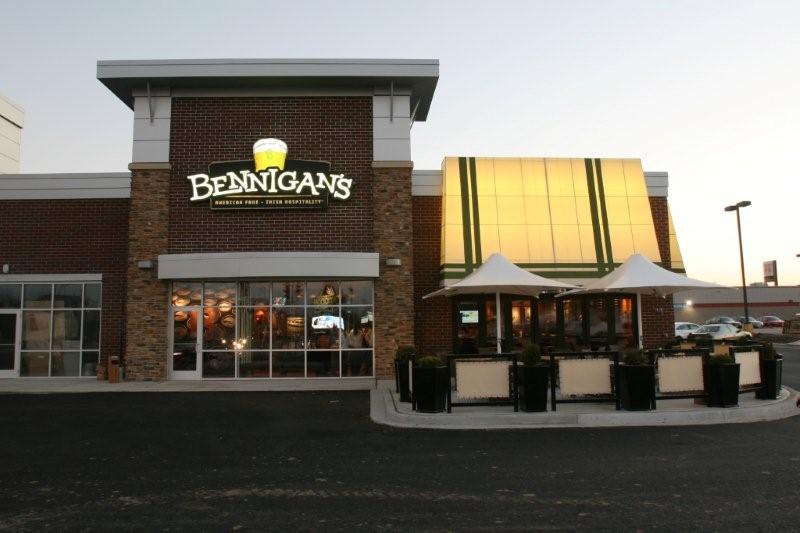
Founded: 1976 by Norman Brinker (also founded Steak and Ale and Chili’s) Peak: Hundreds of locations through the 1990s, particularly strong in malls and suburban downtowns Distinguishing feature: Irish pub theme, Monte Cristo sandwich, potato skins What happened: Failed to differentiate from TGI Friday’s and Applebee’s; 2008 recession proved fatal Current status: Filed Chapter 7 bankruptcy 2008, all 150 corporate locations closed immediately. As of mid-2025, six U.S. locations exist as part of comeback effort by Paul and Gwen Mangiamele.
3. Steak and Ale — invented the affordable steakhouse

Founded: 1966 by Norman Brinker Peak: Over 110 locations worldwide in the 1990s Distinguishing feature: Dimly-lit medieval-style interior, salad bar, affordable prime rib, Kensington Club steak What happened: Same parent company collapse as Bennigan’s in 2008 Current status: First new Steak and Ale in 16 years opened July 8, 2024 in Burnsville, Minnesota. Same Mangiamele family attempting revival.
4. Sambo’s — over 1,100 locations destroyed by its name
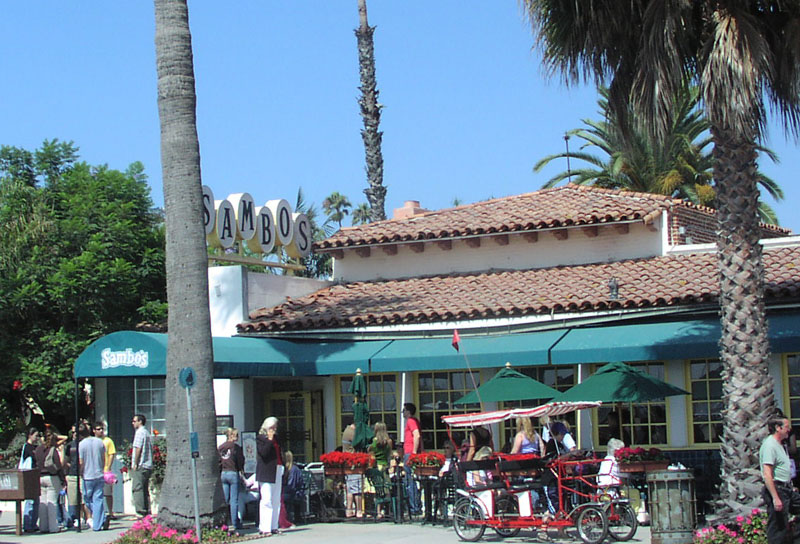
Founded: 1957 by Sam Battistone and Newell Bohnett Peak: 1,117 locations nationwide Distinguishing feature: Pancakes, breakfast all day, decor based on the racially controversial children’s book “Little Black Sambo” What happened: The name and imagery became increasingly untenable as racial sensitivity evolved through the 1970s and ’80s. Combined with financial troubles, the chain collapsed in the 1980s. Current status: Only one original location remains in California, having rebranded multiple times. The Sambo’s name itself is essentially extinct as a national brand.
5. Chi-Chi’s — the Tex-Mex empire that died from hepatitis
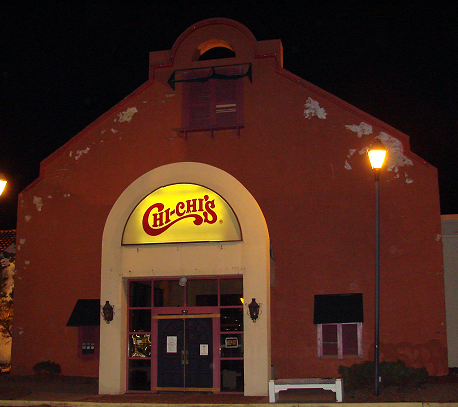
Founded: 1975 in Minneapolis Peak: Hundreds of locations in the 1980s and early 1990s Distinguishing feature: Inauthentic but popular Tex-Mex, fried ice cream, unlimited tortilla chips, festive Mexican-themed decor What happened: Filed bankruptcy in 2003. Later that year, a hepatitis A outbreak traced to a Pittsburgh location infected over 600 people and killed four — the deadliest hepatitis A outbreak in U.S. history. The chain never recovered. Current status: First U.S. comeback location opened in Minnesota on October 6, 2025. Chi-Chi’s salsa products have continued in grocery stores throughout the closure period.
6. Burger Chef — the chain that invented the kids’ meal
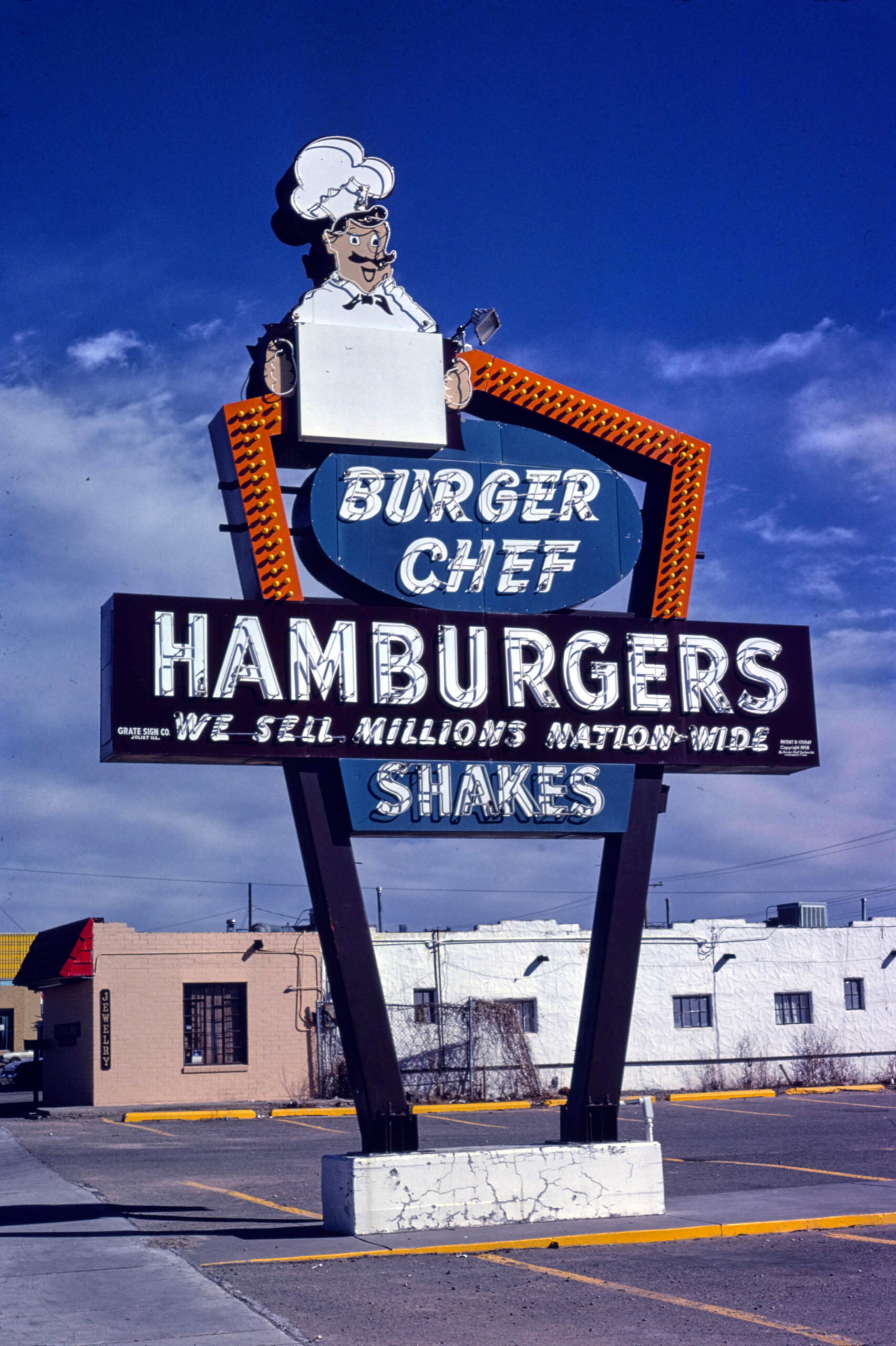
Founded: 1954 in Indianapolis Peak: Over 1,200 locations by 1973 — second only to McDonald’s Distinguishing feature: “Funmeal” (predecessor to McDonald’s Happy Meal), Big Shef burger, drive-up windows What happened: General Foods purchased Burger Chef in 1968 but mismanaged the brand. Hardee’s eventually acquired remaining locations in 1981 and converted them. Current status: Brand essentially extinct since 1990s. Burger Chef’s contribution to fast food (the kids’ meal concept) was effectively stolen by McDonald’s, which launched the Happy Meal in 1979 — leading to a successful Burger Chef lawsuit.
7. Lum’s — hot dogs steamed in beer
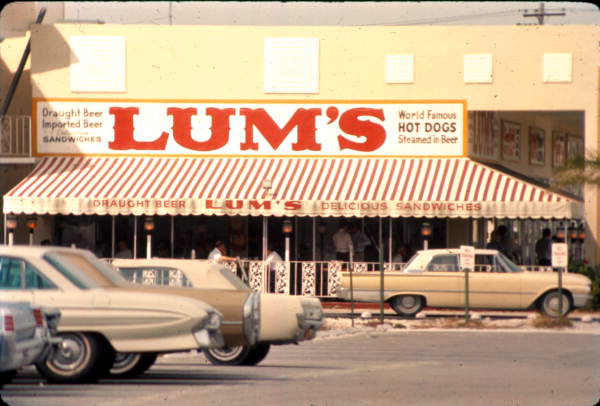
Founded: 1956 in Miami Beach Peak: Over 400 locations nationwide in the 1970s Distinguishing feature: Hot dogs steamed in beer (a genuinely unusual menu signature), inviting casual atmosphere What happened: Financial troubles and inability to compete with growing fast-food chains in the 1980s Current status: Brand essentially extinct since the 1980s
8. Gino’s Hamburgers — the East Coast’s burger empire
Founded: 1957 in Baltimore by NFL player Gino Marchetti and partners Peak: Over 300 locations along the East Coast Distinguishing feature: Burgers paired with KFC fried chicken (under a co-branding deal), family-friendly atmosphere What happened: Sold to Marriott Corporation in 1982 and converted to Roy Rogers locations Current status: Brand revived as Gino’s Burgers and Chicken with limited locations in the Maryland/Pennsylvania area
9. Arthur Treacher’s Fish and Chips — British food in America
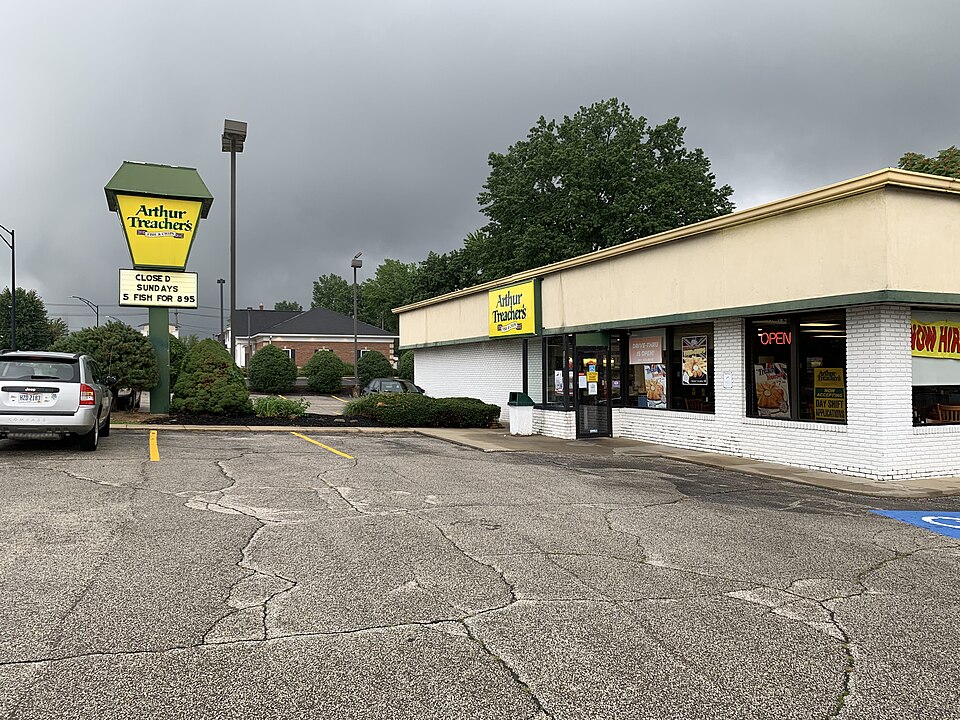
Founded: 1969, named after British actor Arthur Treacher Peak: Nearly 500 locations in the 1970s Distinguishing feature: Battered cod, thick-cut fries, malt vinegar, British-themed decor What happened: Couldn’t differentiate sufficiently from Long John Silver’s. Various ownership changes and franchise complications in the 1980s. Current status: A handful of locations remain, primarily in Ohio and surrounding states. Brand essentially nostalgic.
10. Lone Star Steakhouse & Saloon — peanut shells and country music
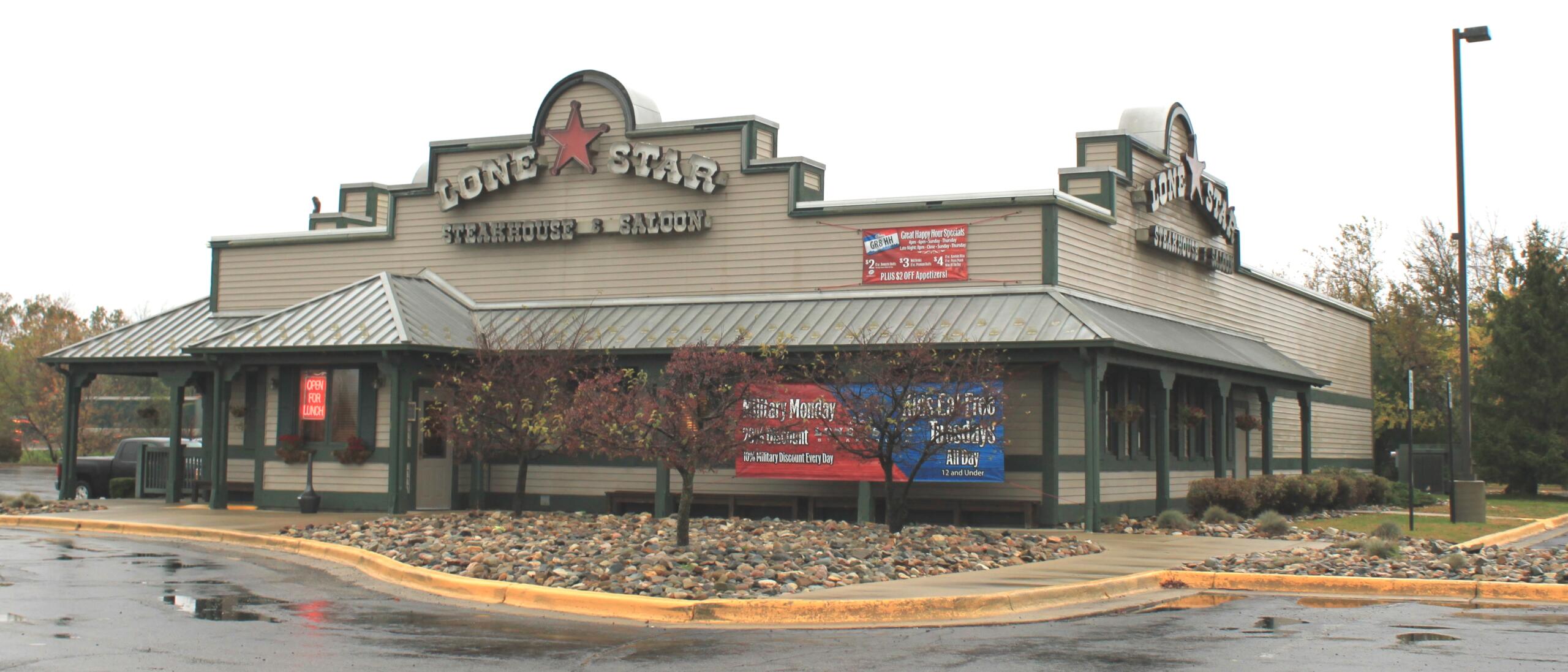
Founded: 1989 in Winston-Salem, North Carolina Peak: Hundreds of locations by mid-1990s Distinguishing feature: Texas-themed Wild West decor, peanut shells on floors, country music, mesquite-grilled steaks What happened: Texas Roadhouse and other competitors offered similar concepts more efficiently. Strategic mistakes and changing dining preferences accelerated decline. Current status: Reduced to handful of locations from peak. Most American mall and suburban locations closed by 2017.
11. Henry’s Hamburgers — the Midwest budget chain
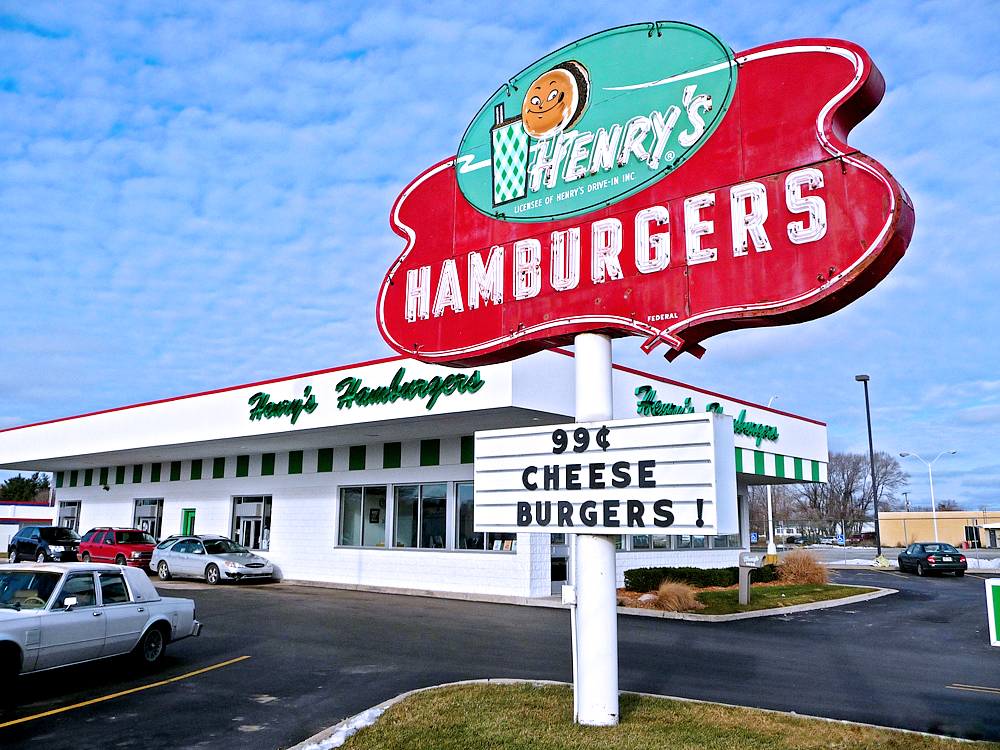
Founded: 1954 Peak: Over 200 locations in the 1960s Distinguishing feature: “Brown Bag Special” featuring double cheeseburger, fries, and Pepsi for low cost What happened: Couldn’t compete with McDonald’s and Burger King’s marketing budgets and consistency Current status: A single Henry’s Hamburgers remains in Benton Harbor, Michigan as of 2026 — a final relic of what was once a substantial Midwest chain.
12. D’Lites of America — health food arrived too early

Founded: 1981 in Atlanta Peak: Over 100 locations Distinguishing feature: Lower-calorie alternatives to standard fast food, grilled chicken, fresh salads What happened: Health-conscious dining wasn’t yet popular enough to support a chain. The execution felt “medicinal” rather than appealing. Locations closed throughout the 1980s. Current status: Brand essentially extinct since 1980s. The healthy fast-food category that D’Lites pioneered eventually emerged in the 2010s with Chipotle, Sweetgreen, and similar concepts.
13. Friendly’s — the 1980s ice cream destination shrinking dramatically
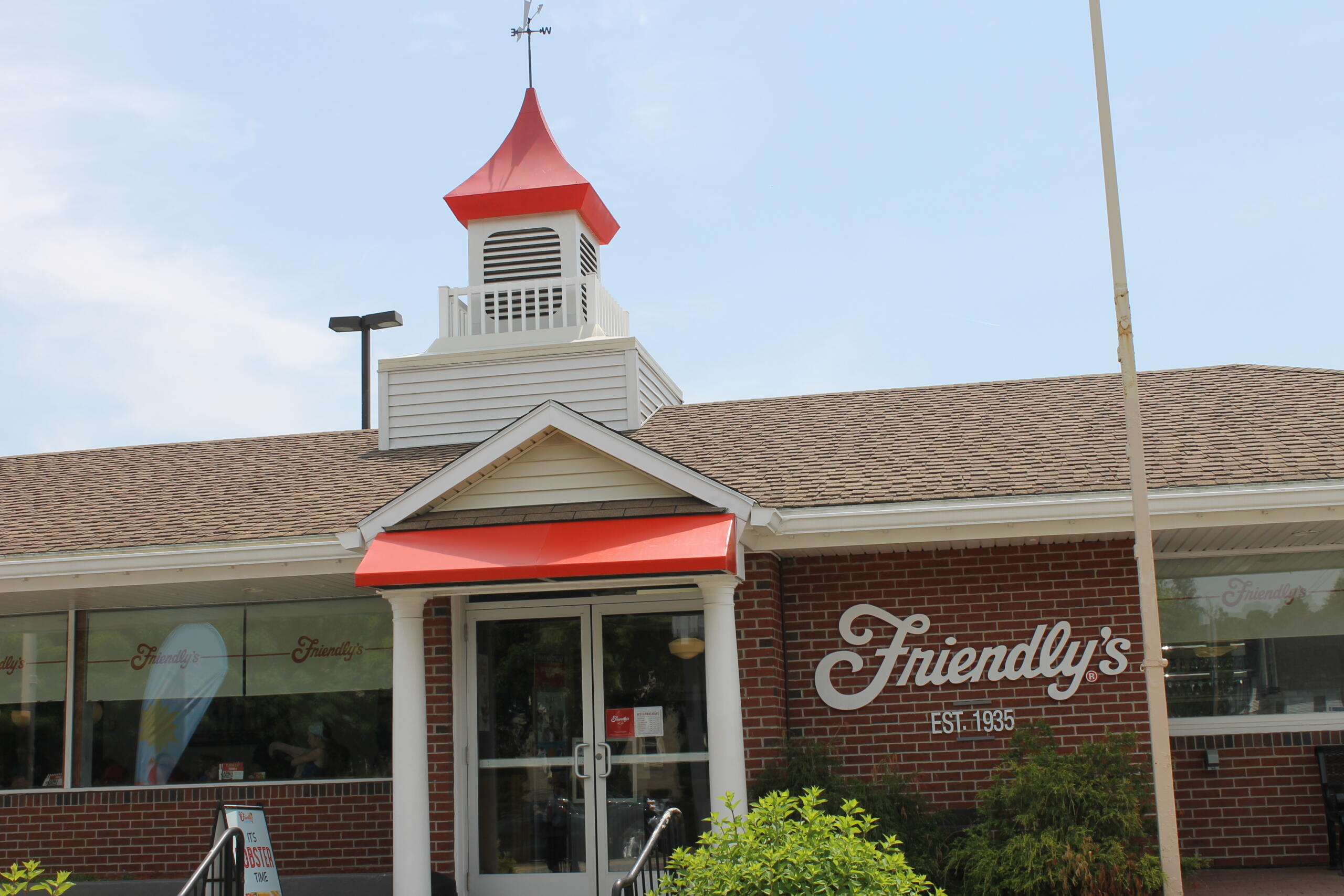
Founded: 1935 in Massachusetts Peak: Over 850 locations in the 1980s Distinguishing feature: Ice cream sundaes, “Fribble” milkshakes, family-friendly diner atmosphere What happened: Multiple ownership changes, accumulated debt, and shifting dining preferences led to substantial decline. Filed bankruptcy in 2011 and again in 2020. Current status: Approximately 130 locations remain (as of late 2024), down from peak of 850+. The brand persists but is dramatically smaller than its 1980s presence.
14. Bob’s Big Boy — the chain that mostly left America
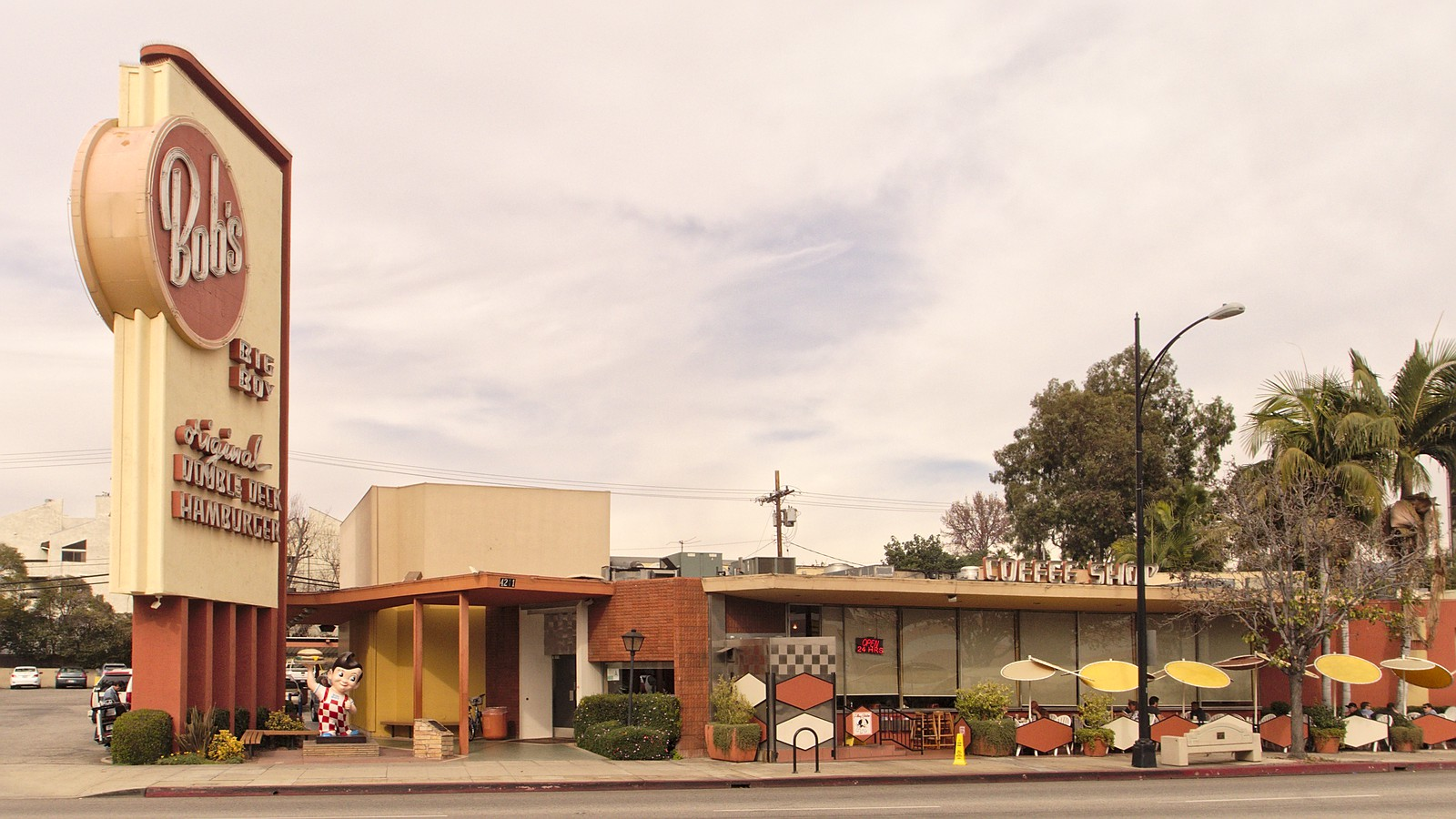
Founded: 1936 in California Peak: Hundreds of locations through 1980s, particularly strong in California and Midwest Distinguishing feature: Big Boy mascot, Big Boy double-decker hamburger, retro diner aesthetic What happened: Marriott Corporation acquired Big Boy in 1968 but eventually divested. Various franchisee groups managed regional operations with mixed success. Current status: Approximately 60 Big Boy locations remain in the U.S., concentrated in Michigan and California. The chain has more locations in Japan (over 280) than in the United States.
What this all represents about American dining
The disappearance of these 14 chains reflects several broader patterns in American dining over the past 50 years:
Casual dining consolidation. The casual dining market that supported numerous regional and mid-size chains in the 1980s eventually consolidated around a smaller number of national brands (Olive Garden, Applebee’s, TGI Friday’s, Chili’s, Outback). The chains on this list were caught in this consolidation.
Fast-casual disruption. Chains like Chipotle, Panera, and Five Guys offered higher-quality food than fast food at faster speeds and lower prices than casual dining. This disruption — sometimes called “the death of casual dining” — accelerated the decline of brands that couldn’t fit either category.
Mall and suburban downtown decline. Many of these chains depended on mall locations or suburban downtown foot traffic. As malls have declined and downtown traffic patterns have changed, the locations that supported these chains have become economically unviable.
Demographic and dietary shifts. Younger generations have shown different dining preferences than baby boomers — preferring delivery, smaller portions, more vegetable-forward menus, and global cuisines rather than the American comfort food that defined many of these chains.
Private equity damage. Several of these chains experienced damaging private equity ownership during the 2000s and 2010s, with leveraged buyouts producing debt loads that the underlying restaurants couldn’t service. Friendly’s, Bennigan’s, and various others followed similar patterns.
Health and safety incidents. Chi-Chi’s hepatitis outbreak is the most extreme example, but several other chains experienced food safety incidents (norovirus outbreaks, contamination scandals) that accelerated their declines.
The comeback attempts
A surprising number of these defunct chains are attempting comebacks in 2025-2026:
Bennigan’s: Six locations operating, expansion planned Steak and Ale: First new location July 2024, expansion planned Chi-Chi’s: First new location October 2025, expansion planned Gino’s Hamburgers: Reopened with limited locations Howard Johnson’s: Hotel brand survives, restaurants extinct
The comeback strategy typically involves:
- Acquiring nostalgic intellectual property (signature dishes, branding, decor)
- Targeting consumers who remember the original brands fondly
- Modernizing operations and menu while preserving signature elements
- Starting small and growing through franchising
Whether these comebacks succeed will depend on whether enough consumers actually want to eat at restaurants they remember from the 1980s, or whether the nostalgia is purely emotional and won’t drive repeat visits. The early indications are mixed: some comeback locations have attracted substantial attention but it’s too early to know if they’ll achieve sustained success.
For travelers who want to experience these vanished chains directly, several practical options:
Henry’s Hamburgers in Benton Harbor, Michigan — the last original-format Henry’s Big Boy locations — primarily in Michigan and California Friendly’s locations — concentrated in the Northeast Comeback locations of Bennigan’s, Steak and Ale, and Chi-Chi’s Howard Johnson hotels — some still feature historical photos and memorabilia Big Boy in Japan — an unusual destination for fans willing to travel internationally
The American casual dining landscape will continue to evolve. Some of the brands currently dominant in 2026 will likely appear on similar “vanished restaurant chains” lists in 2046. The cycle of restaurant brand emergence, consolidation, and disappearance reflects broader changes in how Americans actually want to eat. The chains on this list represent specific moments in that cycle — moments that produced beloved brands that eventually couldn’t survive the next phase of American dining evolution.
For the millions of Americans who grew up eating at Howard Johnson’s on family road trips, getting Bennigan’s potato skins on Friday nights, or celebrating birthdays at Bob’s Big Boy, the disappearance of these chains represents something specific: the loss of physical places where particular memories were made. The replacement chains aren’t really replacements — they’re different brands serving different functions in different times. The 1980s American dining landscape is gone, even if a few brave entrepreneurs are trying to bring small pieces of it back.