


From the moment you walk into a hotel lobby, a luxury hotel concierge is making rapid mental assessments about who you are, how to help you, and what kind of guest you’re going to be. Some of those assessments determine whether you’ll get the table at the impossible-to-book restaurant, the upgrade to the better room, or just the standard polite-but-distant treatment. Here are the 9 specific things concierges actually judge you for, according to interviews with working concierges and etiquette experts — plus exactly what to do instead.
If you’ve ever walked up to a luxury hotel concierge desk and felt like you were being assessed, you weren’t imagining it. According to working concierges interviewed by Reader’s Digest, VegOut, and various etiquette publications, the assessment is real and substantially affects how you’ll be treated for the rest of your stay.
Concierges aren’t running these mental algorithms to be petty. They’re working a fast practical scan to figure out how to help you, how to prioritize you among competing guest demands, and what kind of experience you’re likely to have in their building. Their job — securing impossible reservations, arranging transportation, providing local recommendations, solving problems — depends on accurate quick assessment of guest needs and preferences.
According to interviews with concierges including Ken F. (an 18-year veteran concierge at a four-star Manhattan hotel quoted in Reader’s Digest), etiquette experts including Diane Gottsman (founder of the Protocol School of Texas), and various luxury hospitality training resources, the concierge assessment focuses on specific signals that experienced staff have learned to read quickly.
Here are the 9 specific things concierges silently judge you for — what they actually mean, what kind of guest each signal predicts, and what to do instead to receive substantially better service.
1. How you walk into the lobby

The assessment starts before you say a word. Concierges immediately notice your demeanor as you enter the hotel:
Are you frantic, scanning the lobby like you’re about to miss a flight? This signals high-stress travel, possible chaotic preferences, and likely demanding service requests. Staff brace for difficulty.
Are you calm, present, making eye contact like a normal human? This signals controlled travel preferences and easier service interactions.
Do you look at your phone the entire time you’re approaching? This signals task-orientation, possibly business travel, and may suggest impatience.
Do you actually look at the staff and acknowledge them? This signals respect for service workers and predicts cooperative interactions.
What to do instead: Take a breath before entering the lobby. Walk in deliberately. Make eye contact with the front desk staff. A simple smile and “good afternoon” before you launch into requests substantially changes how staff perceive you. The energy you bring shapes the energy you receive back.
2. How you interrupt their work (or don’t)
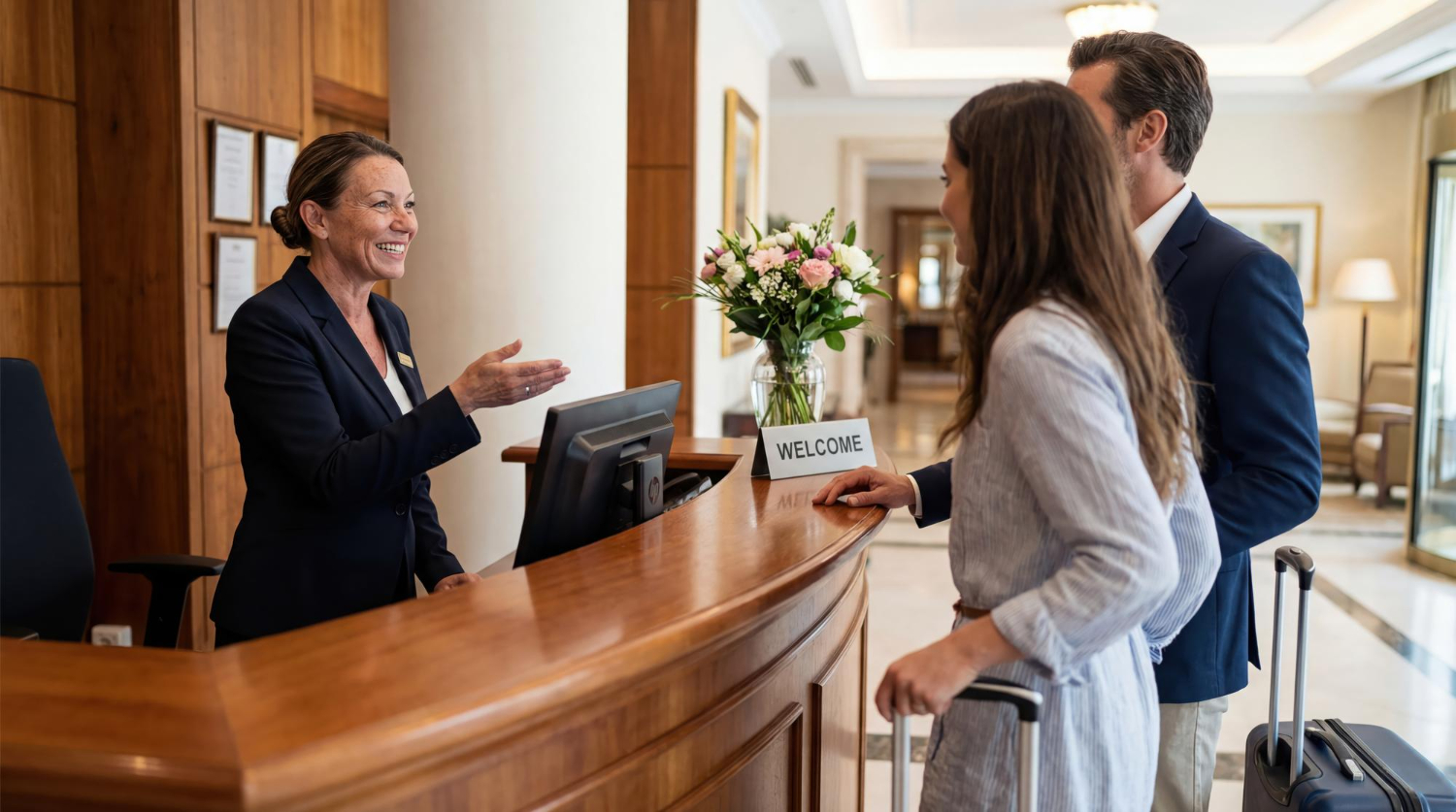
Concierges typically juggle multiple competing demands simultaneously — phone calls, walk-up requests, restaurant reservations being negotiated, special requests being processed for other guests. How you approach the desk during this multitasking signals your fundamental respect for their work:
Walking up and immediately starting to talk signals that you don’t recognize they’re already engaged with other tasks.
Snapping fingers or otherwise demanding attention signals that you view them as service objects rather than as people.
Standing patiently a few feet back, waiting for them to acknowledge you signals respect and recognition that they’re working.
Asking “is now a good time?” before launching into requests is the gold standard of concierge interactions.
What concierges noticed in interviews: guests who acknowledge that they’re interrupting work get substantially better service than guests who treat the concierge desk like a help-yourself buffet of attention.
What to do instead: When you arrive at the desk, pause. Make eye contact. Wait for the concierge to acknowledge you (which they typically will within seconds). When they do, start with “I’m sorry to interrupt, but when you have a moment, I’d love some help with…” That single sentence puts you ahead of approximately 80% of guests.
3. How you frame what you want

Concierges quickly assess whether you’re going to be thrilled, disappointed, or angry based on how you describe what you’re looking for.
Vague requests signal impossible expectations: “I want an unforgettable dinner” provides no usable information about cost, cuisine, atmosphere, or specific preferences.
Hyper-specific demanding requests signal someone who’s going to be impossible to satisfy: “I need the absolute best Italian restaurant in the city, available tonight at 8 PM, no reservation needed, with a specific table by the window.”
Calibrated specific requests with realistic constraints signal someone who’s going to be easy to satisfy: “I’d love something special, maybe Italian, around $100 per person, no jacket required. Got any favorites?”
The framing reveals everything about whether you understand what they can actually do.
What to do instead: Frame requests with specifics within reasonable constraints. Mention your budget range without apologizing. Mention your dietary preferences clearly. Mention what kind of experience you want (cozy and quiet vs. lively and social). Give the concierge enough information to actually solve your problem rather than guess at what might satisfy you.
4. How you handle the cost question

The luxury hotel concierge interaction often involves cost questions — for restaurants, experiences, transportation, services. How you handle the money question signals your sophistication as a luxury traveler:
Aggressive cost-cutting signals that you’re going to be unhappy with the recommendations regardless of what they suggest, because the answers will involve costs you find unacceptable.
Performative wealth display signals that you’re trying to appear richer than you are, which usually means service requests will exceed your actual budget when bills arrive.
Calm honest framing signals genuine sophistication: “I’m open to spending for a great experience, but I don’t need the most expensive option.”
What to do instead: State your actual budget clearly without apologizing. “We’re thinking $150-200 per person for dinner” gives the concierge actionable information. They can recommend places that fit your actual range rather than guessing whether you’d be insulted by suggestions in any particular price range.
5. How you treat them as people

This is the deepest signal concierges read, according to multiple working concierges interviewed across various publications. The behavior pattern that distinguishes guests who receive exceptional service from guests who receive standard service is fundamentally about whether you treat the concierge as a person or as a service object.
Specific signals concierges notice:
Do you say thank you and mean it? Performative thank yous don’t count. Genuine appreciation registers.
Do you wait your turn? Interrupting other guest interactions to demand attention signals fundamental disrespect.
Do you start with “I need this NOW” unless it’s truly urgent? Most demands aren’t actually emergencies.
Do you treat the desk like a complaint department? Concierges are problem solvers, not therapists.
Do you ask their name and use it? This single action substantially improves treatment.
Do you express appreciation when they solve a problem? Beyond tipping, verbal acknowledgment matters.
What to do instead: Treat concierges as competent professionals doing complex work. Use their names if they’re wearing name tags. Express genuine appreciation. Say thank you with eye contact. Recognize that they’re juggling multiple demands and yours isn’t necessarily the most urgent. The guests who receive above-and-beyond help are typically those who treat the concierge as a respected professional rather than as a personal assistant.
6. How and when you tip

Tipping behavior is one of the more nuanced signals concierges read. According to etiquette expert Diane Gottsman and concierge industry sources:
Not tipping at all for substantial services signals either complete naivety about luxury hotel norms or active rudeness.
Lavish over-tipping for routine services signals attempt to buy attention through money rather than respect, which paradoxically often results in worse long-term service.
Appropriate tipping at appropriate moments signals understanding of luxury service norms.
The general guidance from concierge etiquette resources:
- Simple recommendations: $5-10 tip
- Restaurant reservations at desirable spots: $10-20
- Hard-to-secure reservations or special arrangements: $20-50
- Major problem-solving (lost passport, last-minute medical, complicated travel changes): $50-100+
- Multi-day stay where concierge has helped repeatedly: Larger tip at end of stay
If you’ve used multiple concierges, tip each individually rather than asking one to split with colleagues. Concierges typically don’t pool tips, and asking them to split is considered inappropriate.
What to do instead: Tip appropriately when concierges have actually helped you with something specific. For routine recommendations or directions, no tip is necessary. For substantial assistance, tip at the moment of completion (or at end of stay for cumulative help). Know that tipping is part of the luxury service economy, and not tipping for substantial services signals either naivety or rudeness.
7. How well you respect their constraints

Concierges can do remarkable things — but they can’t break the laws of physics, the laws of the city, or basic dignity. Guests who don’t understand these constraints get treated differently than guests who do.
Things concierges can usually do:
- Last-minute reservations within reason
- Local secrets and recommendations
- Transportation arrangements
- Tickets to shows and events
- Restaurant introductions and special arrangements
- Most reasonable special requests
Things concierges cannot do:
- Get you a Saturday 8 PM reservation at the city’s most-impossible restaurant on no notice
- Let your “friend” up to your room without ID verification
- Sneak extra guests into spa areas
- Pick up your dry cleaning, return packages, or babysit your dog
- Lie to your spouse, employer, or anyone else about your activities
- Bypass hotel policies regardless of how much you tip
According to Ken F. quoted in Reader’s Digest: “I will always protect the privacy of hotel guests, but I never want to be asked to be an alibi and lie to someone’s wife, husband or boss. Some guests think we enjoy the drama and enjoy being involved in it. We don’t.”
What to do instead: Understand what you’re actually asking for. Don’t expect impossible miracles, especially with no notice. Don’t ask the concierge to violate hotel policies, deceive others on your behalf, or perform tasks outside their actual role. The guests who get the most out of concierge services are those who understand what concierges actually do.
8. Whether you give them advance notice
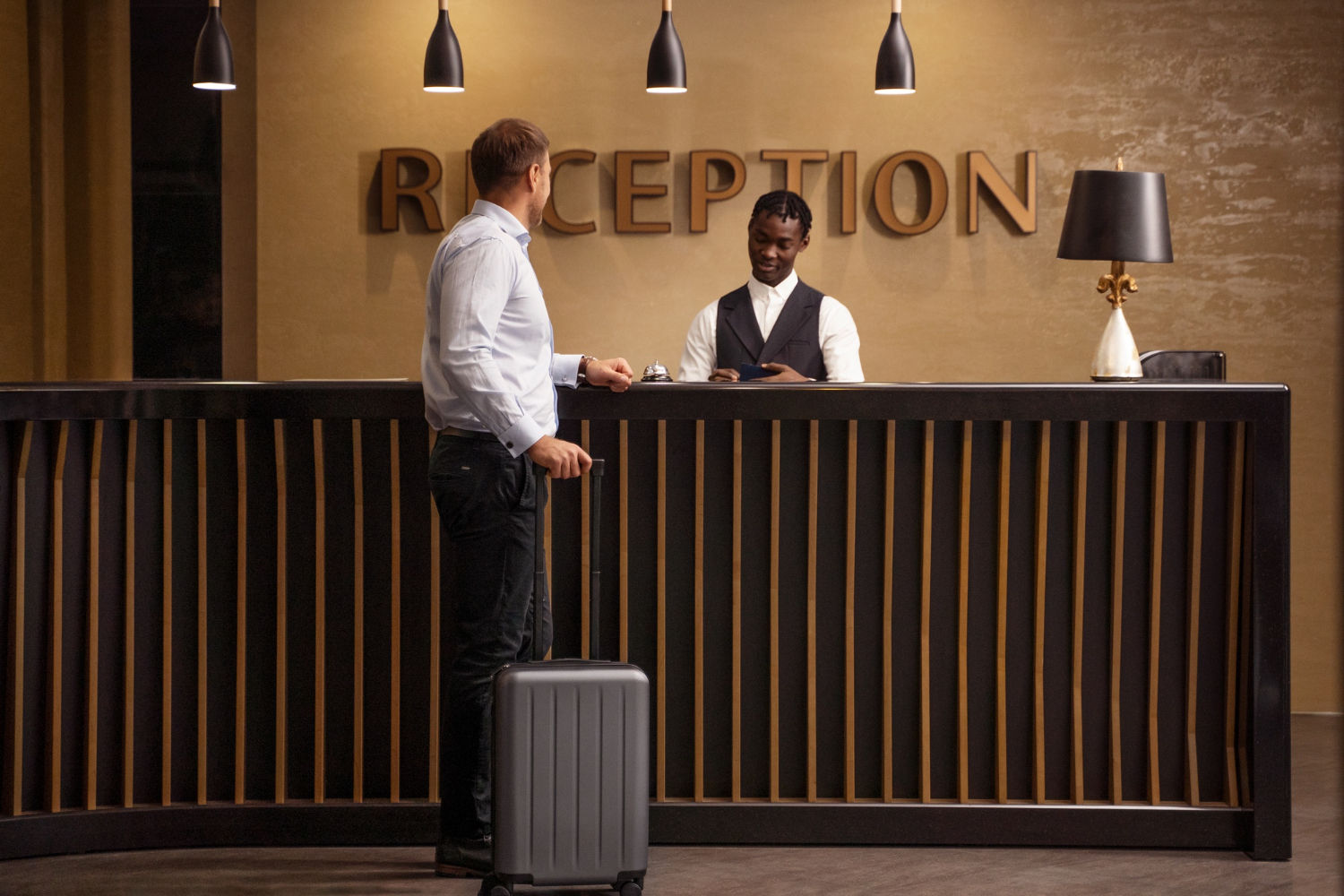
Magical as concierges are, they cannot summon tables from the void or manufacture sold-out tickets. The amount of notice you give substantially affects what they can accomplish.
No notice or last-minute requests drastically limit what’s possible. The concierge can try, but most popular destinations are booked weeks or months in advance.
Day-of notice allows the concierge to work their connections and sometimes secure surprising results.
Multi-day or week-ahead notice allows the concierge to actually plan, leverage their relationships properly, and deliver exceptional results.
The pattern that frustrates concierges most: guests who arrive at a hotel for a multi-day stay, don’t engage the concierge until day 4 of 5, then demand impossible-to-arrange experiences for their final 24 hours.
What to do instead: Engage the concierge early in your stay — ideally on the day you arrive. Mention what kinds of experiences you’d like during your stay. Even if you don’t have specific requests yet, signaling that you’ll want help during your visit allows them to start thinking about your needs and timing requests appropriately.
9. How you communicate problems

Inevitably, some things will go wrong during any hotel stay — the heating doesn’t work, the room service order is incorrect, the requested wakeup call doesn’t happen. How you communicate problems is one of the deepest signals concierges read.
Aggressive complaint behavior (“This is unacceptable!”) signals difficult guest patterns and triggers defensive staff responses.
Passive complaint behavior (mentioning a problem at checkout that you didn’t report when it happened) signals confused expectations and prevents the staff from actually solving anything.
Direct early problem reporting (“I want to let you know my heating isn’t working — could someone come fix it when convenient?”) signals competent guest behavior and triggers cooperative staff responses.
According to Ken F. in Reader’s Digest: “Making sure you are comfortable and happy is literally my job, and you’re not making my job harder by alerting me to problems. In fact, it makes my job easier. I’d much rather get a phone call that you never got your room service than have you go hungry and find out about it the next morning!”
What to do instead: Report problems immediately when they occur. Frame them as information rather than as accusations. Specify what you’d like resolved. Trust that the staff actually wants to fix the problem because keeping you happy is genuinely their job.
What this all means for getting better hotel experiences

The cumulative pattern from concierge interviews and etiquette resources reveals something specific about luxury hospitality: the guests who consistently receive exceptional service aren’t necessarily the wealthiest or the most demanding. They’re the ones who understand and respect the working dynamics of the hotel environment.
The fundamental insights:
Concierges are professionals doing skilled work. They’re not personal assistants waiting for your commands. The best service comes from treating them as competent professionals you’re collaborating with, not as service objects responding to demands.
Calm, specific, respectful communication produces better outcomes than urgent demanding behavior. This is true even when you actually need urgent help — the framing affects the response.
Notice timing matters substantially. Engaging the concierge early in your stay, providing advance notice for requests, and respecting realistic preparation timeframes all dramatically improve what they can accomplish.
Tipping is part of the system but isn’t a substitute for respect. Lavish tippers who treat concierges poorly often receive worse long-term service than modest tippers who treat them well.
Honest communication about budgets, preferences, and constraints produces better recommendations. Vague aspirational requests result in disappointing recommendations because the concierge can’t actually understand what you want.
Problems should be reported immediately as information, not as accusations. This produces faster resolution and better treatment.
Respect for the concierge’s actual capabilities and constraints produces better outcomes. Asking for impossible miracles or for them to violate hotel policies produces frustration on both sides.
For travelers who want to experience the genuine luxury of a fully-engaged concierge — the kind who actually delivers the impossible-to-book restaurant reservations, the inside-track local recommendations, the magical solutions to problems — the path is straightforward: treat concierges as the professionals they are, communicate clearly, give appropriate notice, tip appropriately, and respect their actual capabilities.
The guests who get the best hotel experiences aren’t the wealthiest, the most demanding, or the most assertive. They’re the ones who understand that luxury hospitality is fundamentally a collaborative relationship with skilled professionals — and who behave accordingly.
The next time you check into a hotel with a concierge desk, take a breath before approaching. Make eye contact. Acknowledge the concierge as a person. Frame your requests with respect for their work and constraints. Provide specific information about what you actually want. Tip appropriately for substantial help. And then watch what happens.
The difference between a stay where the concierge delivers ordinary service and one where they go above and beyond often comes down to nothing more complicated than treating them like a respected professional rather than like a vending machine of services. The cost of doing this correctly is minimal. The benefit, in better experiences and access to things you couldn’t have arranged on your own, can substantially exceed the actual cost of your hotel room.
