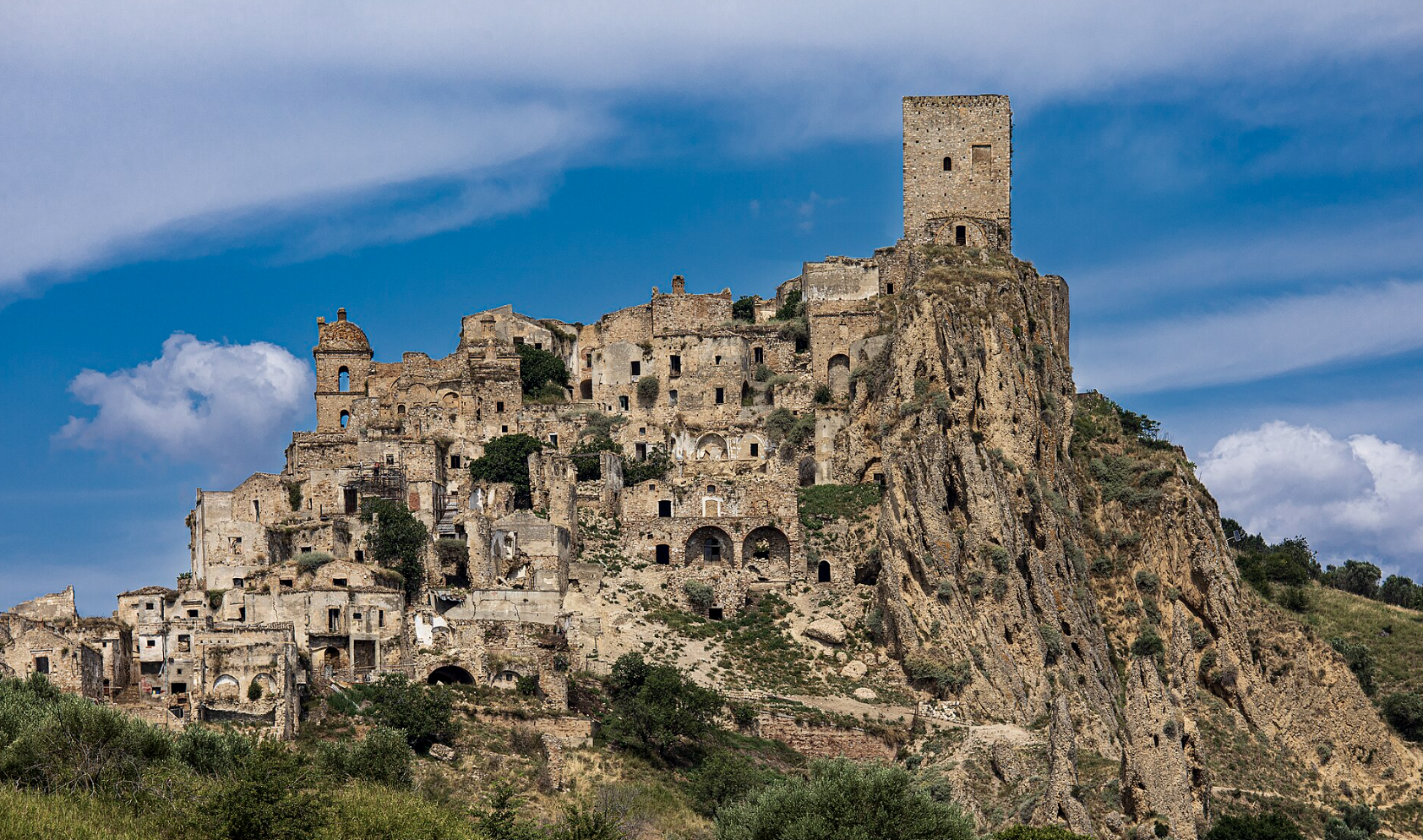
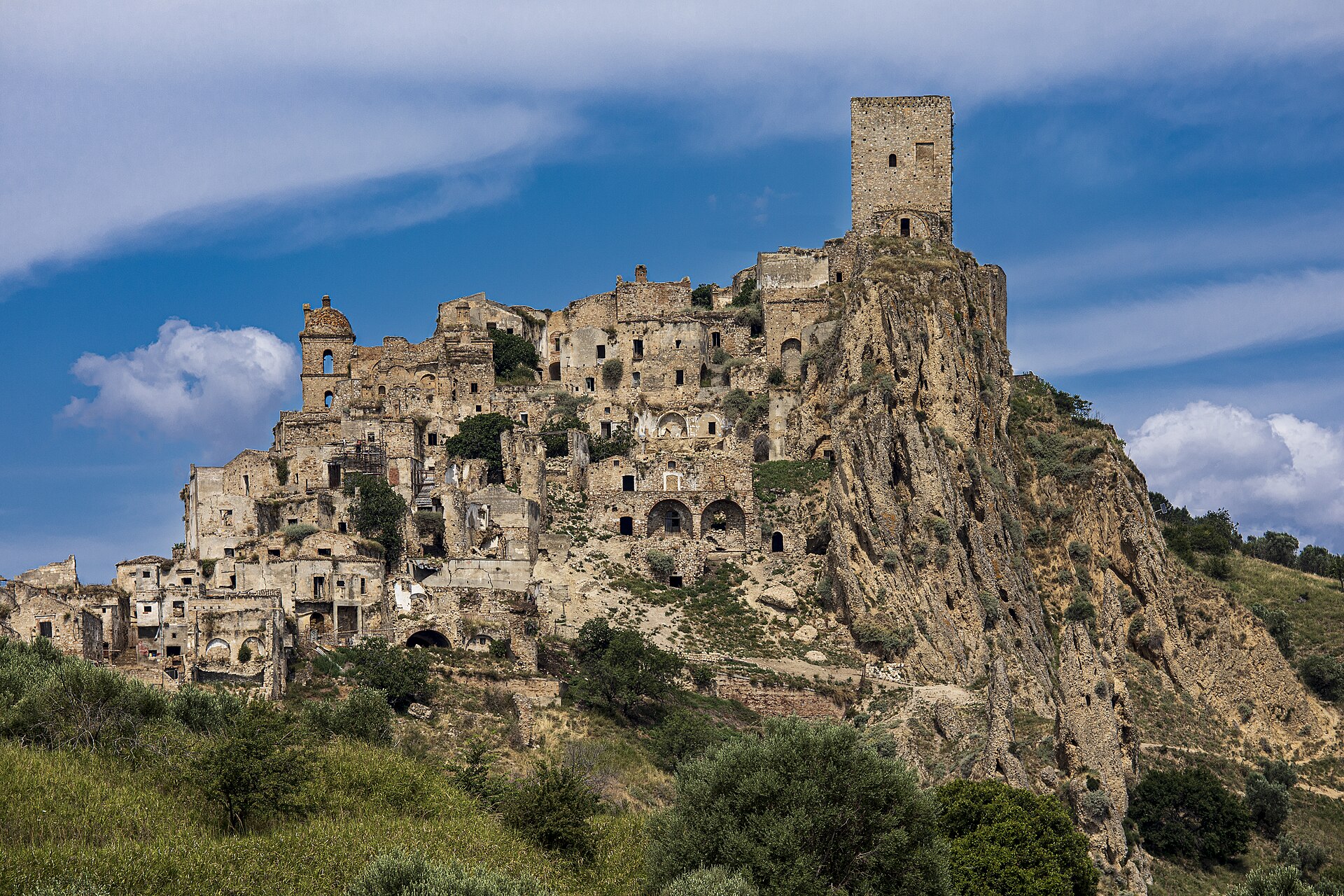
Craco sits on a 1,300-foot cliff in southern Italy’s Basilicata region. People had lived there continuously since the 8th century BC. By 1561 the population had reached 2,590. By 1980 it was zero. The cause wasn’t war or plague — it was sewer and water infrastructure work that destabilized the clay hillside the town was built on, triggering a 1963 landslide that forced the evacuation of all 1,800 remaining residents. Here’s how 2,500 years of continuous habitation ended.
1: A Town Built for Defense
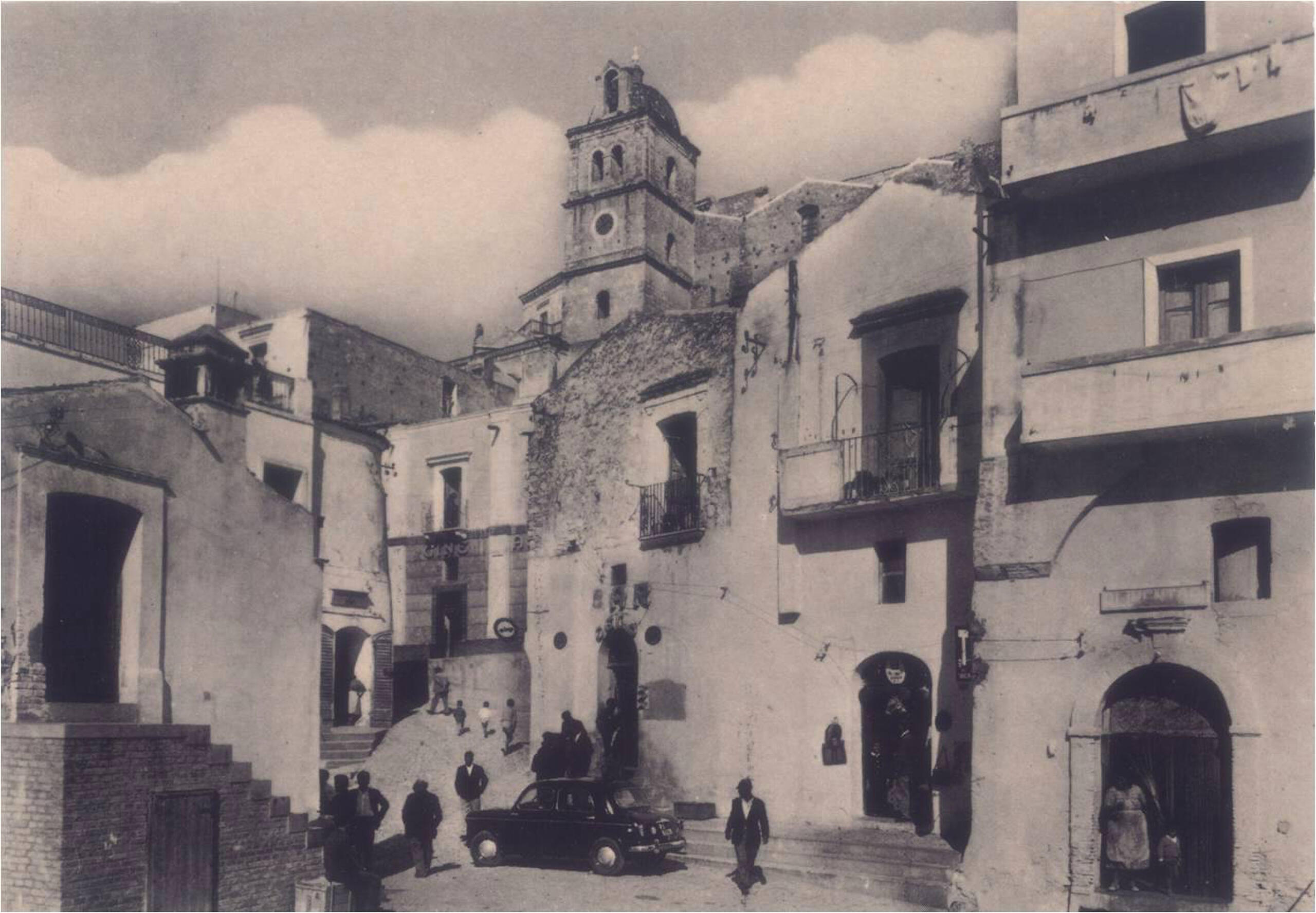
Craco sits on a 1,300-foot cliff in Italy’s Basilicata region, roughly 25 miles inland from the Gulf of Taranto. The setting was deliberate: the steep summit gave defenders clear sightlines and made the town nearly impossible to attack from below. Tombs found in the area date back to the 8th century BC, suggesting continuous human habitation for over 2,800 years.
The town’s elevated position, dramatic against the surrounding “calanchi” (eroded badlands), kept it safe from invasion for centuries. What it couldn’t protect Craco from was the geology of the hillside itself.
2: A Thousand Years of Growth
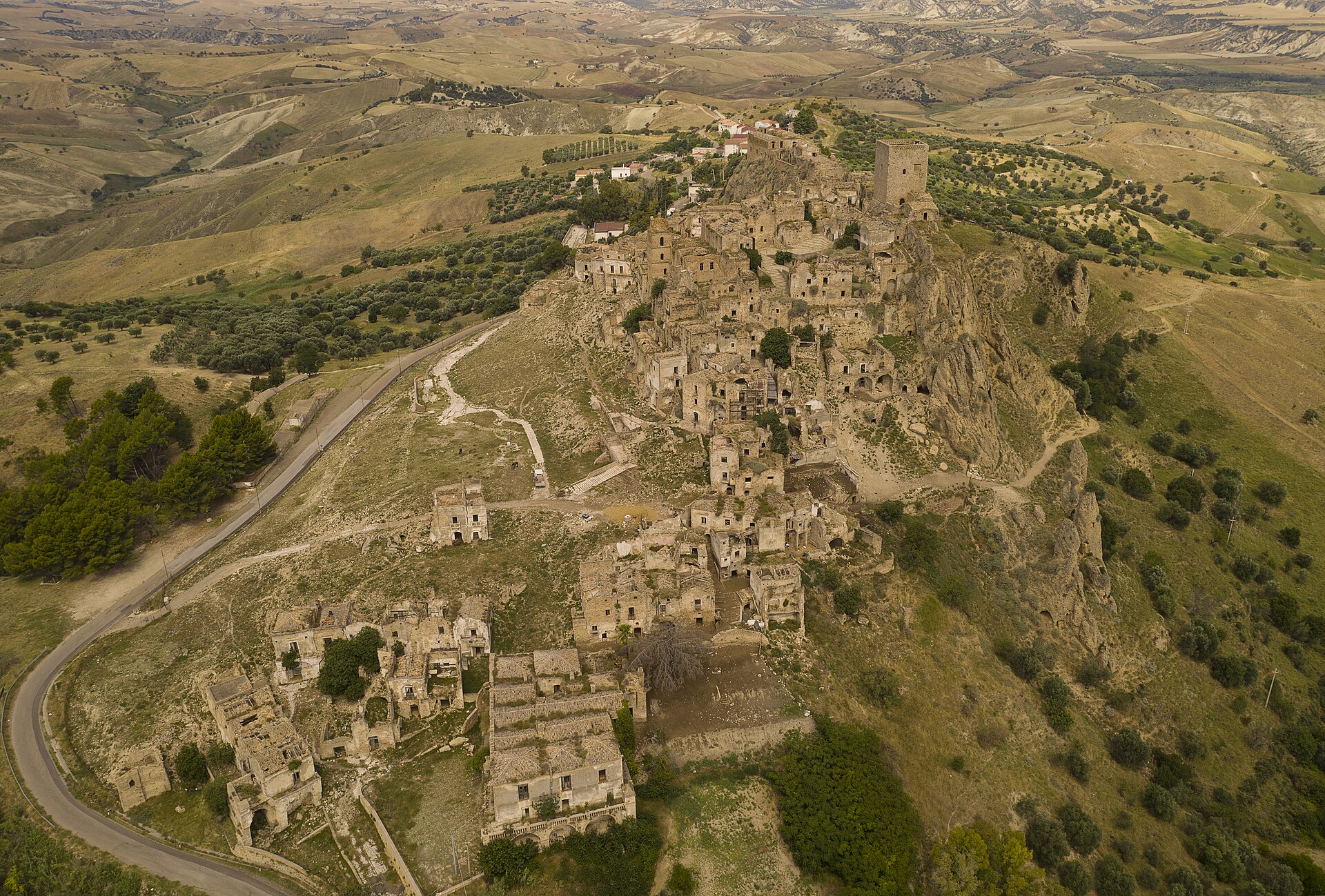
The first written reference to Craco appears in 1060 AD, when the land was owned by Archbishop Arnaldo of Tricarico. The Norman Tower — Craco’s oldest standing building — went up in 1040. By 1276, the town had a university. The population grew steadily: 450 in 1277, 655 by 1477, 1,718 by 1532, peaking at 2,590 in 1561.
Four large palaces (palazzi) had been built by the 15th century. The town survived the 1656 plague (which killed hundreds), Napoleonic occupation in the early 1800s, and the 19th-century unification of Italy. Throughout, the population averaged around 1,500.
3: The Mass Emigration

Between 1892 and 1922, more than 1,300 Craco residents emigrated to North America. The cause was agricultural: the same clay-rich hillsides that had defended Craco for centuries produced poor crop yields, and severe famines made farming the surrounding land economically untenable.
By the early 20th century, the town’s population had been substantially halved by emigration. The Crachesi (Craco residents) who remained were essentially the most committed locals — those with the deepest ties to the land and the strongest reluctance to leave. They didn’t yet know that the hillside they refused to abandon was already failing.
4: The Geological Reality
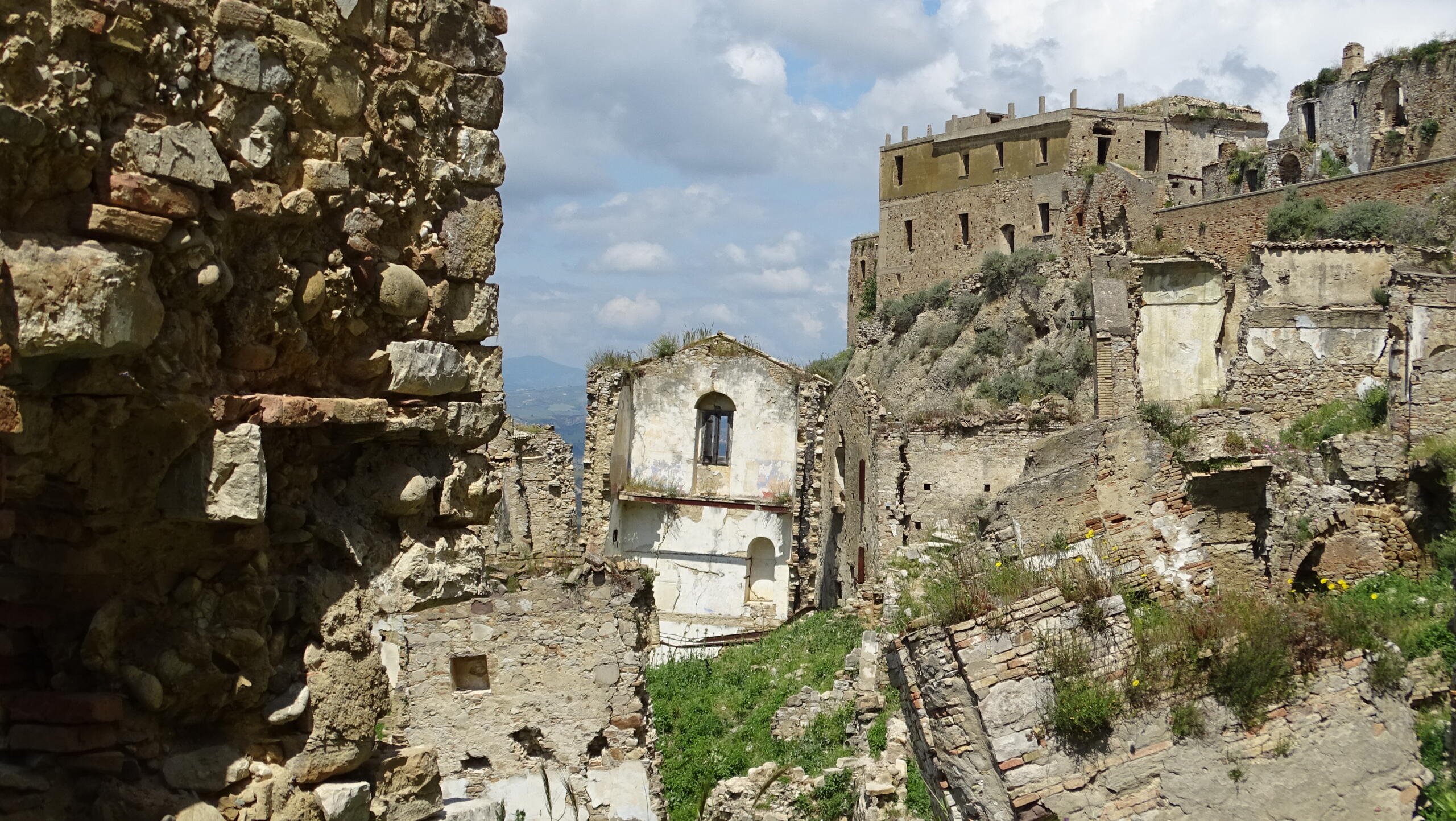
Craco’s defensive cliff was built on something specific: clay-rich soil with multiple layers of red, green, and dark grey clay, with varying drainage characteristics. This kind of soil is highly susceptible to landslides, particularly when water infiltrates the layers and creates slip planes between them.
For centuries, the town’s modest infrastructure — wells, basic drainage — hadn’t significantly disturbed the underlying soil. But as 20th century modernization arrived, that began to change. Sewer systems, water pipes, and other infrastructure improvements introduced new water flows into the clay hillside. The geology started failing in ways that hadn’t happened during the previous 2,500 years.
5: The 1963 Landslide
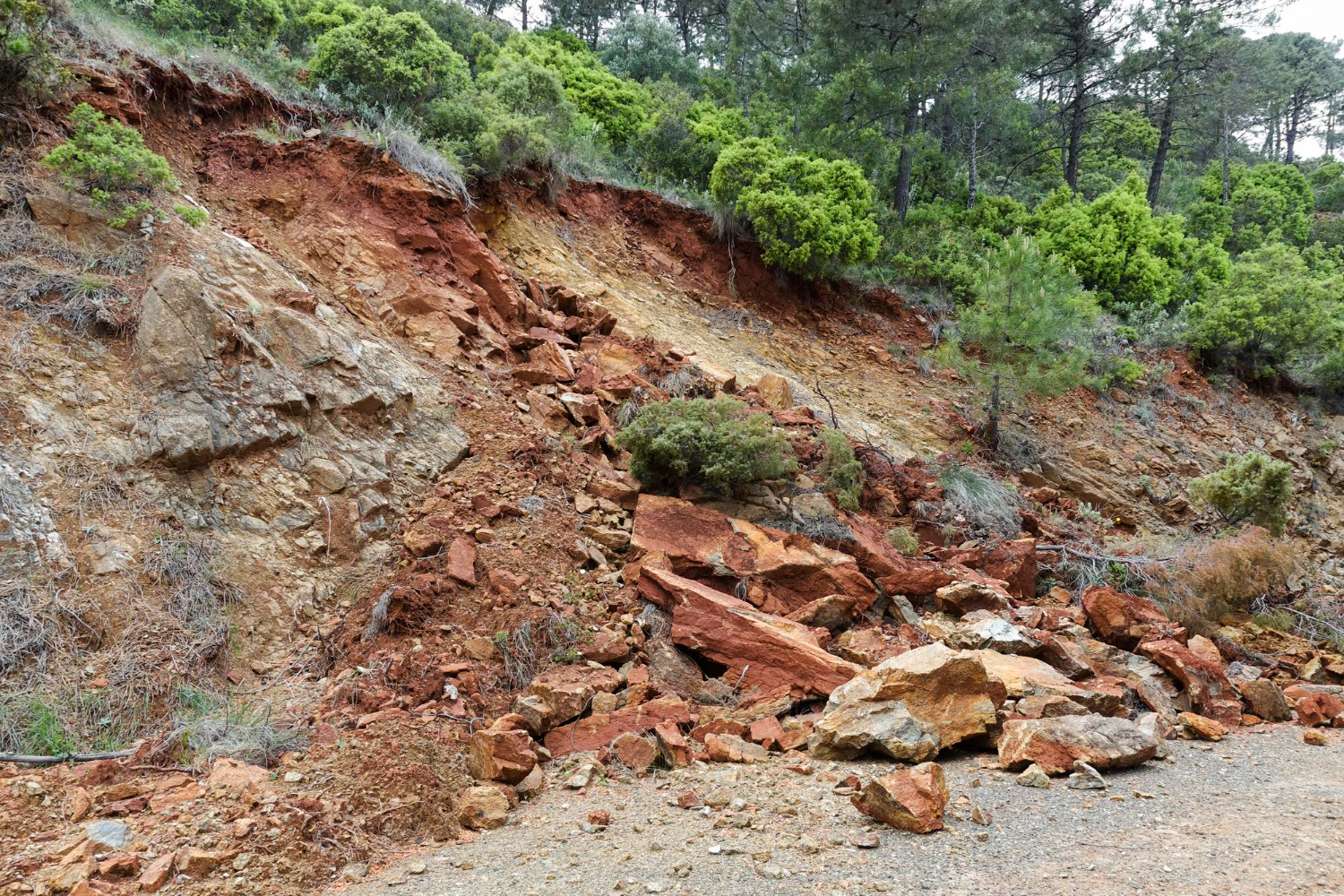
The decisive event came in 1963 after heavy rainfall. A massive landslide broke loose on the slope, causing numerous buildings to collapse. The infrastructure works that had been intended to modernize Craco — the sewer and water systems specifically — had destabilized the soil enough that the heavy rain triggered failure.
Authorities determined that further occupation was unsafe. The remaining 1,800 inhabitants were ordered to evacuate. They were resettled in a new village called Craco Peschiera, built in the valley below. For years, displaced residents lived in tent cities and barracks while the government built permanent housing. The hilltop ruins of their old town remained visible from their new homes — a daily reminder of what they had lost.
6: The Resistance to Leave
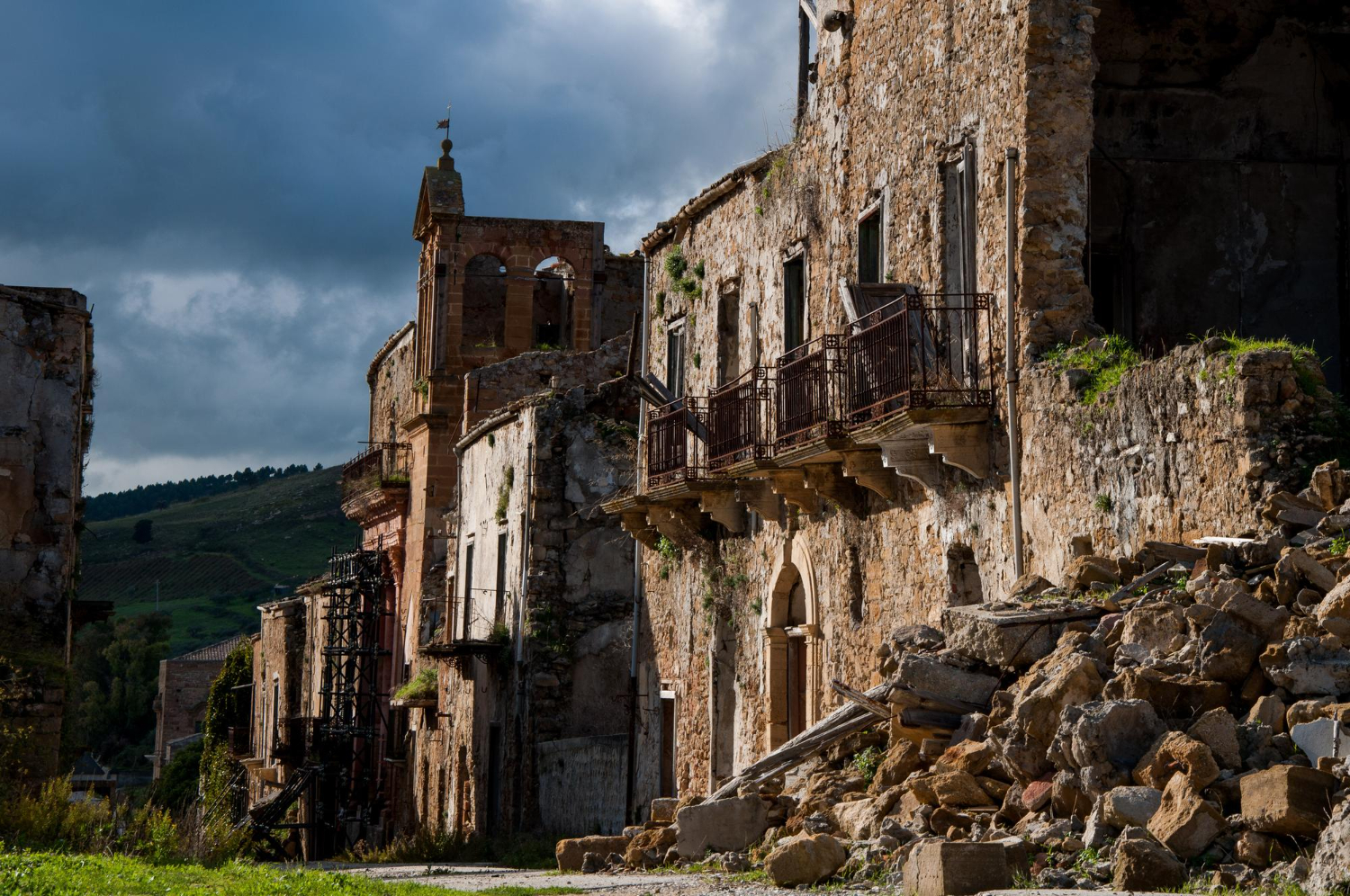
Not everyone agreed to leave. According to multiple accounts of the evacuation, at least one Craco native refused the relocation, choosing to live the rest of his life in his ancestral home. He reportedly remained in Craco until he died at over 100 years old. The man’s identity has been somewhat obscured in the various retellings, but the story is consistently confirmed by tour guides and local historians.
The emotional difficulty of the evacuation was substantial. Crachesi families had lived in the same houses, on the same streets, for generations. The relocation severed connections that ran back centuries. The descendants who later formed the U.S.-based “Craco Society” in 2007 specifically cited the preservation of these severed cultural ties as their motivation.
7: The 1972 Flood
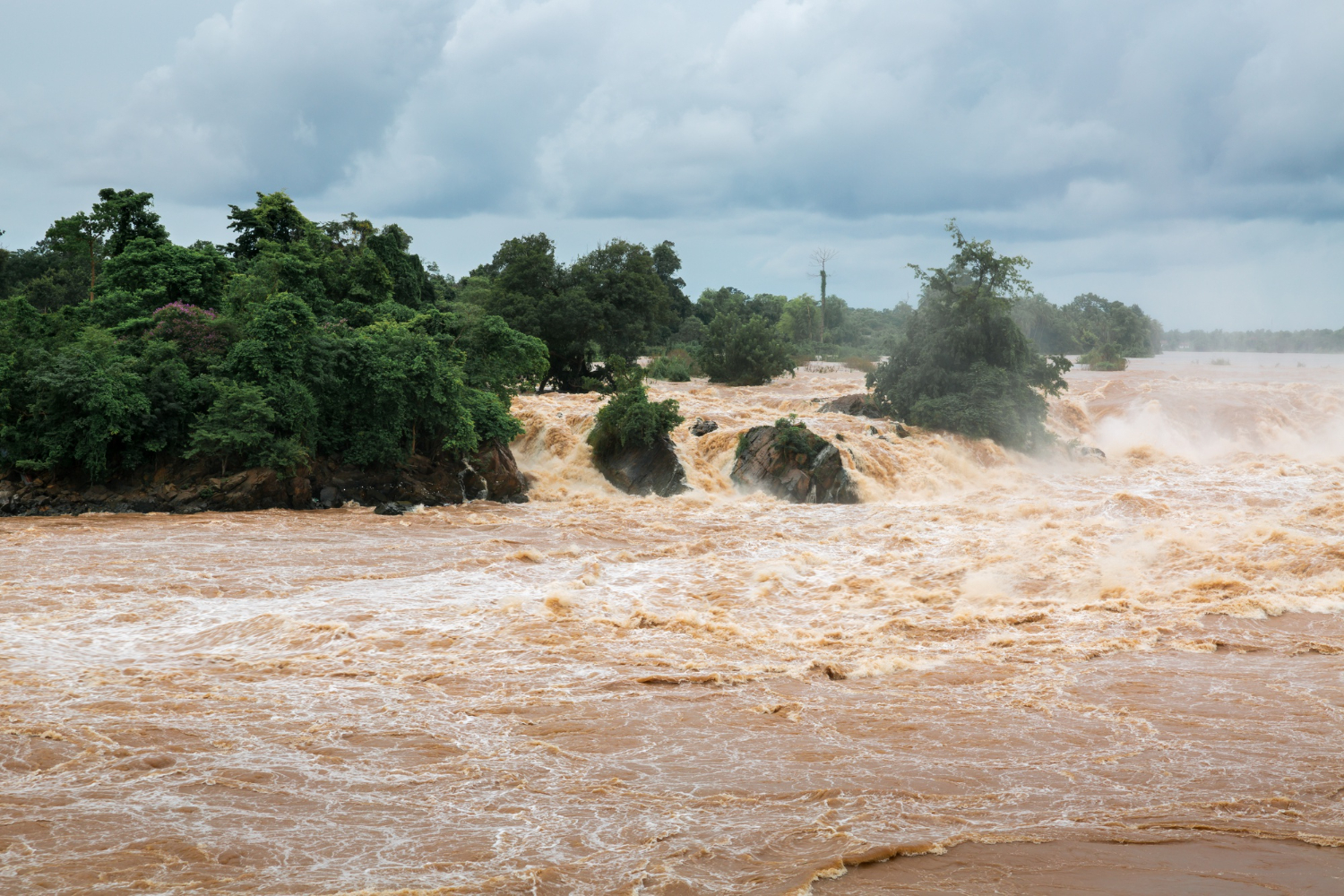
In 1972, after heavy storms, a major flood hit the abandoned town. Buildings already weakened by the 1963 landslide suffered additional structural damage. Walls that had stood for 500-1000 years began collapsing in serious numbers.
The 1972 flood eliminated any realistic possibility of rebuilding or repopulating the historic center. Even if the underlying landslide problem had been solved, the structures themselves were now too damaged to be safely reoccupied. The Italian government concluded that Craco could not be saved as a living town.
8: The 1980 Earthquake
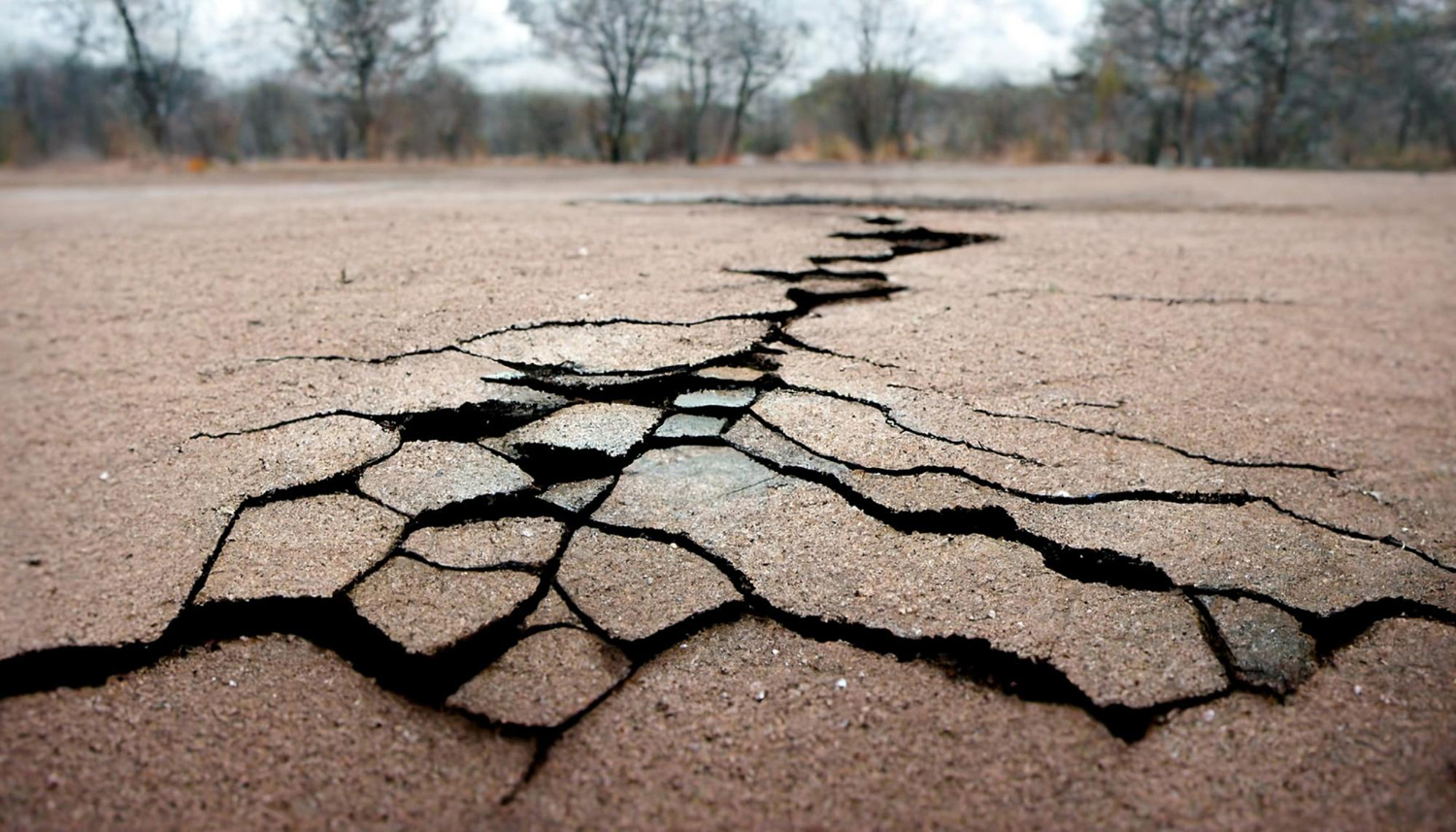
The final blow came on November 23, 1980. The magnitude 6.9 Irpinia earthquake — one of Italy’s most devastating 20th-century earthquakes — struck southern Italy. Nearly 3,000 people died across the region. Tens of thousands of buildings were damaged or destroyed.
Craco’s already-weakened structures suffered substantial additional damage. Walls collapsed. Roofs caved in. The Norman Tower, which had stood since 1040, sustained damage that further compromised the surrounding structures. After the earthquake, the ancient town site was completely abandoned. Even the small number of residents who had been visiting their old houses were ordered to stop.
9: A Town Frozen in Decay
Walking through Craco today is unsettling specifically because the town wasn’t gradually abandoned over decades — it was evacuated within months. Houses still contain furniture. Personal items remain in some buildings. The bakery’s ovens are intact. Religious objects remain in the churches. The town looks like its residents stepped out for the day and never returned.
Theft has been a persistent problem. Many ancient statues, frescoes, and artifacts have been stolen over the decades. Local authorities have closed the most vulnerable buildings to protect what remains. But Craco’s primary security has always been its physical instability — much of the town is genuinely too dangerous to enter.
10: The Movie Location

Craco’s dramatic visual character has made it a popular filming location. Mel Gibson’s “The Passion of the Christ” (2004) used Craco for the hanging of Judas scene. The James Bond film “Quantum of Solace” (2008) filmed there. Other productions include “King David,” “Saving Grace,” “The Nativity Story,” and various Italian films and music videos.
The film productions have provided some economic benefit to the surrounding area and have brought international attention to Craco. But they’ve also produced complicated relationships with preservation: filming creates wear and tear on already-fragile structures, and the town’s “ghost town” image has sometimes overshadowed its actual cultural and historical significance.
11: Visiting Craco Today
Craco can be visited as part of guided tours only — independent visitation is prohibited due to collapse risk. Tours start at the visitor center in Craco Peschiera at the foot of the ruins. Visitors wear hard hats and follow secured paths.
Tour costs run approximately €11 per person (€13 with museum admission). Tours are typically conducted in Italian, though some English-language options exist. Hours vary seasonally. The site is roughly an hour’s drive from Matera, two hours from Bari, with public transportation extremely limited — a rental car or arranged transfer is essentially required.
In 2010, Craco was added to the World Monuments Fund watch list, providing some international support for ongoing preservation. Six religious festivals are held in Craco each year between May and October, bringing the descendants of original residents back to the town for cultural events.
What Craco’s Story Actually Represents
Craco’s slow death is a specific kind of cautionary tale: a community that survived war, plague, famine, and emigration for over two millennia, then was destroyed within twenty years by well-intentioned modernization. The sewer pipes that triggered the landslides weren’t malice or neglect — they were progress. The town survived everything except the attempt to make it more livable. For visitors, walking through Craco’s empty streets means seeing a place where 2,800 years of continuous human habitation simply ended, leaving behind a near-perfect time capsule of a medieval Italian town that the descendants of its residents can now visit only as tourists.