Walk your kids to the gate without a ticket. Joke about bombs at the security line. Carry a 32-ounce water bottle through security. Leave your shoes on. Smoke at the airport bar. The pre-9/11 American airport experience was almost incomprehensibly different from 2026 — and almost every casual behavior that defined it would now produce serious legal consequences. Here are 10 specific things every American traveler routinely did at airports in 1995 that have since become arrestable offenses.
The American airport experience transformed completely after September 11, 2001. The TSA, established in November 2001, replaced previous airport security with a substantially more rigorous federal agency. Layered changes since then have eliminated essentially every casual behavior that defined the pre-9/11 airport. Travelers under 30 in 2026 have never experienced the casual airport culture their parents knew — and many would find it incomprehensible.
1. Walking your kids to the gate without a ticket
Throughout 1995, anyone could walk into an airport, pass through minimal security with their non-flying companions, and accompany travelers all the way to the boarding gate. Parents routinely walked young children to gates and waited until boarding. Couples said goodbye at the jetway. After 2001, gate access was restricted to ticketed passengers and authorized airport personnel only. Limited gate-pass programs exist in some airports for specific situations (unaccompanied minors, accessibility needs), but the casual walk-to-the-gate culture is gone. Modern goodbyes happen at security checkpoint entrances.
2. Joking about bombs at security
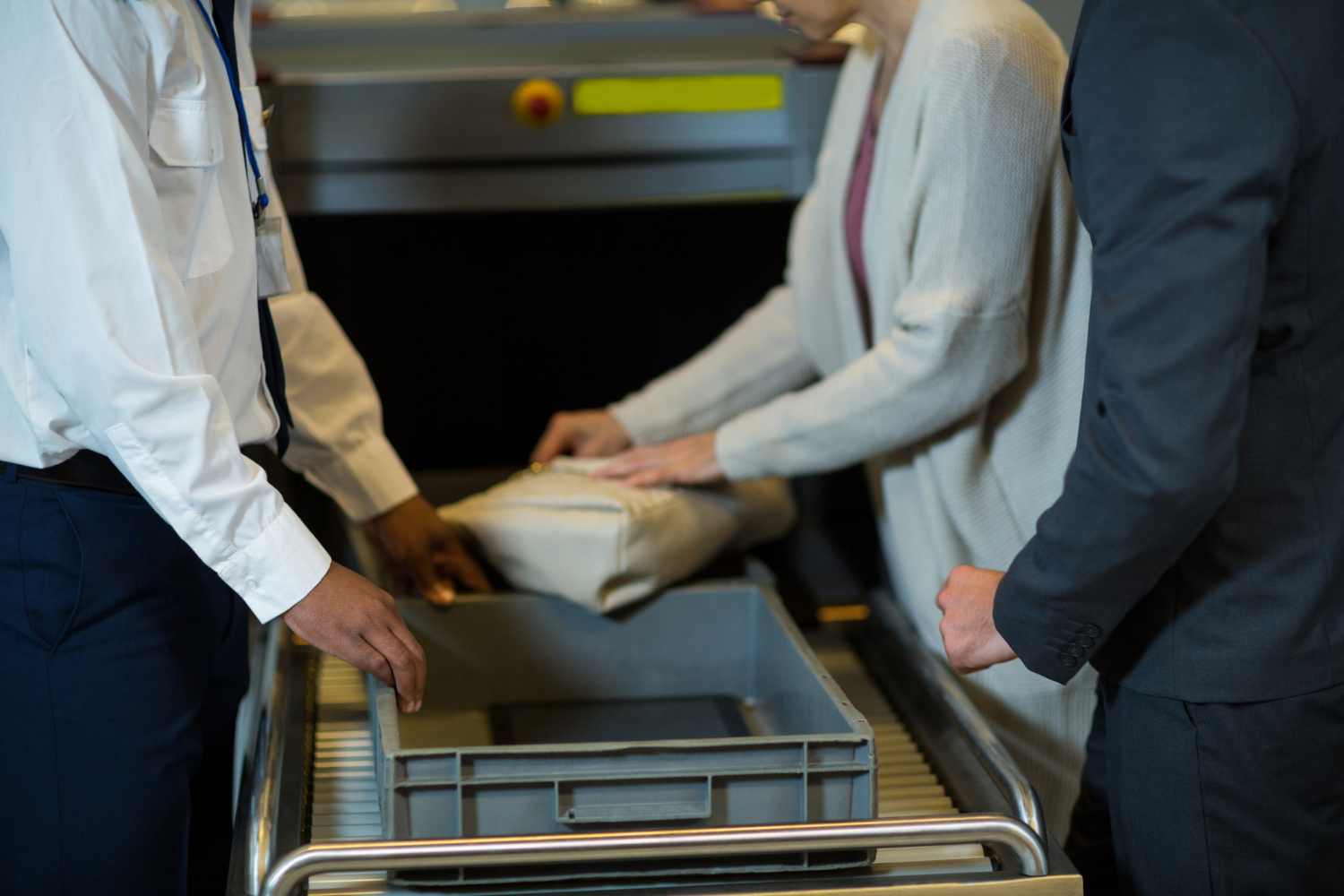
In 1995, casual jokes about bombs, hijacking, or other security threats were considered tasteless but not criminal. Airport security agents typically responded with eye-rolls rather than law enforcement. By 2026, any joke or statement implying threat — regardless of context — can result in immediate arrest, removal from the flight, addition to no-fly lists, and federal prosecution. The TSA explicitly warns travelers that “all comments are taken seriously.” Multiple Americans have faced felony charges for offhand bomb jokes since 2001. The casual humor that characterized pre-9/11 airport culture has been replaced by enforced verbal caution.
3. Carrying any size liquid through security
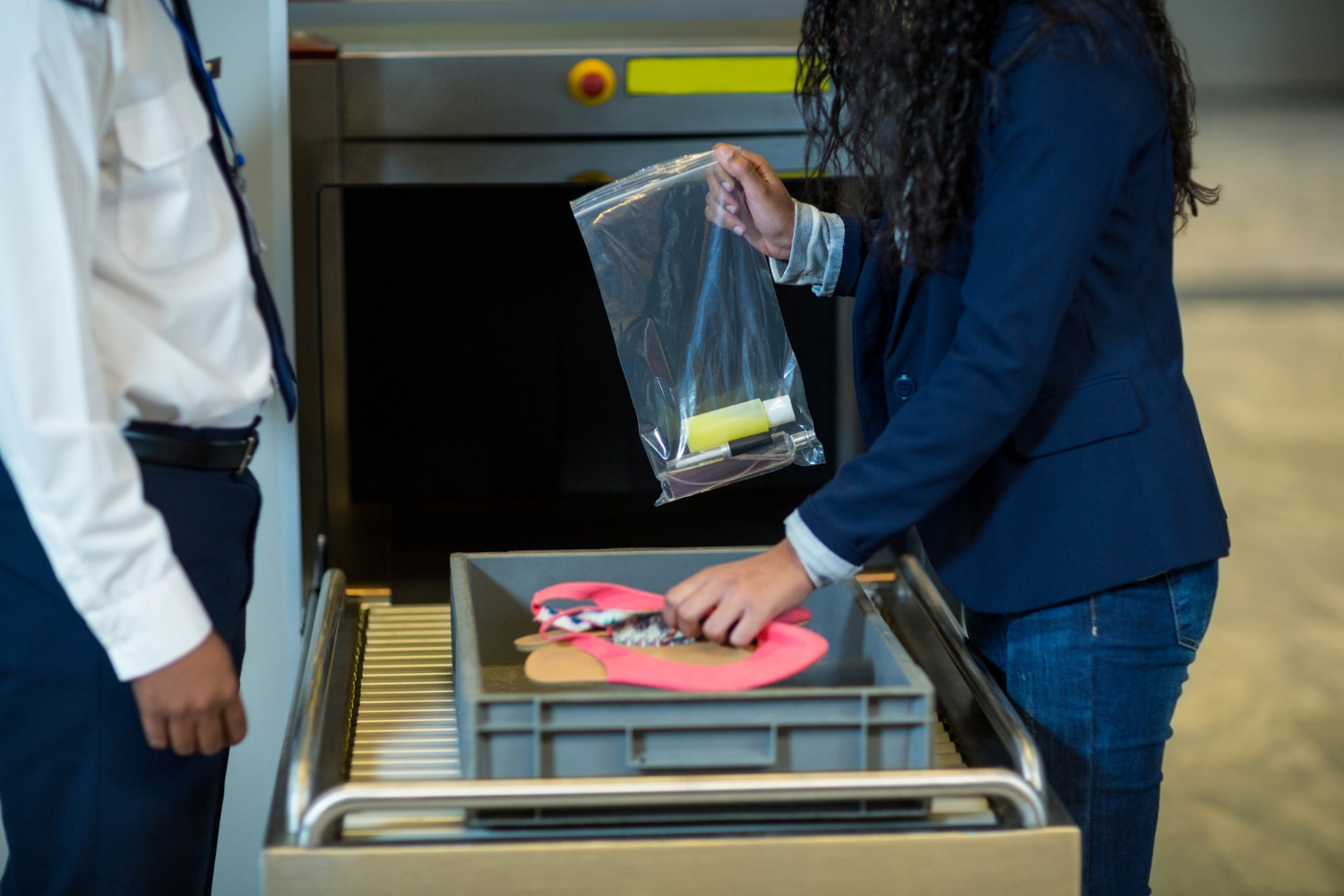
Throughout the 1990s, travelers carried water bottles, sodas, full toiletry kits, snow globes, and various other liquid items through airport security with no restrictions. The TSA’s 3-1-1 liquid policy (3.4-ounce containers in 1 quart-size bag, 1 bag per passenger) was implemented in 2006 after a foiled British liquid bomb plot. Today, attempting to carry through a full water bottle, a normal-sized shampoo, or any liquid container exceeding 3.4 ounces results in confiscation. Repeated violations can produce TSA fines and Pre-Check rejection. The casual airport hydration that 1990s travelers practiced is impossible now.
4. Keeping your shoes on through security
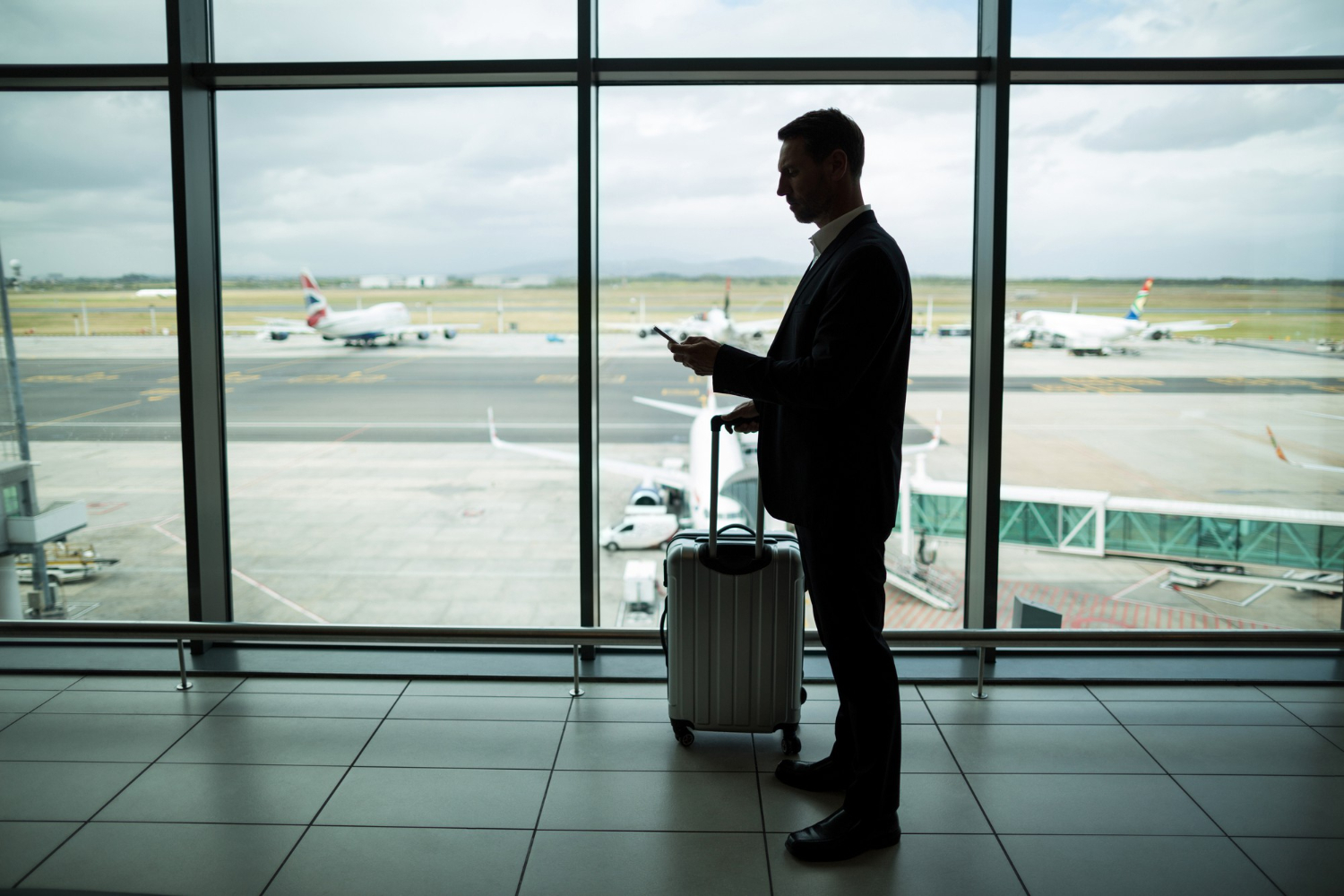
Shoe removal wasn’t required at American airport security through 2001. After “Shoe Bomber” Richard Reid attempted to detonate explosives in his shoes on American Airlines Flight 63 in December 2001, the TSA implemented mandatory shoe removal for all adult passengers. The policy has produced substantial passenger inconvenience and is widely cited as one of the most disliked TSA requirements. TSA Pre-Check program (launched 2013) eliminates shoe removal for screened travelers, but the standard line still requires it. The casual walk-through-security with shoes on that 1995 travelers experienced is essentially gone.
5. Smoking inside the airport
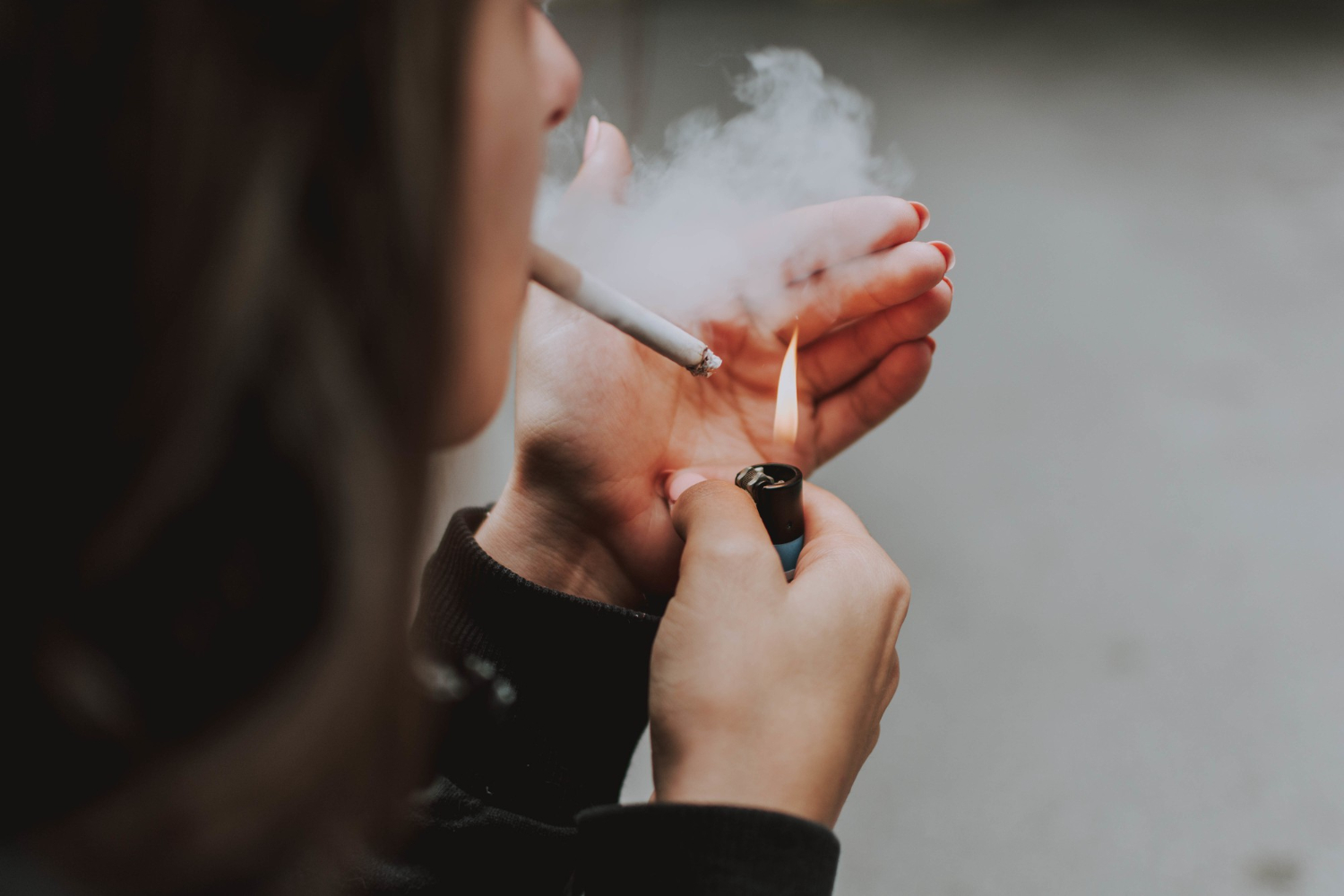
Throughout the 1990s, virtually all American airports allowed smoking in designated areas — typically airport bars, restaurants, and dedicated smoking lounges within terminals. Many airports had ashtrays at every gate. Smoking in airports has been progressively restricted since 1990, with most major airports now completely smoke-free or limiting smoking to specific outdoor areas far from terminal entrances. By 2026, attempting to smoke inside any major American airport produces immediate security response and potential fines. Several airports have replaced smoking lounges with indoor recreational spaces (yoga rooms, art exhibits, pet relief areas).
6. Bringing pocket knives, scissors, or tools
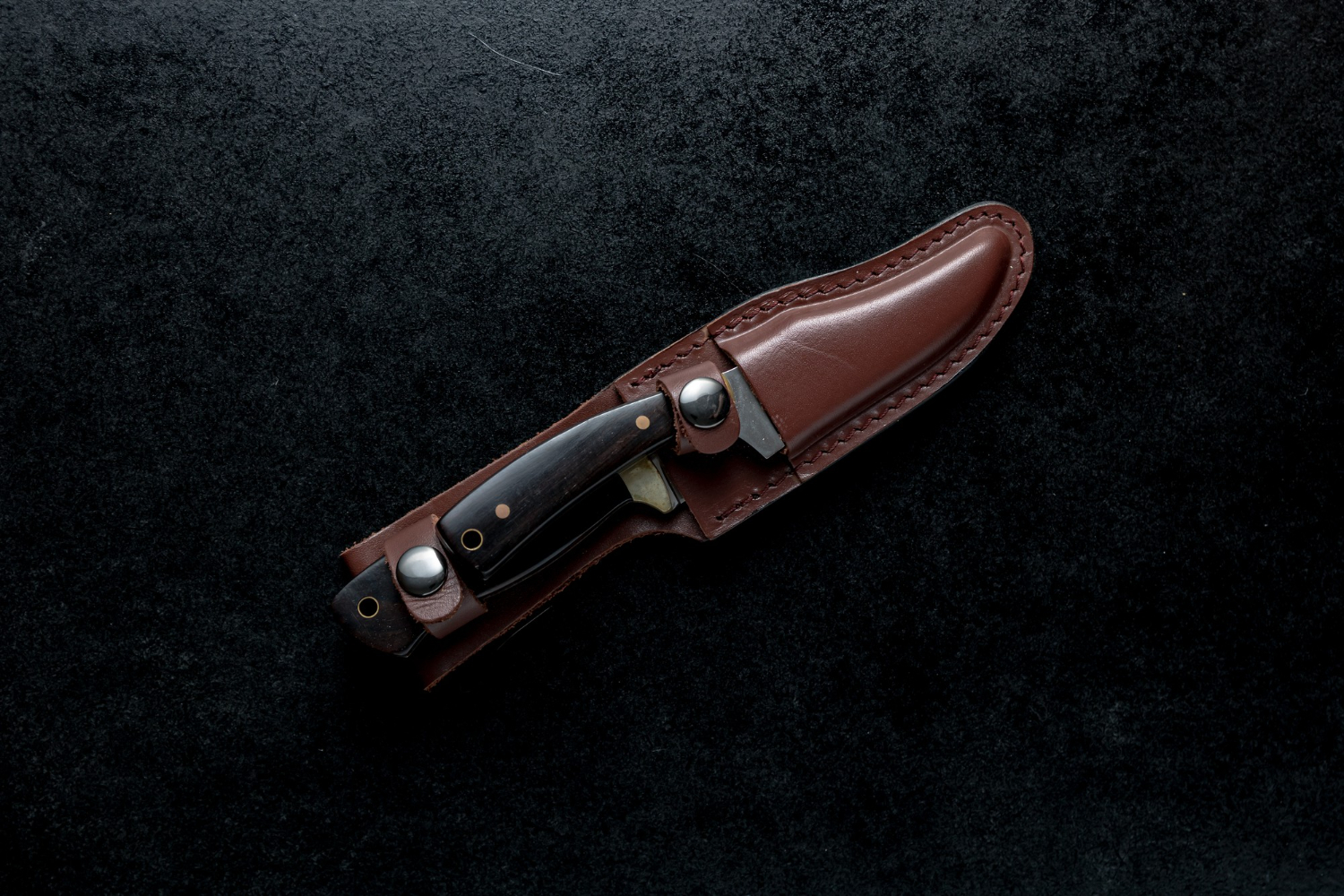
Pre-2001 airport security routinely permitted small pocket knives (under specific blade lengths), scissors, screwdrivers, and various other tools in carry-on luggage. Many travelers carried multitools, Swiss Army knives, or work tools without thinking about it. Post-9/11 TSA rules prohibit virtually all blades exceeding 4 inches, and most pocket knives, scissors over a certain length, and various tools regardless of length. Confiscation rates for these items remain high — TSA collects approximately 6,000+ knives annually nationwide. The casual carrying of basic tools that defined 1990s travel is no longer possible.
7. Showing up 20 minutes before your flight
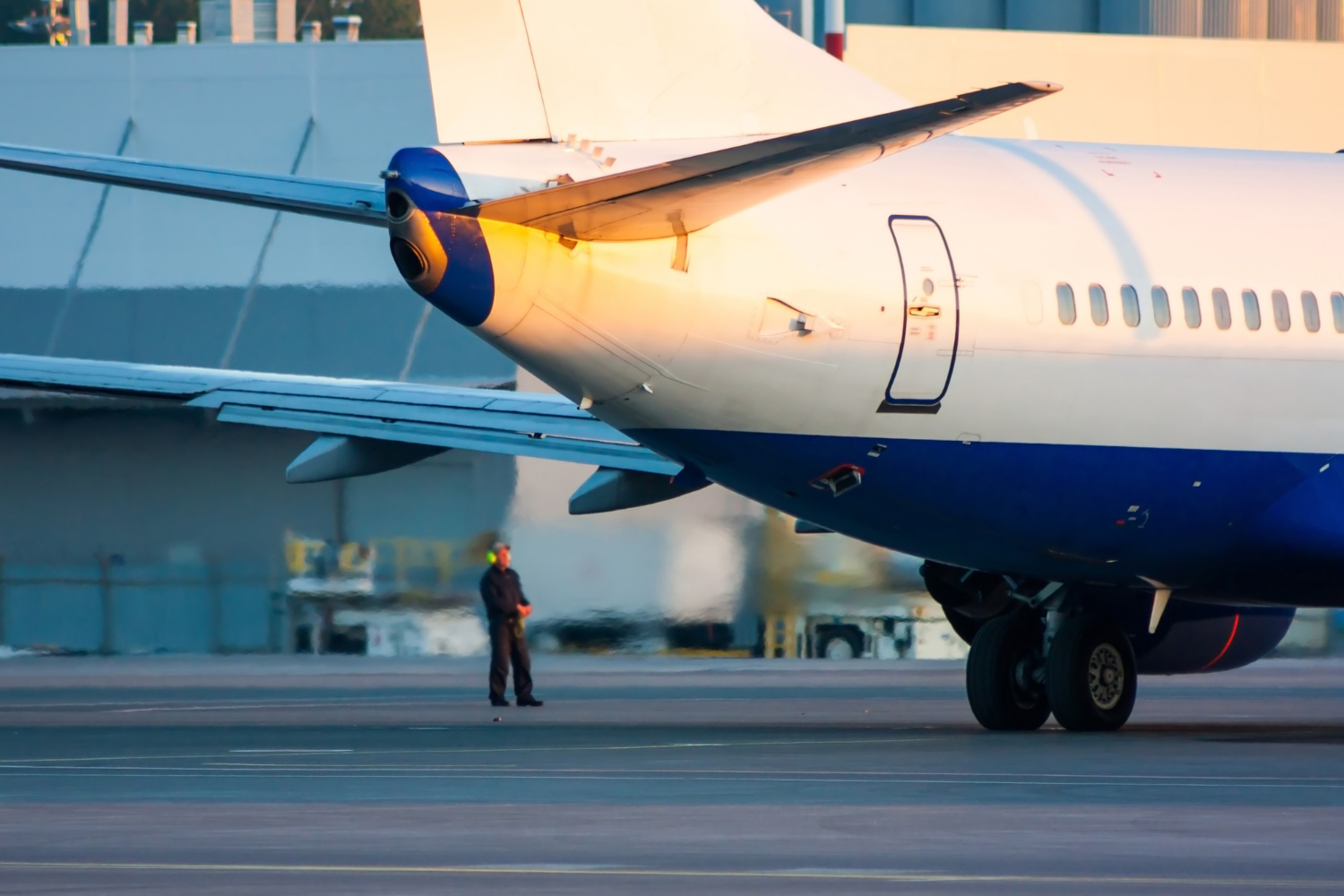
Throughout the 1990s, experienced American travelers routinely arrived at airports 30-45 minutes before domestic flight departures. Security lines were typically short. Counter check-in was rapid. Walking to the gate took 10-15 minutes. By 2026, TSA recommends arriving 2 hours before domestic flights and 3 hours before international flights. Security lines can take 30-90 minutes during peak periods. The casual late arrival that defined 1990s travel routinely produces missed flights now. Arrival time changes alone represent hundreds of millions of hours annually of additional traveler time spent at airports compared to 1995.
8. Keeping your laptop and electronics in your bag

Pre-2001 security let laptops stay in bags during X-ray screening. Tablets, e-readers, and other electronics weren’t separated. The streamlined screening process took minutes. The TSA has progressively required electronics removal since 2002, with specific rules about laptop placement, tablet handling, and various other electronic equipment. TSA Pre-Check eliminates these requirements for screened travelers, but standard lines still require laptop removal. The seamless single-bag screening that 1990s travelers experienced has been replaced by extensive unpacking and repacking at every security checkpoint.
9. Buying duty-free without restrictions
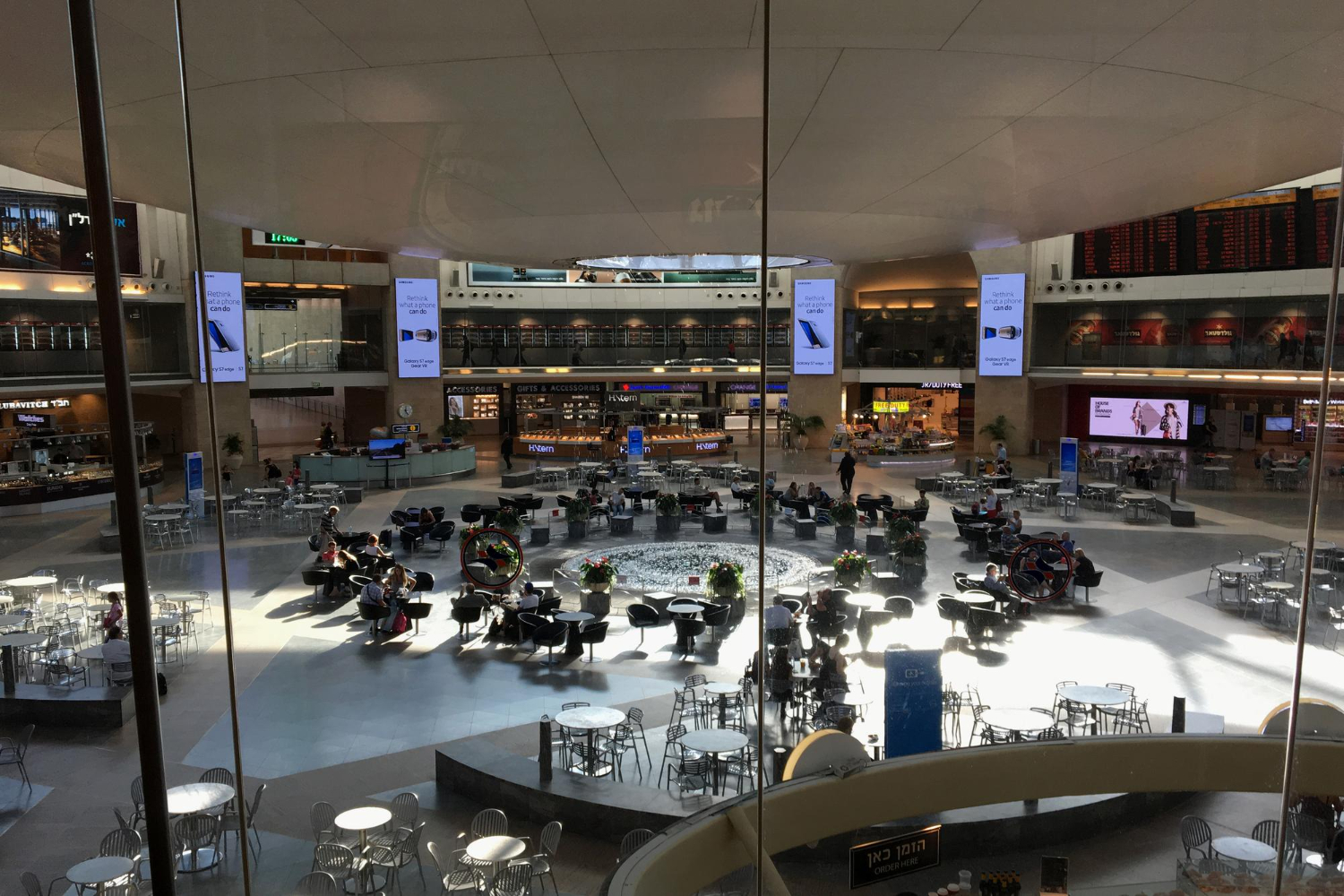
Pre-2001 international travelers could buy duty-free liquor, perfume, and other liquid products at the originating airport and carry them on board with no restrictions. Connecting flights through other countries posed no liquid issues. After the 2006 liquid restrictions, duty-free liquids became substantially more complicated. International connecting flights through certain airports require duty-free items to be in tamper-evident bags with original purchase receipts. Some routes prohibit any duty-free liquids on connecting flights. The casual duty-free shopping that 1990s international travelers enjoyed has been replaced by complex liquid transit rules that vary by route.
10. Sleeping or hanging out in airports between flights without restriction
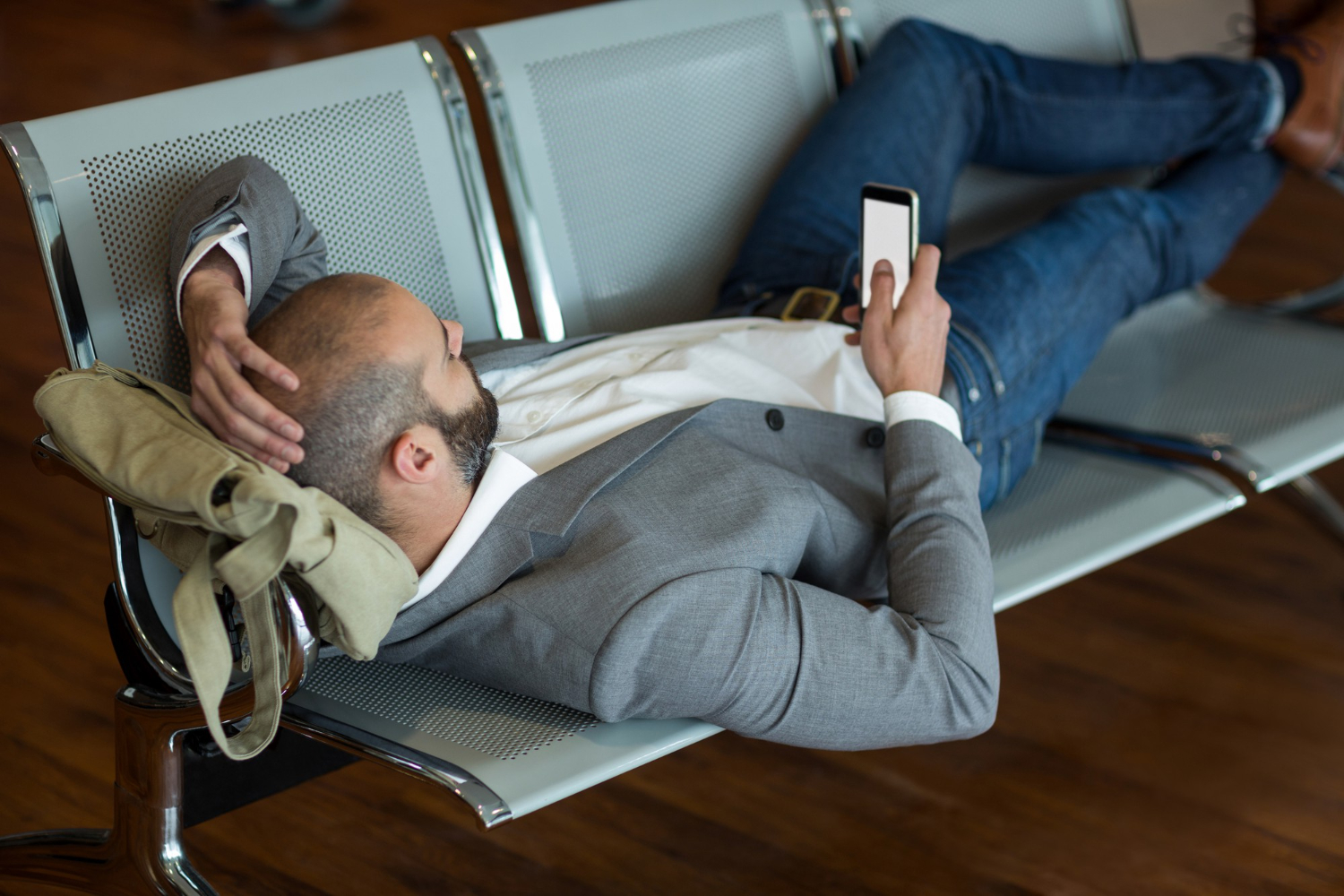
Pre-2001 airports routinely allowed travelers to enter, hang out for hours, sleep on benches, or use airport facilities even without immediate flight tickets. Many travelers used airports as inexpensive overnight accommodation between flights. Post-2001 airports have substantially restricted non-passenger access. Most American airports now limit terminal access to ticketed passengers only, with some allowing limited “meet-and-greet” times. Travelers between flights are typically restricted to airside terminals only. The casual use of airports as general public spaces — common in 1995 — has been substantially eliminated by post-9/11 security architecture.
What This Transformation Actually Reveals
The post-9/11 airport security regime produced specific trade-offs that are still being debated in 2026. Aviation deaths from terrorism have remained low since 2001 — though attribution to specific TSA policies versus broader counter-terrorism work is contested. The cumulative cost in passenger time, reduced commercial aviation efficiency, and lost casual airport culture has been substantial. Whether the trade has been worthwhile depends on how you weight the various factors. What’s clear: an entire generation of American travelers has now grown up never experiencing what airports were like before September 11, 2001. The 1990s airport described above isn’t returning. The casual culture that defined it exists now only in memory.