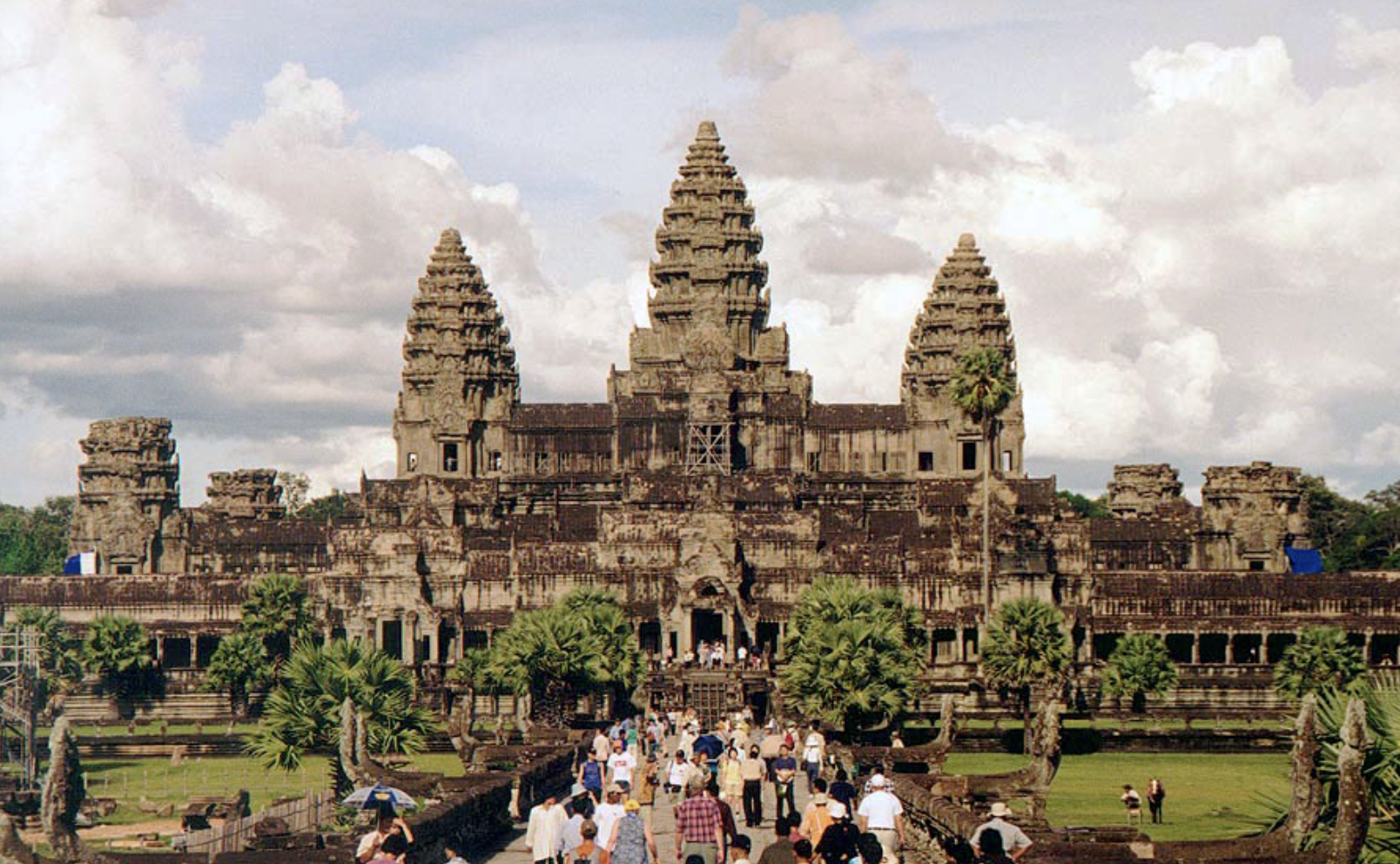
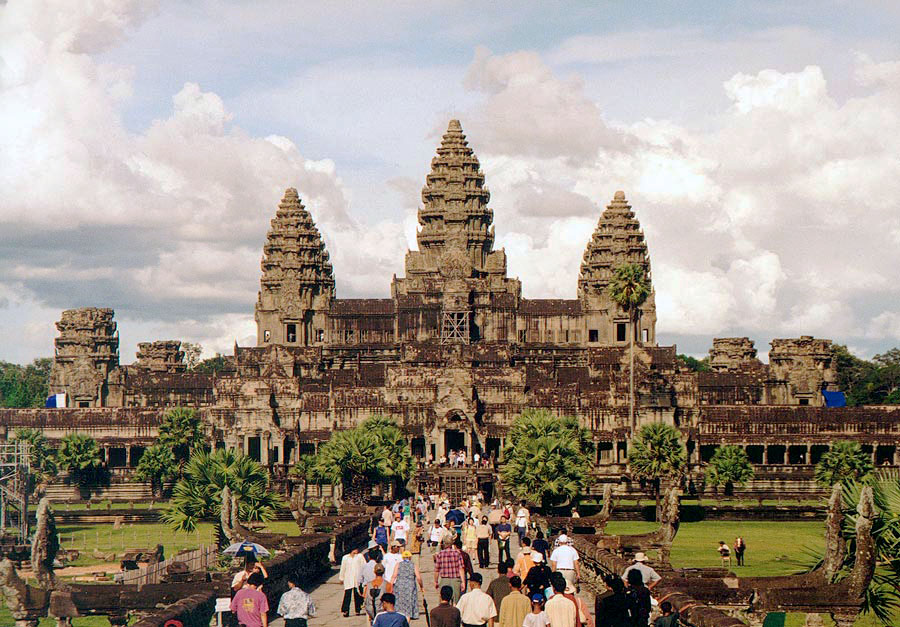
Almost every Western account of Angkor Wat begins the same way: French explorer Henri Mouhot stumbled through the Cambodian jungle in 1860 and “discovered” the lost city of Angkor, a magnificent temple complex abandoned and forgotten for centuries. The story has been told for 165 years. It’s almost entirely false. Angkor was never lost. Local Khmer people had been living in and worshipping at the temples continuously. Multiple Europeans had visited and written about Angkor for nearly 300 years before Mouhot. Here’s the actual history — and how the “lost city” myth came to dominate one of the world’s most-visited tourist destinations.
1: A Civilization That Built Angkor
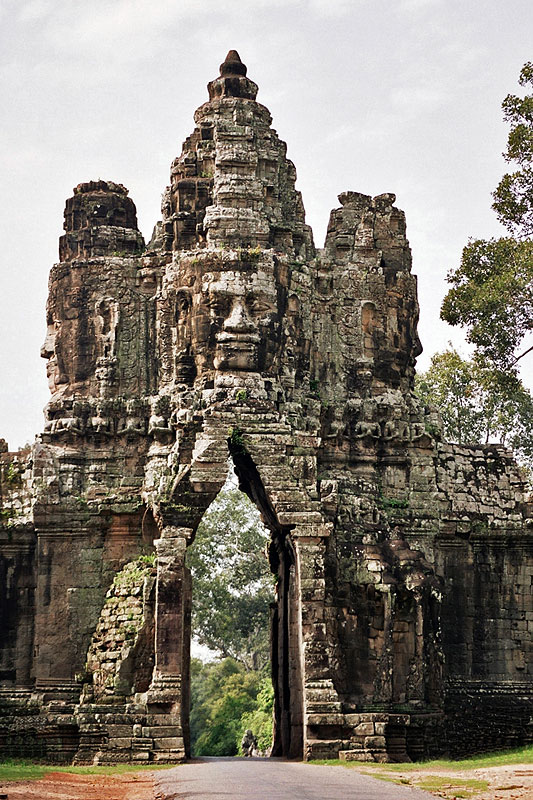
The Khmer Empire built the Angkor temple complex between approximately 802 and 1431 CE. At its peak, the city of Angkor was likely the largest pre-industrial city in the world, with an estimated population of 750,000-1 million people in the late 12th century. The complex covers more than 400 square kilometers and contains hundreds of temples, palaces, reservoirs, and other structures.
Angkor Wat itself, the largest religious monument in the world by area, was built by King Suryavarman II in the early 12th century. The temple originally honored the Hindu god Vishnu before being converted to Buddhist use in the late 12th century. The Khmer Empire’s engineering and artistic achievements were genuinely extraordinary — comparable to anything produced in Europe during the same period.
2: The Empire’s Decline
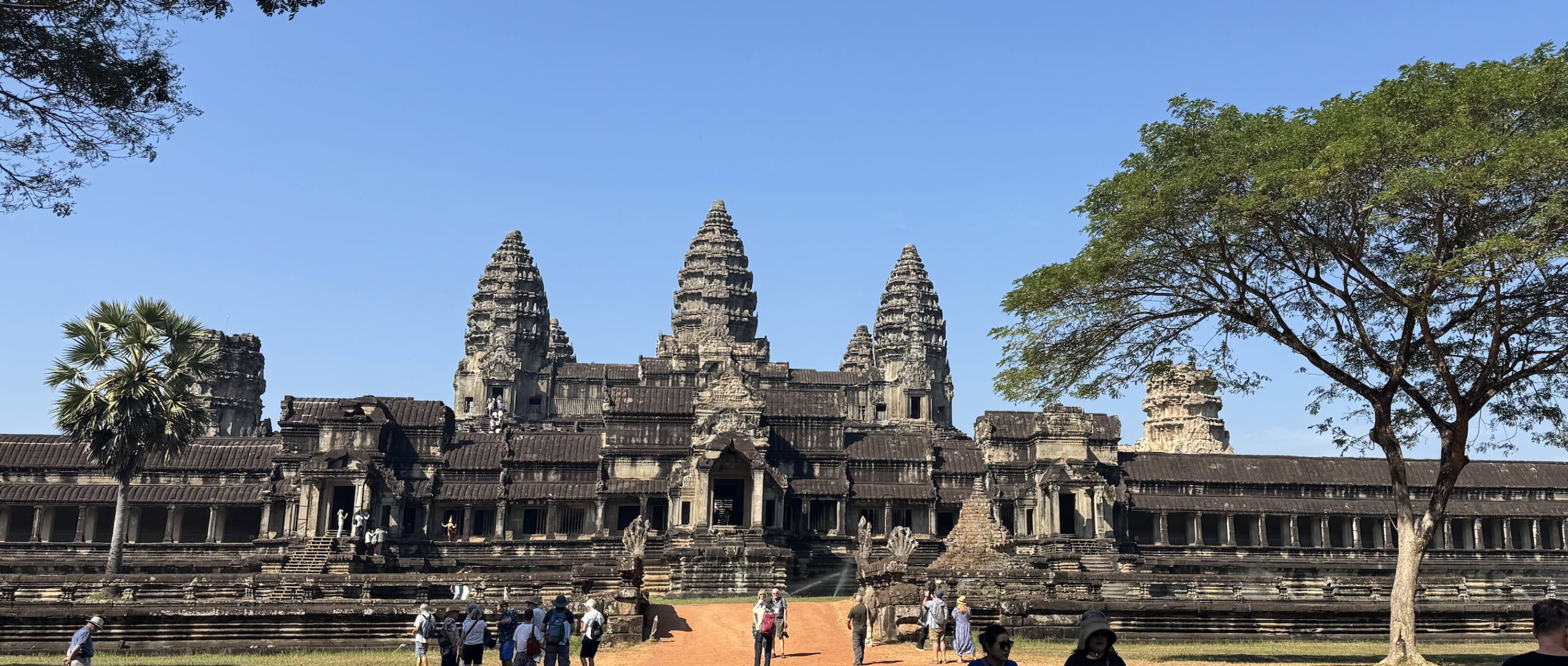
The Khmer Empire declined gradually starting in the 13th century. Multiple factors contributed: Thai (Siamese) invasions, environmental pressures on the elaborate water management systems, religious changes (the shift from Hinduism to Theravada Buddhism), and broader regional instability. In 1431, after a successful Thai siege, the Khmer royal capital was moved south from Angkor to Phnom Penh.
But “moving the capital” didn’t mean abandoning Angkor. Many people continued to live in the area. The temples remained important religious sites. Angkor Wat itself was actively maintained as a Buddhist temple. Khmer pilgrims continued to visit. Local farmers continued to work the surrounding fields. The infrastructure of empire faded; the cultural and religious significance of the temples did not.
3: The 16th Century European Visits
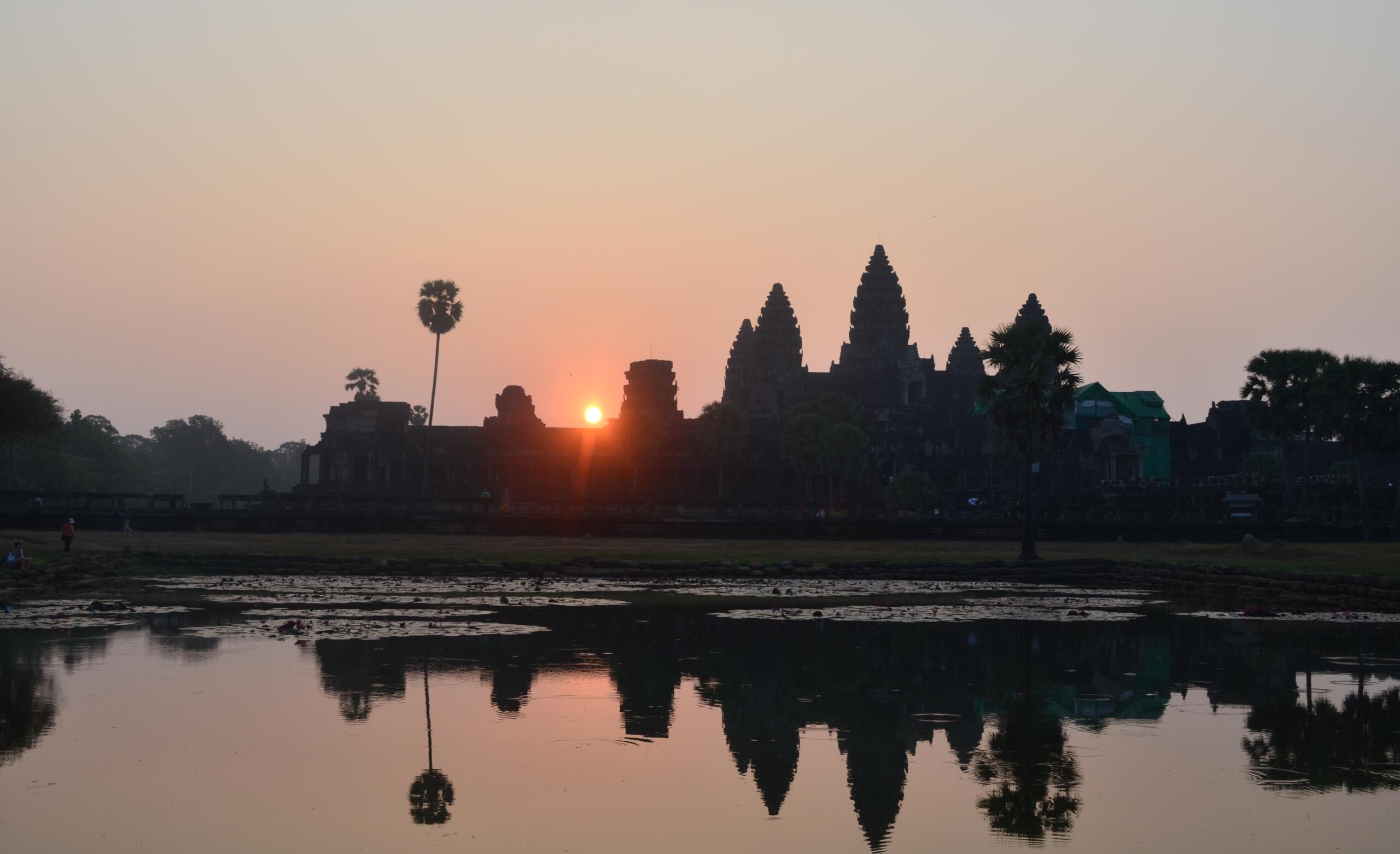
The first Europeans to write about Angkor were Portuguese visitors in the late 16th century. In 1586, Portuguese Capuchin friar António da Madalena visited Angkor Wat and produced what may have been the first European description. His account was published with assistance from Portuguese chronicler Diogo do Couto. The account described Angkor in considerable detail, including specific architectural features and cultural information.
In 1601, Bartolomé de Argensola wrote about his visit, describing Angkor as being in some disrepair due to ongoing wars. Throughout the 1600s, numerous Spanish and Portuguese missionaries visited Angkor and produced written accounts. In 1668, Father Chevreuil described Angkor Wat as “a temple renowned amongst the people of Southeast Asia.” None of these visitors were “discovering” anything. They were visiting an active, populated, well-known religious site.
4: The Khmer Knew Where Their Temples Were
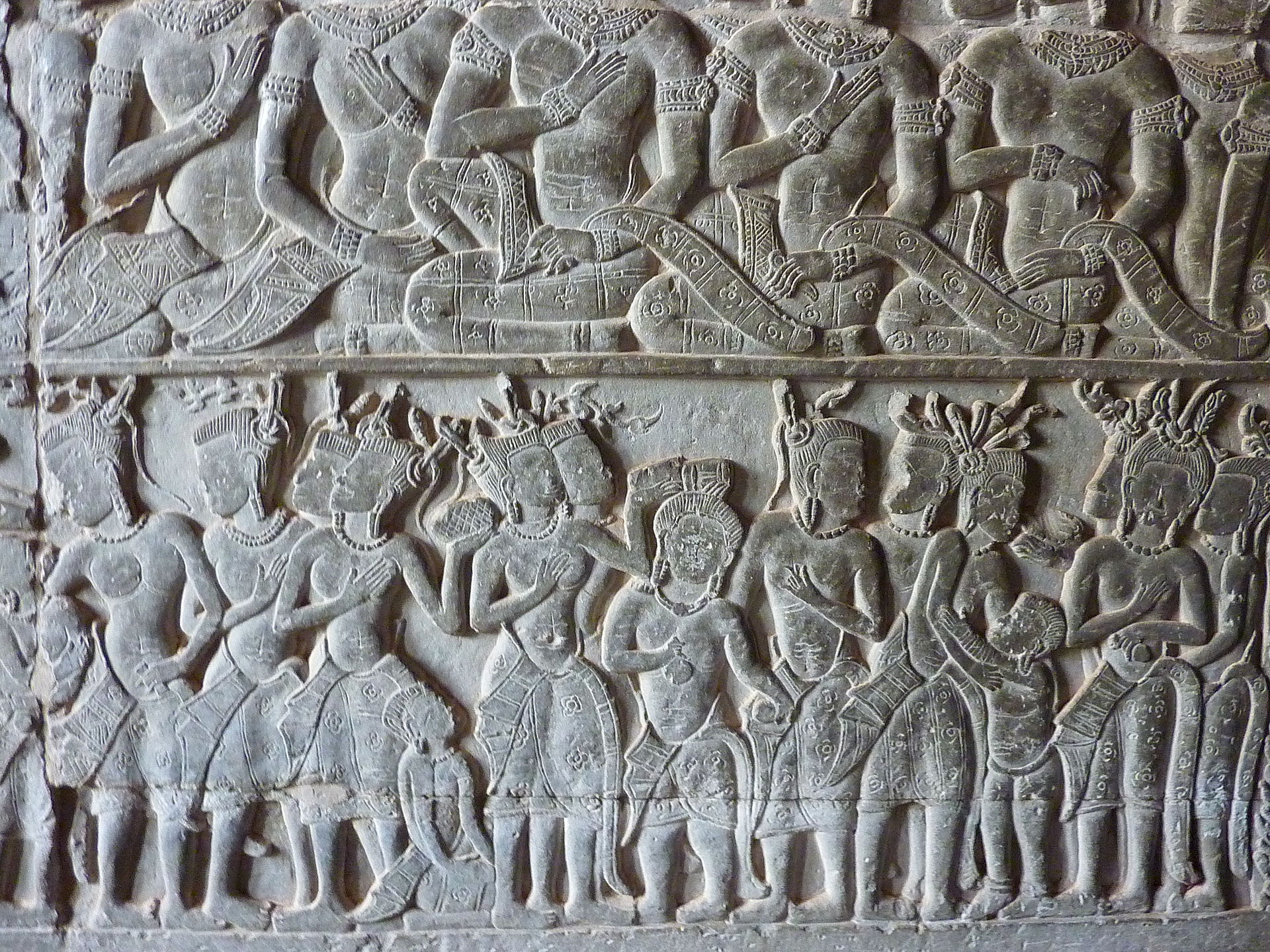
The most important fact about “lost” Angkor is genuinely simple: local Khmer people always knew exactly where Angkor was. They lived there. They worshipped there. They told visitors how to reach it. They maintained Buddhist religious practices at the temples throughout the entire period when European narratives later claimed the site was “lost.”
Cambodian historical chronicles continuously referenced Angkor throughout the 15th-19th centuries. Royal pilgrimages occurred. Religious festivals continued. The local memory of Angkor’s history was preserved through oral tradition, religious practice, and continued physical presence. The “lost city” framing has been repeatedly debunked by modern Cambodian historians and archaeologists. It was never actually lost — only “lost” to European awareness.
5: Henri Mouhot Arrives (1860)
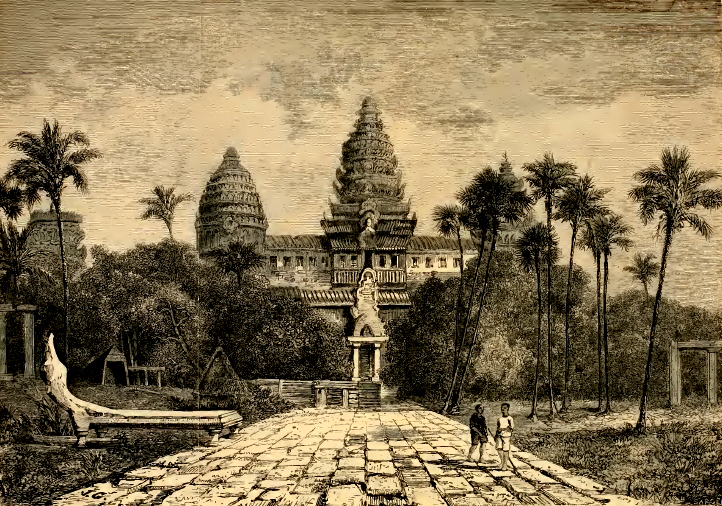
Henri Mouhot was a French naturalist who specialized in collecting biological specimens for European museums. Born in Montbéliard, France in 1826, he had no particular expertise in archaeology, architecture, or Southeast Asian history. His Cambodian journey was primarily a biological collection trip funded by the Royal Geographical Society in London.
In January 1860, Mouhot reached Angkor — guided by local Khmer who knew exactly where the temples were. He spent approximately three weeks at Angkor Wat, sketching the temple, recording observations, and collecting biological specimens. He noted that the temple was being actively maintained as a Buddhist religious site. He was deeply impressed by what he saw and wrote enthusiastic descriptions in his journal. None of this constituted “discovery” of anything genuinely lost.
6: The Death That Made the Myth Possible
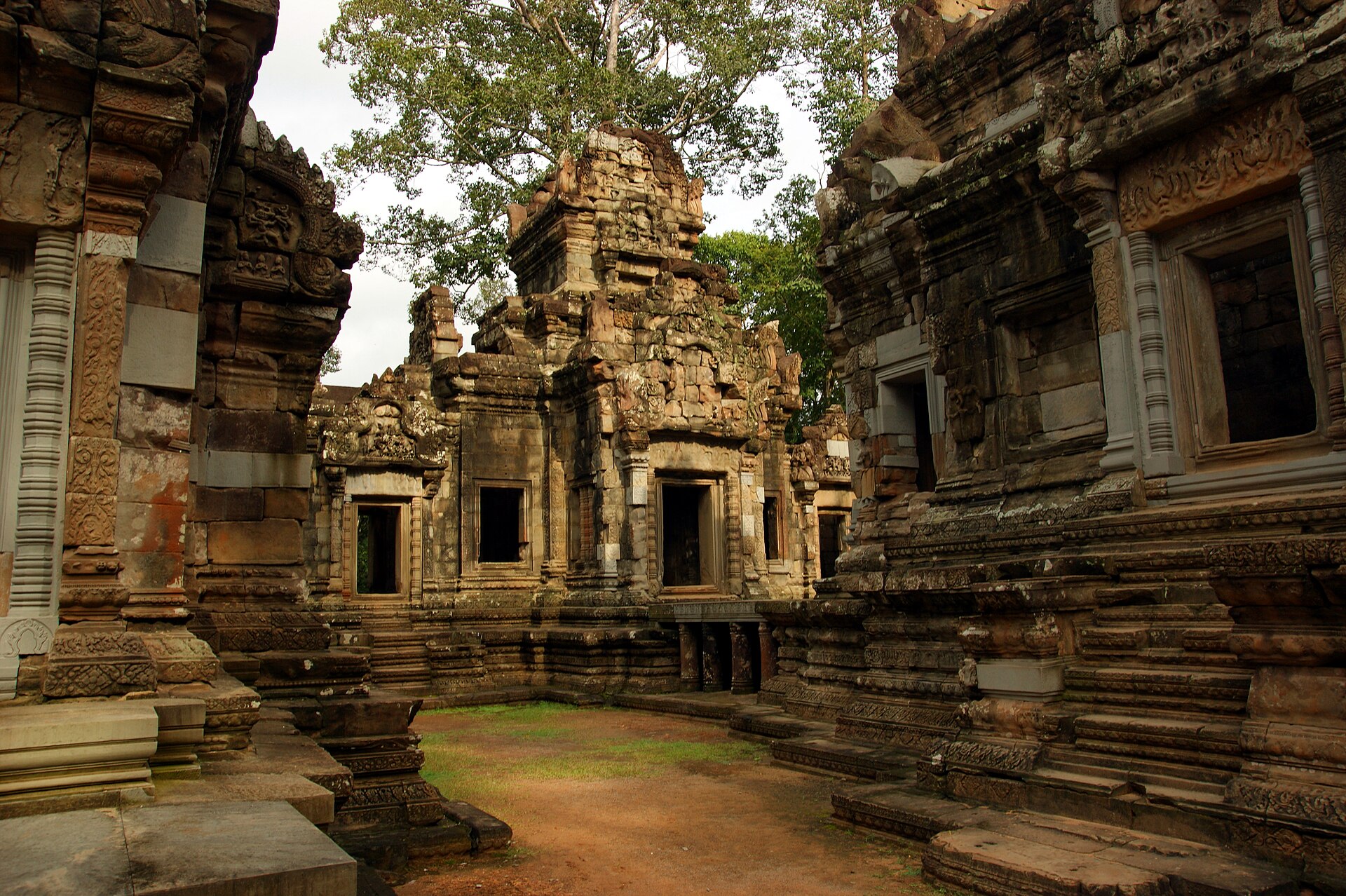
Mouhot continued his travels after Angkor, eventually reaching Laos. In 1861, he died from malaria near Luang Prabang at age 35. His diaries and notes were preserved by his Lao servants and eventually returned to Europe.
His brother Charles edited the diaries into a book, “Voyage dans les royaumes de Siam, de Cambodge et de Laos” (English title: “Travels in the Central Parts of Indo-China”), published in 1863-1864. The book combined Mouhot’s actual observations with romantic framing that emphasized the supposed mystery of Angkor. Charles Mouhot’s editorial decisions, more than Henri Mouhot’s actual writing, established the “lost city” narrative that would dominate Western perceptions of Angkor for the next 165 years.
7: The European Imagination
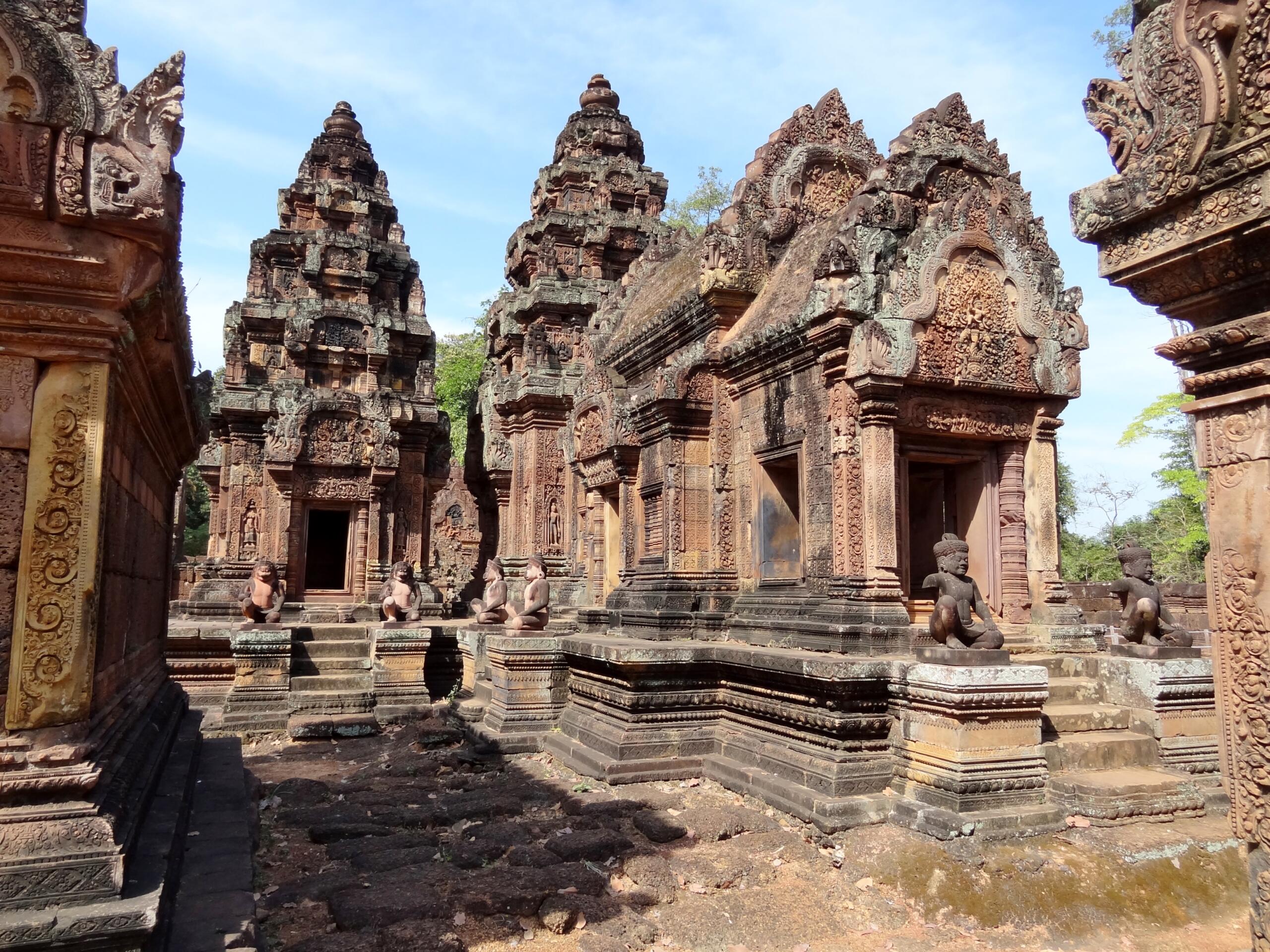
The 1864 publication of Mouhot’s journals captured European imagination at a specific cultural moment. European colonial expansion in Southeast Asia was accelerating. Romantic fascination with “exotic” civilizations was widespread. The notion of Europeans “discovering” sophisticated ancient civilizations supposedly forgotten by their own descendants fit colonial ideological frameworks well.
Mouhot’s beautifully illustrated descriptions of vine-encrusted temples populated only by tigers and birds (Khmer worshippers and pilgrims were largely absent from the published images and text) created a specific aesthetic that became enormously popular. European readers wanted to believe in lost civilizations awaiting their rediscovery. The narrative provided romantic justification for colonial expansion. The actual local history was substantially erased from European awareness.
8: The French Colonial Period
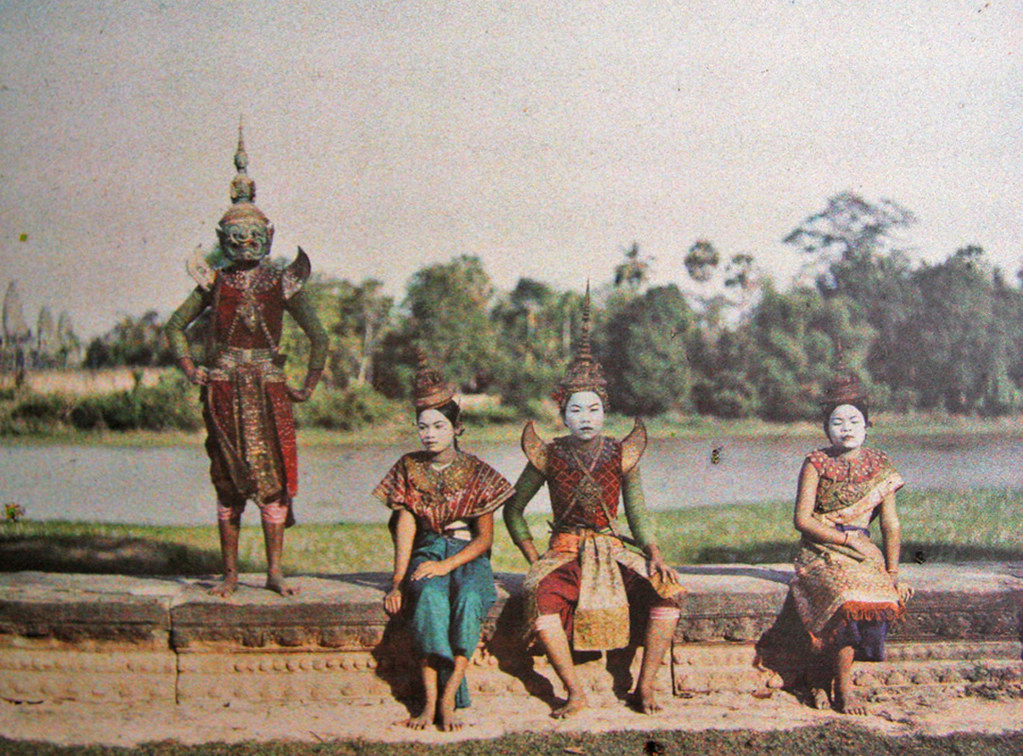
France established the Cambodian Protectorate in 1863, partly motivated by the European fascination with Angkor that Mouhot’s writings had stimulated. Throughout the late 19th and early 20th centuries, French archaeologists conducted extensive work at Angkor — clearing vegetation, restoring structures, documenting inscriptions, and conducting various scientific studies.
The French archaeological work was genuinely valuable in many respects. Significant restoration occurred. Important historical research was conducted. But the work was also conducted within a framework that systematically marginalized Khmer perspectives, knowledge, and continuity. The “École française d’Extrême-Orient” produced extensive scholarship that often presented French researchers as the rescuers of Khmer heritage from Khmer indifference — a framing that subsequent scholarship has largely rejected.
9: The Modern Reframing
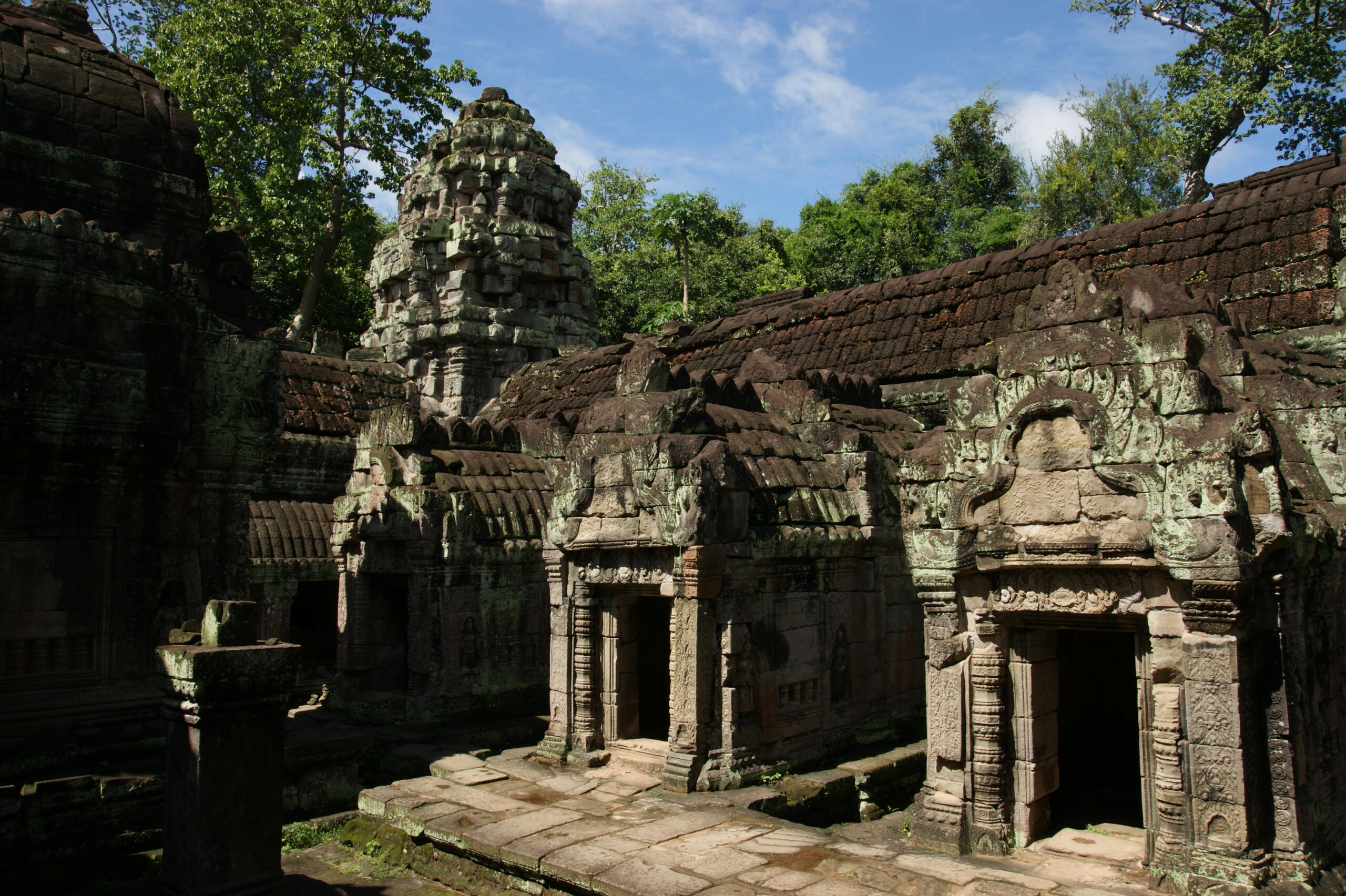
Modern Cambodian and international historians have substantially dismantled the “lost city” narrative. Scholars including David Chandler, Penny Edwards, Michael Falser, and various Cambodian historians have documented the continuity of Khmer cultural memory and religious practice at Angkor throughout the period when European narratives claimed it was “lost.”
The reframing matters specifically because narratives about historical sites shape modern attitudes. The “lost city” framing positions Cambodia as a country that needed Western intervention to recognize its own heritage. The actual history positions Cambodia as a country with continuous cultural memory that European narratives temporarily obscured. The modern Cambodian government and tourism industry have substantially adopted the more accurate historical framing while still acknowledging Mouhot’s role in drawing Western attention to the site.
10: The Khmer Rouge Period (1975-1979)
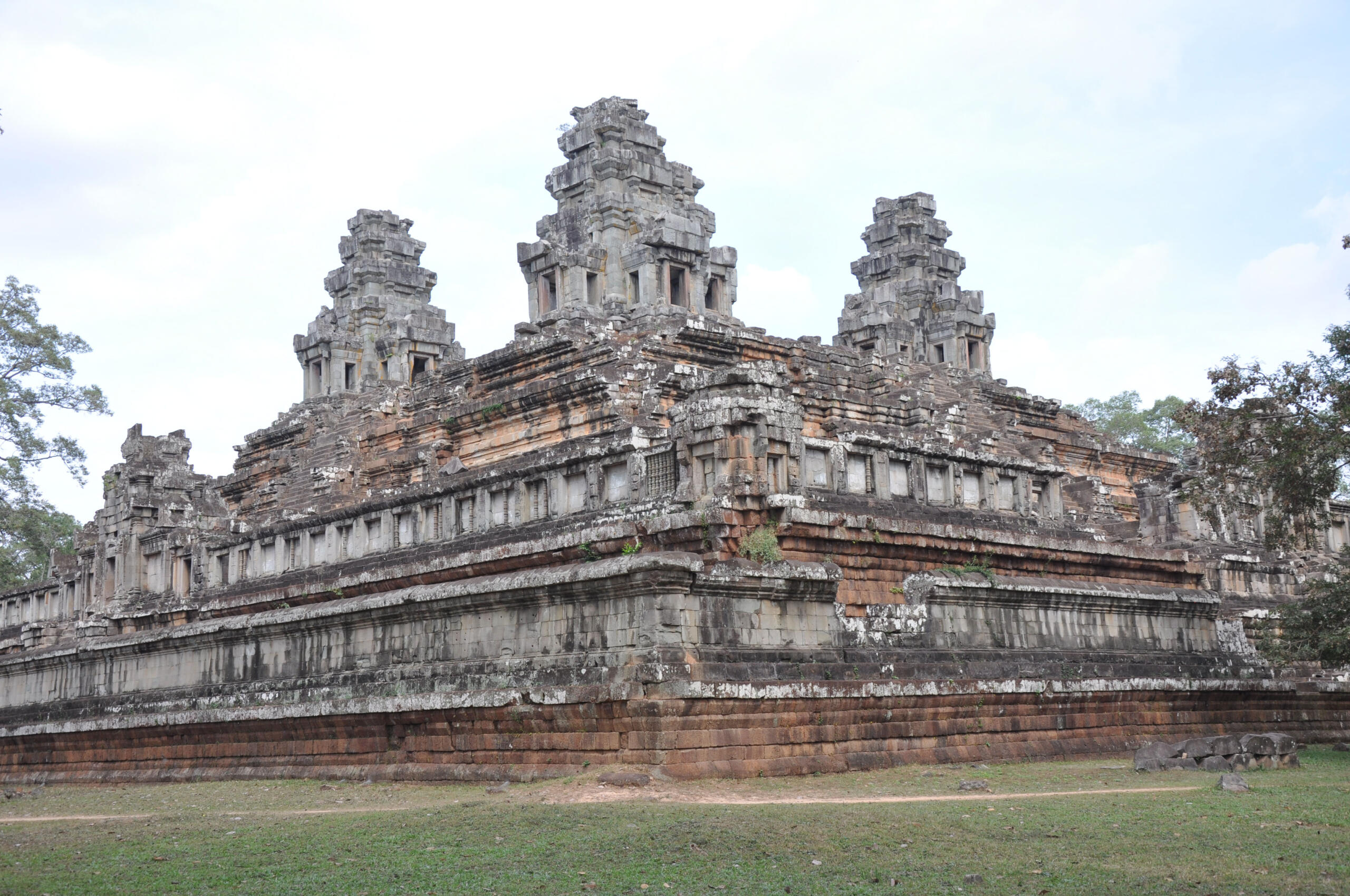
The Khmer Rouge period produced genuine devastation at Angkor in ways that the supposed “lost” period never had. The regime damaged structures, destroyed historical records, killed scholars, and largely halted preservation work. Looting occurred extensively. Land mines were planted in some areas of the complex.
After 1979, recovery work began but proceeded slowly due to ongoing instability, continuing mine danger, and limited resources. UNESCO designated Angkor as a World Heritage Site in 1992, providing international support for restoration. The 1990s and 2000s saw substantial recovery work conducted by Cambodian, French, Japanese, German, Indian, and various other international teams. Modern Angkor’s preservation reflects post-Khmer Rouge restoration far more than 19th-century French work.
11: Modern Angkor
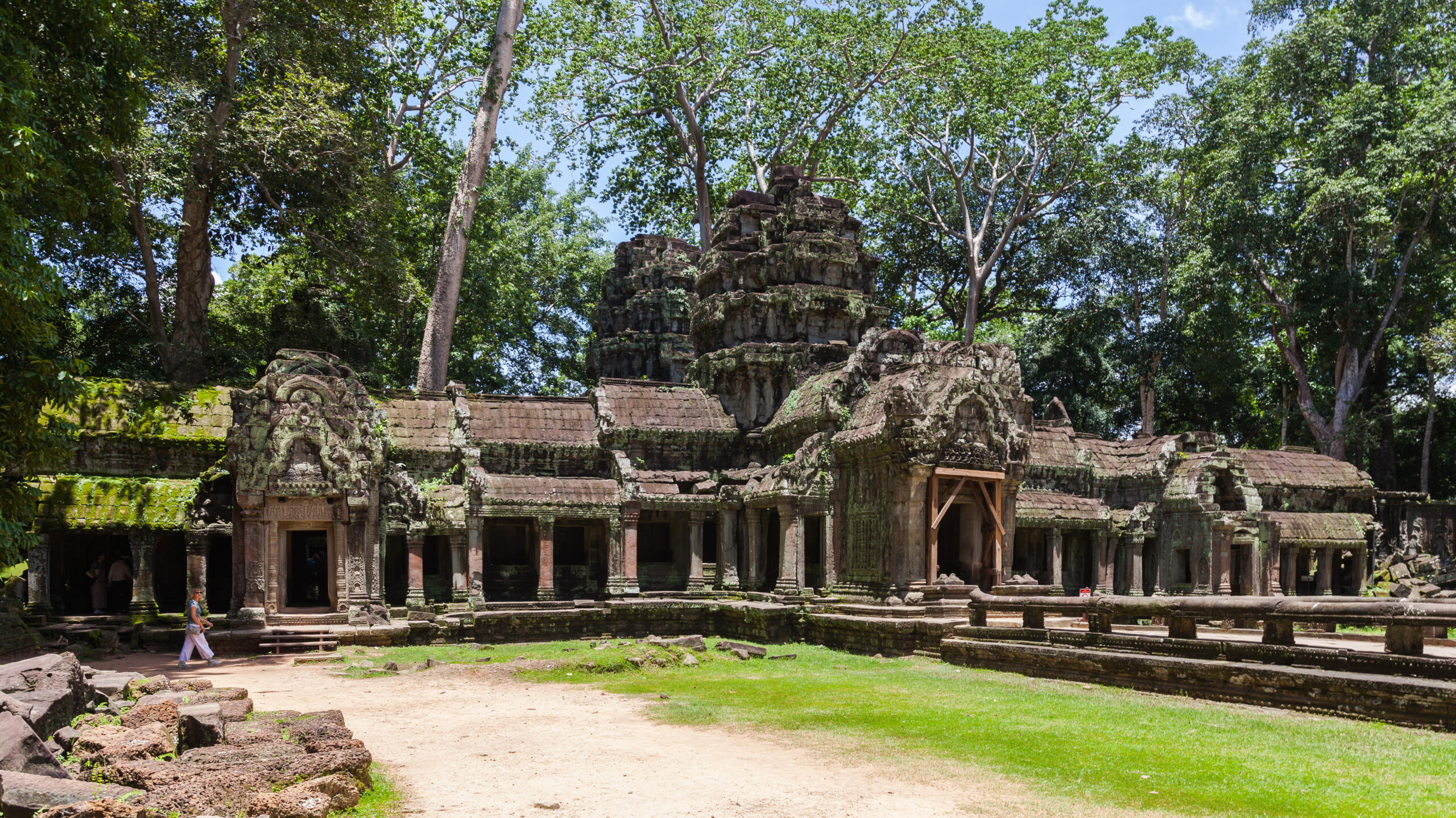
Today, Angkor receives approximately 2-3 million international visitors annually (numbers fluctuate with global tourism trends). The site is the centerpiece of Cambodian tourism and a substantial portion of the country’s international revenue. Conservation work continues with international support. Local Khmer communities benefit economically from tourism but also face challenges related to overcrowding, environmental pressure, and maintaining cultural authenticity.
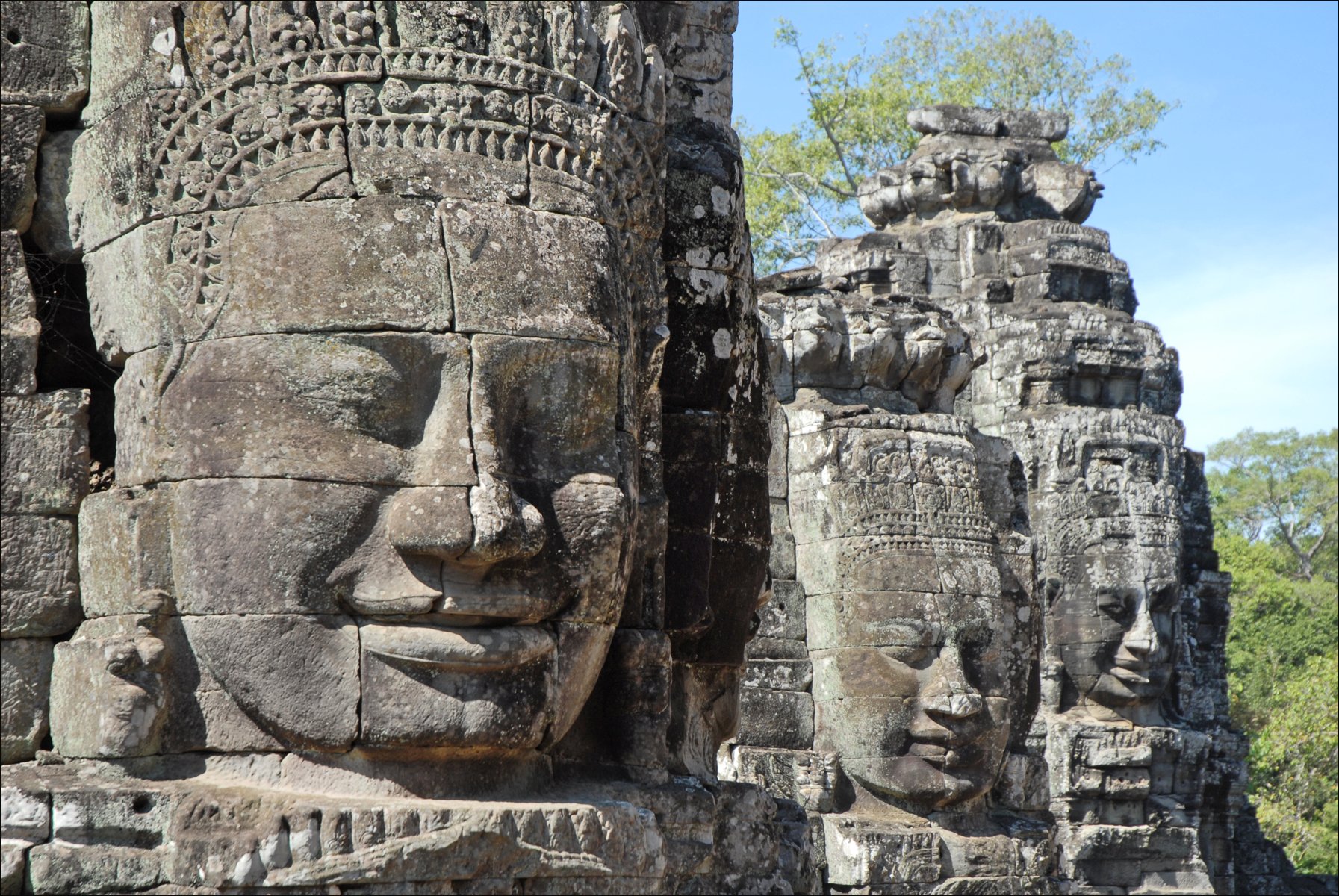
Visitors typically explore Angkor over 1-3 days, with multi-day passes allowing visits to multiple temple complexes. The most-visited sites are Angkor Wat (the main temple), Angkor Thom (the walled royal city), Bayon (the temple with multiple face-towers), and Ta Prohm (the temple deliberately preserved with jungle overgrowth, made famous by the Tomb Raider film). Modern visitors often miss many other significant temples that lack the central tourism marketing focus.
12: How to Read the History
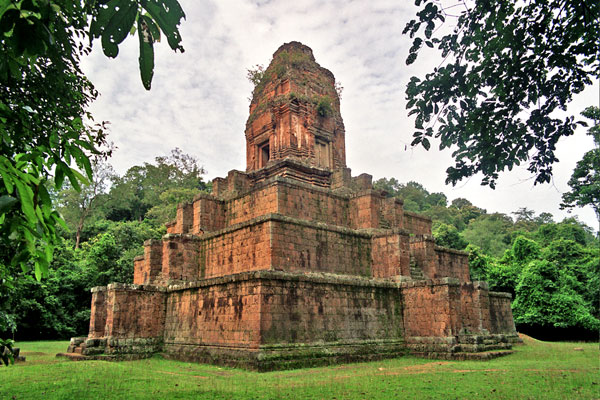
For modern visitors to Angkor, several specific framings produce better understanding. First: recognize that local Khmer have continuous cultural memory of these temples — visiting Angkor isn’t visiting a “lost civilization” but a continuing cultural site. Second: read the temples for their original religious meaning rather than just aesthetic beauty — the architecture, sculpture, and layout all encode specific religious concepts. Third: respect ongoing religious use — Angkor Wat remains an active Buddhist site, and worshippers continue to use it.
The Cambodian government has invested substantially in interpretation and education at Angkor. Modern museum facilities provide context that earlier visitors missed. Local guides (essentially required for the larger temple complexes) often provide rich cultural information that wasn’t available to 19th-century European visitors. The actual history is more interesting than the romantic myth — and the modern Khmer perspective is increasingly available for visitors willing to engage with it.
What Angkor Actually Represents
The “rediscovery of Angkor” narrative reveals something specific about how historical narratives serve contemporary purposes. The 19th-century French version emphasized European agency in saving Cambodian heritage from Cambodian indifference — a framing that supported colonial intervention. The modern version emphasizes Cambodian cultural continuity that European awareness temporarily obscured — a framing that supports Cambodian sovereignty and self-determination. Both versions involve the same physical temples and the same documented historical events. The differences are in framing, emphasis, and which voices are centered. The temples themselves stand independent of any narrative — built by Khmer architects, maintained by Khmer worshippers, and now visited by 2-3 million international tourists annually who increasingly understand them on Cambodia’s own terms rather than through colonial-era mythology.