

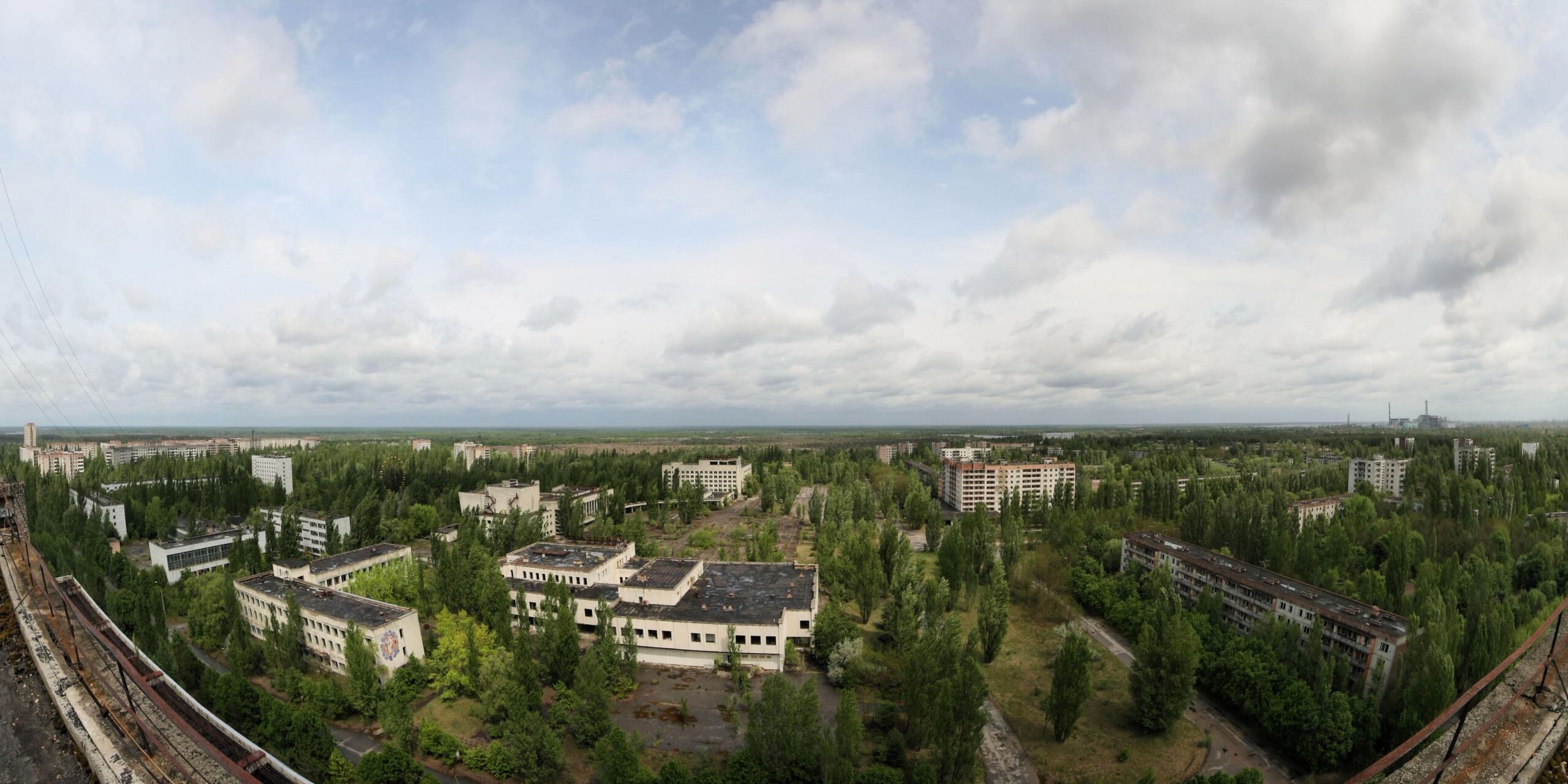
Pripyat was a model Soviet city of 49,360 people built specifically to house workers at the Chernobyl Nuclear Power Plant. On April 27, 1986 — 36 hours after Reactor 4 exploded — Soviet officials evacuated the entire population in 1,200 buses over approximately three hours. Residents were told it was temporary, to bring only documents and a few belongings. They never returned. The amusement park’s Ferris wheel was meant to open four days later for May Day celebrations. It still stands, never used. Here’s the documented story.
1: A Model Soviet City
Pripyat was founded on February 4, 1970, in northern Ukraine (then part of the Soviet Union), specifically to house workers at the nearby Chernobyl Nuclear Power Plant. The city was designated an “atomograd” — an atomic city — one of nine such cities built across the USSR specifically for nuclear workers. Pripyat became the ninth and was officially proclaimed a city in 1979.
By 1986, Pripyat had grown to 49,360 residents. The population was unusually young — average age approximately 26 — because the Soviet system relocated young families to staff the nuclear industry. The city had 15 kindergartens, 5 secondary schools, two stadiums, an amusement park nearing completion, multiple shops, restaurants, and cultural facilities. Pripyat was a Soviet showcase of modern urban planning.
2: The Reactor 4 Test
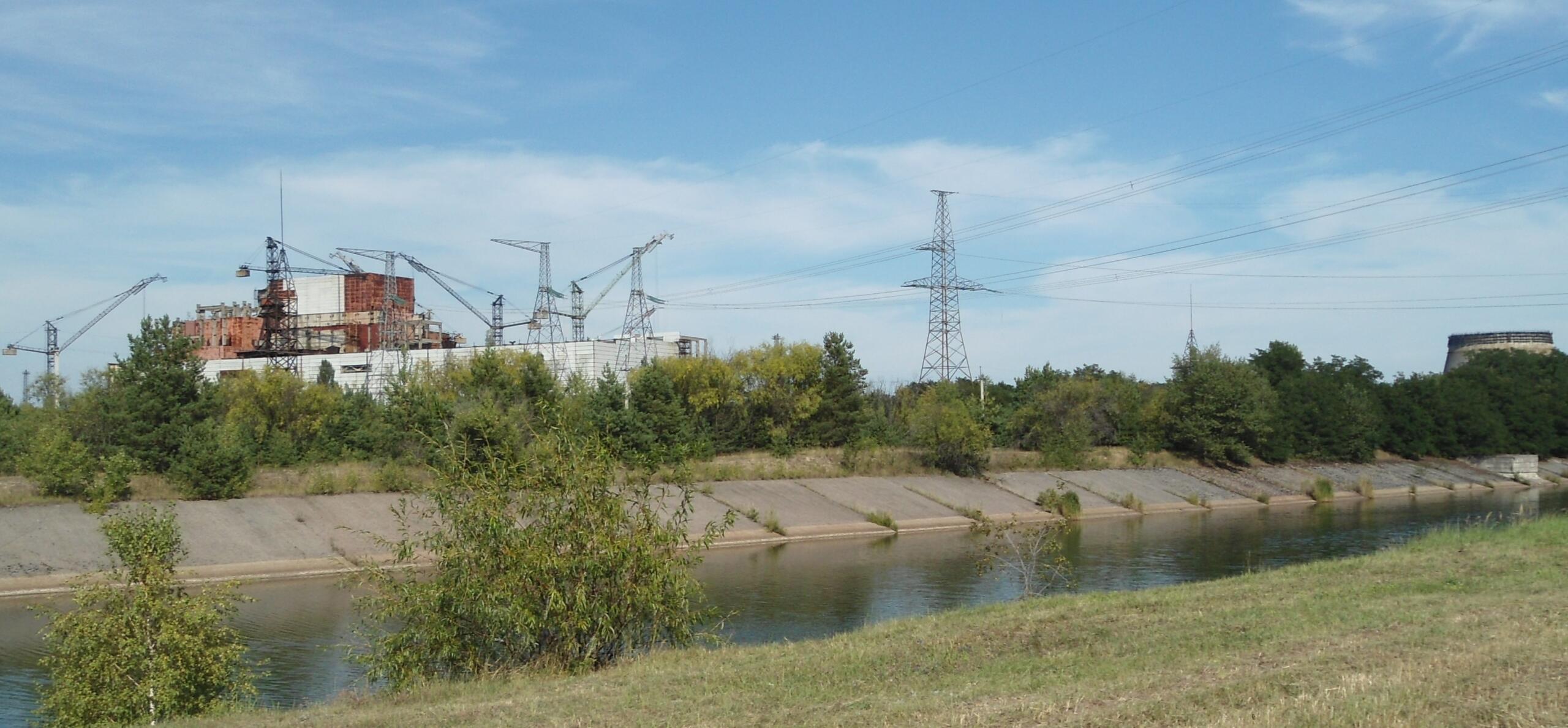
Late on April 25, 1986, engineers at Chernobyl’s Reactor 4 began a safety test. The test had been delayed from the previous day shift to the night shift, which according to multiple sources had not received proper instructions. The test required disabling several reactor safety systems. At 1:23 AM on April 26, 1986, the test went catastrophically wrong.
A combination of design flaws specific to the RBMK reactor type and operator errors produced an uncontrolled power surge. Steam pressure built up rapidly. The reactor experienced two explosions within seconds — the first a steam explosion, the second a more powerful explosion that blew the reactor’s 1,000-ton concrete and steel cap off and exposed the radioactive core to the atmosphere. The graphite-moderated reactor caught fire. The fire would burn for days.
3: The 36 Hours of Silence
The catastrophic explosion occurred just 3 kilometers from Pripyat’s residential center. The radioactive plume drifted directly over the city. Yet for the next 36 hours, residents continued normal life with no warning whatsoever. Children went to school on April 26. People shopped, exercised, attended weddings. Some residents climbed onto rooftops and walked to a railway bridge that became known as “the Bridge of Death” to watch the colored glow above the burning reactor — receiving lethal radiation doses.
Soviet authorities deliberately delayed informing residents while they assessed the situation. Local officials initially blocked Pripyat’s roads — preventing both incoming traffic and any departures. Police officers staffing the roadblocks wore no protective clothing because they hadn’t been told why they were there. The information delay would later be cited as one of the most consequential decisions of the entire disaster.
4: The Decision to Evacuate
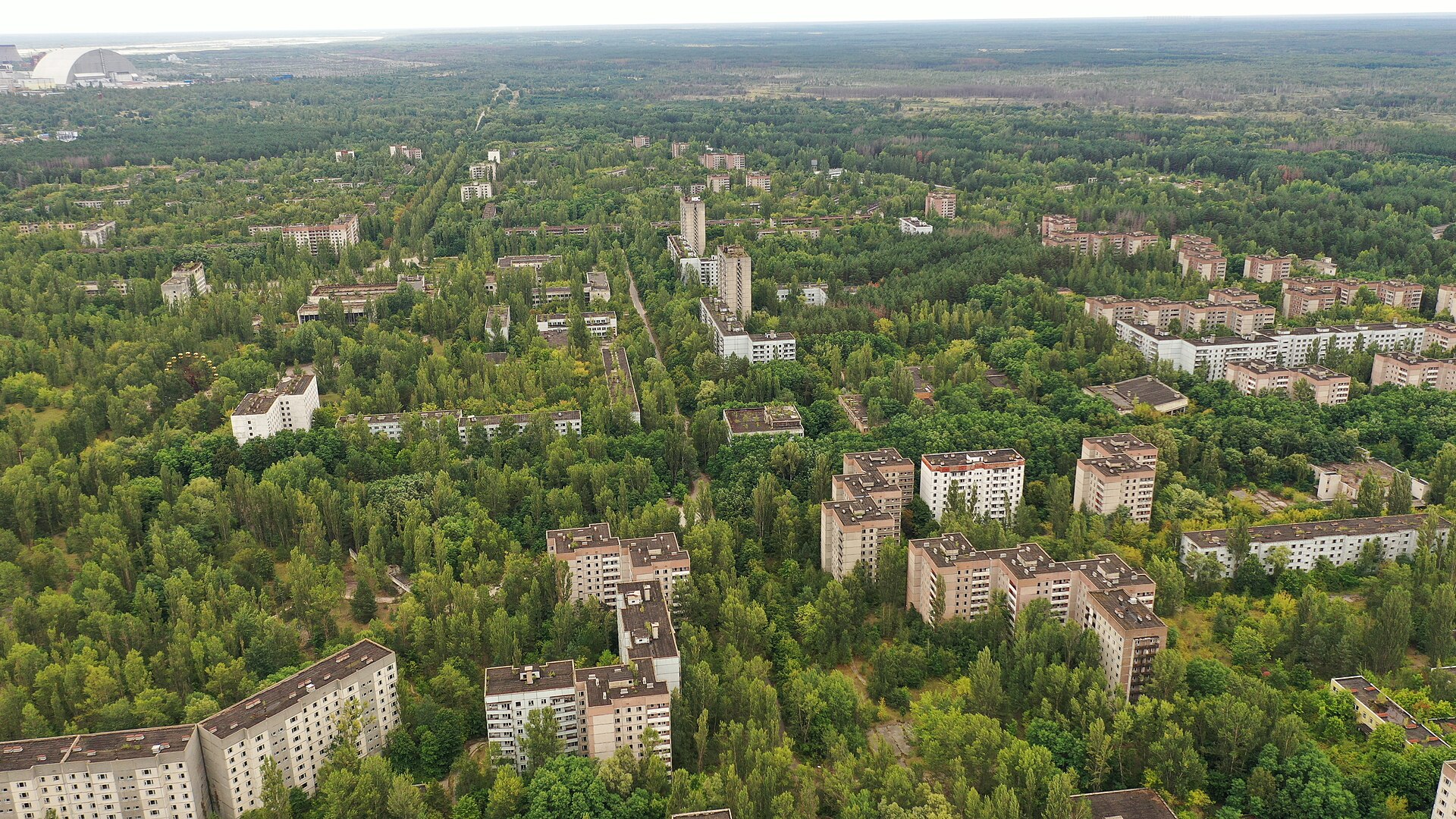
By the early afternoon of April 27 — over 36 hours after the explosion — Soviet authorities finally decided to evacuate. The decision came after sustained pressure from medical officials documenting acute radiation effects in plant workers, firefighters, and increasingly in Pripyat residents reporting headaches, metallic tastes in their mouths, and other early radiation symptoms.
At 11 AM on April 27, the Pripyat City Council issued an official announcement via loudspeakers throughout the city. The message: “Due to the accident at Chernobyl Power Station… the radioactive conditions in the vicinity are deteriorating… we need to temporarily evacuate the citizens… It is highly advisable to take your documents, some vital personal belongings and a certain amount of food, just in case.”
5: 1,200 Buses Arrive
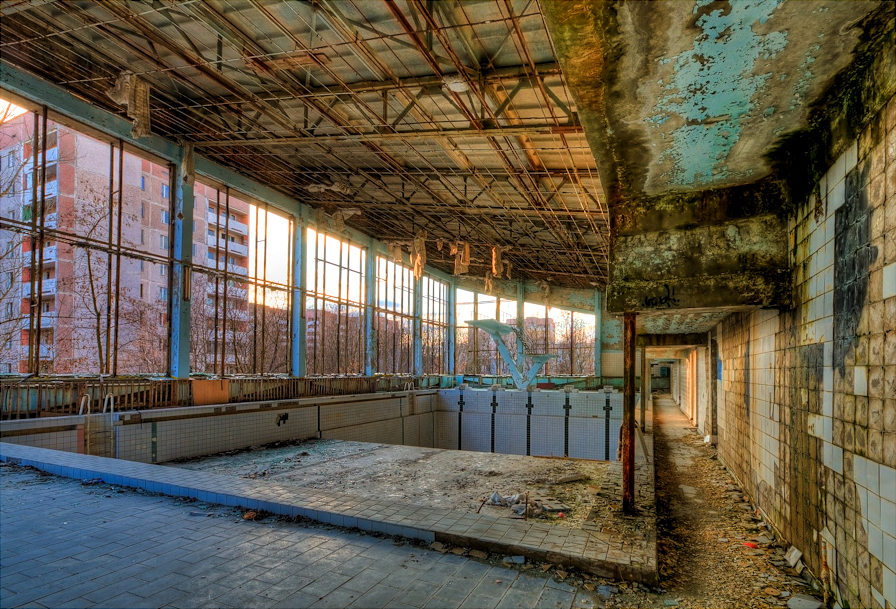
The official announcement specified that buses would arrive at each apartment block starting at 2 PM. Residents were given approximately 50 minutes to gather their belongings. Most packed lightly — a small bag of clothes, important documents, photographs, perhaps some food. They were told the evacuation was temporary, lasting “a few days.” They expected to return home within a week.
At 2 PM, a fleet of 1,200 buses arrived at apartment blocks throughout Pripyat. The buses had been gathered from across the Kyiv region overnight. By 5 PM — just three hours later — essentially the entire population of 49,000+ people had been transported out of the city. The evacuation was conducted with characteristic Soviet logistical efficiency once the decision was finally made.
6: The Promises That Weren’t True
Residents were told the evacuation was temporary. They were told they would return. They were told to leave their belongings in their apartments because the absence would be brief. Those promises were lies — though it’s not entirely clear whether the local officials making them knew they were lies, or were themselves following instructions from Moscow.
Within days, Soviet authorities established the 30-kilometer Chernobyl Exclusion Zone surrounding the plant. Pripyat fell within this zone. Re-entry was prohibited. Most residents would never return to their homes. They had brought only what they could carry. Their apartments — with all their possessions, photographs, family heirlooms, books, clothes, furniture — would remain locked, abandoned, and eventually looted in the years that followed.
7: The Ferris Wheel That Never Opened
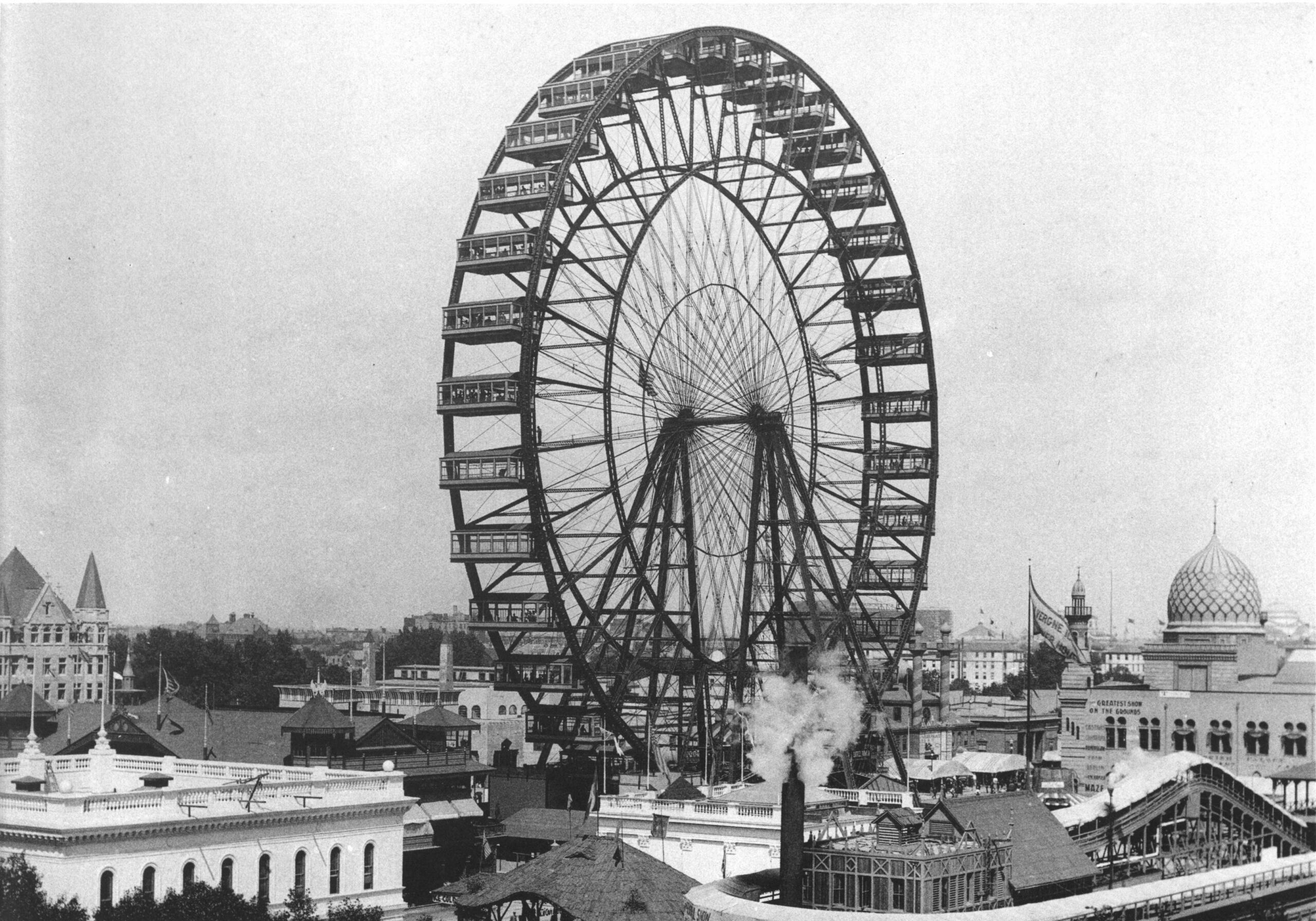
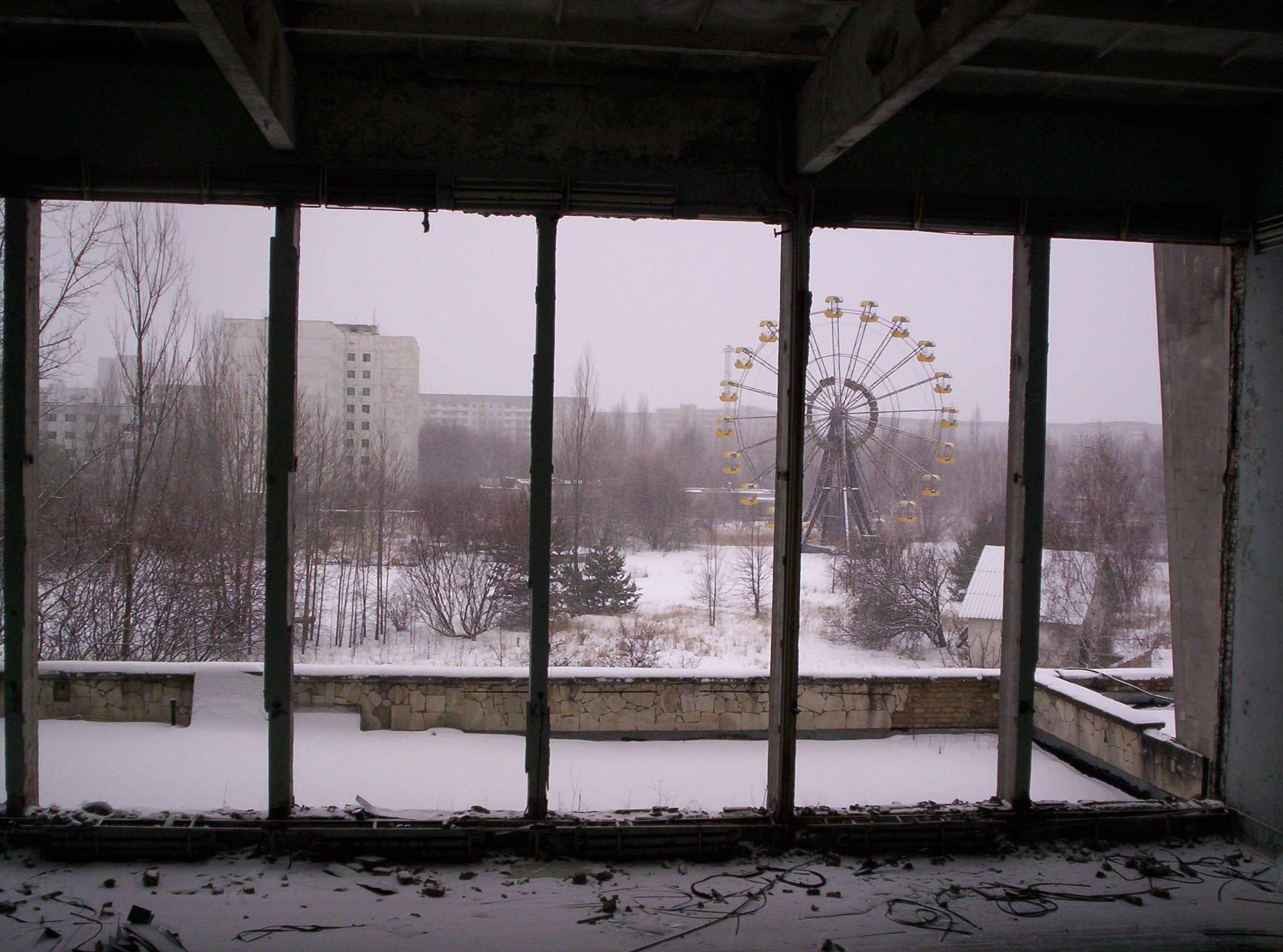
In Pripyat’s amusement park stood a brand-new Ferris wheel, painted bright yellow, scheduled for its grand opening on May 1, 1986 — four days after the eventual evacuation. May Day was a major Soviet holiday, and the park’s opening was timed to celebrate it. The Ferris wheel had been tested but never operated for paying riders.
After the evacuation, the Ferris wheel never did open. It became one of the most photographed objects in modern history, appearing in HBO’s “Chernobyl” miniseries, hundreds of documentaries, and countless news photos. The yellow paint has faded. Rust has consumed substantial portions. The yellow gondolas hang motionless. According to some unconfirmed accounts, the rides were briefly operated on April 27 before the evacuation announcement to keep residents distracted — but documentation is incomplete.
8: The Schools Frozen in Time
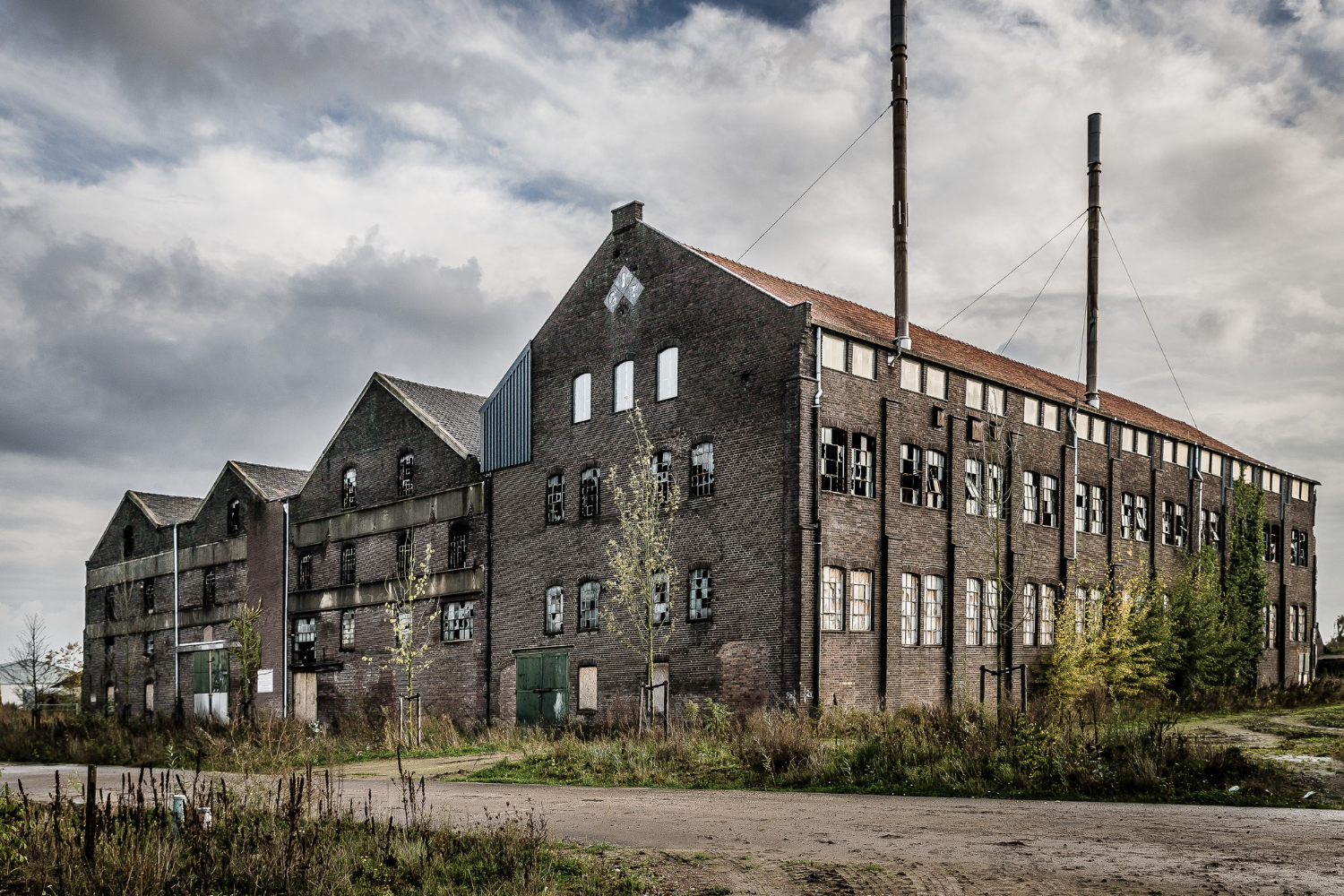
Pripyat had five secondary schools and 15 kindergartens. On the morning of April 26, classes proceeded normally. Teachers had been given iodine tablets for the children to take, and windows were closed — minimal precautions whose purpose wasn’t explained. Schools dismissed early but classes weren’t formally cancelled. Neither teachers nor students knew this would be the last day.
The largest school, Pripyat Secondary School No. 3, has become one of the most photographed locations in the city. Soviet propaganda materials remain on the walls. Children’s gas masks (standard Cold War issue for Soviet schools) litter the floors. Desks, books, notebooks, student belongings sit untouched. The scene captures interrupted childhood with disturbing specificity. Most of these children were eventually relocated to Slavutych or elsewhere across the Soviet Union — but their school remains exactly as they left it.
9: The Liquidators
After Pripyat’s evacuation, the Soviet government mobilized over 500,000 personnel — eventually known as “liquidators” — to contain the damage. These workers built the original sarcophagus encasing the destroyed reactor (completed December 1986), cleared radioactive debris, and conducted decontamination work throughout the affected area.
The liquidators received what is now widely considered inadequate radiation protection. Many performed duties involving direct exposure to contaminated areas. Long-term health effects among liquidator populations have been substantial — though specific causation linking individual cancers to Chernobyl exposure remains complex. The total cost of the immediate response and ongoing remediation has been estimated at $84.5 billion in 2025 dollars, plus $700 billion in cumulative disaster cost — making Chernobyl the most expensive disaster in human history.
10: The Sarcophagus and the New Safe Confinement
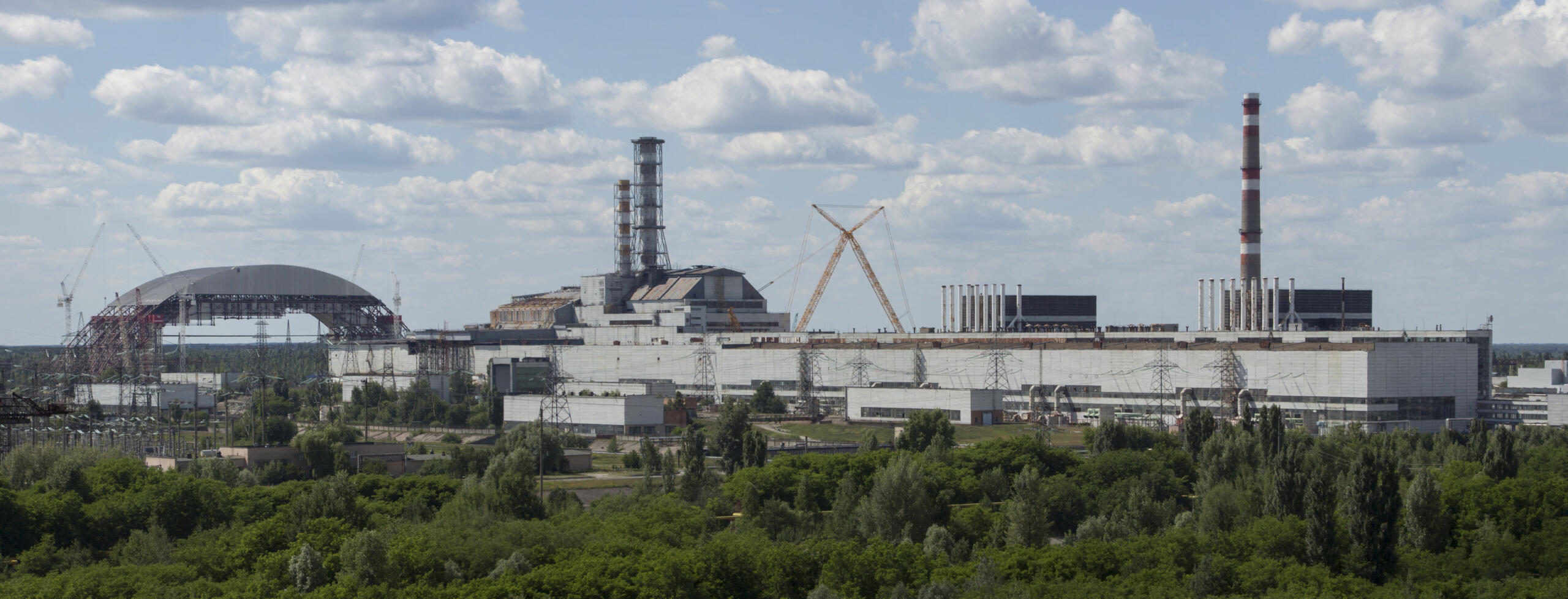
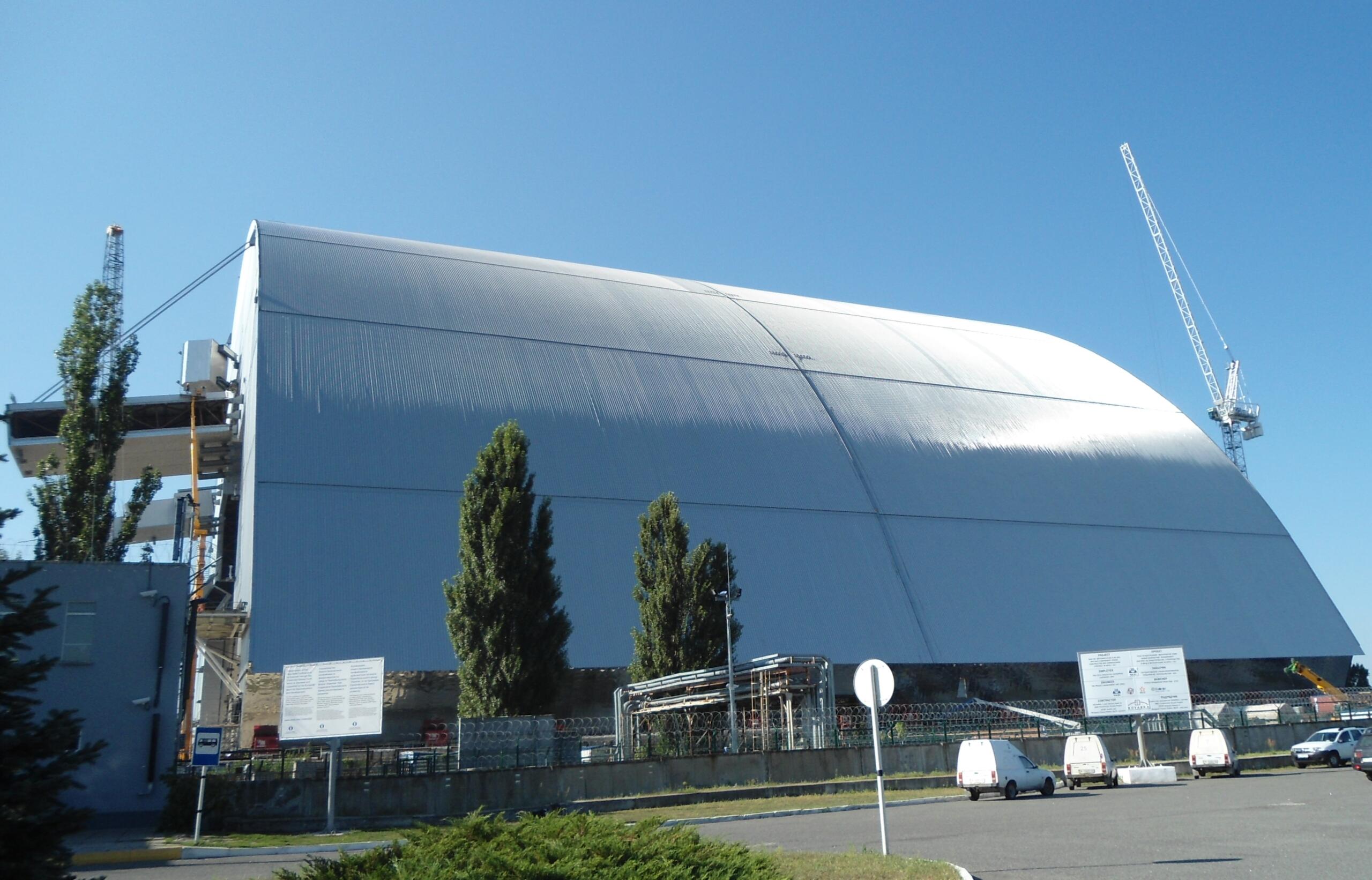
The original “sarcophagus” structure surrounding the destroyed Reactor 4 was completed in December 1986. It was designed for short-term containment — perhaps 30 years. By the early 2000s, it was visibly degrading and at risk of structural collapse.
The international community funded a replacement: the New Safe Confinement, a massive arched structure built nearby and slid into place over the original sarcophagus. Construction began in 2010. The structure was moved into final position in 2016 and officially completed in 2018. The New Safe Confinement is designed to last 100 years, providing time for eventual disassembly of the destroyed reactor and removal of nuclear debris — work currently scheduled for completion by 2065.
11: Pripyat as Tourist Destination

Beginning in the 2010s, Pripyat became an unexpected tourism destination. Guided tours began operating, allowing visitors to enter the Exclusion Zone with proper permits and dosimeters. Before COVID-19, Pripyat received approximately 125,000 visitors annually, with projections suggesting numbers could reach 1 million by 2025.
HBO’s 2019 “Chernobyl” miniseries dramatically increased tourism interest. The series itself wasn’t filmed in Pripyat (radiation levels remain dangerous for prolonged stays) but in similar Soviet-era buildings in Vilnius, Lithuania. Tour visitors typically spend a few hours in the city, with strict instructions about which buildings are safe to enter and which areas to avoid. The famous Red Forest near Pripyat remains one of the most contaminated places on Earth.
12: Pripyat Since 2022
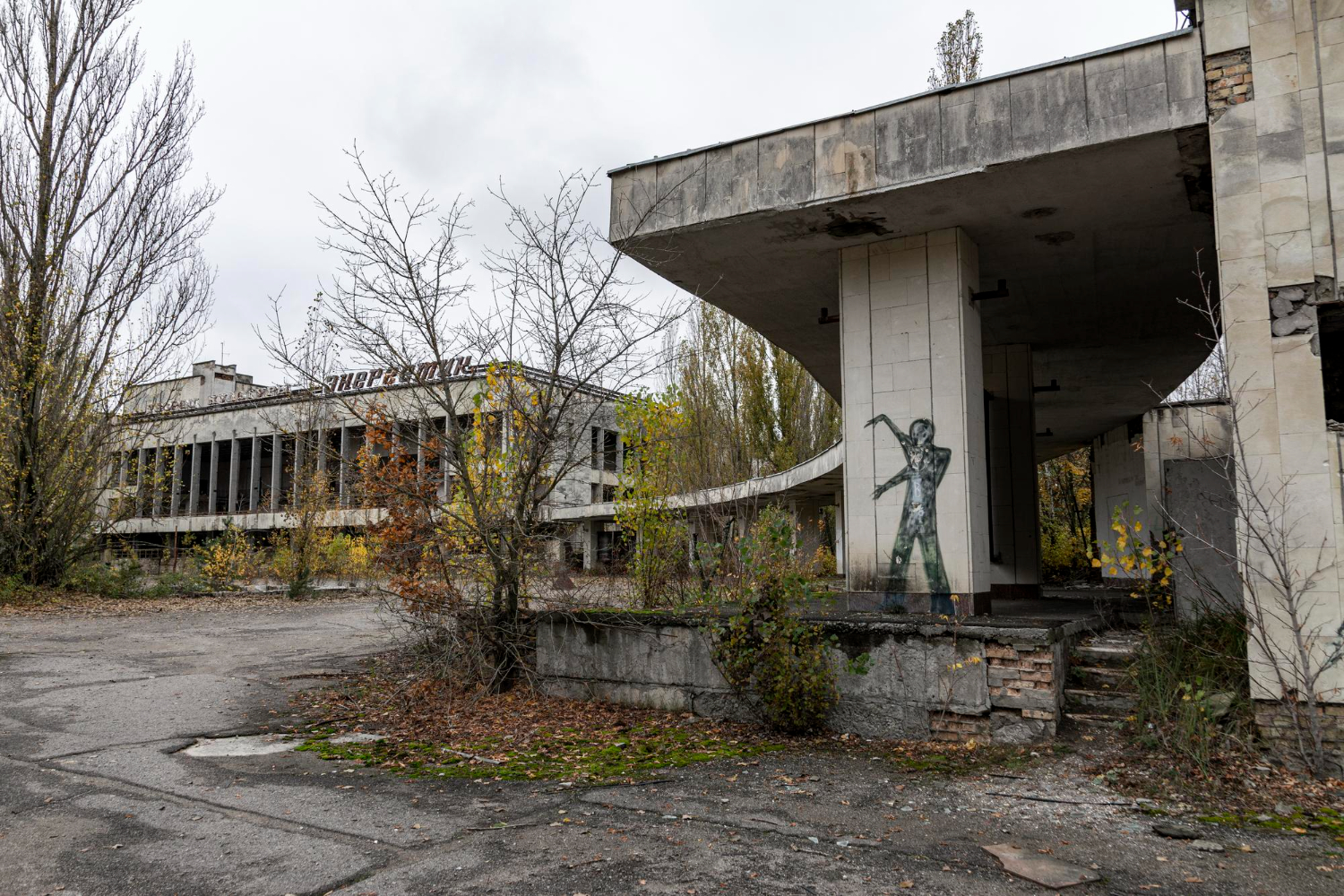
Russia’s invasion of Ukraine in February 2022 substantially affected Pripyat and the broader Chernobyl Exclusion Zone. Russian forces occupied the area in early 2022, with documented incidents including soldiers digging trenches in the Red Forest (one of the most contaminated areas, exposing themselves to substantial radiation).
Tourism to Pripyat halted entirely after the invasion. The Exclusion Zone became a military area. Russian withdrawal from the zone occurred in late March 2022, after which Ukrainian authorities assessed damage. As of 2026, Pripyat tourism has not fully resumed due to ongoing security concerns, though some limited tours have begun. The 2020 Chernobyl Exclusion Zone wildfires reached the outskirts of Pripyat but did not reach the plant itself. The city’s preservation continues to face threats from natural decay, periodic fires, and military activity.
What Pripyat Actually Represents
Pripyat exists as one of the most complete time capsules of late Soviet life — a city emptied within hours and preserved by radiation that prevents redevelopment. Every apartment, school, hospital, and public facility remains essentially as it was on April 27, 1986. The Soviet system that built Pripyat and ultimately failed to protect its residents disappeared four years later. Most former Pripyat residents now live in Slavutych — a replacement city built specifically to house them — or scattered across the former Soviet Union. Their original homes remain empty, irradiated, and slowly returning to nature. The Ferris wheel that should have opened to children’s laughter on May 1, 1986 still stands silent. The whole city represents one of the most consequential lessons in human history about institutional secrecy, technological hubris, and the human cost of decisions made under pressure by officials prioritizing political concerns over public safety.
