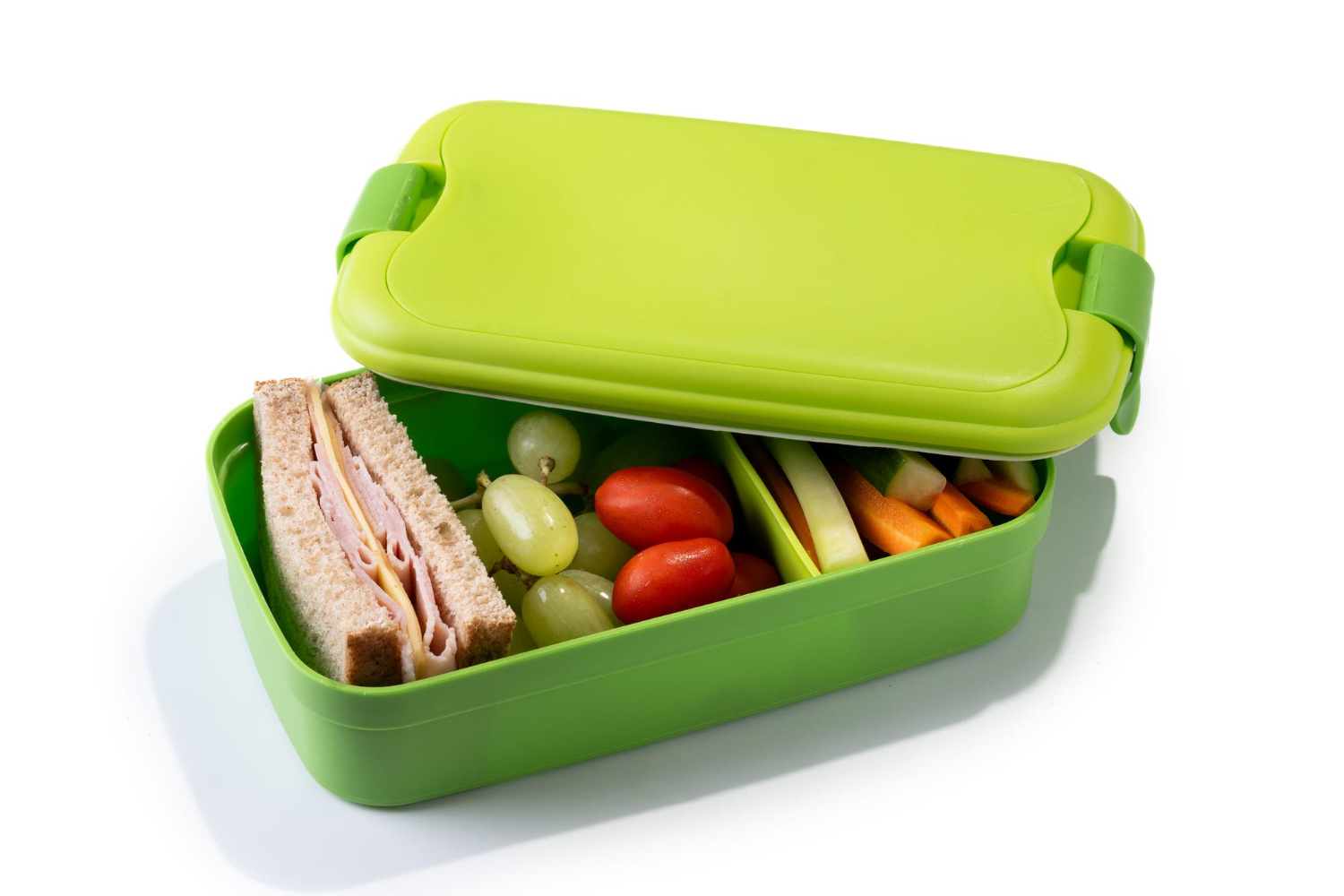
The 1985 American school lunchbox contained specific items that defined a generation’s daily lunch experience. Many of those items are now actively prohibited at most American schools, either by formal policy, district nutrition guidelines, or peanut allergy restrictions. The transformation reflects substantially changed nutrition science, allergy awareness, and food policy. Here’s what was specifically in that 1985 lunchbox — and the actual reason each item has been eliminated, restricted, or substantially reformulated.
The 1985 American school lunchbox was a substantially different food collection than what 2026 schools allow or encourage. The combination of changed nutrition science, allergy awareness, food policy, and broader cultural shifts has eliminated most of what was standard 40 years ago. Walking through what was actually in that lunchbox reveals how dramatically American childhood food culture has changed — and why parents who remember packing these lunches for themselves often struggle to pack equivalent ones for their own kids.
The Peanut Butter and Jelly Sandwich
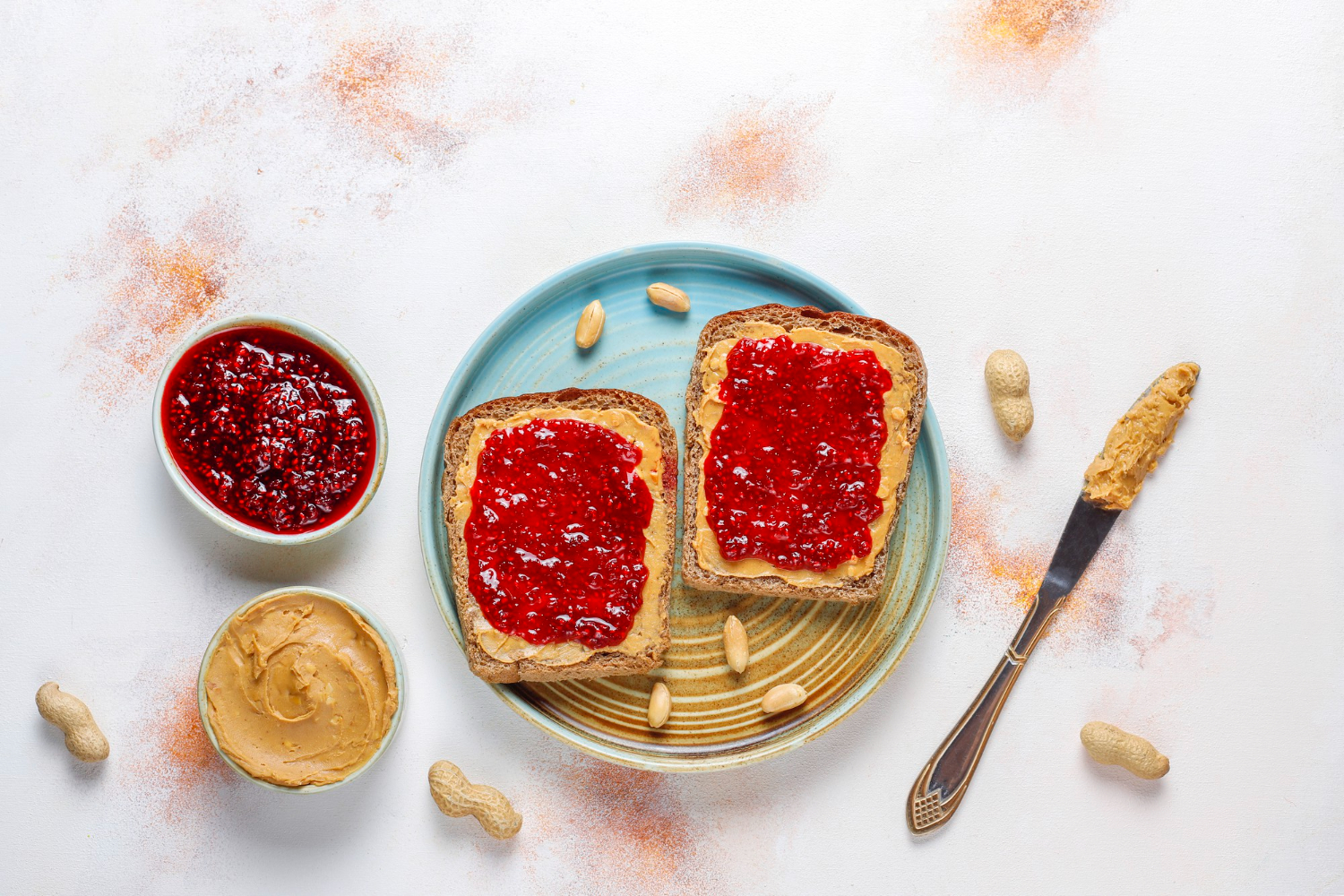
Peanut butter and jelly was the iconic American school lunch through the 1980s and into the 1990s. White bread, generic peanut butter, generic grape jelly, sometimes cut diagonally for special occasions. The sandwich appeared in millions of American lunchboxes daily. Modern schools have substantially restricted PB&J due to peanut allergy concerns. Many districts maintain “peanut-free” classrooms or full-school peanut bans. Even where peanut products remain allowed, parents often choose alternatives to avoid social complications. The sandwich that was completely standard in 1985 has become substantially complicated to send to modern schools.
Capri Sun or Hi-C Drink Pouches
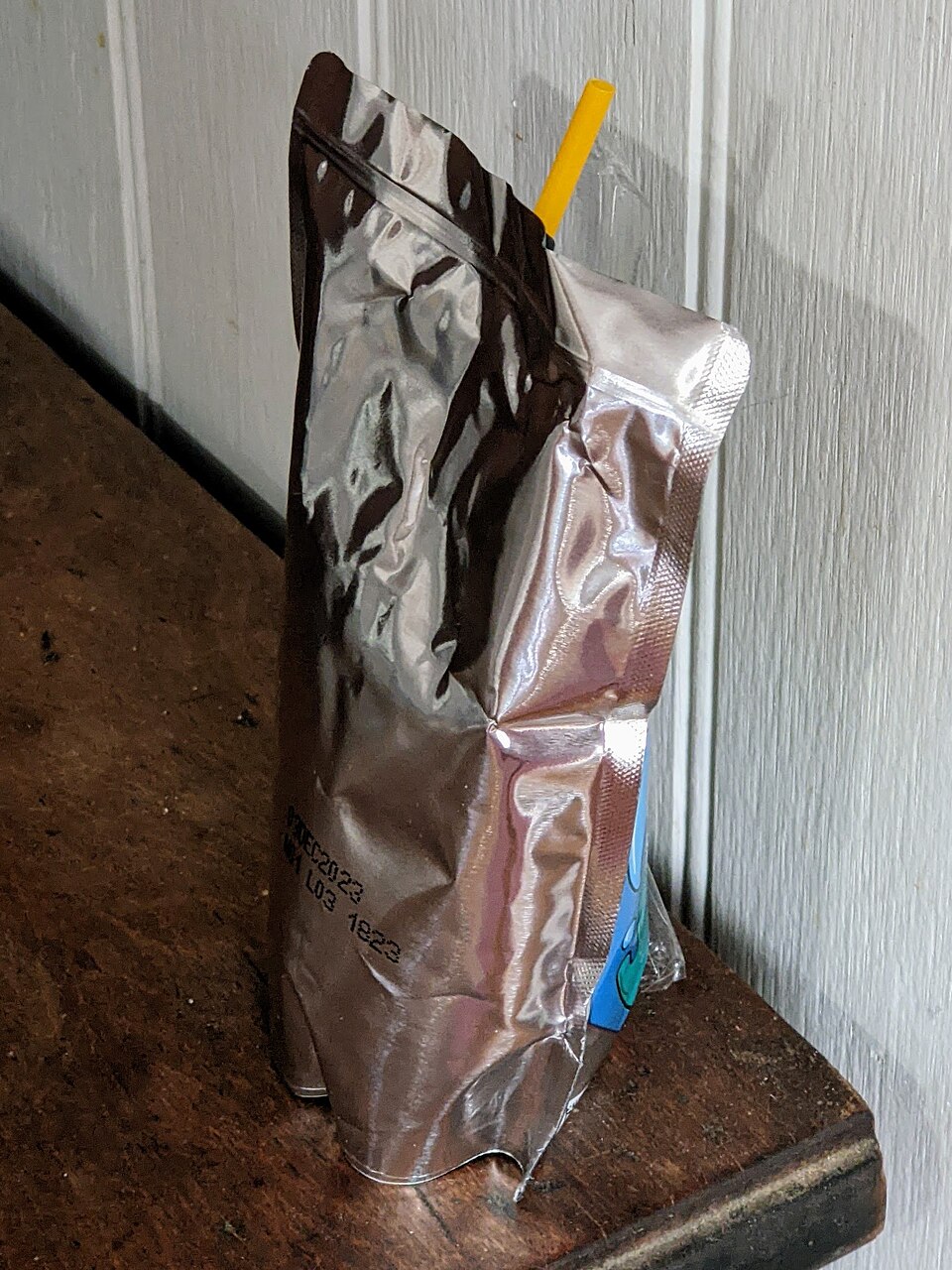
Capri Sun (launched in U.S. 1981) and Hi-C drink boxes dominated 1985 lunchbox beverages. Both products contained substantial added sugar — typically 13-19 grams per pouch — and minimal actual fruit content. The pouches were considered convenient and “kid-friendly.” Modern school nutrition policies typically restrict beverages with substantial added sugar. Many districts prohibit drinks beyond water, milk, and 100% fruit juice. Capri Sun has reformulated multiple times to meet various nutrition standards but remains restricted in many schools. The substantial sugar content that was acceptable in 1985 has been substantially regulated away in modern school environments.
Lunchables
Oscar Mayer launched Lunchables in 1988 — slightly after 1985 but worth including because they defined the late-1980s lunchbox trajectory. The original Lunchables (ham, crackers, cheese, with optional dessert) became massively popular through the late 1980s and 1990s. Modern Lunchables face substantial criticism for sodium content, processed meats, and various other nutritional concerns. Many schools restrict or prohibit them under “competitive food” rules. Multiple investigations (Consumer Reports, others) have documented concerning nutritional profiles. The product continues to sell but is increasingly viewed as an example of how 1980s convenience food prioritized convenience over nutrition.
Chocolate Snack Cakes
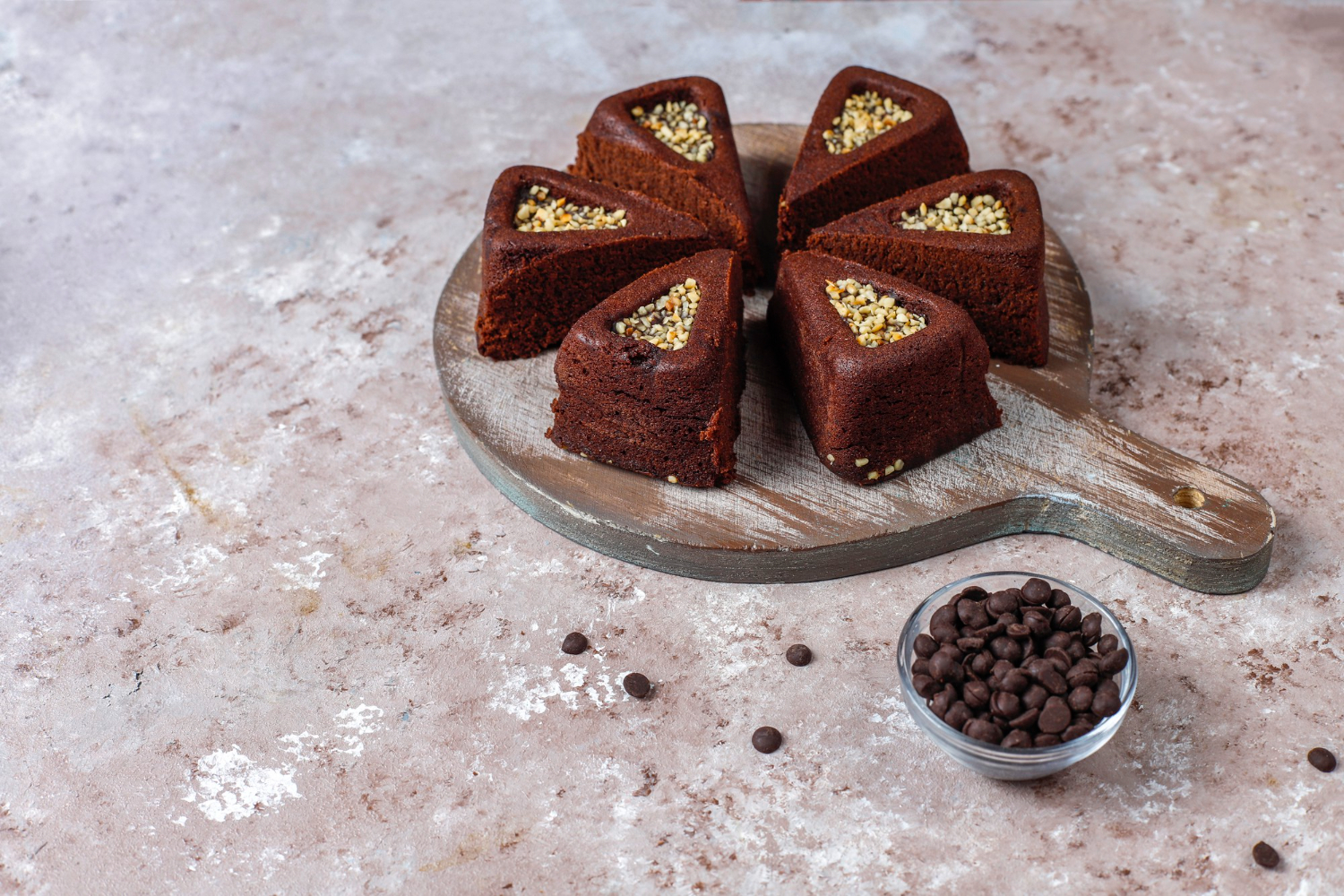
Hostess Twinkies, Ding Dongs, Snowballs, and similar Hostess products were standard 1985 lunchbox dessert items. Drake’s, Little Debbie, and other competitor brands provided similar options. The products had substantial preservatives, artificial colors, and high sugar content but were considered acceptable everyday lunchbox items. Modern school nutrition policies typically restrict snack cakes through “competitive food” rules that limit sugar content per serving. Schools may prohibit them entirely or restrict them to specific celebration days. The casual everyday inclusion of Twinkies in 1985 lunchboxes has become genuinely uncommon in 2026.
Wonder Bread Sandwiches
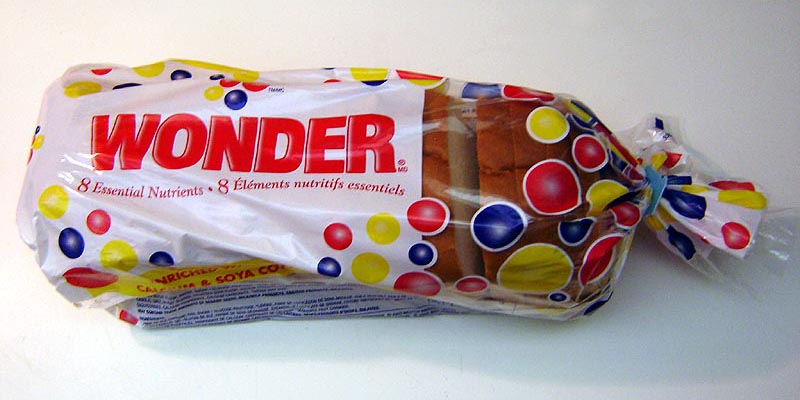
Wonder Bread — bleached white enriched flour bread — was the dominant American sandwich bread through the 1980s. The bread had specific characteristics: very white, very soft, minimal nutritional value, substantial preservatives that allowed long shelf life. It was the standard bread for PB&J, bologna sandwiches, ham sandwiches, and various other lunchbox staples. Modern parents (and many schools) have substantially shifted toward whole grain breads. Wonder Bread itself still exists but has lost substantial market share to whole wheat, multigrain, and various other alternatives. The 1985 default of “white bread because that’s what bread is” has been substantially abandoned.
Bologna or American Cheese Sandwiches
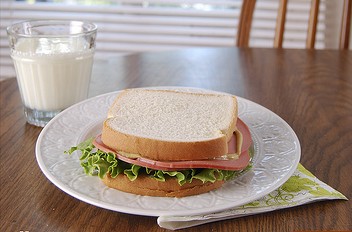
Processed lunch meats (bologna, salami, summer sausage) and American cheese (the individually-wrapped kind that’s technically “pasteurized process cheese food”) were standard 1985 sandwich fillings. The combination — bologna and American cheese on Wonder Bread with mayonnaise — appeared in millions of lunchboxes daily. Modern parents and schools have substantially shifted toward less-processed alternatives. WHO’s classification of processed meats as Group 1 carcinogens (2015) reinforced concerns that had been growing throughout the 2000s. Bologna and American cheese remain available but appear substantially less frequently in modern lunchboxes than 1985 frequency would suggest.
Fruit Cocktail or Pudding Cups
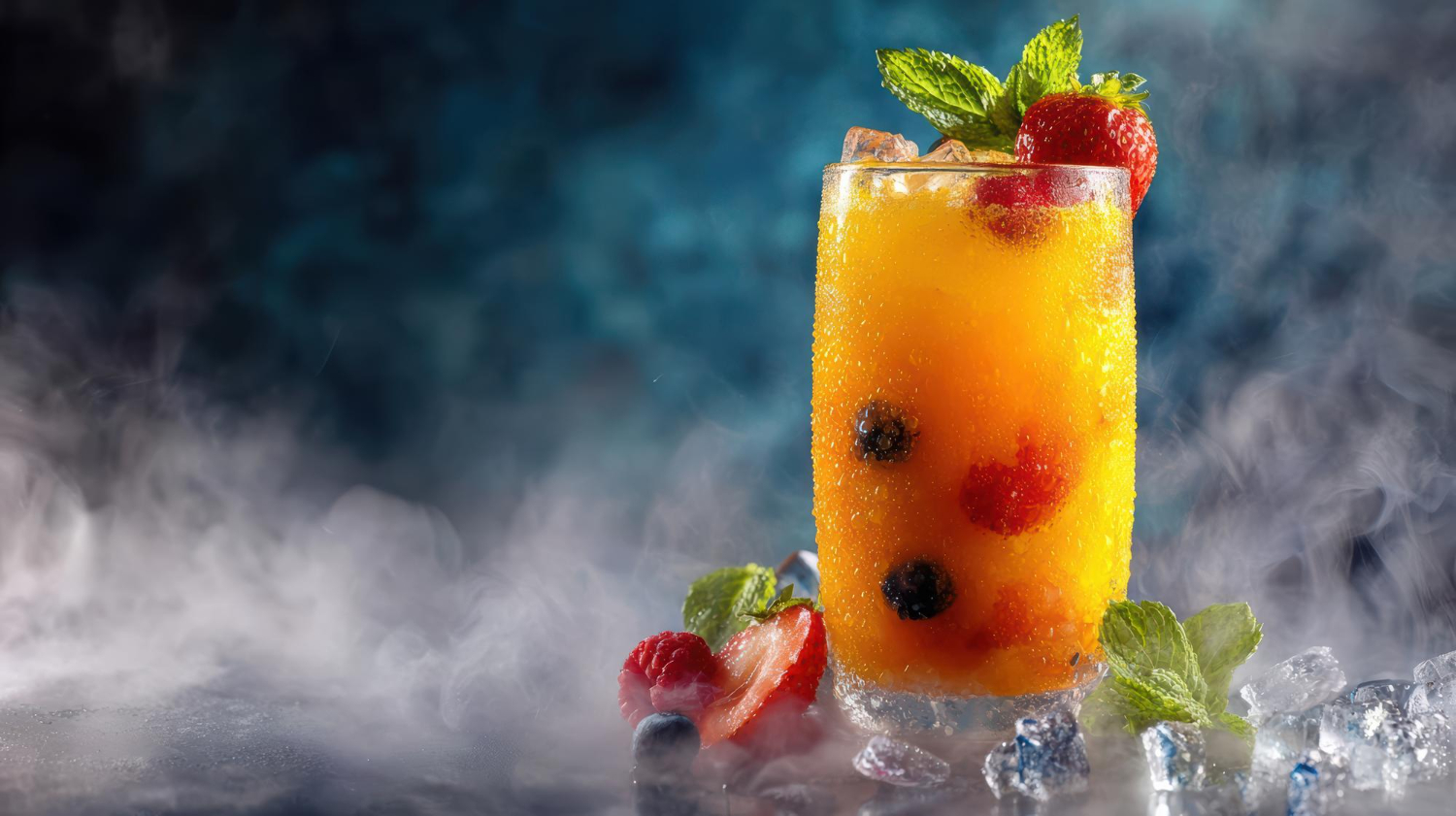
Fruit cocktail (canned mixed fruit in heavy syrup) and pudding cups (chocolate or vanilla, typically Hunt’s or Jell-O brand) were standard 1985 lunchbox sides. Both contained substantial added sugar but were considered acceptable everyday foods. Modern school nutrition policies typically prefer fresh fruit, water, milk, and various other less-processed options. Pudding cups face the same “competitive food” restrictions as snack cakes. Fruit cocktail has been substantially reformulated (less syrup, sometimes no added sugar) but the original heavy-syrup version that defined 1985 lunchboxes has become uncommon. Schools increasingly emphasize fresh fruit over processed fruit products.
Potato Chips
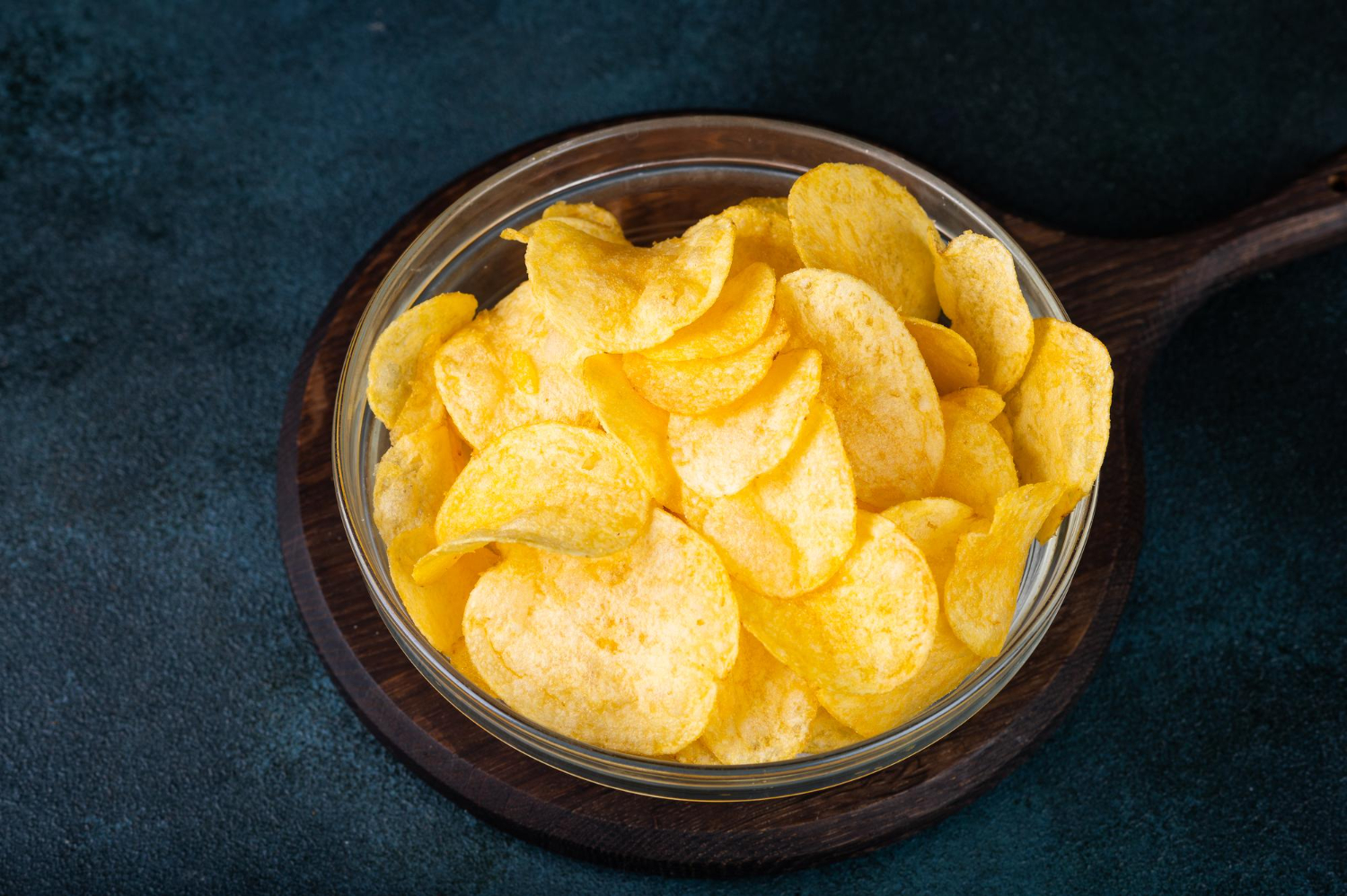
Plain potato chips (Lay’s, Ruffles, Wise) were standard 1985 lunchbox sides. The chips contained substantial fat, salt, and minimal nutritional value but were considered acceptable everyday accompaniment. Modern school nutrition policies typically restrict snack chips through portion size rules and total daily sodium limits. Schools may permit baked alternatives, smaller portions, or specific reformulated versions. Doritos, Cheetos, and various other intensely flavored chips face similar restrictions. The casual 1985 inclusion of a standard 1-ounce bag of regular chips has been substantially regulated. Modern lunchboxes still often contain chips but in smaller portions or modified formulations.
Thermos of Soup or Pasta
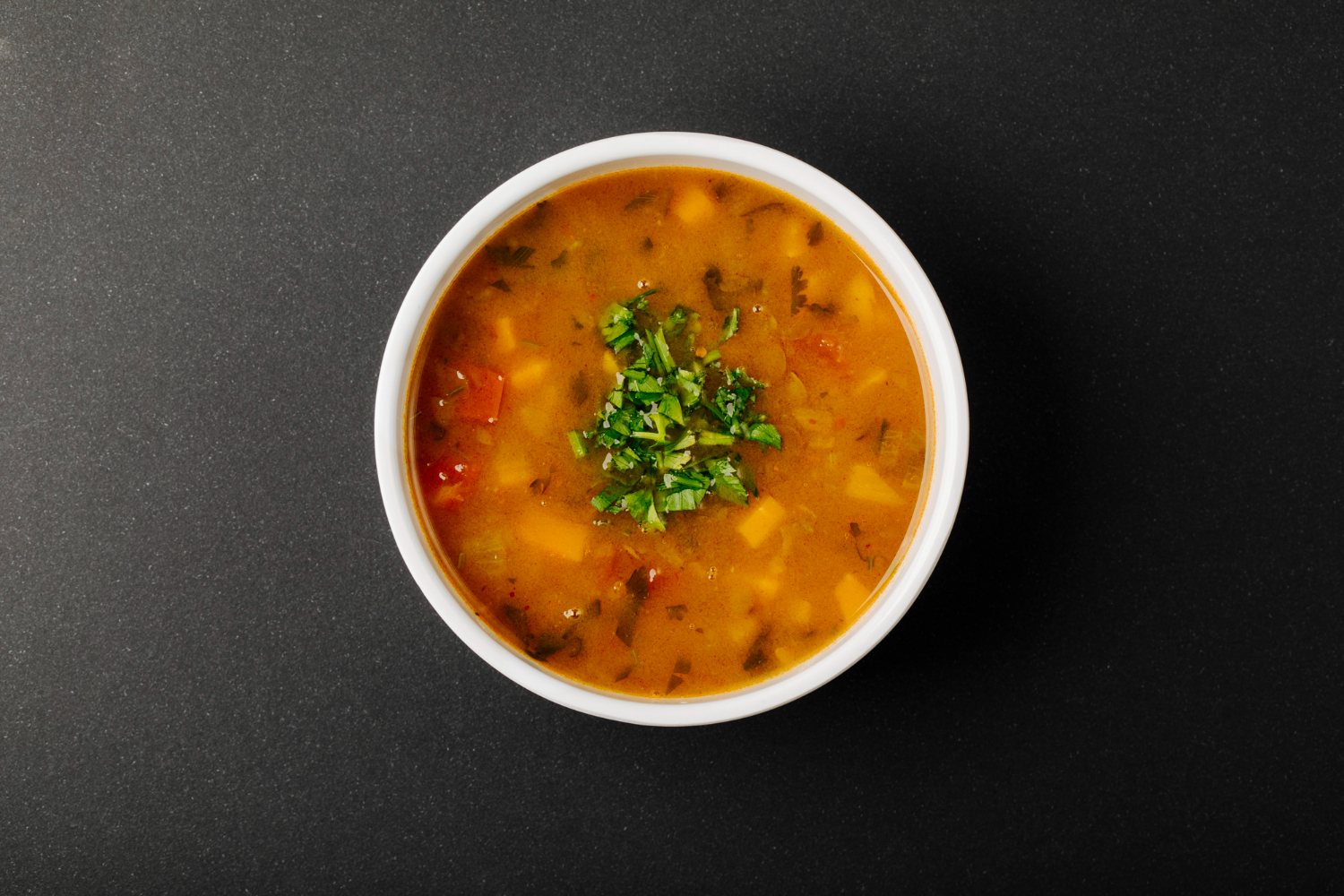
Thermos containers were standard 1985 lunchbox equipment, allowing kids to bring hot soup, mac and cheese, ravioli, or similar warm foods. The classic plaid Thermos brand was nearly universal. The hot food capacity of 1985 lunchboxes was a meaningful upgrade over earlier generations’ cold-only options. Modern thermos options have actually improved (better insulation, more durable construction, dishwasher-safe components). The thermos remains common but has become less central to lunchbox culture as schools provide more hot lunch options and parents pack more “grab and go” cold items. Modern schools generally still permit thermos use but the central role has substantially diminished.
Hostess Fruit Pies and Twinkies for Birthdays
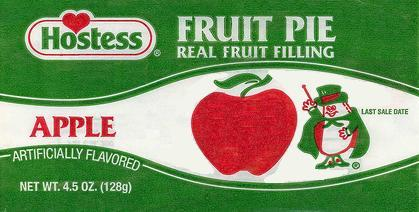
Birthday celebrations at 1985 elementary schools routinely involved sending Hostess products, store-bought cookies, or homemade treats for distribution to entire classes. Birthday parents brought enough Twinkies, fruit pies, or cupcakes for every kid to have one. This casual sharing of mass-produced sweets has been substantially restricted by modern schools. Many districts prohibit homemade food sharing entirely (allergy concerns, food safety, etc.). Store-bought options must come in original packaging with ingredient lists. Many schools have moved away from food-based birthday celebrations entirely toward non-food alternatives. The 1985 birthday cupcake distribution has become substantially complicated.
What This Transformation Actually Reveals
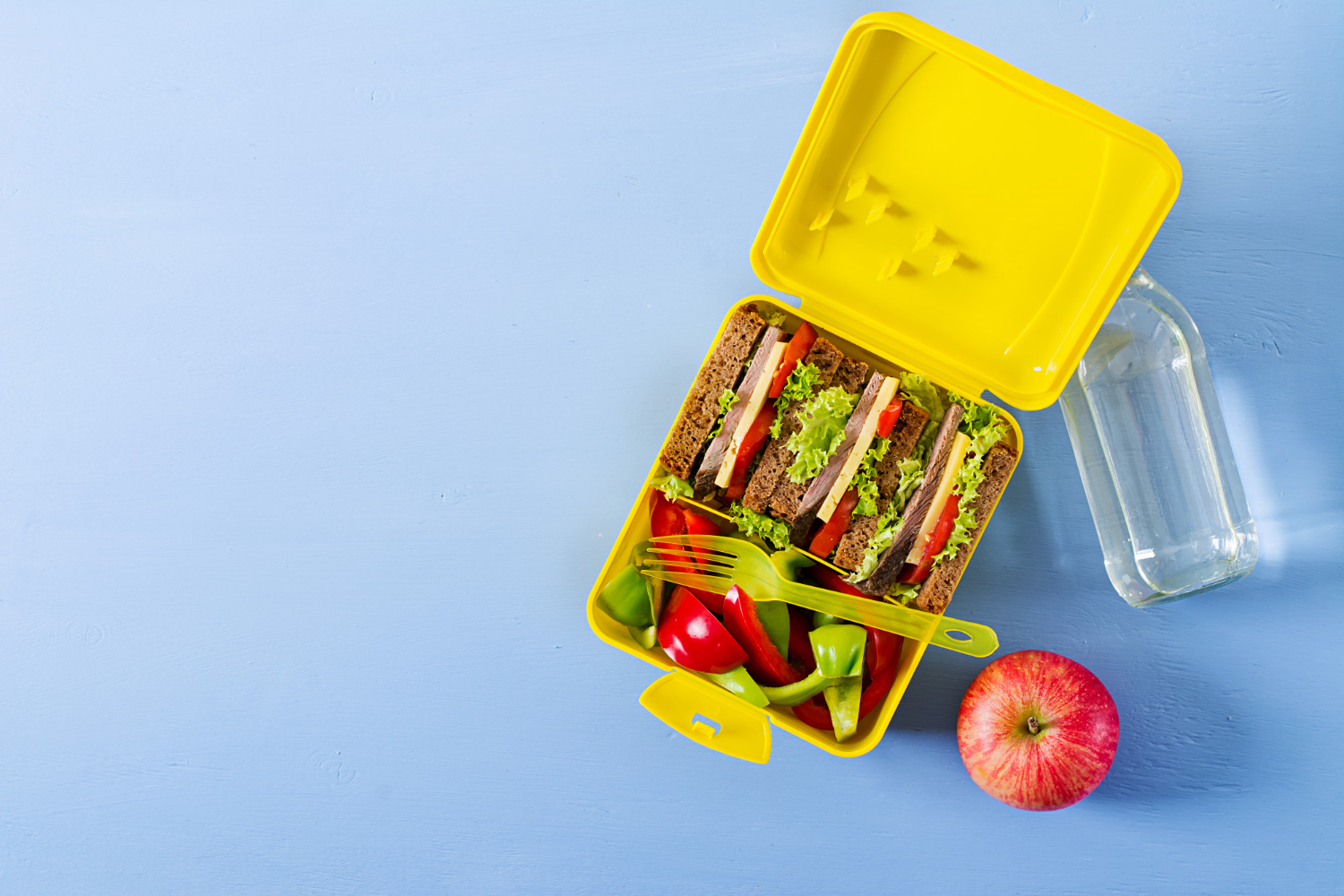
The 1985 American school lunchbox represents a specific moment in food history: convenience-focused processed foods marketed primarily for kid appeal, with limited consideration of nutritional implications, allergy concerns, or long-term health effects. Modern school nutrition policies represent the cumulative response to research, advocacy, and changing cultural attitudes that have substantially shifted what’s considered acceptable for kid food. The trade-offs are real and complex. Modern lunches are typically more nutritious. They’re also more complicated to pack, more restrictive about social sharing, and more expensive when made from less-processed ingredients. Many parents who remember the freedom of 1985 lunchbox packing struggle with the constraints of 2026 expectations. The 1985 lunchbox wasn’t necessarily better — but it was substantially different from what modern American kids carry to school.