Most American restaurants claiming “original 1950s recipes” use modern interpretations of period dishes. A surprising number of restaurants actually do serve recipes essentially unchanged from their original mid-20th century formulations. The differences are detectable. Genuine 1950s recipes have specific characteristics — particular fat content, specific seasoning profiles, specific preparation methods that have been substantially modified in modern American cooking. Here are the actual restaurants where you can still eat 1950s American food prepared the way it was originally made.
The American restaurant industry has substantially transformed since the 1950s, with most period restaurants either closing entirely or modernizing their recipes to meet contemporary preferences. A surprising number of specific restaurants have maintained genuine continuity with their 1950s origins — same locations, same recipes, often the same family ownership across generations. These restaurants provide rare opportunities to experience American food as it was actually prepared 70+ years ago, before the systematic transformation of American restaurant cooking.
How to Identify Genuine 1950s Recipes
Several specific characteristics distinguish authentic 1950s preparation from modern interpretations. Lard or beef tallow as primary cooking fat (rather than vegetable oils that became dominant in the 1960s-1980s). Genuine American cheese (the original Kraft processed product, before various reformulations). White bread as standard rather than alternative. Iceberg lettuce as standard salad green. Tomato-based pasta sauces with specific sweetness profiles from the canned tomatoes available in the 1950s. Coffee brewed in percolator-style equipment rather than drip machines. The combination of these specific characteristics indicates genuine continuity rather than modern interpretation.
The White Manna Hamburgers (Hackensack, NJ — 1939)
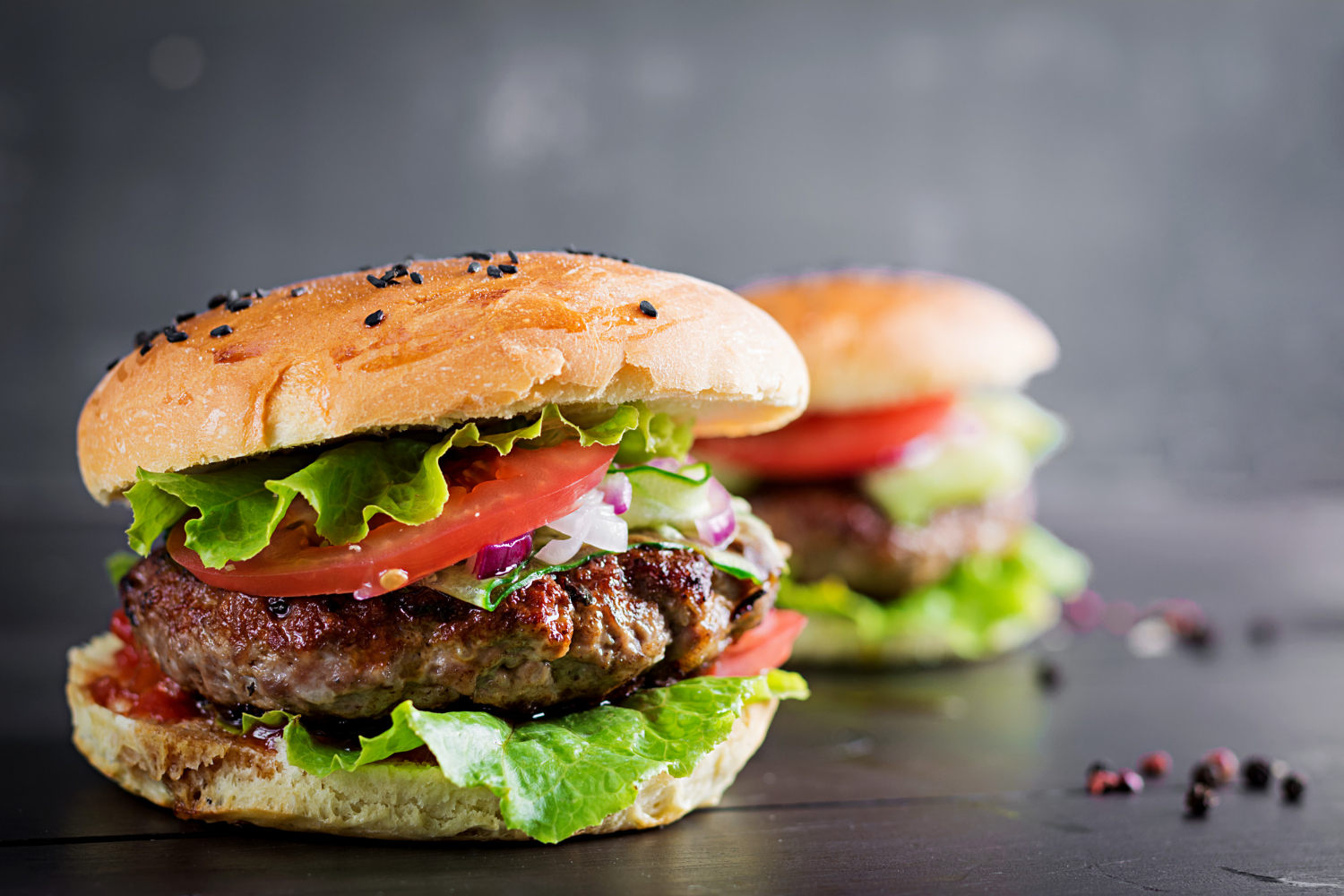
White Manna has operated continuously in Hackensack, New Jersey since 1939, originally as part of the World’s Fair before relocating. The tiny diner has remained essentially unchanged for over 85 years. The signature burgers — small sliders cooked on a griddle with caramelized onions — use the same basic preparation method since opening. The bread, beef ratio, onion preparation, and cooking technique have remained consistent. White Manna has occasionally been featured in food publications but has maintained its specific character as a local New Jersey institution. The burgers are genuinely the same product served to 1950s customers — a rarity in modern American food.
The Varsity (Atlanta, GA — 1928)
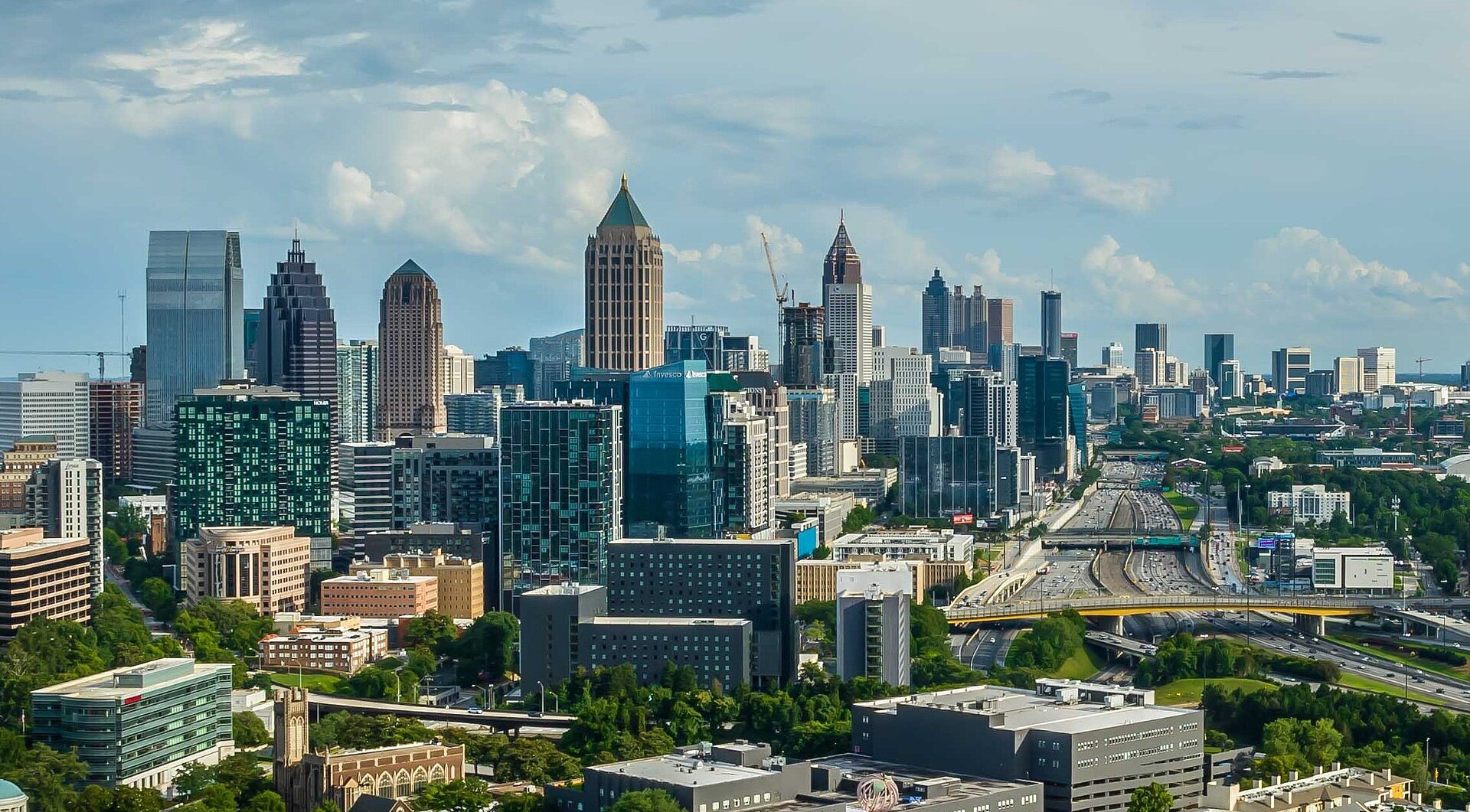
The Varsity has operated in Atlanta since 1928, claiming to be the world’s largest drive-in restaurant. The signature menu — chili dogs, hamburgers, fried apple pies, and frosted oranges (a specific orange beverage with crushed ice and orange syrup) — has remained essentially unchanged. The chili recipe, hot dog preparation, and frosted orange formula are reportedly substantially identical to their original 1950s versions. The restaurant’s “What’ll ya have?” greeting and specific ordering culture provide additional historical continuity. The Varsity has been featured in numerous food publications and remains genuinely popular with both tourists and Atlanta locals.
Dyer’s Burgers (Memphis, TN — 1912)
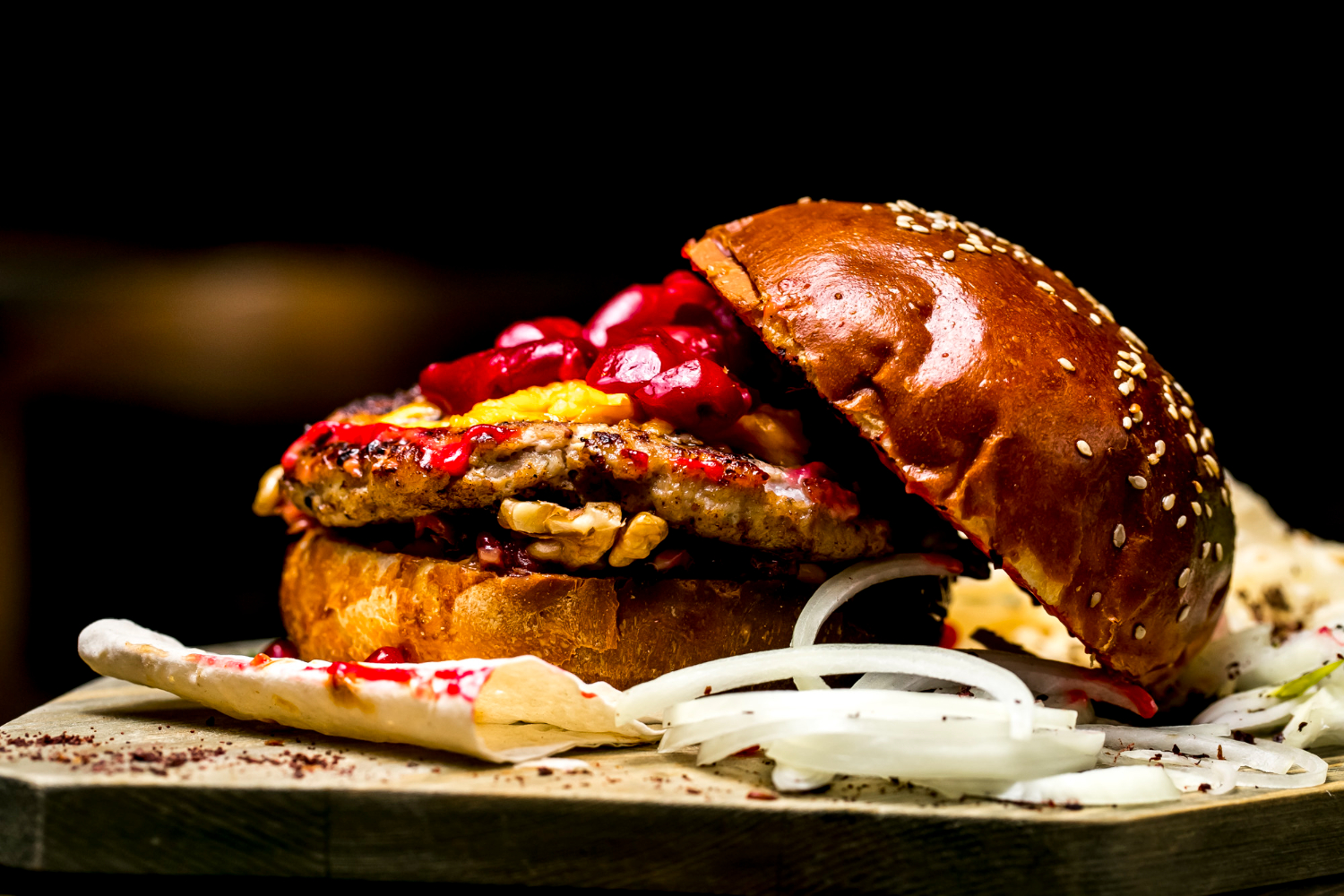
Dyer’s Burgers has operated in Memphis, Tennessee since 1912, with one specific claim to authenticity: the same grease has been used in their fryer since opening, strained nightly but never replaced. Modern food safety might find this concerning, but Dyer’s claims (and their continued operation supports) that the practice creates the specific flavor profile that distinguishes their burgers. Whatever the actual age of the grease, the burgers have substantially identical preparation methods to their 1950s versions. The Beale Street location remains a Memphis institution that draws both tourists and longtime locals.
Tommy’s Original Hamburgers (Los Angeles, CA — 1946)
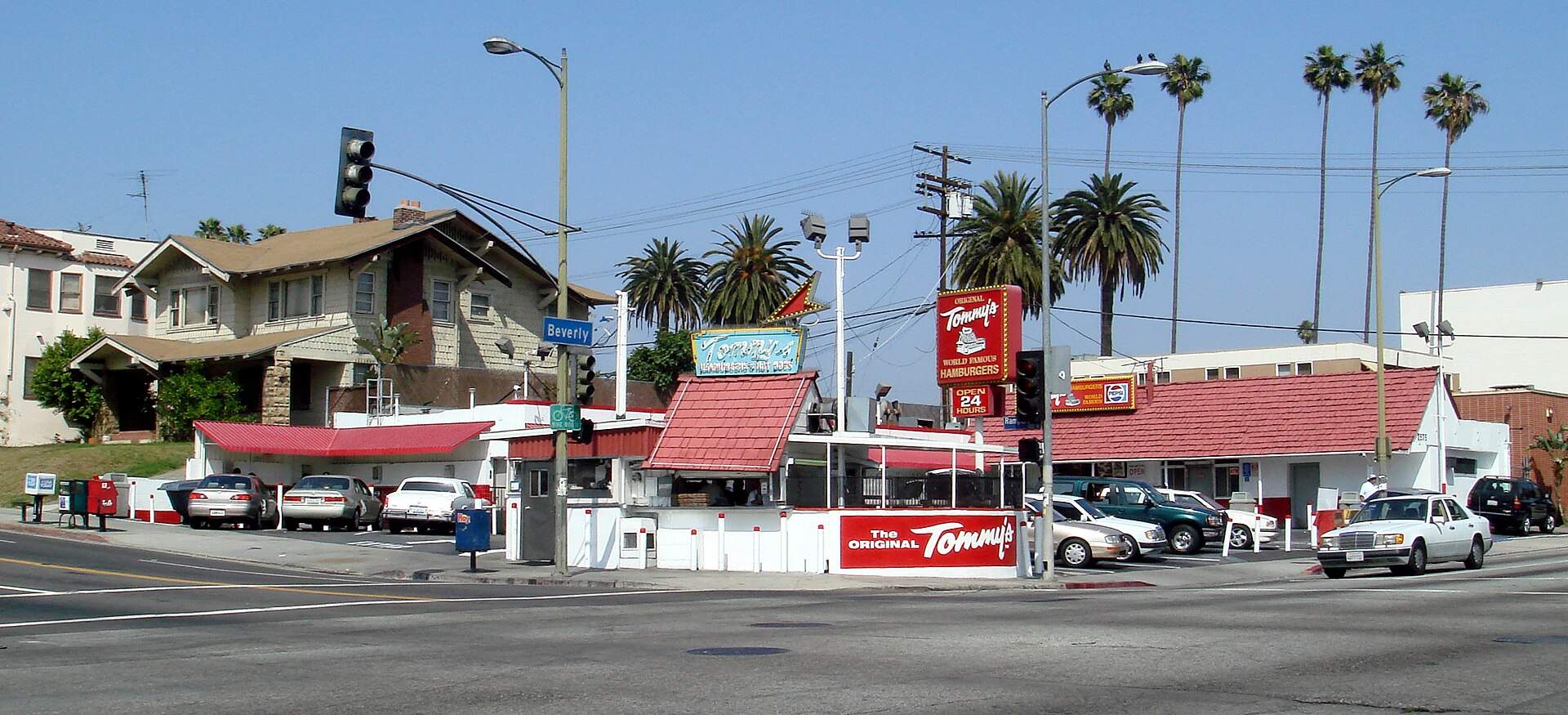
Tommy’s has operated at the corner of Beverly Boulevard and Rampart in Los Angeles since 1946. The original location remains in continuous operation, with the chili that defines Tommy’s burgers prepared from substantially the same recipe since opening. Tommy’s chili is genuinely distinctive — neither traditional Texas chili nor Mexican-style chili but a specific Los Angeles preparation. The chili burgers, chili fries, chili dogs, and chili tamales (the four main menu items) maintain genuine recipe continuity. Tommy’s has expanded substantially across Los Angeles but the original location maintains specific character that the franchised locations cannot quite replicate.
Pink’s Hot Dogs (Los Angeles, CA — 1939)
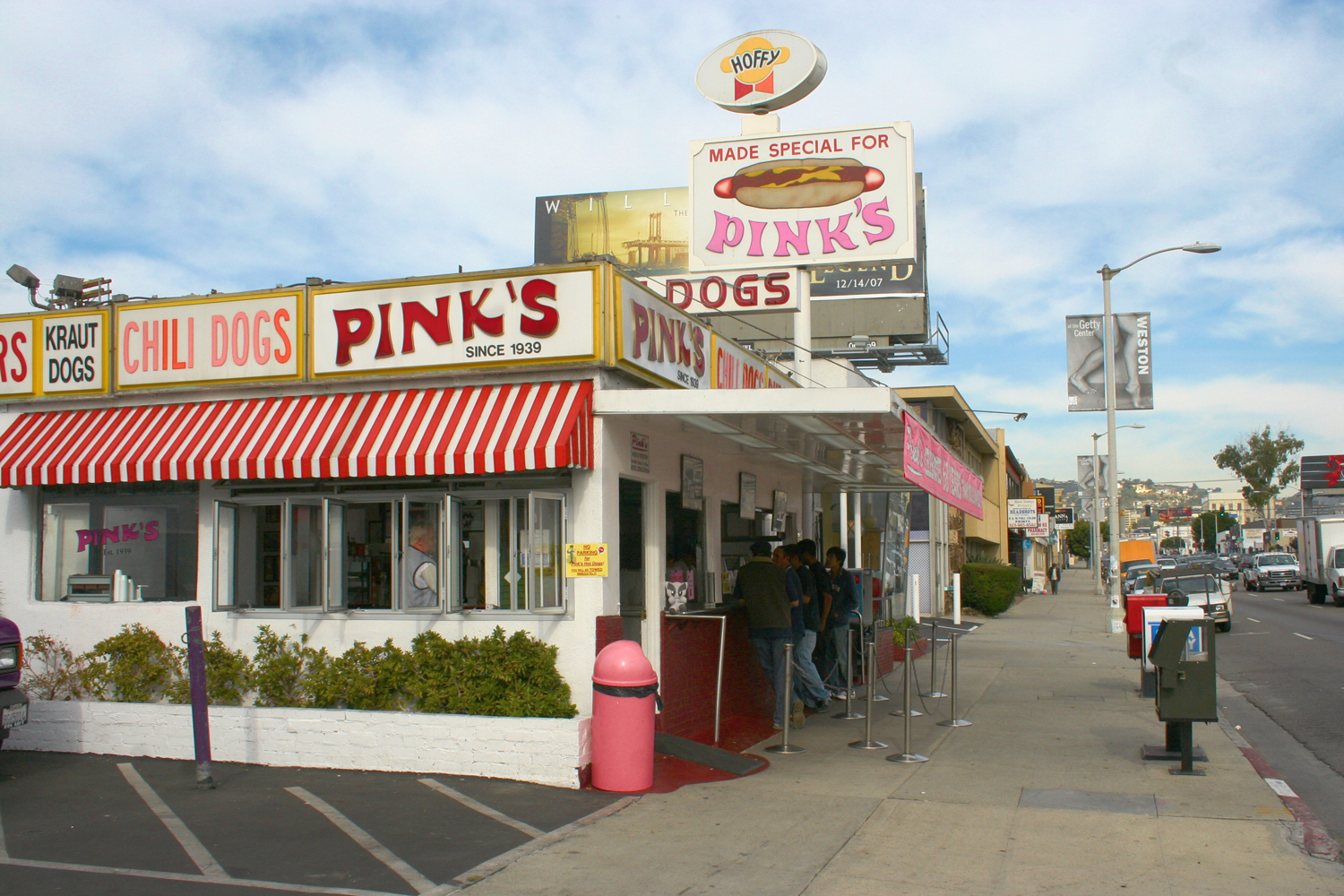
Pink’s has operated at La Brea and Melrose in Los Angeles since 1939, originally as a hot dog cart before becoming a permanent location in 1946. The chili dog (the “Pink’s Hot Dog”) uses essentially the same chili recipe and hot dog preparation method since opening. The signature ingredients — specific brand of hot dogs, specific chili recipe, specific bun preparation — have been maintained across decades. Pink’s has become a Hollywood institution with celebrity associations, but the basic product has remained substantially unchanged. The wait times can be substantial during peak hours, but the food experience remains genuinely connected to mid-20th century American hot dog culture.
Joe’s Stone Crab (Miami Beach, FL — 1913)
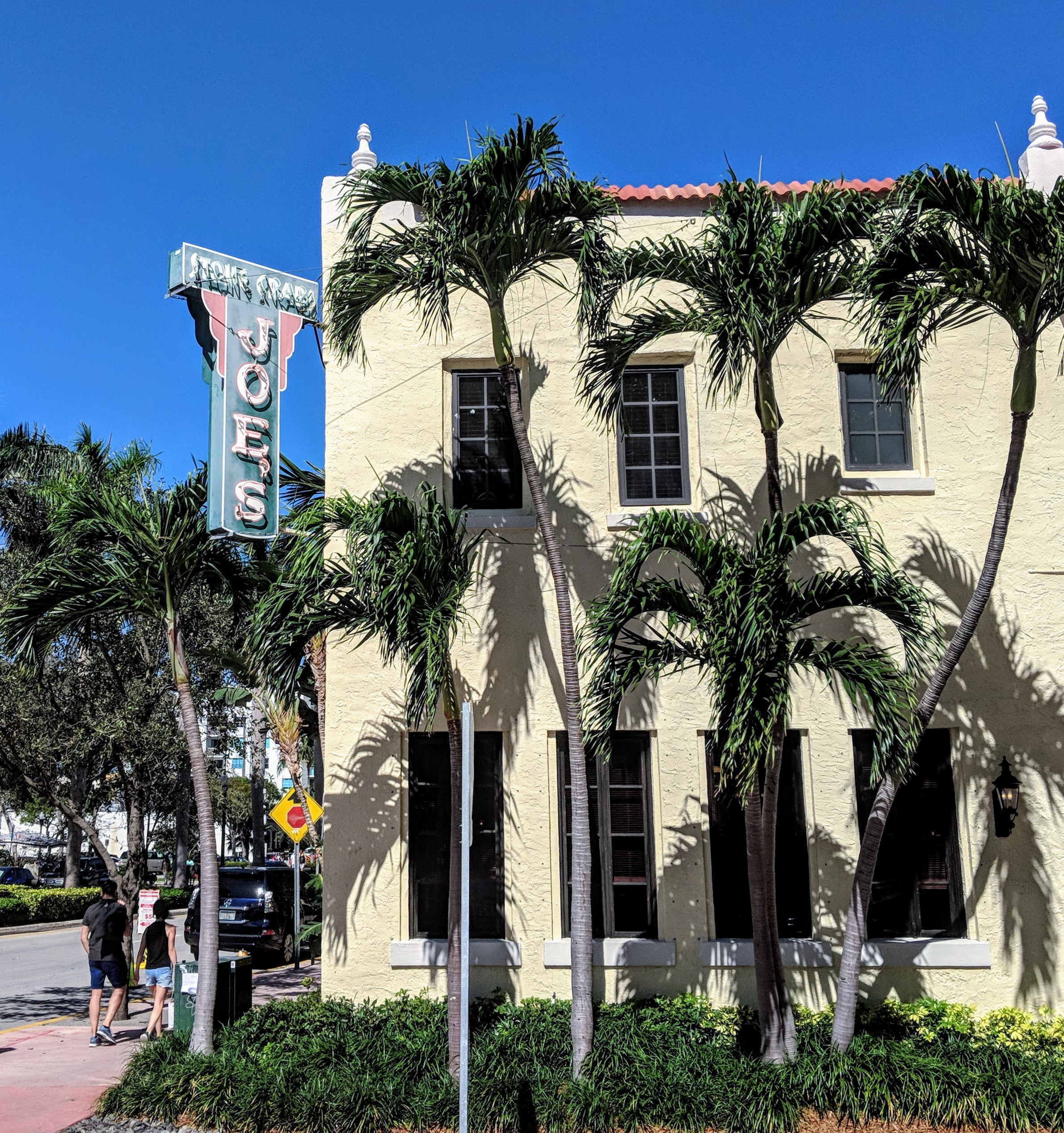
Joe’s Stone Crab has operated in Miami Beach since 1913, with the signature stone crab preparation essentially unchanged across more than a century of operation. The mustard sauce that accompanies the crab claws is prepared from a specific recipe that has been maintained throughout the restaurant’s history. The hash brown potatoes, key lime pie, and various other menu items have substantially maintained their original preparations. Joe’s is open only during stone crab season (October-July) and is among the most traditional restaurants in American cuisine. The restaurant’s specific dining rituals (no reservations, lengthy waits, specific service customs) have also remained consistent.
Berghoff Restaurant (Chicago, IL — 1898)
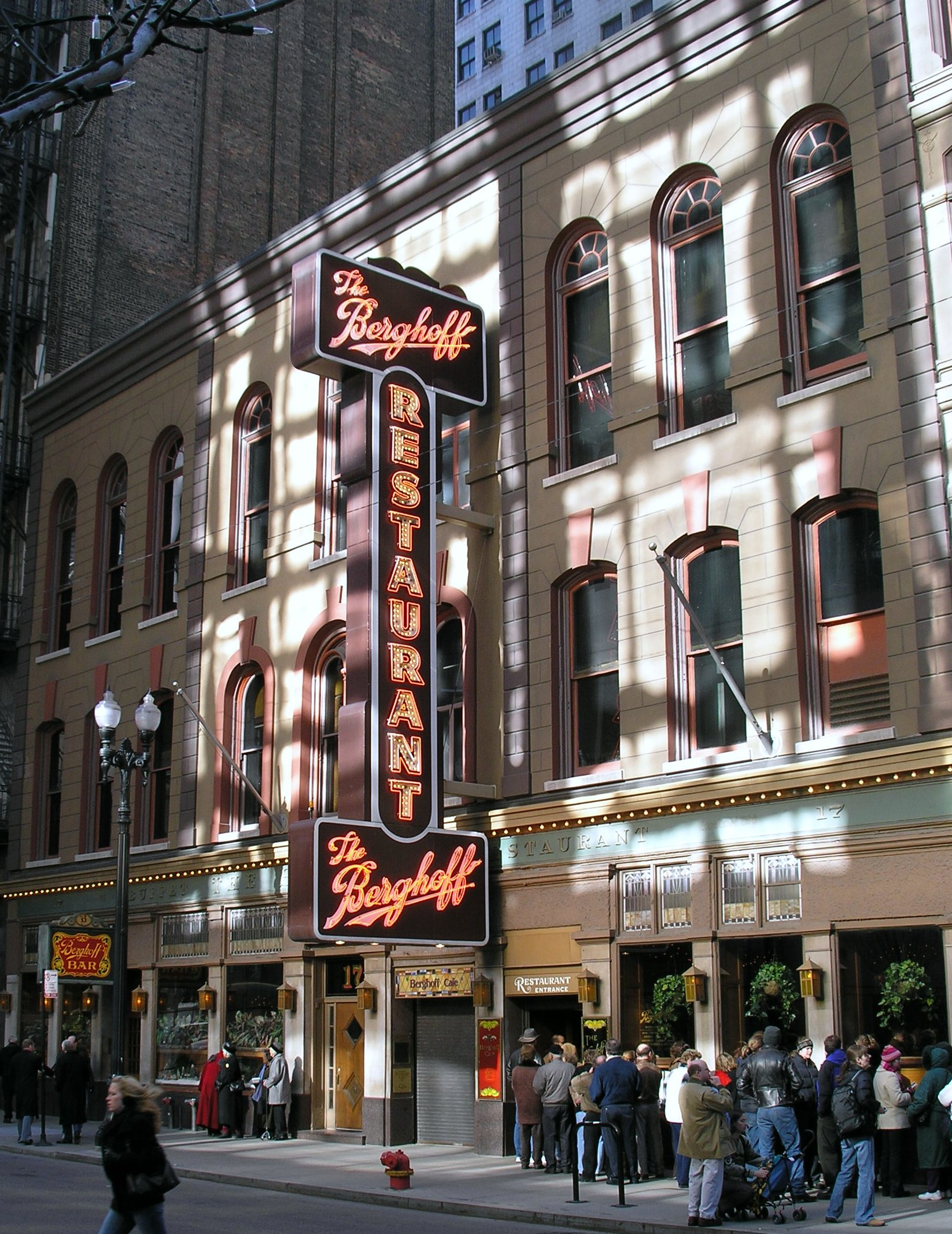
The Berghoff has operated in Chicago since 1898, originally as a brewery and beer hall, expanded substantially through the 20th century. The German-American menu — sauerbraten, bratwurst, schnitzels, various traditional preparations — uses substantially the same recipes as 1950s versions. The Berghoff brewed its own beer continuously until 2006, when production was transferred to other facilities. The restaurant’s specific 1950s atmosphere — wood paneling, traditional service, specific menu items — has been preserved through deliberate management decisions. Modern Berghoff faces competitive pressure from changing Chicago dining culture but maintains its specific historical character.
Lou Mitchell’s (Chicago, IL — 1923)
Lou Mitchell’s has operated in Chicago since 1923, located near Union Station and famous for its breakfast service. The signature pancakes, omelets, and other breakfast items use substantially the same recipes since opening. The restaurant’s specific service traditions (free Milk Duds for women, free donut holes while waiting) have been maintained for decades. Lou Mitchell’s was on the original Route 66 and served as the traditional breakfast stop for travelers heading west. The restaurant remains genuinely popular with Chicago locals despite its tourist association. The breakfast experience provides authentic 1950s American breakfast culture.
Manny’s Cafeteria & Delicatessen (Chicago, IL — 1942)
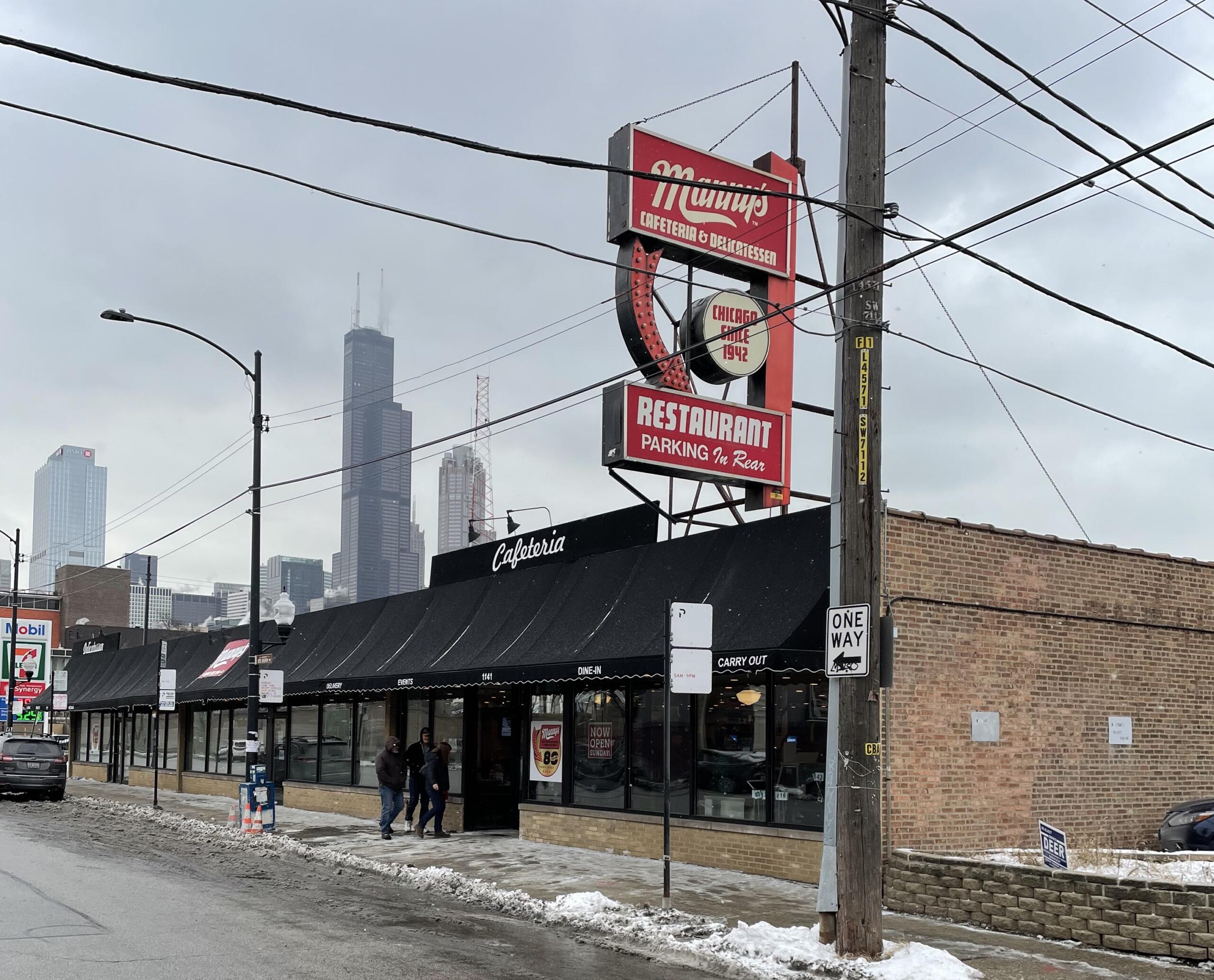
Manny’s has operated in Chicago since 1942, providing classic Jewish-American deli food in cafeteria format. The corned beef sandwich preparation, matzo ball soup recipe, and various other menu items have maintained genuine continuity with mid-20th century American Jewish deli traditions. The cafeteria service style itself is increasingly rare in American restaurants. Manny’s serves Chicago politicians, business leaders, and ordinary families across generations. The restaurant’s specific character — the sandwiches, the soup, the service style, the customer base — provides authentic experience of mid-20th century American urban deli culture that has substantially disappeared from most American cities.
Why So Few Restaurants Have Maintained Continuity
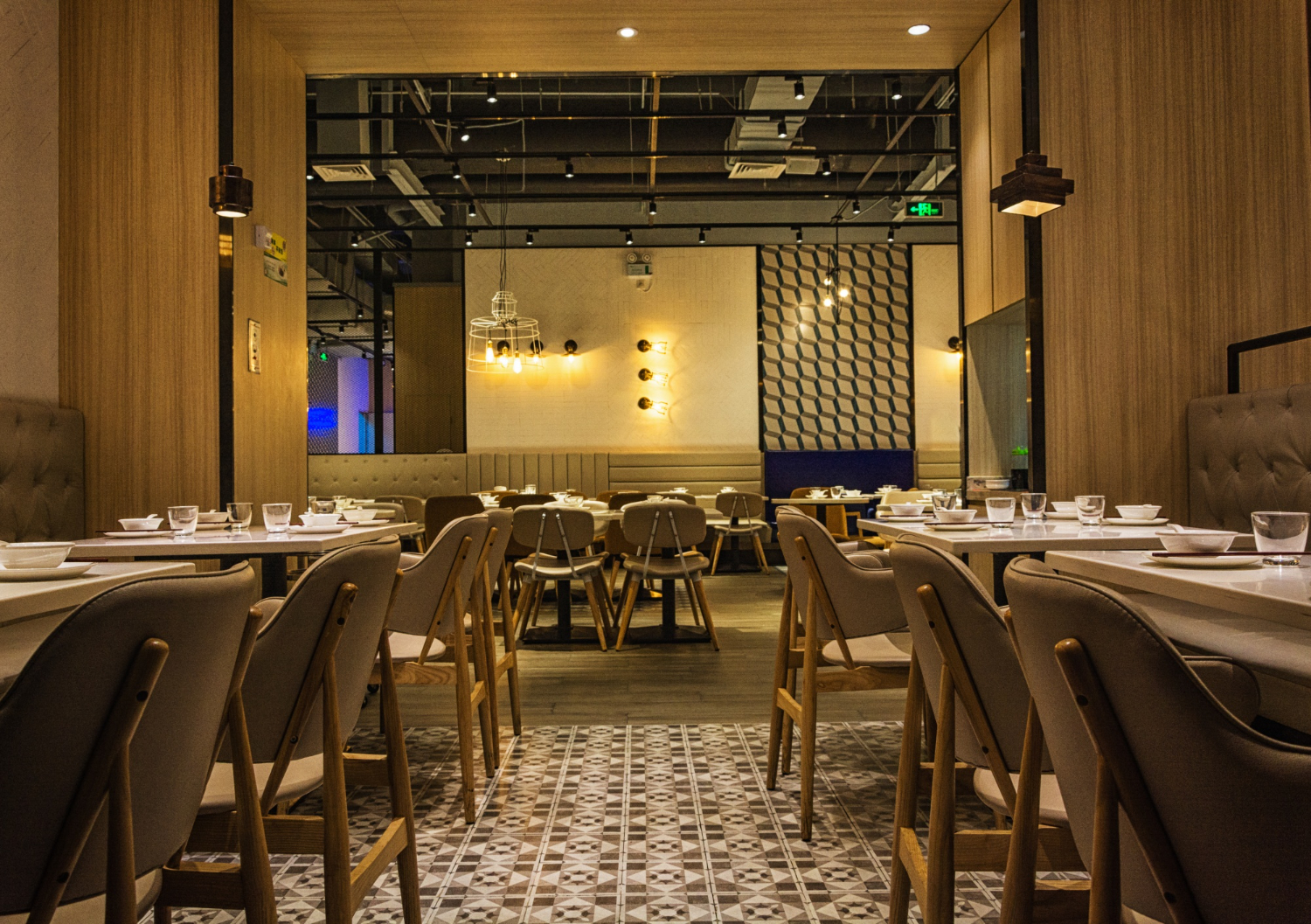
The fundamental reason 1950s recipes have largely disappeared from American restaurants involves economic pressure rather than declining customer preference. Maintaining genuine continuity requires resisting various pressures: ingredient cost optimization that favors cheaper alternatives, preparation method changes that favor faster service, menu evolution that responds to changing dietary preferences, and various other modernization pressures. Most restaurants that started in the 1950s have either closed or substantially modernized to compete with chain restaurants and changing customer expectations. The handful that have maintained genuine continuity typically have specific factors enabling resistance: family ownership across generations, established customer bases that specifically value continuity, real estate situations that allow longer-term thinking, and management commitment to historical authenticity over commercial optimization.
What These Restaurants Actually Represent
The American restaurants that have maintained genuine 1950s continuity represent something specific: rare opportunities to experience American food as it was actually prepared before the systematic industrialization of American cooking. The recipes themselves aren’t necessarily superior to modern alternatives — many are substantially less nutritious, more limited in vegetable content, and prepared with techniques that modern food science would question. But they provide authentic historical experience that interpreted recipes cannot replicate. Visiting these restaurants is essentially time travel — you experience food the way Americans actually ate it 70+ years ago, prepared by people who learned the techniques from people who learned them in the original era. The opportunity is genuinely limited; many of these restaurants face long-term sustainability questions as their original generation of operators retires. Modern visitors who appreciate authentic American culinary history have a specific time window to experience these places before they either modernize substantially or close entirely.