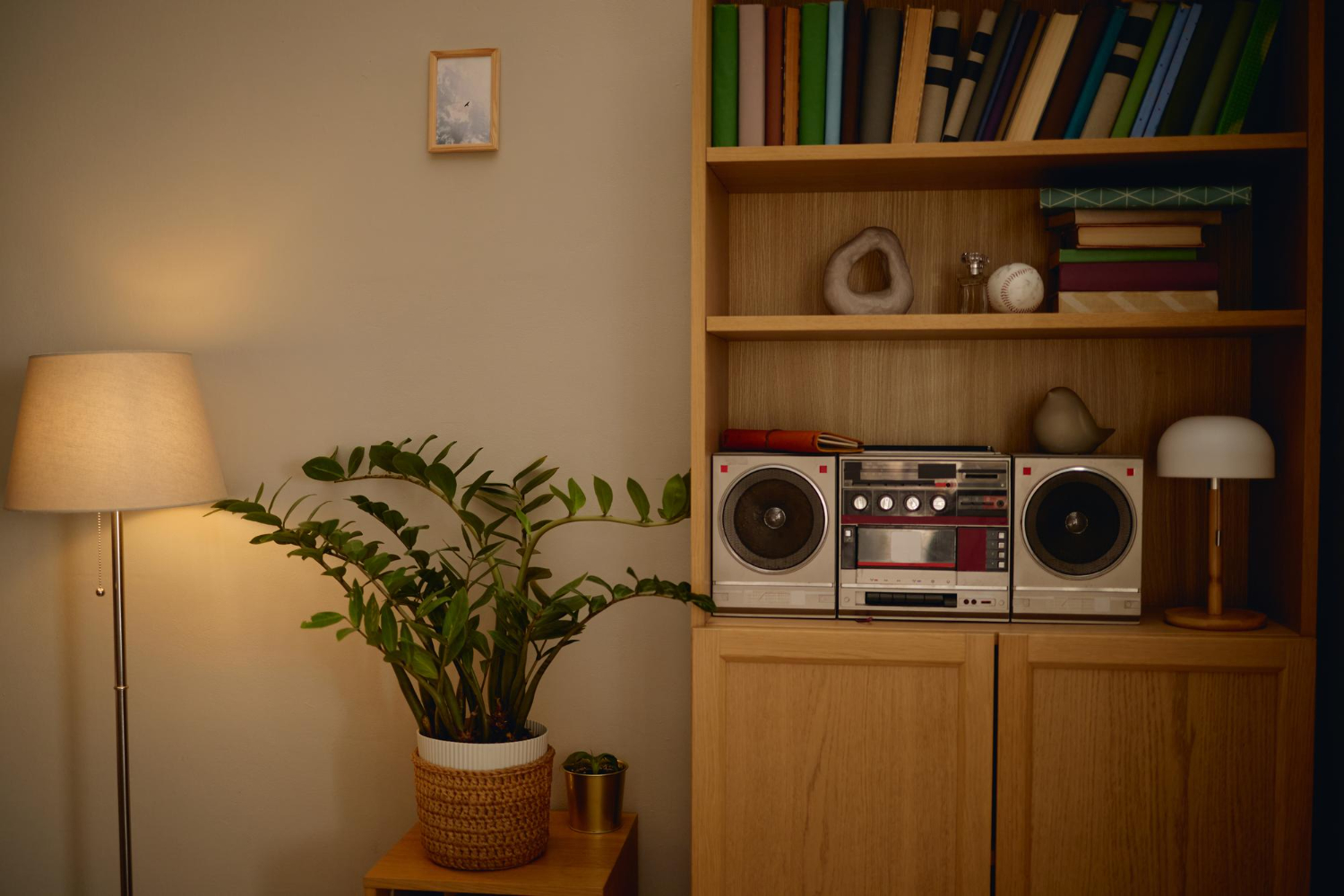
The 1972 American suburban living room contained specific furniture items that defined family social space for an entire generation. The console television. The reading lamp on a specific end table. The encyclopedia set in a specific bookcase. The coffee table arrangement designed for specific social patterns. By 2026, most of this furniture has disappeared along with the room itself — modern homes increasingly eliminate the formal living room in favor of multi-purpose family rooms with substantially different furniture requirements. Here’s what every 1972 living room had — and what specifically replaced each piece.
The 1972 American living room operated as a specific social space with specific furniture requirements. The room was designed for adult conversation, formal entertaining, occasional family gatherings, and the specific 1970s television-watching culture that organized many American evenings. The furniture in these rooms was substantially standardized across middle-class American homes, partly due to limited furniture retailer options and partly due to consistent 1970s social conventions about how living rooms should function.
The Console Television (Often a “Color TV”)

The 1972 living room centerpiece was the console television — a large wood-cabinet television, typically 25-27 inches diagonal, weighing 100-200 pounds, occupying substantial floor space. The console TV was substantially furniture rather than just electronics — designed to look like a piece of dining room furniture when not in use. Many had storage compartments, record players built in, and various other features. The replacement progression has been dramatic: console TVs to wall-mounted CRT TVs to flat panels to wall-mounted LED displays. Modern televisions occupy substantially less furniture space and provide much better image quality. The console TV as significant furniture item is genuinely extinct.
The “Davenport” or Sofa with Specific Coordinated Pieces
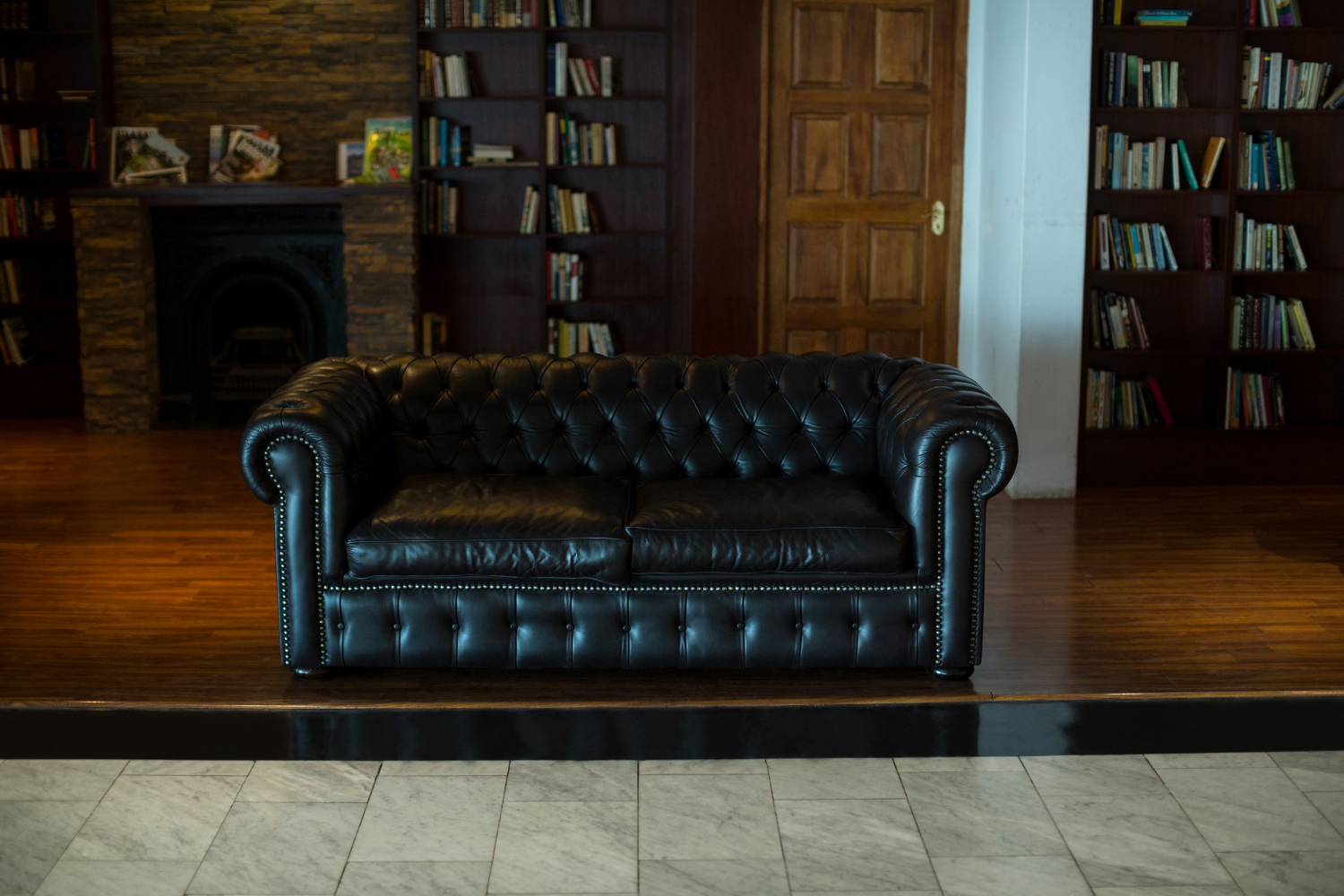
1972 American living rooms typically had a sofa (then commonly called a “davenport” by older Americans) with specifically coordinated chairs, often a matching loveseat, and various accent pieces. The matching set was considered standard rather than optional. Brands like Ethan Allen, Henredon, and various other furniture manufacturers sold specifically coordinated living room collections. Modern furniture buying has substantially shifted toward eclectic mixing rather than coordinated sets. IKEA, West Elm, and various other modern retailers sell pieces designed for individual selection rather than coordinated suites. The matching living room set has become substantially uncommon in modern American homes.
The Specific Lamp Arrangement

1972 living rooms had specific lighting arrangements: typically a floor lamp in one corner, table lamps on end tables flanking the sofa, sometimes a torchère (floor lamp directing light upward) for ambient lighting. The lamp arrangements were carefully balanced to provide adequate reading light, conversation lighting, and ambient illumination. The lamps themselves were substantial pieces with specific shades, often coordinated with other living room furnishings. Modern lighting has substantially shifted toward overhead lighting (recessed cans, pendant fixtures) plus minimal task lighting. The specific 1972 lamp arrangements with carefully positioned table and floor lamps have become substantially uncommon in modern homes.
The Encyclopedia Set in a Specific Bookcase

Many 1972 middle-class American homes contained encyclopedia sets — typically Encyclopædia Britannica, World Book, or Funk & Wagnalls — displayed prominently in living room bookcases. The encyclopedia represented intellectual aspiration as much as practical reference work. Sets cost $1,000-3,000 in 1972 dollars (substantial money), and the visible display indicated specific cultural values. Modern homes essentially never contain encyclopedia sets. Britannica ceased print production in 2012. The specific intellectual furniture statement of “encyclopedia in the living room” has been entirely replaced by digital reference access. Modern living room bookcases (where they exist) display different items entirely.
The Coffee Table with Specific Items
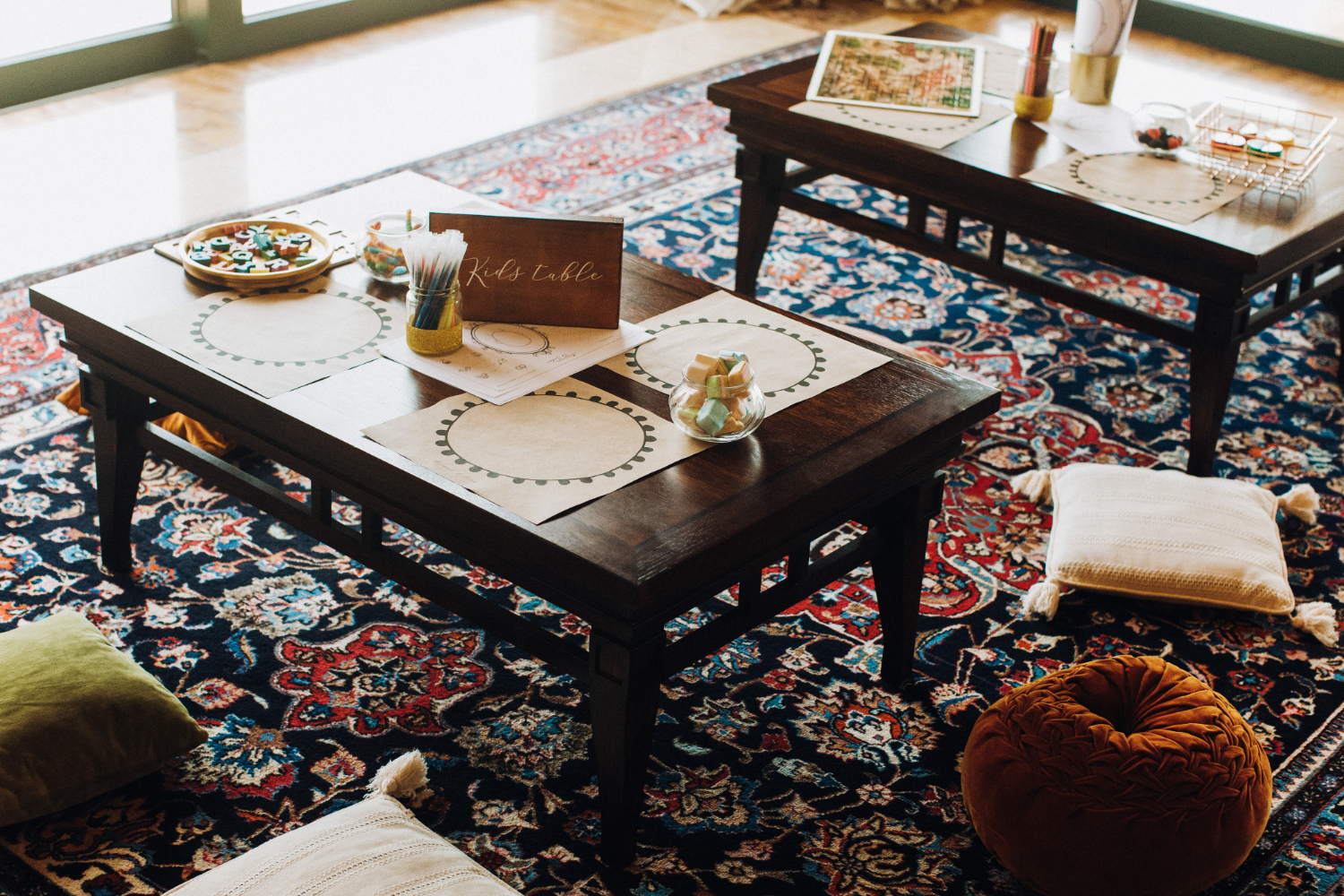
1972 living room coffee tables had specific item arrangements that signaled specific social functions. Typical items included: large coffee table books (often Time-Life series or art books), an ashtray (smoking remained common in middle-class American homes), magazines (Life, Look, National Geographic, Reader’s Digest), perhaps small decorative items. The coffee table was specifically designed for guest interaction during visits. Modern coffee tables typically have substantially fewer items — perhaps a candle, a remote control basket, occasional decorative items. The specific 1972 coffee table arrangement with multiple curated items has been substantially replaced by minimalist alternatives.
The Specific Carpet (Often Shag)
1972 living rooms typically had wall-to-wall carpeting, often shag (with longer pile fibers) in specific colors that defined the era — gold, avocado, harvest orange, brown. The shag carpet specifically required regular vacuuming and “raking” to maintain appearance. Carpet cleaning was substantial maintenance work. Modern American homes have substantially shifted away from wall-to-wall carpeting toward hardwood, laminate, or area rugs over hard surfaces. Shag carpeting has become essentially extinct in mainstream American homes. The specific 1972 carpeting style has substantially disappeared from American interior design.
The Hi-Fi Stereo System
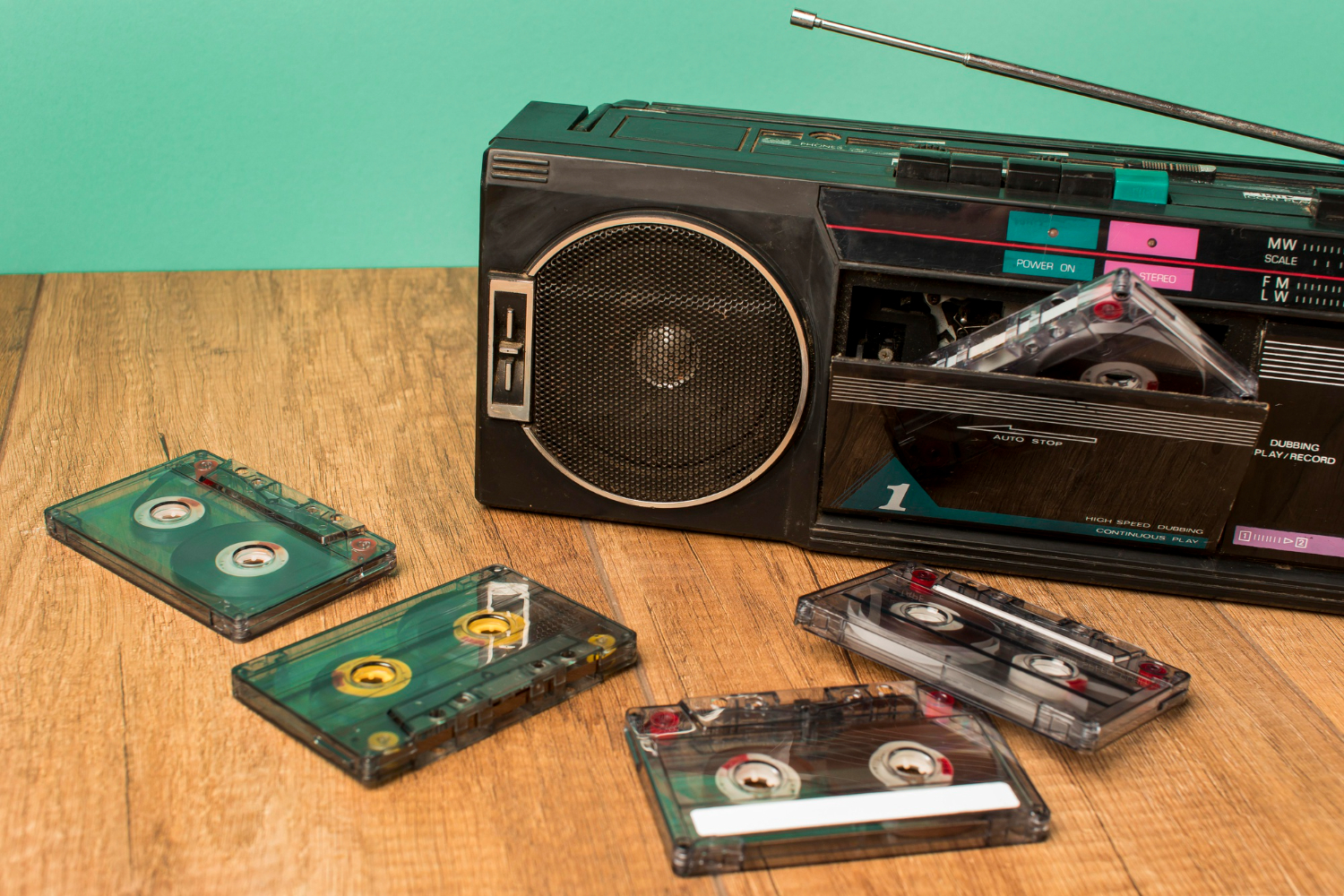
1972 living rooms often featured separate hi-fi stereo systems — turntables, amplifiers, speakers, sometimes 8-track tape decks or reel-to-reel systems. The stereo represented substantial financial investment and social status. Brands like Marantz, Pioneer, and various others competed in the high-end home audio market. Modern home audio has substantially consolidated. The dedicated stereo system has been replaced by Bluetooth speakers, smart home audio, and integration with various streaming services. The specific 1972 dedicated stereo as living room feature has substantially disappeared, though some audiophiles maintain elaborate dedicated systems.
The Hardback Encyclopedia and Reader’s Digest Condensed Books

Beyond the encyclopedia set, 1972 living rooms often contained Reader’s Digest Condensed Books — hardcover anthologies of abridged popular novels published 4-5 times annually. Subscriptions provided continuous additions to home libraries. Many middle-class American homes had decades of accumulated condensed books. The visible display of these books indicated specific cultural commitments. Modern homes substantially lack equivalent book displays. Reader’s Digest Condensed Books continued through 1997 (after which they were rebranded), but the specific 1972-era publication pattern has been substantially replaced by digital reading and minimal physical book ownership.
The Specific Picture Frames and Family Photos

1972 living rooms displayed specific family photographs in specific frame arrangements — typically formal portraits of immediate family members, wedding photos of parents, occasional photos of grandparents, religious imagery in some homes. The photo arrangements were curated and meaningful. Modern American homes display photos differently — more frequently digital displays, fewer physical frames, more casual photo arrangements. The specific 1972 living room photo arrangement with formal portraits in coordinated frames has been substantially replaced by various alternatives. The photo display function has shifted from physical living room arrangements to digital sharing through phones and social media.
The Specific Plant Arrangements

1972 American living rooms often contained specific houseplants — typically philodendrons, spider plants, ferns, sometimes more elaborate options. The plants required specific care patterns and were considered important elements of room atmosphere. Many 1970s living rooms had macramé plant hangers suspended from ceilings. Modern homes have substantially varied houseplant patterns — some homes contain extensive plant collections, others have none. The specific 1972 mainstream pattern of standardized houseplant arrangements has been replaced by either minimalist plant-free spaces or elaborate plant enthusiasm. The middle-ground 1972 approach has substantially disappeared.
The Disappearance of the Living Room Itself
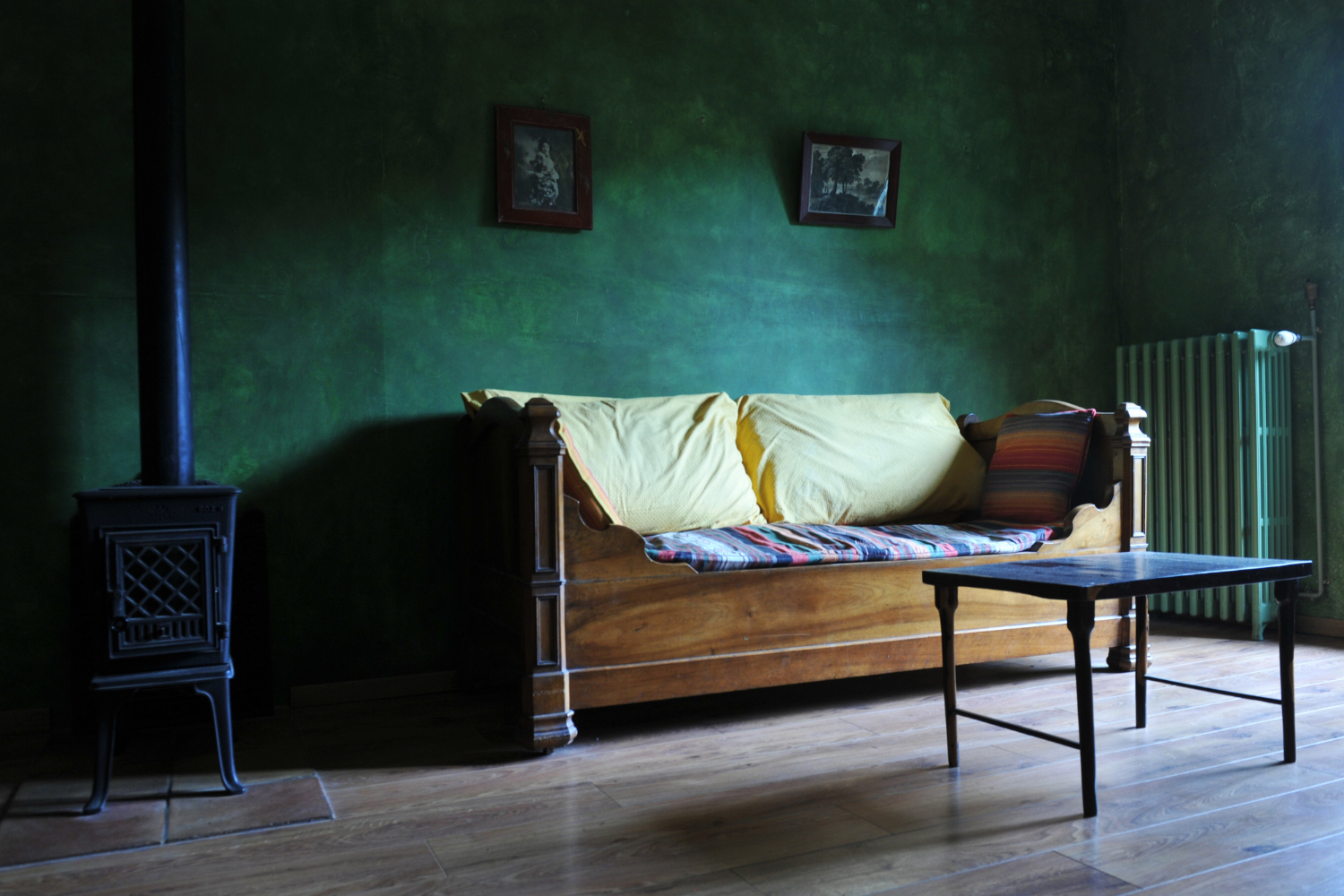
The most significant change in 1972 living room culture isn’t furniture but the room itself. Modern American home design has substantially eliminated the formal living room in favor of “great rooms” combining living, dining, and kitchen functions. New construction homes built since 2000 frequently lack formal living rooms entirely. Where formal living rooms remain, they often serve as occasional-use spaces rather than primary family social areas. The specific institutional function of the 1972 living room — formal entertaining, family television viewing, adult conversation space — has been distributed across multiple spaces or eliminated entirely. The room itself, not just its furniture, has substantially disappeared from American architecture.
What This Disappearance Actually Reveals
The transformation from 1972 living room to 2026 American home space reflects substantial changes in family social patterns, entertainment technology, design preferences, and broader cultural values. The 1972 living room functioned as a specific institutional space that organized family social life in specific ways. The replacement spaces serve different functions — more flexible, more multi-purpose, less formal. Whether the change represents progress or loss depends on specific factors. What’s clear: the specific furniture arrangement, social conventions, and even the room itself that defined American middle-class life in 1972 has substantially disappeared within a single generation. Modern visitors to preserved 1972 living rooms (occasionally available at house museums or in time-capsule homes) often find them genuinely strange — not because the furniture is unfamiliar but because the entire social arrangement those rooms supported has substantially vanished from contemporary American life.