

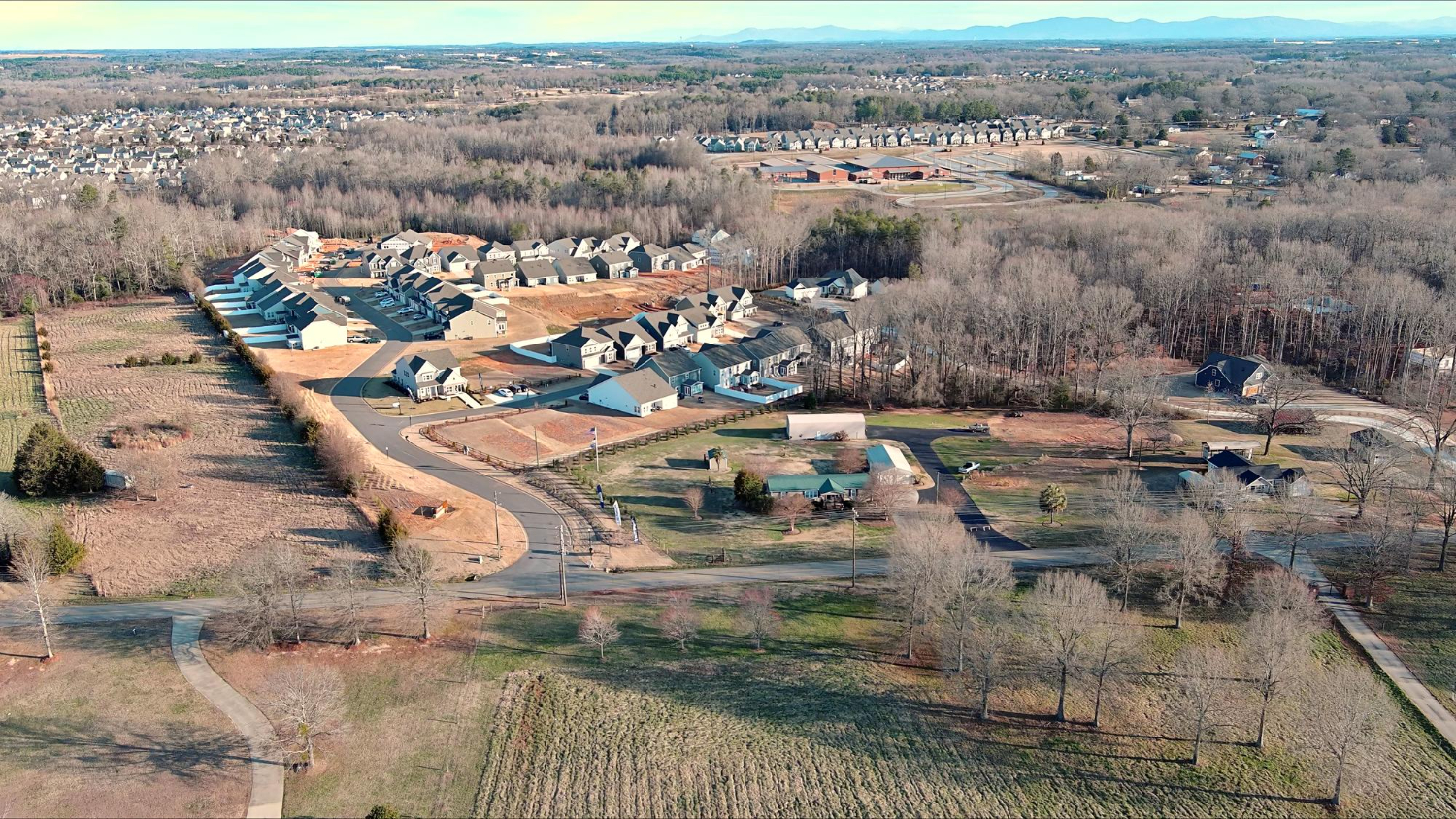
Across rural America, thousands of small towns are defined locally by a specific feature: a single working stoplight. The phrase “one-stoplight town” appears throughout American literature, music, and conversation as shorthand for a specific kind of place. The actual geography is genuinely interesting. The towns share specific characteristics that produce both their isolation and their distinctive culture. Here’s what makes a one-stoplight town actually different — and why visiting them produces substantially different American travel experience than tourists typically expect.
The “one-stoplight town” represents a specific geographic and cultural reality across rural America. Population typically ranges from 200 to 3,000 residents. The single stoplight typically marks the intersection of two highways or the town’s main commercial intersection. The phrase isn’t romantic exaggeration — actual stoplights are genuine investments that small town governments make only when traffic specifically justifies them. Towns smaller than the threshold for a stoplight don’t get one. Towns much larger have multiple. The specific one-stoplight category occupies a distinctive position in American geography.
The Geographic Logic of One-Stoplight Towns

One-stoplight towns typically exist because of specific geographic factors. Often they’re located at intersections of important rural highways — the historical reason towns formed there in the first place. The specific transportation function (rest stop, fuel stop, regional commercial hub) supports enough population to justify infrastructure but not enough to justify multiple stoplights. The town typically serves as the commercial center for surrounding rural area extending 10-30 miles. Larger nearby towns absorb most regional commercial activity, leaving the one-stoplight town with specific niche functions. Geographic isolation specifically maintains the population at the equilibrium that supports one stoplight rather than multiple.
The Specific Population Threshold
The actual population threshold for a stoplight is genuinely specific. Towns under approximately 500 residents typically have stop signs only — stoplights aren’t justified by traffic volume and represent substantial budget investment. Towns of 500-3,000 residents may have one stoplight at a specific intersection. Towns over 3,000 typically have multiple stoplights. The “one-stoplight” threshold occupies a specific population range that produces specific community characteristics. The town is large enough to have basic services (post office, gas station, perhaps a small grocery or general store) but small enough that everyone knows each other and most local interactions happen face-to-face.
What “Main Street” Actually Looks Like
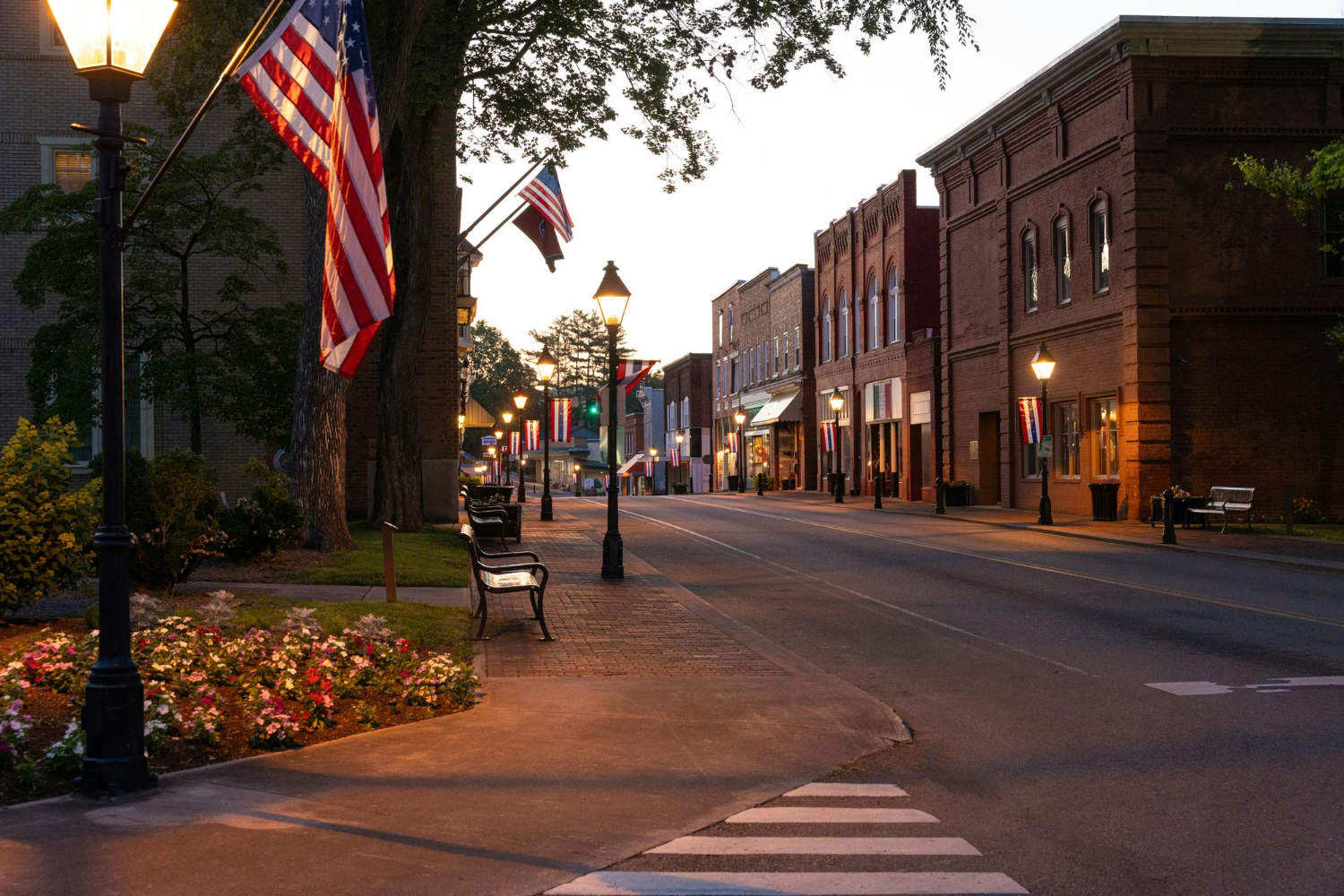
The typical one-stoplight town has a main commercial street that’s substantially shorter than what visitors might expect. Often 2-4 blocks of low-rise commercial buildings, perhaps a town hall, perhaps a church or two, perhaps a small park or town square. The architecture is typically substantially older than nearby cities — buildings dating from 1900-1940 are common, with limited modernization since. Many storefronts may be empty due to broader rural commercial decline. The remaining functioning businesses typically include: gas station/convenience store, diner or cafe, hardware store, perhaps a small grocery, post office, and possibly a bar. The specific commercial mix varies by region but follows recognizable patterns.
Who Actually Lives in These Towns
Demographic characteristics of one-stoplight towns vary by region but show specific patterns. Population is typically older than national averages — younger residents have substantially migrated to urban areas for economic opportunity. Income levels are typically lower than national averages but housing costs are substantially lower too. Long-term residency is common — many residents have lived in the town for decades or for generations. Cultural homogeneity is typically high (specific ethnic or religious patterns dominate based on regional history). Outside influence is typically limited but increasing through internet access. The specific demographic mix produces particular cultural characteristics that distinguish small-town life from urban or suburban patterns.
What These Towns Actually Offer Visitors

For travelers seeking specific kinds of American experience, one-stoplight towns offer genuine alternatives to standard tourism. Authentic regional food at family-owned restaurants that have served the same community for decades. Architectural and cultural preservation that has occurred through economic stagnation rather than deliberate planning. Genuine encounters with people whose daily lives differ substantially from urban norms. Lower costs than tourist destinations. Specific historical sites that haven’t been transformed for tourism marketing. The trade-off: minimal entertainment infrastructure, limited dining options, basic accommodation (often just a small motel or local B&B), and substantial drive distances from major airports or interstate highways.
The Best Examples by Region
Southern States: One-stoplight towns are particularly common in rural Mississippi, Arkansas, Alabama, and Tennessee. Specific examples include Belzoni, Mississippi; Eureka Springs, Arkansas; and various towns along the Natchez Trace.
Western States: Wyoming, Montana, Idaho, and Nevada contain numerous classic one-stoplight towns serving ranching and mining communities. Specific examples include Buford, Wyoming (population reportedly 1 at one point); Wisdom, Montana; and Austin, Nevada.
Midwestern States: Iowa, Kansas, Nebraska, and the Dakotas have substantial one-stoplight town networks. Specific examples include Lebanon, Kansas (geographic center of the contiguous U.S.); Bonaparte, Iowa; and Strasburg, North Dakota (Lawrence Welk’s birthplace).
New England: Vermont and New Hampshire have particularly preserved one-stoplight towns. Specific examples include various towns along Vermont Route 100 and various small communities throughout the White Mountains region.
Southwest States: Specific one-stoplight towns occur throughout Texas, New Mexico, and Arizona. Examples include Marfa, Texas (population ~1,800); Madrid, New Mexico; and various towns along old Route 66.
How to Actually Visit Them

Practical recommendations for visiting one-stoplight towns. Plan substantial drive time — these towns are typically not near interstate highways. Don’t expect substantial dining selection — eat at whatever restaurants exist rather than seeking specific cuisines. Be prepared for limited gas stations — fuel up before departure. Be respectful of local customs — these are working communities, not tourist attractions, and visitor behavior matters. Book accommodations in advance during weekends or special events when local capacity may be substantially limited. Bring cash — credit card acceptance varies, and ATMs may be scarce. Approach interactions genuinely curious rather than tourist-focused — locals can typically distinguish real interest from tourist condescension.
The Death of Some One-Stoplight Towns
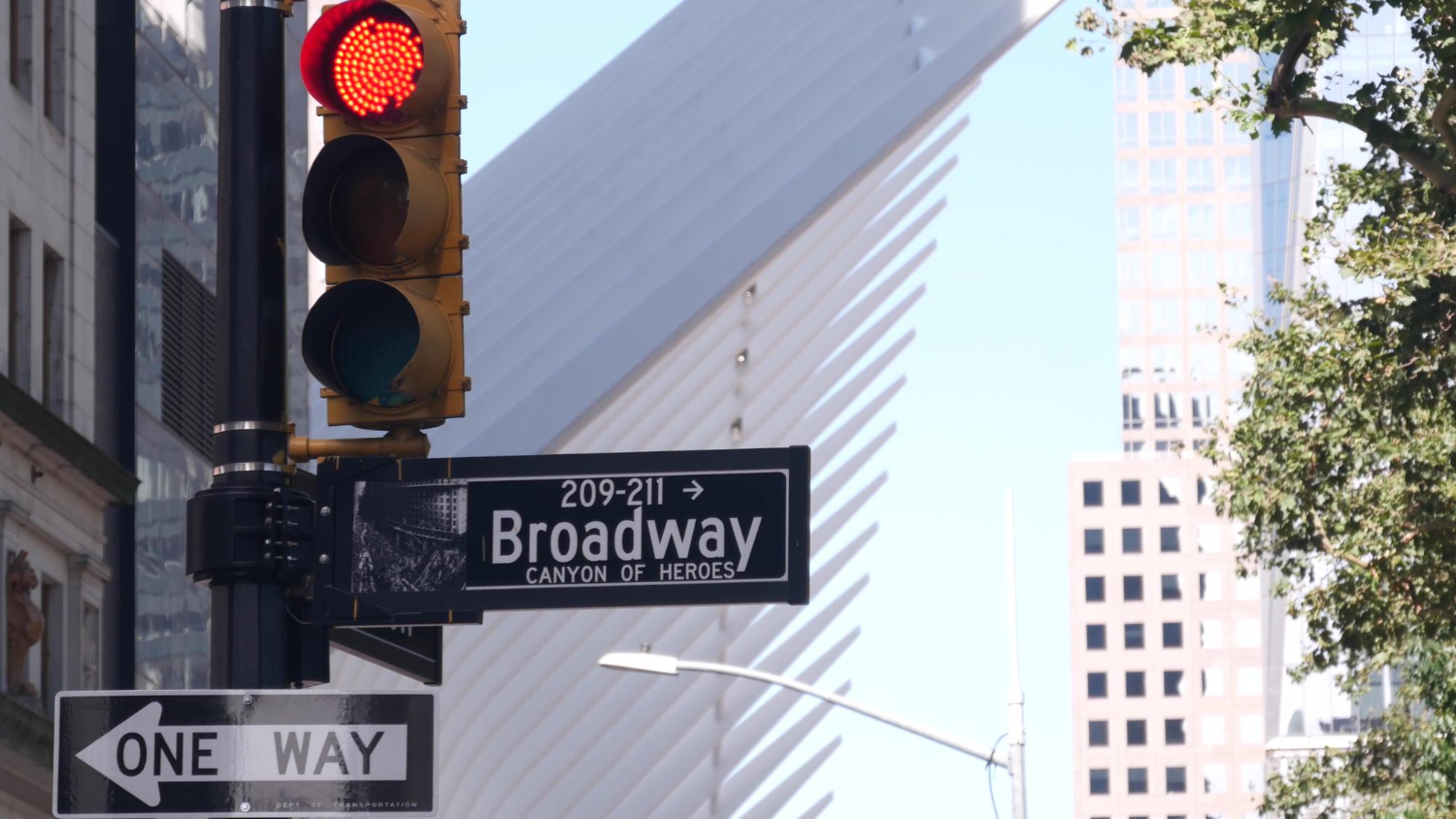
Many former one-stoplight towns have lost even that specific characteristic in recent decades. Population decline, business closures, and infrastructure aging have eliminated stoplights from some towns that previously qualified. The downgrade from one stoplight to none reflects substantial demographic and economic decline that has affected rural America generally. The specific phrase “one-stoplight town” now sometimes describes towns where the stoplight has been removed entirely, but the cultural memory persists. The specific transition from “having a stoplight” to “being a former stoplight town” represents a particular kind of community decline that has occurred across thousands of American small towns over the past 30 years.
Why These Towns Matter for American Identity
One-stoplight towns occupy a specific position in American cultural imagination. They appear frequently in country music, literature about rural America, films set in small communities, and various other cultural products. The specific image — single stoplight, modest commercial street, friendly residents, slower pace of life — has become substantially symbolic of one specific version of American identity. The reality is more complex than the symbolic image. These towns face real economic challenges, demographic pressures, and various other practical difficulties. But they also preserve specific cultural patterns, social cohesion, and particular ways of life that have substantially disappeared from urban America. Whether the symbol or the reality matters more depends on what specifically you’re looking for.
The Future of One-Stoplight America
The long-term trajectory for one-stoplight towns varies substantially by specific situation. Some are experiencing genuine renewal through specific factors: arts community migration, retirement community development, tourism focused on specific local features, remote work residents seeking lower costs. Others continue the slow decline that has characterized rural America for decades. The specific factors that determine survival or decline vary by region: agricultural economics, distance from major metropolitan areas, internet infrastructure availability, local government capacity, and various other factors. Some one-stoplight towns will likely thrive in coming decades through specific advantages. Others will continue declining toward eventual abandonment or substantial transformation. The specific category itself will likely persist but with different specific examples than currently dominate.
What These Towns Actually Represent
The one-stoplight American town represents a specific category of community that has substantially defined rural America for generations. The specific features — single stoplight, small population, specific commercial pattern, particular cultural characteristics — combine to produce communities that exist nowhere else in quite the same way. For visitors interested in genuine American diversity (geographic, demographic, cultural), these towns offer experiences that standard tourism cannot replicate. The specific cultural patterns may not survive indefinitely; demographic and economic pressures continue affecting these communities. But they currently exist throughout America, providing genuine alternatives to urban experience for travelers willing to seek them out. The single stoplight isn’t symbolic — it’s a real piece of infrastructure marking a real category of American place that deserves more attention than it typically receives in mainstream travel coverage.
