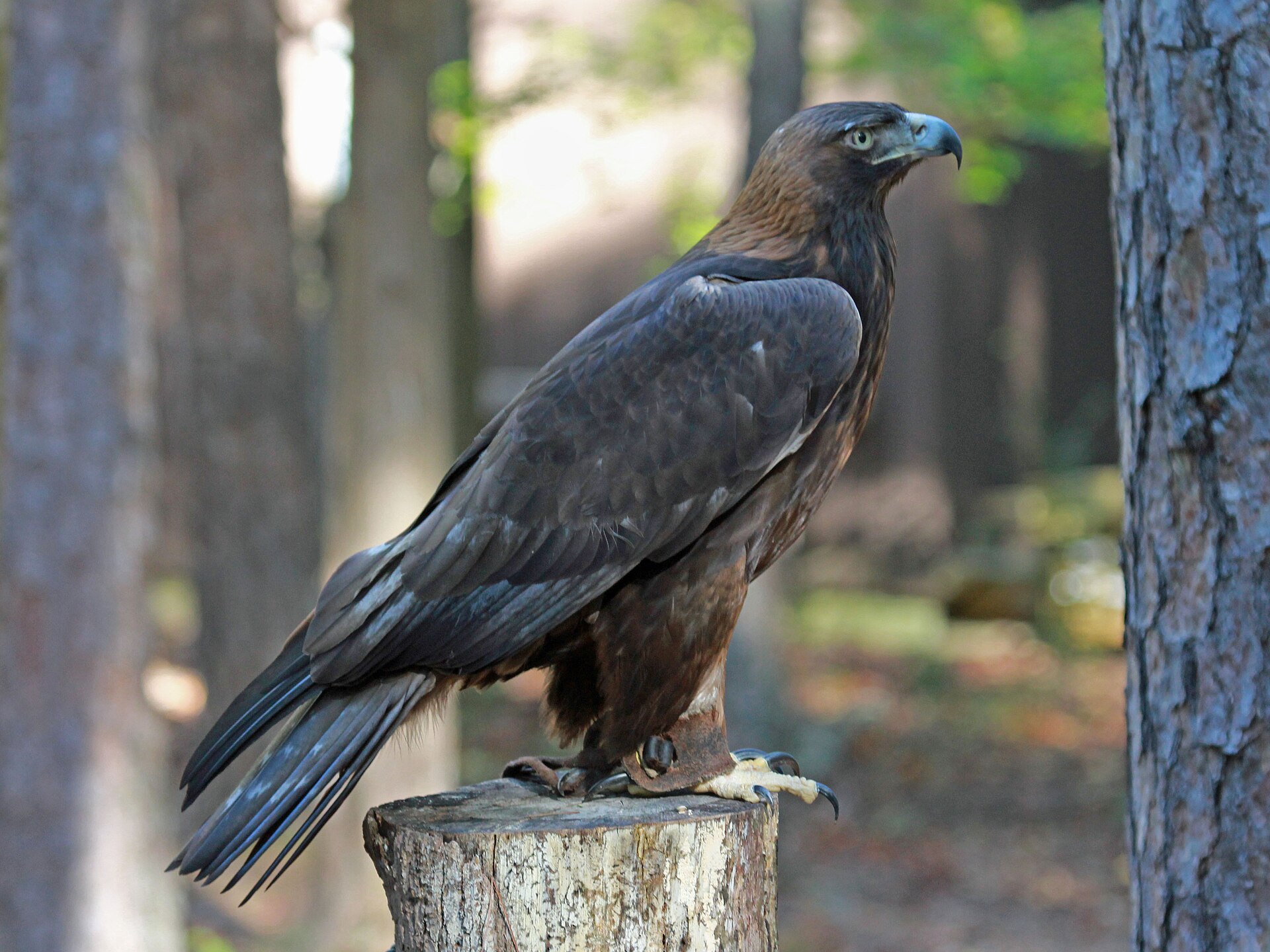
In the Altai Mountains of western Mongolia, approximately 240-400 Kazakh nomads continue an ancient tradition: training female golden eagles to hunt foxes, hares, and even wolves from horseback. The eagles weigh up to 6 kilograms with 2-meter wingspans and 6-centimeter talons. They’re caught wild as juveniles, trained for years, and hunted with for 10-15 years before being released back to the wild to breed. UNESCO recognized the tradition as Intangible Cultural Heritage of Humanity in 2010. Here’s how it actually works — and why visiting is one of the more meaningful experiences available in modern travel.
The Kazakh eagle hunters of western Mongolia practice a tradition documented archaeologically as far back as 2,500 BC. The current practitioners — known as Burkitshi (eagle hunters) — live primarily in Bayan-Ölgii province, a remote mountainous region in far western Mongolia bordering Russia and China. Approximately 100,000 ethnic Kazakhs live in the region, distinguished from the Mongolian majority by their Kazakh language, Islamic religion (versus Mongolian Buddhism), and various cultural traditions including eagle hunting. Of these, approximately 240-400 are active eagle hunters — the variation reflects different counting methods and registration statuses across various sources.
The Geographic Reality

Bayan-Ölgii sits at altitudes of 2,000-3,000 meters in the Altai Mountains. The region is genuinely remote — approximately 1,600 km from Mongolia’s capital Ulaanbaatar, accessible primarily by domestic flight to the regional capital Ölgii followed by substantial overland transportation. Winter temperatures routinely reach -20°C to -45°C. Summer brings short but warm seasons. The terrain is dramatic — towering mountains, expansive grasslands, glacier-fed rivers, and traditional nomadic pastures that have supported Kazakh communities for generations. The landscape itself substantially shapes what’s possible for both nomadic life and eagle hunting.
The Female Golden Eagles Specifically
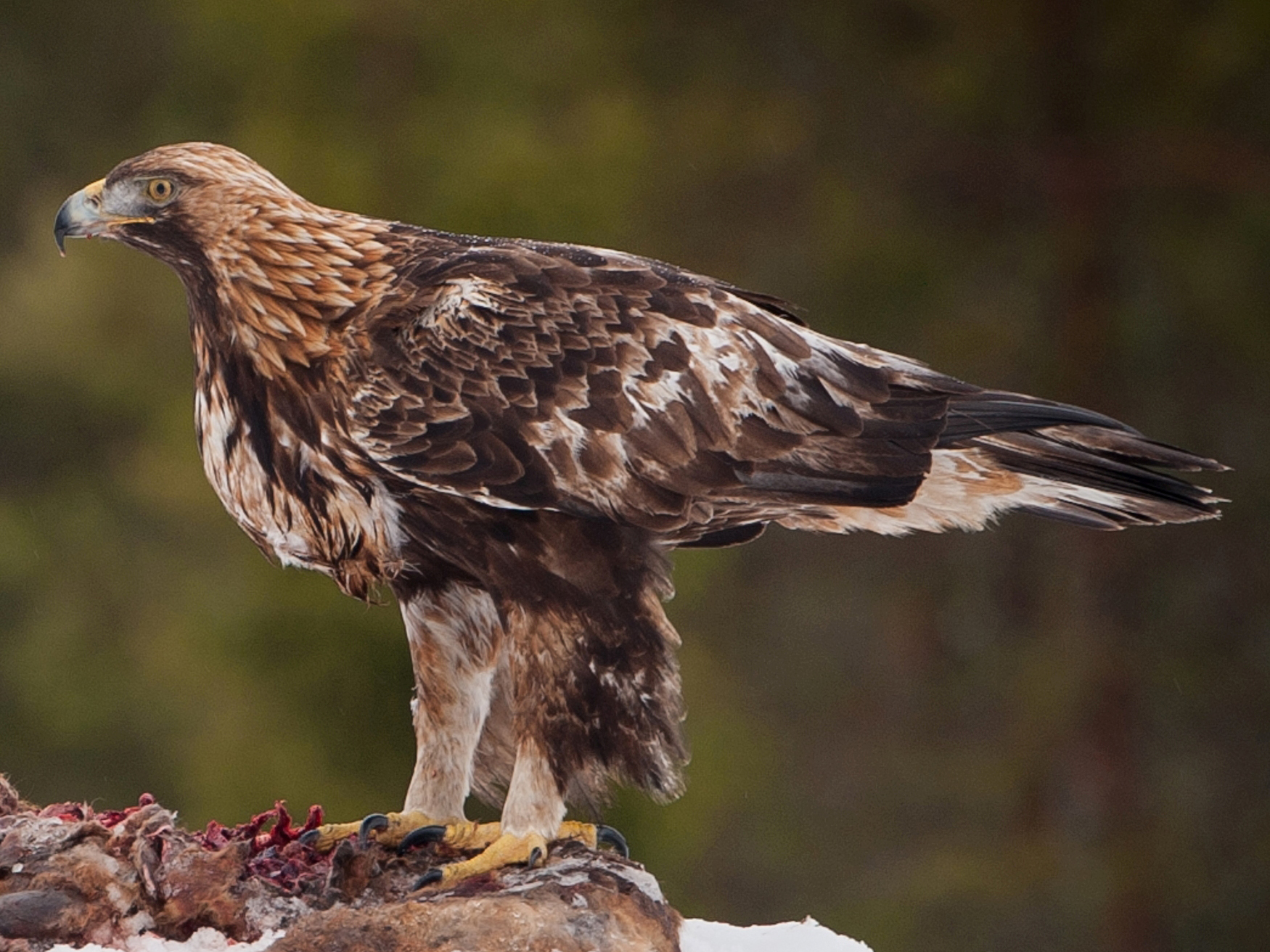
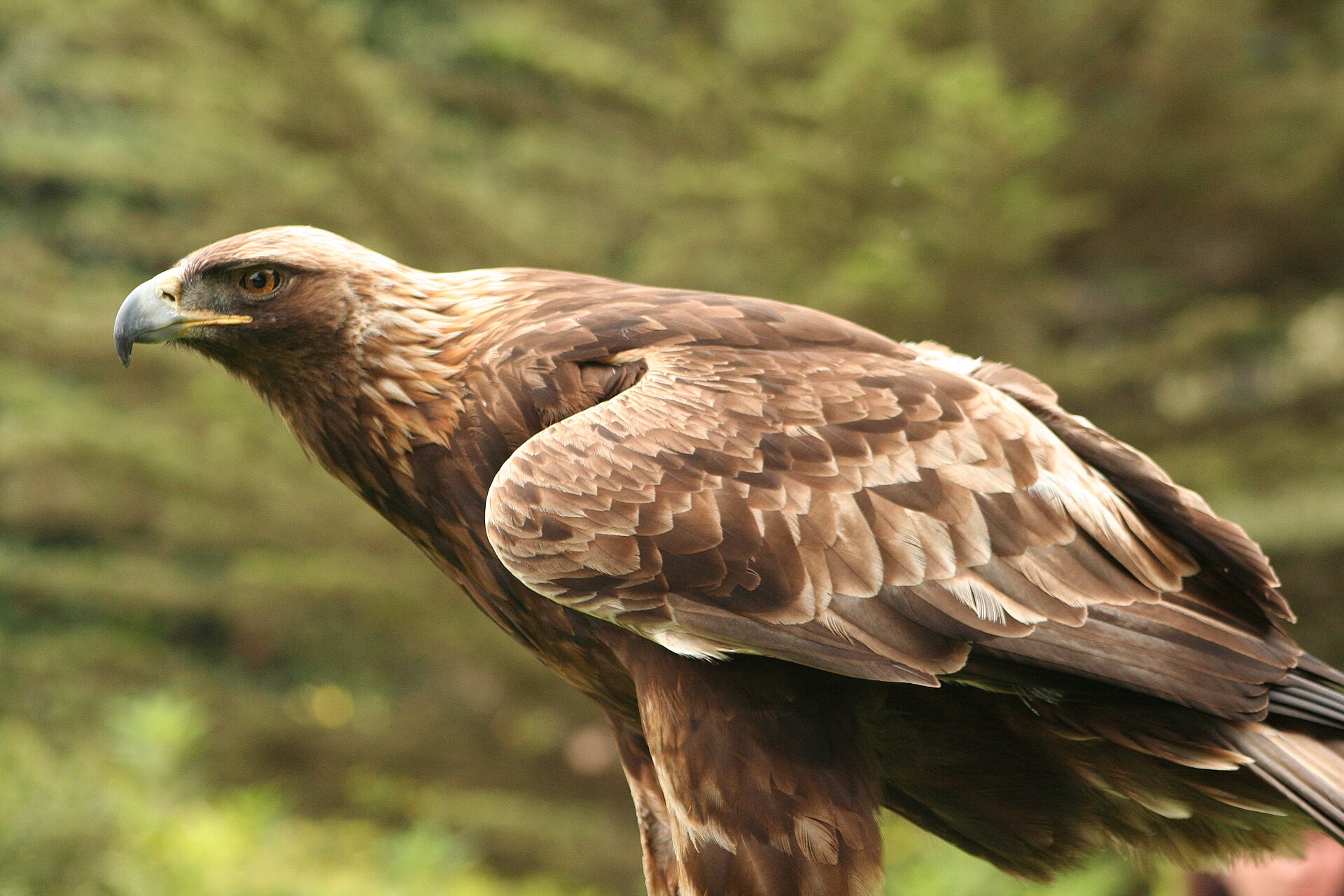
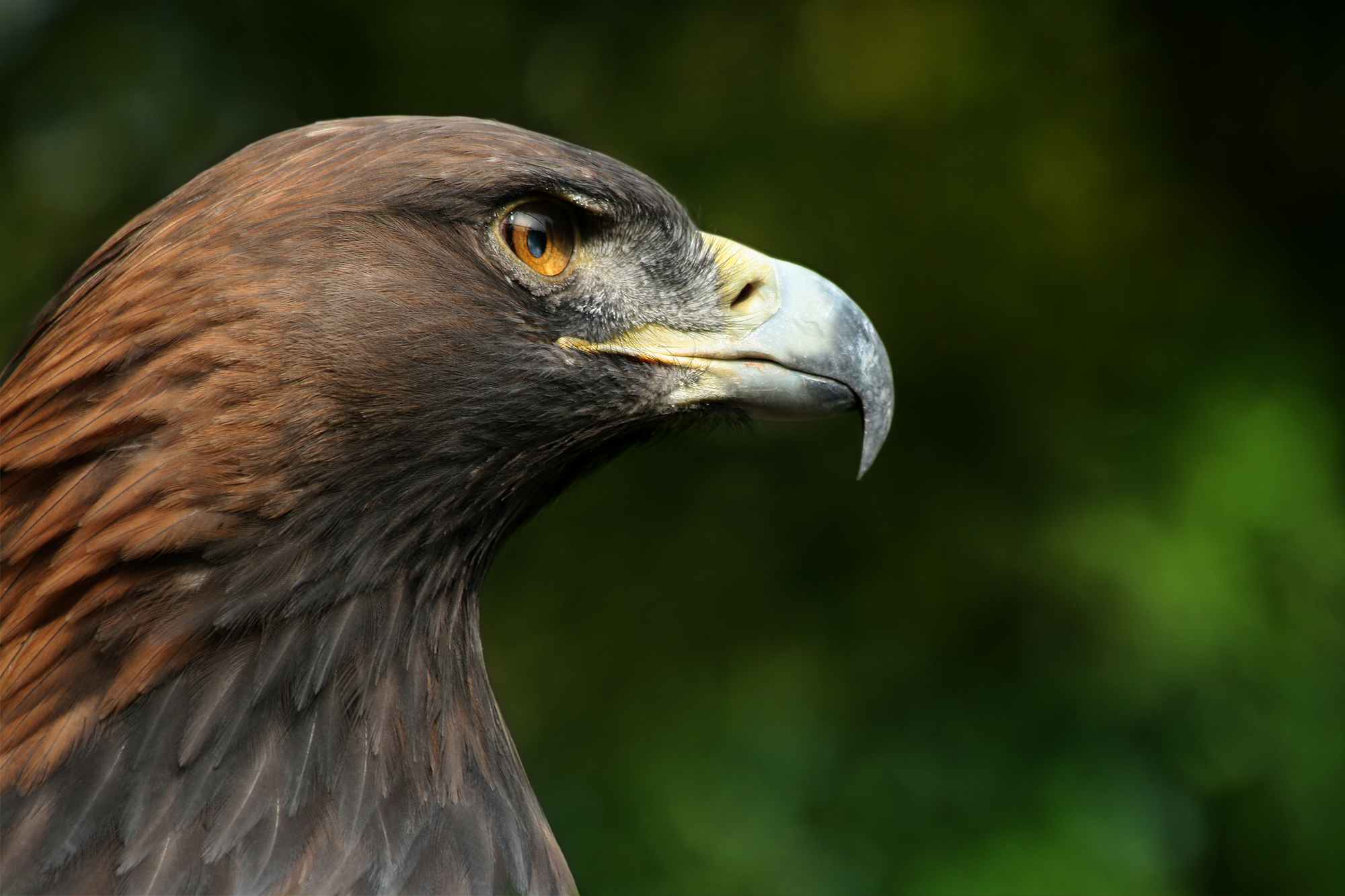
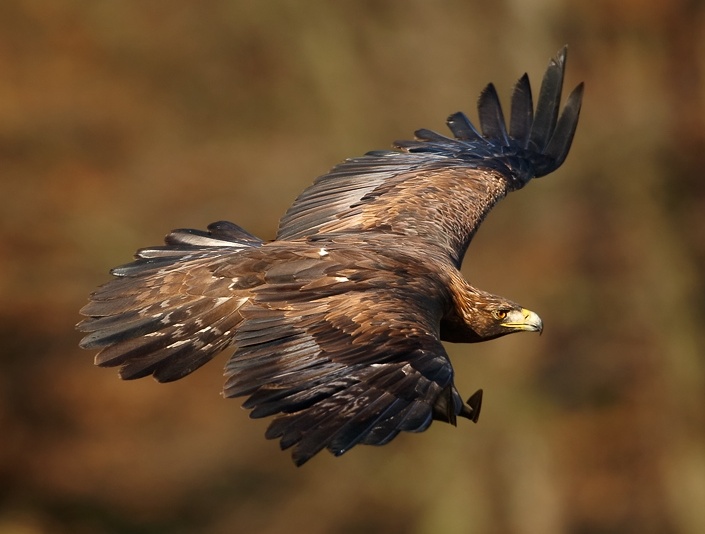
Eagle hunters specifically train female golden eagles, not males. The reasoning is biological: female golden eagles are substantially larger than males, with greater hunting capability against the larger prey (red foxes, corsac foxes, hares, wild cats, occasionally wolves) that the tradition targets. The Siberian subspecies of golden eagle (berkut) is one of the largest, with female wingspans reaching 2 meters, weights over 6 kilograms, and talons reaching 6 centimeters. The size difference between males and females is genuine sexual dimorphism — typical for raptor species but particularly pronounced in golden eagles. Working with these massive female birds requires substantial physical strength and training.
How Eagles Are Captured
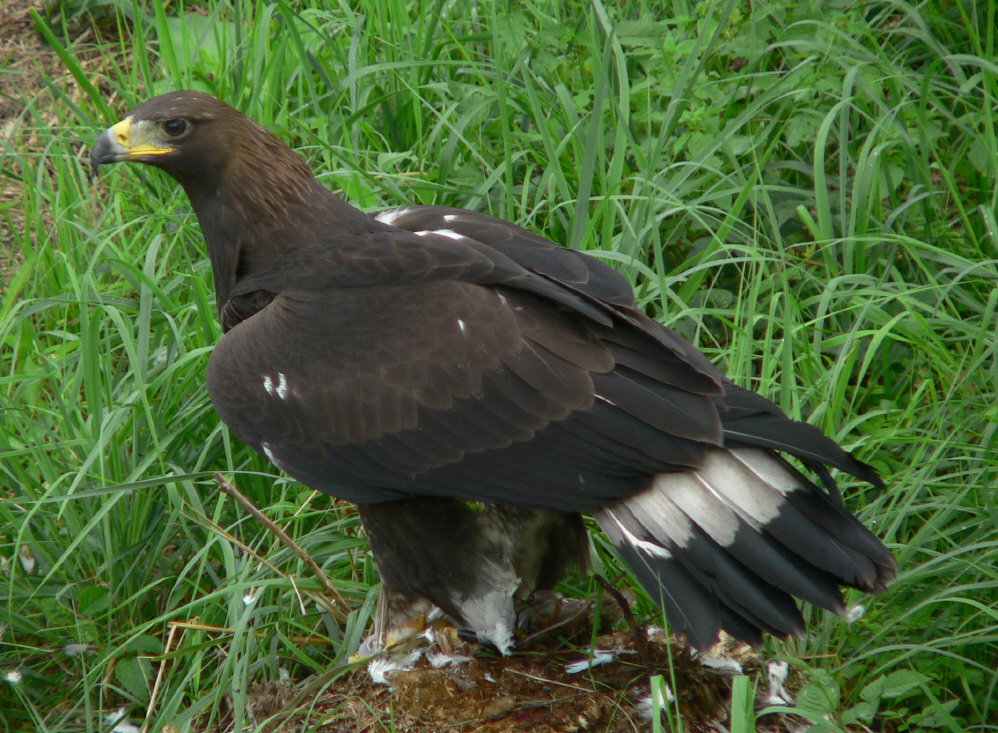
The traditional method for obtaining hunting eagles involves capturing wild juveniles rather than breeding captive birds. Young female eaglets are taken from cliff nests or captured shortly after fledging. The capture is itself dangerous and skilled work — climbing cliffs, navigating eagle defenses, and selecting birds with appropriate physical characteristics. Modern practice respects specific wildlife regulations limiting capture numbers and requiring eventual release. Each eagle hunter typically works with one bird at a time. The bond developed between specific hunter and specific eagle becomes the foundation of years of partnership.
The Training Process
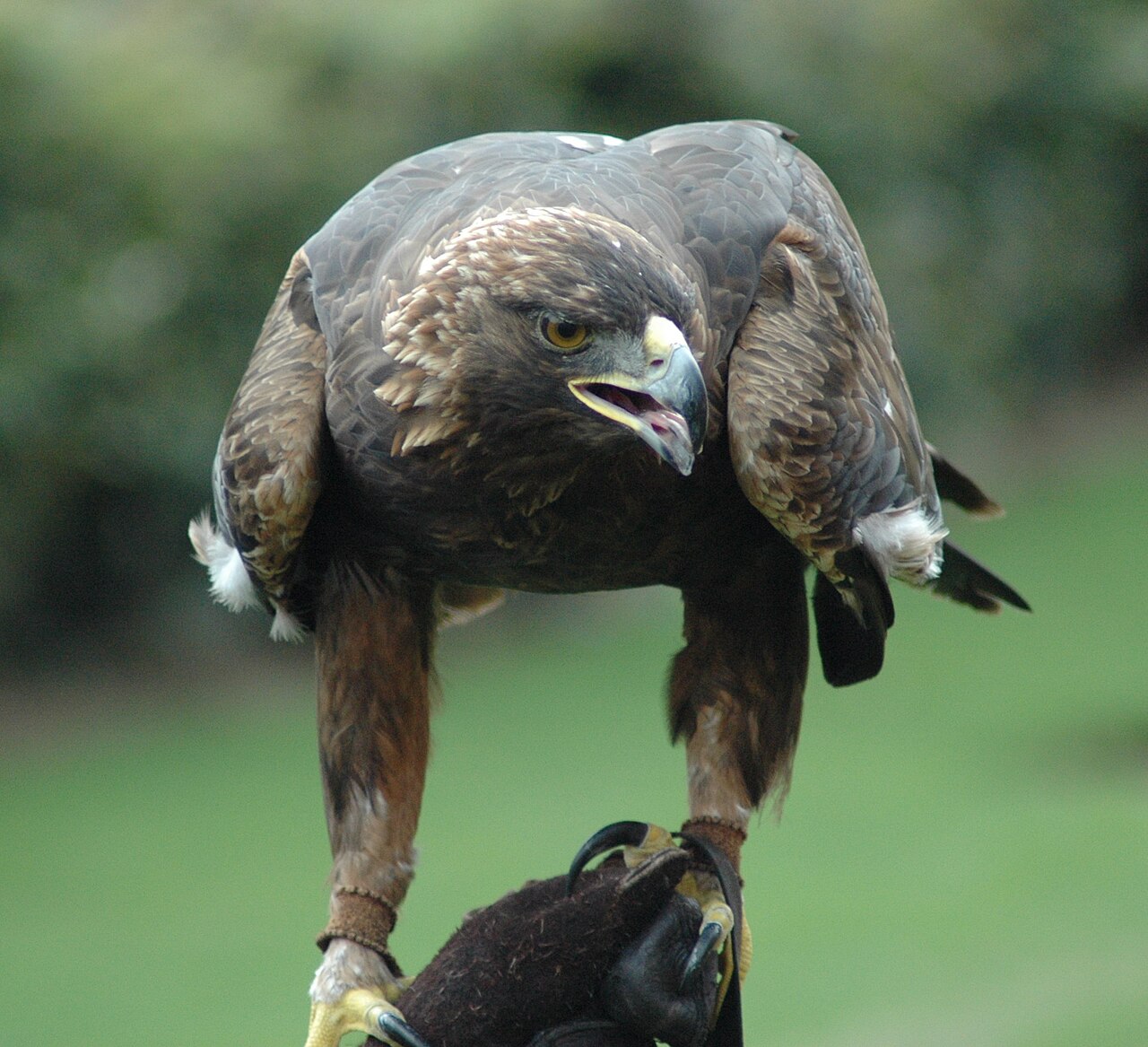
Training a captured juvenile eagle into a hunting partner takes years. The process begins with developing trust between hunter and bird through consistent feeding, gentle handling, and gradual habituation. Eagles must learn to: associate the hunter with food rewards, return to the hunter’s call, accept the leather hood that calms them when not hunting, ride on the hunter’s specially-padded glove, hunt cooperatively with the human partner. The hunter must develop specific physical strength to support the eagle’s weight on his arm during long days, particularly while riding horses. The training relationship is genuinely intense — hunters describe their eagles as family members rather than tools.
The Actual Hunting Process

Eagle hunting occurs primarily during winter months (October-March) when foxes are most visible against snow and their fur is most valuable. The hunting expedition involves: hunter on horseback carrying the hooded eagle on a specially-padded arm support, traveling through mountain terrain to areas with known fox populations, scanning for prey across substantial distances, removing the eagle’s hood when prey is spotted, releasing the eagle for the hunt, the eagle pursuing prey and either capturing it or returning unsuccessful, retrieving the eagle and recovering the prey. The whole process requires substantial coordination between hunter, eagle, and horse. Hunters typically take 5-15 foxes per winter season.
The 10-15 Year Partnership
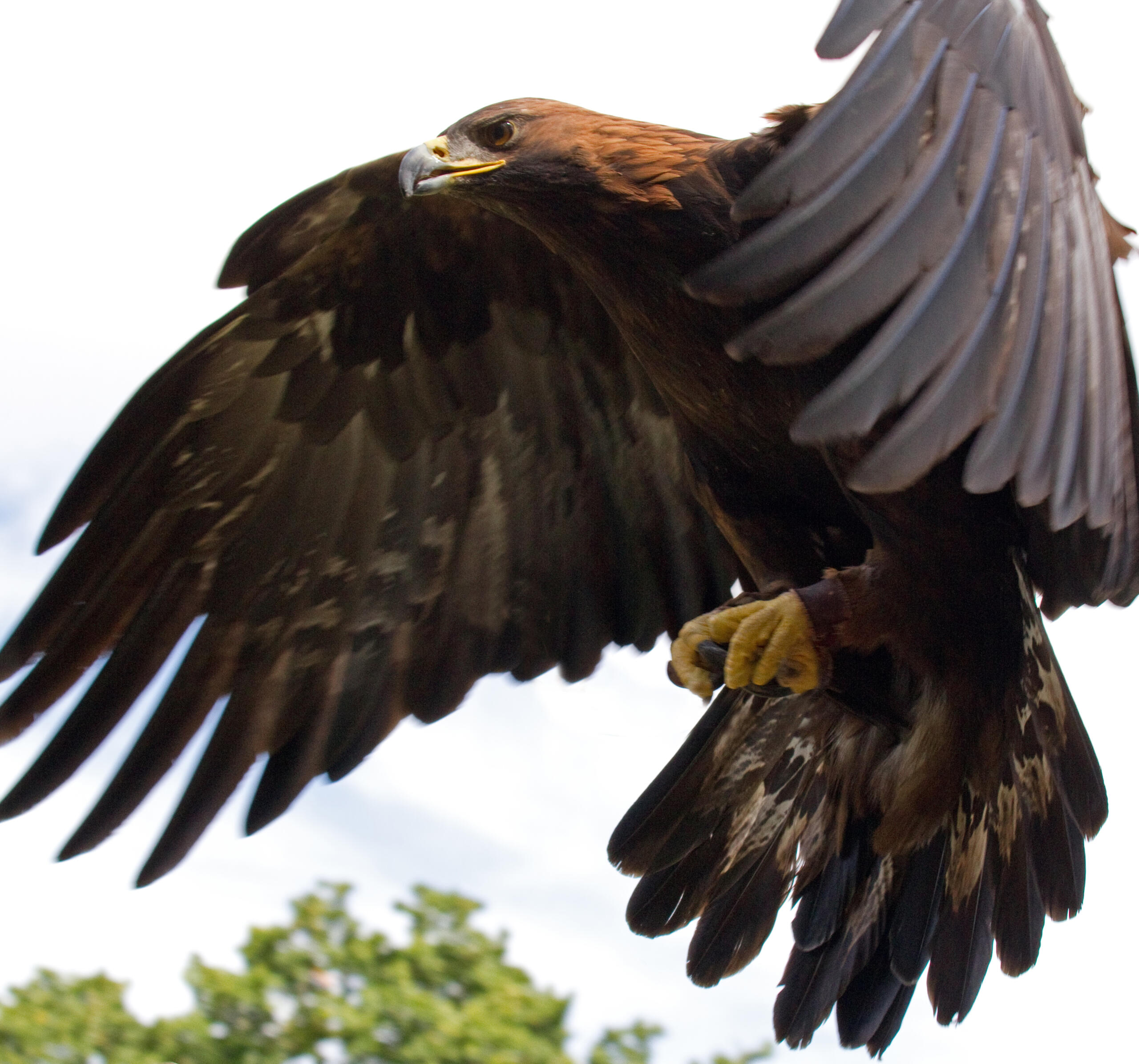
Each hunter typically works with a specific eagle for 10-15 years. During this time, the eagle is essentially a family member — fed daily, sheltered, cared for during illness, included in family activities. The bond is reportedly substantial, with hunters describing genuine emotional attachment to their birds. Eagles in turn appear to recognize their specific hunter, respond to his voice, and demonstrate complex behavioral patterns that suggest genuine relationship.
After 10-15 years of partnership, the tradition requires releasing the eagle back to the wild. The release ceremony involves taking the eagle to remote mountain areas, providing one final meal, and removing the equipment that has identified her as a captive bird. The released eagles are still capable of breeding (eagles can live 30+ years in the wild) and contribute to genetic diversity of wild populations. The release reflects specific Kazakh values about reciprocity with nature — the eagles are borrowed from the wild and must be returned.
The Aisholpan Phenomenon and Female Eagle Hunters
Until recently, eagle hunting was almost exclusively male. This changed substantially after the 2016 documentary film “The Eagle Huntress” featured Aisholpan Nurgaiv, a 13-year-old Kazakh girl who became a competitive eagle hunter trained by her father Nurgaiv Rys. The film won multiple festival awards and dramatically increased international awareness of eagle hunting. More importantly, it inspired other Kazakh families to support their daughters in pursuing the tradition.
By 2026, approximately 12 active female eagle hunters (huntresses) practice in Bayan-Ölgii — small numbers absolutely, but representing significant cultural change from essentially zero a decade earlier. The huntresses face specific challenges including traditional gender expectations, but the example set by Aisholpan and others has created space for women to participate in what was previously male-only tradition.
The Golden Eagle Festival

The Golden Eagle Festival is held twice annually in Bayan-Ölgii — typically in October (autumn) and March (spring). The festivals showcase eagle hunting skills through specific competitions: calling the eagle from a distance to land on the hunter’s arm, demonstrating the eagle’s response to prey signals, traditional Kazakh games on horseback, and various other activities. Hundreds of eagle hunters participate. Thousands of international tourists attend. The festivals have become substantial annual events that provide both cultural celebration and economic opportunity for the Kazakh community.
The festivals are also competitive — judges score performances based on specific criteria, with winners receiving recognition and modest prizes. The competition aspect helps preserve specific skills while providing motivation for continued practice. The 20+ year history of the modern festival format reflects deliberate effort to preserve and showcase the tradition for both Kazakh community members and international visitors.
The UNESCO Recognition

In 2010, UNESCO inscribed eagle hunting in Mongolia, Kazakhstan, and Kyrgyzstan as Intangible Cultural Heritage of Humanity. The recognition reflects substantial documentation of the tradition’s cultural significance, ecological context, and contemporary relevance. The UNESCO designation provides international recognition and some protection against various threats including economic pressures pushing nomadic communities toward urban migration.
The recognition also brought specific obligations. Mongolia and other countries with eagle hunting traditions are expected to maintain documentation, support transmission to younger generations, and protect the broader cultural context that makes eagle hunting possible. The Mongolian government has provided various support programs for eagle hunters, including modest stipends, equipment subsidies, and educational programs that preserve traditional knowledge.
How to Actually Visit Eagle Hunters
Practical guidance for travelers interested in experiencing eagle hunter culture authentically. Travel to Ölgii (capital of Bayan-Ölgii province) via domestic flight from Ulaanbaatar. Most authentic experiences require multi-day stays with eagle hunter families in remote locations. Tour operators specializing in cultural travel can arrange homestays. Best timing: February-March (active hunting season with photogenic snow conditions) or October (autumn festival timing).
Costs vary substantially. Group tours: approximately $1,500-3,500 USD per person for week-long experiences. Independent arrangements with local guides: less expensive but require substantial logistical effort. Festival tickets: approximately $50-100 per day. Accommodations during stays with eagle hunter families: typically traditional ger (yurt) accommodations with basic amenities. The experience requires substantial physical preparation — extreme cold, demanding terrain, basic facilities, and substantial cultural adaptation.
What Eagle Hunting Actually Represents
The Kazakh eagle hunting tradition represents one of the longest continuous cultural practices on Earth — documented archaeologically for over 4,500 years. The practice survives because specific Kazakh families have deliberately maintained it across generations despite enormous pressures (Soviet era restrictions, economic modernization, urbanization, climate change affecting traditional pasture lands). The current 240-400 active hunters represent a tiny but genuine continuation of practices that connected human communities to specific landscapes, animal species, and ecological cycles for millennia.
For visitors, eagle hunting provides exposure to a way of life that exists nowhere else in quite the same way. The combination of nomadic culture, intimate relationship with apex predators, mountain landscapes, family traditions, and continued working practice creates an experience that mainstream tourism cannot replicate. The practice continues primarily because Kazakh families have decided it must continue — not because of tourism revenue or government support, though both contribute. The tradition will persist as long as Kazakh families continue training young hunters and capturing young eagles. Modern challenges are real, but the 4,500-year tradition shows substantial resilience against the various pressures that have eliminated similar practices elsewhere.