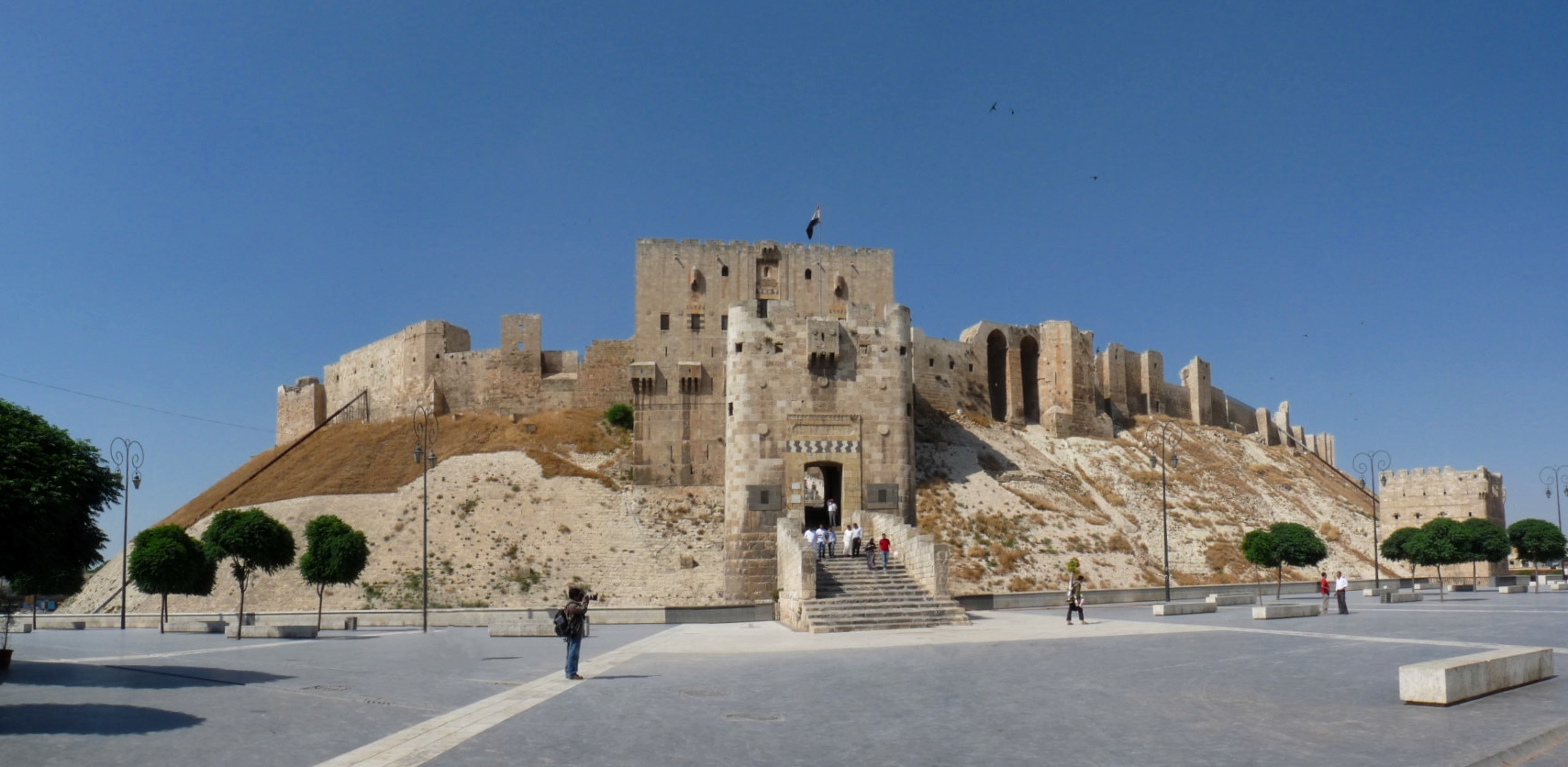
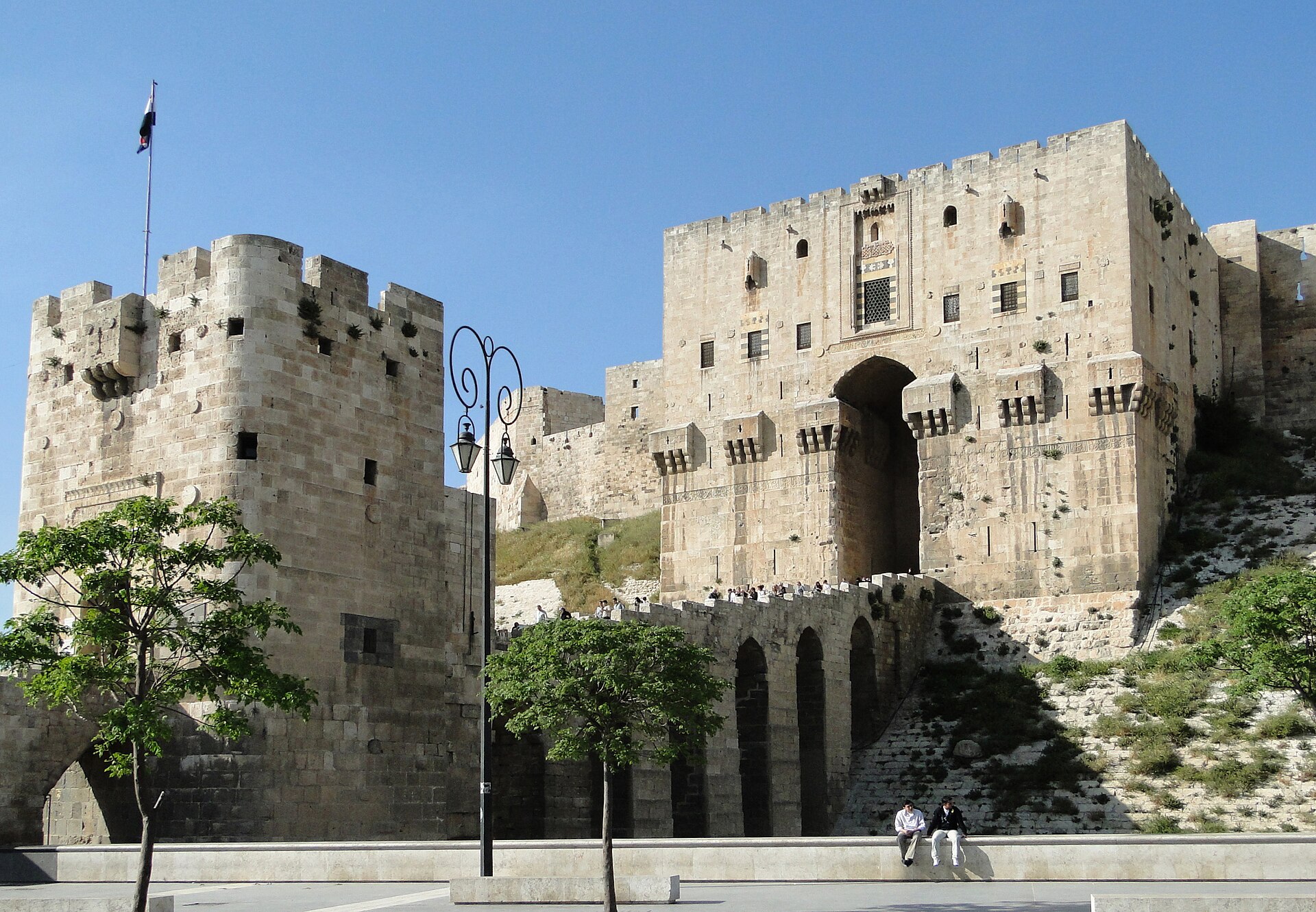
The Citadel of Aleppo sits on a 50-meter limestone hill in the center of Aleppo, Syria. Archaeological evidence shows continuous human use of the hilltop since at least the middle of the 3rd millennium BC — approximately 5,000 years. Across that time, the fortress has been occupied by Amorites, Hittites, Arameans, Assyrians, Persians, Greeks, Romans, Byzantines, Arabs, Seljuks, Ayyubids, Mongols, Mamluks, Ottomans, French, and various modern Syrian governments. It survived earthquakes, sieges, the Mongol destruction of 1260, Tamerlane’s 1400 sacking, and most recently the Syrian Civil War and 2023 earthquake. Here’s the actual history of one of the world’s oldest continuously occupied sites.
1: A Hill Used for 5,000 Years
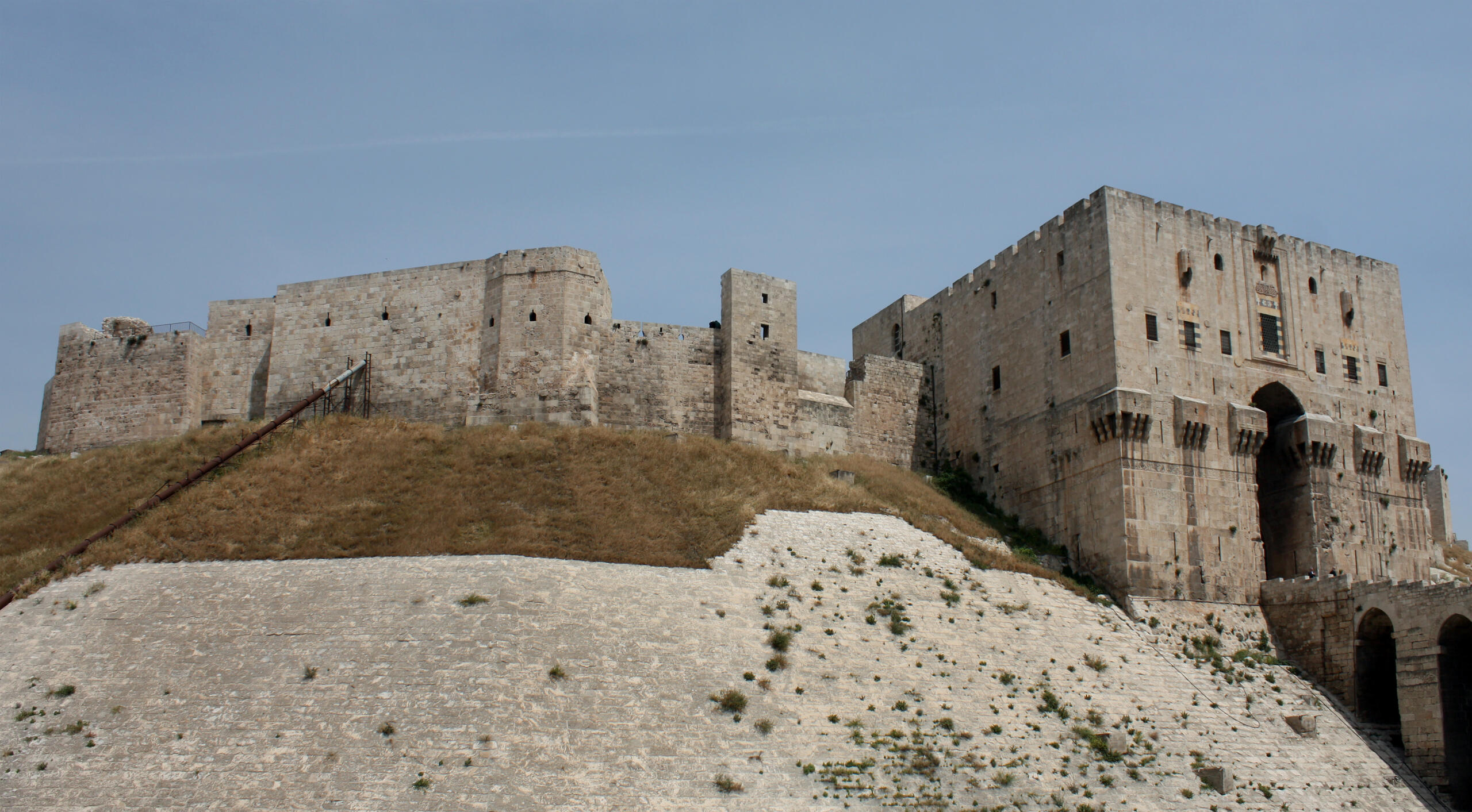
The Citadel of Aleppo (Arabic: قلعة حلب, Qal’at Halab) occupies a roughly oval limestone hill rising approximately 50 meters above the surrounding city center. The hilltop measures approximately 1,500 by 1,100 feet at its base, with a more compact summit area. Archaeological evidence demonstrates continuous human occupation and use since at least the middle of the 3rd millennium BC — approximately 5,000 years of essentially unbroken use as religious site, fortress, and administrative center.
The hill itself sits at the center of Aleppo, one of the world’s oldest continuously inhabited cities. Aleppo’s overall settlement history extends substantially earlier than even the citadel — archaeological evidence suggests human habitation in the broader area dating back over 8,000 years. The combination of ancient continuous settlement plus dramatic defensive geography made the citadel hill substantially significant throughout multiple historical periods.
2: The Bronze Age Origins
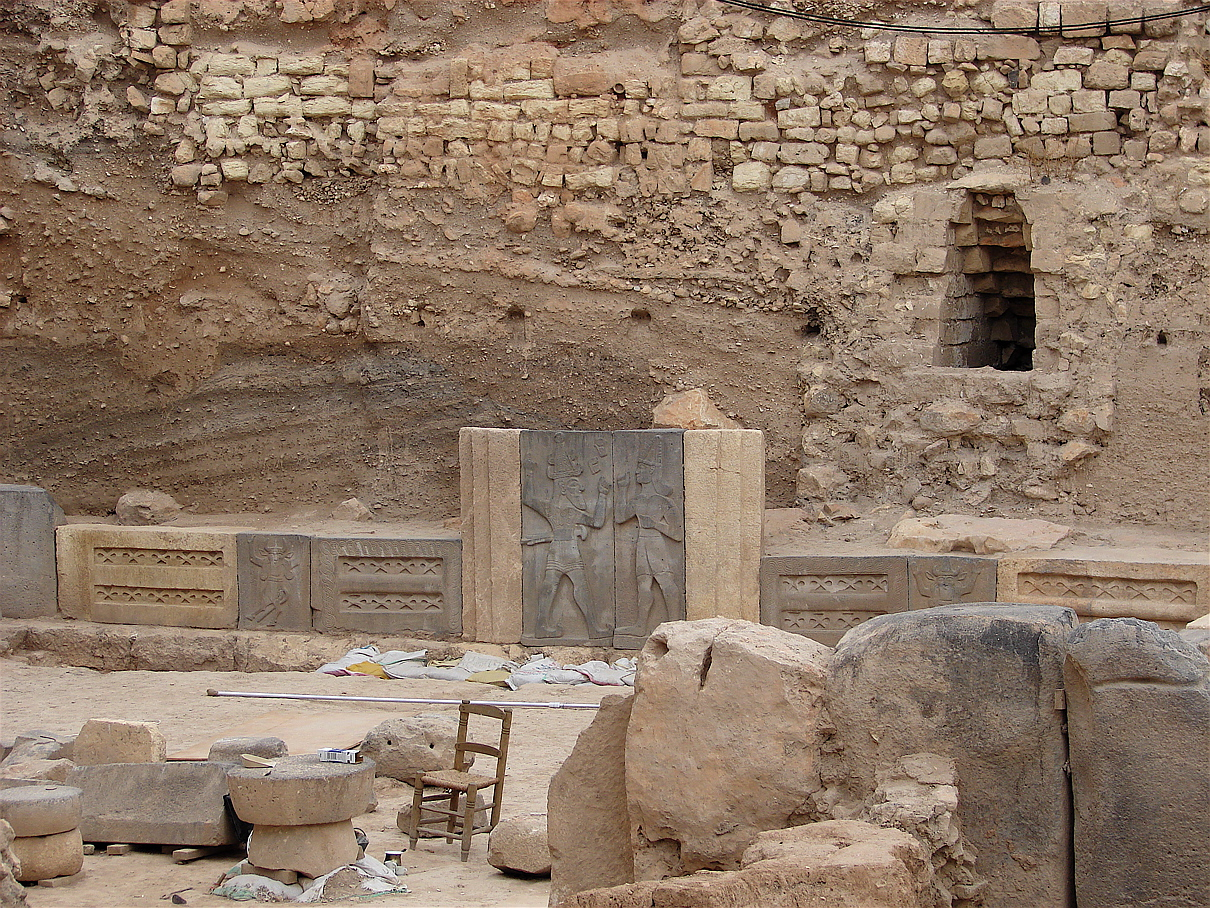
The earliest documented use of the citadel hill was as a temple to Hadad — the Semitic storm god worshipped throughout ancient Syria and Mesopotamia. Cuneiform texts from the ancient cities of Ebla and Mari (dating to the 3rd millennium BC) reference Aleppo (then known as Halab) as the religious center for Hadad worship. Archaeological excavations conducted by joint Syrian-German teams uncovered substantial Hadad temple remains on the hill.
The Hadad temple remained in use from approximately the 24th century BC through at least the 9th century BC — meaning the religious site existed for approximately 1,500 years. The temple’s continuous use across Amorite, Hittite, Aramean, and various other governing periods reflects substantial religious continuity that survived political changes. The temple structure was eventually replaced by other constructions, but the religious significance of the hill substantially predates any current visible structures.
3: The Greek and Roman Periods
After Alexander the Great conquered Syria in 333 BC, Aleppo was incorporated into the Hellenistic empires. Seleucus I Nicator, one of Alexander’s generals who founded the Seleucid Empire, refounded the city as Beroea around 300 BC. Greek and later Roman builders contributed substantially to the citadel’s fortifications, with various towers and structures constructed across these periods.
The Romans absorbed the area into their Syrian province in the 1st century BC. Beroea continued as substantial commercial center along caravan routes connecting the Mediterranean with eastern markets. Christian and Jewish communities established presence in the city during these periods. The Byzantines (Eastern Roman Empire) maintained control through the early medieval period, though the citadel saw less activity during this era — most surviving Byzantine elements are limited to converted churches that would later become mosques.
4: The Sassanid Sack of 540 CE
In 540 CE, the Sassanid Persian king Khosrow I invaded Syria and devastated Aleppo. According to historical sources, the city’s population took refuge in the citadel because the city walls were in poor condition. The defensive function of the hilltop fortress saved the population from the broader destruction occurring in the city below. The siege represents one of many specific incidents demonstrating the citadel’s defensive importance throughout history.
After the Sassanid invasion, Byzantine Emperor Justinian I rebuilt Aleppo’s defenses including substantial new city walls. The reconstruction marked beginning of substantial period of relative stability that lasted until the Arab conquests of the 7th century. The citadel underwent various modifications during this Byzantine period but maintained its essential defensive function as the city’s primary stronghold.
5: The Arab Conquest and Hamdanid Renaissance
Arab forces conquered Aleppo in 637 CE during the Muslim conquest of the Levant. Under Arab rule, the city reverted to its older name Halab. The early Islamic period saw various changes to the citadel including conversion of Byzantine churches into mosques and addition of Islamic architectural elements.
The Hamdanid dynasty established Aleppo as independent principality in 944 CE under Sayf al-Dawla. The Hamdanid period produced substantial cultural flowering — the court attracted notable figures including the poet al-Mutanabbī and philosopher al-Fārābī. The citadel was substantially developed and fortified during this era. Aleppo became one of the most culturally significant cities in the medieval Islamic world. The Hamdanid period laid foundation for the citadel’s later development as substantial fortified palace complex.
6: The Ayyubid Transformation
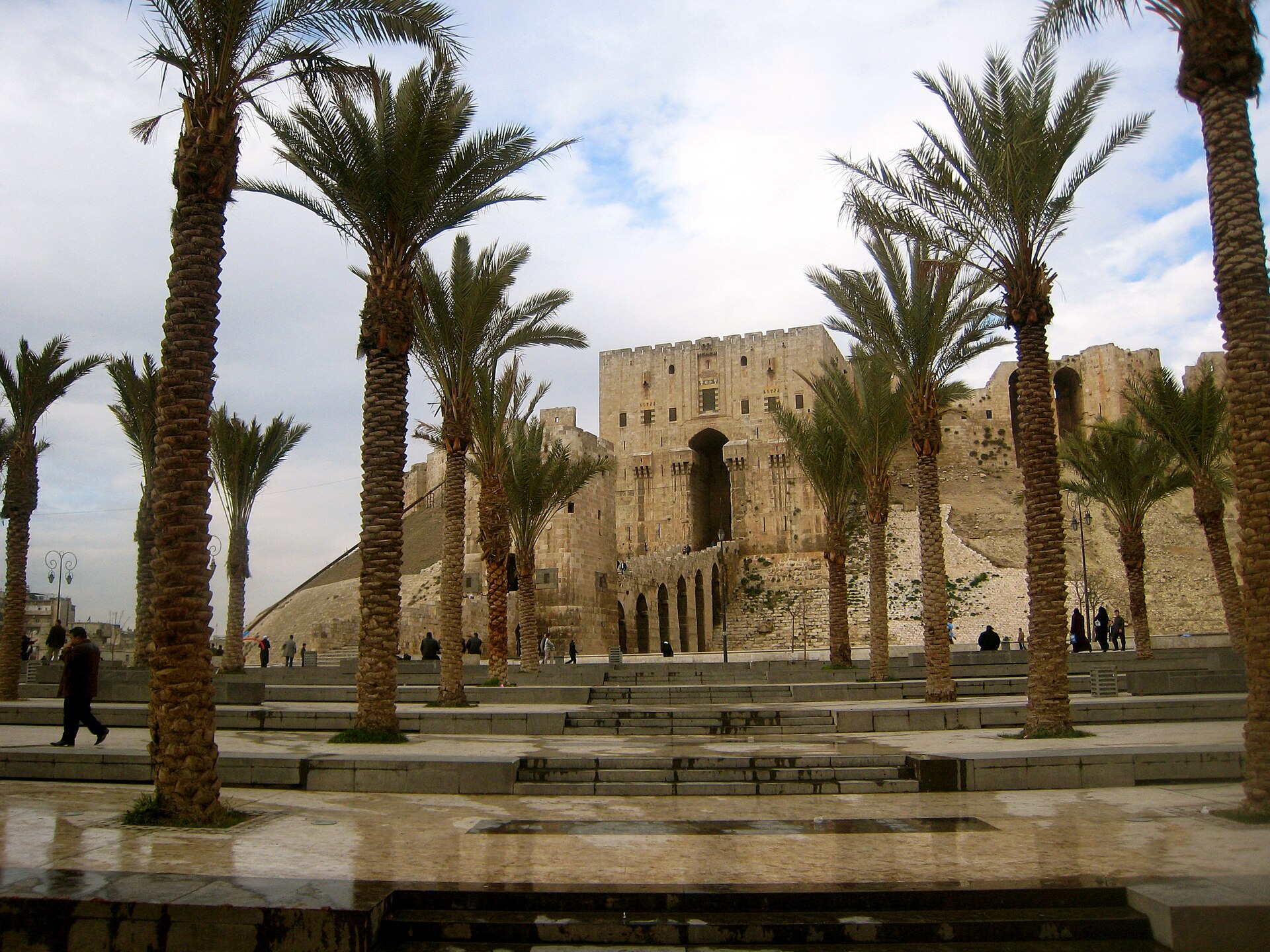
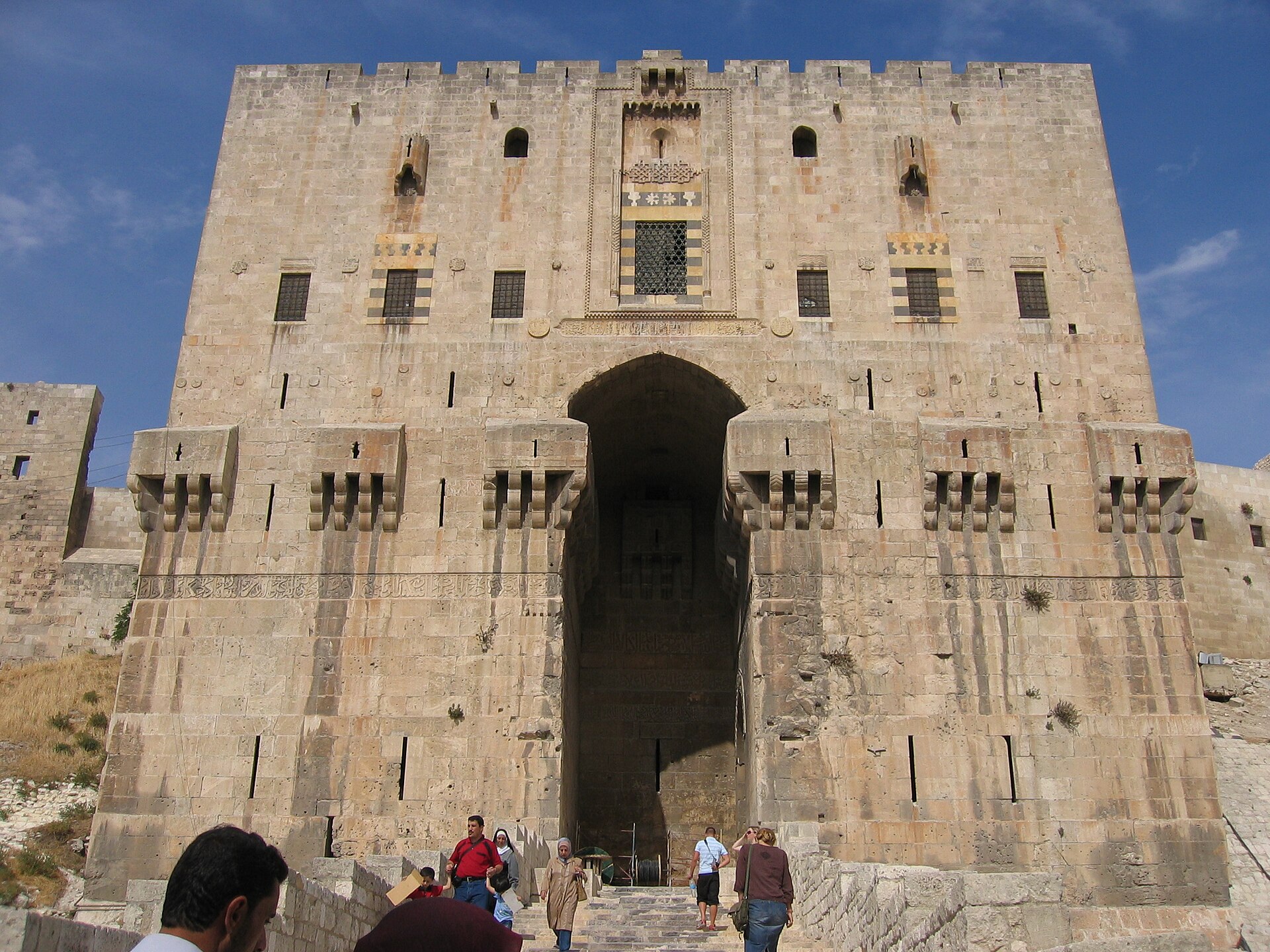
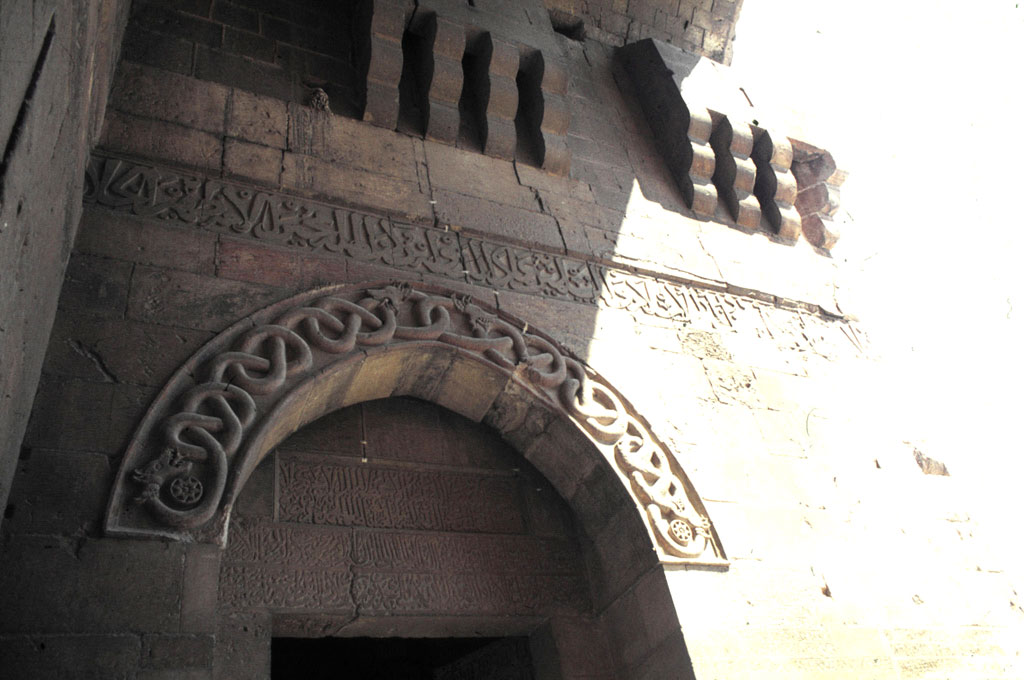
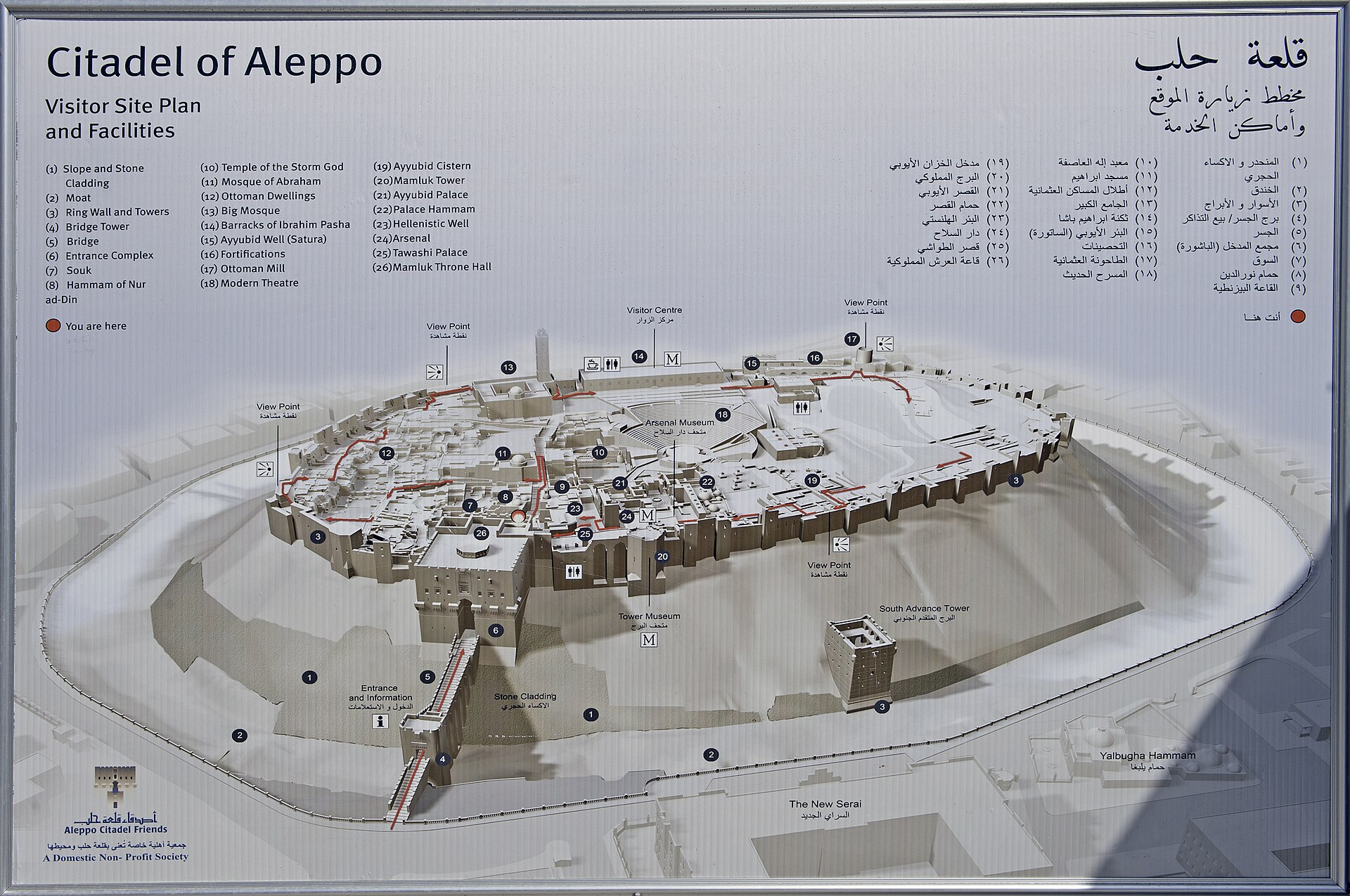
The most architecturally significant period in the citadel’s history occurred under the Ayyubid dynasty (founded by Saladin), specifically under Saladin’s son al-Malik az-Zahir Ghazi who ruled Aleppo from 1186 to 1216. Az-Zahir Ghazi essentially rebuilt the citadel in the form that survives today. Major Ayyubid additions included: the massive entrance complex with its famous defensive bent gateway requiring six right-angle turns, substantial walls and towers throughout the perimeter, the great mosque, palaces and barracks, and various other significant structures.
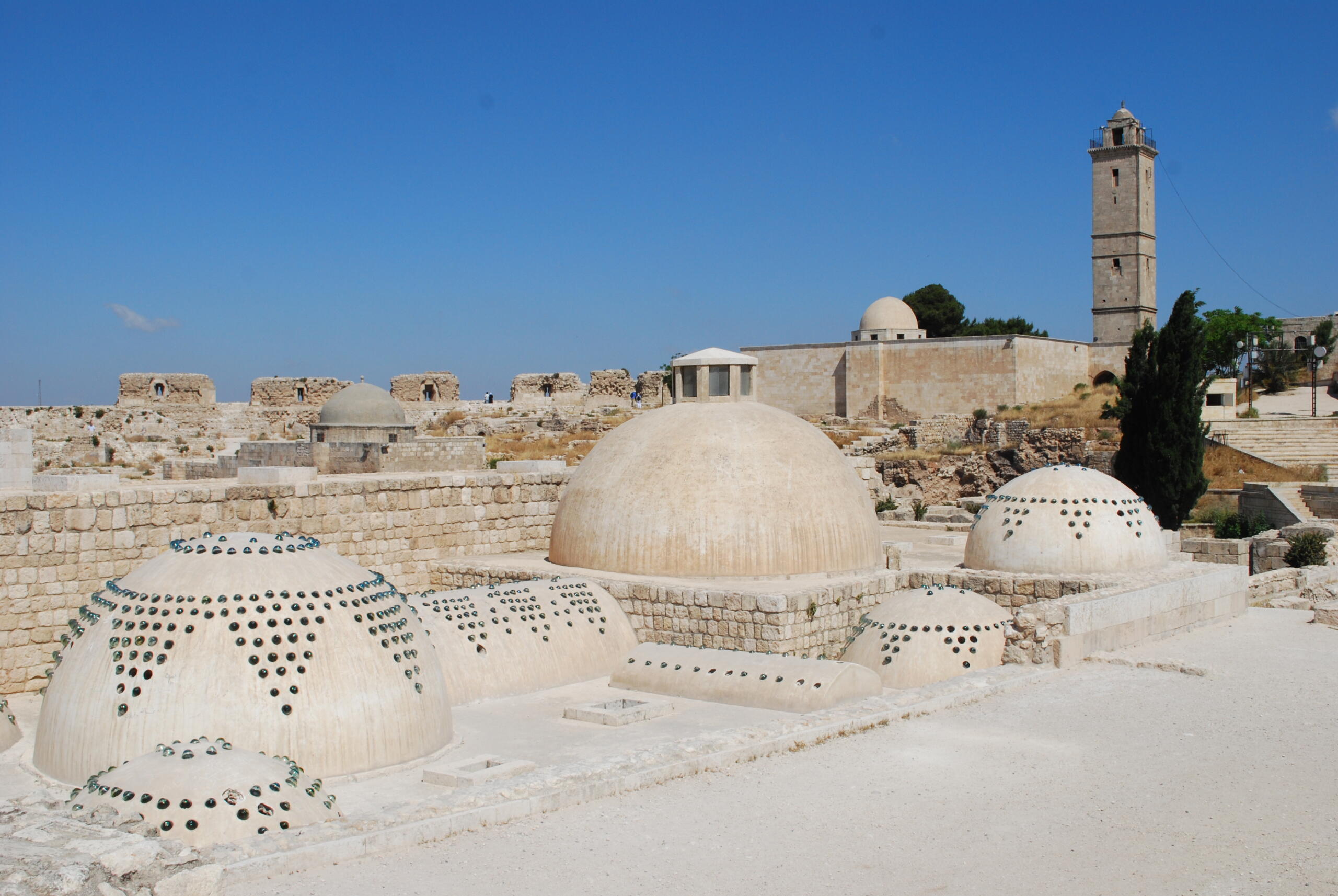
The Ayyubid construction transformed the citadel from primarily defensive fortress into substantial fortified city within a city. Residential palaces, baths, religious institutions, military training facilities, defensive towers, and grain storage all coexisted within the walls. The 12th-13th century construction represents the architectural high point of the citadel’s history, with most current visible structures originating from this period.
7: The Mongol Destruction of 1260
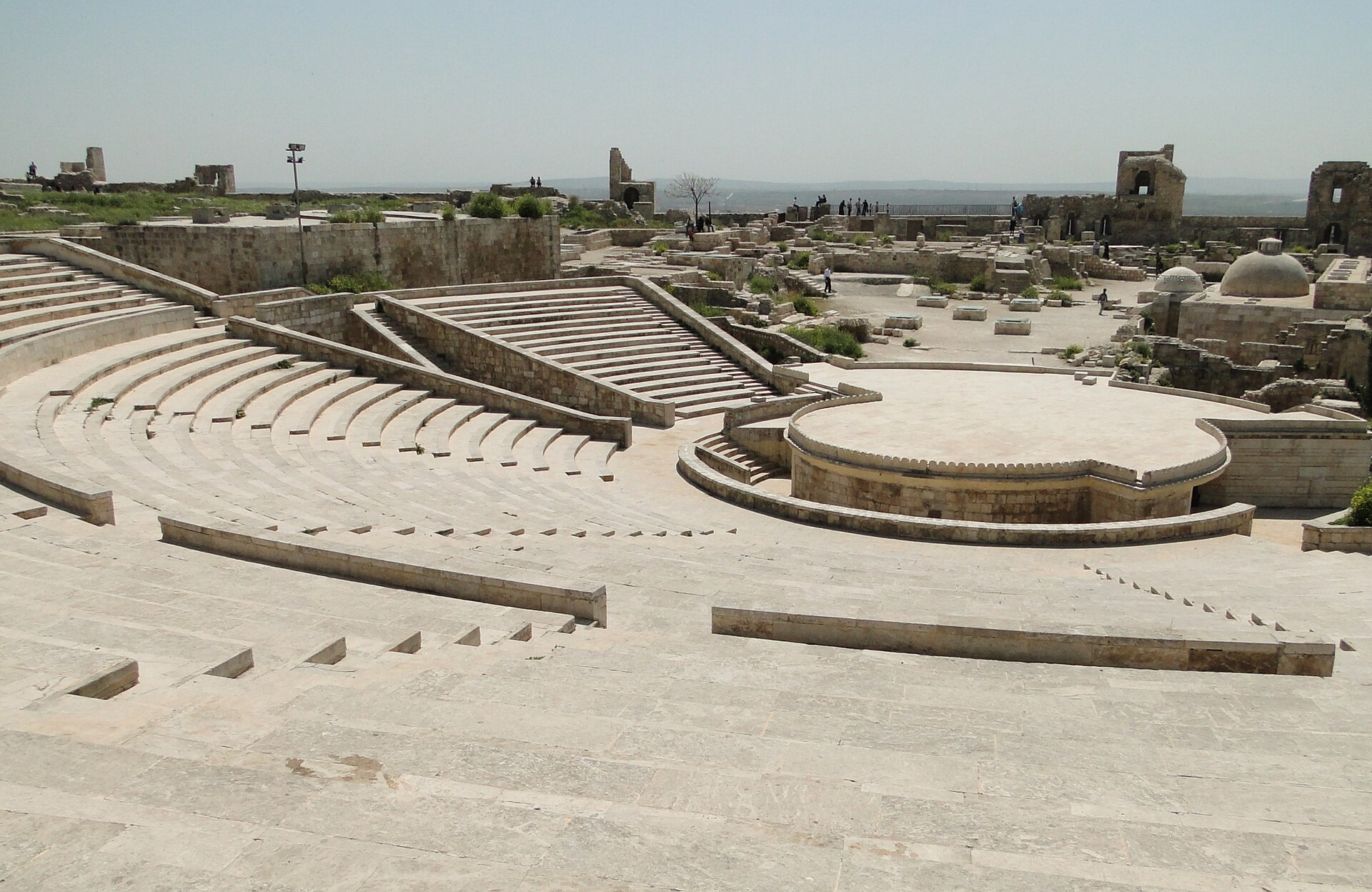
In 1260, Mongol forces under Hulagu Khan captured Aleppo and devastated both the city and citadel. The Mongol destruction represented one of the most catastrophic events in the citadel’s long history — substantial portions of the Ayyubid construction were destroyed or severely damaged. The Mongol massacre of Aleppo’s population was substantial, with various historical sources documenting tens of thousands of casualties.
The Mamluk dynasty (which had defeated the Mongols at Ayn Jalut in 1260) gained control of Aleppo and undertook substantial reconstruction work. Mamluk builders restored damaged structures, added new fortifications, and continued the citadel’s role as substantial military and administrative center. The reconstruction efforts spanned generations as the city recovered from Mongol devastation.
8: Tamerlane’s 1400 Sack
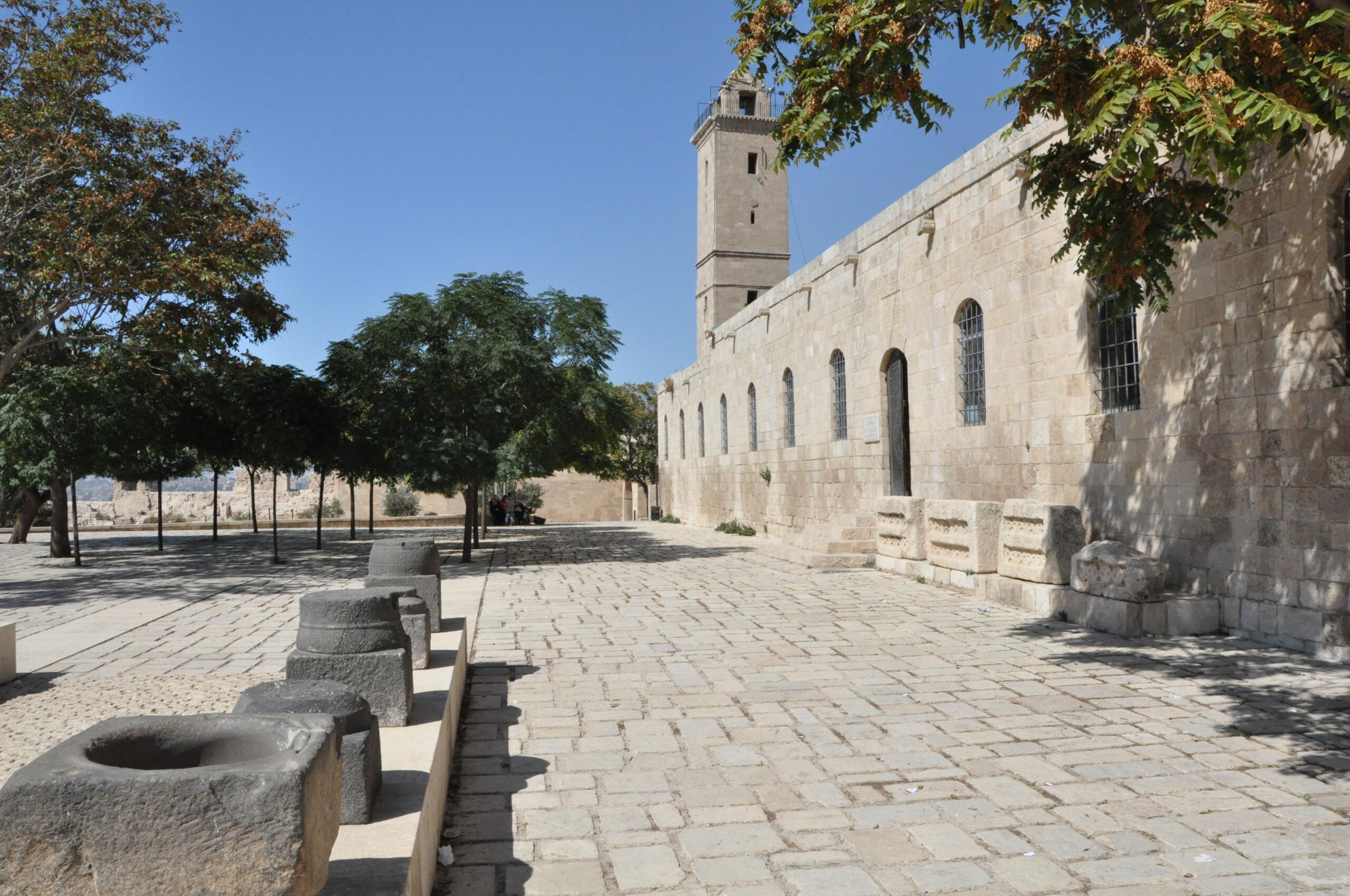
In 1400, Timur (known to Western sources as Tamerlane) captured Aleppo and devastated the citadel for the second time in 140 years. Almost all buildings inside the citadel were destroyed during Timur’s occupation. The destruction was systematic — Timur’s forces specifically targeted military and religious infrastructure to prevent future resistance.
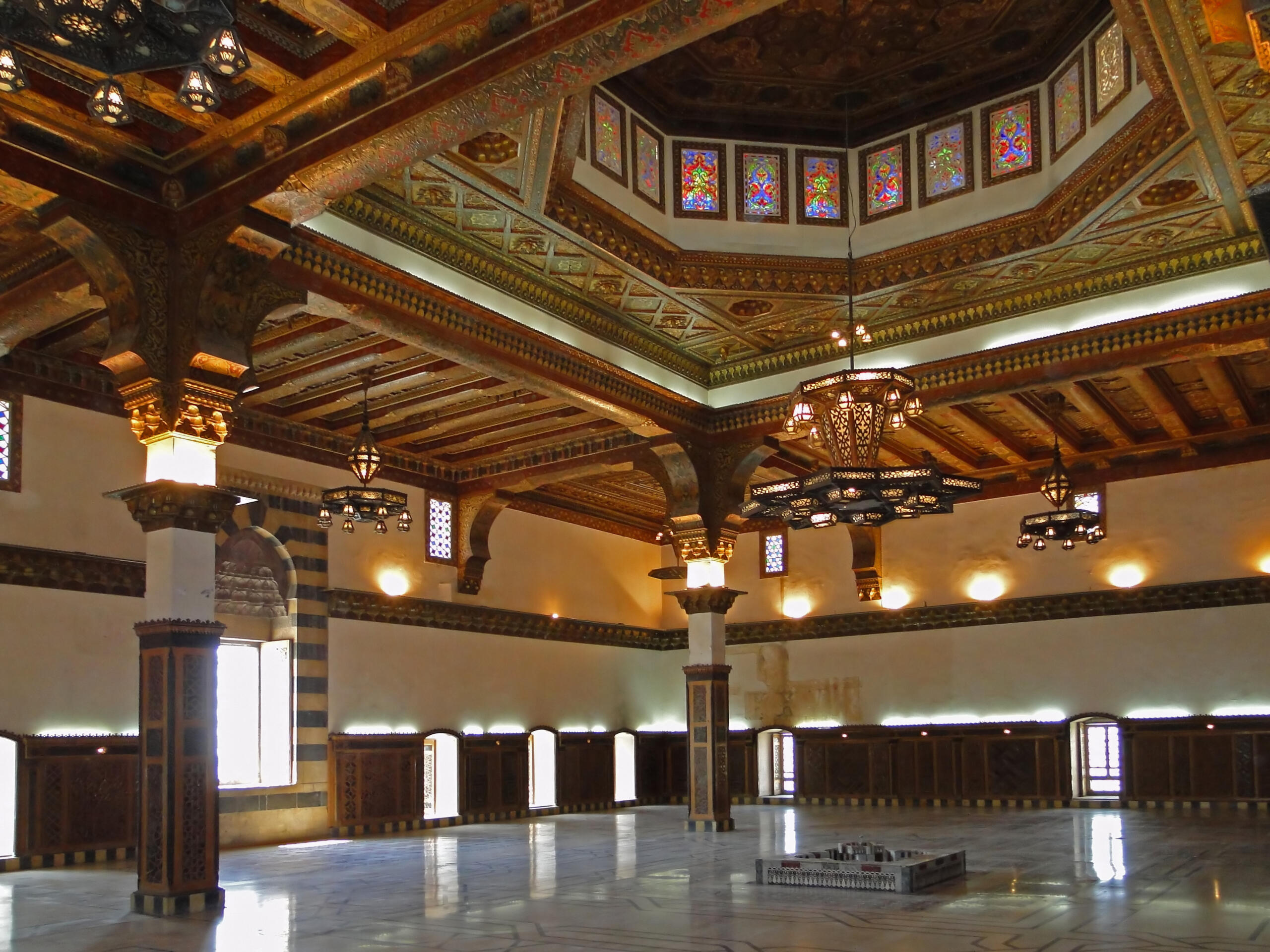
Reconstruction began in 1415 under continued Mamluk rule. The Mamluk reconstruction included substantial additions: the magnificent Throne Hall built atop the 12th-century fortified entrance complex (used for official functions and entertaining by Aleppo’s rulers and visiting Mamluk sultans from Cairo), the elaborate barbican fortifications added by Sultan Qansuh al-Ghuri between 1505-1510, and various other significant structures. The Mamluk reconstruction represented the citadel’s last major architectural development before the Ottoman period.
9: The Ottoman Period and Modern Era
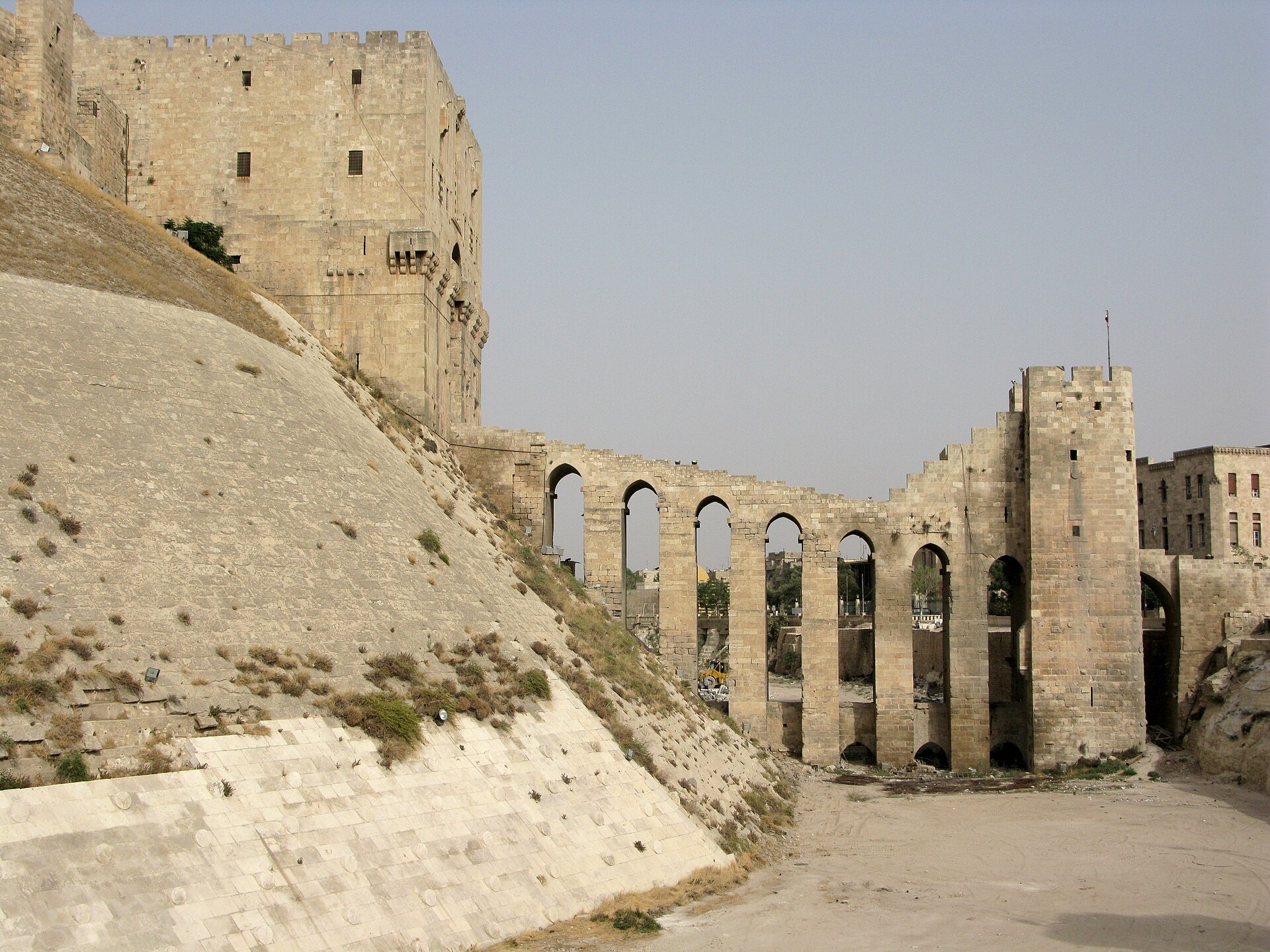
Ottoman forces conquered Aleppo in 1516. Under Ottoman rule (which lasted until 1918), the citadel served primarily as military fortress housing janissaries and various other Ottoman military forces. Sultan Suleiman I ordered substantial restoration work in 1521. An 1822 earthquake caused significant damage requiring further restoration. The Ottoman period saw the citadel’s military significance gradually diminish even as its symbolic importance continued.
The French Mandate established control over Syria from 1920 to 1946. French archaeological teams conducted substantial excavations and restoration work at the citadel. The Mamluk-era throne room was restored and redecorated in 19th-century Damascene style during this period. Some antiquities were taken from the site during French rule. After Syrian independence in 1946, the citadel continued as both archaeological site and tourist attraction. UNESCO designated the Ancient City of Aleppo (including the citadel) as World Heritage Site in 1986.
10: The 2000s Restoration and 2010s Damage
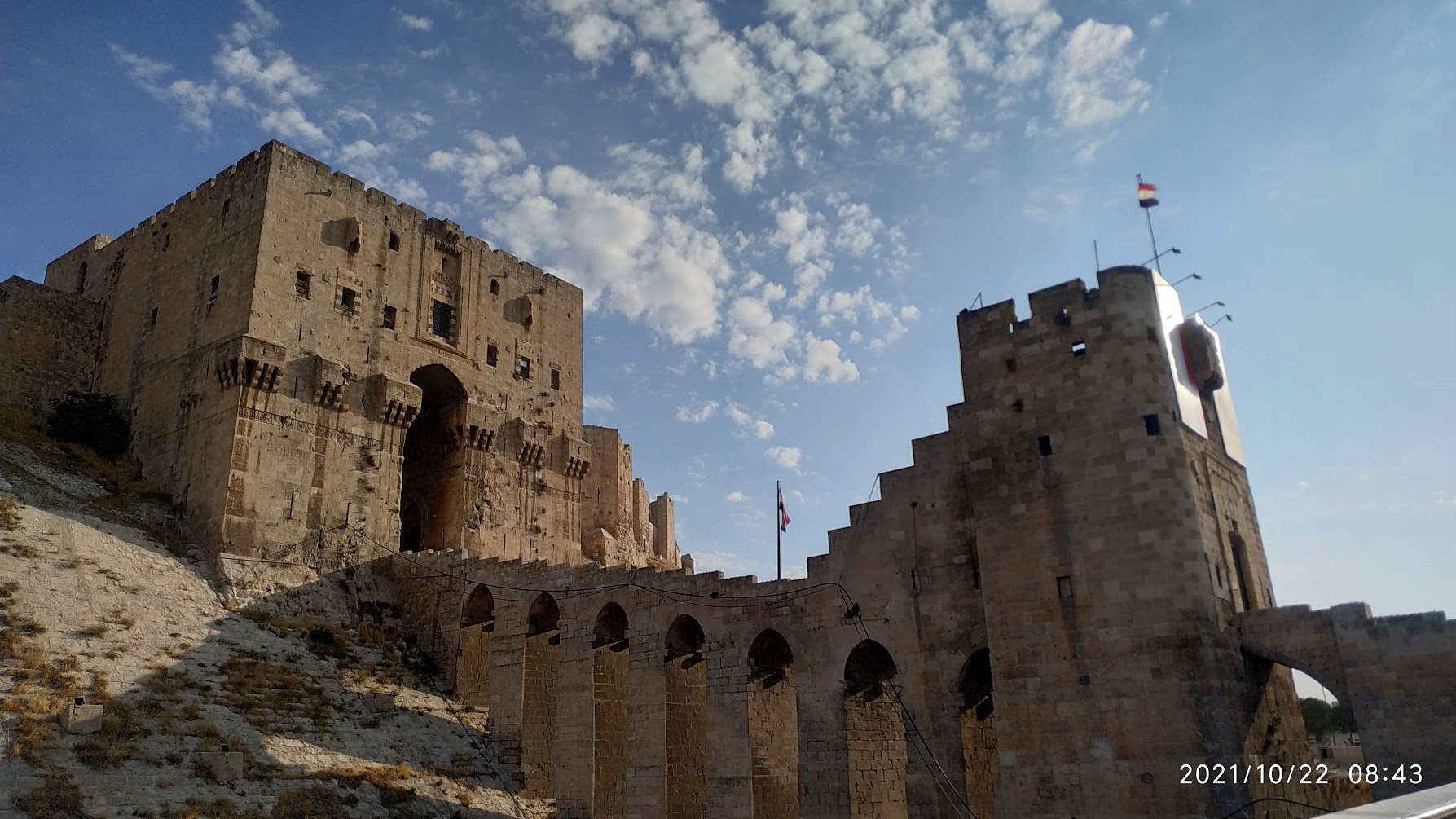
The Aga Khan Trust for Culture, in collaboration with the Aleppo Archaeological Society, conducted substantial restoration work throughout the 2000s. The cumulative project represented one of the most ambitious heritage restoration efforts in the Middle East. Substantial portions of damaged structures were carefully restored using historically appropriate methods. By the late 2000s, the citadel was thriving as both archaeological site and substantial tourist attraction.
The Syrian Civil War, beginning in 2011, brought substantial damage to the citadel during the prolonged Battle of Aleppo (2012-2016). Various sections were damaged through shelling, gunfire, and direct conflict. The external gate suffered significant damage in August 2012 during clashes between government and opposition forces. Different forces controlled the citadel at different times during the war. Combat damage was substantial, though less catastrophic than some heritage sites elsewhere in Syria.
11: The 2023 Earthquake and 2024 Reopening
On February 6, 2023, the magnitude 7.8 Turkey-Syria earthquake caused substantial additional damage to the already-stressed structure. The southern forward tower (the entrance to the citadel) was severely affected. Various other structures suffered earthquake damage compounding war-era damage. The earthquake represented one more major destruction event in the citadel’s 5,000-year history.
Restoration work began quickly. On February 17, 2024, the Citadel of Aleppo was reopened to visitors after completion of the first and second phases of southern forward tower restoration. Additional restoration phases targeted the entrance complex, the minaret of the Great Ayyubid Mosque, and the façade of the Throne Hall. Hay’at Tahrir al-Sham and other rebel forces captured the citadel on November 29, 2024, as part of the Second Battle of Aleppo. The current security and access situation continues evolving as Syria undergoes ongoing political transitions.
12: What This 5,000-Year Survival Actually Represents
The Citadel of Aleppo represents one of the most extraordinary examples of continuous human site use in world history. Across approximately 5,000 years, the hill has served religious, military, administrative, and residential functions across dozens of distinct civilizations and political systems. The structure has been destroyed and rebuilt multiple times. The survival isn’t continuous structural preservation — it’s continuous use of the site itself, with structures rebuilt and modified across centuries.
Each major destruction has been followed by substantial reconstruction. The Mongols, Tamerlane, the 1822 earthquake, the Syrian Civil War, the 2023 earthquake — each represented apparently catastrophic damage that the structure ultimately survived through subsequent rebuilding. The current situation represents another phase in this very long history. Whether and how the citadel will be restored from current war and earthquake damage remains an open question depending on Syria’s broader political development and international support for heritage preservation.
What the Citadel Represents
The Citadel of Aleppo provides one of the world’s most powerful demonstrations of human cultural continuity at a single specific site. The 5,000-year history substantially exceeds most documented historical sites globally. The survival across dozens of distinct civilizations and multiple major destructions reflects both the strategic importance of the location and substantial human commitment across generations to maintaining and rebuilding the site. For visitors interested in deep human history, the citadel provides genuine connection to specific physical place that has been continuously meaningful to human communities for longer than essentially any other accessible site. The current war and earthquake damage represent serious challenges, but the broader pattern of 5,000 years of survival suggests substantial likelihood that the citadel will continue existing in some form for centuries to come — as it has consistently done across multiple previous destructions throughout its long history. The cumulative cultural significance — religious, military, architectural, political — makes the citadel one of the world’s most important heritage sites despite the difficulties of current access. Current visitors must check security situations carefully and respect that the site is in a country undergoing substantial political transition. But the citadel itself represents human capacity for continuous cultural commitment across vast historical timeframes that few other sites can match.