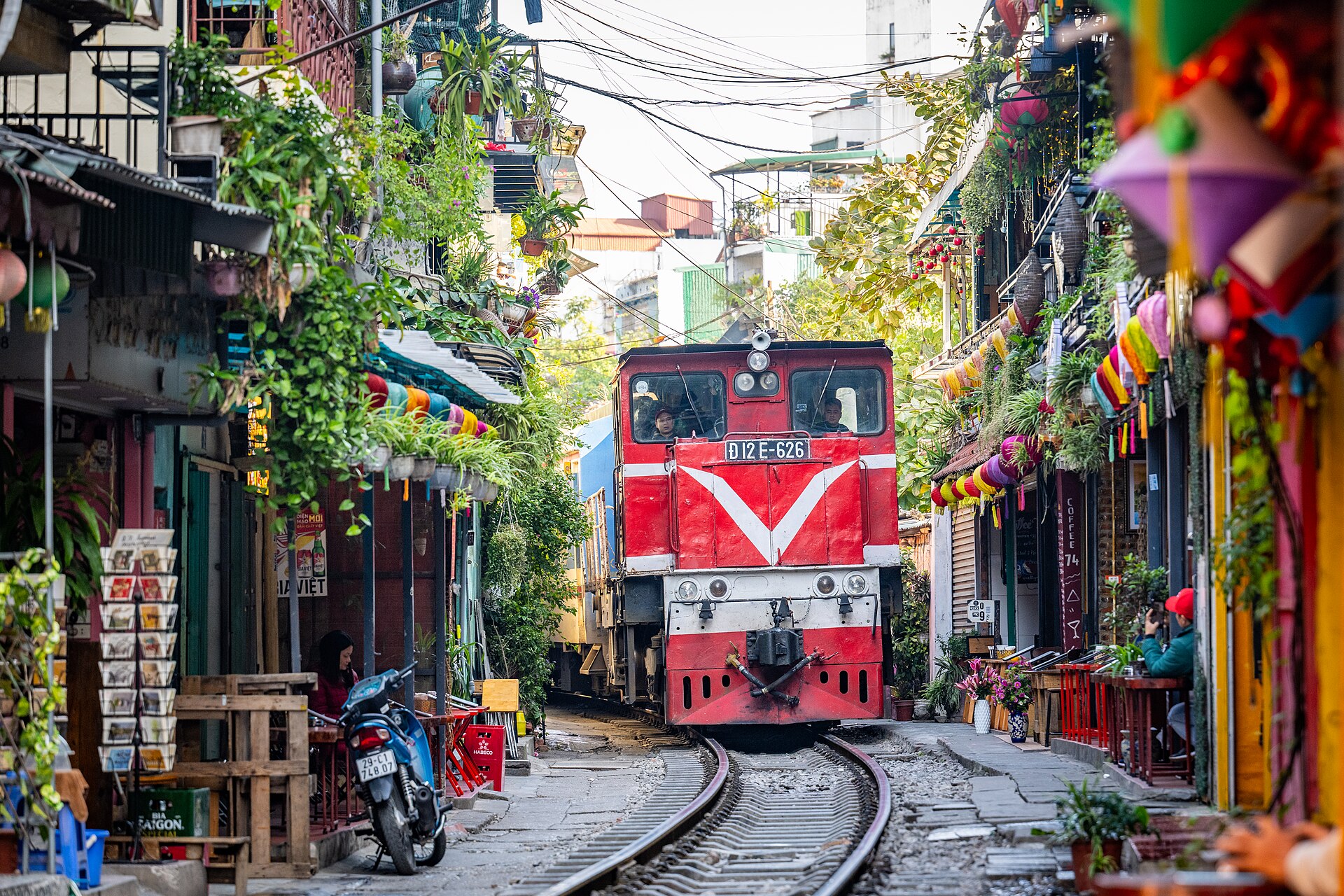
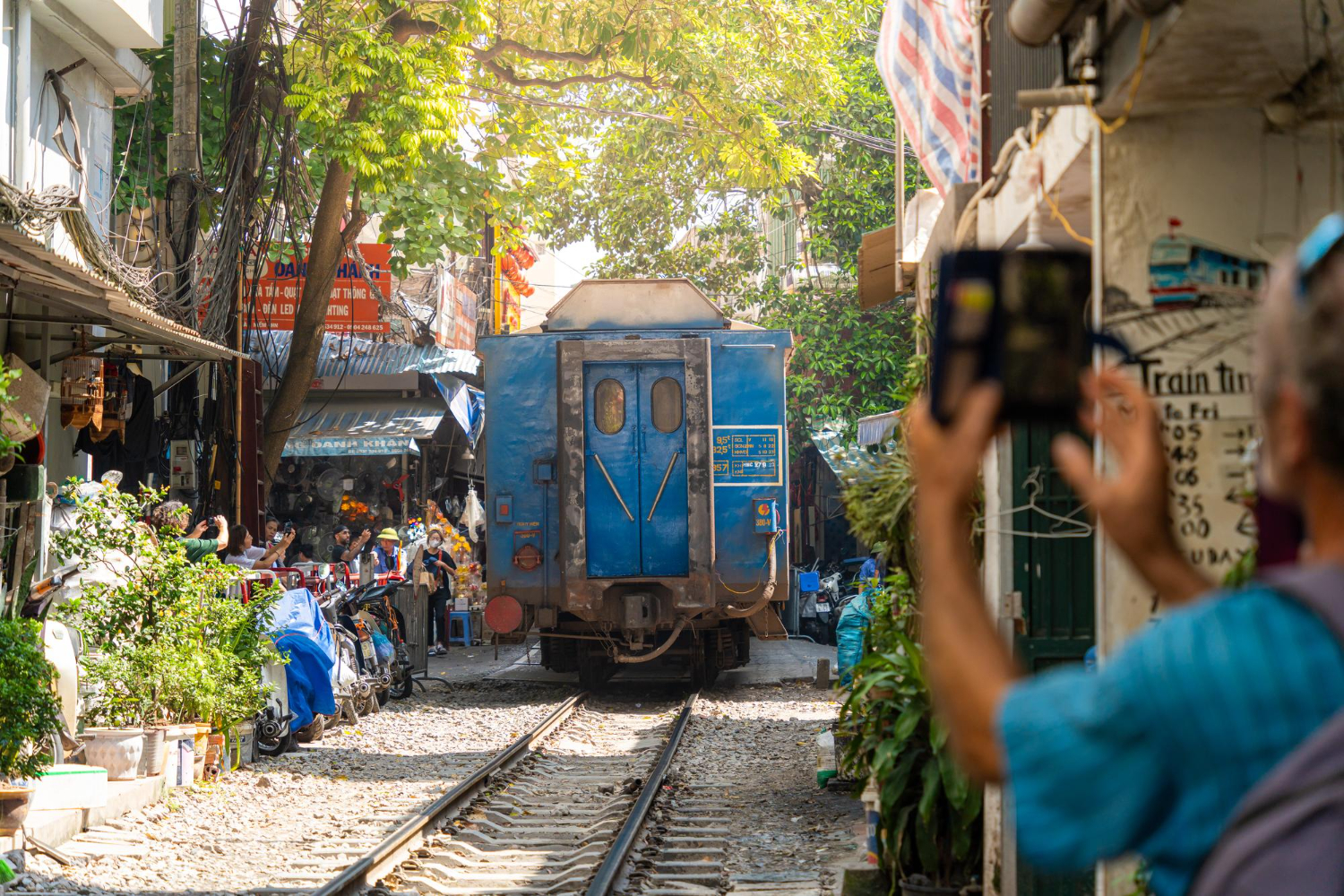
Hanoi Train Street is a narrow residential alley in Vietnam’s capital where the active rail line connecting Hanoi to Ho Chi Minh City passes through residential neighborhoods with mere inches of clearance from buildings on either side. Twice daily — typically around 3 PM and 7 PM — full-sized passenger trains rumble past coffee shops, family homes, and tourist cafes. Drying laundry is pulled inside, motorbikes are moved, children are ushered indoors. The Vietnamese government has tried to close the area to tourists multiple times since 2019. The cafes keep finding ways to reopen. Here’s the actual situation.
1: A Railway Built in 1902
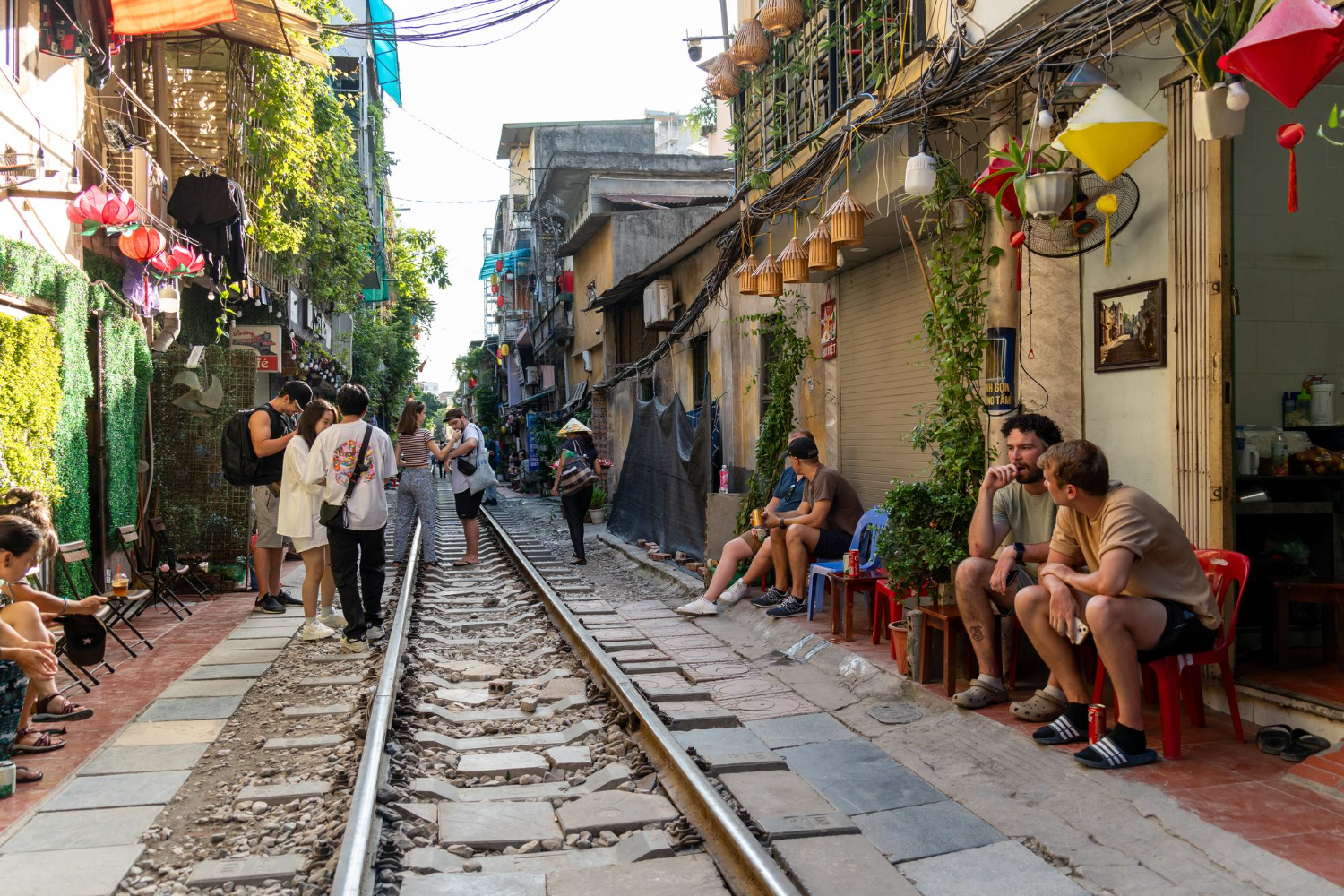
The railway running through what’s now called Hanoi Train Street was constructed by French colonial authorities in 1902. The tracks were originally built to connect different regions of French Indochina (modern Vietnam, Laos, and Cambodia), serving as critical infrastructure for transporting goods and people across the colonial territories. The metre-gauge railway technology used was standard for French colonial railway construction throughout Southeast Asia.
The railway has continuously operated for over 120 years. It remains an active part of Vietnam’s national rail network, with sections still operated by the state-owned Vietnam Railways Corporation. The line connects Hanoi (Vietnam’s capital) to various destinations including Ho Chi Minh City in the south. The aging metre-gauge system requires substantial maintenance but continues providing genuine transportation value despite competition from buses and aviation.
2: How the Neighborhoods Developed Around the Tracks
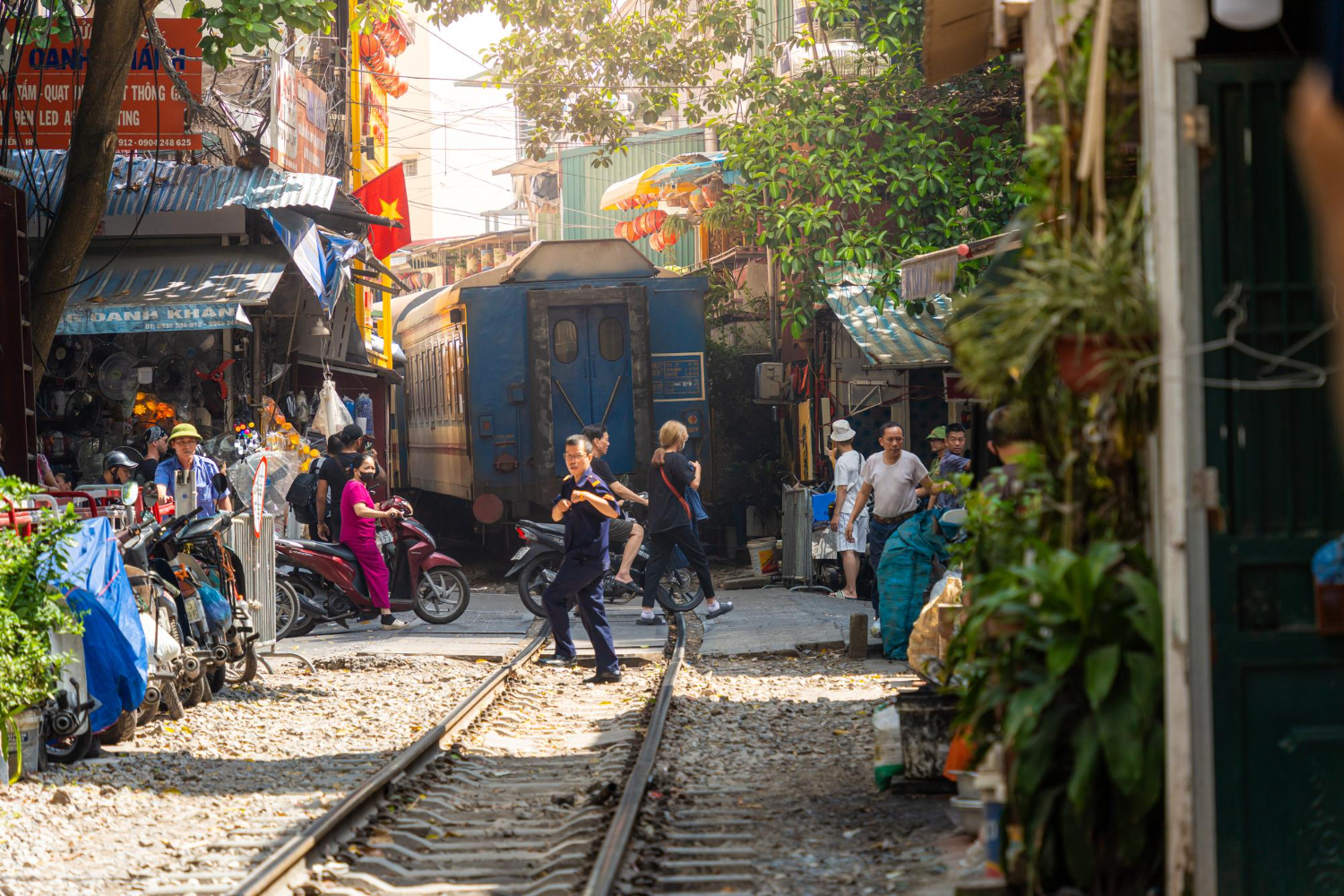
When the French built the railway in 1902, the surrounding area was substantially less developed than modern Hanoi. Over subsequent decades, as Hanoi grew dramatically, residential and commercial buildings were constructed increasingly close to the active tracks. The neighborhoods that developed alongside Train Street were originally working-class areas where land was cheap precisely because of railway proximity. Buildings were constructed essentially up to the track edges.
The area surrounding the famous Train Street section was historically one of Hanoi’s most marginal neighborhoods. Through the late 20th century, it was substantially populated by squatters and various other marginal residents. The combination of railway proximity, dense urban development, and economic marginality produced specific atmospheric qualities that would later become tourism appeal — but originally reflected genuine urban poverty rather than picturesque tradition.
3: The Specific Geography
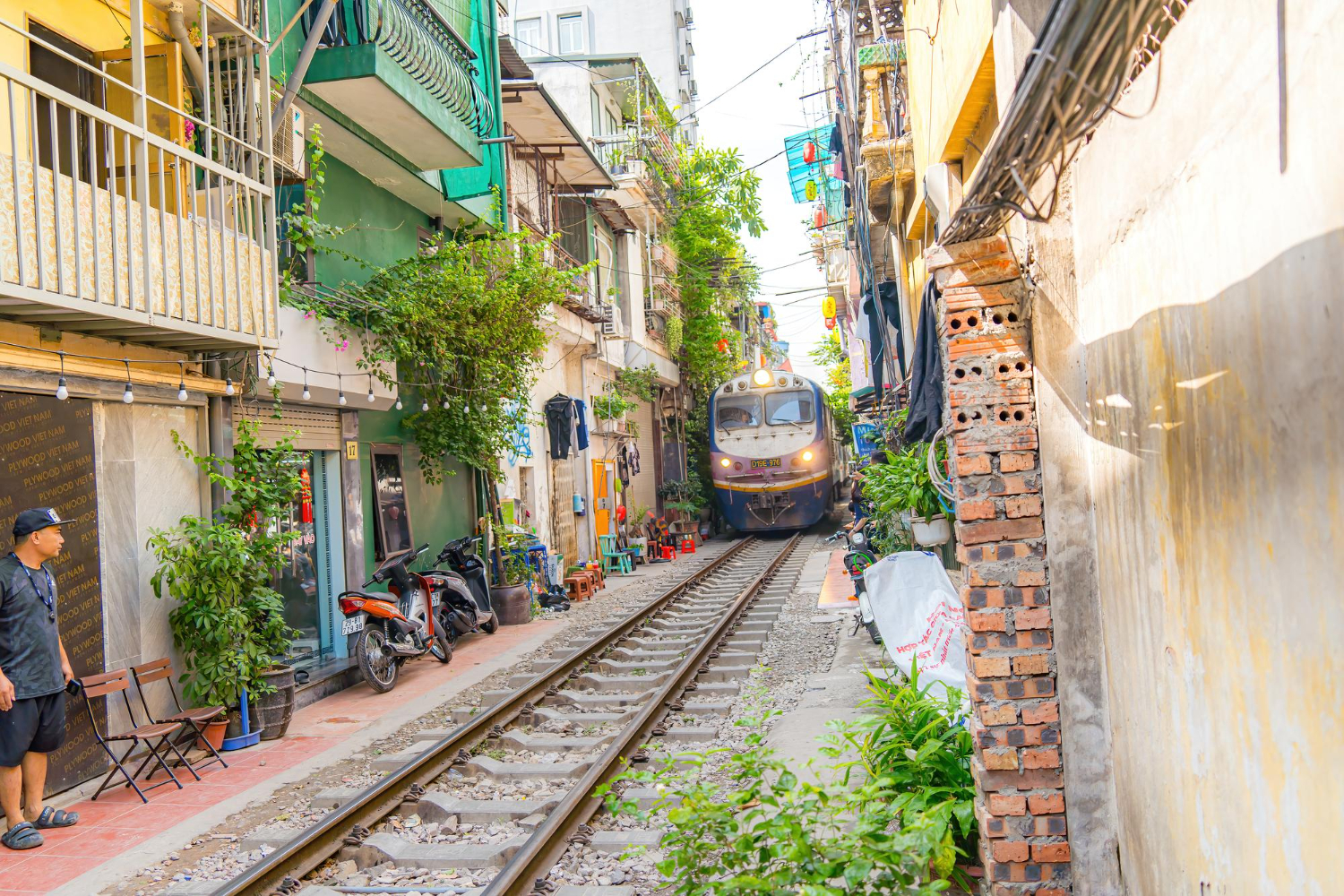
The most famous section of Train Street runs along Phung Hung and Tran Phu streets in Hanoi’s Old Quarter. The total length of the substantially photographed section is approximately 100 meters. The rail line passes through buildings with clearances of approximately 18-24 inches on each side at the narrowest points — barely enough for the train to pass without contact with adjacent structures.
The narrow geography produces specific operational challenges for both the railway and the residents. Train operators must maintain precise tracking to avoid contact with buildings. Residents must continuously coordinate daily activities with train schedules. The combination has produced specific cultural adaptations that make the street function despite its apparently impossible spatial constraints. Other sections of the railway pass through wider areas, but the Phung Hung-Tran Phu narrow section provides the most photographed visual experience.
4: The Train Schedule
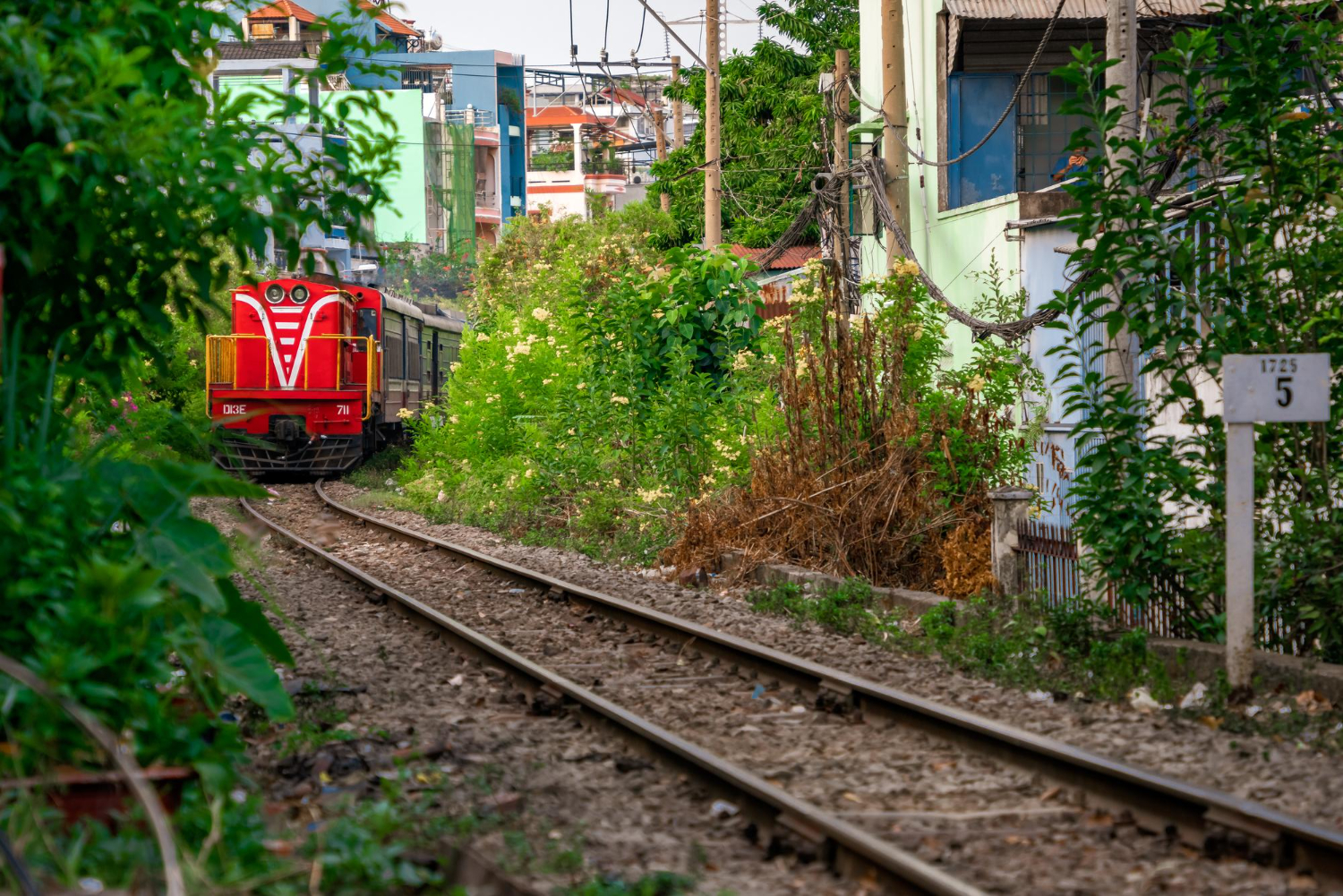
The train passes through the famous Phung Hung section twice daily. The exact schedule varies by season and operational requirements but typically involves: one passage in afternoon hours (commonly around 3 PM) and one passage in evening hours (commonly around 7 PM). Some sources indicate additional weekend passages. The trains travel through this section at approximately 10-15 km/h — substantially slower than mainline operating speeds but still faster than walking pace.
The reduced speed reflects safety adaptations rather than inherent limitations. Trains could technically operate faster but the combination of pedestrian areas, tourist activity, and various other factors requires reduced speeds for safety. The advance warning system involves railway staff who notify nearby cafes and residents approximately 5-10 minutes before train passages, enabling preparation time. The trains do not stop in the residential section — they pass through continuously.
5: The Daily Routine for Residents
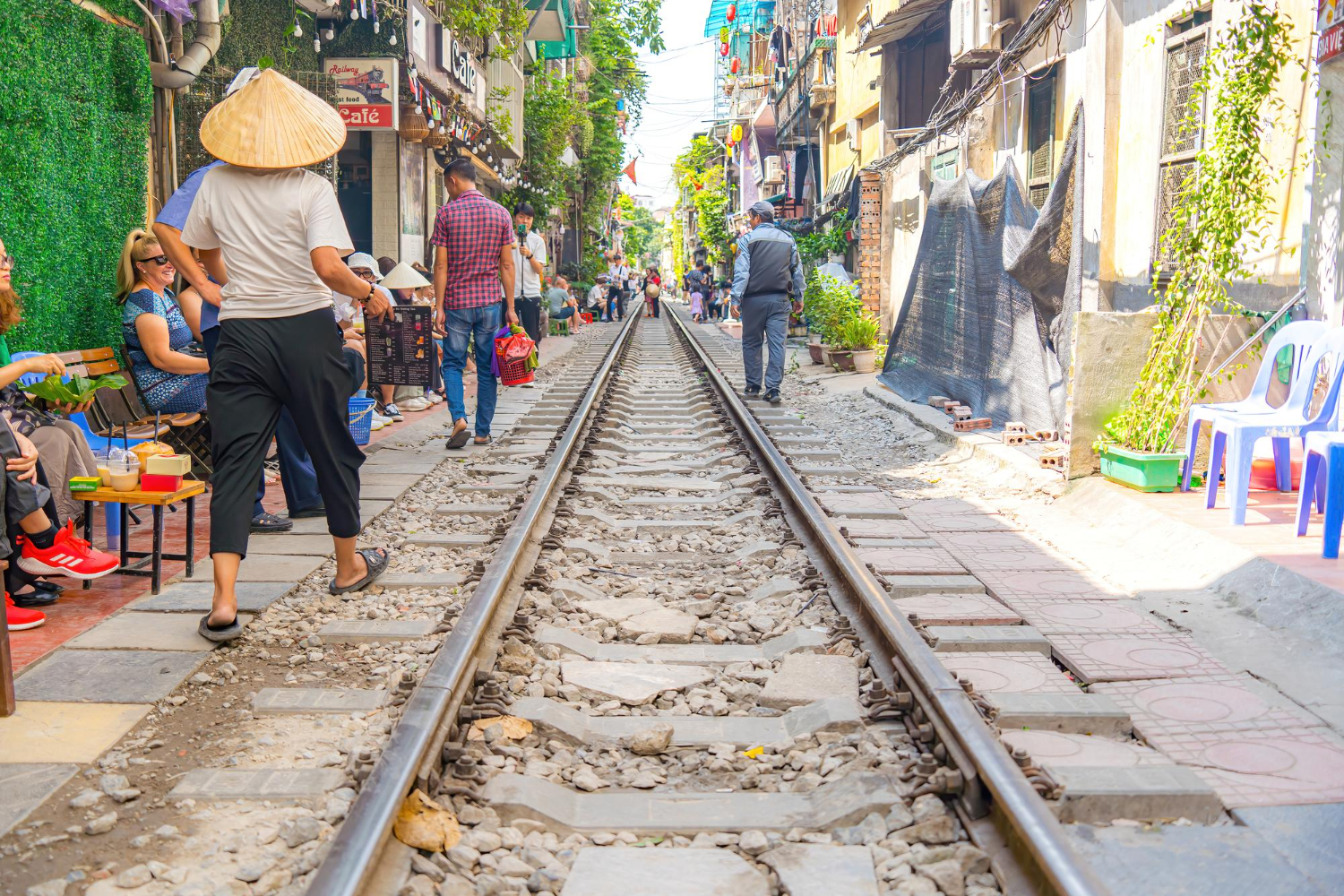
Residents along Train Street have developed specific routines accommodating the twice-daily train passages. Drying laundry on lines along the tracks must be retrieved before each train. Motorbikes parked along the alley must be moved or tucked into recessed areas. Children playing on or near the tracks are called inside. Pets are secured. Various household items extending into the railway clearance must be retrieved.
The routines are genuinely casual rather than emergency-mode reactions. Long-term residents have integrated train passages into daily rhythm so thoroughly that the events occur with substantial calm. Children learn from very young ages to recognize approaching train signals and move appropriately. Residents conduct conversations about other matters even as they routinely manage the safety preparations. The casual integration is itself part of what makes the street fascinating to visitors.
6: The Tourism Discovery
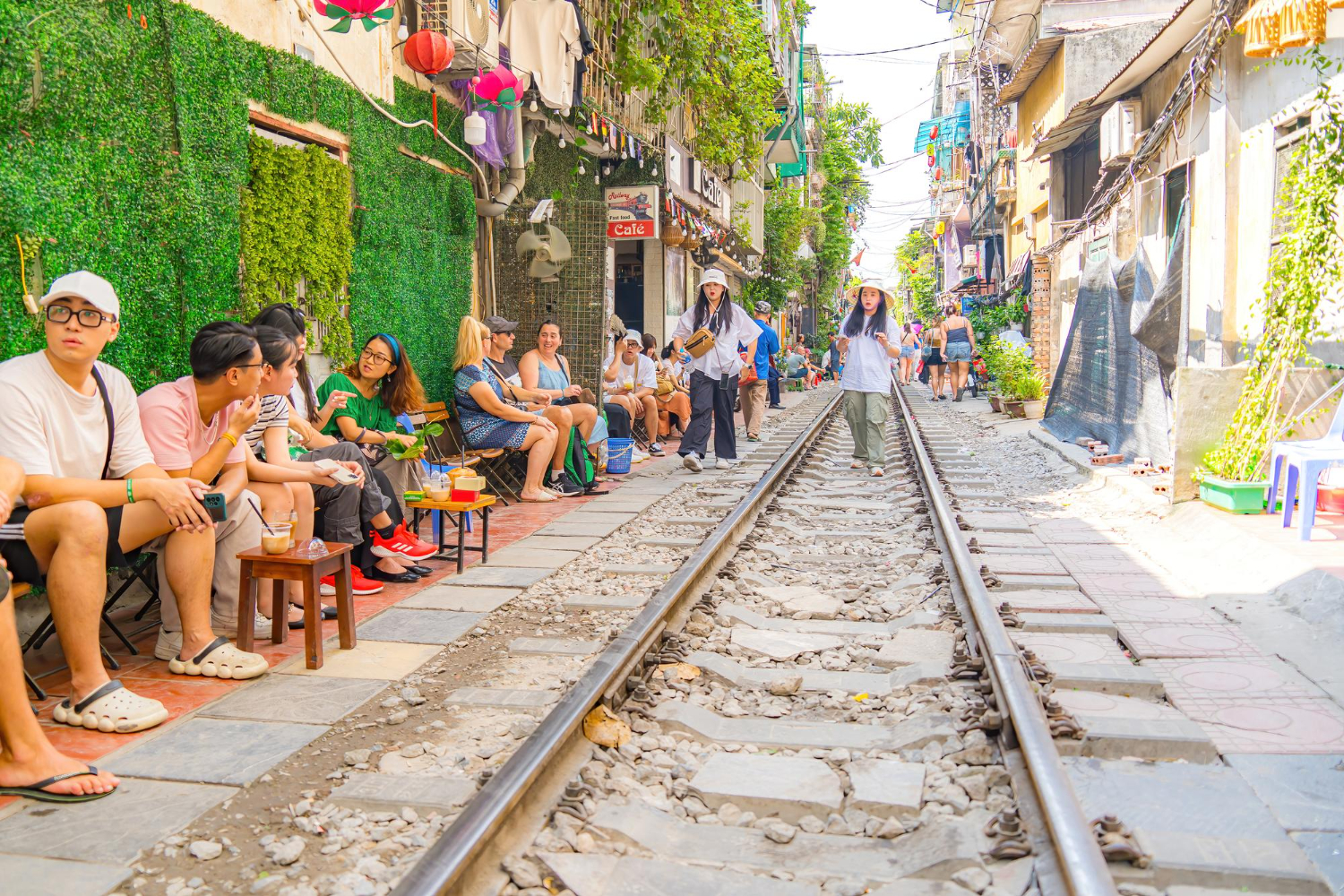
Train Street’s transformation from marginal neighborhood to international tourist destination occurred gradually through the 2010s. Social media photography drove substantial growth in awareness. Instagram posts featuring the dramatic train-passing-cafes imagery went viral repeatedly. Travel publications featured the street in various “unusual destinations” articles. Tour operators began incorporating Train Street visits into Hanoi itineraries.
By 2018-2019, Train Street had become substantial tourist attraction with multiple cafes specifically catering to international visitors. The cafes typically positioned seating along the tracks, enabling tourists to sip coffee while trains passed inches away. The combination of visual drama, photographic potential, and accessible Hanoi location produced rapid tourism growth that the area’s infrastructure wasn’t designed to accommodate. Local cafe operators benefited substantially from the tourism flows that developed.
7: The 2019 Government Closure
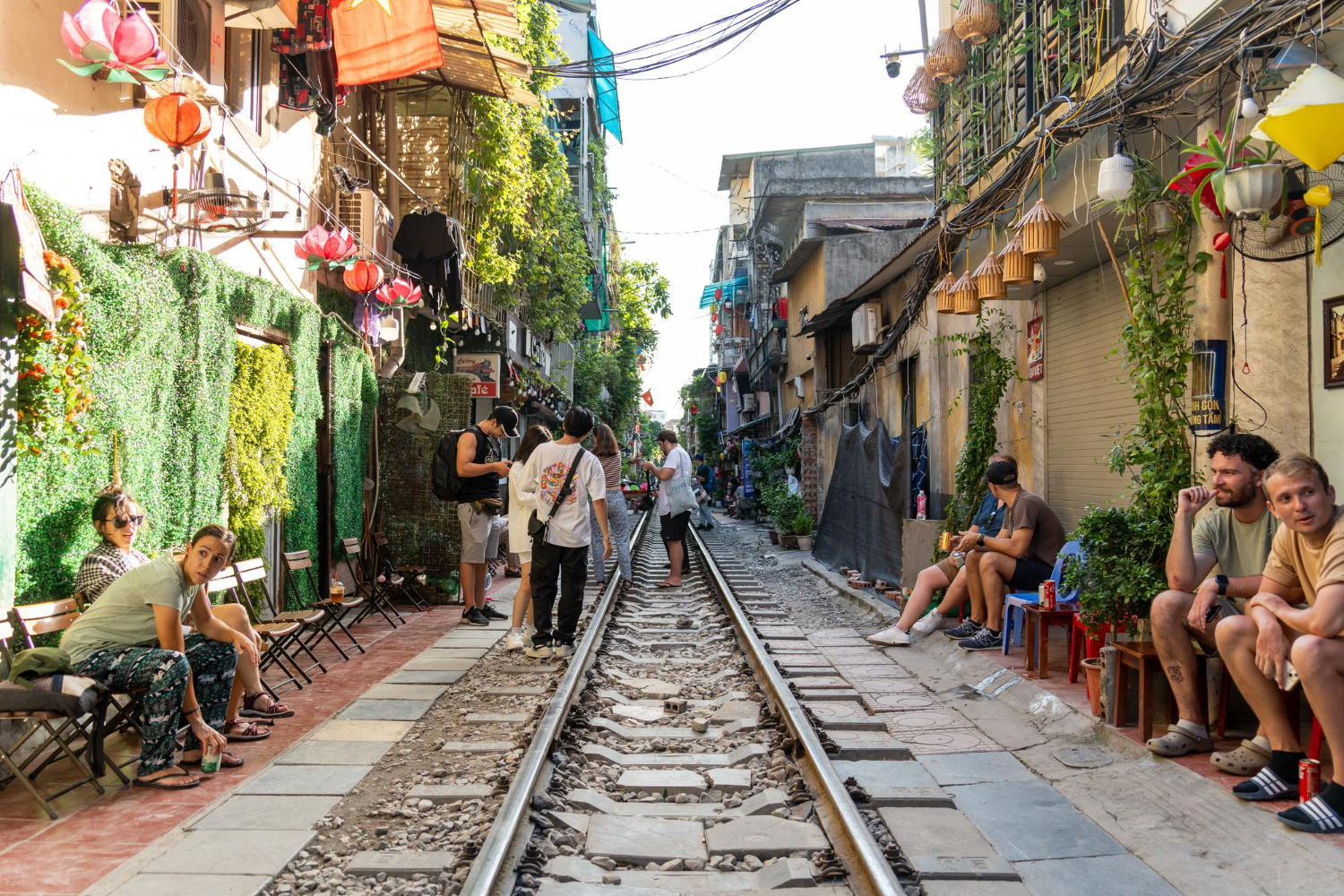
In October 2019, Vietnamese authorities ordered the closure of all cafes along Train Street and prohibited tourist access to the railway area. The closure decision cited specific safety concerns: tourists standing too close to active tracks, pedestrians blocking train paths, photography activities creating distractions, and various other documented safety incidents. The Vietnamese government’s railway authorities had documented multiple near-miss incidents involving tourists.
The 2019 closure was substantially enforced initially. Cafes were shut down. Tourist access was restricted. Police presence increased to prevent unauthorized access. International media coverage criticized the closure as eliminating one of Hanoi’s most distinctive attractions. The cafe operators argued that the closures eliminated their primary income with limited compensation or alternative livelihoods. The dispute reflected substantial tension between safety regulations and tourism economics.
8: The Reopening Cycles
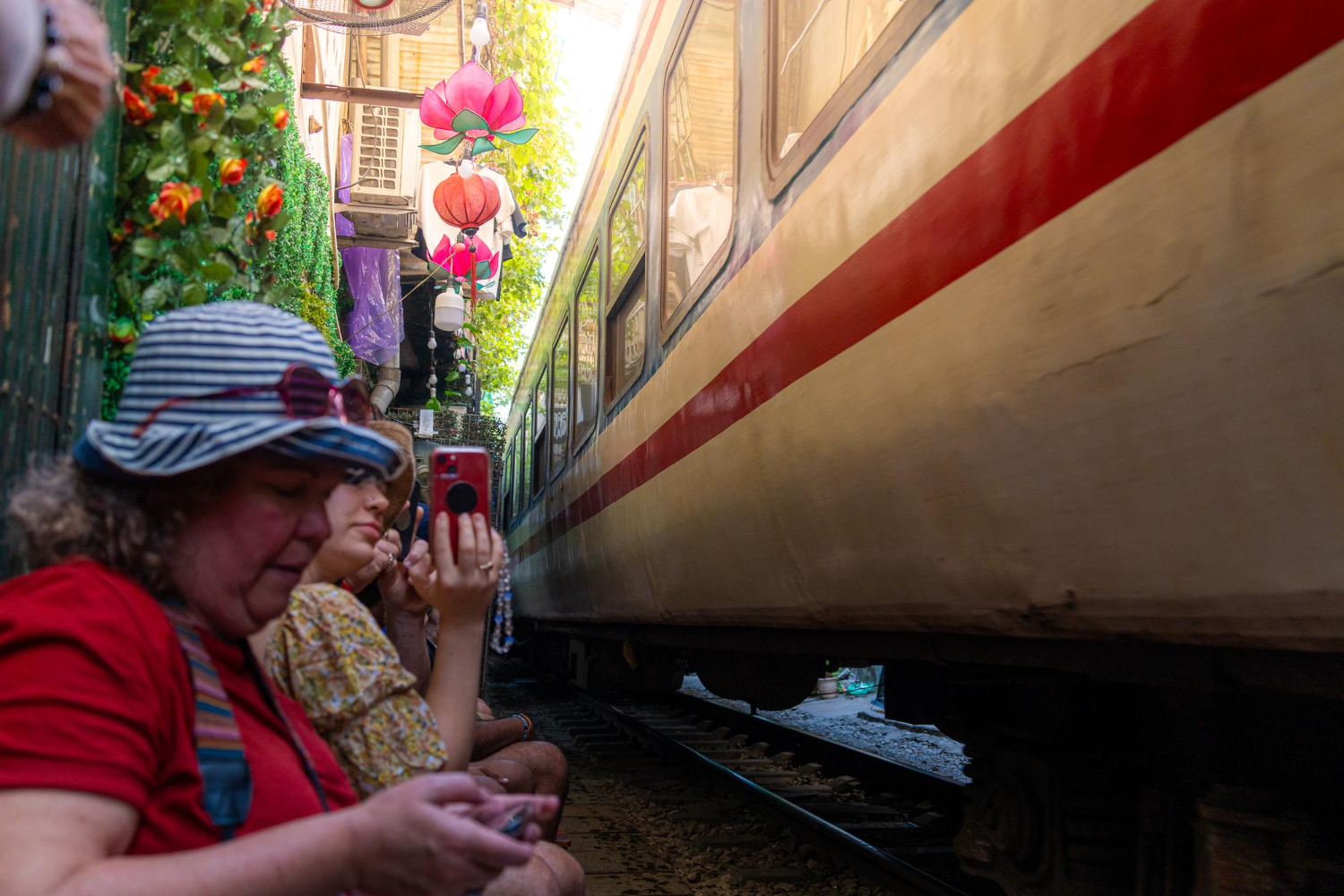
Despite the official 2019 closure, Train Street tourism has continued in modified forms through subsequent years. Cafes reopened periodically — sometimes officially, sometimes informally. Government enforcement varied in intensity. Tourists continued accessing the area through various entrance points despite official restrictions. The cumulative pattern produced cycles of closure and reopening that continued through the post-pandemic period.
The current situation (as of 2026) represents continued tension between official safety policies and tourism realities. Some cafes operate openly. Others operate informally with reduced visibility. Government enforcement has substantially weakened from 2019 peaks while remaining present. International tourists who visit Hanoi continue including Train Street in their plans, finding ways to access the area regardless of specific official policies. The cycle reflects broader Vietnamese tourism dynamics where unofficial accommodation often exists alongside official restrictions.
9: The Specific Safety Concerns
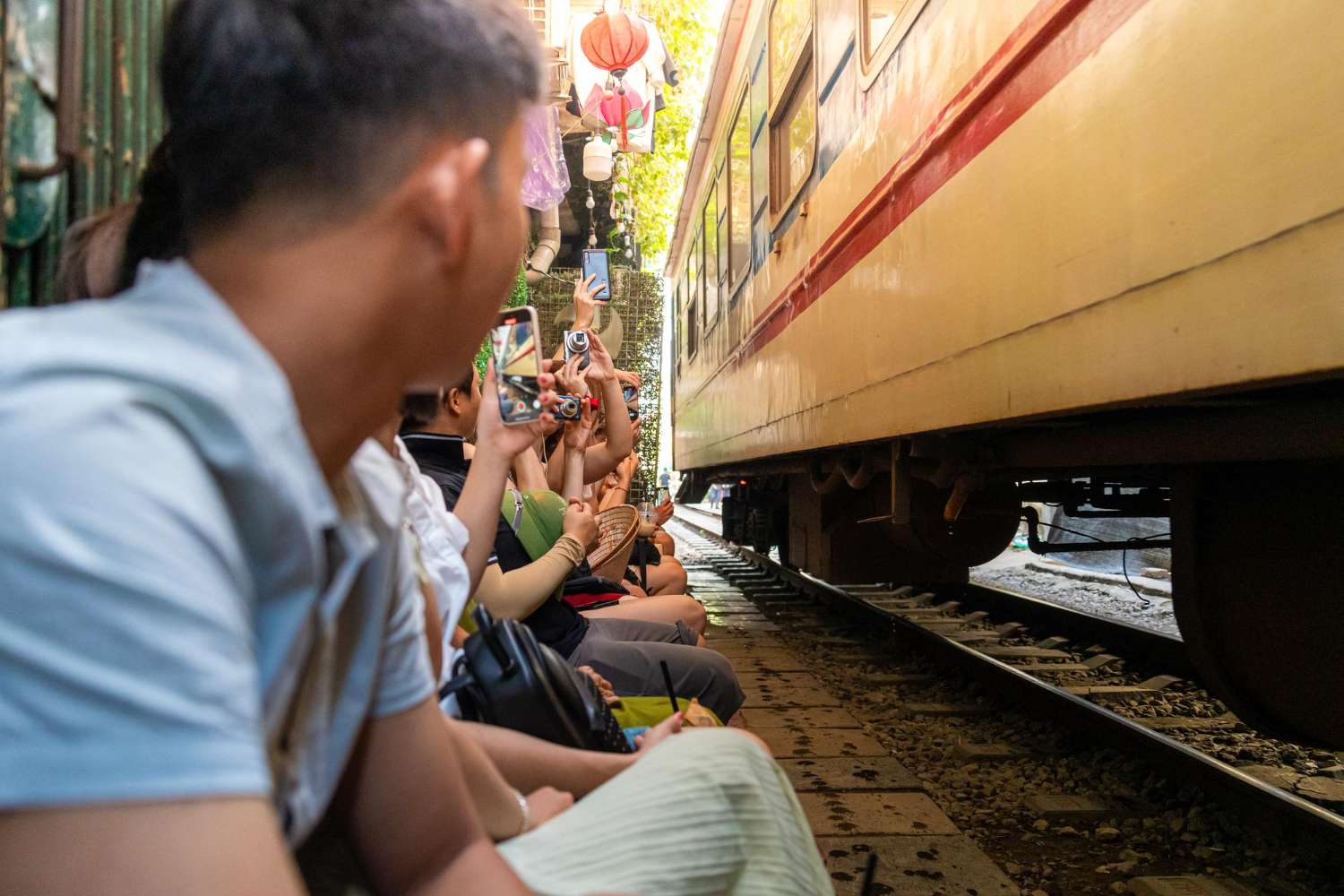
The safety concerns driving government closures are genuine. Documented incidents have included: tourists standing on tracks for photographs and not moving in time, photography equipment placed on tracks creating obstacles, intoxicated tourists losing situational awareness, large group gatherings blocking train paths, various other behaviors that have produced near-miss incidents. The Vietnamese train authorities have documented multiple specific incidents of varying severity.
The comparison with similar attractions elsewhere is instructive. Various other “tourist train” attractions globally have experienced fatal incidents involving tourists who lost awareness of train schedules or movements. Hanoi Train Street’s combination of confined space, twice-daily train schedule, and substantial tourist crowds produces specific risk profile that genuinely concerns safety regulators. The fact that no major fatal incidents have occurred reflects more luck than systematic safety than risk-free design.
10: The Cafe Experience
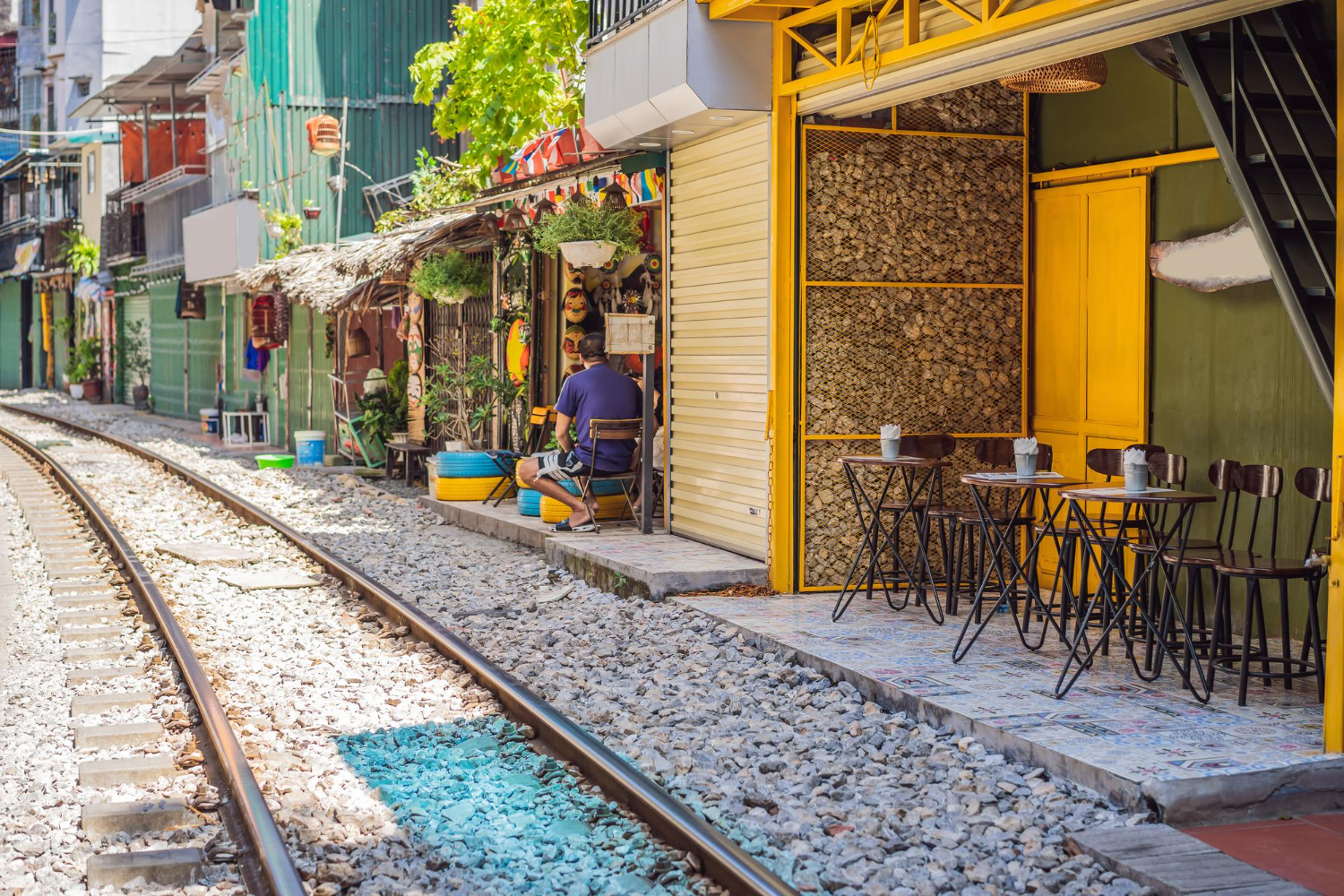
For visitors who do successfully access Train Street cafes, the experience involves specific elements. Cafes are typically small establishments with seating arranged along the tracks. Coffee, beer, and various snacks are available at modestly inflated tourist prices. Cafe staff typically provide warning when trains are approaching, allowing customers to safely position themselves. The actual train passage takes only seconds but produces substantial atmospheric effect — the sound, vibration, and proximity of full-sized passenger train passing within arm’s reach is genuinely memorable.
Many cafes encourage customers to remain seated against walls during train passages, with staff specifically monitoring for safety compliance. The combination of coffee, anticipation, train passage, and post-train relaxation produces specific experience pattern that defines Train Street tourism. Photo opportunities are substantial. Many tourists describe the experience as among the most memorable aspects of Hanoi visits.
11: Practical Visit Information
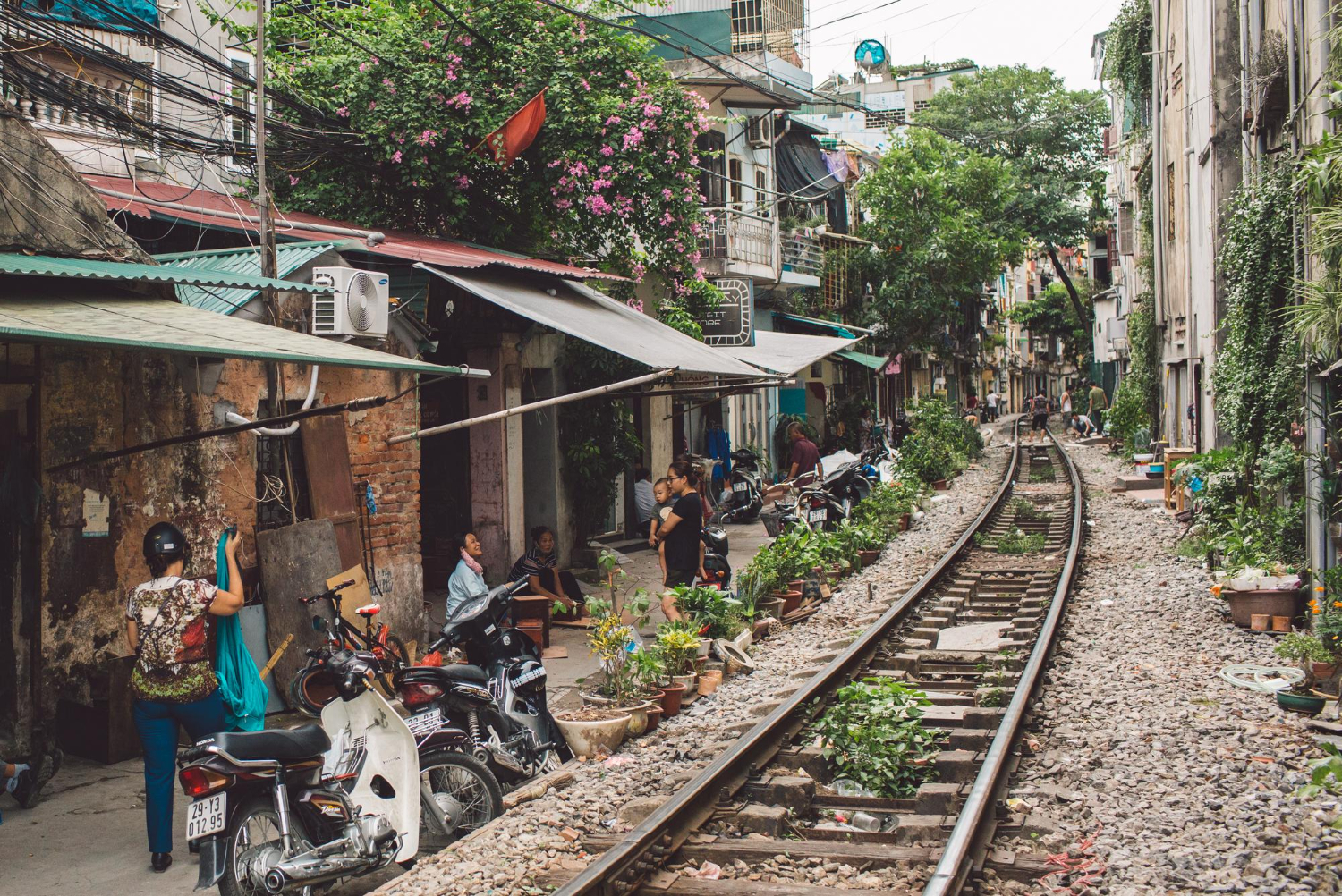
Practical guidance for travelers planning Train Street visits. Best train viewing times are afternoon (around 3 PM) and evening (around 7 PM) — though specific schedules vary and shouldn’t be relied on without confirmation from local sources. The most photographed section runs along Phung Hung Street near intersection with Tran Phu Street. Access points have historically included alley 224 on Le Duan Street and alley 5 on Tran Phu Street, though specific access patterns vary based on current government enforcement.
Specific safety recommendations: arrive early to claim safe seating, follow cafe staff instructions about train approaches, do not place equipment on tracks, do not delay moving when train approaches, respect that this is a residential area where families live their daily lives. Most international visitors visit through general Hanoi exploration rather than specific tour packages — the area is sufficiently small and accessible that independent visits work well. Respect for residents and railway staff substantially affects visitor experience.
12: The Broader Context of Hanoi
Train Street represents one specific aspect of Hanoi’s broader tourism appeal. The Vietnamese capital offers substantial cultural, historical, and culinary attractions beyond the famous railway. The Old Quarter (where Train Street is located) provides substantial walking-tour opportunities through narrow alleys, traditional shops, and various historical sites. Hoan Kiem Lake and Ngoc Son Temple sit at the Old Quarter’s heart. The Temple of Literature, Ho Chi Minh Mausoleum, and various other historical sites are accessible by short trips.
Hanoi street food is genuinely substantial and provides authentic Vietnamese culinary experience. Phở (Vietnamese noodle soup), banh mi (Vietnamese sandwiches), bun cha (grilled pork with noodles), egg coffee, and various other specialties reflect Hanoi’s distinctive food culture. Most visitors plan 3-5 days for substantial Hanoi experience, with Train Street typically being one specific attraction within broader exploration. The combination of Train Street plus broader Hanoi cultural offerings provides substantial introduction to Vietnamese urban culture.
What Hanoi Train Street Actually Represents
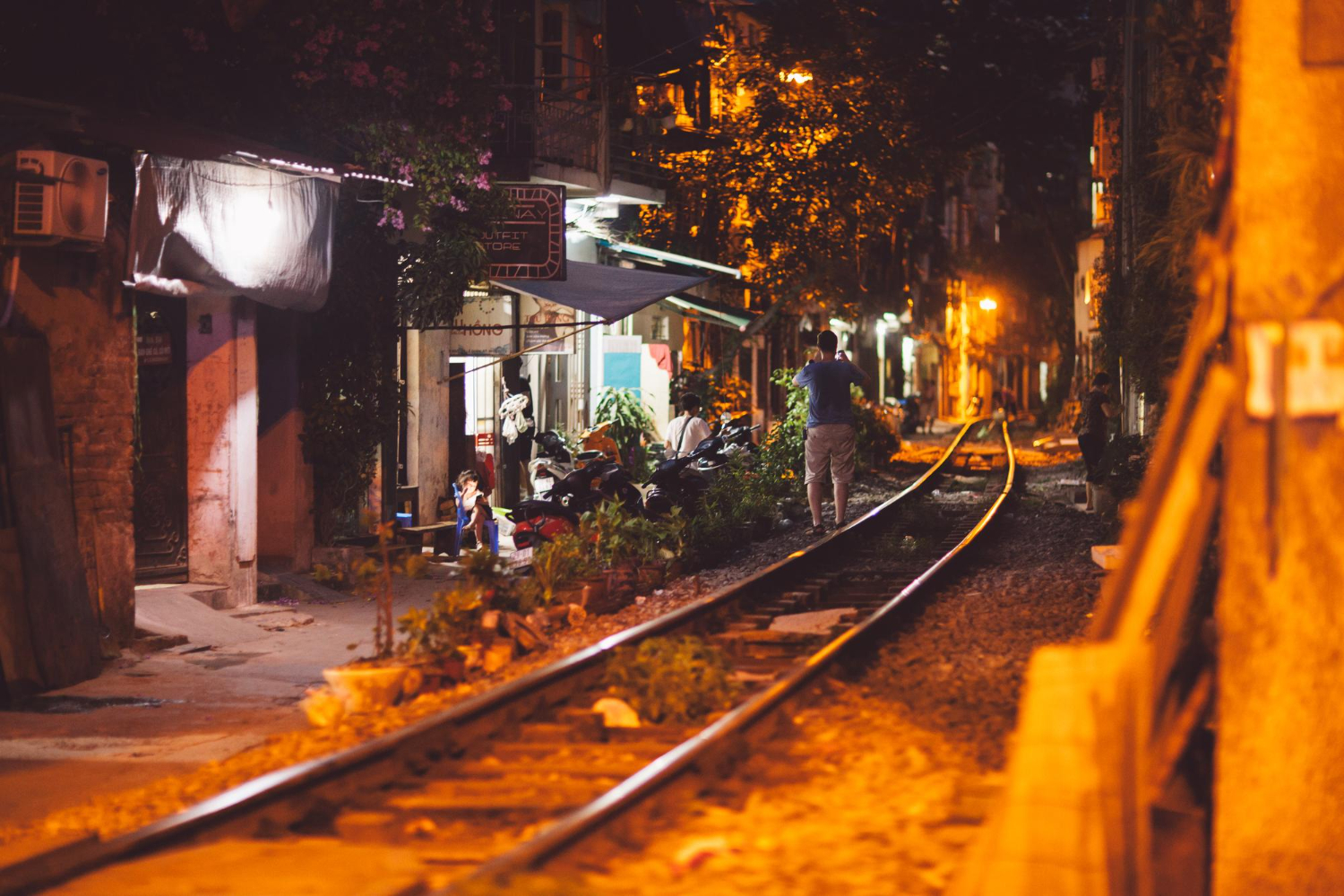
Hanoi Train Street represents specific intersection of colonial-era infrastructure, contemporary urban density, residential daily life, and modern tourism economics. The 1902 French railway continues operating through neighborhoods that developed around it across the 20th century. The residents have adapted to the railway in ways that strike outside visitors as genuinely remarkable but represent normal daily life for the people who actually live there. Tourism has both threatened and benefited the neighborhood — providing income through cafe operations while creating safety risks and cultural disruption that government regulators have struggled to manage. The current situation continues evolving as Vietnamese authorities, tourism operators, residents, and international visitors negotiate ongoing tension between different priorities. For travelers willing to accept the specific risks and respect the specific local context, Train Street provides genuinely unique experience that exists nowhere else in quite the same way. The combination of dramatic visual contrast, sensory intensity, cultural specificity, and historical context produces something that mainstream tourism cannot replicate. The street will likely continue facing periodic government restrictions while continuing to function as tourism destination — the underlying tensions don’t have clean resolutions, but the specific cultural and visual experience continues to draw visitors despite the complications.